Whether a British Shorthair Hemophilia Carrier Bleeds
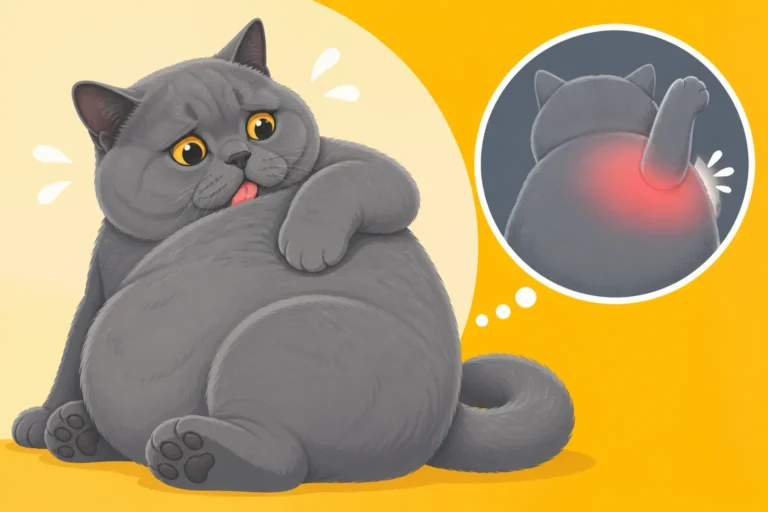
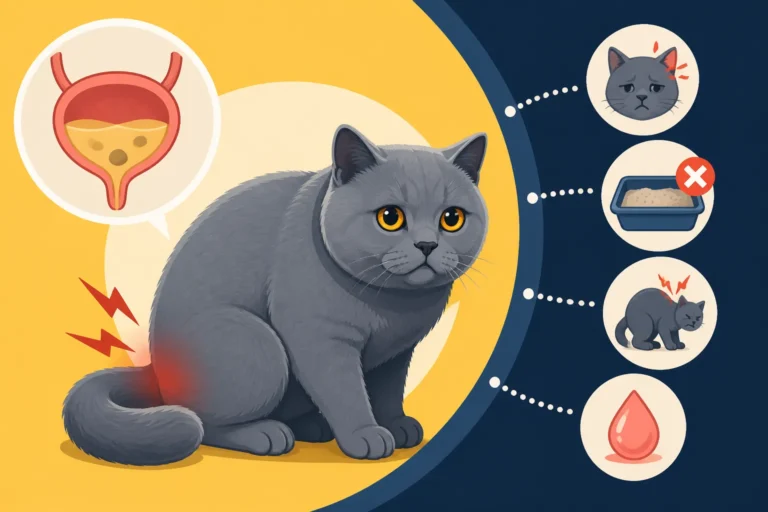
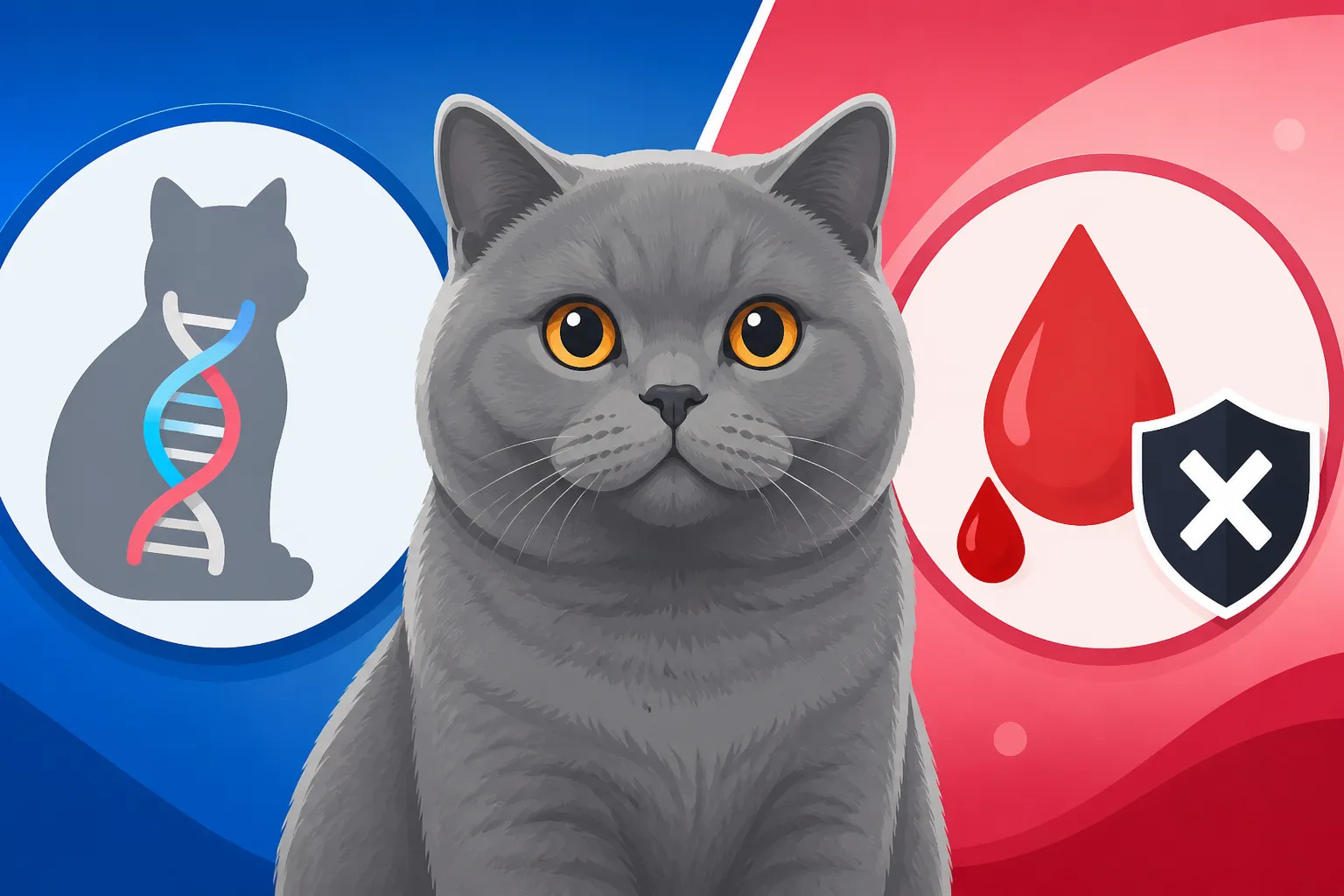
It's a common and understandable fear when you learn your beloved British Shorthair might be a carrier for a serious genetic condition like hemophilia. You immediately picture worst-case scenarios: unexpected bruising, spontaneous bleeding, or life-threatening hemorrhages from a minor scratch. But with hemophilia B in British Shorthairs, understanding the distinction between a carrier and an affected cat is absolutely crucial, and it’s likely your carrier cat is living a perfectly normal, non-bleeding life. This guide will meticulously break down what it means to be a hemophilia B carrier, why they don't typically bleed themselves, and what every British Shorthair owner and prospective owner needs to know.
Understanding Hemophilia B in British Shorthairs
Hemophilia B is a specific type of bleeding disorder that affects a cat's ability to clot blood effectively. It's often misunderstood, leading to a lot of anxiety for owners, especially when they find out their cat carries the gene.
What is Hemophilia B and How Does it Affect Clotting?
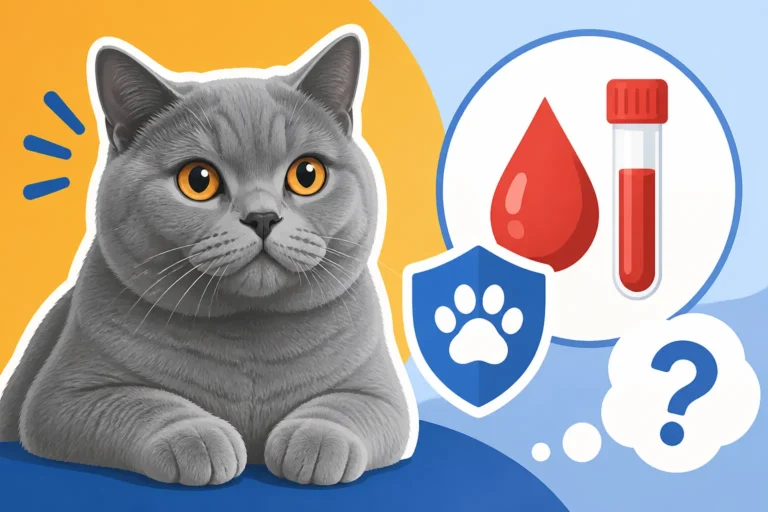
At its core, hemophilia B is a deficiency in a particular clotting factor, Factor IX. Think of your cat's blood clotting system like a complex assembly line. Each factor is a worker responsible for a specific step. If Factor IX, our critical worker, is missing or not functioning correctly, the assembly line breaks down, and a proper clot can't form efficiently. This means that if an affected cat gets a cut, has surgery, or experiences any trauma, they might bleed for much longer than normal, or even suffer internal bleeding that isn't immediately visible.
For British Shorthairs, this condition is inherited in a sex-linked recessive pattern. What does that mean in plain English? It means the gene responsible for producing Factor IX is located on the X chromosome. Females have two X chromosomes (XX), while males have one X and one Y chromosome (XY). Because it's recessive, a female needs two copies of the faulty gene (one on each X chromosome) to be affected and show symptoms. A male, however, only has one X chromosome, so if that single X carries the faulty gene, he will be affected. This genetic nuance is key to understanding why carriers behave differently.
The Genetic Inheritance Pattern of Hemophilia B
The way hemophilia B is passed down is quite fascinating, if a bit complex. Let's break down the possibilities:
- Affected Male (XhY): If a male British Shorthair inherits the X chromosome with the hemophilia gene (Xh) from his mother, he will develop the disease because he doesn't have a second X chromosome to compensate. These are the cats that suffer from bleeding issues.
- Affected Female (XhXh): A female cat needs to inherit two copies of the faulty gene, one from each parent, to be affected. This is much rarer because it requires both parents to contribute a problematic X chromosome.
- Carrier Female (XXh): This is where most of the confusion lies. A carrier female has one normal X chromosome and one X chromosome carrying the hemophilia gene. Because the normal X chromosome can still produce enough functional Factor IX, these females typically do not show any symptoms of the disease. They don't bleed abnormally, and you wouldn't know they were carriers without genetic testing.
- Normal Male (XY) or Female (XX): These cats have two normal X chromosomes (for females) or one normal X (for males) and are free of the gene.
The critical takeaway here is that a carrier female is essentially a silent transporter of the gene. She’s healthy herself, but she can pass the gene onto her offspring, which has significant implications for breeding practices. Understanding Whether a DNA Test for British Shorthair Hemophilia Exists is the first step in responsible management.
The Silent Role of a Hemophilia Carrier
The idea of a "carrier" for a serious disease often conjures images of mild symptoms or intermittent issues, but for British Shorthair hemophilia B carriers, it's a completely different story. They are healthy animals in every sense of the word.
Why a Carrier British Shorthair Does Not Bleed
The reason a female British Shorthair hemophilia carrier doesn't suffer from bleeding problems boils down to genetics and the power of redundancy. Since females have two X chromosomes, one usually carries the normal, functioning gene for Factor IX production. Even if the other X chromosome carries the faulty gene, the healthy X chromosome steps up. It produces enough Factor IX to ensure the blood clotting cascade works effectively. The body has a backup plan!
This means that your carrier queen can live a full, active, and perfectly normal life without ever experiencing a single symptom of hemophilia. She won't bruise easily, she won't bleed excessively after a minor cut, and she certainly won't spontaneously hemorrhage. The level of Factor IX in her blood, while potentially slightly lower than a completely clear cat, is still well within the range needed for normal hemostasis. This is why testing is so important, because you simply cannot tell a carrier from a clear cat just by observing them. You also won't know How Hemophilia B Shows in a British Shorthair Kitten unless you've seen an affected one.
The Difference Between a Carrier and an Affected Cat
Let's put this into a clear comparison:
| Feature | Hemophilia B Carrier Female (XXh) | Hemophilia B Affected Male (XhY) / Affected Female (XhXh) |
|---|---|---|
| Bleeding Symptoms | None; normal clotting function | Severe bleeding from minor injuries, prolonged bleeding post-surgery, spontaneous internal bleeding |
| Factor IX Levels | Sufficient for normal clotting, potentially slightly reduced | Significantly reduced or absent, leading to impaired clotting |
| Health Impact | Generally healthy, normal lifespan | Severe health implications, potentially life-threatening, requires careful management |
| Genetic Makeup | One normal X chromosome, one X chromosome with the faulty gene | One (male) or two (female) X chromosomes with the faulty gene |
| Detection | Only by DNA genetic testing | Often detected by clinical symptoms, confirmed by Factor IX assay and DNA test |
| Breeding Implications | Can pass the faulty gene to offspring; needs careful mate selection | Should not be bred due to severe health issues and passing on the gene |
This table really highlights the stark contrast. A carrier cat is not sick; an affected cat is. This distinction is paramount, especially for breeders.
Responsible Breeding and Genetic Testing
For anyone involved in British Shorthair breeding, knowing the genetic status of your cats is non-negotiable. It's the only way to ensure the health of future generations and prevent the heartbreaking reality of producing kittens with hemophilia B.
The Importance of Screening All Breeding British Shorthairs
Given that carrier females show no symptoms, genetic testing is the only way to identify them. Reputable breeders understand that What a British Shorthair Breeder Should Have Tested includes a comprehensive panel, and hemophilia B testing is an essential component. By screening all potential breeding cats, both males and females, breeders can make informed decisions about pairings.
Imagine a scenario where a breeder unknowingly uses a carrier queen with a normal stud. Statistically, 50% of their male kittens will be affected with hemophilia B, and 50% of their female kittens will be carriers. This is a devastating outcome, not just for the kittens and their future owners, but for the breed as a whole. Conversely, if a breeder knows their queen is a carrier, they can strategically choose a stud who is clear of the gene, ensuring no affected kittens are born. This careful planning helps maintain the breed's health and integrity.
Managing Carrier Cats in a Breeding Program
So, what happens if you discover one of your breeding British Shorthairs is a carrier? The good news is that it doesn't necessarily mean they have to be removed from the breeding program entirely, especially if they possess other exceptional qualities that are valuable to the breed. However, strict protocols must be followed.
The golden rule for breeding with a carrier female is to only ever pair her with a male who has been genetically tested and proven to be clear of the hemophilia B gene.
Here's why:
-
Carrier Female (XXh) x Clear Male (XY):
- Female Kittens: 50% will be clear (XX), 50% will be carriers (XXh). None will be affected.
- Male Kittens: 50% will be clear (XY), 50% will be affected (XhY).
This pairing is still problematic as it can produce affected males.
-
Carrier Female (XXh) x Clear Male (XY):
- Female Kittens: 50% will be clear (XX), 50% will be carriers (XXh). None will be affected.
- Male Kittens: 50% will be clear (XY), 50% will be affected (XhY).
Actually, my previous thought was incorrect. A carrier female bred to a clear male can still produce affected males. This is a critical point!
Let's re-evaluate the Mendelian genetics for X-linked recessive:
Female Carrier: X^H X^h (H = normal, h = hemophilia)
Male Clear: X^H Y
Possible offspring:
- X^H X^H (Clear female)
- X^H X^h (Carrier female)
- X^H Y (Clear male)
- X^h Y (Affected male)
So, a carrier female bred to a clear male still has a 25% chance of producing an affected male kitten. This means that, ideally, carrier cats should probably be retired from breeding to entirely eliminate the risk of affected kittens. However, if their genetics are exceptionally valuable, then strict testing of all offspring and neutering of any affected males or carrier females before sale would be necessary. This is a complex ethical decision for breeders.
This makes the internal link Whether Two British Shorthair Hemophilia Carriers Should Be Bred incredibly important, and the answer is a resounding NO. Breeding two carriers or even a carrier with a clear male still carries risk. The safest approach is to remove carriers from a breeding program or ensure very rigorous testing and spaying/neutering of all offspring before placement. For pet owners, this means insisting on documentation for both parents' hemophilia status.
The cost of testing is minimal compared to the heartache and expense of treating an affected cat. What the British Shorthair Hemophilia B Test Costs is a small investment for peace of mind. Labs like those that process samples for health clearances, often working with veterinarians, can perform these tests. You can find more information about Which Lab Runs the British Shorthair Hemophilia Test through your vet or breed club.
Living with a Carrier and Broader Implications
If you discover your beloved British Shorthair is a hemophilia B carrier, it's natural to feel a pang of worry. However, for a pet owner, the situation is much simpler than for a breeder.
What it Means for Your Pet British Shorthair
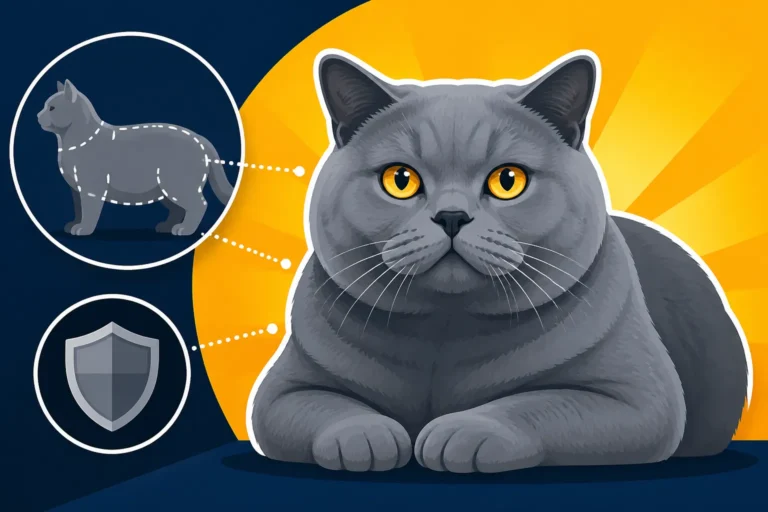
For your pet British Shorthair, being a hemophilia B carrier means very little in terms of their day-to-day life and health. As we've discussed, these cats do not experience bleeding disorders themselves. They will not show symptoms, and they require no special care or medication related to hemophilia.
The most important consideration for a pet owner is ensuring your carrier cat is spayed or neutered. This prevents any accidental breeding that could result in affected kittens. If your British Shorthair is already spayed, then their carrier status is purely informational and doesn't impact their quality of life whatsoever. They can enjoy their plump cheeks and docile nature without any concern about a bleeding disorder.
Many wonderful British Shorthairs end up in rescue, and it's always wise to ask about their health history. While a rescue might not always have full genetic panels, if you're adopting, understanding What an Unscreened Rescue British Shorthair Costs in terms of potential unknown health issues, can help you make an informed decision and factor in future testing costs.
Pet Insurance and Genetic Conditions
When it comes to pet insurance, the landscape around genetic conditions can be a bit tricky. If your British Shorthair is identified as a hemophilia B carrier before you enroll in a pet insurance policy, the condition, and any subsequent related issues in potential offspring, would likely be considered pre-existing. This means that a company like Healthy Paws would probably not cover any costs associated with hemophilia B if, for example, your carrier female somehow ended up having kittens and one was affected.
However, since a carrier cat doesn't suffer from the disease, there are no direct vet bills for the carrier cat related to hemophilia B itself. Pet insurance primarily covers treatments for illnesses and injuries. The cost of genetic testing for carrier status itself might also not be covered, as it's often considered a preventative screening rather than a treatment.
It's always best to thoroughly read the terms and conditions of any pet insurance policy, and if you have questions about specific genetic conditions or preventative screening, reach out to the provider directly. Healthy Paws, for instance, provides comprehensive coverage for accidents and illnesses that are not pre-existing, which is why early and proactive testing for conditions like hemophilia B is so valuable before problems arise. While a carrier herself won't have hemophilia-related claims, an affected cat certainly would, and those bills can be astronomical. Thinking about insuring your British Shorthair is a smart long-term plan for any unexpected health curveballs.
The Broader Impact of Hemophilia B in the British Shorthair Breed
The presence of hemophilia B carriers within the British Shorthair breed underscores the ongoing challenges of maintaining genetic health in purebred animals. Every time an affected kitten is born, it means suffering for the animal and significant financial and emotional strain for the owners. Moreover, it indicates that lines carrying the gene are still active, necessitating continuous vigilance and ethical breeding practices.
By actively testing and making informed breeding decisions, British Shorthair breeders collectively work to reduce the prevalence of this gene. This proactive approach ensures that the breed remains healthy and robust for generations to come, preserving the gentle giants we all adore. While a carrier herself may not suffer from bleeding, imagine the stress and sadness of owning an affected cat, or the cost of treating it. Some owners are sadly faced with making difficult decisions when What Most British Shorthairs Die Of includes unforeseen genetic illnesses.
Disclaimer
The information provided in this article is for general educational purposes only and is not intended to be a substitute for professional veterinary advice, diagnosis, or treatment. Always seek the advice of your veterinarian or other qualified animal health provider with any questions you may have regarding a medical condition.