Whether Two British Shorthair Hemophilia Carriers Should Be Bred
Finding out that two beloved British Shorthair cats in your breeding program are carriers for a serious genetic condition like hemophilia can feel like a punch to the gut. You want to do right by your cats and the breed, but the thought of potentially producing affected kittens is incredibly daunting, not to mention the moral and financial implications. This guide is here to walk you through the complexities of breeding two British Shorthair hemophilia carriers, explaining the genetic risks, ethical considerations, and responsible alternatives to help you make informed decisions for your cattery and the future of this wonderful breed.
Understanding British Shorthair Hemophilia B
Hemophilia B is a bleeding disorder that, while rare, can cause significant distress and health complications for affected British Shorthair cats. It’s an inherited condition, meaning it’s passed down through generations, making understanding its genetics crucial for responsible breeding.
What Hemophilia B Means for British Shorthairs
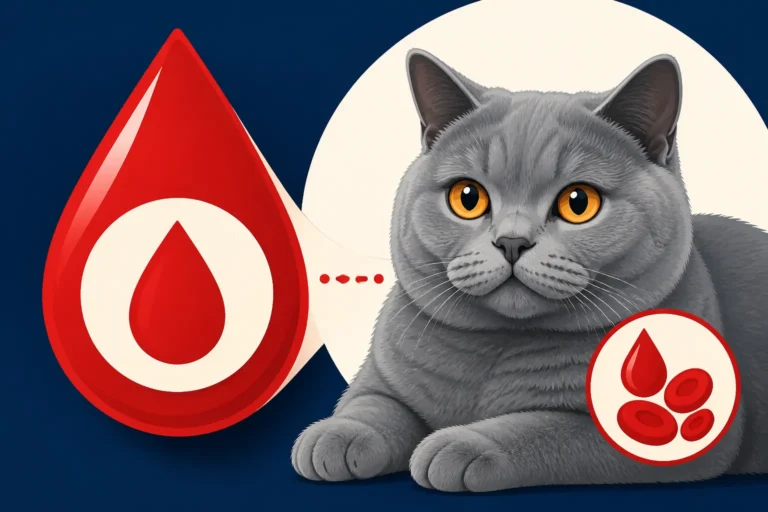
At its core, hemophilia B in British Shorthairs is a deficiency in Factor IX, one of the proteins essential for blood clotting. Imagine your cat gets a small cut, like from a playful scratch or even a minor dental procedure. For a cat with normal clotting factors, the bleeding would stop quickly as the body forms a clot. However, for a British Shorthair affected by hemophilia B, that simple cut could lead to prolonged, excessive bleeding, or even internal hemorrhaging that isn't immediately obvious. This isn't just about surface wounds; even bruising from a simple bump or internal bleeding into joints or organs can occur spontaneously, leading to severe pain, lameness, and life-threatening situations. The implications for a kitten are particularly dire, as they are naturally prone to minor injuries during play or even during the birthing process. For a deeper dive into the condition, you can read more about What Hemophilia B Does to a British Shorthair.
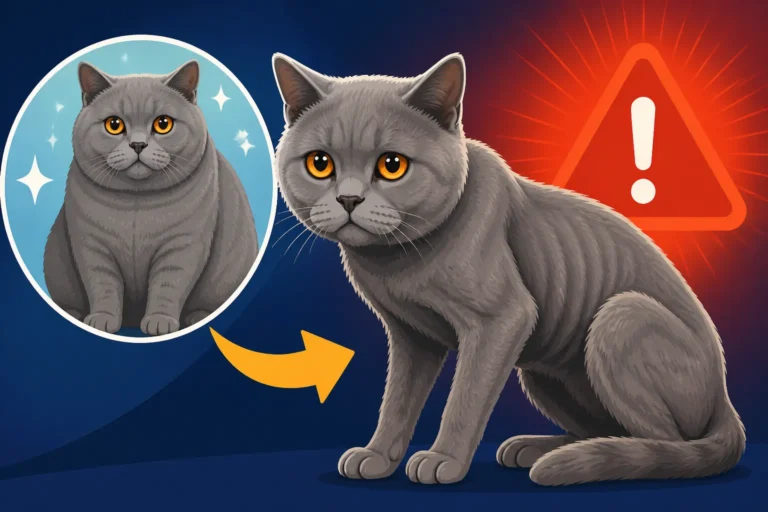
These symptoms can sometimes be subtle, especially in young kittens, making early detection a challenge. A kitten might seem a bit lethargic or reluctant to play, or you might notice unexplained bruising. In more severe cases, excessive bleeding after a routine vaccination or neutering procedure can be the first, terrifying sign. This highlights why breeders must be acutely aware of the potential for this condition and take proactive steps to prevent its occurrence. The distress of seeing a kitten suffer from uncontrollable bleeding is something no breeder or pet owner wants to experience.
How Carriers Differ from Affected Cats
The distinction between a carrier and an affected British Shorthair is fundamental to understanding the genetics of hemophilia B. Hemophilia B is an X-linked recessive disorder. This means the gene responsible for Factor IX production is located on the X chromosome, and two copies of the faulty gene are needed for a female cat to be affected, while only one copy is needed for a male cat to be affected.
- Affected Cats: A male British Shorthair (XY) with one faulty X chromosome will be affected by hemophilia B because he only has one X chromosome. A female British Shorthair (XX) would need two faulty X chromosomes to be affected, which is exceedingly rare. Affected cats will display the symptoms of the bleeding disorder.
- Carrier Cats: A female British Shorthair (XX) can carry one copy of the faulty gene on one of her X chromosomes and still be perfectly healthy. She has a second, healthy X chromosome that compensates for the faulty one, so she typically won't show any signs of the disease herself. However, she can pass that faulty gene on to her offspring. Male cats cannot be carriers in the same way; they are either affected or clear.
This carrier status is often a hidden danger. A beautiful, seemingly healthy queen could be carrying the gene without anyone knowing unless proper genetic testing is performed. This is why Whether a DNA Test for British Shorthair Hemophilia Exists is such a critical question for breeders. Without this knowledge, breeders might inadvertently perpetuate the faulty gene within their lines, increasing the risk of producing affected kittens.
The Genetic Reality of Inheritance
Understanding X-linked recessive inheritance is key to predicting outcomes when breeding British Shorthairs. Let's break down the possibilities:
- Clear Female (XX) x Affected Male (Xf Y): All male kittens will be clear (XY), and all female kittens will be carriers (XfX). While this pairing avoids immediately affected offspring, it introduces carrier females into the next generation.
- Clear Female (XX) x Carrier Male (Not possible): As explained, males are either clear or affected.
- Carrier Female (XfX) x Clear Male (XY):
- 50% of male kittens will be clear (XY).
- 50% of male kittens will be affected (XfY).
- 50% of female kittens will be clear (XX).
- 50% of female kittens will be carriers (XfX).
This is a common scenario where affected male kittens can appear.
- Carrier Female (XfX) x Affected Male (XfY):
- 50% of male kittens will be affected (XfY).
- 50% of female kittens will be affected (XfXf).
- 50% of female kittens will be carriers (XfX).
This pairing has a very high risk of producing affected offspring of both sexes.
The scenario we're most concerned with here is breeding two carriers. Since males can't be carriers, this implies a carrier queen being bred to an affected male, or more commonly, the phrase "two carriers" might refer to a carrier female and a descendant of a carrier line (where the male might unknowingly be affected or from a line that has produced affected offspring). However, the direct question addresses two carriers, which implies a carrier queen. For the purpose of this article, we'll focus on the implications of a known carrier female being bred. The true dilemma typically arises with a carrier female, and the discussion of "two carriers" usually implies a carrier female and a male that could carry the gene on his X chromosome if he were affected, or from a line where the gene is present.
Here's a simplified table focusing on the critical pairing of a carrier queen:
| Queen's Genotype | Stud's Genotype | Probability of Offspring Outcomes (per litter) |
|---|---|---|
| XfX (Carrier) | XY (Clear) | 25% Clear Female (XX) |
| 25% Carrier Female (XfX) | ||
| 25% Clear Male (XY) | ||
| 25% Affected Male (XfY) | ||
| XfX (Carrier) | XfY (Affected) | 25% Carrier Female (XfX) |
| 25% Affected Female (XfXf) | ||
| 25% Clear Male (XY) | ||
| 25% Affected Male (XfY) |
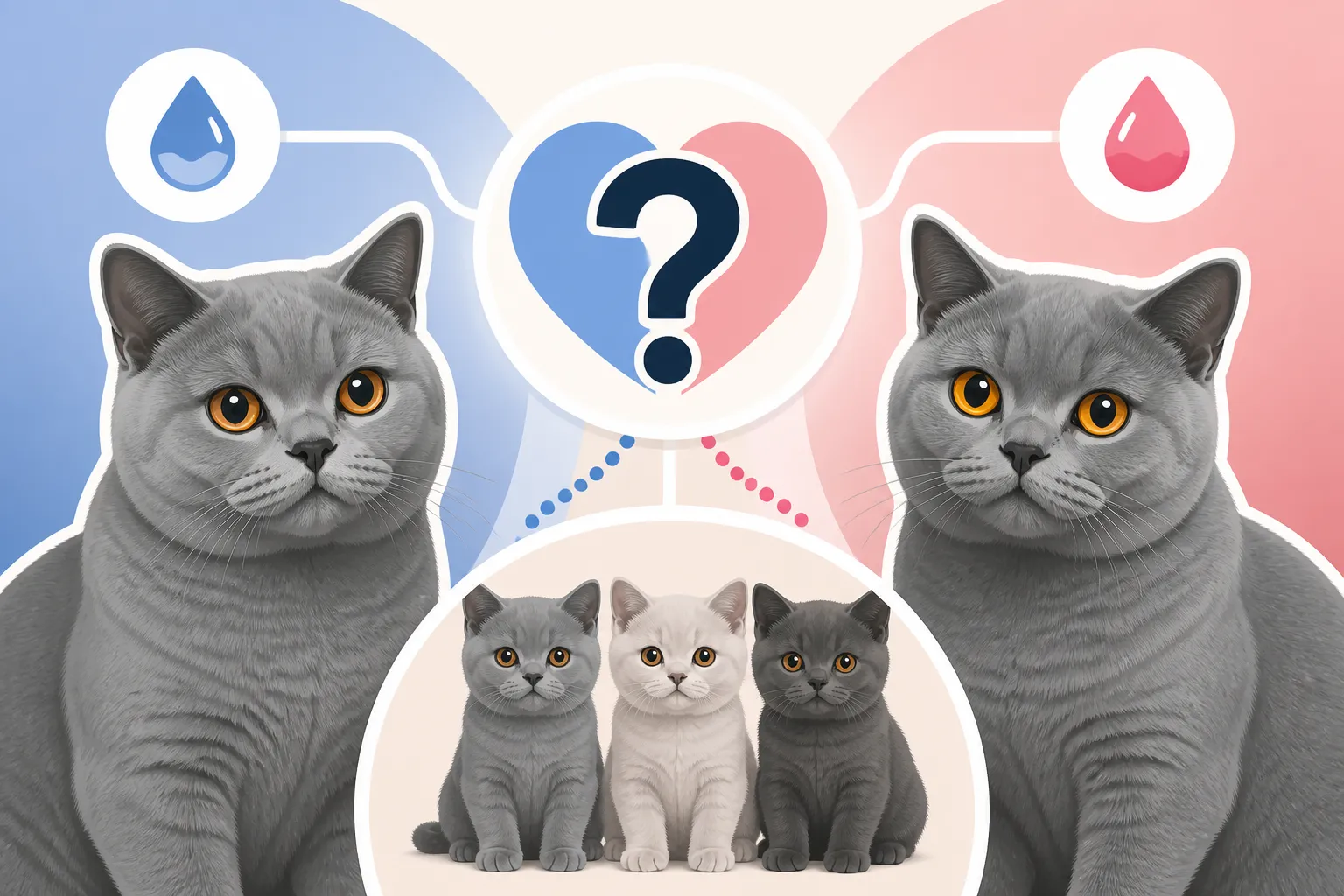
As you can clearly see, breeding a carrier queen to even a clear male still carries a 25% chance of producing affected male kittens. This is the scenario that breeders often grapple with, highlighting why knowing the genetic status of your breeding stock is paramount. It’s not just about the individual cat, but the potential impact on every kitten in the litter.
The Risks of Breeding Two Carriers
The decision to breed two British Shorthair hemophilia carriers, even if one is a carrier queen and the other is a male from a carrier line (or an affected male, which is an even greater risk), is fraught with significant risks that extend beyond simple genetics. It impacts the welfare of the kittens, the integrity of your breeding program, and your reputation as a responsible breeder.
The Statistical Probability of Affected Kittens
As demonstrated in the table above, breeding a female carrier (XfX) with a clear male (XY) still results in a 25% chance of male kittens being affected (XfY). If, by some oversight or lack of testing, a carrier female (XfX) were bred to an affected male (XfY) – which, thankfully, is extremely unlikely if proper testing is done – the statistics become even more alarming. You would have a 50% chance of both male and female offspring being affected, and the remaining 50% of females would be carriers. This isn't just a theoretical risk; these numbers translate directly to the lives of vulnerable kittens.
Consider a typical British Shorthair litter size, which can range from three to six kittens. If you breed a carrier queen to a clear male, even in a litter of four, there's a significant chance one of those precious male kittens could be born with hemophilia B. This means every time you plan a mating, you're rolling the dice with the health and lifespan of a quarter of your male offspring. For breeders who dedicate their lives to producing healthy, well-adjusted kittens, these odds are simply too high to ignore. It’s a gamble that most responsible breeders would deem unacceptable, given the potential for suffering.
The Ethical and Welfare Implications
The ethical considerations are perhaps the heaviest burden when contemplating breeding two carriers. Knowing there's a high probability of producing kittens with a severe, potentially life-threatening condition goes against the fundamental principles of responsible animal husbandry. Breeders have a moral obligation to prioritize the health and welfare of their animals above all else. Purposely bringing a kitten into the world that will face chronic pain, a severely shortened lifespan, and a constant risk of fatal bleeding is, for many, an unbearable thought.
Such kittens require intensive, lifelong veterinary care. Imagine a tiny British Shorthair kitten, with its adorable round face and plush coat, struggling with a swollen joint from internal bleeding, or fighting for its life after a seemingly minor scratch. This is the reality for affected animals. Furthermore, these kittens are often difficult to place in homes, as few pet owners are equipped or willing to take on the immense challenges of caring for a hemophiliac cat. This could leave breeders with the heartbreaking choice of either providing lifelong specialized care themselves or facing difficult decisions about euthanasia for humane reasons. This isn't just a hypothetical scenario; it's a very real and distressing outcome that can be avoided with proper genetic screening and responsible breeding choices.
Financial and Emotional Costs to Breeders and Owners
Beyond the ethical dilemma, the financial and emotional toll of dealing with hemophilia B in a British Shorthair breeding program can be immense. For breeders, discovering affected kittens means covering extensive veterinary bills, which can quickly add up. Diagnostic tests, emergency treatments for bleeding episodes, pain management, and potentially even specialized diets or therapies are all incredibly costly. A single bleeding crisis could lead to thousands of dollars in emergency vet care.
Moreover, the emotional cost is staggering. The heartbreak of watching a kitten suffer, the guilt of having contributed to its condition, and the stress of managing its care can be overwhelming. This takes a toll on the breeder's well-being and can damage their passion for the breed. For potential pet owners, while a good breeder would disclose the condition and likely not sell such a kitten, imagine adopting a cat only to discover it has hemophilia B. The immediate shock, followed by the constant worry and the high cost of ongoing medical care, can be devastating. This is why having pet insurance like Healthy Paws can be invaluable for pet owners, helping to mitigate some of the financial burden of unexpected health issues, but it certainly doesn't erase the emotional strain. A pet owner might find themselves needing to explore options like Insuring a British Shorthair to manage the unpredictable costs.
For breeders, the discovery of hemophilia in their line can also lead to a significant blow to their reputation. In the close-knit world of purebred cat breeding, a breeder known for producing cats with severe genetic disorders will struggle to maintain trust and credibility. It can be incredibly difficult to recover from such a setback, especially when the goal is to improve the breed's health and maintain high standards. Transparency about health screening, including the results of What the British Shorthair Hemophilia B Test Costs, is crucial.
Responsible Breeding Practices and Alternatives
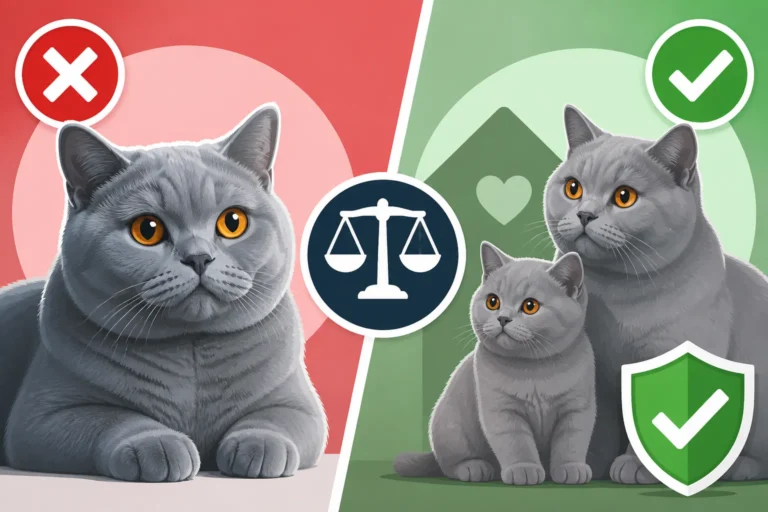
Given the significant risks and ethical concerns, responsible British Shorthair breeders absolutely must prioritize health screening and strategic mating to eliminate hemophilia B from their lines. This isn't just about avoiding problems, it's about actively contributing to the long-term health and vitality of the breed.
Strategic Mating with Non-Carriers
The most effective and ethical strategy for a breeder who discovers they have a carrier queen is to cease breeding her with any male who might contribute the faulty gene. Instead, she should only be mated with a male who has been genetically tested and confirmed to be completely clear of the hemophilia B gene. By doing this, you eliminate the possibility of producing affected male kittens.
Even when breeding a carrier female to a clear male, half of her female offspring will still be carriers. These carrier females must then also be tested before they are considered for a breeding program. This involves a commitment to thorough and ongoing genetic testing of every potential breeding cat. The goal is to gradually phase out carrier animals from your active breeding program while ensuring you don't lose valuable genetic diversity. It's a careful balancing act, and it requires patience and dedication. Some breeders choose to retire a carrier queen from breeding entirely to avoid passing on the gene, but if the cat possesses exceptional type and temperament, breeding her thoughtfully with clear males, and rigorously testing all female offspring, can be a way to continue her line without producing affected kittens. This decision hinges on meticulous record-keeping and a strong ethical compass.
The Role of Genetic Testing
Genetic testing is not just a recommendation; it's a non-negotiable step for any British Shorthair breeder committed to preventing hereditary diseases. For hemophilia B, a simple DNA test can accurately identify whether a cat is clear, a carrier, or affected. This test is crucial for both queens and potential stud cats before any breeding plans are made. You can learn more about What a Full British Shorthair Health Panel Costs and how it integrates into a comprehensive health strategy.
Reputable laboratories offer these tests, and the results provide invaluable information, giving breeders the power to make informed decisions. It's not enough to just test the parents; depending on the results, offspring may also need to be tested, especially if a carrier parent was used. For instance, if a carrier queen is bred to a clear male, all female kittens should be tested to identify which ones are carriers and which are clear. This way, only clear female offspring are considered for future breeding, effectively halting the transmission of the faulty gene down the line. It's a diligent process, but it's the only way to ensure the long-term health of the breed and give future owners peace of mind. Without this testing, breeders are operating blindly, risking heartbreak and significant costs down the line.
Why Removing Carriers from the Breeding Pool Matters
The ultimate goal for any responsible British Shorthair breeder is to eliminate hereditary diseases like hemophilia B from the breed's gene pool. While judiciously breeding a carrier to a clear cat can temporarily prevent affected offspring, the ideal long-term strategy involves gradually removing carrier cats from the breeding pool. This doesn't necessarily mean spaying or neutering every carrier immediately, especially if they are valuable to the breed in other ways (e.g., exceptional type, temperament, or genetic diversity). However, any carrier cat should only be bred with a clear mate, and their offspring must be rigorously tested.
By consistently selecting only clear offspring for future breeding, over several generations, the prevalence of the carrier gene can be significantly reduced, eventually eliminated. This approach ensures that the breed remains healthy and robust. The British Shorthair is known for its sturdy build and generally good health, as discussed in Whether the British Shorthair Is a Healthy Breed, and maintaining this reputation requires constant vigilance against genetic issues. Breeders who commit to this level of screening and ethical decision-making are performing a vital service to the entire breed community, ensuring that British Shorthairs continue to be beloved companions for years to come.
Living with Hemophilia B and Supporting the Breed
While the focus for breeders is on prevention, it's also important to understand what life is like for an affected British Shorthair and how breeders can contribute to the overall health of the breed beyond their own cattery.
Managing an Affected British Shorthair
If, despite all precautions, an affected British Shorthair kitten is born, the journey for its caretakers is undoubtedly challenging but can still be full of love and companionship. Management of hemophilia B centers on preventing injuries and being prepared for bleeding episodes. This means providing a safe, padded environment, avoiding rough play, and being extra cautious with any procedures that might cause bleeding, such as nail trims, dental work, or vaccinations. A cat with hemophilia B should always wear a special collar or tag indicating their condition, and emergency veterinary contact information should be readily available.
Regular communication with a veterinarian experienced in feline coagulation disorders is essential. They can advise on specific protocols for injury prevention, emergency care, and potential medications if needed. Some affected cats might require transfusions during severe bleeding crises. Pet owners considering an affected cat should be fully aware of these demands and the potential costs, even with pet insurance like Healthy Paws, which can help with unexpected veterinary emergencies. It's a commitment that requires immense dedication, but these cats can still live fulfilling lives with proper care and attention. Understanding How Hemophilia B Shows in a British Shorthair Kitten is crucial for early intervention.
Community Standards and Breeder Reputation
The collective effort of the British Shorthair breeding community is vital in managing and eradicating genetic diseases. This means open communication, sharing test results, and upholding rigorous health standards. Reputable breeders understand that transparency is key, and they are usually proud to show proof of genetic testing for conditions like hemophilia B, as well as cardiac screenings, blood typing, and PKD tests. You can find more information about What a British Shorthair Breeder Should Have Tested and The Screening a British Shorthair Breeder Cannot Skip in our comprehensive guides.
When choosing a British Shorthair kitten, always ask to see the genetic test results of both parents, especially for X-linked conditions like hemophilia B. A responsible breeder will have these readily available and will be happy to discuss their health screening protocols. Organizations like the Cat Fanciers' Association (CFA) or The International Cat Association (TICA) also often set guidelines for health testing within breeds. Adherence to these standards, coupled with personal ethical commitments, ensures that the British Shorthair breed continues to thrive, free from preventable genetic disorders. Supporting breeders who actively test and make responsible choices helps to strengthen the entire breed and promotes the health of future generations, making it easier for owners to potentially get insurance coverage for their cats with providers like Healthy Paws.
Disclaimer
Please remember that this article provides general information and guidance. Always consult with a qualified veterinarian or a certified feline geneticist for advice tailored to your specific situation and for official diagnosis and treatment plans for any health conditions your British Shorthair may face. Breeding decisions should always be made in consultation with veterinary professionals and in consideration of ethical guidelines.