Whether a Rescue British Shorthair Has Been Scanned
It’s a truly wonderful thing to open your heart and home to a rescue British Shorthair, and finding that perfect furry companion often comes with a mix of excitement and a little bit of worry. Many prospective adopters, myself included, can feel overwhelmed wondering about a rescue cat's past, especially concerning vital health screenings that are so important for this specific breed. This guide aims to clear up some of the confusion, explaining what you can realistically expect from a rescue organization regarding health testing and what proactive steps you can take to ensure your new British Shorthair thrives.
Understanding Rescue Protocols for Health Screening
When you’re looking to adopt a cat, particularly a specific breed like a British Shorthair, it’s only natural to be curious about their health history. We all want to give our pets the best start, and knowing they’ve been thoroughly checked out provides immense peace of mind. However, the reality of rescue organizations and their resources can sometimes mean that comprehensive, breed-specific health scans aren't always part of their standard protocol.
The Reality of Rescue Resources and Priorities
Rescue groups, whether large shelters or smaller, volunteer-run organizations, typically operate on very tight budgets and immense workloads. Their primary mission is to get animals off the streets, out of dangerous situations, and into safe, loving homes. This means their immediate priorities are often focused on addressing urgent medical issues, basic preventative care, and ensuring the cat is ready for adoption.
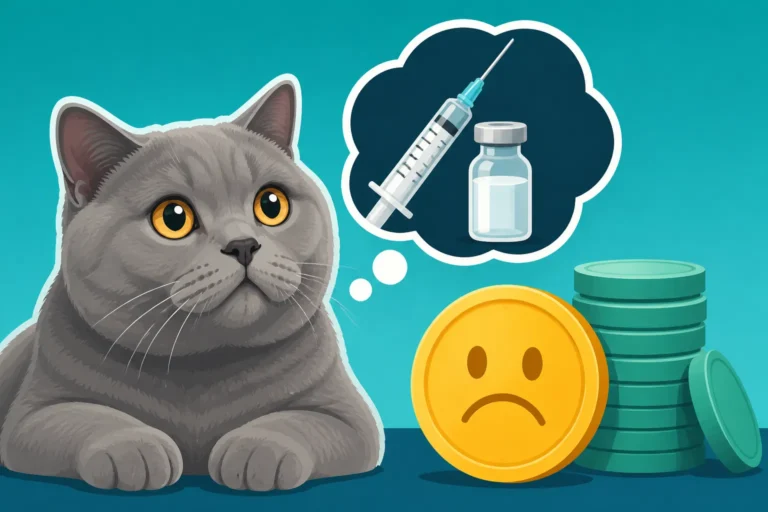
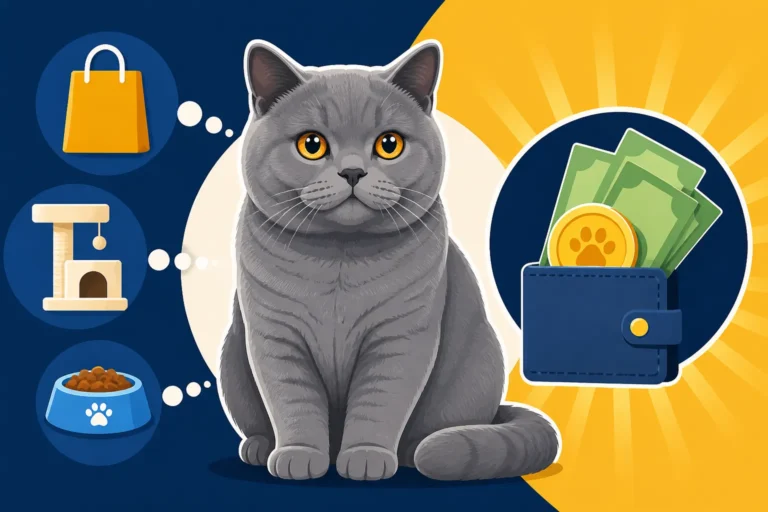
Think about it: a rescue might take in dozens, if not hundreds, of cats each year. Running comprehensive breed-specific screenings like echocardiograms for every single cat, or even every purebred cat, would quickly deplete their financial reserves. These specialized tests can be quite expensive, and those funds are often prioritized for emergency surgeries, treating severe illnesses, or providing basic vaccinations and spay/neuter procedures for a larger number of animals. So, while a rescue will absolutely make sure a cat is healthy enough for adoption, their definition of "healthy enough" might not include advanced breed-specific diagnostic scans unless the cat is showing obvious symptoms of a particular illness. They're doing incredible work, but their scope is usually broad, not breed-specific in depth.
What You Can Typically Expect from a Rescue British Shorthair's Health Report
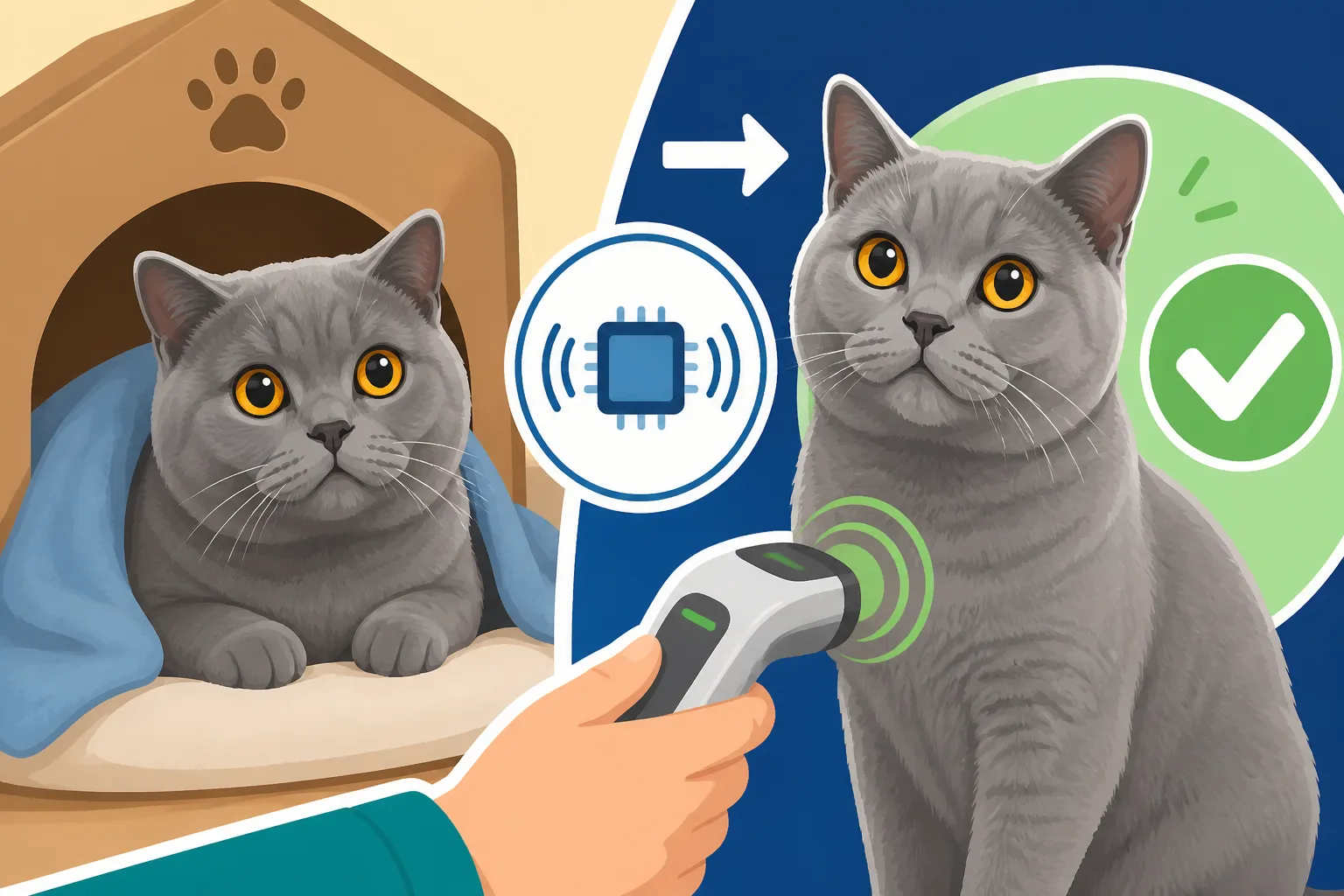
When you adopt from a reputable rescue, you should certainly receive a detailed health report covering the basics. This usually includes proof of current vaccinations (like rabies and distemper), documentation of deworming, confirmation of spay or neuter surgery, and information on microchipping. They'll also provide a general veterinary check-up report, which typically covers a physical examination, checking for fleas, ear mites, dental health, and any noticeable external issues.
If the British Shorthair came into the rescue with a known medical condition, like a chronic ear infection, a history of urinary issues, or even some dental problems requiring extraction, this information will absolutely be disclosed. Rescues are transparent about these existing conditions because they want to ensure the adopter is fully aware and prepared for any ongoing care. However, what's often not included are preventative, breed-specific screenings for conditions that don't present with immediate, obvious symptoms. For instance, a silent heart murmur that could indicate HCM might be missed during a standard physical exam if an echocardiogram isn't performed. Similarly, a genetic test for Polycystic Kidney Disease (PKD) wouldn't typically be run on every British Shorthair unless there was a reason to suspect kidney issues, such as elevated blood values in a senior cat.
Why Breed-Specific Scans Are So Important for British Shorthairs
It’s easy to fall in love with the British Shorthair's charming, teddy bear-like appearance and calm temperament. But underneath that plush coat and sweet demeanor, like any purebred animal, they come with certain predispositions to genetic health conditions that can be devastating if not caught early. This is where breed-specific scans become invaluable.
The Silent Threat of HCM in British Shorthairs
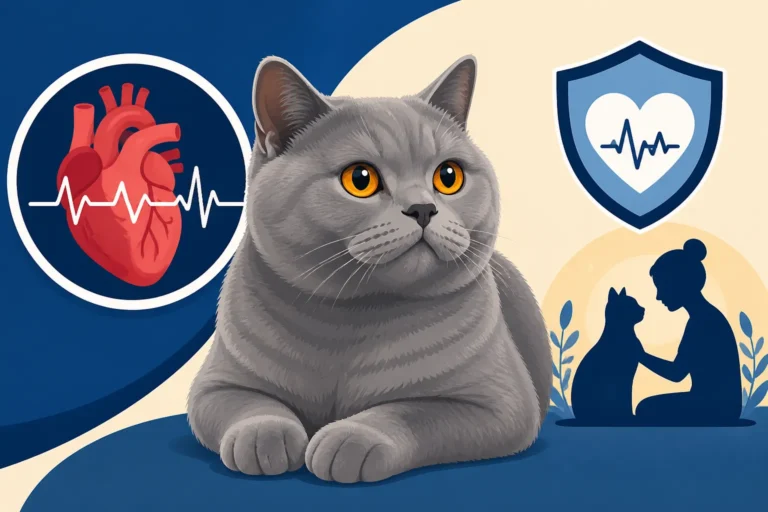
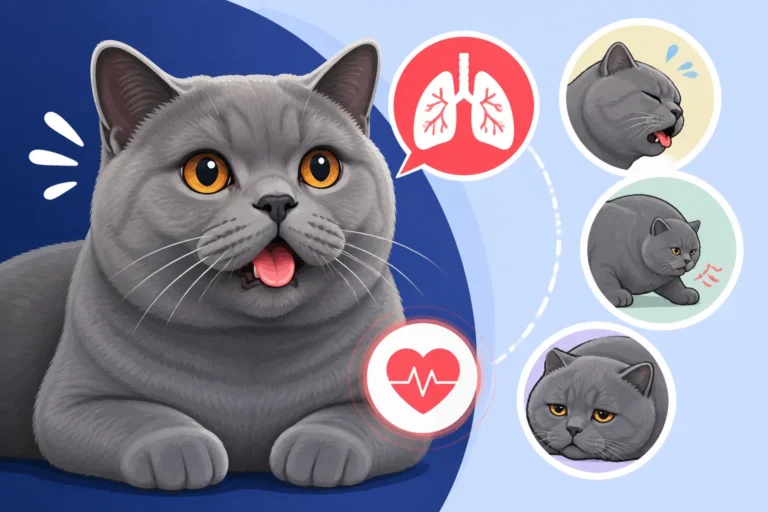
One of the most concerning health issues for British Shorthairs is Hypertrophic Cardiomyopathy, or HCM. This is a progressive heart disease where the walls of the heart's main pumping chamber thicken, making it harder for the heart to pump blood effectively. What makes HCM so insidious is that it's often a "silent killer." Cats are masters at hiding illness, and a British Shorthair with HCM might show no outward symptoms until the disease is quite advanced, potentially leading to sudden collapse, difficulty breathing, or even a fatal blood clot.
Currently, there is no reliable DNA test for HCM in British Shorthairs, unlike some other breeds where genetic markers have been identified. This is a huge frustration for breeders and owners alike. If you're wondering, you can learn more about why there is no British Shorthair HCM gene test. This means the only truly effective way to screen for HCM is through regular echocardiograms, which are specialized ultrasound scans of the heart performed by a veterinary cardiologist. These scans allow the specialist to measure heart wall thickness and assess heart function, catching the disease in its early stages before symptoms appear. Understanding how common HCM is in British Shorthairs really drives home the importance of this screening.
Other Key Health Concerns to Screen For
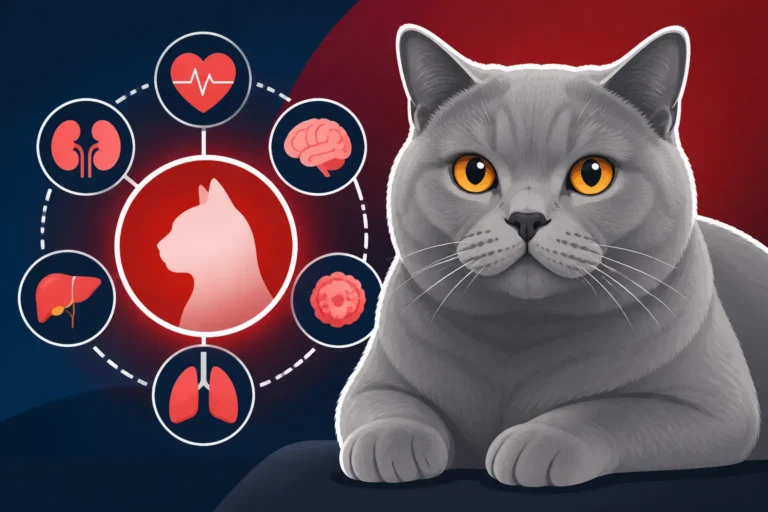
While HCM often takes center stage, there are other breed-specific health concerns that responsible British Shorthair owners should be aware of and consider screening for:
- Polycystic Kidney Disease (PKD): This is another genetic condition where fluid-filled cysts develop in the kidneys, eventually leading to kidney failure. Thankfully, unlike HCM, there is a reliable DNA test for PKD in British Shorthairs. This test is a simple cheek swab and can definitively tell you if a cat carries the gene for PKD. If you're adopting a British Shorthair, knowing whether a British Shorthair should be PKD tested is a critical piece of information. This disease historically came into the British Shorthair with the Persians during the breed's reconstruction.
- Blood Type: While not a disease in itself, knowing your British Shorthair's blood type is crucial, especially if they were ever intended for breeding, or in case of an emergency transfusion. British Shorthairs have a higher prevalence of Blood Type B, which can lead to serious issues in kittens if a Type B queen is bred to a Type A tom, resulting in a condition called neonatal isoerythrolysis where the mother's antibodies attack the kittens' red blood cells. Learning about Blood Type B and the British Shorthair kittens it kills offers more insight. Even for a neutered pet, knowing blood type is helpful for future medical needs.
- Obesity and Dental Health: While not strictly genetic predispositions in the same way HCM or PKD are, British Shorthairs are particularly prone to obesity due to their generally laid-back nature and love for food. Obesity is the British Shorthair's real disease, as it can lead to a host of other health problems like diabetes, arthritis, and liver issues. Dental problems, such as gingivitis and periodontal disease, are also very common in cats, including British Shorthairs. While these aren't "scanned for" in the same way, a thorough vet check will assess them, and proactive care is essential.
How to Investigate a Rescue British Shorthair's Health History
It's absolutely reasonable to want to know as much as possible about your potential new family member's health, especially given the breed-specific concerns of British Shorthairs. Don't be shy about asking questions and doing your due diligence.
Asking the Right Questions to the Rescue Organization
When you're speaking with a rescue organization about a British Shorthair you're interested in, prepare a list of specific questions. It's okay to be direct and thorough. Here are some key inquiries you should make:
- "Has this British Shorthair ever had an echocardiogram to check for HCM?"
- "If so, when was it performed, and can I see the results?"
- "Has the cat been DNA tested for Polycystic Kidney Disease (PKD)?"
- "Do you have records of the cat's blood type?"
- "Can I review all available veterinary records for this cat?"
- "Are you able to provide the contact information for the veterinarian who performed the pre-adoption check-up or any other medical procedures?"
Understand that the rescue may not have all these answers, especially for cats that came to them with very limited background information or if the specialized tests were outside their standard protocol. Don't be discouraged if they don't have every scan result readily available. The goal is to gather as much information as possible to inform your next steps. Even if the answer is "no," it helps you prepare for what you'll need to do once the cat is home.
Utilizing a Pre-Adoption Vet Visit
Even if the rescue provides a clean bill of health and all their standard documentation, I highly recommend scheduling a "new pet" check-up with your own trusted veterinarian within the first few days of bringing your British Shorthair home. This isn't to second-guess the rescue, but rather to establish a relationship with your vet and get their independent assessment.
During this visit, bring up your specific concerns about British Shorthairs and their breed predispositions. Tell your vet that you're particularly interested in screening for HCM and PKD. Your vet can perform a thorough physical exam, listen carefully for any heart murmurs that might indicate the need for an echocardiogram, and discuss the best approach for genetic testing. This is also a great time to talk about general preventative care, diet, and any behavior questions you might have. Getting ahead of potential issues early can save you a lot of heartache and expense down the line. Remember, pet insurance providers like Healthy Paws often have waiting periods before covering certain conditions, and pre-existing conditions are usually excluded. Getting a clean bill of health from your vet, including specialized scans, before symptoms appear can be beneficial when it comes to insurance coverage later on.
Proactive Steps for Your Unscanned Rescue British Shorthair
If you’ve adopted a British Shorthair from a rescue and discovered they haven’t had the full suite of breed-specific health scans, don’t fret! You’ve already taken the first crucial step by educating yourself. Now it's time for proactive measures to safeguard your new companion's health.
Scheduling Essential Breed-Specific Screenings
The responsibility for these important health checks now falls to you, the loving new owner. Think of it as an investment in your British Shorthair’s long and healthy life. Here’s what to prioritize:
- Echocardiogram for HCM: This is arguably the most critical screening. If your cat hasn't had one, schedule an echocardiogram, ideally with a board-certified veterinary cardiologist. They have the specialized equipment and expertise to properly assess your British Shorthair's heart. Your regular vet can refer you. Understanding how a British Shorthair's echo is performed can help you prepare for the appointment. Even if your British Shorthair is young and seems fine, HCM can develop at any age, although it commonly appears between 2 and 6 years. For more information on why a cardiologist should scan a British Shorthair, it’s worth discussing with your vet.
- PKD DNA Test: This is a simple, non-invasive test. Your vet can take a cheek swab sample, which is then sent to a specialized laboratory. This test will definitively tell you if your British Shorthair carries the gene for Polycystic Kidney Disease. Since it's a "yes" or "no" answer, it's a one-time test that provides invaluable information for their lifetime.
- Blood Typing: While less critical for a neutered pet than for a breeding cat, knowing your British Shorthair's blood type can still be very useful in an emergency situation requiring a blood transfusion. This test is typically quick and affordable.
These initial screenings might seem like an extra expense, but they provide a baseline of health and can catch serious conditions before they become critical and much more expensive to treat.
Planning for Long-Term Health Monitoring and Insurance
Once you’ve had these initial screenings done, you’ll have a much clearer picture of your British Shorthair’s health. However, monitoring doesn't stop there.
- Ongoing Monitoring for HCM: If your British Shorthair has a clear echocardiogram, that’s wonderful news! However, because HCM can develop later in life, particularly in breeds like the British Shorthair, your cardiologist or vet might recommend periodic follow-up scans. How often a British Shorthair needs an echo will depend on their age and the initial findings. For an adult cat with a clear scan, this might be every year or two, but follow your vet's specific advice.
- Managing Costs with Pet Insurance: Let’s be realistic, veterinary care, especially specialized tests and ongoing treatments for chronic conditions, can add up. This is where pet insurance can be a huge help. Providers like Healthy Paws offer coverage that can significantly ease the financial burden if your British Shorthair does develop a serious illness. It’s important to research policies carefully, understanding what's covered, what deductibles and reimbursement rates apply, and any exclusions for pre-existing conditions. Getting insurance before any major issues are diagnosed is key to maximizing its benefits. Compare the costs, considering what a British Shorthair's yearly echo costs and other potential expenses like those for ongoing management if a condition like HCM is found. Pet insurance can make these crucial decisions much less stressful.
Here's a quick overview of what you might encounter regarding health screenings:
| Feature | Standard Rescue Vet Care | Recommended British Shorthair Screenings for Adopters |
|---|---|---|
| Physical Exam | Yes, usually thorough | Yes, annual check-ups with your trusted vet |
| Vaccinations | Yes, up-to-date upon adoption | Yes, ongoing boosters as recommended |
| Spay/Neuter | Yes, typically required before adoption | N/A (already done) |
| Microchipping | Yes, often included | Yes, ensure registration is transferred |
| Flea/Deworming | Yes, initial treatment provided | Yes, ongoing prevention |
| Dental Check | Basic visual inspection | Detailed assessment, professional cleaning as needed |
| HCM Echo Scan | No, unless symptomatic or a murmur is detected | Highly Recommended: First scan with a cardiologist, then follow-ups as advised |
| PKD DNA Test | No, unless family history known | Highly Recommended: One-time cheek swab test |
| Blood Type Test | No, unless for breeding or emergency | Recommended, especially for emergencies |
| Obesity Assessment | General observation | Regular weight checks, diet management. Learn about how to tell a chunky British Shorthair from a fat one. |
| Ongoing Medications | Yes, for known conditions, if any | Yes, as prescribed for any diagnosed conditions |
| Pet Insurance Coverage | Not typically provided by rescue | Highly Recommended: Enroll early with a provider like Healthy Paws to cover future unexpected health needs |
Disclaimer
The information provided in this article is for general informational purposes only and does not constitute veterinary advice. Always consult with a qualified veterinarian for any health concerns or before making any decisions about your pet's medical care. Breed-specific health recommendations can vary, and a professional veterinary assessment is crucial for your individual British Shorthair.