How Many British Shorthair Lines Carry HCM
It's incredibly disheartening when you bring home a beautiful British Shorthair, envisioning years of quiet companionship, only to learn about conditions like Hypertrophic Cardiomyopathy (HCM) that can silently impact their health. The thought that your beloved feline friend might be carrying a hidden heart condition is a worry no pet parent wants to face. This guide aims to shed light on the complex reality of HCM in British Shorthairs, helping you understand its prevalence in the breed and the challenges in identifying affected lines.
The Challenging Reality of HCM Prevalence in British Shorthairs
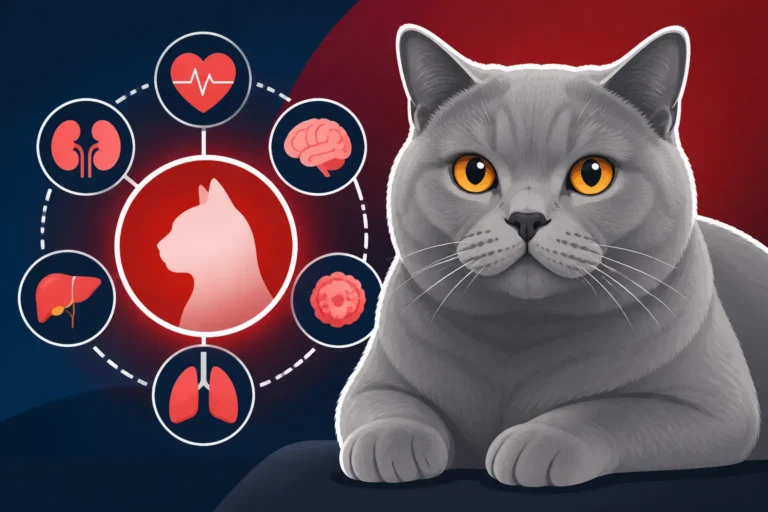
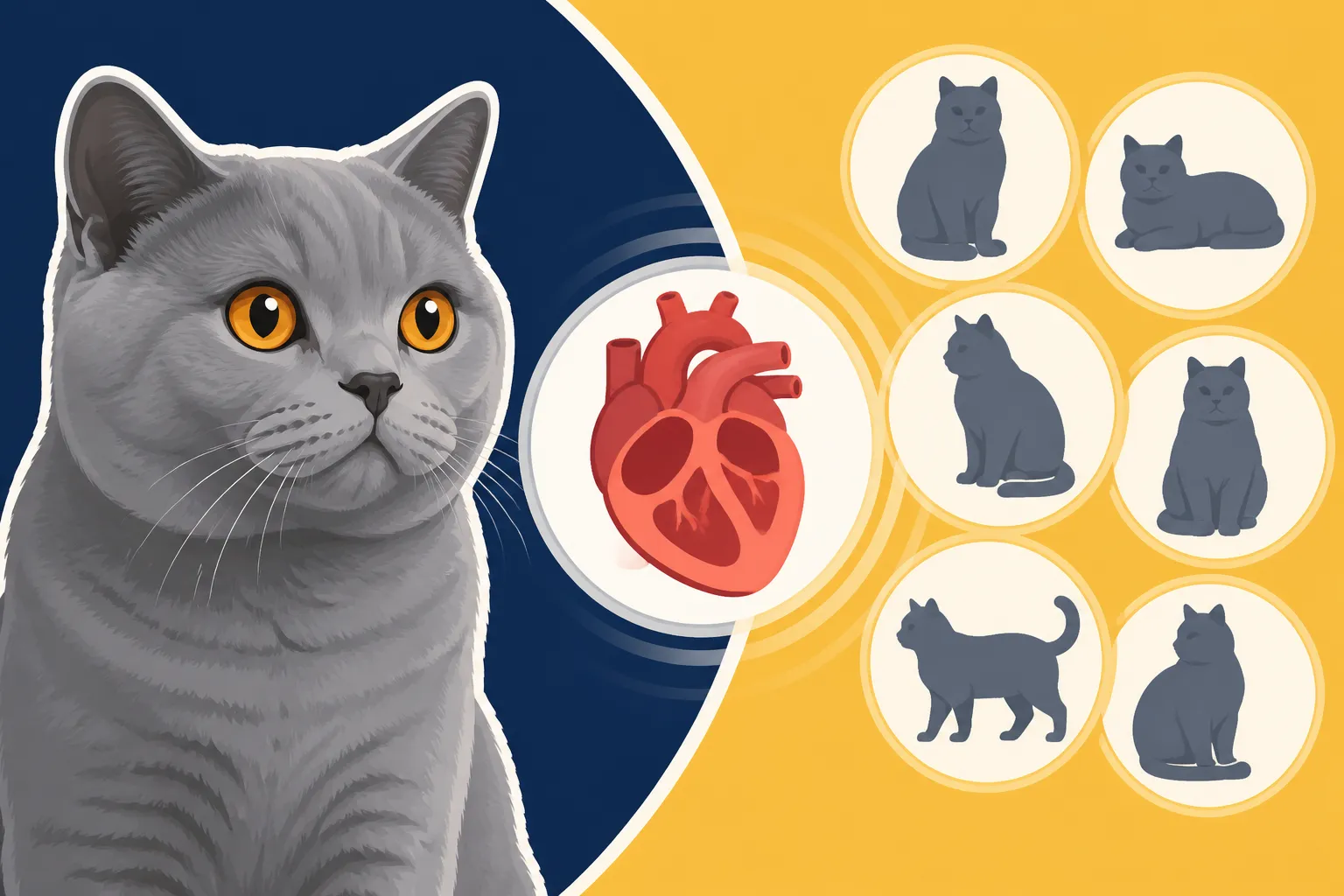
HCM, or Hypertrophic Cardiomyopathy, is the most common heart disease in cats, and unfortunately, British Shorthairs are one of the breeds predisposed to it. It's a progressive condition where the muscular walls of the heart, particularly the left ventricle, thicken over time. This thickening makes the heart less efficient at pumping blood, leading to a host of problems, including fluid in the lungs, blood clots, and ultimately, heart failure. The scary part? Often, there are no outward signs until the disease is quite advanced, or even suddenly fatal.
When we talk about "how many lines carry HCM," it's natural to want a clear, definitive answer. You're looking for reassurance, a way to know if your kitten's lineage is "safe." However, the truth is far more complex and, frankly, a bit frustrating for concerned owners and diligent breeders alike. HCM is not confined to a handful of isolated families within the British Shorthair breed; it's considered endemic, meaning it's regularly found within the population as a whole. While some lines might have a higher incidence due to specific genetic factors or breeding practices, it's generally understood that HCM can crop up in virtually any British Shorthair lineage. This widespread presence makes it a constant concern for anyone involved with the breed. The absence of a breed-specific DNA test for British Shorthair HCM further complicates matters, leaving breeders and owners reliant on regular veterinary screenings.
Understanding HCM's Widespread Impact
Unlike some other genetic conditions with a clear Mendelian inheritance pattern and an easily identifiable gene mutation, HCM in British Shorthairs is believed to be polygenic, meaning multiple genes, possibly interacting with environmental factors, contribute to its development. This makes tracing it through specific "lines" incredibly challenging. Imagine trying to track down a single thread in a massive, interwoven tapestry – it's almost impossible to isolate. This diffuse genetic basis means that even if a cat's immediate parents and grandparents have screened clear via echocardiogram, the potential for HCM can still exist further back in the pedigree or through a combination of genes that haven't expressed yet. This is why a breeder cannot DNA test British Shorthair HCM in the same way they might test for other conditions.
The concern among British Shorthair owners is very real. You want to give your cat the best chance at a long, healthy life, and the knowledge that HCM is a possibility can be quite unsettling. Many responsible breeders work tirelessly to reduce its incidence, but they are fighting an uphill battle against a condition that is still not fully understood genetically within the breed. The challenge is not just identifying affected individuals, but understanding the genetic blueprint behind the disease across a vast and interconnected gene pool. This widespread genetic susceptibility means that very few British Shorthair lines can be definitively declared "HCM-free" without extensive, multi-generational echocardiographic screening, which is a significant undertaking.
Why Pinpointing Specific HCM-Carrying Lines is So Difficult
If you're wondering why we don't have a clear list of "HCM lines" to avoid, you're not alone. It’s a common frustration, and the reasons are multi-faceted, stemming from both the nature of the disease itself and the practicalities of breeding and veterinary science. The lack of a single, identifiable genetic marker is a major hurdle, but it's not the only one.
The Absence of a Definitive DNA Test
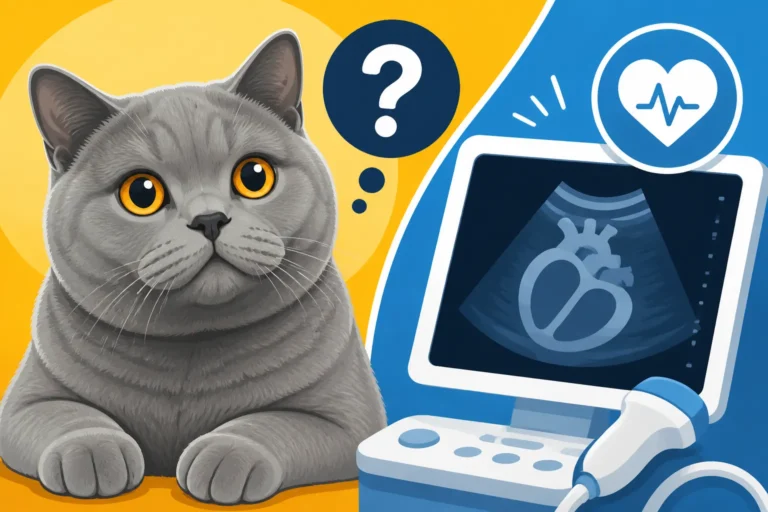
The single biggest reason it’s so hard to quantify how many lines carry HCM is that there isn't a specific DNA test for British Shorthairs. While other breeds, like Maine Coons and Ragdolls, have a known gene mutation (MYBPC3) that can be tested for, this particular mutation is not the cause of HCM in British Shorthairs. This means breeders cannot simply send a cheek swab to a lab and get a "clear" or "affected" result for HCM, as they might for other conditions. This forces everyone to rely on a different, more labor-intensive, and less precise method: cardiac ultrasound, also known as an echocardiogram.
Think about it from a breeder's perspective. They are trying to make informed decisions to produce healthy kittens, but without that clear genetic blueprint, they're essentially navigating in the dark to some extent. They can screen their breeding cats regularly, and they absolutely should, but even a cat that screens clear at age two could develop HCM later in life. This uncertainty trickles down to owners, who might assume a "clear" parent means a "clear" kitten, which isn't always the case with polygenic diseases. The complexity of a British Shorthair's genetics, combined with the lack of a specific test, means the "carrier" status of a line is never truly black and white. For more on this, you might find reading about Why Breeders Cannot DNA Test British Shorthair HCM particularly helpful.
Limitations of Echocardiogram Screening
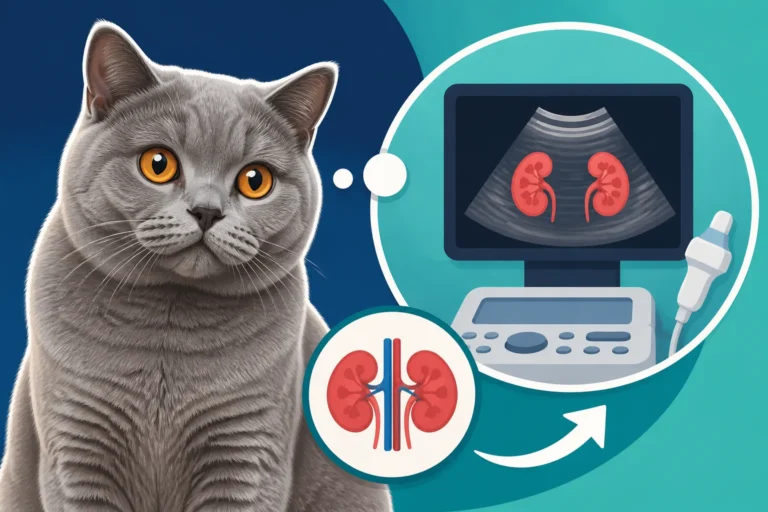
Echocardiograms are the gold standard for diagnosing HCM in living cats. They allow a veterinary cardiologist to visualize the heart's structure and function, measuring wall thickness and assessing blood flow. However, even these crucial screenings have their limitations when it comes to tracking HCM across entire lines. Firstly, HCM is a progressive disease, meaning a cat could screen clear at a young age, only to develop symptoms or structural changes later on. This is why regular, repeat screenings are vital, often annually for breeding cats. You can learn more about The Yearly Echo That Replaces a British Shorthair Gene Test.
Secondly, the interpretation of echocardiograms requires a skilled, board-certified veterinary cardiologist. A general practitioner might miss subtle changes, or their equipment might not be as specialized. The cost and accessibility of these specialist screenings can also be a barrier for some breeders. If a breeder only screens their cats once or twice, or if they don't use a specialist, the data gathered might not be comprehensive enough to truly assess a line's risk. This also highlights why Why a Cardiologist Should Scan a British Shorthair is so important.
Consider a large cattery with multiple breeding cats. To thoroughly screen every cat annually, sometimes for many years, is a significant financial and logistical undertaking. If even one cat slips through the cracks, or develops the disease after their last screening, that can impact an entire line. This isn't to say breeders are negligent; it simply illustrates the scale of the challenge when you're trying to eradicate a complex disease without a simple genetic test.
| Factor | Impact on Identifying HCM-Carrying Lines |
|---|---|
| Lack of DNA Test | Prevents definitive genetic identification of carriers, forces reliance on phenotypic screening. |
| Polygenic Nature | Multiple genes involved, making inheritance patterns unpredictable and hard to trace. |
| Progressive Disease | Cats can test clear early but develop HCM later, requiring lifelong screening. |
| Screening Frequency | Infrequent screening can miss cases, leading to affected cats being bred unknowingly. |
| Specialist Expertise | Proper diagnosis relies on skilled cardiologists; general vets may miss subtle signs. |
| Cost & Accessibility | High cost of annual specialist echoes can deter some breeders from comprehensive screening. |
| Breeder Transparency | Not all breeders openly share full health records, making it hard for buyers to assess risk. |
The Breeder's Role and the Importance of Screening
Given these challenges, the role of responsible breeders becomes absolutely paramount. They are the frontline defense against the spread of HCM, and their commitment to rigorous health screening and ethical breeding practices is what truly protects the future of the British Shorthair breed and the health of individual cats. It's not about pointing fingers, but about understanding the immense responsibility involved.
What to Look for in a Responsible British Shorthair Breeder
A truly responsible British Shorthair breeder will be transparent about their health screening protocols. They understand that HCM is a risk and they actively work to mitigate it. When you're looking for a kitten, don't be afraid to ask detailed questions about the health history of the parents, grandparents, and even great-grandparents. A reputable breeder will:
- Screen their breeding cats annually for HCM via echocardiogram. They should be able to provide documentation from a board-certified veterinary cardiologist for both parents, showing "clear" results, and ideally, for several generations back. The ideal scenario is that they continue to screen their retired breeding cats into old age to confirm they remained clear, providing even more robust data for their lines. For insights into what specific tests a breeder should prioritize, check out What a British Shorthair Breeder Should Have Tested.
- Share results openly. This means providing copies of the cardiologist reports, not just verbal assurances. They should explain the results to you and be willing to discuss any past HCM diagnoses in their lines (and what steps they took to address it).
- Understand genetics (even without a DNA test). While there's no specific DNA test, breeders should be knowledgeable about general feline genetics and the principles of managing polygenic diseases within a breeding program. They should not breed cats that have been diagnosed with HCM, and they should carefully consider breeding cats with a high incidence of HCM in their close relatives.
- Prioritize temperament and overall health. Beyond HCM, a good breeder will ensure their cats are healthy, well-socialized, and free from other common British Shorthair issues like Polycystic Kidney Disease (PKD), even though a Polycystic Kidney Disease Came Into the British Shorthair With the Persians.
It’s crucial to remember that a "clear" echo on a young breeding cat is a snapshot in time. The commitment to ongoing screening is what truly provides a more accurate picture of a line's health.
The Importance of Health Insurance for British Shorthair Owners
Even with the most meticulous breeding and screening practices, no breeder can guarantee a kitten will never develop HCM. This is the difficult truth about polygenic diseases. This is where pet health insurance can offer invaluable peace of mind for owners. Companies like Healthy Paws offer comprehensive coverage that can help mitigate the significant financial burden should your British Shorthair develop a chronic condition like HCM.
Imagine your British Shorthair, now a cherished family member, is diagnosed with HCM at age five. Treatment can include medications to manage symptoms, reduce fluid buildup, and prevent blood clots. These are often lifelong medications, and emergency vet visits if your cat goes into heart failure can be incredibly expensive. Having a robust pet insurance policy from a provider like Healthy Paws in place can mean you don't have to make heartbreaking decisions based purely on cost. While insurance won't prevent the disease, it allows you to focus on providing the best possible care, knowing a substantial portion of the veterinary bills will be covered.
What Owners Can Do: Proactive Health Management
Bringing a British Shorthair into your home means taking on the responsibility for their well-being, and that includes being proactive about their health. While you can't control their genetics, you can certainly control their care and advocacy.
Regular Veterinary Check-ups and Early Detection
The single most important thing you can do for your British Shorthair, especially given the prevalence of HCM, is to ensure they receive regular veterinary check-ups. For an adult cat, this means at least an annual visit, and for senior cats, twice a year is often recommended. During these visits, your vet will listen to your cat's heart for any murmurs or abnormal rhythms, which can be an early indicator of heart disease. While not all murmurs indicate HCM, and not all HCM cats have murmurs, it's a vital first step.
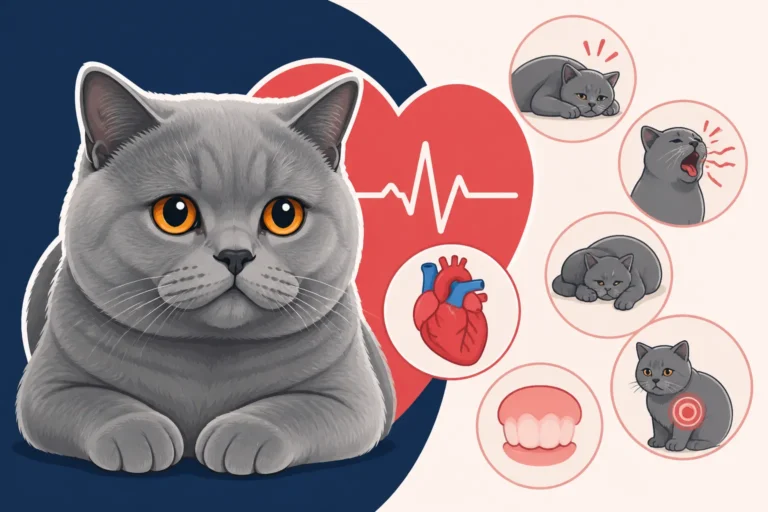
If a murmur is detected, or if your cat starts showing subtle signs like reduced activity, increased breathing rate, or coughing, your vet will likely recommend a follow-up with a veterinary cardiologist for an echocardiogram. Early detection doesn't cure HCM, but it allows for earlier intervention with medications, which can significantly improve your cat's quality of life and potentially slow the progression of the disease. Understanding Signs a British Shorthair Has Heart Disease is crucial for any owner. This proactive approach is your best tool in managing the potential risks associated with HCM. And remember, a good insurance plan from Healthy Paws can make those crucial diagnostic tests and ongoing treatments much more accessible.
Maintaining a Healthy Lifestyle
While genetics play a huge role in HCM, a healthy lifestyle can support your cat's overall well-being and potentially mitigate some risks, or at least help them better cope if they do develop the disease.
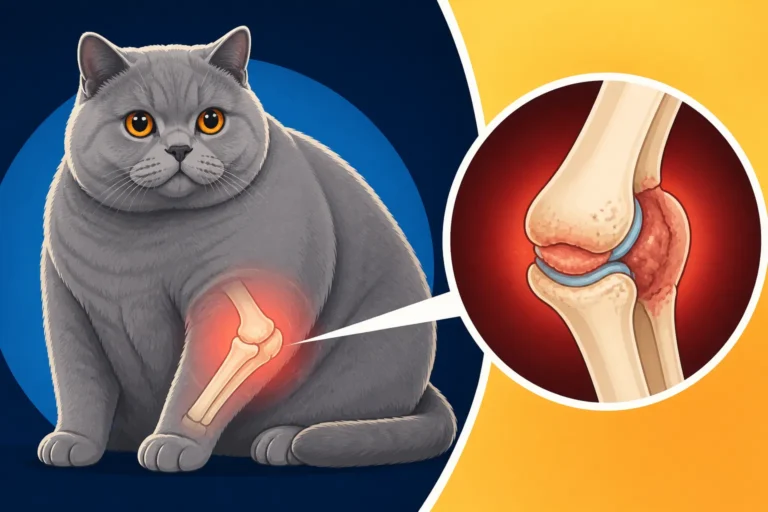
- Weight Management: Obesity puts additional strain on the heart and other organs. British Shorthairs are particularly prone to weight gain due to their calm demeanor and love of food, so careful portion control is essential. An Obesity Is the British Shorthair's Real Disease is a real concern and contributes to many secondary health issues. Keeping your British Shorthair at a healthy weight is one of the most impactful things you can do for their long-term health.
- Appropriate Diet: Feed a high-quality, species-appropriate diet. Consult your vet on the best nutritional plan for your cat, especially if they are overweight or have other health considerations.
- Stress Reduction: Cats are creatures of habit and can be sensitive to stress. A calm, predictable home environment helps support their overall health. Provide plenty of safe spaces, scratching posts, and mental enrichment to keep them content. Even though British Shorthairs are generally quiet, they still benefit from a peaceful home.
- Understanding Symptoms: Be vigilant for any changes in your cat's behavior or physical condition. British Shorthairs are masters at hiding pain or illness, which is a feline instinct for survival. Subtle changes in appetite, activity level, breathing patterns (e.g., increased respiratory rate when resting), or hiding more often could be signs that something is amiss. Don't hesitate to contact your vet if you notice anything out of the ordinary; catching issues early can make a world of difference.
While the exact number of British Shorthair lines carrying HCM remains elusive due to the complex nature of the disease and the limitations of current testing, responsible ownership and proactive veterinary care are your best allies. Work with a transparent breeder, establish a good relationship with your vet, consider pet insurance like Healthy Paws, and keep a watchful eye on your cherished companion.
Disclaimer
The information provided in this article is for general informational purposes only and does not constitute veterinary advice. Always consult with a qualified veterinary professional for any health concerns or before making any decisions related to your pet's health and treatment.