Why Breeders Cannot DNA Test British Shorthair HCM
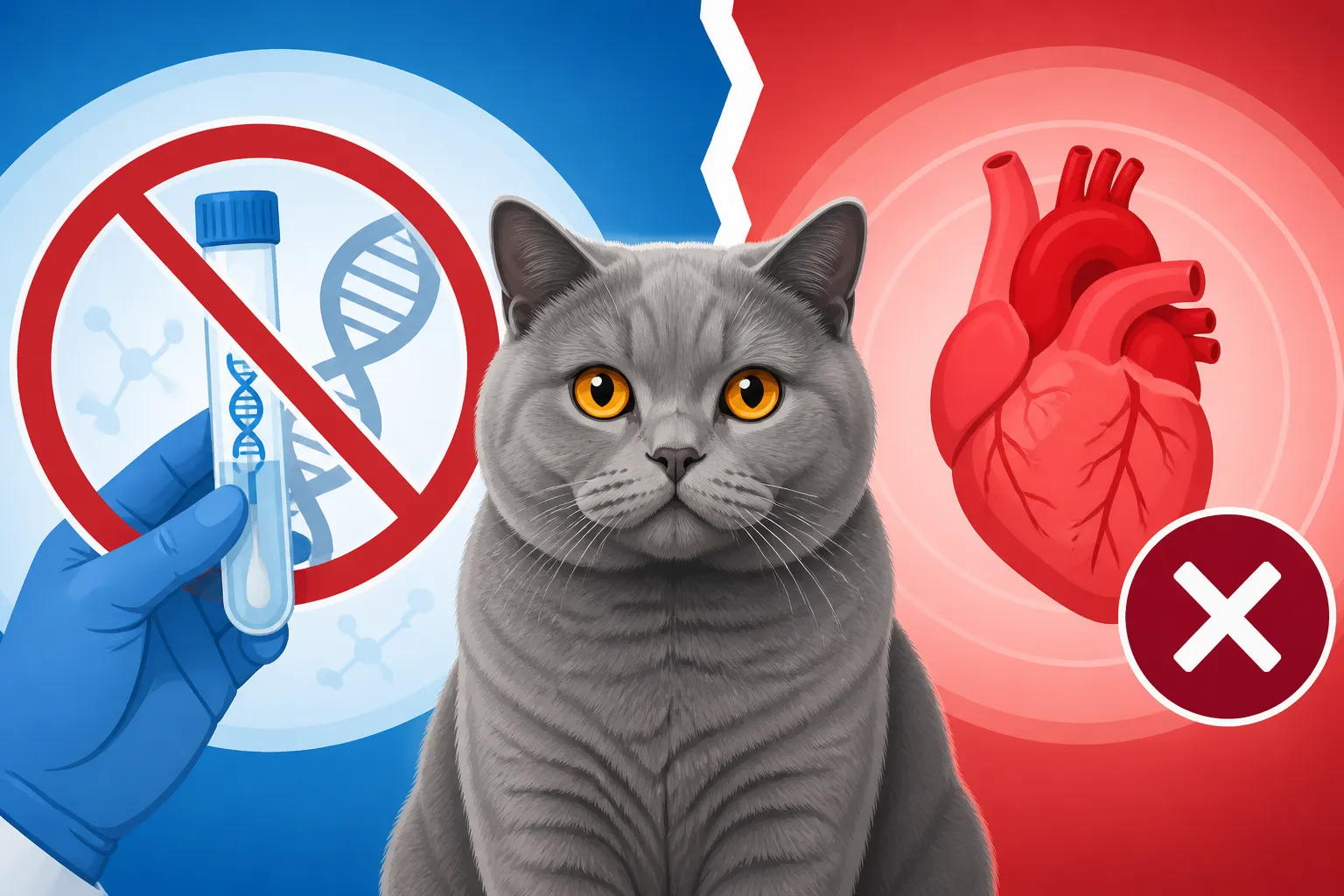
It's incredibly frustrating when you want to do everything right for your beloved British Shorthair, especially when it comes to their health, and you hear about genetic tests for serious conditions, only to discover there isn't one for something as critical as Hypertrophic Cardiomyopathy (HCM) in our wonderful round-faced friends. This guide is here to shed light on why the world of feline genetics hasn't yet delivered a DNA test for British Shorthair HCM and what that means for responsible breeders and owners alike.
Understanding HCM in British Shorthairs
Hypertrophic Cardiomyopathy, or HCM, is a silent, often devastating heart disease that affects many cat breeds, and unfortunately, British Shorthairs are particularly susceptible. It’s a primary concern for anyone who loves these gentle giants, and the lack of a simple genetic test can feel like a huge hurdle.
What is Hypertrophic Cardiomyopathy HCM?
At its core, HCM is a disease where the muscular walls of the heart (specifically the left ventricle) become abnormally thick. Imagine your heart as a pump; when its walls thicken, the chamber inside becomes smaller, and the heart has to work much harder to pump blood effectively throughout the body. This extra strain can lead to several serious issues over time. For many cats, HCM can progress silently for years without any outward signs. This makes it a truly insidious condition because by the time symptoms like lethargy, difficulty breathing, or even sudden collapse appear, the disease is often quite advanced.
The thickening of the heart muscle can impair the heart's ability to fill with blood properly. This reduced efficiency can lead to consequences like congestive heart failure, where fluid builds up in the lungs or abdomen. In some tragic cases, it can also cause blood clots to form within the heart chambers. If these clots dislodge and travel, they can block blood flow to other parts of the body, most commonly affecting the hind legs, leading to a condition known as saddle thrombus, which is incredibly painful and often fatal. Understanding What HCM Does to a British Shorthair's Heart is crucial for any owner.
Why British Shorthairs are Prone to HCM
The British Shorthair breed has a recognized predisposition to HCM, meaning they are genetically more likely to develop the condition than many other breeds. This isn't due to poor breeding practices across the board, but rather a complex genetic lottery. It’s a bitter pill to swallow for breeders who are striving to produce healthy kittens and for owners who adore their cats. While we know there's a genetic component, the exact genes responsible for HCM in British Shorthairs have proven incredibly difficult to pinpoint. This contrasts sharply with some other breeds where a specific gene mutation has been identified.
Breeders work tirelessly to improve the health of their lines, and the prevalence of HCM is a constant worry. It is considered one of the most common causes of heart disease in felines overall, and sadly, British Shorthairs are not exempt from this statistic. The fact that the disease often doesn't show up until a cat is older, sometimes even after they've already been bred, further complicates things. This makes the search for a definitive genetic marker all the more urgent, yet frustratingly elusive. You might wonder How Common HCM Is in British Shorthairs, and the answer is, unfortunately, common enough to be a significant concern for the breed.
The Limitations of Existing DNA Tests for Other Breeds
When you hear about DNA tests for HCM, you're likely thinking of breeds like the Maine Coon or Ragdoll. These breeds do have genetic tests available, but it's vital to understand why these tests don't help our British Shorthairs. The DNA tests for Maine Coons and Ragdolls target specific, identified gene mutations (like the MYBPC3 mutation in Maine Coons) that are known to cause HCM in those particular breeds. These are typically single gene mutations with a dominant inheritance pattern, making them relatively straightforward to identify and test for.
The problem is, the HCM that affects British Shorthairs is believed to be genetically distinct. It's not caused by the same specific mutations found in Maine Coons or Ragdolls. Genetic diseases are often like different types of locks – a key that opens a Maine Coon's HCM lock won't open a British Shorthair's. Researchers suspect that HCM in British Shorthairs is likely polygenic, meaning it's influenced by multiple genes acting together, or that there are several different single gene mutations within the breed, making it a much more complex puzzle to solve. This complexity means a single, simple "yes/no" DNA test, like those available for other breeds, simply doesn't exist for the British Shorthair at this time.
The Scientific Challenge Behind a British Shorthair HCM DNA Test
The absence of a DNA test for British Shorthair HCM isn't due to a lack of effort or care; it's a testament to the sheer scientific complexity of the disease within the breed. Researchers around the world are dedicated to this quest, but it's a monumental task.
The Elusive Gene Mutation
Imagine looking for a needle in not just one haystack, but hundreds, all slightly different. That's a bit like the challenge of finding the elusive gene mutation(s) responsible for HCM in British Shorthairs. Unlike diseases caused by a single, clearly identifiable gene fault, British Shorthair HCM is thought to be far more intricate. It could be that several different genes, each contributing a small part, are involved (a polygenic condition). Or, perhaps there are multiple different single gene mutations across various British Shorthair lines, meaning there isn't one universal "HCM gene" for the breed. This genetic heterogeneity makes the search incredibly difficult.
When a specific mutation is found, as in the Maine Coon, it often involves a clear change in a gene responsible for a structural protein in the heart muscle. In British Shorthairs, however, the genetic landscape seems far more varied. This means researchers can't just look for one particular faulty gene; they have to conduct extensive genetic mapping, sequencing entire genomes of affected and unaffected cats, looking for commonalities amidst vast differences. It's like trying to find a typo when the entire book has been rewritten slightly differently by multiple authors.
Research Efforts and What's Being Done
Despite the challenges, dedicated researchers and veterinary cardiologists globally are working tirelessly to uncover the genetic basis of British Shorthair HCM. Organizations like the Winn Feline Foundation and various university research programs are funding studies aimed at identifying these elusive gene markers. The work involves collecting DNA samples from hundreds, if not thousands, of British Shorthairs, both those diagnosed with HCM and healthy ones, to compare their genetic profiles.
This process is slow, methodical, and incredibly expensive. It requires advanced genomic sequencing technologies and sophisticated bioinformatic analysis to sift through immense amounts of data. It's not a quick process, and breakthroughs can take years, even decades. Every now and then, new markers are identified in other breeds or even within specific BSH lines, offering glimmers of hope. However, until a mutation is consistently found across a significant portion of the breed's affected population, and proven to be causative, it can't be developed into a reliable commercial DNA test.
Why It's Not as Simple as Other Genetic Conditions
Consider Polycystic Kidney Disease (PKD1), for example. This is another genetic condition that British Shorthairs can be susceptible to, partly due to their historical outcrossing with Persians. The good news is that for PKD1, a specific gene mutation was identified, and a reliable DNA test became available. This test is a simple cheek swab, and it can tell breeders definitively if a cat carries the gene, allowing them to make informed breeding decisions. Polycystic Kidney Disease Came Into the British Shorthair With the Persians and thankfully, we have a test for it.
The difference lies in the mode of inheritance and the number of genes involved. PKD1 is a single dominant gene mutation. If a cat has one copy of the faulty gene, they have the disease. HCM in British Shorthairs isn't behaving in this straightforward manner. It’s either a more complex interplay of multiple genes (polygenic) or involves different mutations within different lines, or possibly even environmental factors that interact with genetic predispositions. This complexity is why we don't have a simple, definitive "British Shorthair HCM DNA test" today, and it's why breeders and owners must rely on other methods for detection and management.
Current Best Practices for Managing HCM Risk in British Shorthairs
Since a DNA test isn't currently an option, responsible care for British Shorthairs hinges on proactive screening and careful breeding practices. It falls to both breeders and owners to be vigilant.
The Indispensable Role of Cardiac Ultrasound Echocardiograms
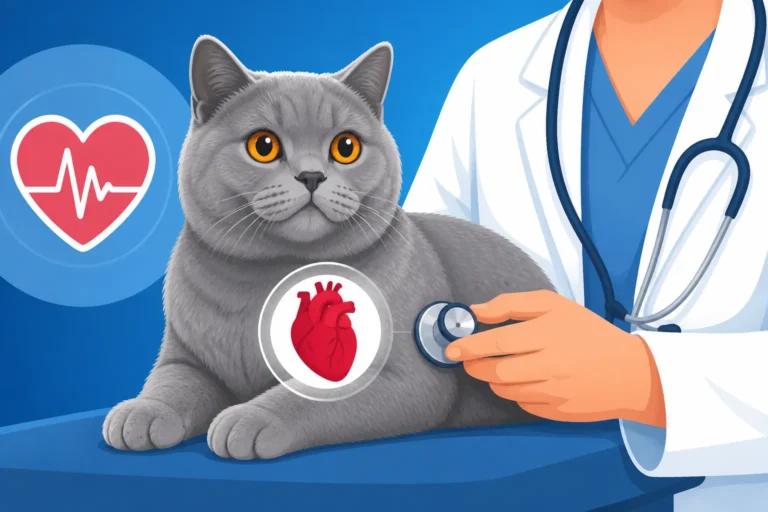
Without a DNA test, the gold standard for diagnosing HCM in British Shorthairs remains the cardiac ultrasound, or echocardiogram. An echo is a non-invasive procedure where a veterinary cardiologist uses sound waves to create real-time images of your cat's heart. They can measure the thickness of the heart muscle walls, assess the size of the heart chambers, evaluate blood flow, and check the function of the heart valves. It's essentially a detailed "window" into your cat's heart, allowing specialists to detect the subtle changes indicative of HCM long before clinical signs appear.
For British Shorthairs, regular echocardiograms are not just recommended, they are essential. It's how breeders screen their breeding cats to try and prevent passing on the disease, and it's how pet owners monitor their beloved companions. How a British Shorthair's Echo Is Performed involves your cat lying calmly on a special table, often on their side, while the cardiologist gently presses a transducer against their chest, usually with a small patch of fur shaved to ensure good contact. It's painless, though some cats might need a mild sedative to ensure they stay still enough for accurate imaging. This annual check-up, The Yearly Echo That Replaces a British Shorthair Gene Test, is the single most important tool we have.
Breeder Responsibilities and Ethical Screening
Responsible British Shorthair breeders take HCM screening very seriously. They understand that without a DNA test, they must rely on regular echocardiograms performed by board-certified veterinary cardiologists. Here's what ethical breeders typically do:
- Initial Screening: Breeding cats should have their first echocardiogram before being used for breeding, typically around 12-18 months of age, or sometimes even younger if there's a strong family history. You can learn more about The Age a British Shorthair Should Start Screening to understand the timelines.
- Regular Re-screening: HCM can develop later in life, so breeding cats should be re-scanned annually, or at least every other year, throughout their breeding careers. This ongoing vigilance helps catch late-onset cases. How Often a British Shorthair Needs an Echo is a question every potential owner should ask a breeder.
- Transparency: Reputable breeders are transparent about their screening results. They should be willing to show you the echocardiogram reports for both parent cats, indicating that they are "clear" or "normal" for HCM. They might also share pedigree information to show a history of screened cats in the lineage.
- Removing Affected Cats: Any cat diagnosed with HCM, or even with questionable changes, should immediately be removed from a breeding program.
- Educating Buyers: Breeders should educate prospective owners about HCM, the importance of ongoing screening, and the signs to watch out for.
It's crucial for prospective kitten buyers to ask questions about HCM screening. Don't be shy; a good breeder will appreciate your thoroughness. Ask to see the actual echo reports, not just verbal assurances. This is part of What a British Shorthair Breeder Should Have Tested.
What Pet Owners Can Do
As a British Shorthair owner, you play a critical role in managing the risk of HCM for your own cat.
- Choose a Reputable Breeder: This is your first and most important step. A breeder who consistently screens their cats for HCM via echocardiograms and is transparent with results is your best bet for a healthy kitten. Inquire about how many generations they've screened, not just the parents.
- Understand Echo Results: If you purchase a kitten, ask for copies of the parents' echocardiogram results. While your kitten won't need an echo immediately, understanding the parents' health history gives you a baseline.
- Regular Vet Check-ups: Ensure your British Shorthair has annual veterinary check-ups. While a general vet cannot diagnose HCM with just a stethoscope, they can listen for heart murmurs, which can be a sign of underlying heart disease. A murmur doesn't always mean HCM, and many cats with HCM don't have murmurs, but it's a reason for further investigation. Learning What a British Shorthair's Murmur Means is part of becoming an informed owner.
- Consider Screening Your Own Pet: Even if your breeder screens, many owners choose to have their pet British Shorthairs screened with an echocardiogram, especially around 1-3 years of age, to establish a baseline and catch potential early-onset disease. Discuss this with your veterinarian and a cardiologist.
- Know the Signs: Be vigilant for any changes in your cat's behavior or physical condition. Signs of advanced heart disease can include lethargy, decreased appetite, hiding more than usual (as cats are masters at Why a British Shorthair Hides Heart Failure), rapid breathing, open-mouth breathing, or a sudden loss of appetite. If you notice Signs a British Shorthair Has Heart Disease or breathing difficulties, seek veterinary attention immediately.
- Pet Insurance: Given the potential costs associated with diagnosing and managing heart disease, considering pet insurance from providers like Healthy Paws can provide peace of mind. While HCM is often a pre-existing condition if diagnosed before policy inception, having insurance can cover other health issues or potential future complications if your cat is diagnosed later. Healthy Paws is one option many pet parents look into to help manage unexpected veterinary expenses.
- Weight Management: While not a direct cause, obesity can exacerbate heart conditions. Keeping your British Shorthair at a healthy weight is always important for their overall well-being.
Here's a quick comparison of the current reality for British Shorthair HCM versus other genetic tests:
| Feature | DNA Test for Specific Mutations (e.g., Maine Coon HCM, BSH PKD1) | Echocardiogram (for BSH HCM) |
|---|---|---|
| Detection Method | Simple cheek swab or blood sample | Non-invasive ultrasound of the heart |
| What it Detects | Presence of a specific, identified gene mutation | Structural changes in the heart (e.g., muscle thickening) |
| Timing | Can be done at any age, once in a lifetime | Requires regular screening, typically annually or biennially |
| Result | "Positive" (carrier/affected) or "Negative" (clear) | "Normal/Clear" or "Affected" (various grades of HCM) |
| Availability for BSH HCM | NOT AVAILABLE | GOLD STANDARD for diagnosis and screening |
| Purpose | Identify genetic predisposition for breeding decisions | Diagnose current heart health, guide treatment, breeding decisions |
| Cost Implications | One-time lab fee | Recurring specialist veterinary fees |
Healthy Paws, along with other pet insurance providers, can offer coverage for ongoing veterinary care, specialist consultations, and emergency treatments related to conditions like HCM, provided the condition isn't pre-existing before your policy takes effect. It’s always worth investigating your options to help secure your cat’s future health.
Disclaimer
The information provided in this article is for general informational purposes only and does not constitute veterinary advice. Always consult with a qualified veterinarian or board-certified veterinary cardiologist for any health concerns or before making any decisions about your pet's health or treatment.