How a British Shorthair’s Echo Is Performed
The thought of your cherished British Shorthair needing any kind of specialist veterinary procedure can be incredibly unsettling. You worry about what it might reveal, whether your quiet, calm companion will tolerate it, and if it's going to be stressful for them. Thankfully, an echocardiogram, often simply called an echo, is a non-invasive way for veterinary cardiologists to get a crystal-clear look at your cat's heart, offering peace of mind or crucial early detection for potential issues. This guide aims to walk you through exactly what happens during this important diagnostic test, demystifying the process so you feel more prepared and less anxious.
Understanding Why Your British Shorthair Needs an Echocardiogram
It’s easy to feel overwhelmed when your vet mentions a cardiac scan. Perhaps your British Shorthair seems perfectly healthy, zooming around the living room (well, for a British Shorthair, that is), and now suddenly you're hearing words like "echocardiogram." Rest assured, this recommendation usually comes from a place of proactive care, aiming to keep your beloved feline friend healthy for as long as possible.
The Silent Threat of HCM in British Shorthairs
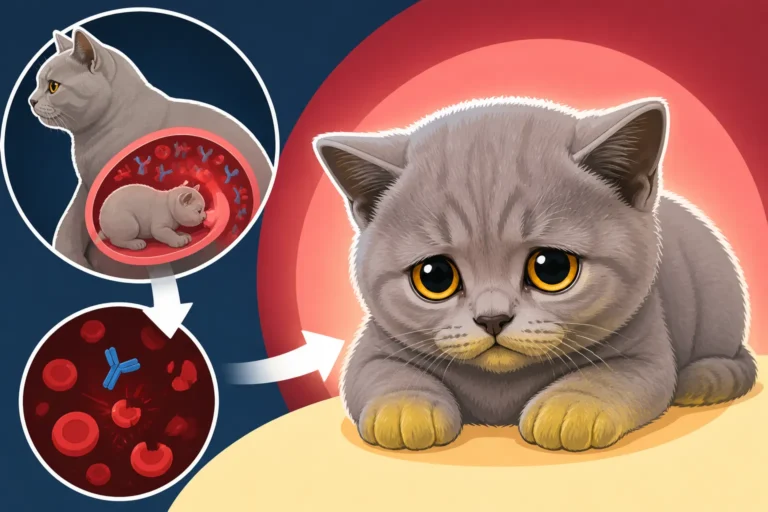
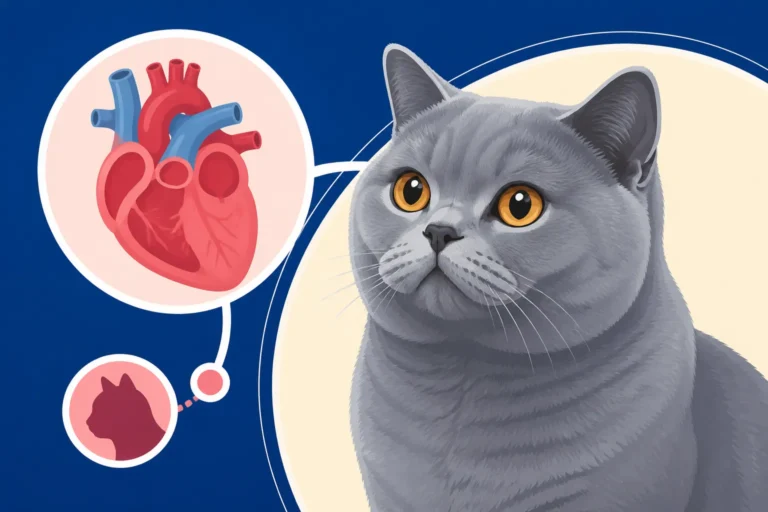
One of the primary reasons a British Shorthair might need an echocardiogram is to screen for Hypertrophic Cardiomyopathy, or HCM. This is a condition where the walls of the heart, particularly the main pumping chamber, become abnormally thick. Here's the truly frustrating part: HCM in British Shorthairs often presents as a silent killer. Your cat can have significant heart thickening and show absolutely no outward signs until the disease is quite advanced, potentially leading to sudden complications like blood clots or heart failure. The frustrating reality is that HCM in a British Shorthair Has No DNA Test that is universally reliable or specific to the breed, unlike in some other cat breeds. This means breeders and responsible owners can't simply run a genetic test to definitively rule out the disease, which is why actual physical scans are so vital. If you've been wondering Why There Is No British Shorthair HCM Gene Test, it boils down to the complex genetic makeup of this particular condition in British Shorthairs.
When Your Vet Recommends a Cardiac Scan
So, when does an echo become a part of your British Shorthair's healthcare journey? Most commonly, it starts with a routine veterinary check-up. Your primary care veterinarian might detect a heart murmur while listening to your cat's chest with a stethoscope. A heart murmur is essentially an unusual sound made by turbulent blood flow within the heart, and while it doesn't automatically mean heart disease, it's definitely a red flag that warrants further investigation. Hearing that your cat has a murmur can be scary, but remember, What a British Shorthair's Murmur Means isn't always catastrophic; it simply indicates a need for a deeper look.
Beyond murmurs, British Shorthairs, given their breed predisposition to HCM, are often recommended for regular screening, especially as they approach adulthood. Many responsible breeders start screening their cats quite young, and often new pet owners are advised to continue this proactive approach. Knowing When a British Shorthair Should Have Its First Echo can help you plan and stay ahead of potential health issues. If you've just adopted a British Shorthair, even a young one, discussing a baseline cardiac scan with your vet is a wise step.
Preparing Your British Shorthair for the Echocardiogram
The thought of taking your British Shorthair to the vet for a specialist appointment can trigger anxiety in both you and your cat. British Shorthairs are generally calm and good-natured, but they can be creatures of habit and sensitive to changes in their routine or unfamiliar environments. A little preparation goes a long way in making the echocardiogram as stress-free as possible.
The Low-Stress Approach to Appointments
Minimizing stress for your British Shorthair starts long before you even leave the house. Carriers, for instance, are often associated with negative experiences. If your cat only sees their carrier when it's time for a vet visit, they'll quickly learn to hide the moment it appears. Instead, try leaving the carrier out in the open, making it a regular piece of furniture. Place soft blankets inside, offer treats, or even feed meals inside it. This desensitization can make getting them into the carrier on appointment day much smoother. Using feline pheromone sprays, like Feliway, in the carrier and even around the house an hour before departure can also help create a calming atmosphere.
When it comes to the appointment itself, communicate openly with your vet or the cardiology clinic. If your British Shorthair is particularly shy, aggressive, or prone to anxiety, let them know in advance. They might suggest a mild sedative beforehand, though ideally, an echo is performed without sedation to ensure the heart's function is observed in its natural state. A calm cat allows for clearer images and a quicker, more accurate diagnosis. Remember, this isn't just about making your cat happy; it's about getting the best possible diagnostic information.
What Happens at the Clinic Before the Scan
Once you arrive at the specialist clinic, the process usually begins with a gentle check-in. Your British Shorthair will likely be weighed, and a veterinary technician or assistant will often take them back to the preparation area. Here, they might get a quick pre-scan physical check and have their heart and lungs listened to again. The team understands that cats are not always thrilled about vet visits, and they are usually experts at handling them calmly and respectfully.
For the echocardiogram, a small patch of fur on your cat's chest, usually on the lower left side, will need to be shaved. This isn't for aesthetics but to ensure there's excellent contact between the ultrasound probe and the skin, preventing any air bubbles from obscuring the images. Don't worry, the patch is usually quite small and grows back quickly. Sedation, as mentioned, is generally avoided for an echo if at all possible, as it can temporarily alter heart rate and function, which could affect the diagnostic accuracy. The goal is to see your British Shorthair's heart working as it normally would. While this might seem like a lot of expense and effort for something your cat might not even have, remember that routine screenings are a worthwhile investment in their long-term health and your peace of mind. Many pet owners find that having comprehensive pet insurance, such as a plan from Healthy Paws, helps cover these routine and preventative care costs, making it easier to say yes to essential screenings without financial stress.
The Step-by-Step Echocardiogram Procedure
Watching your British Shorthair undergo any medical procedure can be nerve-wracking, but understanding the steps involved in an echocardiogram can help demystify the process and ease your mind. It’s a specialized form of ultrasound, focusing solely on the heart, and it's performed by a highly trained professional.
Positioning and Comfort During the Scan
For the echocardiogram, your British Shorthair will typically be gently positioned on a soft, padded table, lying on their side. Often, they'll be placed on their right side, allowing the cardiologist or technician to access the heart from the left side of the chest. A skilled veterinary assistant will be there to offer gentle restraint, not to hold your cat down forcibly, but to keep them calm and still, ensuring the best possible images can be obtained. This often involves a reassuring hand, a calming voice, and sometimes even a blanket draped over them to make them feel more secure. The environment is usually kept quiet and dimly lit to help keep the cat relaxed. The team is well-versed in handling even the most reluctant felines, prioritizing their comfort throughout. It's truly amazing to see how veterinary professionals manage to make this often lengthy procedure as comfortable as possible for our cats. For a more detailed look at the practical aspects, you might wonder How a British Shorthair's Echo Is Performed in terms of specific angles and techniques, which are tailored to capture different views of the heart.
The Ultrasound Probe and Gel Application
Once your British Shorthair is comfortably positioned, the cardiac specialist will apply a small amount of warm ultrasound gel to the shaved area on their chest. This gel is crucial because it eliminates any air between the skin and the ultrasound probe, ensuring the sound waves can travel clearly and generate precise images. The probe, also known as a transducer, is then gently placed on the skin. This probe emits high-frequency sound waves that bounce off the heart structures – the walls, valves, and blood – and return to the probe, which then translates them into live images on a monitor.
The cardiologist will systematically move the probe around the chest, capturing various views of your cat's heart from different angles. They'll be meticulously examining each chamber, measuring the thickness of the heart muscle walls, assessing the function of the valves, and observing the overall contractility of the heart. With Doppler ultrasound, they can even visualize and measure blood flow through the heart, checking for any turbulence or abnormal patterns that might indicate issues like valve leakage or narrowing. This detailed examination is why it's so important that Why a Cardiologist Should Scan a British Shorthair is often recommended, as their specialized training allows for precise interpretation of these complex images. The entire procedure usually takes between 20 to 40 minutes, depending on how cooperative your British Shorthair is and whether any abnormalities are detected that require additional scrutiny.
Interpreting the Live Images and Data
As the cardiologist moves the probe, they are constantly interpreting the real-time images displayed on the screen. They're looking for incredibly subtle details:
- Wall Thickness: Is the muscular wall of the left ventricle, the main pumping chamber, thicker than it should be? This is the hallmark sign of HCM.
- Chamber Size: Are the heart chambers (atria and ventricles) of appropriate size, or are they enlarged, which could indicate compensatory changes or congestion?
- Valve Function: Are the heart valves opening and closing properly, or is there any leakage (regurgitation) or narrowing (stenosis)?
- Blood Flow: Using Doppler imaging, they assess the speed and direction of blood flow to detect any turbulent flow, which can be a sign of obstructions or incompetent valves.
- Overall Contractility: How strongly is the heart muscle contracting? Is it pumping blood efficiently?
These measurements and observations are critical for assessing your British Shorthair's cardiac health. The precision of these machines and the expertise of the specialist allow them to build a comprehensive picture of your cat’s heart function, far beyond what a stethoscope can reveal.
After the Echocardiogram and What Comes Next
Once the echocardiogram is complete, you'll naturally be eager for answers. The period immediately following the scan and awaiting the full results can feel like an eternity, but understanding the next steps can help manage expectations.
Immediate Aftercare and Results Discussion
Typically, after an echocardiogram, your British Shorthair will be returned to you fairly quickly. If any mild sedation was used (which is rare for an echo unless absolutely necessary for an anxious cat), they might be a little groggy, but most cats are bright and ready to go home. The good news is there's generally no special aftercare needed, and your cat can resume their normal activities, food, and water as soon as they're home.
The cardiologist or veterinarian performing the scan might be able to give you some preliminary findings right after the procedure, especially if the results are clearly normal or clearly indicative of a significant issue. However, in many cases, especially with more nuanced findings, the specialist will need to take some time to thoroughly review all the images, measurements, and video clips they've captured. These detailed findings are then compiled into a comprehensive report, which might also be sent to a board-certified veterinary cardiologist for a secondary review and interpretation, ensuring the highest level of accuracy. This waiting period, usually a few days, can be agonizing, but it’s essential for a precise diagnosis. Knowing How Long a Clear British Shorthair Echo Is Good For can sometimes alleviate immediate concerns if the results are favorable, as a clear echo might mean you don't need another scan for a certain period.
Understanding the Findings and Next Steps
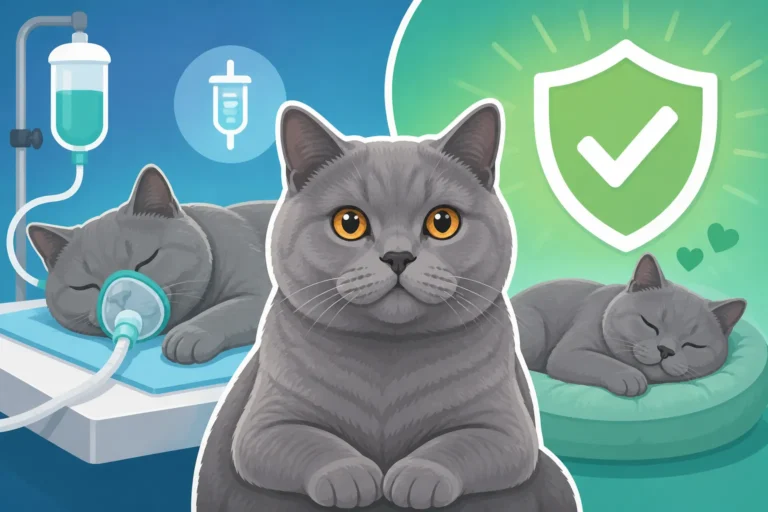
When you receive the official results, your vet will explain everything in detail. If your British Shorthair's echo is "clear," it means no significant signs of heart disease were detected at the time of the scan. This is fantastic news and provides immense relief. However, it's important to remember that HCM can develop over time, and regular screenings are still recommended for breeds like the British Shorthair.
If, unfortunately, the echo reveals signs of HCM or another cardiac condition, your vet will discuss the diagnosis, its implications, and the recommended treatment plan. While a diagnosis of heart disease is daunting, early detection is truly key. It allows for the initiation of medications that can help manage the condition, slow its progression, and improve your cat's quality of life. For instance, The Age HCM Usually Appears in a British Shorthair can vary, but regular screening helps catch it as early as possible. It’s important to understand just How Common HCM Is in British Shorthairs to appreciate why these screenings are so critical. The cardiologist will explain exactly What HCM Does to a British Shorthair's Heart and how various medications work to support cardiac function.
A British Shorthair with HCM might require lifelong medication, dietary adjustments, and regular follow-up appointments and echocardiograms to monitor the disease's progression. This can certainly add up financially. If a condition is found, having pet insurance can significantly ease the financial burden of ongoing treatments and follow-up echoes. The cost of long-term care can be substantial, and good insurance like Healthy Paws can be a lifesaver, helping to cover costs like prescription medications, additional diagnostics, and specialist consultations. It’s worth looking into What a British Shorthair Echo Costs and then considering how insurance might offset those expenses in the long run.
The Role of Regular Screening for Longevity
Ultimately, the echocardiogram is a powerful tool in ensuring the longevity and quality of life for your British Shorthair. Because HCM can be so insidious and progress silently, proactive, regular screening is one of the most important things you can do as a British Shorthair owner. It's often said that The Yearly Echo That Replaces a British Shorthair Gene Test is the gold standard for this breed, and for good reason. It’s the best way we currently have to monitor their heart health.
Your cardiologist will recommend a schedule for future echoes based on your cat's age, whether any abnormalities were found, and their overall health. For many British Shorthairs, a yearly or bi-yearly echo becomes a standard part of their preventative care, particularly if they come from lines with some history of HCM or if they've developed a murmur. Knowing How Often a British Shorthair Needs an Echo will be a key part of your preventative health plan. It's an investment, both in time and money, but one that can quite literally add years to your cat's life by allowing for early intervention. While it's an investment, comprehensive pet insurance plans that cover hereditary conditions discovered after enrollment, like those offered by Healthy Paws, make it easier to commit to these crucial, regular health checks without constantly worrying about the bills. This proactive approach ensures you're doing everything possible to keep your cherished British Shorthair healthy and happy for many years to come.
Here’s a comparison of what you might expect during an echo at a general veterinary practice versus a specialist cardiology clinic:
| Feature | General Practice Echo | Specialist Cardiology Clinic Echo |
|---|---|---|
| Who Performs It | General vet with ultrasound training or mobile specialist | Board-certified veterinary cardiologist |
| Equipment | General ultrasound machine, potentially older | State-of-the-art cardiac ultrasound machine, high-resolution |
| Depth of Detail | May focus on basic measurements and identifying gross abnormalities | Comprehensive, detailed measurements, advanced Doppler analysis, intricate structure assessment |
| Report | May be provided by the performing vet | Detailed, comprehensive report with measurements, images, and interpretation, often reviewed by a second specialist |
| Interpretation | Based on general veterinary knowledge | Expert interpretation, nuanced diagnosis, tailored treatment plans |
| Sedation Use | Generally avoided, similar to specialists | Generally avoided, similar to general practice |
| Cost | Often slightly less expensive | Typically more expensive due to specialist expertise and equipment |
| Wait Time for Appt. | May be quicker to get in | Can have longer wait times due to high demand for specialists |
| Follow-up Care | May refer to a specialist for complex cases | Direct ongoing management for cardiac conditions |
Disclaimer
This article is intended for informational purposes only and does not constitute veterinary advice. Always consult with a qualified veterinarian or veterinary cardiologist regarding any health concerns or before making any decisions about your British Shorthair's medical care. Individual circumstances can vary, and professional guidance is essential.