The Age a British Shorthair Should Start Screening
It can feel a bit overwhelming when you bring home a British Shorthair kitten, especially with all the talk about breed-specific health issues. You adore their round faces and plush coats, but then you hear about things like heart disease or kidney problems, and you start to wonder, "When do I actually need to start thinking about all this screening stuff?" It’s a valid concern, and knowing the right age to begin these vital checks can make all the difference in ensuring your beloved furball lives a long, healthy, and happy life. This guide will walk you through the recommended timeline for initiating health screenings for your British Shorthair, so you can feel confident and prepared.
Understanding the Importance of Early Health Screening
Bringing a British Shorthair into your home is like inviting a fluffy, purring cloud of joy to share your sofa. These wonderful cats are known for their calm demeanor and robust appearance, but like many purebreds, they can be predisposed to certain genetic health conditions. The key to managing these conditions, or even preventing them from becoming serious, lies almost entirely in early detection through proactive screening. It’s not about finding fault with the breed; it's about being a responsible, informed pet parent.
Why British Shorthairs Need Specific Screening Protocols
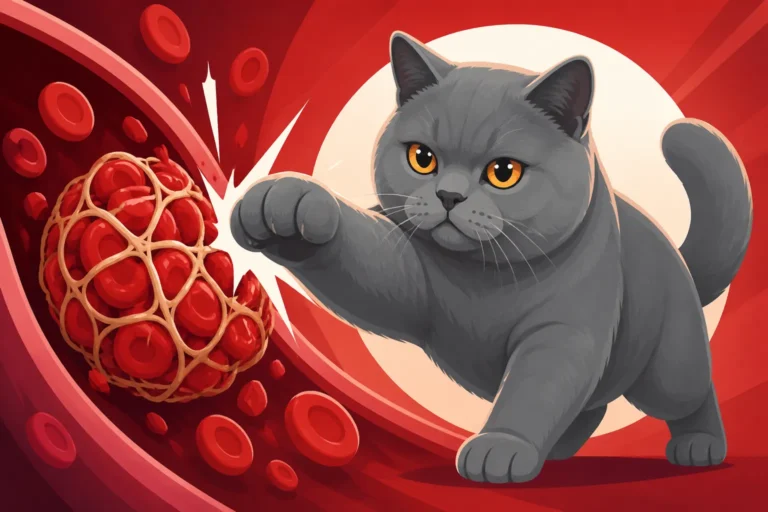
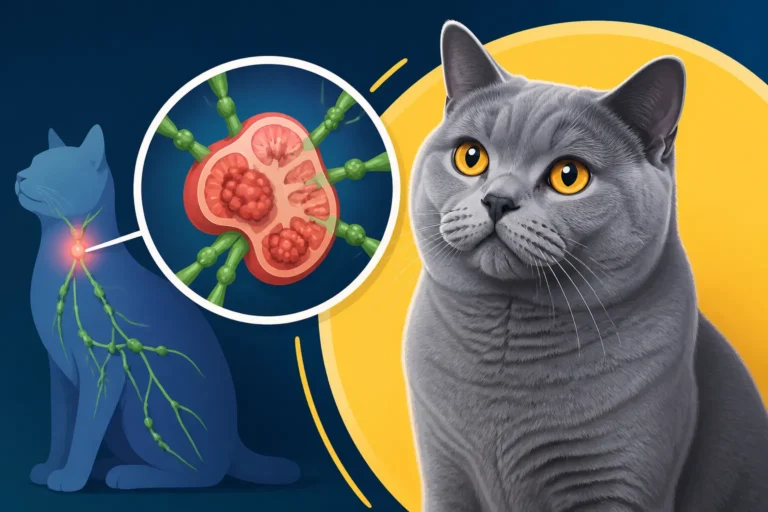
You might think, "My cat looks perfectly healthy, why test them?" The reality is that British Shorthairs, due to their genetic heritage and the process of selective breeding that created their distinctive looks, are more susceptible to certain conditions. The most prominent among these are Hypertrophic Cardiomyopathy (HCM) and Polycystic Kidney Disease (PKD). HCM is a heart condition that causes the walls of the heart to thicken, making it harder for the heart to pump blood effectively. PKD results in fluid-filled cysts forming in the kidneys, which can eventually lead to kidney failure. These aren't just minor ailments; they can significantly impact your cat's quality of life and lifespan if left unchecked. Knowing that your British Shorthair carries these risks means you can't just cross your fingers and hope for the best. Proactive screening allows you to catch these issues at their earliest stages, often before any symptoms even appear, which gives your vet the best chance to intervene and manage the condition.
For a deeper dive into one of these concerns, you might find this helpful: What HCM Does to a British Shorthair's Heart. It's crucial to understand that reputable breeders often perform these screenings on their breeding animals, but even if your kitten comes from a well-screened lineage, individual genetic expression can still occur, and not all conditions have a foolproof DNA test.
The Silent Nature of Feline Diseases
Cats are masters of disguise, especially when it comes to illness. Unlike dogs, who might whimper or act visibly distressed, cats instinctively hide their pain and discomfort. This behavior is a holdover from their wild ancestors, where showing weakness would make them vulnerable to predators. Unfortunately, this means that by the time a cat displays overt symptoms of a disease like HCM or PKD, the condition is often quite advanced. You might notice subtle changes, like a slight decrease in activity, a bit less enthusiasm for playtime, or maybe they just seem a little "off." But these signs are easily missed or attributed to normal aging, especially in a breed as naturally calm as the British Shorthair.
This is why waiting for symptoms to appear before seeking veterinary attention can be a risky strategy. Early health screenings bypass this silent struggle by looking for the underlying disease indicators directly. Imagine catching a heart condition before your cat ever shows signs of breathing difficulty or lethargy – that's the power of early screening. It gives your vet a head start, allowing them to implement therapies that can slow disease progression, improve comfort, and ultimately extend your cat's healthy years. It’s an investment in their future, giving you peace of mind and your furry friend the best possible chance at a long life.
The Ideal Age for Initial Health Screenings
So, when exactly should you start? This isn't a one-size-fits-all answer, as different conditions call for different screening methods and timelines. However, there are generally accepted windows that breeders and veterinary cardiologists recommend for British Shorthairs to get the most accurate baseline readings. Think of it as their "kitten check-up for grown-up problems."
When to Start Screening for Hypertrophic Cardiomyopathy (HCM)
Hypertrophic Cardiomyopathy (HCM) is the most common heart disease in cats, and British Shorthairs are particularly susceptible. The good news is that while there isn't a DNA test for HCM in British Shorthairs like there is for some other breeds (a topic explored in Why There Is No British Shorthair HCM Gene Test), we do have a very effective diagnostic tool: the echocardiogram. An echo is essentially an ultrasound of the heart that allows a veterinary cardiologist to visualize the heart's structure and function in real-time.
For British Shorthairs, the generally recommended age for the first HCM screening echocardiogram is around 12 to 18 months of age. This window is considered ideal because most cases of early-onset HCM will start to show structural changes in the heart by this time. Screening too early, say at 6 months, might miss subtle changes that haven't fully developed yet. Think of it like taking a photo of a growing plant – you want to wait until it's matured enough to show its true form. Some breeders even recommend a baseline scan closer to two years of age, but the 12-18 month mark is a solid starting point for most pet owners. If your British Shorthair is acquired from a breeder, they should be able to provide clear results of the parents' HCM screenings, often performing yearly echoes themselves. You might be interested in knowing How Often a British Shorthair Needs an Echo after their initial screening. This also provides an important baseline for comparison with future scans, as HCM is a progressive disease that requires ongoing monitoring.
Polycystic Kidney Disease (PKD) and Early Detection
Polycystic Kidney Disease (PKD) is another significant health concern for British Shorthairs, historically introduced into the breed through outcrossing with Persians. Unlike HCM, PKD in British Shorthairs is typically caused by a specific genetic mutation, PKD1, which means we do have a highly effective and definitive DNA test for it! This is fantastic news because a DNA test can tell you with certainty if your cat carries the gene, is affected, or is clear.
The beauty of a DNA test is that it can be performed at any age, even on very young kittens. However, if you haven't had your kitten tested, or if you've adopted an adult British Shorthair whose history is unknown, getting them DNA tested for PKD as soon as possible is highly recommended. Ideally, a kitten would be tested before leaving the breeder, or at least confirmed that both parents were tested and clear. If a cat carries the PKD1 gene, they will develop cysts, though the severity and age of onset of kidney failure can vary widely. Knowing their status early allows you and your vet to establish a management plan, monitor kidney function, and make dietary adjustments much sooner. If you’re curious about the journey of this disease, check out How PKD Reached the British Shorthair. A simple cheek swab or blood sample is all that's needed for the DNA test, making it a non-invasive and incredibly valuable screening.
What to Expect During Initial Screenings
Knowing when to screen is just the first step. Understanding what these screenings involve can help alleviate any anxiety you might have about bringing your cat to the vet. Rest assured, these procedures are generally well-tolerated and designed to be as stress-free as possible for your British Shorthair.
The Echocardiogram for HCM
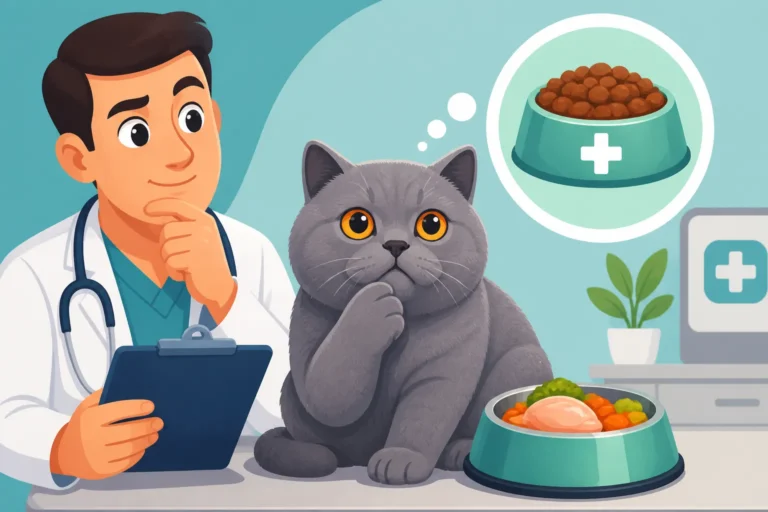
When it's time for your British Shorthair's first HCM screening, they'll typically be seen by a board-certified veterinary cardiologist. This isn't just a regular vet visit; it's a specialized imaging procedure.
Here’s what generally happens:
- Preparation: Your cat won't need to be sedated for an echocardiogram, which is great news! They usually just need to be calm and cooperative. The vet tech might gently shave a small patch of fur on their chest to ensure good contact with the ultrasound probe, although sometimes they just use alcohol or gel to part the fur.
- The Procedure: Your cat will lie comfortably on a special table, usually on their side with a small cutout for the probe. The cardiologist will apply a veterinary-safe ultrasound gel to their chest and use a transducer to capture images of their heart. This involves moving the probe gently across the chest, looking at all four chambers, the valves, and measuring wall thickness and blood flow. It’s completely painless and non-invasive.
- Duration: A full, thorough echocardiogram typically takes anywhere from 20 to 45 minutes, depending on your cat's cooperation and the complexity of their heart structure.
- Results: The cardiologist will usually be able to give you preliminary results right after the scan. They'll explain if any abnormalities were found and what that might mean for your cat. A formal report with detailed measurements and images will often follow within a few days. This initial scan is crucial for establishing a baseline for your cat's heart health. If you're wondering about the cost, What a British Shorthair Echo Costs can give you an idea.
DNA Testing for PKD
The PKD DNA test is thankfully much simpler and less intimidating than an echo, both for you and your British Shorthair.
Here’s a breakdown:
- Sample Collection: The most common method involves a simple cheek swab. Your vet (or sometimes even you, if provided with a kit) will use a special sterile brush to gently swab the inside of your cat's cheek to collect cells. This takes mere seconds and is completely painless.
- Blood Sample Option: In some cases, especially if your cat is already having blood drawn for other tests (like yearly bloodwork), a blood sample can also be used for DNA testing. Both methods provide sufficient genetic material.
- Sending to Lab: The collected sample is then sent to a specialized veterinary genetics laboratory. Reputable labs like those run by Optimal Selection or UC Davis offer these specific breed panels.
- Results: Lab processing can take anywhere from a few days to a couple of weeks. You'll receive a report indicating whether your cat is "clear" (does not carry the gene), a "carrier" (carries one copy of the gene but typically won't develop the disease, though they can pass it on), or "affected" (carries two copies of the gene and will develop the disease). For PKD, being "affected" by the PKD1 gene means your cat will develop cysts, but again, the progression varies. The good news is that if your cat tests clear, they are genetically free of PKD and cannot pass it on to any offspring. To learn more about how extensive these panels can be, check out Which Tests the British Shorthair Health Panel Covers.
Beyond the First Screening: Ongoing Monitoring
Getting those initial screenings done is a huge step, but it’s often not the end of the story. For conditions like HCM, regular follow-up is essential, and for all British Shorthairs, staying vigilant for general health changes is always important.
The Need for Regular Follow-up Screenings
For British Shorthairs that have a clear initial HCM echocardiogram at 1-2 years old, follow-up screenings are still highly recommended. HCM can be late-onset, meaning it might not show up until your cat is older. Many cardiologists recommend re-scanning British Shorthairs every 1-2 years for the duration of their lives, or at least until they reach a senior age (typically around 8-10 years old) with consistently clear results. If the initial scan shows any "equivocal" (borderline) changes, or if there's a strong family history of HCM, your vet might suggest more frequent re-checks, perhaps every 6-12 months. This consistent monitoring helps track any subtle changes over time, allowing for early intervention if the disease begins to develop.
Even for PKD, if your cat tests clear genetically, that’s fantastic! But general kidney health should still be monitored as part of their routine wellness exams, especially as they age, just like any cat. For those who are "affected" or have an unknown status, more frequent veterinary check-ups and specific blood tests (like SDMA and creatinine) to monitor kidney function will become a crucial part of their care plan. This ongoing commitment ensures that you're always ahead of any potential health curveballs. Healthy Paws is a pet insurance provider that many owners choose to help manage the ongoing costs of these specialized screenings and potential treatments, giving them peace of mind that their furry friend's health is covered.
Recognizing Subtle Signs of Illness at Any Age
While screenings are paramount, your daily observations are equally valuable. You live with your British Shorthair, you know their quirks, their routines, and their personality better than anyone. Be attuned to any changes, no matter how minor they seem.
Here are some things to watch for:
- Changes in Appetite or Thirst: Is your cat eating more or less than usual? Drinking significantly more water can be a sign of kidney disease or diabetes.
- Lethargy or Reduced Activity: British Shorthairs are calm, but a sudden decrease in playfulness, increased sleeping, or reluctance to jump can be a red flag.
- Changes in Breathing: Any labored breathing, panting, or open-mouthed breathing is an emergency and requires immediate veterinary attention. This can be a sign of advanced heart disease. Find out more about Signs a British Shorthair Is Breathing Hard.
- Changes in Grooming Habits: An overweight or arthritic cat might struggle to groom their back, leading to matted fur. Conversely, over-grooming can indicate stress or skin issues.
- Litter Box Changes: Straining to urinate, frequent trips to the litter box, or inappropriate urination outside the box could indicate urinary tract issues or kidney problems.
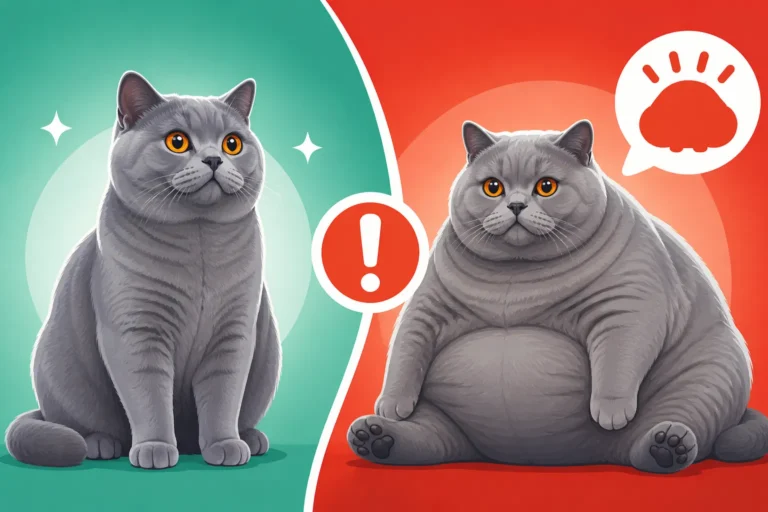
- Weight Fluctuations: Sudden weight loss or gain without a change in diet is always a concern. While a British Shorthair is built to look heavy, true obesity or unexplained weight loss needs investigation. Learn more about Why a British Shorthair Is Built to Look Heavy.
Don't hesitate to reach out to your veterinarian if you notice anything unusual. It's always better to be overly cautious than to miss something important. Your vet is your partner in your British Shorthair's health journey, and together, with proactive screening and attentive observation, you can ensure your beloved companion enjoys a full and vibrant life. Having a good insurance plan, like those offered by Healthy Paws, can certainly help ease the financial burden of investigating these symptoms, encouraging prompt veterinary visits.
| Condition | Primary Screening Method | Ideal Age for Initial Screening | Frequency of Follow-up (if clear) | Genetic Test Available for BSH? |
|---|---|---|---|---|
| Hypertrophic Cardiomyopathy (HCM) | Echocardiogram (Heart Ultrasound) | 12-18 months | Every 1-2 years | No |
| Polycystic Kidney Disease (PKD) | DNA Test (Cheek Swab/Blood) | Any age (ideally < 1 year) | Not applicable (DNA is definitive) | Yes (PKD1) |
| General Health | Routine Vet Exams, Bloodwork | Annually (starting from kittenhood) | Annually or Bi-annually (senior) | N/A |
Disclaimer
The information provided in this article is for general informational purposes only and is not a substitute for professional veterinary advice, diagnosis, or treatment. Always seek the advice of your veterinarian or other qualified animal health provider with any questions you may have regarding a medical condition or the health and welfare of your British Shorthair. Never disregard professional veterinary advice or delay in seeking it because of something you have read in this article.