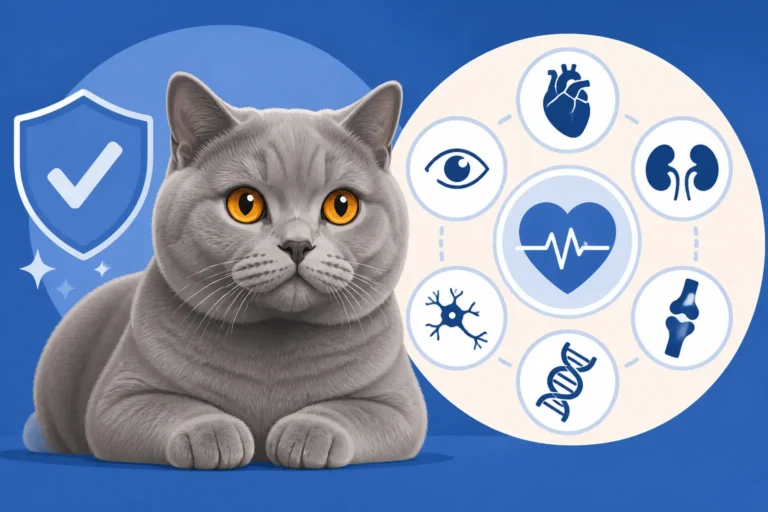
When a Vet Puts a British Shorthair on a Prescription Diet
It can be incredibly disheartening when your beloved British Shorthair, usually so robust and seemingly unbothered, starts experiencing health issues that lead your vet to recommend a special diet. You might feel overwhelmed by the change, worried about the cost, or even doubt if your finicky feline will accept anything other than their usual fare. This comprehensive guide is here to walk you through exactly why a prescription diet might become necessary for your British Shorthair and what to expect on this new nutritional journey.
Understanding Why a Prescription Diet Becomes Necessary
When your veterinarian suggests a prescription diet, it's not a decision made lightly. These specialized foods are formulated with precise nutritional profiles designed to manage or even treat specific health conditions that regular over-the-counter foods simply cannot address effectively. For British Shorthairs, given their unique build and common predispositions, there are several reasons why such a diet might be crucial.
Addressing Obesity and Weight Management
British Shorthairs are notorious for their robust, cobby build, and it's all too easy for that beloved "chunky" look to tip over into unhealthy obesity. Many owners struggle to tell the difference between a naturally heavy British Shorthair and one that's genuinely overweight. This breed, with its naturally calm disposition and tendency for low activity, often gains weight without much effort, especially after neutering. When you're trying to manage this, regular diet foods might not cut it because they often lack the specific composition needed to safely and effectively reduce weight while still providing essential nutrients. A vet-prescribed weight management diet is specifically engineered to be lower in calories but higher in fiber and sometimes protein, helping your cat feel full without overeating. This can be a critical step to prevent or reverse issues like Obesity Is the British Shorthair's Real Disease.
These diets work by managing caloric intake more precisely than off-the-shelf options, which might have vague "light" formulations. The increased fiber content in many prescription weight-loss foods helps create a sense of satiety, preventing your British Shorthair from feeling constantly hungry, which is a common complaint when owners try to simply reduce portions of their regular food. Moreover, some formulations include ingredients that support lean muscle mass during weight loss, ensuring your cat loses fat, not essential muscle. It’s a carefully balanced act that requires more than just less food; it requires the right kind of food.
Managing Urinary Tract Issues
Urinary tract issues, such as feline idiopathic cystitis (FIC), bladder stones, or crystals, are sadly common in cats, and British Shorthairs are no exception. The discomfort and potential for dangerous urinary blockages, especially in male cats, are serious concerns. If your British Shorthair has experienced symptoms like frequent urination, straining in the litter box, or inappropriate urination, your vet might diagnose an underlying urinary condition. This is where a prescription urinary diet becomes a game-changer. These diets are specifically formulated to alter urine pH, dissolve existing crystals, and prevent new ones from forming.
For instance, diets designed to prevent struvite crystals will often acidify the urine, while those targeting calcium oxalate crystals will aim for a more neutral or slightly alkaline pH. They also typically have increased moisture content, which encourages greater water intake and more dilute urine, helping to flush out the urinary system. Without this precise balance, managing these conditions can be a constant struggle, leaving your cat prone to painful flare-ups and potentially expensive emergency vet visits. Ignoring these signs can lead to serious health consequences, particularly if your Why a Male British Shorthair Blocks, which is a life-threatening situation.
Supporting Kidney Health in Senior British Shorthairs
As our beloved British Shorthairs age, just like us, their organs can start to show wear and tear. Chronic Kidney Disease (CKD) is a progressive condition often seen in older cats, and it can be a devastating diagnosis. The challenge with CKD is that by the time overt symptoms like increased thirst and urination, weight loss, or vomiting appear, a significant portion of kidney function might already be lost. However, nutritional management is one of the most effective ways to slow the progression of kidney disease and improve the quality of life for affected cats. You might start noticing Signs a British Shorthair's Kidneys Are Failing.
Prescription kidney diets are formulated with precise modifications, most notably reduced levels of phosphorus and often controlled protein levels, alongside increased omega-3 fatty acids. High phosphorus levels can exacerbate kidney damage, while the type and amount of protein need to be carefully managed to reduce the workload on the kidneys and minimize the accumulation of waste products in the blood. These diets aren't a cure, but they are a powerful tool to extend your cat's comfortable lifespan and manage the symptoms associated with CKD, making a significant difference in their overall well-being. Caring for an Old British Shorthair often involves managing kidney health as a primary concern.
The Science Behind Prescription Formulations
It’s easy to think "food is food," but prescription diets are fundamentally different from what you'd pick up off the shelf at the grocery store. They are developed through extensive scientific research and clinical trials, often requiring veterinary authorization because their specific formulations are designed to achieve therapeutic outcomes.
Targeted Nutritional Profiles
Unlike general "adult cat" foods, prescription diets have meticulously balanced nutritional profiles tailored to specific health conditions. For a British Shorthair needing weight loss, a diet might have a significantly lower caloric density with increased fiber to promote satiety. For a cat with kidney disease, the diet will carefully control phosphorus, sodium, and protein levels to ease the burden on compromised kidneys. If your British Shorthair is grappling with a sensitive stomach, a gastrointestinal prescription diet will feature highly digestible proteins and carbohydrates, often with added prebiotics and probiotics to support gut health.
These aren't just slightly tweaked versions of regular food; they are medical interventions in a bowl. For example, a urinary diet will precisely adjust the mineral content (magnesium, calcium, phosphorus) to prevent the formation of specific crystal types, something a general maintenance diet cannot do without potentially causing other imbalances. The ingredients aren't just for taste or basic nutrition; they are functional components, each playing a role in managing a medical condition. This targeted approach is why your vet specifies a particular brand and formula—they know that subtle differences in composition can have a profound impact on your British Shorthair’s health.
Palatability and Transition Strategies
One of the biggest anxieties for any cat owner, especially those with discerning British Shorthairs, is whether their feline friend will actually eat the new prescription diet. Cats are creatures of habit and often quite particular about their food. It’s a completely valid concern. Many prescription diet manufacturers understand this challenge and put considerable effort into making their therapeutic foods palatable, often offering various flavors, textures (pate, chunks in gravy, crunchy kibble), and even dry and wet options to cater to different preferences.
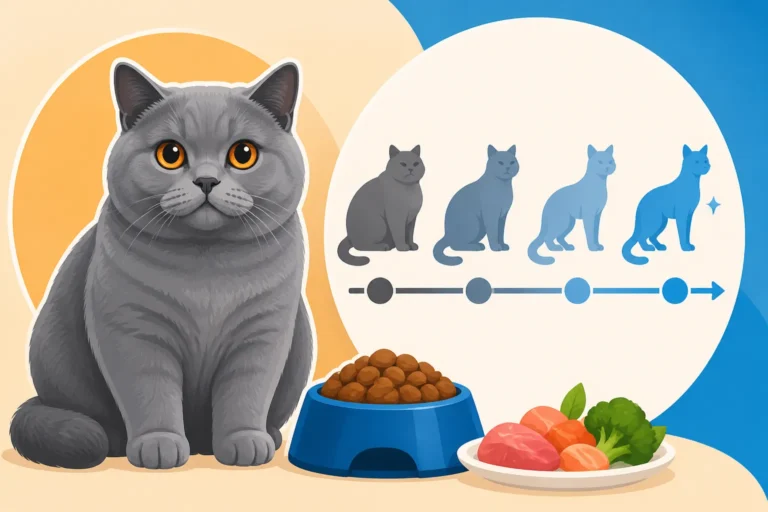
Successfully transitioning your British Shorthair to a new diet requires patience and a gradual approach. A sudden switch can lead to digestive upset or, more likely, a flat-out refusal. The common recommendation is to mix a small amount of the new food with their old food, gradually increasing the proportion of the new diet over 7 to 10 days. Start with just 10-20% new food on day one, and if your cat tolerates it, slowly increase by 10% each day. You might find that warming wet food slightly enhances its aroma and appeal, or offering the new food in a quiet, undisturbed area helps. If your cat is truly resistant, discuss strategies with your vet, which might include trying different textures or even adding a tiny amount of low-sodium chicken broth to entice them.
The Role of Veterinary Supervision
It's crucial to remember that prescription diets are not "just food"; they are part of a medical treatment plan. This means they require ongoing veterinary supervision. Your vet will not only prescribe the initial diet but will also monitor your British Shorthair’s progress through regular check-ups, blood tests, and urine analyses as needed. This monitoring ensures the diet is having the desired effect and isn't causing any unforeseen issues. For instance, a cat on a weight-loss diet will need regular weigh-ins to track progress and adjust caloric intake as they shed pounds.
Similarly, a cat with kidney disease on a renal diet will have their kidney values (BUN, creatinine, phosphorus) checked periodically to ensure the diet is effectively slowing progression. The veterinary team will guide you on appropriate portion sizes, feeding schedules, and how to interpret your cat's response to the new food. They are your best resource for troubleshooting any challenges, from finicky eating to unexpected changes in your cat's health. Do not attempt to self-prescribe or alter a prescription diet without consulting your veterinarian, as this could undermine the treatment and potentially harm your British Shorthair.
Common Scenarios and What to Expect
Let's dive into some of the specific situations where a prescription diet becomes a vital component of your British Shorthair's health management. Each scenario comes with its own set of challenges and expectations, but the common thread is the power of targeted nutrition.
When Weight Loss Becomes a Medical Imperative
For many British Shorthairs, their endearing roundness can unfortunately lead to serious health problems. Beyond just looking a bit hefty, obesity significantly increases the risk of Diabetes in a British Shorthair, Arthritis in an Older British Shorthair, and even conditions like hepatic lipidosis (fatty liver disease) if they stop eating. When your vet determines your British Shorthair's weight is impacting their health, a prescription weight-loss diet is not merely about aesthetics; it’s a medical imperative.
These diets are carefully crafted to provide all necessary nutrients while restricting calories, often by increasing fiber to promote satiety. Expect the weight loss process to be gradual, typically 0.5% to 2% of body weight per week, as rapid weight loss can be dangerous for cats. Your vet will establish a target weight and provide precise feeding guidelines, often requiring meticulous portion control. You'll likely be asked to schedule regular weigh-ins. It's a journey that requires commitment, but the payoff is a healthier, more active British Shorthair with a significantly reduced risk of secondary illnesses. To understand how to approach this, you might find guidance in How to Put a British Shorthair on a Diet.
Dealing with Digestive Sensitivities or Allergies
Just like people, British Shorthairs can suffer from sensitive stomachs, food allergies, or inflammatory bowel disease (IBD). Symptoms might range from chronic vomiting and diarrhea to skin issues like excessive itching or poor coat quality. Pinpointing the exact cause can be a lengthy process, often involving elimination diets. When a specific sensitivity or allergy is suspected, or a diagnosis like IBD is made, your vet may recommend a prescription diet designed for digestive support.
These diets typically feature highly digestible ingredients, often a novel protein source (one your cat hasn't eaten before, like duck or venison) or hydrolyzed proteins (proteins broken down into tiny particles too small to trigger an allergic reaction). They also frequently include prebiotics and probiotics to foster a healthy gut microbiome, which is essential for proper digestion and nutrient absorption. The goal is to minimize irritation to the digestive tract, reduce allergic responses, and allow the gut to heal. Finding the right diet can take time and experimentation under veterinary guidance, but it can bring immense relief to a British Shorthair suffering from chronic digestive upset.
Supporting a British Shorthair with Diabetes
Diabetes mellitus is another serious condition that can affect British Shorthairs, particularly if they are overweight. It's characterized by the body's inability to produce or properly use insulin, leading to high blood sugar levels. While many diabetic cats require insulin injections, dietary management plays a crucial role in regulating blood glucose and, in some cases, can even lead to diabetic remission.
Prescription diabetic diets for cats are typically high in protein and very low in carbohydrates. This formulation helps to stabilize blood sugar levels by minimizing post-meal glucose spikes. The increased protein helps maintain muscle mass, which is often compromised in diabetic cats. Managing a British Shorthair with diabetes often involves a combined approach: consistent insulin administration (if required), strict adherence to the prescription diet, and regular monitoring of blood glucose levels. Your vet will guide you through this process, which may also involve discussing potential complications and how to recognize Signs a British Shorthair Is Diabetic.
Financial Considerations and Long-Term Care
Let's be real: specialized care often comes with specialized costs. When your vet recommends a prescription diet, it's natural to wonder about the financial impact, especially since these diets are often a long-term, if not lifelong, commitment for your British Shorthair.
The Cost of Prescription Diets
There's no sugarcoating it: prescription diets generally cost more than your standard bag of kibble or cans of wet food. This higher price tag reflects the extensive research and development that goes into formulating these therapeutic foods, the quality and often specialized sourcing of ingredients, and the rigorous testing they undergo to ensure efficacy and safety. You're not just paying for food; you're paying for a medical tool designed to manage a specific health condition.
For example, a high-quality weight management prescription diet for a British Shorthair might cost anywhere from $40-$70 for a large bag of dry food, or $20-$40 for a case of wet food, per month, depending on brand and specific needs. Compare this to What a British Shorthair Costs a Month on a Weight Diet. Similarly, a prescription urinary diet can be a similar price point. While the initial sticker shock might be daunting, consider the cost savings in preventing potential medical emergencies or managing chronic conditions with medication. For instance, effectively managing urinary issues with diet can reduce the likelihood of costly procedures for What a British Shorthair's Blocked Bladder Costs.
| Diet Type | Key Features | Typical Cost Range (per month, approximate) | Long-Term Benefit |
|---|---|---|---|
| Weight Management | Lower calories, high fiber, satiety support | $40 – $70 | Prevents obesity-related diseases, improves mobility |
| Urinary Health | pH control, mineral balance, increased moisture | $35 – $65 | Prevents crystals/stones, reduces UTI recurrence |
| Kidney Support | Reduced phosphorus/protein, controlled sodium | $45 – $80 | Slows CKD progression, improves quality of life |
| Gastrointestinal | Highly digestible, novel/hydrolyzed protein, pre/probiotics | $40 – $75 | Reduces digestive upset, manages allergies/IBD |
| Diabetic Management | High protein, low carbohydrate | $40 – $70 | Stabilizes blood sugar, aids remission in some cases |
Note: Costs are estimates and can vary significantly based on brand, region, specific formula, and whether dry or wet food is chosen.
Insurance and Ongoing Veterinary Support
When facing the prospect of a prescription diet and the associated long-term costs, pet insurance can become an invaluable asset. While many basic pet insurance plans might not cover the cost of the food itself (as it's considered preventative or maintenance), some comprehensive plans or wellness packages offered by providers like Healthy Paws may offer some reimbursement for prescription diets or associated veterinary visits and diagnostic tests. It's always a good idea to thoroughly review your policy or speak directly with Healthy Paws or your chosen provider to understand what is covered. Some pet insurance plans will cover the underlying condition that necessitates the diet, which then indirectly helps with the overall financial burden.
Beyond insurance, continued engagement with your veterinary team is paramount. Regular follow-up appointments, as advised by your vet, are essential to ensure the diet is effective and that your British Shorthair's condition is well-managed. These visits allow for necessary adjustments to the diet, medication, or care plan, optimizing your cat's health outcomes. A strong partnership with your vet means you have expert guidance through every step of your British Shorthair’s health journey, helping you navigate not just the dietary changes but the broader implications of their specific health needs. For instance, What a British Shorthair's Yearly Bloodwork Should Cover will likely become even more important with a prescription diet.
Disclaimer
Please remember that the information provided in this article is intended for general informational purposes only and does not constitute veterinary advice. Always consult with a qualified veterinarian for any health concerns or before making any decisions about your pet's diet, treatment, or care. Every British Shorthair is an individual, and what works for one may not work for another.