How Many Weeks a British Shorthair Diet Should Take
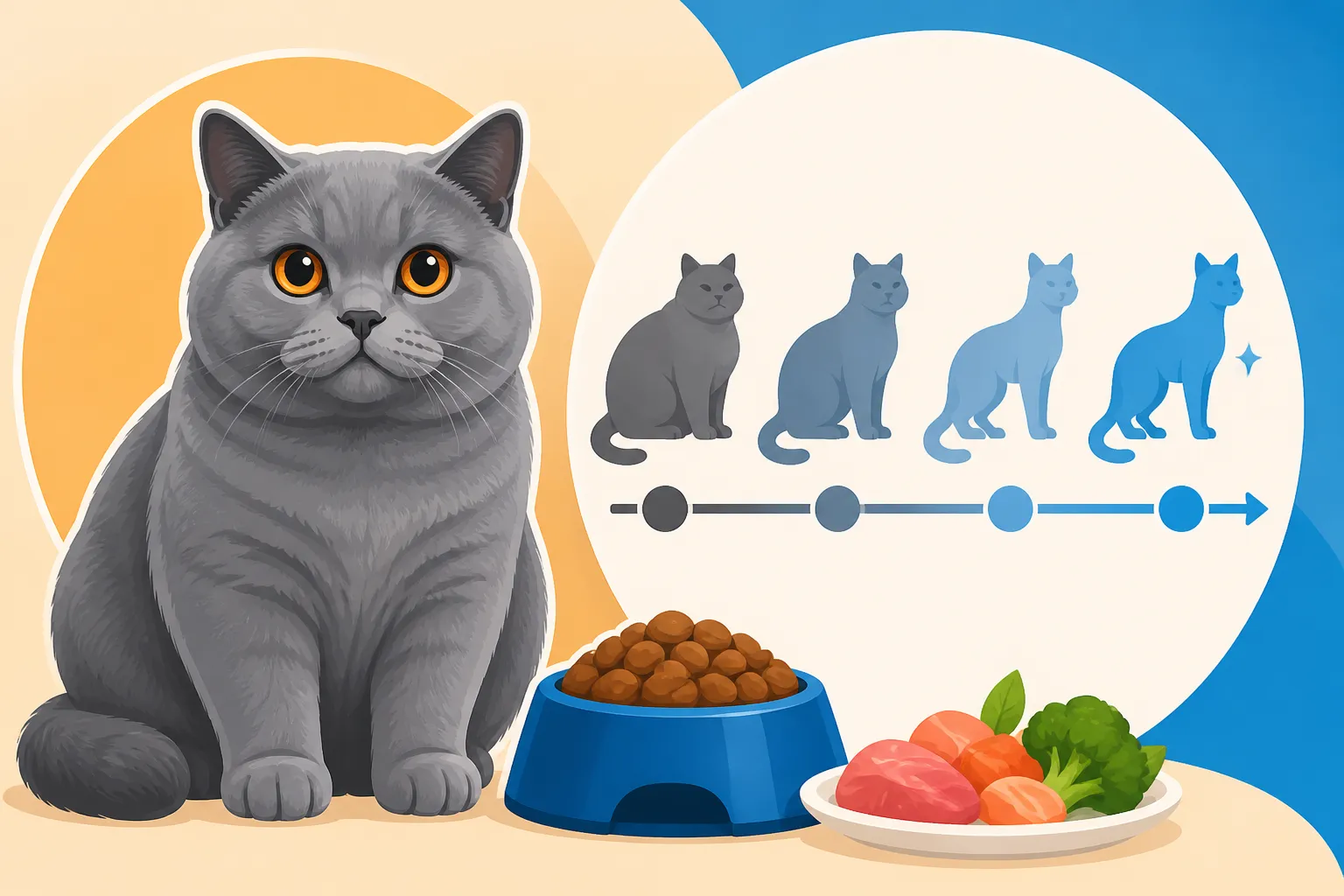
It’s a heart-sinking moment when you realize your charmingly plump British Shorthair might actually be overweight. You’re not alone; it’s a struggle many of us face, trying to balance their undeniable love for food with their somewhat sedentary nature. The big question often becomes: how long will it really take to get them back to a healthy weight? This guide is designed to demystify the process, offering a realistic timeline for a British Shorthair's diet and what you can expect on this journey.
Understanding British Shorthair Weight and Metabolism
Before we even talk about diets and timelines, it’s crucial to understand why British Shorthairs seem to stack on the pounds so easily and what that means for their overall health. These aren't your typical lean, lithe felines; they're built to be sturdy, and that can sometimes mask a developing weight issue.
Why British Shorthairs Gain Weight So Easily
The British Shorthair, with its famously cobby body and dense, plush coat, is often described as a "teddy bear" cat. While this is incredibly endearing, it also means they have a natural predisposition to weight gain. Their calm, unhurried temperament means they’re often less active than other breeds. They enjoy lounging in sunny spots, observing the world, and generally taking life at a slower pace. This low-energy lifestyle, combined with a hearty appetite, creates a perfect storm for weight accumulation. Many owners free-feed, or provide too many treats, without realizing how quickly those extra calories add up for a cat that isn't burning much off. For a deeper dive into this, you might find our article on Why a British Shorthair Gains Weight So Easily particularly enlightening.
Compounding this is their efficient metabolism. Historically, their ancestors were working cats, adept at managing their energy in varied conditions, which often translates to them needing fewer calories than their size might suggest. When those calories are readily available and exercise is minimal, the body stores the excess as fat. This is further exacerbated by neutering, which can dramatically slow a cat's metabolism and increase their appetite, making portion control even more critical after the procedure.
The Difference Between Chunky and Overweight
It’s easy to look at a British Shorthair’s naturally robust physique and think, "Oh, they're just big-boned!" or "That's how they're supposed to look!" However, there's a significant difference between a healthy, well-muscled British Shorthair and one carrying excess fat. A truly chunky, well-built British Shorthair should still have a palpable waistline, even if it’s not as dramatic as in a sleeker breed. You should be able to feel their ribs without pressing too hard, and their tummy shouldn't hang low or wobble excessively when they move.
An overweight British Shorthair, on the other hand, will have rolls of fat, particularly around their abdomen and flanks. Their waistline will be non-existent, and you'll struggle to feel their ribs or spine without significant pressure. They might also develop a large, sagging primordial pouch (the flap of skin and fat on their belly), which can sometimes be confused with obesity, but excessive fat within the pouch itself, combined with other signs, indicates a problem. Our guide on How to Tell a Chunky British Shorthair From a Fat One can give you more visual cues. It's not just about aesthetics; excess weight puts a strain on their joints, organs, and overall well-being, paving the way for serious health issues down the line.
The Risks of Rapid Weight Loss
While your immediate instinct might be to get that weight off fast, rapid weight loss in cats, especially those who are significantly overweight, can be incredibly dangerous. Cats are not like humans; their physiology responds differently to calorie restriction. If a cat doesn't eat enough, or loses weight too quickly, their liver can become overwhelmed and begin to accumulate fat, leading to a life-threatening condition called hepatic lipidosis, or fatty liver disease.
This condition can cause severe liver dysfunction and often requires intensive veterinary care, including feeding tubes and hospitalization. For this reason, a cat’s diet must be carefully managed and overseen by a veterinarian. Slow and steady truly wins the race when it comes to feline weight loss, prioritizing health over speed. It’s crucial to understand that starving your cat is never a solution and can lead to irreversible damage.
Setting Realistic Weight Loss Goals and Timelines
Embarking on a weight loss journey with your British Shorthair isn't a quick fix; it's a marathon, not a sprint. Setting clear, achievable goals with realistic timelines is essential for success and for your cat's health.
Calculating Your Cat's Ideal Weight
The first step in any successful weight loss plan is knowing what you're aiming for. A healthy British Shorthair typically weighs between 9 to 18 pounds (approximately 4 to 8 kg), with males usually being larger than females. However, this is a broad range, and individual cats will vary. Your veterinarian is the best person to help determine your British Shorthair’s ideal weight based on their frame, muscle mass, and body condition score (BCS). The BCS is a standardized system that vets use to assess your cat's fat reserves, typically on a scale of 1 to 9, where 5 is ideal.
During your vet visit, they'll palpate your cat's ribs, spine, and waist, and visually assess their body shape. They can tell you precisely where your cat falls on the BCS scale and what their target weight should be. This professional assessment is invaluable, as it provides a concrete goal to work towards. Remember, relying solely on breed standards can be misleading, as individual variations are common. Our guide on What a Healthy British Shorthair Weighs on the Scale offers more general benchmarks, but a vet's opinion is paramount.
Establishing a Safe Weekly Weight Loss Rate
Once you have an ideal weight, your vet will help you establish a safe and healthy rate of weight loss. For cats, the general recommendation is to aim for a weight loss of about 0.5% to 2% of their current body weight per week. Going faster than this significantly increases the risk of hepatic lipidosis. For instance, if your British Shorthair weighs 15 pounds (6.8 kg) and is 20% overweight, aiming for a 1% weekly loss means about 0.15 pounds (68 grams) per week. This might not sound like much, but over time, it adds up to sustainable, healthy progress.
This slow, controlled approach ensures your cat's body can adapt to the reduced calorie intake without going into metabolic shock. It allows their liver to process fats safely and minimizes muscle loss. Be patient; these small weekly losses accumulate steadily. A diet for a British Shorthair isn't just about reducing food; it's about re-educating their body and your habits to support a healthier lifestyle.
Consulting Your Veterinarian for a Personalized Plan
You absolutely must consult your veterinarian before starting any weight loss diet for your British Shorthair. They will not only help you set appropriate goals and monitor progress but also rule out any underlying medical conditions that might be contributing to weight gain or could complicate a diet. Conditions like hypothyroidism (though less common in cats than dogs) or even arthritis can make weight loss challenging or require specific dietary adjustments. Regular check-ups are also vital to ensure the diet is effective and that your cat remains healthy throughout the process.
Your vet might recommend specific prescription weight loss diets, such as those from Royal Canin or Purina, which are specially formulated to be lower in calories but still provide all essential nutrients, often with higher fiber to help your cat feel full. They can also advise on appropriate portion sizes for your chosen food, whether it's commercial or a prescription diet. If you have pet insurance, a company like Healthy Paws might help cover the costs of these essential vet visits and any health issues that arise from obesity, making that ongoing veterinary oversight more accessible. A tailored plan from a professional is the cornerstone of safe and effective weight loss.
The Dieting Process: What to Expect Week by Week
So, you've got your vet's plan, you know the ideal weight, and you're ready to start. What does the actual dieting process look like for your British Shorthair, and how long should you expect it to take?
Initial Adjustments: The First Few Weeks
The first few weeks of a diet can be challenging for both you and your British Shorthair. Your cat, accustomed to larger portions or free feeding, might vocalize more, beg for food, or even try to steal food from other pets or family members. This is where your resolve and consistency are key. It’s also when you might start to notice the first small drops on the scale. During this initial phase, the goal is to gradually reduce calorie intake to the target level recommended by your vet. Suddenly slashing calories too much can lead to resistance and, as mentioned, health risks.
During these weeks, it’s not uncommon for your cat to seem a little grumpy or less energetic as their body adjusts to fewer calories. This is normal to some extent, but significant lethargy or refusal to eat for more than 24 hours warrants an immediate call to your vet. You might also notice changes in their litter box habits, especially if you've switched to a higher-fiber diet. Providing enriching activities and play during this period can help distract them from hunger and burn a few extra calories, which you can learn more about in How to Get a British Shorthair to Move.
Steady Progress: Mid-Diet Phase
After the initial adjustment period, you should start seeing more consistent, albeit gradual, weight loss. This mid-diet phase is often where you settle into a routine. Your British Shorthair may become more accepting of their new portion sizes, and you might even notice a subtle increase in their activity levels as they start to feel lighter and more comfortable moving around. This phase is about maintaining consistency and regularly weighing your cat. A digital pet scale at home can be incredibly helpful for weekly weigh-ins, allowing you to track progress accurately.
This is also an excellent time to re-evaluate their enrichment. Since they're less focused on constant food, they might be more receptive to interactive toys or short play sessions. Think about things like puzzle feeders that make them work for their food, slow down eating, and provide mental stimulation. For cats that are particularly food-motivated, incorporating their daily kibble into these feeders instead of just a bowl can be a game-changer. Remember, every little bit of activity counts, especially for a breed known for its calm demeanor.
Here’s a general idea of how long a diet might take, assuming a healthy weight loss rate:
| Current Weight (approx.) | Target Weight (approx.) | Excess Weight (approx.) | Weekly Loss (1% of current) | Estimated Weeks to Reach Target |
|---|---|---|---|---|
| 15 lbs (6.8 kg) | 12 lbs (5.4 kg) | 3 lbs (1.4 kg) | 0.15 lbs (68 g) | ~20 weeks |
| 18 lbs (8.2 kg) | 13 lbs (5.9 kg) | 5 lbs (2.3 kg) | 0.18 lbs (82 g) | ~28 weeks |
| 20 lbs (9.1 kg) | 14 lbs (6.4 kg) | 6 lbs (2.7 kg) | 0.20 lbs (91 g) | ~30 weeks |
Note: These are approximations. Actual timelines will vary based on individual metabolism, activity levels, and strict adherence to the diet plan.
As you can see, the process often spans several months, sometimes even over half a year, to ensure it's done safely. If your British Shorthair needs to lose 3 pounds, at a healthy rate of 0.15 pounds per week, that's roughly 20 weeks, or almost 5 months! It requires dedication, but the health benefits for your beloved companion are immeasurable.
Plateaus and How to Overcome Them
Just like with human weight loss, cats can experience plateaus where their weight loss seems to stall despite consistent effort. This can be incredibly frustrating, but it's a normal part of the process. As your British Shorthair loses weight, their metabolic needs change; a smaller body requires fewer calories to maintain. What was once a deficit might now be just enough to maintain their current, slightly lighter weight.
When you hit a plateau, don't despair or drastically cut food. The first step is to revisit your vet. They might suggest a slight further reduction in calories, a switch to a different prescription diet, or an increase in activity. Sometimes, even adding a few more minutes of active play each day can make a difference. Ensure you're accurately measuring food portions and not inadvertently giving extra treats or scraps. If you're using a specific weight control food, like those available through your vet, it’s important to stick to their precise recommendations. A company like Healthy Paws, which supports pet owners through various health challenges, often emphasizes the importance of following veterinary advice closely to avoid complications.
Maintaining a Healthy Weight Long-Term
Reaching your British Shorthair’s ideal weight is a huge accomplishment, but the journey doesn't end there. The real challenge is maintaining that healthy weight for the rest of their happy life. This requires an ongoing commitment to their nutrition and activity.
Transitioning from Diet to Maintenance
Once your British Shorthair reaches their target weight, you can't just revert to old habits. The transition from a weight-loss diet to a maintenance diet needs to be gradual and carefully managed, often under veterinary guidance. Your vet will help you determine the appropriate daily caloric intake to maintain their new, healthy weight. This might involve a slight increase in food compared to the strict diet, or a switch to a specific "weight management" or "healthy weight" formula that provides sufficient nutrients without excess calories.
This period is about finding the right balance. You’ll still need to portion control meticulously and continue with regular weigh-ins, perhaps less frequently than weekly, but certainly monthly. It’s about establishing new, sustainable routines that prevent weight regain. Remember that for a British Shorthair, keeping a healthy weight is often a lifelong commitment due to their inherent predisposition to gain.
Ongoing Monitoring and Adjustments
Weight management is not a one-and-done deal. Your British Shorthair's caloric needs can change throughout their life due to age, activity levels, or any developing health conditions. As they become a senior cat, for instance, their metabolism might slow down further, or they might develop conditions like arthritis that reduce their mobility. Our article on Caring for a British Shorthair Past Ten delves into these age-related changes. This means ongoing monitoring of their weight, body condition, and appetite is crucial.
Regular wellness exams with your veterinarian, ideally twice a year for senior cats, become even more important. These visits allow your vet to catch any subtle weight fluctuations or health concerns early. They can adjust food quantities or recommend dietary changes if needed. Being proactive and responsive to your cat's evolving needs will ensure they stay at a healthy weight and enjoy a long, comfortable life.
The Role of Activity and Enrichment
Even after reaching a healthy weight, physical activity and mental enrichment remain vital components of your British Shorthair's overall well-being and weight maintenance. While they may never be Olympic athletes, consistent, gentle play sessions are essential. Aim for short bursts of activity, perhaps 10-15 minutes, once or twice a day. Think wand toys, laser pointers (used responsibly, ending with a physical catch), or even just tossing treats for them to chase. Our guide on Why a British Shorthair Will Not Exercise Itself offers some great tips on how to motivate them.
Environmental enrichment also plays a huge role. Provide vertical spaces like sturdy cat trees (they are a heavy breed!), window perches, and puzzle feeders. These encourage movement, stimulate their minds, and provide healthy outlets for their natural feline instincts. A mentally and physically stimulated British Shorthair is a happier cat, and less likely to become bored and overeat. Continuing these habits cultivated during the diet will make weight maintenance feel less like a chore and more like a natural part of caring for your cherished companion.
Disclaimer
Please remember that the information provided in this guide is for general informational purposes only and is not a substitute for professional veterinary advice. Always consult with your veterinarian before making any changes to your British Shorthair's diet, exercise routine, or health care plan.