What a Healthy British Shorthair Weighs on the Scale
It’s a common dilemma for British Shorthair owners: you look at your beloved furball, with their gloriously dense coat and famously round face, and you just can't quite tell if their cuddly chunkiness is healthy or if they’re carrying a little too much weight. This breed is built solid, and their appearance can be wonderfully deceiving. This guide will help you understand what a healthy British Shorthair should weigh on the scale, but more importantly, how to assess their body condition to ensure they're truly thriving.
Understanding the British Shorthair's Unique Physique
Let's face it, one of the biggest charms of the British Shorthair is their robust, teddy-bear-like appearance. They're not delicate, lithe creatures; they're substantial, well-built cats designed to look impressive and feel like a warm, furry brick in your lap (if they deign to sit there!). This inherent build, while adorable, can make assessing their weight a real head-scratcher.
The "Cobby" Body Type and Why It's Misleading
The term "cobby" is often used to describe the British Shorthair, and it perfectly encapsulates their unique structure. Imagine a compact, muscular, and broad-chested cat with a short, thick neck and powerful, short legs. Their heads are large and round, their cheeks full (especially on males!), and their tail is thick at the base, tapering slightly to a rounded tip. All of these features combine to create an impression of considerable heft.
This natural, sturdy build is precisely why many owners struggle to differentiate between a truly healthy, well-muscled British Shorthair and one that's creeping into the overweight category. Their dense, plush coat only adds to the illusion, often masking early signs of excess fat. You might think your cat is just naturally big-boned, but it’s crucial to learn how to feel beyond the fur to understand what’s happening underneath. Owners often tell me they are genuinely confused, because their cat looks heavy, but is it the right kind of heavy?
Growth Stages and Weight Development
British Shorthairs are not fast growers; they're a breed that takes its sweet time to mature and "fill out." Unlike some cats who reach their adult size by a year, a British Shorthair often continues to develop in size and musculature until they are three to five years old. This extended growth period means their weight will naturally increase over several years, making it tricky to pinpoint a "final" weight too early on. You're watching a long-term project unfold.
As kittens, they grow steadily. By six months, they're typically substantial, but still have that gangly kitten energy. You can expect a male British Shorthair to weigh around 7 to 9 pounds (3.2-4.1 kg) at six months, while a female might be closer to 5 to 7 pounds (2.3-3.2 kg). By their first birthday, most British Shorthairs will have hit a significant portion of their adult height and length, but the real "filling out" begins thereafter. They might weigh anywhere from 9 to 12 pounds (4.1-5.5 kg) at one year. It's during these later years, between two and five, that their famous jowls develop and their bodies gain that undeniable solidity. Don't be surprised if your British Shorthair is still putting on muscle and gaining a few pounds right up until their fifth birthday. For more on this, you might find How long a British Shorthair takes to fill out insightful. For a closer look at these stages, check out What a British Shorthair should weigh at Six Months and What a British Shorthair should weigh at Two Years.
Healthy Weight Ranges for British Shorthairs
While their "cobby" build can make them look heavier, there are healthy weight ranges that most British Shorthairs fall into once they reach full maturity. However, it's absolutely vital to remember that these are guidelines, not strict rules. Just like people, cats come in different sizes, and a healthy weight for one British Shorthair might be slightly different for another, even within the same breed.
Average Weight for Adult Males
Fully grown male British Shorthairs are typically larger and heavier than their female counterparts. You can generally expect an adult male to weigh anywhere from 9 to 18 pounds (approximately 4 to 8 kilograms). This wide range accounts for individual differences in bone structure, muscle mass, and even genetic predisposition to a larger frame.
A very large, well-muscled male British Shorthair at the higher end of this scale might still be perfectly healthy, provided that weight is composed of lean muscle, not fat. Factors like whether they are neutered (neutered males tend to gain weight more easily), their activity level, and their specific genetic lineage from their parents all play a role. A male with very prominent jowls and a broad head, which is highly desirable in the breed standard, will naturally be a bit heavier, contributing to the overall impression of a large, substantial cat. This goes back to Why a British Shorthair is built to look heavy.
Average Weight for Adult Females
Female British Shorthairs tend to be more petite and refined than males, though still robust for a cat. A healthy adult female British Shorthair typically weighs between 7 and 12 pounds (approximately 3 to 5.5 kilograms). Again, this is a general guideline, and some females may fall slightly outside this range while remaining perfectly healthy.
Similar to males, a female's individual weight can be influenced by her genetics and lifestyle. A spayed female, for instance, might be more prone to weight gain if her diet isn't carefully managed, due to metabolic changes post-surgery. Queens who have had multiple litters might also show slight variations in their body composition. The key is to look at their overall body condition, which we'll delve into next, rather than fixating solely on the number that shows up on the scale.
The Importance of Body Condition Score Over Scale Weight
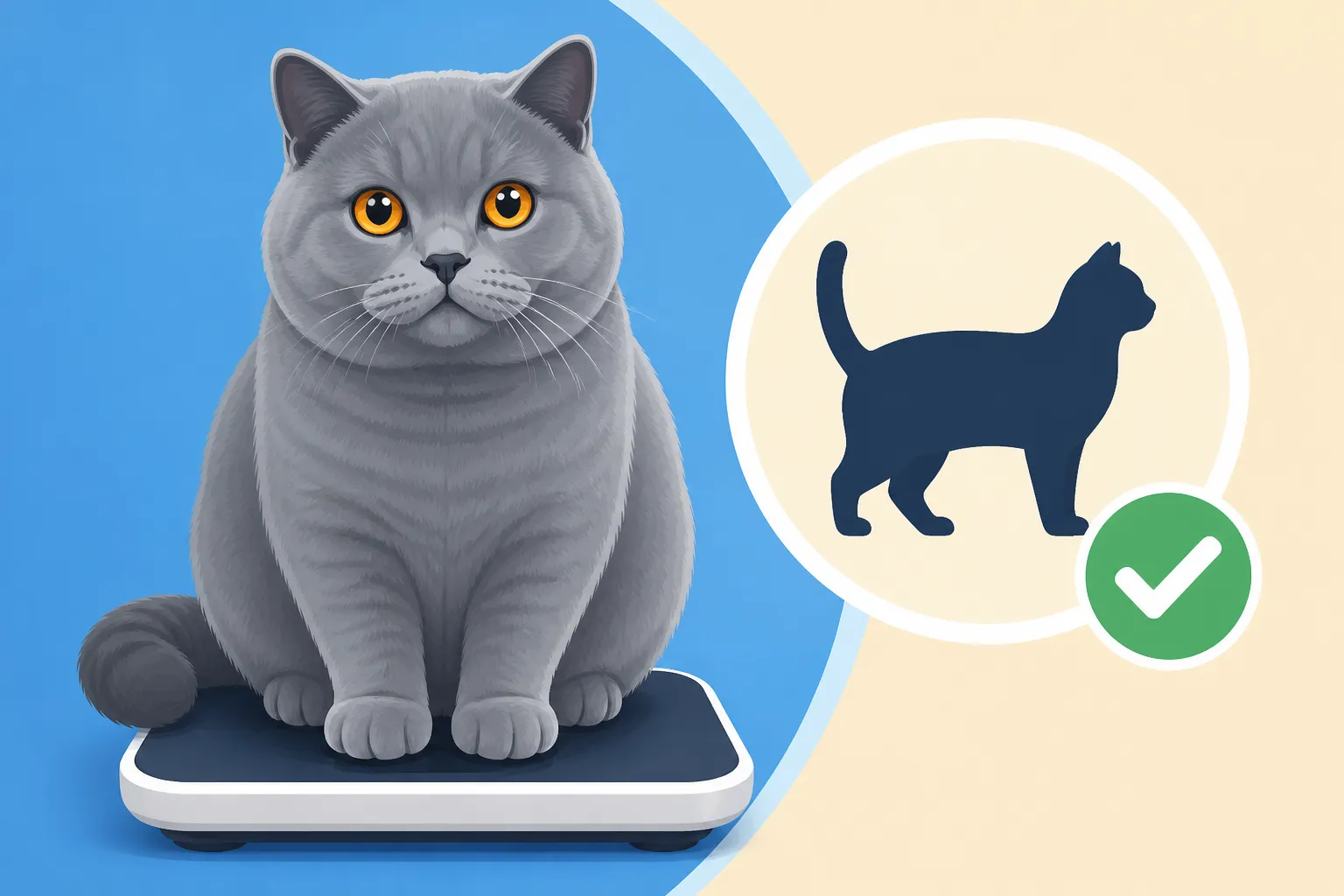
This is where the rubber meets the road, folks. The number on your vet's scale is just one piece of the puzzle. For British Shorthairs, given their naturally dense coats and stocky builds, the Body Condition Score (BCS) is an invaluable tool. It’s a hands-on method to assess how much fat your cat is carrying, regardless of what the scale says. Most veterinary professionals use a 1-to-9 scale, where 1 is emaciated, 5 is ideal, and 9 is morbidly obese. Your goal is for your British Shorthair to be a solid 5, or maybe a 6 if they’re a particularly robust individual.
Here’s how you can check their BCS at home:
- Feel for their ribs: Gently run your fingers along your cat's sides, just behind their front legs. You should be able to feel their ribs with a slight layer of fat covering them, similar to feeling the back of your hand. If you have to press hard to feel them, or can't feel them at all, your cat is likely overweight. If the ribs are very prominent and easily seen without touching, they might be too thin. How to feel a British Shorthair's ribs through the plush can give you more detailed tips.
- Check their spine: Run your hand down their back. You should feel the bumps of their vertebrae, but they shouldn't protrude sharply. Again, a slight fat covering is normal.
- Look for a waist: When viewed from above, your British Shorthair should have a discernible waistline behind their ribs, before their hips. It won't be as dramatic as on a svelte Siamese, but it should be there. From the side, their tummy should tuck up slightly, not hang down.
- Assess their abdominal fat: There should be minimal fat covering their belly. If you see a prominent "belly flap" or a round, distended abdomen, it could indicate excess fat. Note that British Shorthairs, like many cats, have a primordial pouch, a loose flap of skin and fat that hangs from their belly – this is normal and not necessarily a sign of obesity, but an overly large pouch can be.
If you’re unsure, your veterinarian is the best person to give your British Shorthair an accurate BCS. They can provide an objective assessment and guide you on whether your cat is at an ideal weight or needs some adjustments.
Here's a simplified table to help you visualize Body Condition Score:
| BCS Score | Description | Visual/Tactile Clues |
|---|---|---|
| 1-3 | Underweight | Ribs, spine, hip bones easily visible/felt. No fat. Severe abdominal tuck. |
| 4 | Slightly Underweight | Ribs easily felt with minimal fat. Visible waist. |
| 5 | Ideal/Healthy | Ribs easily felt with a slight fat cover. Visible waist. Abdominal tuck present. |
| 6 | Slightly Overweight | Ribs felt with difficulty, moderate fat cover. Waist less apparent. Minimal abdominal tuck. |
| 7-9 | Overweight/Obese | Ribs, spine, hip bones hard/impossible to feel due to heavy fat. No waist. Obvious belly. |
Factors Influencing a British Shorthair's Weight
Maintaining a healthy weight for a British Shorthair isn't just about feeding them less; it's a multi-faceted approach that considers their natural tendencies, lifestyle, and individual circumstances. It's a journey, not a sprint, and understanding the influences can make all the difference.
Diet and Nutrition's Role
When it comes to your British Shorthair's weight, what and how they eat is paramount. These cats, bless their sweet, round faces, often have a hearty appetite and aren't always great at self-regulating their food intake. Many British Shorthair owners lament that their cat will "eat whatever you put down," which makes strict portion control absolutely essential.
- Calorie Needs: An adult British Shorthair generally needs fewer calories than more active breeds. Their sedentary nature means they don't burn off as much energy. A typical indoor cat might need around 20 calories per pound of ideal body weight. So, a 10-pound British Shorthair might only need about 200 calories a day. However, this is a starting point, and factors like age, activity, and whether they're spayed/neutered will adjust this. Knowing How many calories a British Shorthair needs is crucial.
- Free-feeding vs. Portion Control: This is perhaps the biggest battleground for British Shorthair owners. Why free feeding ruins a British Shorthair is a topic I feel very strongly about. Leaving a bowl of kibble out all day might work for some cats, but for a British Shorthair, it's often a fast track to obesity. They'll snack throughout the day, often out of boredom, quickly consuming far more calories than they need. Structured meal times with carefully measured portions are your best defense against unwanted weight gain.
- Wet Food vs. Dry Food: Many vets advocate for a diet that includes a significant amount of wet food. Wet food has higher moisture content, which can help your cat feel fuller on fewer calories and also contributes to better hydration, supporting urinary tract health. While dry kibble can be convenient, it's often more calorie-dense, and if your cat isn't drinking enough water, it can contribute to other health issues.
Activity Levels and Lifestyle
British Shorthairs are famously mellow, often described as "lounge lizards" or "velvet bricks." They're not typically high-energy, acrobatic cats, and they much prefer a good nap on a sunny windowsill to an intense play session. This low activity level, while endearing, is a significant contributor to their propensity for weight gain. An inactive cat simply doesn't burn many calories.
It's a common frustration that British Shorthairs "will not exercise itself." They might engage in short bursts of play, but sustained, vigorous activity is rare. As a result, it falls to us, their human companions, to encourage movement. This can involve daily dedicated play sessions with wand toys that mimic prey, using puzzle feeders to make them "work" for their food, or even trying to get them interested in a cat tree (though many prefer floor-level comfort). Even short, consistent periods of activity can make a huge difference in managing their weight and overall health. If you're struggling with this, read How to get a British Shorthair to move for practical tips.
Neutering, Age, and Genetics
Several physiological factors also play a significant role in a British Shorthair's weight trajectory:
- Neutering: The vast majority of pet British Shorthairs are spayed or neutered, which is excellent for population control and preventing certain health issues. However, it also significantly impacts their metabolism. After neutering, a cat's metabolic rate drops, meaning they require fewer calories to maintain their weight. If their food intake isn't adjusted accordingly, weight gain is almost inevitable. Many owners are caught off guard by this change.
- Age: As British Shorthairs age, their activity levels naturally decrease even further, and their metabolism slows down. This makes senior cats particularly vulnerable to weight gain. However, paradoxically, older cats can also experience muscle wasting and unintentional weight loss due to underlying health conditions, which is a serious warning sign.
- Genetics: Like all breeds, British Shorthairs have genetic predispositions. Some lines may naturally produce larger, stockier cats, while others are a bit more moderate in size. While responsible breeding aims for health within the standard, individual genetic variations mean that even within a healthy litter, some kittens may grow to be inherently larger or smaller than their siblings. It's not always about diet; sometimes it's just how they're built.
Recognizing and Addressing Weight Issues
Ignoring excess weight in your British Shorthair isn't just about aesthetics; it has serious, far-reaching implications for their health and happiness. Early recognition and proactive management are key to ensuring they live a long, comfortable life.
Signs Your British Shorthair is Overweight
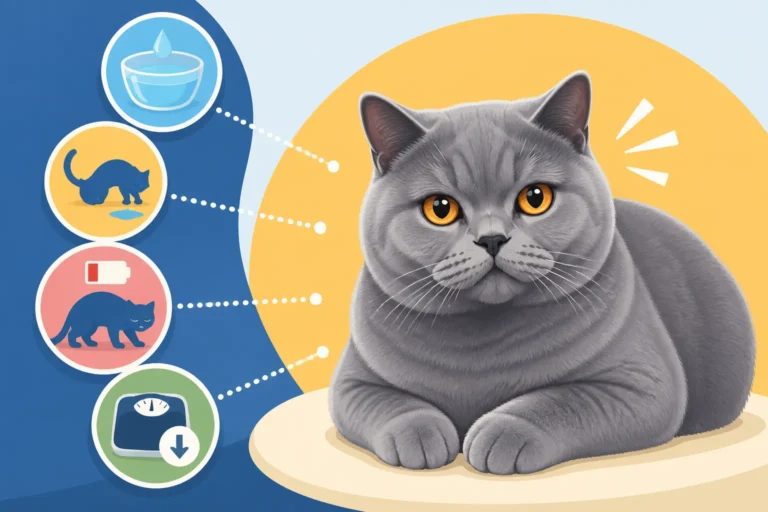
Beyond the scale, your British Shorthair will give you plenty of clues if they’re carrying too much weight. It’s about more than just looking chunky; it affects their movement, their grooming, and their overall demeanor.
- Difficulty Grooming: One of the most common and visible signs is when your British Shorthair struggles to groom themselves, particularly their back and hindquarters. If they can't comfortably reach these areas, their coat might become matted, dull, or greasy. This is a clear indicator that their bulk is physically impeding their natural behaviors.
- Reduced Activity and Lethargy: While British Shorthairs are naturally calm, a significant increase in napping, a reluctance to play, or moving slowly can signal excess weight. They might appear winded or pant heavily after even mild exertion, like a short stroll across the room or a few minutes of play.
- Loss of Waistline and Prominent Belly: As mentioned with the BCS, if you can no longer see a defined waist behind their ribs when looking down at them, or if their abdomen sags noticeably when standing, these are strong indicators of obesity. Signs a British Shorthair is overweight delve into these indicators in greater detail.
- Changes in Mobility: Overweight cats often have trouble jumping onto furniture or even getting in and out of their litter box. They might take longer to get comfortable, or even avoid jumping altogether, choosing floor-level spots instead. This reduced mobility isn't just about laziness; it's often due to the strain on their joints.
The Risks of Obesity for British Shorthairs
Obesity is a silent killer in cats, and British Shorthairs are particularly susceptible due to their genetics and sedentary nature. The health risks associated with excess weight are significant and can drastically reduce their lifespan and quality of life.
- Diabetes Mellitus: One of the most devastating consequences, obesity dramatically increases a cat's risk of developing type 2 diabetes, often requiring daily insulin injections. This is an expensive and time-consuming condition to manage, and it's heartbreaking to see your cat suffer from something largely preventable.
- Arthritis and Joint Pain: Carrying extra weight puts immense strain on their joints, especially their hips, knees, and spine. This can lead to or exacerbate arthritis, making movement painful and reducing their willingness to play or even walk comfortably. What obesity does to a British Shorthair's joints is a particularly important read for owners of this stocky breed.
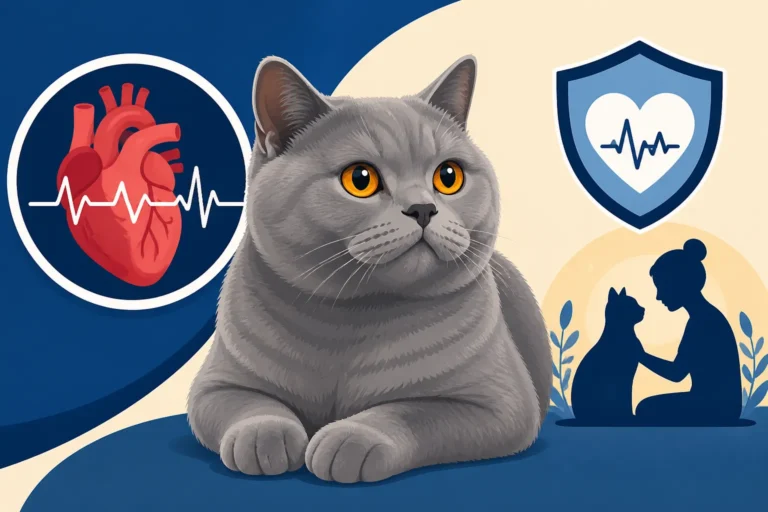
- Heart Disease: While British Shorthairs are predisposed to certain heart conditions like HCM (Hypertrophic Cardiomyopathy), obesity can put additional stress on their cardiovascular system, potentially worsening existing conditions or contributing to new ones.
- Urinary Tract Issues: Overweight cats are more prone to developing urinary tract diseases, including bladder stones and blockages, especially in male cats.
- Liver Disease (Hepatic Lipidosis): If an obese cat suddenly stops eating (e.g., due to stress or illness), they are at high risk of developing hepatic lipidosis, or "fatty liver disease," which can be life-threatening. What obesity does to a British Shorthair's liver explains this in detail.
- Reduced Quality of Life and Shorter Lifespan: Beyond specific diseases, an overweight British Shorthair simply doesn't enjoy life as much. They're less playful, less mobile, and often less engaged. Ultimately, obesity can shave years off their life. The costs associated with treating obesity-related conditions can also be astronomical. While pet insurance providers like Healthy Paws can help with unexpected vet bills, preventing obesity is always the best and most loving approach for your furry companion.
Strategies for Healthy Weight Management
If you suspect your British Shorthair is overweight, the first and most crucial step is a visit to your veterinarian. They can confirm the diagnosis, rule out any underlying medical conditions causing weight gain, and help you formulate a safe and effective weight loss plan. Never put your cat on a crash diet, as this can lead to severe health problems like hepatic lipidosis.
- Veterinary Guidance is Essential: Your vet will help you determine an ideal target weight and calculate the appropriate daily caloric intake for your British Shorthair. They might recommend a prescription weight-loss diet, which is specifically formulated to be lower in calories but still provide all necessary nutrients, often with higher fiber to help your cat feel full.
- Portion Control and Meal Feeding: Ditch the free-feeding bowl! Measure out your cat's food precisely for each meal. Most adult cats do well with two meals a day, but your vet might recommend more frequent, smaller meals to keep them satisfied. Using a kitchen scale for accuracy is ideal. You can find comprehensive advice on How to put a British Shorthair on a diet that offers actionable steps.
- Increase Activity Safely: Encourage your British Shorthair to move more. This might mean dedicating 10-15 minutes twice a day to interactive play with wand toys or feather teasers. Don't expect them to perform acrobatics, but even gentle chasing and pouncing can burn calories. Try puzzle feeders to make mealtime more engaging and extend the feeding process.
- Healthy Treats (or None at All): Treats are often hidden calorie bombs. If you must give treats, choose low-calorie, vet-approved options, and factor them into your cat's daily caloric allowance. Often, the best "treat" is extra playtime or affection.
- Monitor Progress: Regularly weigh your British Shorthair at home and monitor their body condition. Slow, steady weight loss (around 0.5% to 2% of their body weight per week) is the goal. Celebrate small victories and adjust the plan with your vet as needed. Remember, How to tell a chunky British Shorthair from a fat one relies heavily on regular hands-on checks.
It’s an investment in their future. A healthy weight British Shorthair will be more active, more playful, and ultimately, a happier companion for years to come. Thinking about the long-term, having robust pet insurance like Healthy Paws in place can provide peace of mind, but preventing these issues upfront is always the better path.
Disclaimer
The information provided in this article is for general informational purposes only and is not a substitute for professional veterinary advice. Always consult with a qualified veterinarian for any health concerns or before making any decisions related to your pet's health, diet, or treatment.