Whether a British Shorthair Can Reach Twenty
As a British Shorthair owner, one of the deepest desires we harbor is to keep our beloved felines with us for as long as humanly possible. The thought of them reaching a grand old age, perhaps even twenty years, fills us with hope and a touch of trepidation. It’s natural to wonder if our chunky, plush-coated companions truly have the potential for such a long journey. This guide will delve into the reality of a British Shorthair's lifespan, exploring what influences it and how you can support your cherished cat in living its very fullest, longest life.
The Realistic Lifespan of a British Shorthair
It’s a beautiful thought, isn't it? Picturing your beloved British Shorthair, still purring contentedly, still giving those slow blinks of affection, at two decades old. While achieving twenty years is certainly an aspiration, it’s important to understand the typical lifespan expectations for this wonderful breed.
Average Lifespan Expectations
On average, a healthy British Shorthair can be expected to live anywhere from How Long a British Shorthair Lives on Average. This range, typically in the mid-to-late teens, is already quite respectable in the feline world. Many factors contribute to this, from their genetic makeup to the quality of care they receive throughout their lives. When we talk about "average," we're looking at a broad spectrum, and it's heavily influenced by how diligently owners approach preventative healthcare, nutrition, and environmental enrichment. It means that while a significant portion of British Shorthairs will thrive into their teenage years, some will, unfortunately, face challenges that shorten their journey, and a fortunate few will significantly exceed this average.
What this average doesn't tell us is the quality of those years. A British Shorthair who lives to 15 but has spent their last few years struggling with obesity-related arthritis or uncontrolled dental disease hasn't truly had the best quality of life. The goal isn't just to extend the number of years, but to ensure each year is as comfortable, happy, and healthy as possible. This involves a proactive approach from the moment they are a kitten, right through their senior years.
The "Exceptional" Case of Reaching Twenty
Can a British Shorthair truly reach twenty years old? The short answer is yes, it's absolutely possible, but it is considered quite exceptional. Think of it like a human living to 100 – it happens, but it's not the norm. For a British Shorthair to reach this venerable age, it usually requires a perfect storm of excellent genetics, impeccable lifelong care, a stress-free environment, and a good dose of luck. These are the cats that defy the odds, often becoming local legends in their veterinary clinics.
When a British Shorthair does hit the big two-oh, it’s usually because their owners have been incredibly vigilant about everything from their diet and exercise to their regular veterinary check-ups. They've paid close attention to subtle changes, addressed health issues promptly, and provided a loving, stable home. While we can’t guarantee our cats will be one of these rare centenarians, understanding the elements that contribute to such longevity allows us to give them the best possible chance. It’s about striving for excellence in every aspect of their care, rather than simply hoping for the best.
Key Factors Influencing British Shorthair Longevity
The journey to a long and healthy life for your British Shorthair is a multifaceted one, influenced by a blend of genetics, lifestyle, and medical care. Understanding these elements is crucial for any owner hoping to maximize their cat's lifespan.
Genetics and Responsible Breeding Practices
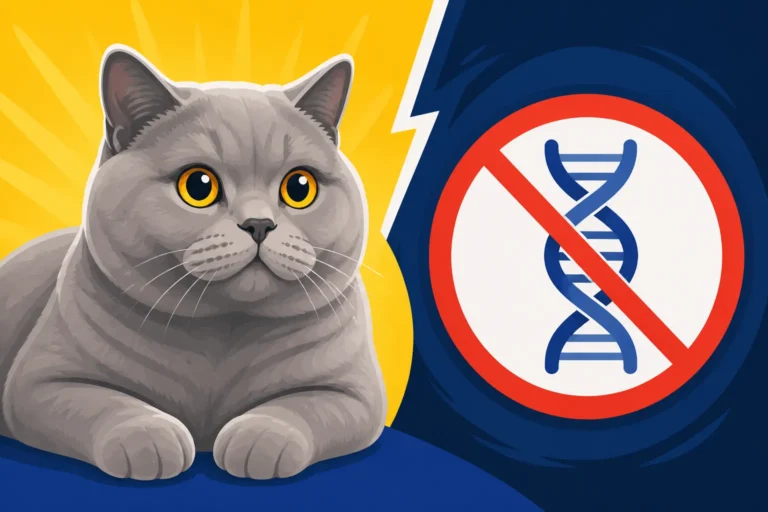
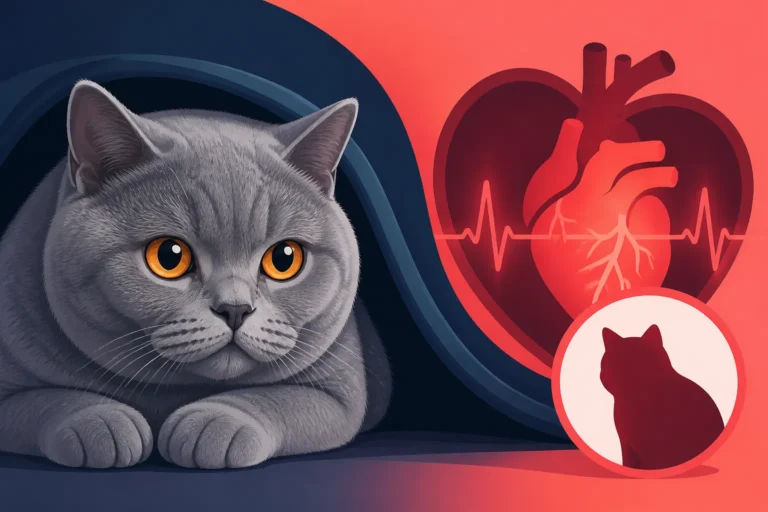
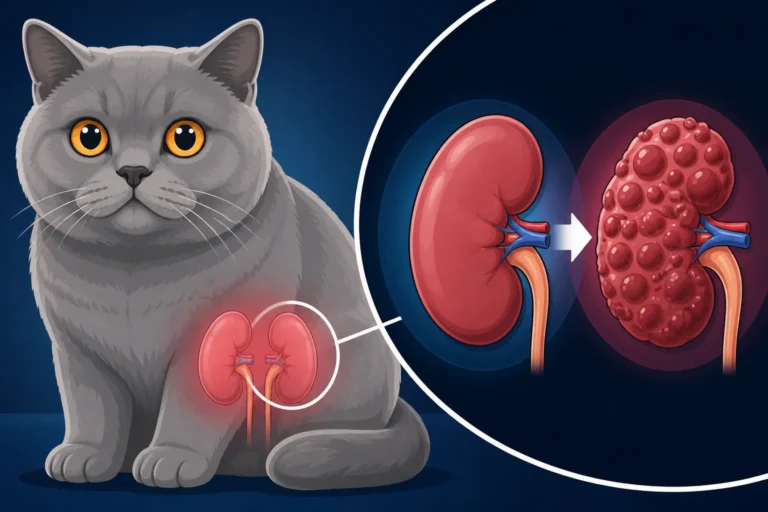
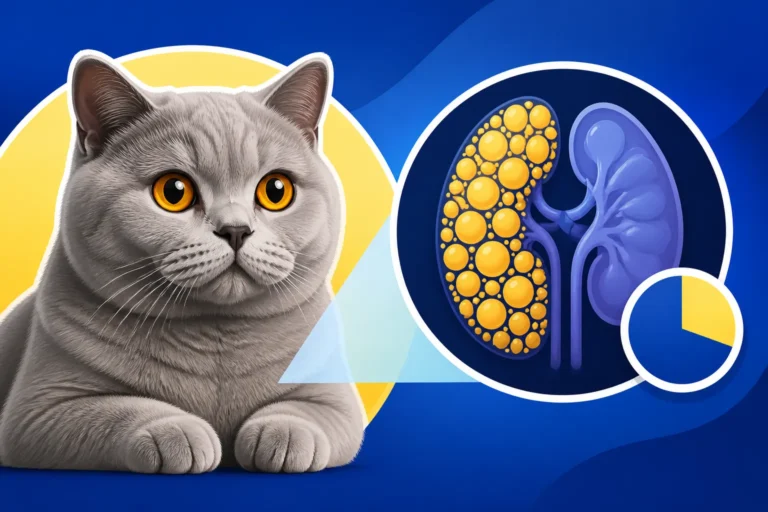
The foundation of a long life often begins before your British Shorthair even enters your home. Good genetics play an enormous role. Responsible breeders go to great lengths to ensure their breeding cats are free from hereditary diseases that could shorten a kitten's life or cause significant health problems down the line. They screen for conditions like Hypertrophic Cardiomyopathy (HCM) and Polycystic Kidney Disease (PKD), which can severely impact a cat's health and longevity. It's why choosing a breeder who openly shares What a British Shorthair Breeder Should Have Tested and provides clear health records for the parent cats is so vital.
A cat born with a predisposition to serious health issues, despite the best subsequent care, may simply have a harder time reaching an advanced age. While no breeder can guarantee a cat will never develop a health problem, responsible practices significantly reduce the risk of inheriting known genetic conditions. This foundation gives your British Shorthair a head start, allowing them to focus their energy on thriving rather than battling an innate genetic burden.
Nutrition and Weight Management
One of the most significant controllable factors in your British Shorthair's longevity is their diet and maintaining a healthy weight. These cats are predisposed to putting on weight, and let's be honest, their round faces and plush coats can sometimes make it hard to tell if they're simply sturdy or genuinely overweight. This breed can be quite enthusiastic about food, and their lower activity levels mean calories can add up quickly. Obesity is a truly pervasive problem and arguably Obesity Is the British Shorthair's Real Disease.
An overweight British Shorthair faces a higher risk of numerous health problems, including diabetes, arthritis, heart disease, and liver issues, all of which can drastically shorten their life. Proper portion control with high-quality, species-appropriate food is paramount. Regular monitoring of their weight, feeling for their ribs, and adjusting their food intake as needed are critical. It's a daily commitment, but one that directly impacts how many healthy years your cat will have. Even minor weight creep can become a major health concern over time, so vigilance from a young age is key.
Veterinary Care and Preventative Measures
Consistent and thorough veterinary care is non-negotiable for extending your British Shorthair's life. This isn't just about rushing them to the vet when they're sick, but about proactive, preventative measures. Regular annual check-ups are essential, even if your cat seems perfectly healthy. These visits allow your vet to spot subtle changes, address dental issues before they become severe, and administer necessary vaccinations and parasite control. As your British Shorthair ages, these check-ups may become more frequent, often bi-annual, as recommended in Caring for a British Shorthair Past Ten.
Specialized screenings, like regular echocardiograms for HCM, are also vital, especially for British Shorthairs. Early detection of any health issue, from dental disease to more serious conditions like kidney or heart problems, means earlier intervention, which can often slow progression and improve prognosis. Don't underestimate the power of routine bloodwork, urine tests, and blood pressure checks as your cat enters its senior years – these diagnostic tools can uncover hidden problems long before visible symptoms appear. Investing in pet insurance like Healthy Paws can also help manage the costs of ongoing care and unexpected emergencies, ensuring you can always afford the best treatment options.
Environment and Lifestyle
A safe, enriching, and low-stress environment significantly contributes to a British Shorthair's overall well-being and, by extension, their lifespan. These are typically indoor cats, and keeping them safely indoors protects them from many outdoor dangers like traffic, predators, fights with other animals, and exposure to infectious diseases. However, an indoor life must be enriched to prevent boredom, which can lead to stress, overeating, and inactivity.
Providing vertical space, engaging toys, regular play sessions (even if they're short and sweet for a less active breed), and a clean, comfortable living area all reduce stress and promote physical and mental health. A stable household routine, a comfortable temperature, and plenty of quiet places to retreat all contribute to a contented cat. Stress can subtly impact a cat's immune system and exacerbate existing health conditions, so minimizing it is a vital part of long-term care. Moreover, ensuring they have access to fresh water, perhaps even a fountain, encourages good hydration, which is crucial for kidney health.
Common Health Challenges for Aging British Shorthairs
As much as we wish our British Shorthairs could stay youthful forever, aging is an inevitable part of life. With age often come health challenges, and understanding these can help you better support your senior cat. The Age a British Shorthair Is Considered Senior is typically around ten years, and from this point onward, specific conditions become more prevalent.
Chronic Diseases and Their Management
Many chronic conditions can emerge or worsen as a British Shorthair gets older, impacting their comfort and longevity.
- Heart Disease (HCM): Hypertrophic Cardiomyopathy remains a significant concern in British Shorthairs, and while it can appear at any age, its progression can become more pronounced in older cats. Regular cardiac screenings are crucial for early detection and management. If diagnosed, treatment usually involves medication to manage symptoms and slow progression, though it's important to understand this disease is typically not curable. Early intervention can significantly improve quality of life and potentially extend healthy years.
- Kidney Disease: Chronic Kidney Disease (CKD) is extremely common in older cats of all breeds, and British Shorthairs are no exception. The kidneys gradually lose function over time, and symptoms like increased thirst, urination, and weight loss can be subtle at first. Regular blood and urine tests are vital for early detection. Management typically involves dietary changes (prescription kidney diets), increased water intake, and medications to support kidney function and manage associated issues like high blood pressure.
- Diabetes: As mentioned, obesity significantly increases the risk of diabetes in British Shorthairs. While some cats can go into remission, for many, it becomes a lifelong condition requiring insulin injections and strict dietary management. Managing diabetes effectively is key to preventing serious complications and maintaining a good quality of life.
- Hyperthyroidism: This condition, where the thyroid gland produces too much hormone, is another common ailment in older cats. Symptoms can include weight loss despite a ravenous appetite, hyperactivity, and a greasy coat. It's treatable with medication, radioactive iodine therapy, or surgery, and successful treatment can dramatically improve an older cat's health and energy levels.
Managing these conditions often means regular vet visits, ongoing medication, and sometimes specialized diets. It can be a financial commitment, and having a good pet insurance plan from providers like Healthy Paws can certainly help alleviate some of that burden, allowing you to prioritize your cat's health without financial stress. Being attuned to Signs a British Shorthair Is Unwell will empower you to seek veterinary help promptly, often making a significant difference in prognosis.
Mobility and Cognitive Changes
Beyond internal organ diseases, aging British Shorthairs often face challenges related to mobility and cognitive function.
- Arthritis: Due to their robust build and propensity for weight gain, British Shorthairs can be particularly susceptible to Arthritis in an Older British Shorthair. You might notice subtle signs like reluctance to jump to favorite spots, stiffness after resting, or less enthusiasm for play. Managing arthritis involves pain medication, joint supplements, weight management, and environmental modifications like ramps or lower litter boxes. Ensuring they can still easily access food, water, and their litter box is paramount for their comfort and dignity.
- Cognitive Dysfunction (Feline Dementia): Just like humans, cats can experience cognitive decline as they age. This might manifest as disorientation, changes in sleep-wake cycles, increased vocalization, or changes in interaction with family members. While there's no cure, environmental enrichment, consistent routines, and sometimes dietary supplements can help manage symptoms and improve quality of life. Understanding What Changes in a British Shorthair After Ten can help you recognize these shifts early.
These physical and mental changes require empathy and adaptation from owners. Your older British Shorthair might not be as agile or as mentally sharp as they once were, but they still deserve a comfortable, stimulating, and loving environment tailored to their changing needs.
Nurturing Your British Shorthair Towards a Long and Healthy Life
The dream of a British Shorthair reaching twenty years is ambitious, but it’s an ambition that can guide your care, ensuring your cat has every opportunity to live their healthiest, happiest, and longest life possible. It comes down to consistent, compassionate attention to their evolving needs.
Adapting Care for Senior Cats
Once your British Shorthair hits its senior years – typically around age 10 – your care routine needs to shift and adapt. It's not just about more vet visits; it's about making their daily life easier and more comfortable.
- Comfort and Accessibility: Your senior British Shorthair might find jumping onto high beds or window sills challenging due to Arthritis in an Older British Shorthair. Consider adding ramps or steps to help them reach their favorite spots. Provide easily accessible, comfortable beds at ground level in warm, quiet areas. Their litter boxes should have low sides for easy entry and exit, especially if they are larger or less mobile. Ensure food and water bowls are also easy to reach, perhaps raised slightly if neck pain is an issue.
- Nutrition Refinement: While weight management is always critical, the type of food might need to change. Older cats can sometimes struggle with nutrient absorption or have specific dietary needs for conditions like kidney disease. Your vet might recommend a senior-specific diet or a prescription food. Continuing to monitor their weight closely, perhaps with How Often an Old British Shorthair Needs Weighing, is crucial, as both obesity and unexplained weight loss can be concerning in seniors.
- Grooming Assistance: An aging British Shorthair might not be as flexible as they once were, making self-grooming more difficult, especially in hard-to-reach areas like their back. Regular, gentle combing sessions become even more important to prevent mats and keep their dense coat healthy. This also provides an opportunity to check for any lumps, bumps, or skin issues. Don't forget nail trims, as older cats might not wear down their claws as effectively, leading to overgrowth.
- Enrichment for the Golden Years: While their energy levels may dip, senior cats still need mental stimulation. Gentle play sessions with wand toys or puzzle feeders can keep their minds sharp and bodies moving without overexertion. Maintaining a consistent routine helps reduce stress and disorientation, especially if they are experiencing cognitive changes.
The Emotional Aspect of Aging Together
Beyond the physical care, the emotional bond you share with your British Shorthair deepens as they age. Witnessing them navigate their golden years is a privilege, but it can also be emotionally challenging. They might become more dependent, more vocal, or simply want to spend more time closer to you.
Embrace these changes. Offer them extra affection and reassurance. Be patient if they're a little slower, a bit more forgetful, or need more help. Understanding Why a British Shorthair Hides Pain means you need to be observant of subtle behavioral shifts that could indicate discomfort or illness. Providing a calm, predictable, and loving environment is arguably one of the most profound ways you can contribute to their well-being in their final years. Every day with them is a gift, and nurturing that bond through thick and thin is what truly makes their journey, however long, meaningful. While reaching twenty is a fantastic milestone, the goal should always be a life filled with love, comfort, and the highest possible quality for your cherished British Shorthair.
Disclaimer
This article is for general informational purposes only and does not constitute professional advice. Laws, prices and regulations vary by location and change over time. Consult a qualified professional for guidance on your specific situation.