What Changes in a British Shorthair After Ten
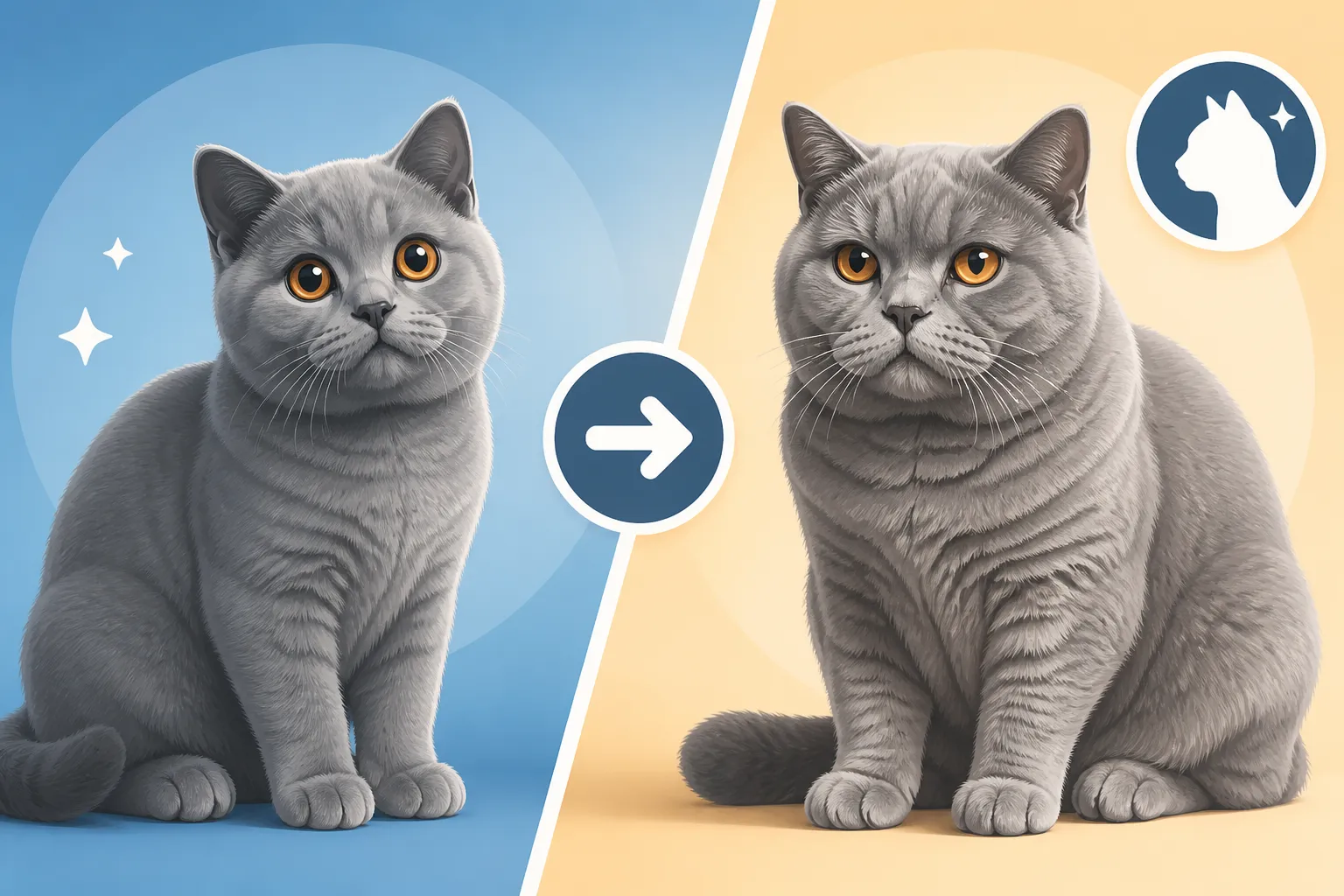
It's a bittersweet moment when you realize your once-bouncy British Shorthair kitten, who seemed to stay in that adorable, chubby-cheeked phase forever, is now officially entering their golden years. You might start noticing subtle shifts – a little less zoomies, a few more naps, maybe a slight stiffness getting onto the sofa. These changes can be worrying, but understanding what to expect after your British Shorthair turns ten can help you provide the best possible care and cherish these precious senior years. This guide will walk you through the physical, behavioral, and health transformations you might observe, helping you navigate this new chapter with confidence and compassion.
Physical Transformations: The Visible Signs of Aging
Just like humans, our beloved British Shorthairs undergo a variety of physical changes as they age. Some are purely cosmetic, while others can signal underlying health considerations that warrant a closer look. It's all part of the natural process, but knowing what to watch for can make a huge difference in their comfort and well-being.
Coat and Grooming Habits
One of the first things you might notice about your senior British Shorthair is a change in their magnificent plush coat. That dense, crisp fur, which once stood out so beautifully from their body, might start to look a little duller, perhaps even feeling a bit coarser or thinner in places. This isn't uncommon. As cats age, their skin loses elasticity, and their natural oil production can decrease, affecting the quality and luster of their fur.
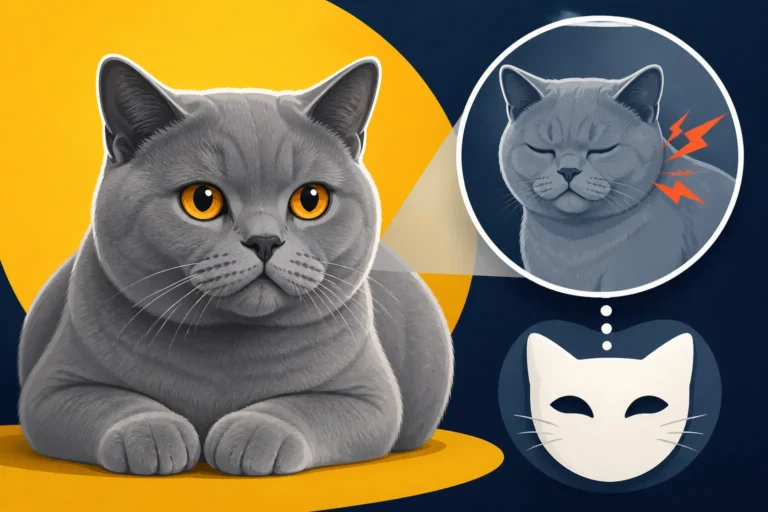
Beyond the texture, you might also observe a decline in their self-grooming prowess. The iconic round physique of a British Shorthair, which makes them so charming, can become a hindrance as they get older. Their bodies can become less flexible, making it difficult to twist and turn to reach those tricky spots on their back or around their tail. This can lead to matting, especially in areas they can no longer properly groom, such as along the spine or behind the hind legs. You might find yourself wondering, Why an Aging British Shorthair Looks Unkempt, and this reduced flexibility is often a key reason.
This decline in self-grooming isn't just about aesthetics; it can also affect their skin health. If they're not able to distribute natural oils effectively, their skin can become dry, flaky, or more prone to irritation. Increased shedding, particularly during seasonal changes, can also become more noticeable. This means your role in their grooming routine becomes even more critical. Gentle, regular combing sessions will not only help keep their coat healthy and free of mats but also provide a wonderful opportunity for bonding and a chance to check their skin for any unusual lumps or bumps.
Weight and Body Condition
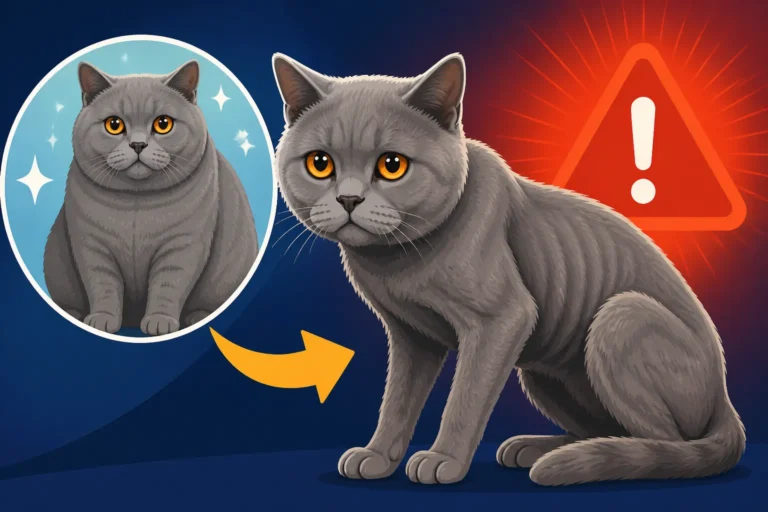
It’s easy to assume an older cat should naturally lose a bit of weight, but for a British Shorthair, significant weight loss after ten can actually be a serious warning sign. These cats are known for their sturdy, cobby build, and while their metabolism might slow down slightly, a noticeable decrease in body mass usually points to something more than just old age. This could be due to underlying medical conditions like hyperthyroidism, kidney disease, or even dental problems that make eating painful.
Muscle mass also naturally declines with age, a process known as sarcopenia. You might notice their hindquarters appear less muscular, or their spine might feel more prominent when you gently stroke their back, even if they still have a bit of a belly. This loss of muscle can contribute to weakness and affect their overall mobility. It's crucial to differentiate between healthy weight management and unexplained weight loss. If you find yourself asking Why Weight Loss in an Old British Shorthair Is a Warning, it’s essential to consult your vet promptly.
Monitoring their weight and body condition regularly is incredibly important in their senior years. A slight, gradual shift in body composition might be normal, but any rapid or unexplained changes warrant immediate veterinary attention. Ensuring they continue to eat a high-quality, palatable diet and that they're getting adequate nutrition is key to managing their weight and overall health as they age.
Mobility and Flexibility
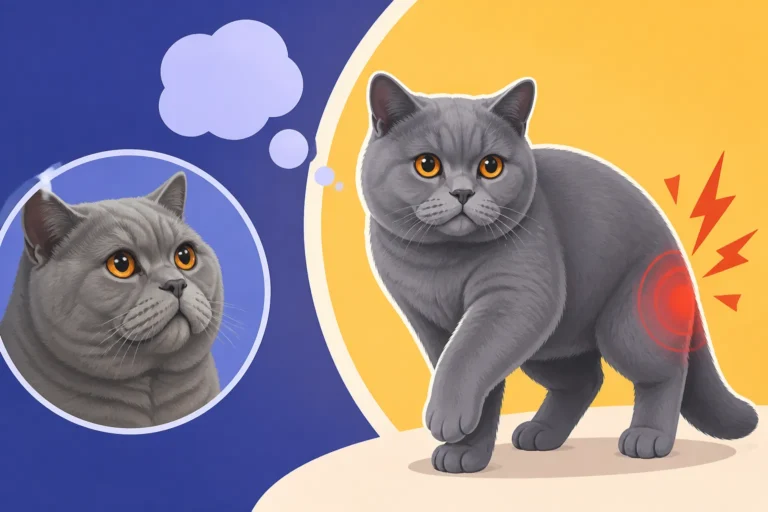
The majestic leap your British Shorthair once made onto the kitchen counter or the graceful hop onto your lap might start to become a bit of a struggle. Many senior British Shorthairs develop arthritis, a painful inflammation of the joints, which can significantly impact their mobility. This isn't always obvious; cats are masters at hiding pain, so you might not see overt limping or crying out. Instead, look for subtle cues.
Your cat might hesitate before jumping, choose lower perches, or take a few extra moments to settle into a comfortable position. They might also seem less enthusiastic about playtime or avoid stairs. You might notice they're a little stiff when they first wake up, taking a moment to stretch and work out the kinks. If you've been wondering Whether an Aging British Shorthair Gets Stiff, the answer is often yes, and it's something many owners don't realize until it's quite advanced.
Managing joint pain is crucial for their quality of life. This can involve supportive supplements, pain medication prescribed by your vet, or even physical therapy techniques. Creating an accessible environment, with ramps or steps to their favorite resting spots, can also make a world of difference. Soft, orthopedic beds can provide comfort for aching joints, ensuring they get the restful sleep they need without putting undue pressure on sensitive areas.
Behavioral Shifts: A Quieter, More Sedate Life
As British Shorthairs mature into their senior years, their behavior often reflects their changing physical capabilities and energy levels. While their core personality usually remains, you’ll likely see a shift towards a more relaxed, perhaps even sedate, lifestyle.
Activity Levels and Play Drive
Gone are the days of endless kitten antics and frantic chasing of laser pointers, at least for most senior British Shorthairs. As they age past ten, their activity levels naturally decrease. You'll observe them spending more time sleeping, often in their favorite sunny spots, and less time engaging in vigorous play. This isn't necessarily a sign of unhappiness; it's simply a natural part of aging for a breed that's already known for its calm demeanor.
However, a complete cessation of play or a drastic drop in activity could be a sign of discomfort or pain, such as arthritis. It’s important to distinguish between a general slowing down and a painful reluctance to move. While you might wonder Whether an Aging British Shorthair Plays Less, it’s more about how they play. Instead of high-intensity sprints, they might prefer short, gentle play sessions with a feather wand or a toy mouse they can bat at from a comfortable position.
Engaging them in gentle, interactive play is still important for mental stimulation and maintaining some muscle tone. Look for toys that don't require much jumping or fast movements. Puzzle feeders can also be a fantastic way to keep their minds sharp and encourage a bit of movement without overexerting them. The goal is to keep them engaged and active within their new physical limits, helping to prevent boredom and maintain a sense of purpose.
Sleep Patterns and Rest
It might feel like your British Shorthair has always been a champion sleeper, but after ten, they really take napping to an Olympic level! Senior cats tend to sleep much more than their younger counterparts, often clocking in 16 to 20 hours a day. This increased need for rest is a normal physiological response to aging; their bodies simply require more downtime for recovery and energy conservation.
You might notice them choosing different sleeping spots – perhaps a cozier, warmer bed, or a spot away from household commotion. They might also shift their sleep schedule, becoming a bit more active at night or during the quietest parts of the day, a phenomenon sometimes referred to as 'senior cat zoomies' but is often just a realignment of their natural rhythms. If you're curious about How Much an Aging British Shorthair Sleeps, be prepared for a lot of peaceful slumber!
It's important to respect their need for uninterrupted rest. Provide them with several soft, comfortable, and easily accessible sleeping areas throughout the house. Consider orthopedic beds that offer extra support for their aging joints. A quiet, warm corner where they feel secure can become their sanctuary. While it's lovely to snuggle, try not to disturb them unnecessarily when they're deeply asleep, as good quality rest is vital for their overall health.
Social Interaction and Affection
Every British Shorthair has its own unique personality, but many tend to become even more affectionate and appreciative of quiet companionship as they age. They might not be a lap cat in the traditional sense, preferring to sit next to you rather than on you, but they often seek out proximity and gentle reassurance. You might find them following you from room to room more often, simply wanting to be in your presence.
Some senior cats, however, might become a little less tolerant of sudden movements, loud noises, or boisterous children or pets. They may prefer a more predictable and tranquil environment. Understanding Whether an Older British Shorthair Gets Friendlier often depends on their individual personality and how they are feeling physically. A cat in pain might become more withdrawn or even irritable, so any sudden changes in social behavior should be noted.
Continue to offer them gentle strokes, soft words, and opportunities for quiet interaction. Brushing them can become a soothing ritual, and simply sitting near them while you read or watch TV can be a powerful form of connection. It's about meeting them where they are and respecting their evolving boundaries and preferences, ensuring they feel loved, secure, and comfortable in their home.
Health Considerations: Vigilance Becomes Paramount
As your British Shorthair crosses the ten-year threshold, their health needs become more complex, and vigilance on your part becomes absolutely critical. Early detection and intervention can significantly improve their quality of life and longevity.
Dental Health and Oral Changes
Dental disease is incredibly common in older cats, and British Shorthairs are no exception. Years of plaque and tartar buildup can lead to gingivitis, painful tooth resorption, and even lost teeth. This isn't just a matter of bad breath; severe dental disease can cause immense pain, make eating difficult, and introduce bacteria into the bloodstream, potentially affecting vital organs like the heart and kidneys.
You might notice your British Shorthair becoming pickier with their food, dropping kibble, or showing a preference for softer wet food. Drooling, pawing at their mouth, or swelling around the face are also red flags. Ignoring Gingivitis in a British Shorthair can lead to much more serious issues. Regular dental check-ups, ideally once a year, are crucial, and your vet might recommend professional dental cleaning under anesthesia.
While daily tooth brushing might have been a challenge when they were younger, even just gently wiping their gums with a cat-specific dental wipe can help. Incorporate dental treats or water additives if your vet approves, but always remember that these are supplements, not replacements, for professional dental care.
Organ Function and Chronic Conditions
Many chronic conditions in senior cats are insidious, developing slowly with very subtle signs that are easy to miss. Kidney disease, hyperthyroidism, and diabetes are unfortunately common adversaries for aging felines. Your British Shorthair might start drinking more water or urinating more frequently, which can be signs of kidney disease or diabetes. Unexplained weight loss despite a good appetite, or even an increased appetite, can point to hyperthyroidism.
These conditions, if caught early, can often be managed effectively, allowing your cat to maintain a good quality of life for many more years. This is why regular veterinary check-ups, including routine bloodwork and urine analysis, become non-negotiable for a senior cat. Your vet can detect changes in organ function before your cat even shows obvious symptoms. This proactive approach is the best way to ensure Caring for a British Shorthair Past Ten means truly caring for their evolving health needs.
The financial aspect of managing chronic conditions can be daunting. This is where pet insurance, like plans offered by Healthy Paws, can be an absolute lifesaver. Having a good policy in place before any chronic conditions are diagnosed can provide immense peace of mind, covering a significant portion of the costs for diagnostic tests, medications, and ongoing treatments. It allows you to make decisions based on what’s best for your cat, not just your wallet.
Sensory Decline: Sight and Hearing
Just like humans, cats can experience a decline in their senses as they age. Their eyesight might dim, making them less sure-footed in dimly lit rooms or at night. You might notice their pupils appear cloudy due to lenticular sclerosis, a normal aging change in the lens, or more significantly, due to cataracts. They might bump into furniture or become startled more easily if they don't see you approaching.
Hearing loss can also occur, making them less responsive to your voice, the sound of the food bag rustling, or even loud noises. If you're observing Deafness in an Aging British Shorthair, they might sleep more soundly and not respond to their name unless you're very close. While these changes can be concerning, cats are incredibly adaptable.
You can help your cat navigate these changes by keeping their environment consistent, avoiding rearranging furniture, and maintaining predictable routines. Use gentle touches or vibrations to get their attention if their hearing is poor. Clear pathways, especially to litter boxes, food, and water, will help them move around safely. Their remaining senses, like smell and touch, become even more important, so focus on enriching their world through familiar scents and soft textures.
Adapting Your Home and Routine for a Senior British Shorthair
Making thoughtful adjustments to your home and daily routine can dramatically enhance your senior British Shorthair's comfort, safety, and overall happiness. It’s about creating an environment that supports their changing needs without making them feel like their world has been turned upside down.
Environmental Adjustments
As your British Shorthair’s mobility decreases, thoughtful adjustments around the house can make a significant difference. Those favorite high perches, once easily accessible, might now be frustratingly out of reach. Consider providing steps, ramps, or sturdy, low-level cat trees to help them reach their preferred napping spots, window perches, or even your bed. Knowing When an Aging British Shorthair Needs a Ramp can be a game-changer for their independence and comfort, preventing painful jumps that could exacerbate arthritis.
Litter boxes also need a review. A high-sided litter box that was fine for a younger, more agile cat can become a painful hurdle for a senior. Look for low-entry litter boxes that allow them to step in and out easily without straining their joints. Ensure you have enough litter boxes, placed in easily accessible, quiet locations. Warmth is also key for older cats; provide cozy, soft beds, perhaps even a heated bed, especially in colder climates or during winter months, to soothe aching muscles and joints.
Think about lighting as well. If your cat's vision is declining, night lights can help them navigate dark hallways or rooms, reducing the risk of bumps and falls. Keeping pathways clear of clutter is also crucial. These small changes show your cat you understand their needs and are there to support them through their golden years.
Nutritional Needs and Diet Changes
A senior British Shorthair's dietary requirements often shift considerably. Their metabolism slows down, and they might become less active, which means their caloric needs can decrease. However, they also need high-quality, easily digestible protein to maintain muscle mass and support their aging organs. Many commercial cat foods are specifically formulated for senior cats, offering adjusted calorie counts and enhanced nutrient profiles to support joint health, kidney function, and cognitive vitality.
Wet food can be particularly beneficial for senior British Shorthairs. It not only provides essential hydration, which is vital for kidney health, but its softer texture is also easier to eat, especially if they have dental problems or a reduced sense of smell. You might wonder Whether an Aging British Shorthair Needs Softer Food, and for many, the answer is a resounding yes. If your cat has a diminished appetite, warming their wet food slightly can enhance its aroma and make it more appealing.
Always discuss any dietary changes with your veterinarian. They can help you choose the best food for your cat's specific health needs and recommend appropriate portion sizes to prevent unhealthy weight gain or address any weight loss concerns. Consistent access to fresh, clean water is also paramount, and a water fountain might encourage them to drink more.
The Importance of Regular Vet Checks
I cannot stress this enough: once your British Shorthair turns ten, bi-annual (twice yearly) veterinary check-ups become indispensable. Cats are masters of disguise when it comes to illness, and a lot can change in six months for a senior feline. These regular visits allow your vet to catch subtle changes that you might miss at home, often before they become serious problems.
These check-ups typically include a thorough physical examination, weight monitoring, bloodwork to assess organ function (especially kidneys and thyroid), and a urine analysis. These diagnostic tools are invaluable for early detection of conditions like chronic kidney disease, hyperthyroidism, diabetes, and even certain cancers. It’s also important to track their weight carefully; How Often an Old British Shorthair Needs Weighing should be part of every vet visit, and regular home weigh-ins are a good idea too.
Your vet can also discuss pain management options for arthritis, recommend appropriate dietary supplements, and address any behavioral changes you've noticed. Proactive veterinary care is the cornerstone of successful senior cat management, allowing for timely interventions that can significantly extend your British Shorthair’s healthy lifespan. Investing in a good pet insurance policy, like Healthy Paws, early on can help alleviate the financial stress of these increased veterinary needs, ensuring you can always provide the best care without hesitation.
Navigating the Golden Years: Summary of Changes and Actions
| Area of Change | What You Might Observe | Recommended Owner Actions |
|---|---|---|
| Coat & Grooming | Dull, coarse coat; mats; less self-grooming. | Regular, gentle combing; professional grooming if needed. |
| Weight & Body | Unexplained weight loss; muscle wasting; difficulty maintaining weight. | Monitor weight closely; consult vet for diet adjustments/medical check. |
| Mobility | Hesitation to jump; stiffness; less enthusiasm for active play. | Provide ramps/steps; orthopedic beds; vet-prescribed pain management. |
| Activity/Play | More sleeping; less intense play; shorter play sessions. | Gentle, interactive play; puzzle feeders; respect rest time. |
| Sleep Patterns | Increased sleep (16-20 hrs/day); changes in preferred spots. | Provide quiet, warm, accessible sleeping areas; avoid disturbances. |
| Social Interaction | More affectionate; seeking proximity; less tolerant of commotion. | Offer gentle attention; maintain routine; create tranquil spaces. |
| Dental Health | Bad breath; difficulty eating; drooling; pawing at mouth. | Vet dental check-ups (annual); professional cleaning; home dental care. |
| Organ Function | Increased thirst/urination; unexplained weight changes (loss/gain). | Bi-annual vet checks; regular blood/urine tests; manage chronic conditions. |
| Sensory Decline | Bumping into things; less responsive to sound; cloudy eyes. | Maintain consistent environment; use gentle touch; clear pathways; night lights. |
Caring for a British Shorthair past the age of ten is a truly rewarding experience, even with the changes that come with age. They continue to offer immense companionship and affection, often settling into a calmer, more serene presence in your home. By being aware of the physical and behavioral shifts, staying proactive with their health care, and making thoughtful adaptations to their environment, you can ensure their golden years are as comfortable, happy, and fulfilling as possible. Cherish every moment with your distinguished feline friend.
Disclaimer
This article is for general informational purposes only and does not constitute professional advice. Laws, prices and regulations vary by location and change over time. Consult a qualified professional for guidance on your specific situation.