Deafness in an Aging British Shorthair
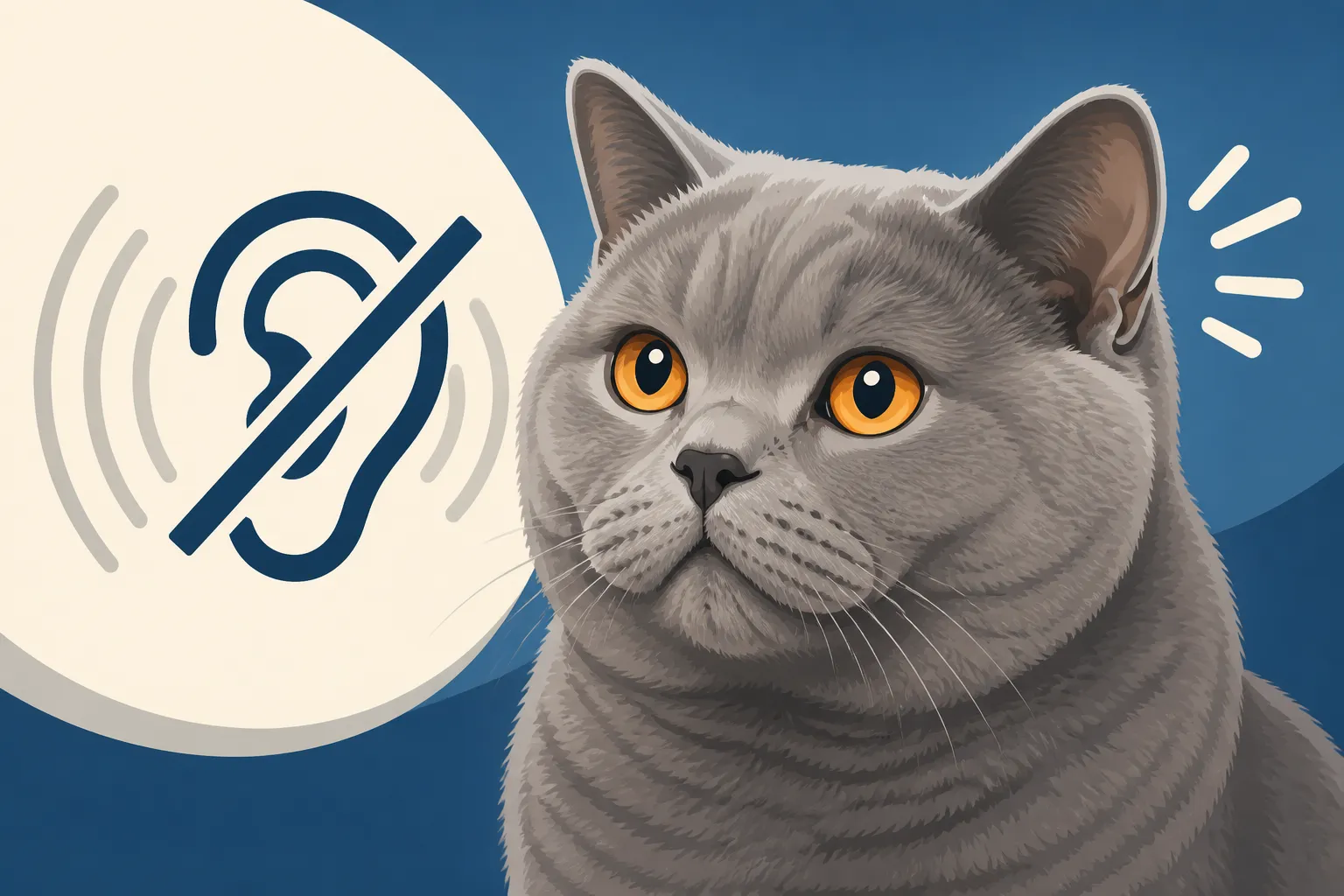
It’s heartbreaking to realize that your beloved British Shorthair, once so attentive to every crinkle of a treat bag, might not hear you call their name anymore. As our feline companions age, just like us, their senses can begin to dull, and hearing loss, or even complete deafness, is a common and often overlooked part of that journey. This guide will gently walk you through understanding why and how deafness can affect your senior British Shorthair, how to recognize the subtle signs, and most importantly, how to adapt your home and care routine to ensure your furry friend continues to live a happy, secure, and enriched life.
Understanding Age-Related Deafness in British Shorthairs
For many British Shorthair owners, the onset of deafness in their aging cat isn't a sudden event. It's usually a gradual decline, a quiet fading that can be easy to miss amidst all the other wonderful quirks and changes that come with a senior cat. It's not uncommon to feel a pang of guilt or concern when you first notice it, but rest assured, it's a natural part of the aging process for many felines.
The Natural Process of Presbycusis in Cats
The medical term for age-related hearing loss is presbycusis, and it's something that affects many senior animals, including our British Shorthairs. This isn't due to an ear infection or a blockage, but rather a slow degeneration of the delicate structures within the inner ear, particularly the hair cells that are responsible for converting sound vibrations into electrical signals that the brain interprets. Over time, these cells wear out and don't regenerate, leading to a progressive loss of hearing, typically starting with higher frequencies. This means your cat might still respond to a loud clap but miss the subtle rustle of a mouse or your soft whispers. It's a natural, irreversible process, much like how many humans experience hearing decline as they get older.
It’s important to understand that this isn't a reflection of anything you've done or failed to do; it's simply biology at work. Just as you might notice your older cat's eyesight isn't quite what it used to be or that their joints might be a little stiffer, hearing loss is another manifestation of time marching on. The beautiful, dense coat and sturdy build of a British Shorthair can sometimes make them seem impervious to the ravages of age, but beneath that plush exterior, their bodies are undergoing the same changes as any other senior cat.
Differentiating Age-Related Deafness from Other Causes
While presbycusis is the most common cause of deafness in an aging British Shorthair, it's crucial not to jump to conclusions without a vet's input. There are other potential reasons for a cat to lose its hearing, some of which might be treatable. For instance, a buildup of earwax, a foreign object lodged deep in the ear canal, ear infections (especially chronic ones), or even polyps or tumors can obstruct sound waves or damage the ear's internal mechanisms. Certain medications can also have ototoxic effects, meaning they can cause temporary or permanent hearing loss, although this is less common with routine drugs.
Sometimes, trauma to the head can also impact hearing. This is why a thorough veterinary examination is always the first step. Your vet will be able to rule out these other possibilities through a physical examination, looking deep into the ear canal with an otoscope, and possibly recommending further diagnostics if something suspicious is found. Only after these other causes are eliminated can you be confident that what you're dealing with is indeed age-related hearing loss. This initial check-up is vital not just for hearing, but as part of a comprehensive approach to Caring for a British Shorthair Past Ten.
When to Consult Your Vet About Hearing Changes
As soon as you suspect any changes in your British Shorthair's hearing, it's time to make that appointment with your veterinarian. Don't wait until the deafness is severe, as early intervention can help identify or rule out treatable conditions. Describe exactly what you've observed: does your cat no longer react to their name? Do they sleep through loud noises? Do they seem disoriented or startle easily when approached from behind? These details are incredibly helpful for your vet in narrowing down the cause.
The vet may perform a basic hearing test in the clinic, such as making a noise behind the cat's head to see if there's a reaction. For a more definitive diagnosis, especially if they suspect something beyond simple age-related presbycusis, they might recommend a Brainstem Auditory Evoked Response (BAER) test. This specialized test measures the electrical activity in the brain in response to auditory stimuli and is considered the gold standard for diagnosing deafness in animals. While it might sound intimidating, it's often performed under light sedation and provides clear answers about the extent and type of hearing loss. Having pet insurance like Healthy Paws can be incredibly helpful for covering the costs of such diagnostic procedures, giving you peace of mind that you can pursue the best care for your senior companion.
Recognizing the Signs of Hearing Loss in Your Senior British Shorthair
Spotting hearing loss in cats can be tricky because our feline friends are masters of adaptation. They compensate for declining senses in ways that can make it hard for us to notice, at least initially. Their other senses, especially their incredible sense of smell and their keen vibrations, become even more dominant. However, with a watchful eye and a little intentional observation, you can pick up on the subtle clues.
Subtle Behavioral Clues to Watch For
One of the first things you might notice is that your British Shorthair no longer responds to their name being called, especially if you're in another room or if they're asleep. You might find yourself having to clap loudly or stomp your foot to get their attention, rather than just a soft spoken word. They may also seem less bothered by loud noises that used to make them jump, like the vacuum cleaner or a dropped pan in the kitchen.
Another common sign is an increased tendency to startle. Because they can't hear you approach, they might be easily surprised when you touch them or walk into the room, leading to a sudden jump or even a defensive hiss if they're particularly sensitive. You might also observe changes in their vocalization. Some deaf cats become quieter, as they can't hear their own meows, while others might become louder, seemingly yelling for attention because they don't know the volume of their own voice. Pay attention to how they interact with other pets too; a deaf cat might miss cues from other animals that they previously would have understood. These changes can sometimes overlap with other health issues, so knowing Signs a British Shorthair Is Unwell can help you differentiate.
Testing Your Cat's Hearing at Home (Gently!)
While not a substitute for a vet's diagnosis, you can perform some gentle at-home tests to get a better idea of your cat's hearing. The key word here is "gentle." You don't want to startle or frighten your cat. Try waiting until your British Shorthair is relaxed, perhaps even sleeping, with their back to you. Then, from a distance, make a distinct but not overly loud sound. This could be a soft clap, a crinkling piece of paper, or even a specific sound from an app designed for cat attention. Watch for any reaction: a twitch of the ears, a turn of the head, or a flicker of an eye.
Repeat this with different sounds and at varying volumes. If your cat consistently doesn't react to sounds that they previously would have, especially if they respond visually when you move into their field of vision, it's a strong indicator of hearing loss. Always remember to approach from the front or side once you've made the sound, allowing them to see you, rather than startling them. This helps build trust and keeps them feeling secure. You can try this test in different rooms of your house, noticing if they respond differently in quieter versus louder environments, which might indicate partial hearing loss rather than complete deafness.
The Importance of a Professional Diagnosis
As mentioned before, an at-home "test" is purely observational and can only suggest hearing loss. A professional diagnosis from your veterinarian is critical for several reasons. Firstly, it rules out any treatable underlying conditions, such as ear infections, polyps, or blockages, that might be causing or contributing to the hearing loss. If these conditions are left untreated, they can cause pain, discomfort, or lead to more severe health problems.
Secondly, a confirmed diagnosis allows you to understand the extent of the deafness – whether it's partial or complete, in one ear or both. This information is vital for tailoring your approach to their care and communication. Without a clear diagnosis, you're essentially guessing, which can be frustrating for both you and your cat. Finally, knowing for sure helps you mentally prepare and adjust. It validates your observations and empowers you to make the necessary changes to ensure your British Shorthair's safety and happiness as they navigate their world with diminished hearing. It’s another aspect of understanding What Changes in a British Shorthair After Ten.
Living with a Deaf Senior British Shorthair: Practical Adjustments and Care
Discovering your British Shorthair is deaf can feel overwhelming at first. You might worry about their safety, their happiness, or how you'll communicate. But rest assured, cats are incredibly adaptable, and with a few thoughtful adjustments, your senior British Shorthair can continue to live a full and joyful life. It's all about creating an environment that caters to their remaining senses and establishing new ways to connect.
Creating a Safe and Predictable Environment
Safety becomes paramount for a deaf cat, especially one that previously had full hearing. Without the ability to hear approaching dangers, they are more vulnerable. Ensure your British Shorthair is an indoor-only cat. The risks of cars, other animals, or getting lost are simply too high for a deaf cat outdoors. If they previously enjoyed supervised outdoor time, consider a secure catio or a harness and leash for walks in very safe, quiet areas, always with you present and vigilant.
Within your home, consistency is key. Try to keep furniture and litter boxes in predictable locations. Avoid making sudden movements that could startle them. If your cat tends to sleep in particular spots, consider placing a soft bed there, and perhaps a small bell on another pet in the house so your deaf cat can sense their presence through vibrations rather than sound. If you live in a multi-story home, be extra mindful of your deaf cat on stairs, as they won't hear you coming up or down. A good pet insurance plan from providers like Healthy Paws can help manage unforeseen accidents or injuries that might be more likely to occur with a deaf cat.
Communication Strategies for Your Hearing-Impaired Cat
The good news is that you can absolutely still communicate effectively with your deaf British Shorthair! You just need to switch from auditory cues to visual and tactile ones. Hand signals are incredibly effective. You can teach your cat simple commands like "come," "stay," or "dinner" using distinct hand gestures. Always pair the hand signal with the desired action consistently. For example, when it's mealtime, show the "dinner" signal before placing the food down. Cats are smart and will quickly associate the visual cue with the reward.
Another fantastic communication tool is vibration. Gently tapping the floor or wall can create a vibration that your cat can feel, signaling your presence or that you want their attention. Some owners even use gentle pats or stroking in specific patterns to convey messages. For instance, two gentle pats on the head could mean "good job," while a longer stroke could mean "come here." Remember to always approach your deaf cat from the front or side so they can see you coming, preventing any startling surprises. When it comes to basic needs like feeding, consistency in timing and location will become even more important.
Maintaining Enrichment and Mental Stimulation
Just because your British Shorthair can't hear doesn't mean they don't need mental and physical stimulation. In fact, it might be even more important to engage their other senses to keep them happy and alert. Focus on toys that involve movement and scent. Wand toys that you can wiggle and move are excellent, as are puzzle feeders that dispense treats, engaging their sense of smell and problem-solving skills. Visual toys, like those with feathers or bright colors, can also capture their attention.
Spend dedicated play time with your cat every day, ensuring they see you initiating the play. Consider introducing new smells – maybe a catnip-filled toy or a sniff of an interesting herb (safe for cats, of course!). Window perches where they can watch the birds and squirrels provide visual stimulation. Even though your cat is deaf, a regular routine and plenty of positive interaction will reassure them and keep them engaged with their environment. Don't forget that Getting a Low Energy British Shorthair to Move becomes even more crucial when one of their primary senses is diminished, to help manage their weight and overall health.
Supporting Your Aging British Shorthair's Overall Well-being
Deafness might be a significant change for your British Shorthair, but it's just one piece of the puzzle when it comes to caring for a senior cat. Holistic care, addressing all aspects of their physical and emotional health, is essential to ensure they enjoy their golden years to the fullest.
Regular Vet Check-ups and Health Management
Even if your British Shorthair seems to be adjusting well to their hearing loss, regular veterinary check-ups remain critically important. As cats age, they become more prone to a variety of health issues. Your vet can monitor for other common senior ailments such as Arthritis in an Older British Shorthair, Gingivitis in a British Shorthair, kidney disease, or Hyperthyroidism in an Older British Shorthair. These conditions can often manifest subtly, and early detection is key to effective management.
During these visits, discuss any new behaviors or concerns you have, even if you don't think they're directly related to deafness. Your vet can provide advice on diet, supplements, and environmental enrichment tailored to your senior cat's specific needs. For example, a senior British Shorthair might benefit from joint supplements or a special diet to help maintain a healthy weight. These routine check-ups are also a great opportunity to ask about managing any potential anxiety or stress that might arise from their diminished hearing. Proactive healthcare management can make a huge difference in their quality of life. Consider if your insurance from Healthy Paws can help with these routine check-ups and preventative care.
Addressing Other Common Ailments in Senior British Shorthairs
It's common for British Shorthairs, like many purebreds, to have certain predispositions, and these can become more apparent as they age. Besides deafness, you might notice changes in mobility due to arthritis, changes in appetite or thirst pointing to kidney issues, or even changes in their coat quality. Why an Old British Shorthair Looks Unkempt can often be a sign of underlying pain or inability to groom properly. It's crucial not to dismiss these as "just old age" without a vet's evaluation.
For instance, an older cat losing weight could be a sign of many things, from hyperthyroidism to dental problems, so Why Weight Loss in an Old British Shorthair Is a Warning should always prompt a vet visit. Managing conditions like these alongside deafness requires a dedicated approach, often involving a combination of medication, dietary changes, and environmental modifications. Your vet is your best partner in navigating these challenges, helping you manage each condition to keep your British Shorthair comfortable and happy.
Emotional Support for You and Your Feline Friend
Caring for an aging pet with special needs, including deafness, can be emotionally challenging. It's normal to feel a range of emotions, from sadness over their declining senses to frustration when communication becomes difficult. Give yourself grace. You're doing your best for your beloved companion. Remember that your British Shorthair still loves you deeply, even if they can't hear your voice.
For your cat, the world has changed. They might experience increased anxiety or confusion initially. Your consistent presence, gentle touch, and predictable routine will be their anchor. Spend extra time cuddling, petting, and engaging them in visual play. Maintain eye contact. Your calm demeanor and affection will reassure them more than any sound ever could. Many owners find that deaf cats become even more attuned to physical contact and visual cues, fostering a deeper bond. Don't underestimate the power of your touch and your love to provide security and comfort to your deaf senior British Shorthair.
Disclaimer
This article is for general informational purposes only and does not constitute professional advice. Laws, prices and regulations vary by location and change over time. Consult a qualified professional for guidance on your specific situation.