Getting a Low Energy British Shorthair to Move
It's a common scenario, isn't it? You envision a playful, energetic feline companion, perhaps darting around the house, chasing toys with boundless enthusiasm. Then you bring home your gorgeous British Shorthair, and while they are everything you dreamed of in terms of fluffy adorableness and serene presence, you quickly realize "energetic" isn't quite in their vocabulary. Many British Shorthair owners find themselves scratching their heads, wondering how on earth to coax their beloved, low-energy fluffball into anything resembling exercise. This guide is here to walk you through the unique challenges of motivating a British Shorthair to move, acknowledging their inherent nature while also ensuring they stay healthy, active, and engaged.
Understanding Your British Shorthair's Natural Inclination
Let's be honest, the British Shorthair isn't exactly known for its acrobatic displays or its endless pursuit of laser pointers. This breed has a distinct personality, and understanding that is the first step in encouraging a healthier, more active lifestyle for them. It’s not about changing who they are, but working with it.
The Calm, Cobby Nature
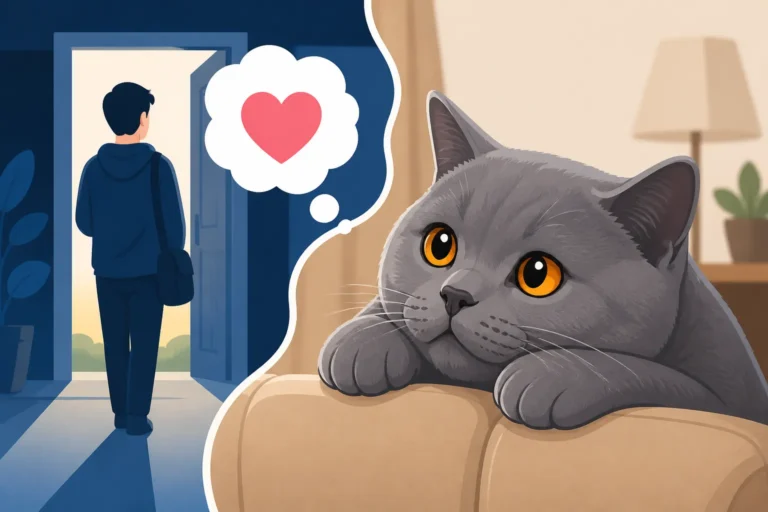
From their rounded faces to their thick, plush coats and cobby bodies, British Shorthairs are built for comfort, not speed. Their very physique suggests a calm, unhurried demeanor. They are robust, solid cats, and this physical build naturally lends itself to a more sedate lifestyle. You won't often see a British Shorthair scaling your curtains or doing backflips off the bookshelf. Instead, they prefer to observe the world from a comfortable vantage point, typically a soft sofa or a sunny spot on the floor. This isn't laziness in the human sense; it's simply their breed's predisposition. They are the epitome of a laid-back companion, a cat that appreciates a quiet home and a predictable routine. Their calm temperament is one of their most endearing qualities, making them wonderful pets for families and individuals alike, but it does mean we have to get a little creative when it comes to playtime.
Why They're Not "Hyper" Cats
Unlike some of the more high-strung or notoriously active breeds, British Shorthairs simply don't possess that inherent "hyper" energy. They mature slowly, often not reaching their full physical and mental maturity until three to five years of age. This means that even as kittens, while they'll certainly have bursts of playfulness, they're generally not the maniacal little zoomies you might see in other breeds. How Long a British Shorthair Stays a Kitten delves into this more. They aren't wired for sustained, intense activity. Their energy comes in short bursts, like a quick chase of a feather wand, followed by an immediate return to their favorite napping spot. Expecting them to be constantly on the go is setting both you and your cat up for disappointment. Instead, embrace their tranquil nature and learn to appreciate the subtle ways they express their vitality. It's less about a constant flurry of motion and more about punctuated moments of engagement.
The British Shorthair's Love Affair with Napping
If there's one thing a British Shorthair excels at, it's napping. They are master sleepers, capable of finding comfort in the most unlikely places, though a soft blanket or a sunbeam is always preferred. This isn't just a casual pastime; it's a fundamental part of their daily rhythm. They conserve energy, which makes their short bursts of play even more precious. It’s not uncommon for them to sleep for many hours throughout the day and night. While it might look like pure idleness to us, these long periods of rest are essential for their well-being. The challenge comes when these naps extend to nearly all waking hours, pushing out any form of activity. We need to respect their need for rest but also understand when "rest" veers into potentially unhealthy sedentary behavior. The key is to interrupt those long stretches of slumber with enticing play, rather than expecting them to initiate it themselves.
Recognizing the Difference Between Calm and Concerning Lethargy
It’s a fine line to walk, distinguishing between a British Shorthair’s natural chill demeanor and genuine lethargy that could signal an underlying health issue. Given their propensity for quietude, owners often wonder if their cat is simply being a British Shorthair or if something is truly wrong.
Normal British Shorthair Sedentary Behavior
A healthy British Shorthair will spend a significant portion of its day resting, observing, and perhaps occasionally strolling from one napping spot to another. They often choose to be in the same room as their humans, but not necessarily on them. They might follow you from room to room, but typically settle nearby rather than engaging in boisterous play. A British Shorthair Sits Near You, Not On You explores this affectionate but independent trait. You'll see them stretch, perhaps a leisurely grooming session, and then they'll gracefully transition back to a state of repose. When they do play, it's usually for a few minutes at a time, followed by a quick cool-down. This isn't abnormal; it's simply their default setting. They might bat at a toy, stalk an imaginary mouse, or pounce on a piece of lint, but these moments are usually brief and then they're content to watch the world go by again. The important thing is that these short bursts do happen, and they show interest in their surroundings, even if it’s from a horizontal position.
Signs Your British Shorthair Might Be Unwell
While a quiet nature is normal, a sudden or marked increase in lethargy, or a refusal to engage even in their preferred gentle play, should raise a red flag. If your British Shorthair, who usually enjoys a five-minute wand session, suddenly ignores it completely for days, that’s a concern. Watch for other symptoms: a change in appetite (either eating much less or ravenously more), unusual vocalizations, hiding more than usual, changes in litter box habits, or a dullness in their normally bright eyes. Signs a British Shorthair Is Unwell offers a deeper dive into these indicators. A British Shorthair is notoriously good at hiding pain or discomfort, a trait common in many cats, so any subtle shift in their routine or demeanor warrants attention. They might not cry out, but a persistent lack of interest in their environment, even their favorite sunbeam, can be a silent plea for help.
When to Consult Your Vet
If you observe any of the concerning signs mentioned above, or if your British Shorthair's low energy feels more profound than their usual calm, it’s always best to consult your veterinarian. A vet can rule out underlying health issues such as arthritis, dental pain, hyperthyroidism (especially in older cats), or even more serious conditions like heart disease, which is unfortunately a concern for this breed. Signs a British Shorthair Has Heart Disease is a good resource to understand potential cardiac issues. Don't hesitate to seek professional advice, especially if the change is sudden or persistent. Early detection of health problems can make a significant difference in treatment outcomes and your cat's quality of life. Even if it's just a case of "Mondayitis" for your feline friend, a vet check-up provides peace of mind and ensures you're doing everything you can to keep them healthy.
The Perils of Inactivity and Weight Gain
One of the biggest concerns with a low-energy British Shorthair is the increased risk of obesity. Their calm demeanor, combined with their love for food, creates a perfect storm for packing on the pounds. This isn't just about aesthetics; it's a serious health issue that can significantly impact their lifespan and quality of life.
How Quickly British Shorthairs Become Overweight
British Shorthairs are built to be robust, not necessarily lean. Their naturally cobby body shape and dense coat can easily mask excess weight, making it tricky for owners to spot the creeping pounds until they've accumulated quite a bit. Why a British Shorthair Is Built to Look Heavy helps explain this. What looks like a healthy chunk can quickly become an unhealthy amount of fat. They adore their food, and without adequate exercise, every extra calorie becomes a stored fat cell. Free-feeding, where food is left out all day, is a particular enemy for this breed, as their appetite can be quite robust. Before you know it, their graceful waddle has turned into a heavier gait, and jumping onto the sofa becomes a bit more of an effort.
Health Risks Associated with Obesity
The consequences of obesity in British Shorthairs are far-reaching and serious. An overweight cat is at a much higher risk for a host of health problems. We're talking about conditions like diabetes, which can require daily insulin injections, and Diabetes in a British Shorthair covers this in detail. They're also prone to developing painful arthritis in their joints, especially their hips and knees, as their sturdy frames are simply not designed to carry excessive weight. What Obesity Does to a British Shorthair's Joints explains how this happens. Other risks include liver disease, urinary tract issues, and even skin problems due to their inability to properly groom themselves. It truly is one of the most significant health threats they face. A healthy British Shorthair should feel solid but you should still be able to gently feel their ribs without much effort.
The Cycle of Inactivity and Weight Gain
This is where the problem becomes a self-perpetuating cycle. A low-energy British Shorthair eats, doesn't move much, gains weight. This extra weight makes them even less inclined to move because it's harder and more uncomfortable. Then they gain more weight, become even more sedentary, and the cycle continues. It’s a vicious circle that can be incredibly hard to break once it takes hold. Imagine trying to exercise when every movement is a strain! This is why proactive measures are so important. We need to interrupt this cycle with consistent, gentle encouragement to move, coupled with strict Portion Control Is the Whole Job With a British Shorthair. It’s about building momentum, however small, to get them back on track towards a healthier, more active life.
Tailoring Playtime to the British Shorthair Personality
Getting a British Shorthair to play isn't about forcing them into a high-octane routine. It's about understanding their unique play style and adapting your approach to match it. They're not going to be zooming around for an hour straight, but that doesn't mean they don't enjoy a good hunt!
Short, Frequent Bursts Are Key
Forget long, drawn-out play sessions. A British Shorthair thrives on short, frequent bursts of activity. Think of it as several "mini-workouts" throughout the day, rather than one big gym session. Five to ten minutes of focused play, two to three times a day, is often far more effective than trying to coax them into a 30-minute marathon. This aligns perfectly with their natural energy cycle: a quick hunt, then back to resting and observing. These shorter sessions are less intimidating for them, and you're more likely to capture their attention and sustain their interest. You can fit these small bursts into your own schedule, perhaps before breakfast, after work, and before bed. This consistent, bite-sized approach respects their low-energy nature while still ensuring they get necessary movement.
Engaging Their Hunter Instincts Gently
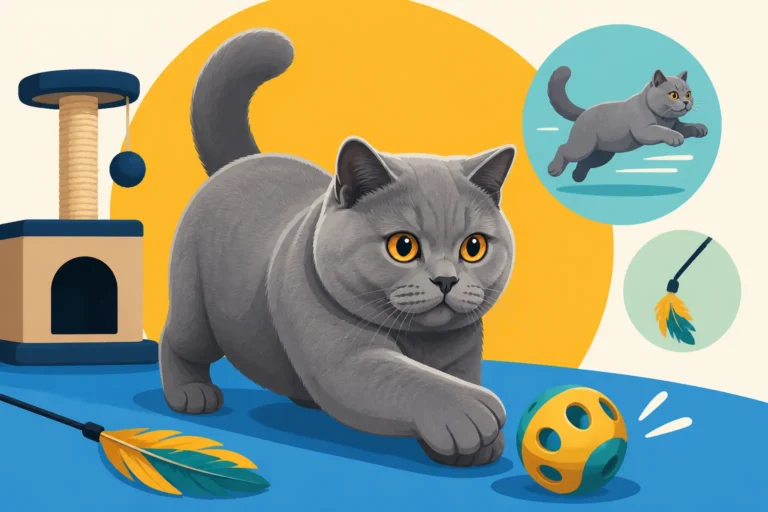
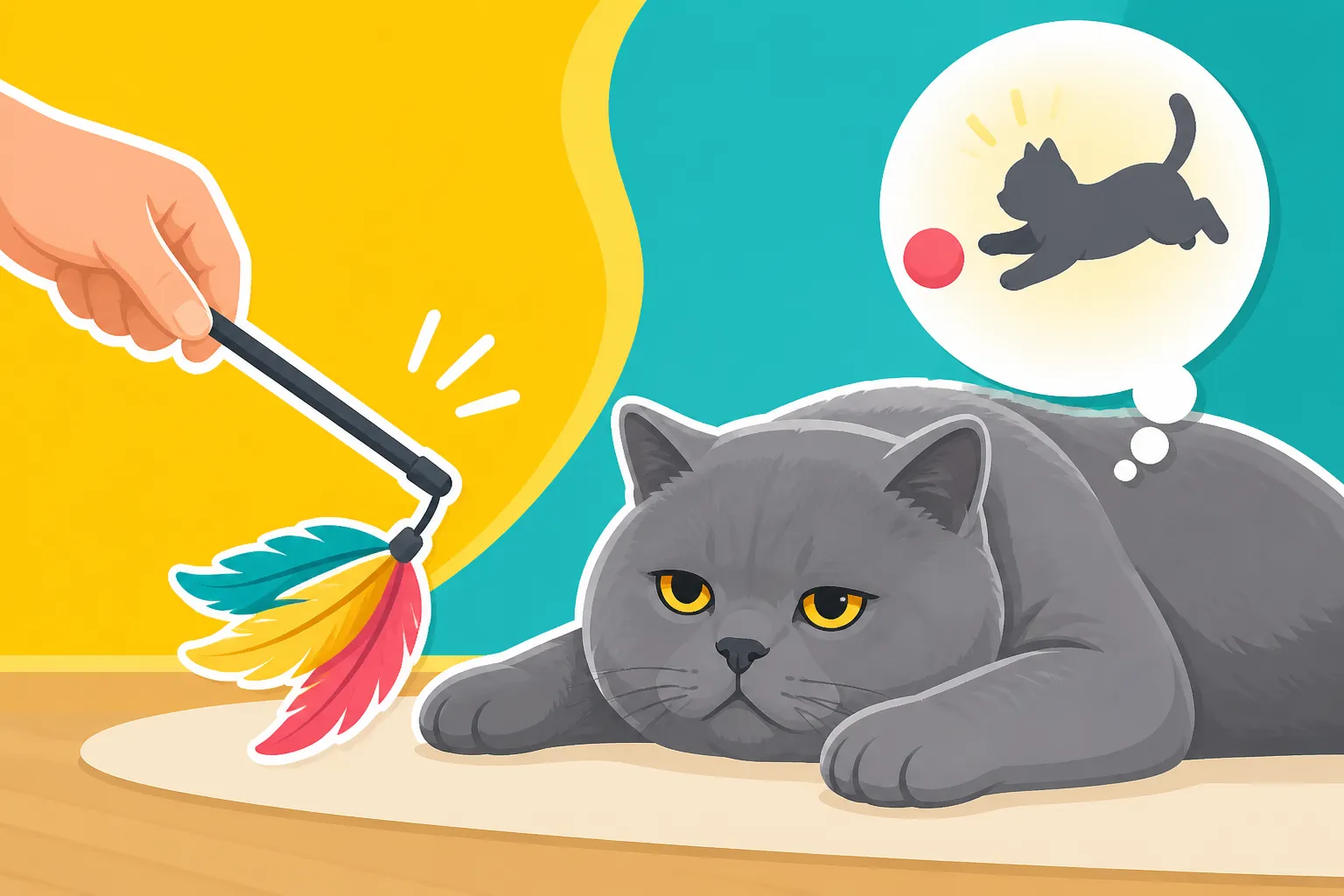
Even the most laid-back British Shorthair has an inner predator lurking beneath all that fluff! The trick is to tap into those natural hunting instincts in a way that’s gentle and low-impact. Think about how a cat hunts in the wild: stalking, pouncing, then resting. This sequence is key. Use toys that mimic prey, moving them erratically, hiding them, and then making them "pounceable." Don't just wave a toy in their face; make it a game of hide-and-seek. Drag a wand toy slowly along the floor, let it disappear under a rug, then twitch it out suddenly. Let them "catch" the toy frequently, as this completes their hunting cycle and provides satisfaction. They might not jump high or run fast, but a slow, deliberate stalk and a decisive pounce still count as exercise and mental stimulation. Which Toys a British Shorthair Will Actually Chase goes into more detail on specific types.
The Power of Consistency
Consistency is perhaps the most critical element when it comes to getting a low-energy British Shorthair to move. Don't expect miraculous changes overnight. It requires patience and dedication on your part. If you only try to play once a week, they’ll probably just look at you with their signature stoic expression. However, if you establish a routine – say, 5 minutes every morning and 5 minutes every evening – your cat will start to anticipate these sessions. They might not appear overtly excited, but they’ll recognize the pattern. Even on days when they seem particularly uninterested, a short attempt is better than none. Over time, these consistent efforts build muscle, improve metabolism, and help them maintain a healthier weight, breaking that cycle of inactivity. Remember, you're building a habit for them, and habits take time and repetition to form.
Strategic Toy Choices for the Reluctant Player
Not all cat toys are created equal, especially when you're trying to motivate a less-than-enthusiastic British Shorthair. The right toy can make all the difference, transforming a yawn into a tentative paw swat, and eventually, a full-on pounce.
Wand Toys and Feather Teasers
These are often the gold standard for British Shorthairs. The unpredictable movement of a feather attached to a wand can mimic small prey, triggering their innate hunting drive without requiring too much effort from them initially. The key is how you manipulate the wand. Don't wave it wildly; instead, make the "prey" skitter across the floor, hide behind furniture, and occasionally dart out. Let them observe, stalk, and then pounce. Many British Shorthairs respond well to feather wands, such as those made by Da Bird or a similar brand found on Amazon, because they provide a satisfying "catch." The distance the wand creates between your hand and the toy also makes it feel more like real prey. Remember to let them "kill" the toy at the end of the session – let them hold it, mouth it gently, and feel successful. This positive reinforcement encourages them to play again next time.
Interactive Puzzle Feeders
For a breed that loves its food, puzzle feeders are brilliant. These aren't just toys; they're mental stimulation and a way to make mealtime an active endeavor. Instead of simply eating from a bowl, your British Shorthair has to engage their brain and paws to retrieve kibble or treats. This slows down their eating, prevents boredom, and provides gentle exercise. You can find various puzzle feeders on Amazon, from simple balls with holes to more complex mazes. Start with an easy one to avoid frustration, then gradually introduce more challenging designs. This turns eating into a game, encouraging movement and problem-solving, which is great for both their physical and mental well-being. It can also be a fantastic tool for managing their weight, as they have to "work" for their food.
The Appeal of Simple, Engaging Toys
Sometimes, the simplest toys are the most effective. Crinkle balls, soft lightweight mice, or even a crumpled piece of paper can capture a British Shorthair's attention. What makes these appealing? Often, it's the texture, the sound, or the unpredictable way they roll. Many British Shorthairs aren't interested in elaborate, battery-operated toys that do all the work. They prefer toys they can bat around, carry, or gently "kill." Small, light toys are easier for them to manipulate, even with their robust build. Don’t underestimate the power of a simple catnip-filled kick stick, either. While not directly for active play, it can spark a moment of excited wrestling and kicking, which is still movement! Rotate toys regularly to keep things fresh and interesting, ensuring they don't get bored with the same old options.
| Toy Type | Why it Works for BSH | Engagement Level | Movement Required |
|---|---|---|---|
| Wand & Feather | Mimics prey, satisfying chase | High | Moderate |
| Puzzle Feeder | Food motivation, mental work | Moderate | Low to Moderate |
| Crinkle Ball | Sound, easy to bat | Moderate | Low |
| Catnip Mouse | Scent attraction, gentle pounce | Moderate | Low |
| Kick Stick | Wrestling, hind leg exercise | Moderate | Low |
Creating an Enriching and Stimulating Environment
A static, unchanging environment can contribute to a British Shorthair's sedentary habits. By strategically enriching their living space, you can naturally encourage more movement and curiosity, even for the most laid-back cat.
Vertical Spaces and Perches
While British Shorthairs aren't known for their climbing prowess, they do appreciate elevated vantage points. They might not scale the tallest cat tree like a jungle cat, but a sturdy, low-to-medium height cat tree or a window perch can provide a sense of security and a new perspective. Which Cat Tree a British Shorthair Uses should be chosen carefully; it needs to be stable and have wide, comfortable platforms for their cobby bodies. Placing a perch near a window allows them to watch birds or squirrels, stimulating their minds even if they're not actively moving. The mere act of jumping up to a perch, even a low one, provides a bit of exercise throughout the day. Consider carpeted ramps or steps if your British Shorthair struggles with jumps, especially as they get older or if they are on the heavier side. This makes accessing these enriching spots easier and safer.
Window Watching and Outdoor Enclosures
For an indoor-only British Shorthair, a window is their personal television. Position comfortable beds or perches where they can safely observe the outside world. The sights, sounds, and smells from outdoors can be incredibly stimulating, sparking their curiosity and even leading to some excited chirps and tail wags. If you have the space and resources, a "catio" or secure outdoor enclosure can be a fantastic way to offer them fresh air and new sensory experiences without the dangers of being fully outside. Even a few supervised minutes on a leashed walk in a secure garden can provide a significant boost in mental and physical stimulation. How to Leash Train a British Shorthair can be a slow process, but for some, it's very rewarding. Just ensure their outdoor time is always safe and supervised.
The Role of Companion Animals
Sometimes, the best motivator for a low-energy cat is another cat. A carefully chosen companion, especially a younger, slightly more playful cat, can often coax a British Shorthair into more activity. This isn't a guaranteed fix, and introducing a new pet always requires careful planning and patience. However, watching another cat play or engage in "zoomies" can be infectious, sparking a British Shorthair's interest and leading to more interactive play sessions between the two. Whether a British Shorthair Accepts a Second Cat discusses this in more detail. Even if they don't engage in wrestling matches, the presence of another cat can encourage more movement around the house, as they might chase each other gently or simply explore together. Just ensure the companion isn't overly boisterous or aggressive, as a British Shorthair prefers peace and quiet.
Dietary Adjustments to Support Activity Levels
You might be wondering what diet has to do with encouraging movement. Well, it has everything to do with it! Fueling your British Shorthair correctly is crucial for maintaining a healthy weight and ensuring they have the energy to want to move, even if just for a little while.
The Importance of Portion Control
This cannot be stressed enough: portion control is paramount for a British Shorthair. Their dense build and low activity level mean they simply don't burn as many calories as more active breeds. Free-feeding, where food is left out all day, is a recipe for obesity. Instead, measure out their daily food allowance precisely and divide it into two or three meals. This approach ensures they get the right amount of calories and can help manage their weight effectively. If you're unsure about the exact amount, your vet can help you calculate an appropriate daily calorie intake based on your cat's current weight, age, and activity level. Remember, even a few extra kibbles each day can add up quickly over a week or a month. Using a timed feeder, or even a microchip feeder if you have multiple pets, available on Amazon, can help enforce strict portion control.
Choosing the Right Food
The type of food also plays a role. Look for high-quality cat food with a good protein content. Protein helps maintain lean muscle mass, which is crucial for overall health and metabolism. While many British Shorthairs are content with dry kibble, incorporating wet food can be beneficial. Wet food has a higher moisture content, which is excellent for hydration and can help your cat feel fuller on fewer calories. This can be particularly helpful for cats on a weight management plan. Discuss your cat's specific dietary needs with your vet. They might recommend a specific "weight management" or "indoor cat" formula if your British Shorthair is particularly prone to weight gain or is already overweight. Which Food Suits a British Shorthair is a good starting point for your research.
Hydration and Its Impact on Energy
Proper hydration is often overlooked but is incredibly important for a cat's overall health and energy levels. Many cats don't drink enough water, especially if they are primarily on a dry kibble diet. Dehydration can lead to lethargy and contribute to urinary problems. Encourage your British Shorthair to drink more by providing fresh water in multiple locations around the house. Consider a ceramic or stainless steel water fountain, often available on Amazon. Many cats prefer flowing water, and a fountain can entice them to drink more. Adding a little wet food to their diet also boosts their water intake. Better hydration supports organ function, helps digestion, and can contribute to a general feeling of well-being, which in turn might give them a bit more pep in their step for playtime.
Training and Mental Stimulation
Physical activity isn't the only way to get your British Shorthair "moving." Engaging their minds is just as important, and can even subtly encourage physical movement as a byproduct. British Shorthairs are intelligent, and while they might not be fetching slippers, they can certainly learn!
Simple Tricks and Positive Reinforcement
Don't underestimate your British Shorthair's capacity for learning, even if they appear to be utterly unimpressed most of the time. Simple tricks like "sit," "stay," or even "come" can be taught using positive reinforcement with high-value treats. The key is short, fun training sessions – think one or two minutes, a few times a day. This mental engagement requires them to think and respond, which can be surprisingly tiring for them. It also strengthens your bond and builds their confidence. They might not be the quickest learners, but their intelligence means they can absolutely pick up cues. Make it a game, keep it light, and always end on a positive note. This type of interaction is a different kind of "movement," stimulating their cognitive functions and keeping them engaged in a way that doesn't rely solely on chasing.
Leash Training for Gentle Exploration
While not every British Shorthair will embrace leash training, for some, it offers a wonderful opportunity for controlled outdoor exploration and mental stimulation. The change of scenery, new smells, and fresh air can be incredibly enriching. Start slowly with a comfortable harness (not just a collar) worn for short periods inside the house, associating it with positive experiences like treats. Gradually introduce the leash, then short walks in a quiet, safe outdoor area. They might just want to sit and observe for a while, and that's perfectly fine! The goal isn't a brisk walk, but rather a chance to sniff and explore at their own pace. How to Leash Train a British Shorthair provides a detailed guide. This gentle form of exploration encourages subtle physical movement and provides a huge amount of mental novelty. Just be sure they are up-to-date on all vaccinations and flea/tick prevention if venturing outdoors.
Scent Games and Curiosity
A cat's sense of smell is incredibly powerful, and utilizing it can be a fantastic way to encourage engagement. Scent games involve hiding treats or toys infused with catnip around the house, prompting your British Shorthair to "hunt" for them. Start with easy hiding spots, gradually increasing the difficulty. This encourages them to explore different areas, use their noses, and move around the house, even if it's a slow, deliberate patrol. You can also get different catnip toys or sprays from Amazon to rotate scents and keep their interest piqued. A new, intriguing scent can often be more motivating than a visual cue for a British Shorthair. It taps into their natural instincts in a low-impact, stimulating way, making them actively use their bodies and minds to discover new treasures. This type of activity works well even for senior British Shorthairs who might have limited mobility.
Disclaimer
This article is for general informational purposes only and does not constitute professional advice. Laws, prices and regulations vary by location and change over time. Consult a qualified professional for guidance on your specific situation.