Which Food Suits a British Shorthair
Choosing the right food for your beloved British Shorthair can feel like navigating a nutritional jungle, full of conflicting advice, flashy labels, and endless ingredients lists. It's truly overwhelming to figure out what's best for their unique physiology, especially when you know their laid-back nature makes them prone to weight gain. This comprehensive guide is here to cut through the confusion, helping you understand the specific dietary needs of your British Shorthair and make informed choices to keep them healthy and happy.
Understanding the British Shorthair's Unique Nutritional Blueprint
British Shorthairs are magnificent, robust cats known for their calm demeanor and distinctive round faces. However, these very traits that make them so endearing also mean they have particular dietary requirements that, if overlooked, can lead to health issues down the line. It's not just about filling a bowl; it's about fueling a specific type of feline.
Their Laid-Back Lifestyle and Weight Gain Risk
Let's be honest, our British Shorthairs aren't exactly Olympic athletes. While they have bursts of kittenish energy, most are content to supervise from the sofa, enjoying a good nap rather than an intense play session. This inherently more sedentary lifestyle means their caloric needs are often lower than more active breeds. Couple that with their charmingly 'chunky' appearance, which can sometimes mask excess weight, and you have a recipe for potential obesity if not managed carefully. Many owners find themselves asking Why a British Shorthair Gains Weight So Easily. The dense, plush coat can also hide those extra pounds, making it harder to spot until it's a significant issue.
This propensity for weight gain isn't just an aesthetic concern; it's a serious health risk. Extra weight puts strain on their joints, contributes to conditions like diabetes, and can even impact their heart health. It's crucial to understand that their slow metabolism means every calorie counts, and a diet designed for a more active cat can quickly lead to an overweight British Shorthair. This is why Portion Control Is the Whole Job With a British Shorthair is not just a suggestion, but a fundamental aspect of their care.
Therefore, the food you choose must be calorically appropriate for their activity level, focusing on nutrient density over empty fillers. You want every bite to deliver maximum nutritional value without excessive calories that will simply accumulate as fat on their already substantial frame. This mindful approach to their daily intake is the first and most critical step in maintaining their long-term well-being.
The Demands of Their Dense Coat
Take a moment to run your hand through your British Shorthair's fur. It's thick, dense, and wonderfully plush, isn't it? This coat, which often stands away from their body, is one of their defining features, giving them that adorable teddy bear look. However, maintaining such a magnificent coat requires a significant amount of nutritional support. A dull, dry, or flaky coat can often be an early indicator that something is amiss in their diet or overall health.
A healthy coat relies heavily on specific nutrients, primarily essential fatty acids like Omega-3 and Omega-6, along with high-quality protein. These building blocks contribute to healthy skin, a shiny coat, and reduced shedding, though you'll still experience those glorious shedding seasons. If their diet is lacking in these crucial components, you might notice their fur becoming brittle, or their skin getting dry and itchy, leading to excessive scratching and discomfort.
Therefore, when selecting a food, look for formulations that explicitly support skin and coat health. Ingredients such as salmon oil, flaxseed, and easily digestible animal proteins are excellent indicators that the food is designed to nourish their beautiful, dense fur from the inside out. A well-fed British Shorthair will have a coat that's soft, lustrous, and a joy to behold.
Addressing Their Jaw Structure and Eating Style
Have you ever watched your British Shorthair eat? They often have a rather deliberate, almost polite way of approaching their food, thanks in part to their distinctive broad, round head and strong, short jaw. This physical characteristic can influence not only what they can comfortably eat but also how they eat it. Some cats with flatter faces can struggle with very small kibble, while others might find oversized pieces challenging.
The shape and size of their kibble, if you choose dry food, can play a role in their comfort and even dental health. Larger, flatter kibble might be easier for them to pick up and chew effectively, potentially offering some abrasive action against plaque. However, it's worth noting that the dental benefits of dry kibble are often overstated; while some specialized dental diets exist, relying solely on kibble for oral hygiene isn't enough.
Ultimately, their jaw structure means ensuring the food is accessible and comfortable for them to consume. This might mean larger kibble pieces for dry food, or simply ensuring wet food is finely minced or pâté-style if they struggle with chunky textures. Observing your British Shorthair as they eat can provide valuable clues about their preferences and any potential difficulties they might be experiencing.
Key Nutritional Components for British Shorthairs
Understanding the fundamental building blocks of a healthy diet is paramount for any cat owner, but especially so for British Shorthairs, given their unique tendencies. We're talking about more than just calories; we're talking about the specific nutrients that keep their bodies functioning optimally.
The Importance of High-Quality Animal Protein
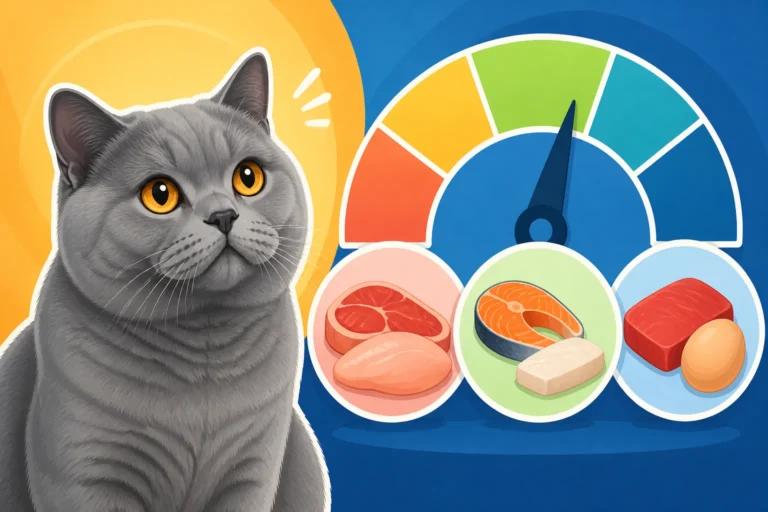
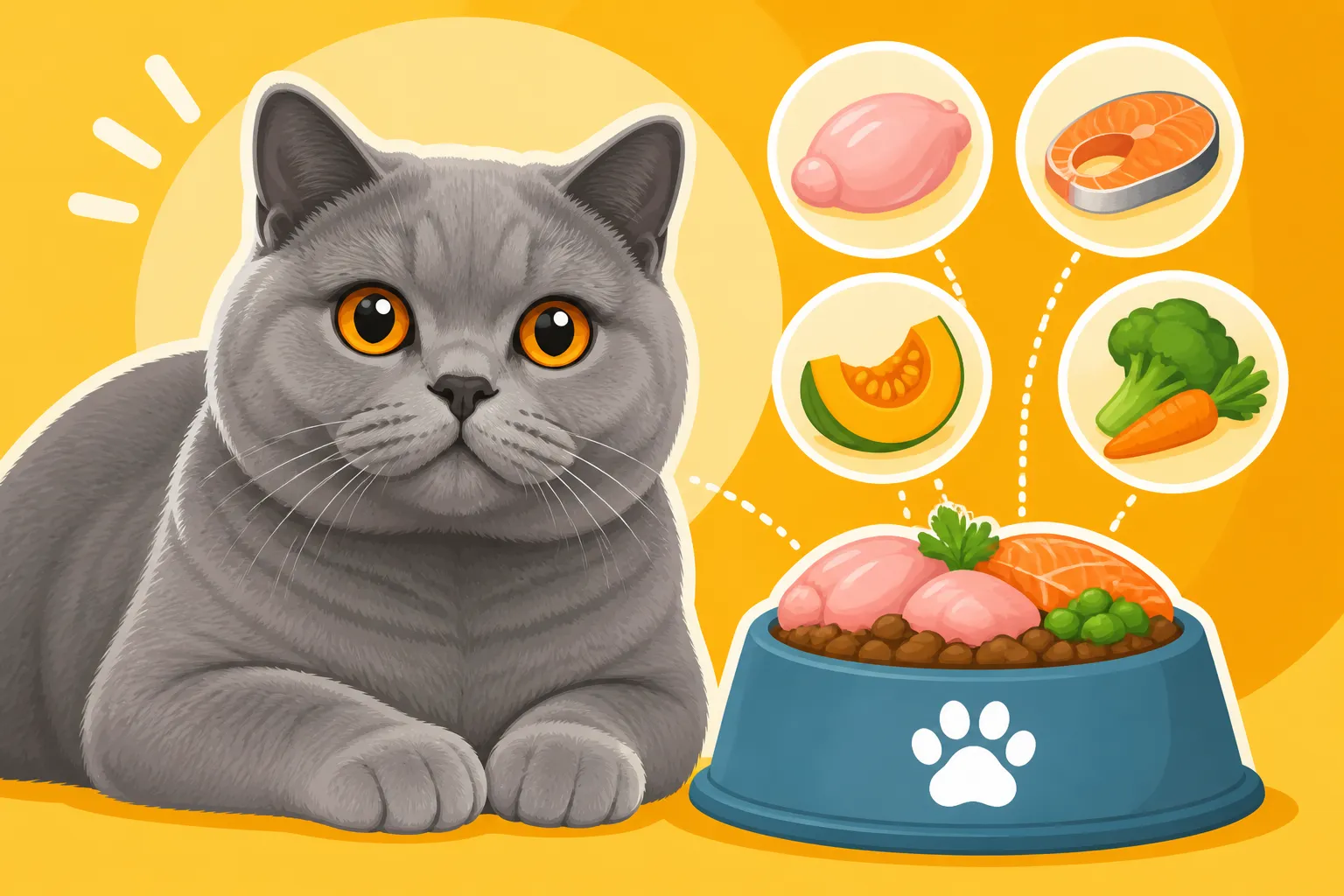
Cats, including British Shorthairs, are obligate carnivores. This isn't just a fancy term; it means their bodies are designed to thrive on animal-derived protein. They cannot get all the nutrients they need from plant-based sources, unlike omnivores. Therefore, the cornerstone of any suitable diet for a British Shorthair must be high-quality animal protein. We're talking about meat, poultry, or fish as the first and primary ingredients, not corn, wheat, or soy.
High-quality protein sources like chicken, turkey, salmon, or beef provide essential amino acids that British Shorthairs need for muscle maintenance, organ function, immune health, and even that dense, plush coat we discussed. Because British Shorthairs are prone to weight gain and have a tendency towards lower activity, ensuring their diet is rich in protein helps maintain lean muscle mass, which is crucial for a healthy metabolism. A diet too low in protein and too high in carbohydrates (often found in cheaper dry foods) can contribute to weight issues and other health problems.
When examining food labels, look for named meat sources at the very top of the ingredient list. "Chicken meal" or "lamb meal" are often excellent concentrated protein sources, as the water has been removed before processing, making them more nutrient-dense than whole meat with water included in the percentage. Avoid generic terms like "meat by-products" without further specification, as the quality can be inconsistent.
Essential Fats for Skin and Coat Health
Just like protein, fats are not the enemy; they are vital for your British Shorthair's health. Essential fatty acids, particularly Omega-3 and Omega-6, play a crucial role in maintaining healthy skin and that magnificent, dense coat. They contribute to the skin's barrier function, reducing dryness and flakiness, and giving the fur its characteristic shine and softness. Without adequate healthy fats, you might notice a dull coat, increased shedding, or even skin irritations.
Beyond coat health, fats are also a concentrated source of energy, and they help in the absorption of fat-soluble vitamins (A, D, E, and K). For a British Shorthair, who might be less inclined to burn off calories, the type and amount of fat are important. You want healthy fats, in moderation, that contribute to overall well-being. Sources like salmon oil, flaxseed oil, and chicken fat are beneficial.
When looking at ingredients, "chicken fat" is a good, specified animal fat source. For Omega-3s, fish oils like salmon oil or anchovy oil are excellent. Be cautious of foods with excessively high fat content if your British Shorthair is prone to being overweight, but don't eliminate fat entirely, as it's critical for their health. A balanced approach is key to harnessing the benefits of these essential nutrients.
Vitamins, Minerals, and Taurine: The Micronutrient Must-Haves
While protein and fat get a lot of attention, the array of vitamins, minerals, and other micronutrients are equally vital for your British Shorthair. These tiny powerhouses facilitate countless bodily functions, from bone health and immune response to energy production and nerve function. A complete and balanced diet should provide all these in the correct proportions, preventing deficiencies that can lead to serious health issues.
One of the most critical micronutrients for cats is Taurine. Unlike most mammals, cats cannot synthesize enough taurine in their own bodies and must obtain it through their diet. Taurine is found almost exclusively in animal tissue. A deficiency can lead to severe and irreversible conditions like feline dilated cardiomyopathy (a type of heart disease) and retinal degeneration (leading to blindness). This is why ensuring your cat's food explicitly states it contains taurine, or that it is "complete and balanced" according to AAFCO standards, is non-negotiable.
Other important vitamins and minerals include Vitamin A for vision and skin, Vitamin D for bone health, B vitamins for metabolism, and minerals like calcium and phosphorus for skeletal integrity. Reputable commercial cat foods formulate their products to meet these complex nutritional needs, often supplementing them to ensure optimal levels. This is another reason to choose a high-quality, "complete and balanced" diet rather than trying to create a homemade diet without expert veterinary nutritional guidance.
Evaluating Different Food Types for Your British Shorthair
The market is flooded with various types of cat food, each with its advocates and detractors. Understanding the nuances of dry kibble, wet food, and even raw or fresh-cooked options will help you decide which best aligns with your British Shorthair's specific needs and your lifestyle. There's no single "perfect" food, but there's definitely a best fit for your cat.
The Pros and Cons of Dry Kibble
Dry kibble is often the go-to for many cat owners due to its convenience, cost-effectiveness, and ease of storage. It doesn't spoil as quickly as wet food, and it can be left out for longer, which might seem appealing for a cat like the British Shorthair who might graze. Some kibble manufacturers also claim dental benefits, suggesting the crunching action helps scrape plaque off teeth.
However, dry kibble has significant downsides, especially for a British Shorthair. Its low moisture content is a major concern. Cats are naturally designed to get most of their hydration from their prey, and they often have a low thirst drive. A diet primarily of dry kibble can lead to chronic mild dehydration, which is a contributing factor to common feline issues like urinary tract problems and kidney disease. For British Shorthairs who may already be less active, this lack of adequate hydration can be exacerbated. Also, while some kibble may offer minimal dental benefits, it's rarely enough to replace regular dental care.
Furthermore, many dry kibbles are higher in carbohydrates and lower in animal protein compared to wet foods, simply due to the manufacturing process. This isn't ideal for an obligate carnivore prone to weight gain. While it might be a part of some cats' diets, it often isn't the ideal sole food source for a British Shorthair. If you do choose dry kibble, ensure it's high in animal protein, low in fillers, and always ensure your cat has ample fresh water available, perhaps even using a water fountain to encourage drinking.
Why Wet Food Often Wins for Hydration
Wet food, whether it's pâté, chunks in gravy, or shredded meat, generally has a moisture content of 70-80%, closely mimicking the hydration cats would naturally get from eating prey. This high moisture content is a huge advantage for British Shorthairs and all cats, as it helps support kidney function and maintains a healthy urinary tract. For a breed like the British Shorthair, who might be prone to conditions like urinary problems, sufficient hydration is a critical preventative measure. This is why many owners ask Whether a British Shorthair Needs Wet Food.
Beyond hydration, wet food often has a more favorable macronutrient profile for obligate carnivores – higher in protein, moderate in fat, and significantly lower in carbohydrates compared to most dry kibbles. This aligns better with a cat's natural diet, helping to maintain lean muscle mass and prevent unnecessary weight gain. The richness and aroma of wet food can also be more appealing to picky eaters, and it's generally easier to digest for some cats.
The main "cons" of wet food are often convenience and cost. It spoils quickly once opened and left out, requiring more frequent feeding times and careful storage. It can also be more expensive per serving than dry kibble. However, for the health benefits it offers, many British Shorthair owners find the extra effort and expense well worth it, especially when considering the potential long-term veterinary costs associated with dehydration-related illnesses.
Exploring Raw and Fresh-Cooked Options
In recent years, raw and fresh-cooked diets have gained popularity, promising closer adherence to a cat's ancestral diet. Raw diets typically consist of raw muscle meat, organs, and ground bone, aiming to replicate the nutrient profile of a whole prey animal. Fresh-cooked diets involve gently cooked ingredients, often human-grade, to preserve nutrients while potentially reducing pathogen risks associated with raw feeding. Many commercial fresh food options ship directly to your door.
Proponents argue that these diets offer superior digestibility, better nutrient absorption, improved coat condition, and fewer digestive issues. The high moisture content (similar to wet food) is another significant benefit. For a British Shorthair, a well-balanced raw or fresh diet could contribute to maintaining a healthy weight and excellent overall vitality.
However, these diets come with significant considerations. Raw feeding carries inherent risks of bacterial contamination (e.g., Salmonella, E. coli) for both the cat and household members. It also requires meticulous nutritional balancing; an improperly formulated raw diet can lead to severe nutrient deficiencies or excesses. Fresh-cooked diets minimize bacterial risks but still require careful balancing. They are typically more expensive and require more preparation and storage effort than commercial dry or wet foods. If considering these options, it's crucial to work with a veterinary nutritionist to ensure the diet is complete and balanced for your British Shorthair's specific needs. Do not attempt to formulate a raw or fresh-cooked diet on your own without expert guidance.
Special Dietary Considerations for Your British Shorthair
While general nutritional principles apply to all cats, British Shorthairs often have specific health tendencies that warrant particular dietary attention. Being proactive in these areas can significantly impact their quality of life and longevity.
Managing the British Shorthair's Predisposition to Obesity
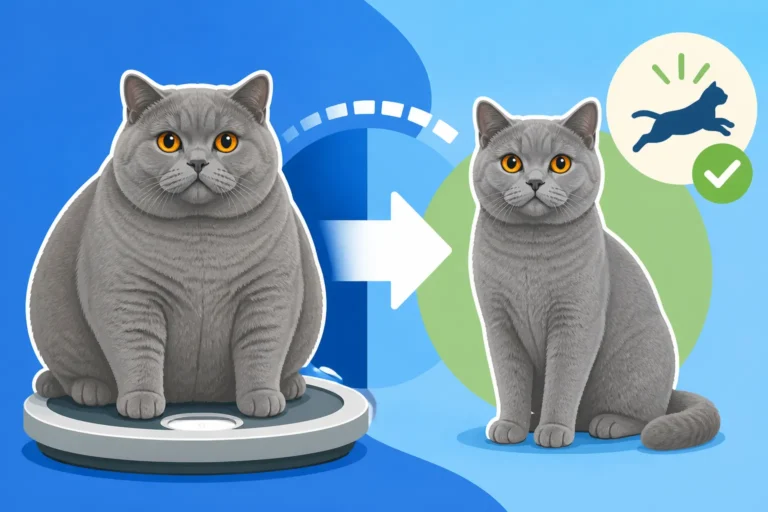
We've touched on it already, but it bears repeating: British Shorthairs are particularly susceptible to obesity. Their naturally sturdy build can easily be mistaken for healthy robustness, but a truly healthy British Shorthair should have a discernible waist and you should be able to feel their ribs under their plush coat without pressing too hard. What a British Shorthair Should Weigh on the Scale can give you a general idea, but body condition scoring is often more accurate.
If your British Shorthair is carrying extra weight, a calorie-controlled diet becomes essential. This often means switching to a weight management formula, which typically has fewer calories and sometimes higher fiber to promote satiety, while still providing all necessary nutrients. Remember, reducing portion sizes of their current food might not be enough if that food is already calorie-dense; they still need all their vitamins and minerals. The goal is steady, healthy weight loss, not a crash diet, which can be dangerous for cats and lead to hepatic lipidosis. How Many Weeks a British Shorthair Diet Should Take emphasizes the importance of a gradual approach.
Beyond the food itself, how you feed them is crucial. Why Free Feeding Ruins a British Shorthair is a concept many owners struggle with, but for this breed, portion control and scheduled meals are non-negotiable. Using puzzle feeders can also help slow down eating and provide some mental enrichment, turning mealtime into a mini-workout. Regular weigh-ins at home or with your vet can help you monitor progress and adjust their diet as needed.
Foods for Sensitive Stomachs and Allergies
Like any breed, British Shorthairs can develop food sensitivities or allergies, although they aren't uniquely prone to them more than other breeds. Symptoms might include vomiting, diarrhea, chronic soft stools, itchy skin, excessive grooming, or recurrent ear infections. Pinpointing the exact culprit can be a frustrating journey, often requiring an elimination diet under veterinary supervision.
If a food sensitivity is suspected, your vet might recommend a novel protein diet (featuring a protein source your cat hasn't eaten before, like venison or duck) or a hydrolyzed protein diet (where proteins are broken down into tiny molecules that are less likely to trigger an immune response). These specialized diets are designed to reduce the allergic reaction while still providing complete nutrition.
It's important to differentiate between a food sensitivity (which causes digestive upset) and a true food allergy (which involves an immune response, often affecting skin as well as digestion). Both require careful dietary management. Always consult your veterinarian before making drastic changes to your British Shorthair's diet, especially if you suspect an allergy, as incorrect management can worsen their condition.
Age-Appropriate Nutrition: Kittens, Adults, and Seniors
Nutritional needs change throughout a British Shorthair's life, and their food should adapt accordingly.
- Kittens: British Shorthair kittens are rapidly growing and developing, requiring a diet that is higher in calories, protein, and specific nutrients like DHA for brain and eye development. Look for foods specifically formulated for "kittens" or "all life stages," ensuring they support healthy growth. They typically stay on kitten food until around 12 months of age, or sometimes even up to 18 months for larger breeds still filling out. How Long a British Shorthair Stays on Kitten Food explores this further.
- Adults: Once your British Shorthair reaches maturity (typically around one year, though they continue to fill out until three to five years), they should transition to an adult formula. This is where managing their weight becomes critical. Adult foods are formulated to maintain a healthy body condition with appropriate protein, fat, and calorie levels for their more sedentary lifestyle. This is the stage where you'll be most concerned about How Many Calories a British Shorthair Needs.
- Seniors: As your British Shorthair ages (typically around 10-12 years), their nutritional needs may shift again. Caring for an Old British Shorthair includes dietary adjustments. They might become less efficient at digesting fats and proteins, or they could develop conditions like arthritis, kidney disease, or hyperthyroidism, all of which might require specific therapeutic diets. Senior cat foods often contain joint-supporting supplements, easily digestible proteins, and controlled phosphorus levels to support kidney health. Regular veterinary check-ups are vital to catch age-related issues early and tailor their diet accordingly.
Choosing a Quality Commercial Food
With so many brands lining the shelves (and filling online carts from Chewy or Amazon), discerning a truly good quality food from clever marketing can be tough. But arming yourself with knowledge about labels and ingredients will make you a savvy shopper.
Decoding the Ingredient List
The ingredient list is your most powerful tool when selecting commercial cat food. Don't be swayed by marketing claims on the front of the bag or can; flip it over and read the fine print.
- First Few Ingredients: The first five ingredients make up the bulk of the food. For a British Shorthair, you want to see named animal protein sources (e.g., "chicken," "salmon," "lamb meal") at the very top. Avoid foods where grains, corn, or unnamed "meat by-products" are among the first few ingredients.
- Specific Meat Sources: Look for clearly identified meat, poultry, or fish. "Chicken meal" or "turkey meal" are excellent because they're concentrated protein after water removal. Be wary of generic terms like "meat protein," which could come from various, less desirable sources.
- Avoid Excessive Fillers: While some carbohydrates are present even in high-quality foods (especially dry kibble for binding), look for digestible, beneficial sources like sweet potato or peas rather than corn, wheat, or soy. These can be difficult for cats to digest and often contribute to unnecessary calories.
- Healthy Fats: As mentioned, look for specified animal fats (like chicken fat) and sources of Omega-3s (like fish oil or flaxseed).
- Added Vitamins and Minerals: A complete food will list a comprehensive array of vitamins and minerals, often towards the end of the list. Crucially, ensure Taurine is present.
Recognizing Reputable Brands and Formulations
The pet food industry is vast, but some brands consistently stand out for their commitment to research, quality ingredients, and rigorous testing. While I can't endorse a specific brand, there are characteristics of reputable companies to look for. Brands available on platforms like Chewy or Amazon often have extensive customer reviews and detailed product information, which can be helpful, but remember to cross-reference with actual ingredient lists and nutritional guarantees.
Reputable brands often invest in veterinary nutritionists to formulate their diets. They perform feeding trials, have stringent quality control measures, and are transparent about their sourcing. They also offer a range of specialized diets for different life stages and health conditions. Brands that are willing to openly discuss where their ingredients come from and their manufacturing processes often indicate a higher level of trustworthiness.
Be wary of brands that make unrealistic claims (e.g., "cures all ailments") or those that rely heavily on buzzwords without backing them up with solid ingredient lists. A good rule of thumb is to check if the brand has a website with detailed information, and if they have a customer service line where you can ask specific questions about their ingredients and manufacturing.
Understanding AAFCO Statements
The Association of American Feed Control Officials (AAFCO) is a non-profit organization that sets standards for pet food labeling in the United States. While AAFCO doesn't regulate pet food directly, most states have adopted its model regulations, meaning pet food labels must comply. An AAFCO statement is your assurance that a food is nutritionally complete and balanced.
Look for a statement on the label that says something like: "[Product Name] is formulated to meet the nutritional levels established by the AAFCO Cat Food Nutrient Profiles for [life stage]." The life stage will typically be "growth," "adult maintenance," or "all life stages."
- "Growth" is for kittens and pregnant/nursing queens.
- "Adult Maintenance" is for healthy adult cats.
- "All Life Stages" means it's suitable for kittens, adults, and pregnant/nursing queens.
If a food claims to be "complete and balanced," it must have an AAFCO statement to back it up. Without this statement, the food is considered a "snack" or "supplement" and should not be fed as your British Shorthair's sole diet. This simple stamp of approval is vital for ensuring your cat is getting all the nutrients they need without deficiencies.
Transitioning and Feeding Practices for Your British Shorthair
Once you've chosen a suitable food, how you introduce it and manage daily feeding is just as important as the choice itself. A smooth transition and consistent feeding routine will ensure your British Shorthair happily accepts their new diet and maintains optimal health.
The Gradual Switch: Avoiding Upset Stomachs
Cats, and especially British Shorthairs who can be creatures of habit, don't typically do well with sudden dietary changes. Their digestive systems need time to adjust to new ingredients and formulations. Introducing a new food too quickly can lead to digestive upset, such as vomiting, diarrhea, or a complete refusal to eat, which is stressful for both you and your cat.
The golden rule for switching foods is to do it gradually over 7 to 10 days. Start by mixing a small amount of the new food with their old food. A good starting point is about 75% old food and 25% new food for a couple of days. If your British Shorthair tolerates this well, slowly increase the proportion of the new food while decreasing the old food over the subsequent days.
| Day | Old Food Percentage | New Food Percentage |
|---|---|---|
| 1-2 | 75% | 25% |
| 3-4 | 50% | 50% |
| 5-6 | 25% | 75% |
| 7+ | 0% | 100% |
Monitor your cat closely during this transition. Look for any signs of digestive upset or refusal to eat. If you notice any issues, slow down the transition and maintain the current ratio for a few more days until their system settles. Patience is key here; a smooth transition is always better than a rushed one that causes discomfort.
Portion Control and Feeding Schedules
For British Shorthairs, given their predisposition to weight gain and generally lower activity levels, strict portion control is absolutely non-negotiable. Free-feeding, where food is left out all day for them to graze, is often the culprit behind an overweight British Shorthair. Why Free Feeding Ruins a British Shorthair is something many owners learn the hard way.
Instead, implement a scheduled feeding routine. Most adult British Shorthairs do well with two meals a day, morning and evening. The exact amount of food will depend on the food's caloric density, your cat's age, activity level, and target weight. Always follow the feeding guidelines on the food packaging as a starting point, but remember these are just guidelines. You may need to adjust based on your cat's individual needs. Using a kitchen scale to measure portions precisely ensures accuracy, rather than relying on scoops which can be inconsistent.
Sticking to a schedule also helps you monitor your cat's appetite, which can be an early indicator of illness if they suddenly stop eating. It also provides structure to their day and prevents them from overeating out of boredom. For multi-cat households, especially if one cat needs a specific diet, consider microchip feeders or feeding in separate rooms to ensure each cat only eats their designated portion.
Ensuring Adequate Water Intake
Regardless of the type of food you choose, ensuring your British Shorthair has access to plenty of fresh, clean water is paramount. As we discussed, cats have a naturally low thirst drive, and getting enough hydration is crucial for preventing urinary and kidney issues. This is especially true if their diet includes any amount of dry kibble.
Encourage water intake by providing multiple water bowls in different locations around the house. Some British Shorthairs prefer ceramic or stainless steel bowls over plastic. Consider investing in a cat water fountain, as many cats are attracted to the running water, which often tastes fresher. Change their water daily, and clean their bowls regularly to prevent bacterial buildup.
Adding wet food to their diet, even if only as a partial meal, can significantly boost their daily fluid intake. You can also add a small amount of plain, low-sodium chicken or beef broth (ensure no onion or garlic!) to their water or food as an extra enticement. Monitoring their water intake and making it appealing will go a long way in supporting their overall health and preventing common feline health problems.
Disclaimer
This article is for general informational purposes only and does not constitute professional advice. Laws, prices and regulations vary by location and change over time. Consult a qualified professional for guidance on your specific situation.