How Long a British Shorthair Stays on Kitten Food
It’s a common dilemma for British Shorthair owners: you’ve got this adorable, chunky little kitten, thriving on its special kitten food, and then you start to wonder, "When do I actually switch it over to adult food?" It feels like such a big decision, doesn’t it? You don't want to stunt their growth, but you also don't want to encourage them to become overweight, which these lovely, laid-back cats are prone to. This guide is here to walk you through exactly when and how to transition your British Shorthair from kitten kibble to adult formulas, ensuring they get all the right nutrients for their unique developmental stages.
Understanding Your British Shorthair Kitten's Growth Needs
Bringing a British Shorthair kitten home is an absolute joy. Those big, round eyes and plush coats just melt your heart. But beneath that adorable exterior is a little powerhouse of growth and development. They aren't just getting bigger; their bones, muscles, and organs are all rapidly maturing, and this intense period requires very specific nutritional support. It’s not just about more food; it's about the right kind of food.
The Rapid Growth Phase: Why Kitten Food is Crucial
During their first year, British Shorthair kittens experience incredible growth, arguably more so than many other breeds due to their robust bone structure and eventual mature size. Kitten food is specially formulated to fuel this demanding period. It’s packed with higher levels of protein to support muscle development, more fat for energy to sustain their playful antics (even if British Shorthairs are generally calmer, kittens still have bursts of energy!), and crucial vitamins and minerals like calcium for strong bones and teeth. Think of it like a human baby needing specific formula before moving onto solid foods – it’s tailored to their unique, accelerated needs.
Moreover, kitten food often contains specific levels of DHA, an omega-3 fatty acid that is vital for brain and vision development. While adult British Shorthairs are known for their calm and composed nature, a kitten needs every advantage for developing cognitive function and alertness. Skipping this specialized nutrition can lead to deficiencies that might impact their long-term health, energy levels, and even their temperament. You might notice a kitten on inadequate food seeming lethargic or having a duller coat. It's a foundational diet for a foundational time in their lives, setting them up for a long, healthy future.
When "Kittenhood" Truly Ends for a British Shorthair
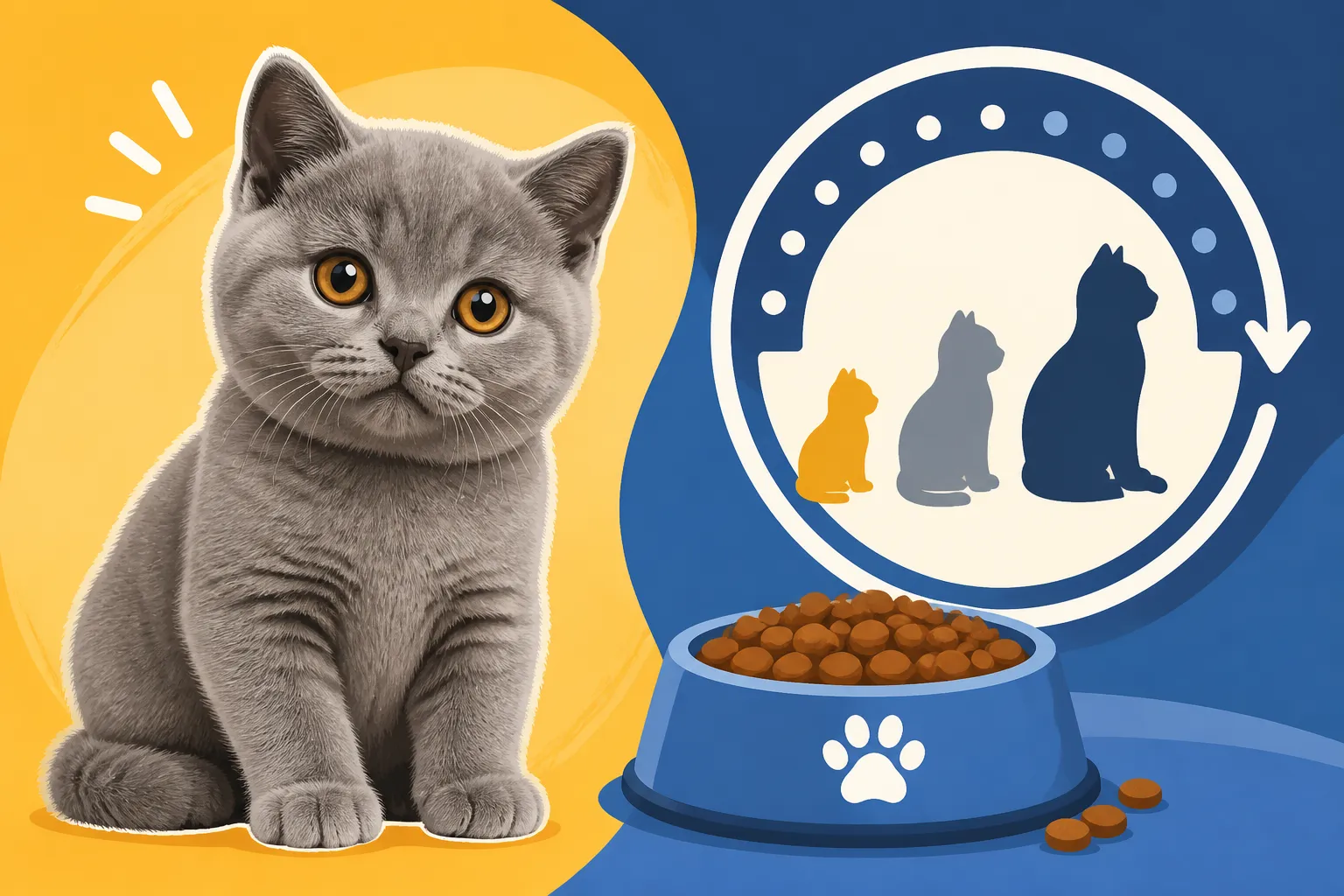
Now, here’s where it gets a little less straightforward than just "one year old." While many cat food brands label their kitten formulas for "up to 12 months," British Shorthairs are a moderately slow-maturing breed. They often don't reach their full physical size and heft until they are closer to three to five years old, particularly the males with their impressive jowls. However, their rapid skeletal and muscular development largely tapers off by around 12 to 18 months. This is the critical window we're talking about when it comes to switching from kitten to adult food.
The exact timing can depend on several factors, including their individual growth rate, their current body condition, and whether they are spayed or neutered. Typically, most British Shorthairs can begin transitioning to an adult diet around their first birthday, but some might benefit from a few extra months on kitten food, especially if they are still appearing very lean or are a large male who still seems to be bulking up rapidly. Always remember, the "kitten" stage for nutritional purposes isn't necessarily the same as their "kitten" playful behavior stage, which can last a bit longer!
The Nutritional Shift: What Changes in Adult Food
Transitioning your British Shorthair to adult food isn't just about different sized kibble. It's about a fundamental shift in the nutritional profile to support a less intense growth rate and a more stable metabolism. Ignoring this shift can lead to common health issues that British Shorthairs are unfortunately predisposed to.
Key Differences: Calories, Protein, and Fat Content
The most significant difference between kitten and adult cat food lies in their caloric density and macronutrient ratios. Kitten food is calorie-dense, high in fat, and typically has a higher protein content to support that rapid growth. It's formulated for a tiny body that's constantly building new tissue and expending a lot of energy. Adult British Shorthairs, on the other hand, especially after spaying or neutering, have a much slower metabolism and significantly lower energy requirements.
| Nutrient Category | Kitten Food | Adult Cat Food | Implications for British Shorthair |
|---|---|---|---|
| Calories | Higher | Lower | Essential for preventing obesity |
| Protein | Higher | Moderate-High | Supports muscle maintenance, not rapid growth |
| Fat | Higher | Moderate | Reduces risk of unhealthy weight gain |
| Vitamins/Minerals | Higher for growth | Balanced for maintenance | Prevents deficiencies and excesses |
| Fiber | Moderate | Moderate-High | Aids digestion, helps satiety |
As you can see, adult food is designed for maintenance, not intense growth. It still provides a complete and balanced diet, but with fewer calories per serving to match the reduced energy output of a maturing cat. This is particularly important for British Shorthairs, who are known for their calm, sometimes sedentary, lifestyle. Without the right balance, they can easily pack on the pounds.
The Risks of Staying on Kitten Food Too Long
One of the biggest pitfalls of keeping a British Shorthair on kitten food for too long is the increased risk of obesity. These cats are naturally cobby and robust, and it can be hard to tell a chunky cat from an overweight one sometimes, especially with their dense, plush coats. But feeding a calorically dense kitten food to a cat whose growth has slowed is a direct path to unhealthy weight gain. Why a British Shorthair Gains Weight So Easily is a struggle many owners face, and continued kitten food beyond their developmental needs only exacerbates it.
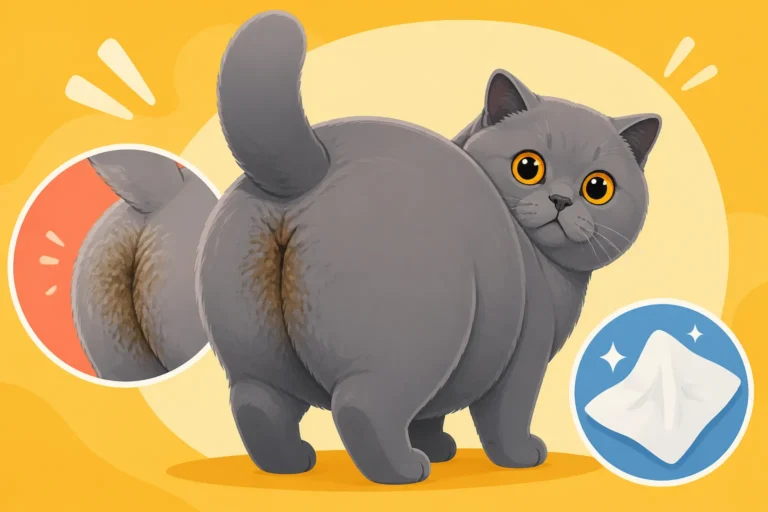
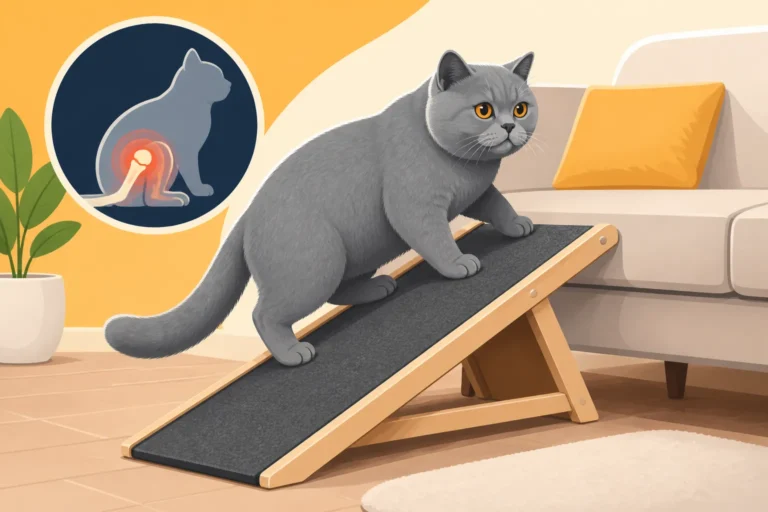
Obesity in British Shorthairs can lead to a cascade of health problems. It puts undue stress on their joints, potentially leading to arthritis, and increases their risk of diabetes. What Obesity Does to a British Shorthair's Joints is a serious concern, as these heavy-boned cats already carry significant weight. Beyond physical ailments, an overweight British Shorthair might struggle with grooming, leading to coat issues and skin problems, as they simply can't reach their backs effectively. It also impacts their quality of life, making them even less inclined to play or move. Therefore, making the switch at the right time is a preventative measure against a host of future health complications, keeping your British Shorthair active and healthy for years to come.
Signs Your British Shorthair is Ready for Adult Food
Knowing when to switch can feel like a guessing game. Your kitten might still seem like a tiny fluffball, but their body is often sending clear signals that it's time to adjust their diet. Paying attention to these subtle cues, both physical and behavioral, is key to making the transition smoothly and at the optimal time for your British Shorthair's long-term health.
Physical Maturity Versus Behavioral Cues
The primary indicator that your British Shorthair is ready for adult food is their physical maturity. Generally, this means they are approaching or have reached their full height and length, even if they haven't put on their full adult musculature or developed those characteristic impressive jowls. For most British Shorthairs, this happens around 10-12 months of age, though some larger males might continue their rapid structural growth for a few more months. You might notice their playful bursts becoming less frequent, and their overall activity level settling into that famously calm British Shorthair demeanor. They're still active, but perhaps not quite as frantically energetic as their younger kitten selves.
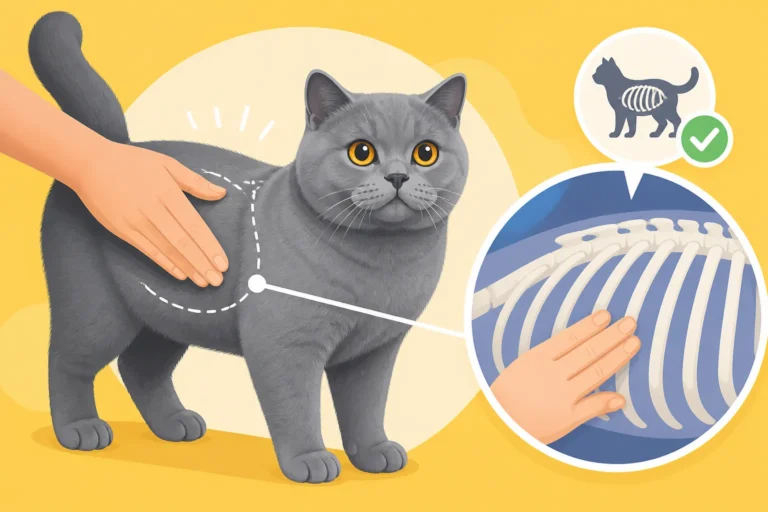
A good way to gauge their physical state is through their body condition. While a British Shorthair's dense coat makes it tricky, you should still be able to feel their ribs with slight pressure, and perhaps a subtle waistline when looking down on them from above. If they're starting to look a bit rounder than necessary, or if their energy levels are dropping dramatically, these are strong hints that their metabolism is slowing, and they no longer require the intense caloric intake of kitten food. You don't want to see them What a British Shorthair Should Weigh at One Year already pushing towards the higher end of a healthy adult range.
Consulting Your Veterinarian
When in doubt, your veterinarian is your best resource. They can provide an objective assessment of your British Shorthair's growth and overall health. During their annual check-up around the one-year mark, your vet will perform a full physical examination, including weighing them and assessing their body condition score. This is far more accurate than just guessing. They can tell you if your cat is still developing rapidly or if they’re starting to show signs of excessive weight gain that would necessitate a switch.
Furthermore, your vet can discuss specific dietary needs, especially if your British Shorthair has any underlying health concerns or is already showing a tendency towards being overweight. They might recommend a particular brand, or even a specific formulation for a breed prone to being a little on the heavy side. This professional guidance ensures you're making the most informed decision for your unique cat. Don't hesitate to ask them, "Is my British Shorthair ready for adult food?" It's what they're there for!
Making the Transition to Adult British Shorthair Food
Once you’ve decided it’s time to switch, the process itself is crucial. A sudden change in diet can lead to digestive upset, which is unpleasant for both you and your British Shorthair. Gradual introduction is the name of the game, giving their digestive system time to adjust to the new ingredients and nutritional profile.
A Gradual Approach to Avoid Upset Stomachs
Cats, like many animals, have sensitive digestive systems. Abruptly changing their food can lead to vomiting, diarrhea, or a complete refusal to eat the new diet. Nobody wants that! The trick is to introduce the new adult food slowly, mixing it with their current kitten food over a period of about 7 to 10 days. This allows their gut microbiome to adapt and prevents stress.
Here’s a typical transition schedule:
- Days 1-2: Mix 75% old food with 25% new food.
- Days 3-4: Mix 50% old food with 50% new food.
- Days 5-6: Mix 25% old food with 75% new food.
- Days 7-10: 100% new food.
Throughout this process, keep a close eye on your British Shorthair. Watch for any signs of digestive upset, such as changes in stool consistency or frequency. If you notice any issues, slow down the transition. You can extend each step for a few more days until their system adjusts. Patience is truly a virtue here, ensuring a comfortable transition for your feline companion.
Choosing the Right Adult Food
Selecting the right adult food for your British Shorthair is just as important as the timing of the switch. Given their tendency to gain weight and their generally lower activity levels, a good quality adult formula that focuses on lean muscle maintenance and healthy weight is ideal. Look for foods that list a high-quality animal protein (like chicken, turkey, or fish) as the first ingredient. Many reputable brands offer specific "indoor cat" formulas or "weight management" options, which can be excellent choices for British Shorthairs, as they are typically less calorically dense.
Consider both dry and wet food options. Wet food can be beneficial for British Shorthairs, as it provides more moisture, which is good for urinary tract health, and can help them feel fuller on fewer calories. Brands like Blue Buffalo, Royal Canin, or Purina Pro Plan are often recommended by vets and readily available through retailers like Chewy or Amazon. If you're looking for something with a fresh, human-grade approach, fresh food services offering tailored plans are becoming popular, though it's always worth checking their suitability for a British Shorthair's specific needs with your vet. Remember, How Many Calories a British Shorthair Needs a Day can vary, so consult the feeding guidelines on the bag and adjust based on your cat's individual activity level and body condition. Don't be tempted by super cheap, filler-heavy foods; investing in quality nutrition now will save you potential vet bills down the line.
Disclaimer
This article is for general informational purposes only and does not constitute professional advice. Laws, prices and regulations vary by location and change over time. Consult a qualified professional for guidance on your specific situation.