Why an Aging British Shorthair Stops Grooming
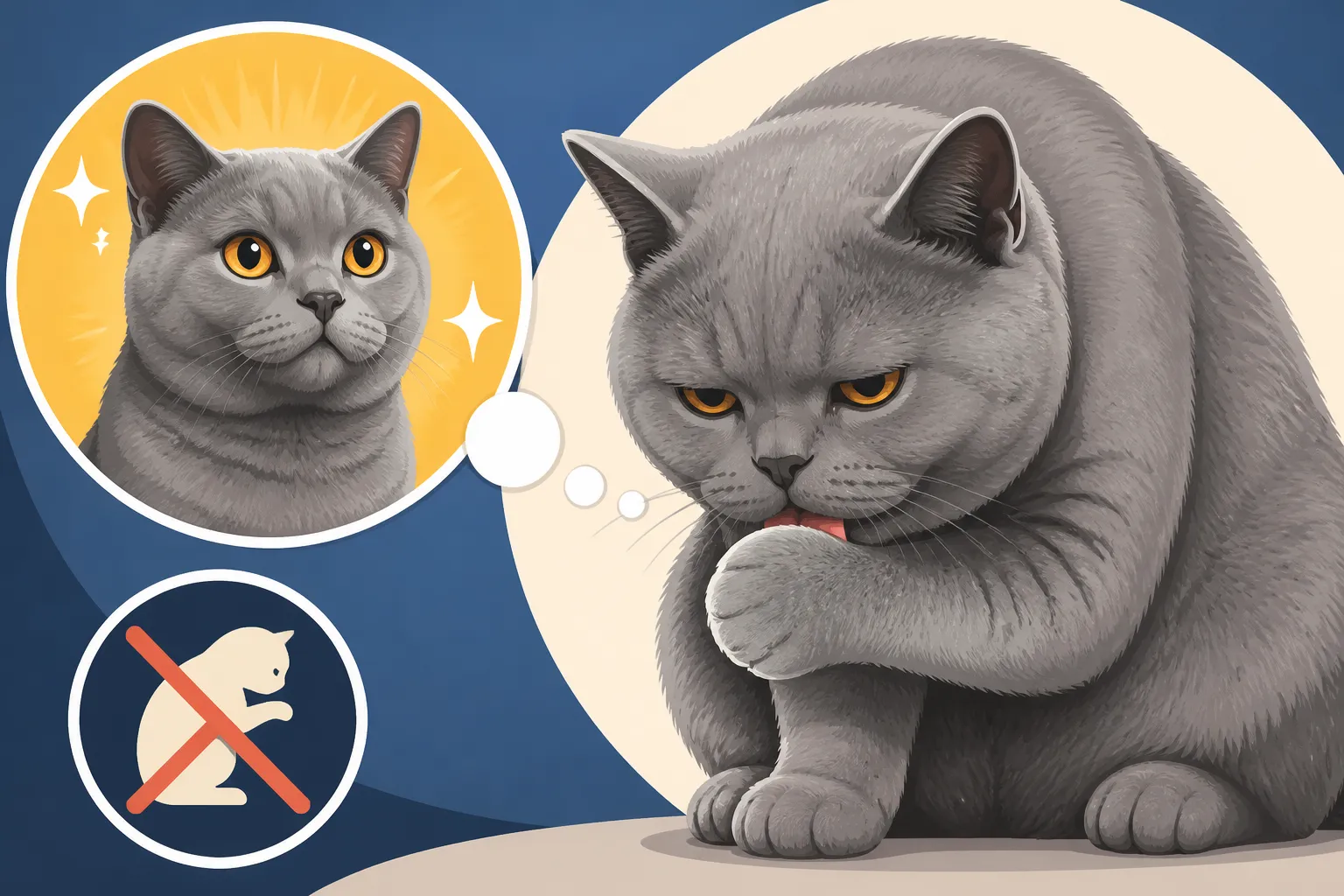
It’s a common, heartbreaking sight for British Shorthair owners: your once meticulously groomed, plush-coated companion starts looking a bit disheveled. Those days of seeing them curled up, diligently licking every inch of their dense fur, seem to fade as they enter their golden years. This guide will walk you through the many reasons why an aging British Shorthair might stop grooming, delve into the health concerns that often underlie this change, and, most importantly, provide actionable steps to help your beloved senior furball stay comfortable, clean, and healthy.
The Physical Hurdles of Senior Self-Grooming
As our cherished British Shorthairs age, their bodies simply don't move with the same ease and flexibility they once did. What used to be a simple stretch and lick can become an arduous, even painful, task. This isn't laziness; it's often a direct result of age-related physical changes that make the intricate ballet of self-grooming far more challenging.
Arthritis and Joint Stiffness
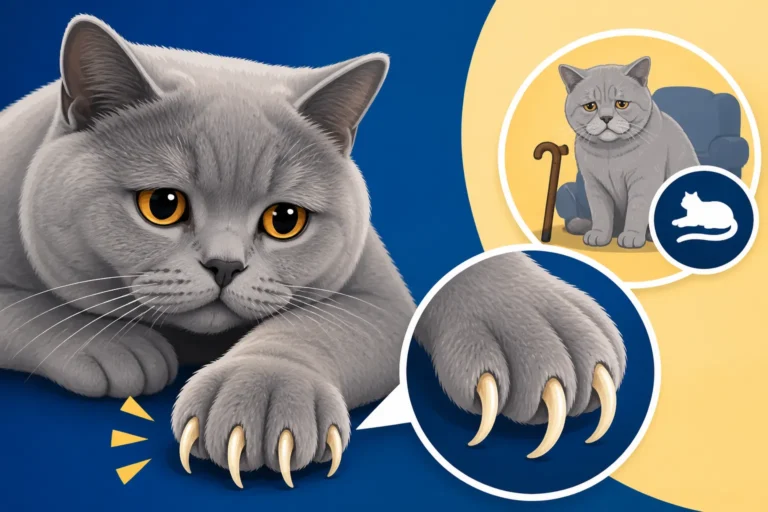
Imagine trying to reach your toes when your knees and back ache. That’s a bit like what an older British Shorthair experiences. Arthritis, or degenerative joint disease, is incredibly common in senior cats, and British Shorthairs, with their stocky build, can be particularly prone to it. The pain and stiffness in their hips, spine, elbows, and even shoulders can make twisting, turning, and bending to reach certain areas, especially their lower back, tail, and hindquarters, incredibly difficult. They might start avoiding positions that cause discomfort, leading to unkempt patches of fur. You might notice them moving more slowly, hesitating before jumping, or struggling to get up from a nap. This isn't just a minor inconvenience; it's a constant source of discomfort that impacts their daily life, including their ability to groom. Many owners initially dismiss these changes as "just old age," but it's crucial to understand that their reduced mobility is often rooted in pain. Arthritis in an Older British Shorthair is a deep dive into this particular challenge.
Obesity and Reduced Flexibility
British Shorthairs are notoriously good at putting on weight. Their calm, sometimes sedentary nature, combined with their love for food, can easily lead to a hefty physique. While a chubby kitten is adorable, an overweight senior cat faces significant health challenges. If your British Shorthair carries extra pounds, particularly around their abdomen and hips, it literally gets in the way of grooming. Reaching around a portly belly to clean their flanks or contorting to reach their lower back becomes almost impossible. The physical barrier of excess fat severely restricts their flexibility and range of motion. Think of trying to tie your shoes with a pillow strapped to your stomach – it’s just not practical. This isn't just about aesthetics; obesity exacerbates joint pain and can lead to a host of other health issues, further diminishing their energy and desire to groom. Obesity Is the British Shorthair's Real Disease explains why this breed gains weight so easily.
Decreased Vision and Coordination
Just like humans, cats can experience a decline in their senses as they age. Diminished eyesight, sometimes due to cataracts or other ocular conditions, can make it harder for them to accurately target areas for grooming. They might miss spots, or simply find the effort of orienting themselves to groom efficiently too much. Additionally, some senior cats may experience a slight decline in coordination or balance. This can make them feel less stable when contorting their bodies, leading to a reluctance to attempt complex grooming maneuvers. They might even stumble or lose balance, which can be frightening and discourage further attempts at self-grooming. A cat relies heavily on its senses for navigation and self-care, and when these start to wane, simple tasks become complicated.
Underlying Health Concerns Impacting Self-Care
Sometimes, a decline in grooming isn't just about stiff joints or a little extra weight; it can be a significant red flag for an underlying medical condition. Cats are masters at hiding pain and illness, so a change in grooming habits is often one of the first subtle clues that something more serious is at play. Ignoring these signs can delay crucial diagnosis and treatment.
Oral Health and Discomfort
Can you imagine trying to brush your teeth if your mouth was throbbing with pain? Our British Shorthairs certainly can't groom themselves properly if their mouths hurt. Dental disease, ranging from gingivitis to severe periodontitis, is incredibly common in older cats. Infected gums, loose teeth, or painful lesions in the mouth can make licking and chewing excruciating. If grooming causes them oral pain, they will naturally avoid it. You might notice bad breath, drooling, pawing at their mouth, or a sudden aversion to certain foods. Sometimes, they might even attempt to groom but quickly stop, indicating the discomfort. A professional dental cleaning and examination by a vet is often necessary to address these issues, which can sometimes resolve the grooming problem entirely. Regular check-ups are vital for identifying and treating problems early, as discussed in Gingivitis in a British Shorthair.
Metabolic Shifts and Skin Changes
Hyperthyroidism, a condition where the thyroid gland produces too much thyroid hormone, is a common ailment in older cats. While many associate it with weight loss and increased appetite, it can also manifest as poor coat condition and changes in grooming. Cats with hyperthyroidism might have greasy, matted fur, or they might over-groom certain areas due to skin irritation caused by the metabolic imbalance, or conversely, stop grooming altogether because they feel generally unwell. The skin itself can become flaky or oily, making grooming less effective and more uncomfortable. Other metabolic diseases, like kidney disease or diabetes, can also impact a cat's overall well-being, leading to lethargy and a decreased interest in self-care. When a cat feels perpetually under the weather, grooming often falls by the wayside. Hyperthyroidism in an Older British Shorthair explores this common condition in more detail.
Neurological Impairments Affecting Mobility
While less common, some neurological conditions can affect a senior British Shorthair's ability to groom. Cognitive dysfunction, sometimes referred to as "feline dementia," can lead to disorientation, confusion, and a decrease in their usual routines, including grooming. They might forget to groom, or simply lose the motivation. Conditions affecting the spine or nerves can also impair their motor skills, making the precise movements required for effective grooming difficult or impossible. If you notice other signs like changes in sleep patterns, vocalization, or interactions with you, alongside poor grooming, it's worth considering neurological causes.
Urinary Tract and Anal Gland Issues
Discomfort or pain in the lower body can also lead to poor grooming, particularly around the hindquarters. Urinary tract infections (UTIs) or bladder stones can cause pain when urinating, which might make a cat hesitant to engage in grooming near that area. Similarly, impacted or infected anal glands can be extremely painful and make sitting or moving their tail uncomfortable, leading to a neglected rear end. If your British Shorthair is leaving urine or feces on their fur, or if you notice them scooting or frequently licking their anal area, these could be signs of underlying urinary or anal gland problems that are directly impacting their ability or willingness to groom themselves.
Helping Your Senior British Shorthair Stay Spick and Span
Recognizing that your senior British Shorthair is struggling with grooming is the first step. The next is taking proactive measures to assist them. This isn't about doing the grooming for them entirely, but rather providing support and making the process easier and more comfortable.
A Gentle Grooming Routine
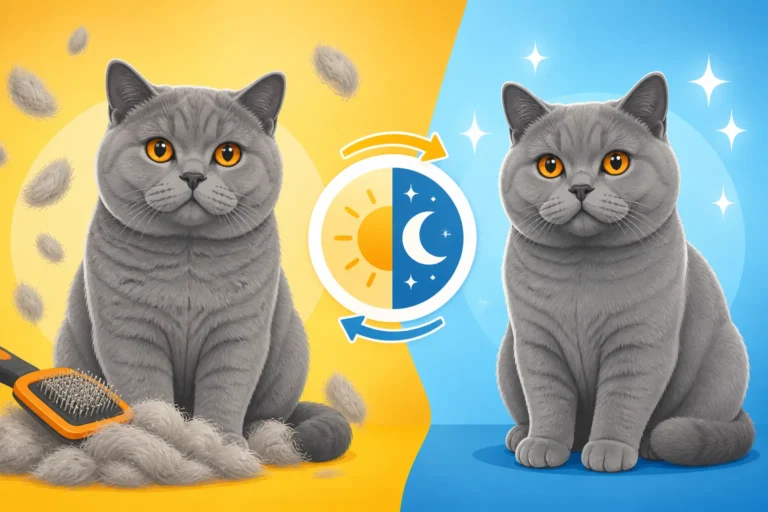
This is where you become their personal groomer! Regular, gentle brushing is paramount. A good quality metal comb or a soft bristled brush can work wonders for removing loose fur, preventing mats, and distributing natural oils. Focus on areas they can no longer reach, like their back, behind their ears, and their hindquarters. Make it a bonding experience, not a chore. Short, frequent sessions (5-10 minutes) are often better than long, exhaustive ones. Start slowly, use positive reinforcement (treats, gentle praise), and stop if they show signs of discomfort or stress. You can find excellent grooming tools on platforms like Amazon or Chewy, specifically designed for thick-coated cats. Remember, What an Aging British Shorthair's Coat Looks Like can guide you on what to expect.
Here’s a simple routine to consider:
- Daily Brush: A soft rubber brush or a fine-toothed metal comb for a few minutes.
- Weekly De-shed: A specialized de-shedding tool (used sparingly and carefully) to remove undercoat.
- Spot Cleaning: Use pet-safe wipes for dirty patches, especially around the hindquarters.
- Nail Trimming: Older cats might not wear down their nails as effectively, so regular trimming prevents overgrowth and discomfort.
Supporting Mobility and Comfort
Addressing any underlying joint pain or stiffness is critical. Your veterinarian can recommend appropriate pain management strategies, which might include anti-inflammatory medications, joint supplements (like glucosamine or chondroitin, readily available on Chewy or Amazon), or even physical therapy exercises. Creating a comfortable environment is also key. Provide easily accessible, low-sided litter boxes so they don't have to climb high. Offer orthopedic beds that support their joints. Place ramps or steps leading to their favorite elevated spots, like windowsills or sofas, reducing the need for strenuous jumps. Warmth can also be soothing for aching joints, so a heated bed or a cozy blanket can be a welcome addition. Investing in these comfort items can make a huge difference in their overall well-being and willingness to move, which in turn can indirectly aid grooming.
Nutritional Adjustments and Hydration
Diet plays a huge role in a senior cat's health, and by extension, their grooming habits. If obesity is a factor, working with your vet on a weight management plan is essential. How Much an Adult British Shorthair Eats will give you a baseline. Switching to a senior-specific diet, which often has controlled calorie content and added joint support, can be beneficial. Many reputable brands offer formulas tailored for aging cats, available through Chewy or local pet stores. Hydration is also incredibly important for skin and coat health, as well as kidney function. Encourage water intake by offering fresh water in multiple bowls, or consider a cat water fountain. Wet food diets can significantly increase their daily water consumption, which is particularly helpful for senior cats who might not drink enough from bowls alone.
Environmental Adjustments
Beyond ramps and comfy beds, consider other ways to make your home more senior-cat-friendly. Ensure their litter boxes are easy to access and keep them impeccably clean, as a senior cat with reduced mobility or pain might avoid a dirty box. A low-sided, large litter box is often ideal. Keep their sleeping and eating areas quiet and easily reachable. If they have vision problems, try to keep furniture in consistent locations to minimize confusion. Even gentle daily interaction and play, using toys that don't require much strenuous movement, can help keep their minds active and encourage some level of physical activity.
When to Seek Veterinary Guidance for Grooming Changes
While assisting your British Shorthair with grooming at home is wonderful, it's absolutely vital to involve your veterinarian. A decline in grooming is a symptom, not a diagnosis, and professional medical advice is indispensable for uncovering the root cause.
Recognizing the Signs of Struggle
Pay close attention to how your cat grooms, not just if they groom. Are they struggling to reach certain spots? Are they vocalizing in pain when they try to bend? Do they groom excessively in one area, suggesting irritation or pain there? Other red flags include:
- Mats or tangles forming rapidly.
- A greasy, unkempt, or flaky coat.
- Excessive shedding or bald patches.
- Strong odors coming from their fur, particularly around the hindquarters.
- Changes in appetite, thirst, or litter box habits.
- Lethargy, hiding, or changes in temperament.
These are all signs that your senior British Shorthair needs veterinary attention. Why an Aging British Shorthair Stops Grooming is a good start, but a vet visit is the next step.
The Importance of Senior Wellness Exams
Regular senior wellness exams are non-negotiable for British Shorthairs once they reach "senior" status, typically around 7-10 years of age. The Age a British Shorthair Is Considered Senior can help you determine this. These check-ups allow your vet to catch potential issues early, often before they become severe. During these exams, your vet will perform a thorough physical, including checking their teeth, palpating their joints, and assessing their overall body condition. They will also likely recommend routine blood work and urinalysis, which can detect conditions like kidney disease, hyperthyroidism, and diabetes, all of which can impact grooming and overall health. Don't wait until your cat is visibly unwell; proactive care is the best care for seniors. What a British Shorthair's Yearly Bloodwork Should Cover lists key tests.
| Common Grooming Issues in Senior British Shorthairs | Potential Underlying Causes | Recommended Actions |
|---|---|---|
| Mats/Tangles, especially on back/hindquarters | Arthritis, Obesity, Pain | Regular brushing, vet check for pain/weight |
| Greasy/Dull Coat | Hyperthyroidism, Kidney disease, Poor nutrition | Vet bloodwork, diet review |
| Bad Breath, Drooling, Mouth Pawing | Dental disease, Oral pain | Vet dental exam, professional cleaning |
| Unkempt Hindquarters, Fecal/Urine Stains | Arthritis, Obesity, Urinary issues, Anal glands | Vet check for pain/UTI/glands, assist with cleaning |
| Excessive Licking/Over-grooming in one spot | Pain, Allergies, Skin irritation, Hyperthyroidism | Vet exam to identify source of irritation |
| Lethargy, General Disinterest | Illness, Cognitive decline, Pain | Comprehensive vet check-up, environmental enrichment |
Tailored Treatment Plans
Once your veterinarian identifies the underlying cause of your British Shorthair's grooming decline, they can formulate a specific treatment plan. This might involve:
- Pain Management: Prescribed medications for arthritis or other painful conditions.
- Dental Care: Professional dental cleaning, possibly extractions, to eliminate oral pain.
- Dietary Changes: Prescription diets for kidney disease, diabetes, or weight loss.
- Thyroid Medication: For hyperthyroidism.
- Supplements: Such as omega-3 fatty acids for skin and coat health, or joint supplements.
- Behavioral Support: For cognitive dysfunction, enriching the environment or specific medications.
Remember, you are your cat's advocate. Don't hesitate to ask questions, discuss your observations, and work closely with your vet to give your aging British Shorthair the best possible quality of life, ensuring they stay as comfortable and well-cared for as they were in their younger days. Caring for a British Shorthair Past Ten provides even more context on this important life stage.
Disclaimer
This article is for general informational purposes only and does not constitute professional advice. Laws, prices and regulations vary by location and change over time. Consult a qualified professional for guidance on your specific situation.