Why an Aging British Shorthair’s Claws Overgrow
It can be incredibly disheartening to notice your beloved British Shorthair, once so spry and independent, starting to struggle with the simple act of walking or even just settling down comfortably, only to discover their claws have become long, thick, and painfully overgrown. It’s a common, yet often overlooked, sign of aging in our feline companions, and it signals that your furry family member needs a little extra help. This guide will walk you through the reasons why an aging British Shorthair's claws overgrow and, more importantly, what you can do to manage them effectively and ensure their comfort.
The Natural Process of Claw Changes in an Aging British Shorthair
Just like humans experience changes in their hair and nails as they get older, so too do our British Shorthairs. Their magnificent, plush coats might thin slightly or change texture, and their claws are no exception. What was once a sharp, perfectly functional tool for climbing, scratching, and defense slowly morphs into something quite different, and often problematic, with age.
Thickening and Brittleness of Senior Claws
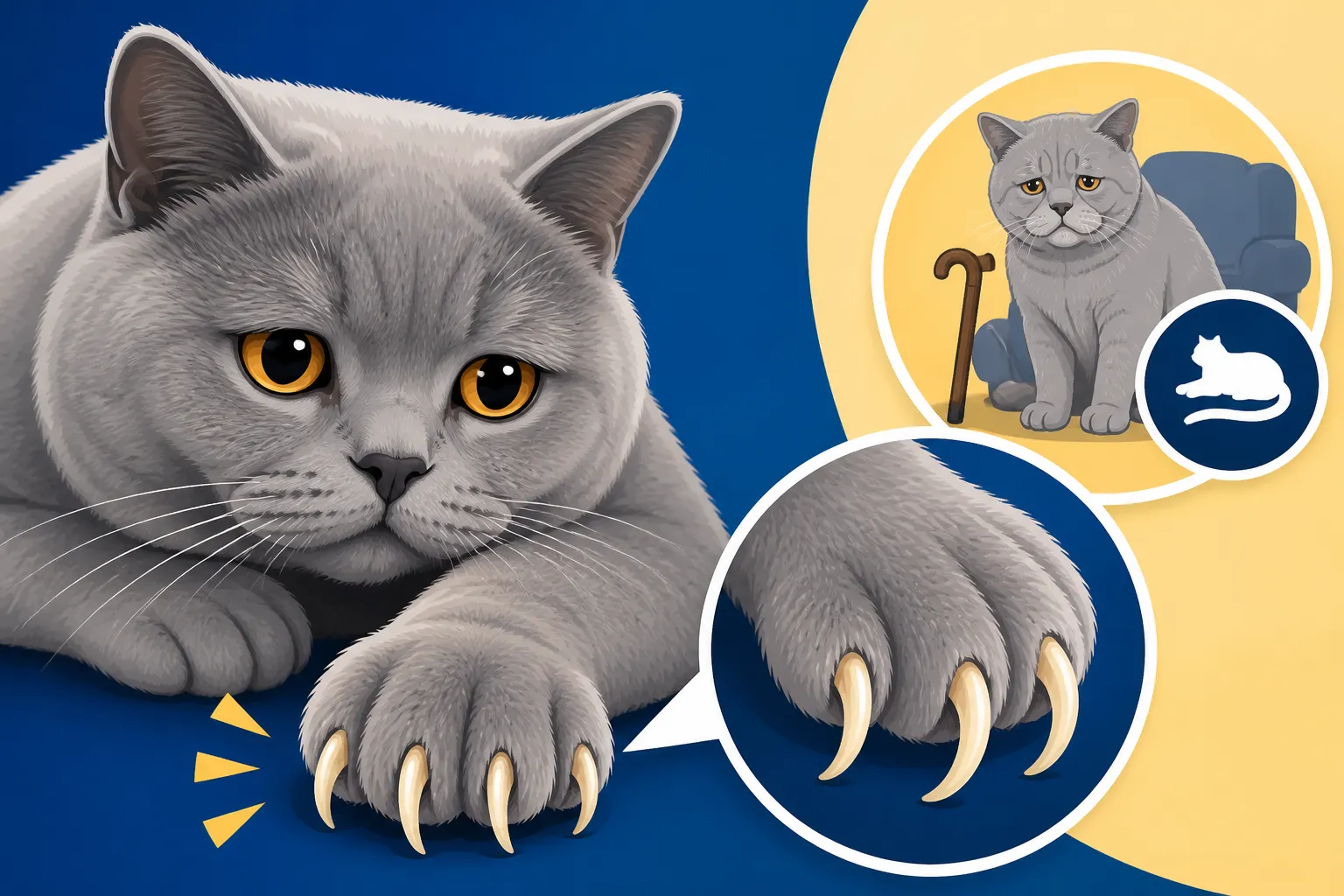
One of the most noticeable changes in an aging British Shorthair's claws is their tendency to become thicker and more brittle. Think of it like an older person's fingernails – they often grow slower, become harder, and can be prone to splitting or flaking. For cats, this means the natural shedding process of the outer claw layers, which usually keeps them sharp and manageable, starts to falter. The claw doesn't shed as efficiently, leading to a build-up of old, dead keratin layers that make the claw appear much bulkier and stronger than it actually is. This thickening makes the claw less pliable and more difficult for the cat to retract fully, leading to snags on carpets, furniture, and even their own skin.
This change in composition isn't just cosmetic; it impacts their quality of life. A thicker claw can press into the paw pad if it grows too long, causing pain with every step. Imagine walking with a pebble constantly jammed into your shoe – that's a similar sensation for them. The brittleness, on the other hand, makes them more susceptible to breaking or tearing, which can be incredibly painful and often leads to bleeding and potential infection. It’s a double-edged sword: thicker but more fragile.
Reduced Retraction Capabilities
A hallmark of a healthy cat is its ability to retract its claws, keeping them tucked away and sharp until needed. This is how they protect their paws and keep their claws from getting dull or damaged during normal movement. However, as British Shorthairs age, this retraction capability often diminishes. The tendons and ligaments in their paws, much like joints throughout their body, can become less flexible and more rigid over time. This means the claws might not fully retract into their sheaths.
When claws are perpetually partially extended, they are constantly exposed to surfaces they walk on. This constant contact, rather than wearing them down properly, can cause them to grow unevenly, become more prone to getting caught, and contribute to the overgrowth issue. It's a subtle change at first, but over months and years, it becomes quite pronounced. You might notice them clicking on hard floors more often, or they might seem to struggle to get their claws completely free from fabric after kneading. This reduced retraction can also make them feel generally less comfortable and less secure when moving around.
Underlying Health Conditions Contributing to Overgrowth
While some claw changes are simply a part of the natural aging process, it's crucial to understand that overgrown claws in an older British Shorthair can often be a tell-tale sign of deeper, underlying health issues. These aren't just cosmetic problems; they're symptoms that your cat might be experiencing discomfort or illness that's impacting their mobility and self-care routines. Ignoring overgrown claws is ignoring a potential cry for help.
Arthritis and Reduced Mobility
One of the most significant contributors to overgrown claws in senior British Shorthairs is arthritis. As cats age, just like humans, the cartilage in their joints can wear down, leading to inflammation, pain, and stiffness. This condition, often seen in the hips, spine, and even the small joints of the paws, can make movement excruciating. If your British Shorthair is experiencing Arthritis in an Older British Shorthair, they'll naturally become less active. They won't jump as high, won't run as much, and, crucially for claw health, they won't scratch as frequently or vigorously.
Scratching posts and surfaces are vital for cats to shed the outer layers of their claws and keep them sharp and trim. If every stretch or motion required to use a scratching post causes pain, your cat will instinctively avoid it. They might also find it harder to get into positions that allow them to scratch effectively, or they might simply be too uncomfortable to put weight on their paws in the way needed for a good scratch. This decreased activity and avoidance of natural claw maintenance behaviors directly leads to rapid overgrowth. It's a vicious cycle: pain leads to less scratching, less scratching leads to overgrown claws, and overgrown claws exacerbate the pain.
Obesity and Impaired Grooming
Our British Shorthairs are famously round and cuddly, but that adorable "chonk" can quickly turn into unhealthy obesity, which unfortunately is Obesity Is the British Shorthair's Real Disease. An overweight senior British Shorthair will almost certainly struggle with grooming, and this extends directly to their claw care. Imagine trying to bend and twist to reach your feet if you were carrying significant excess weight – it's incredibly difficult, if not impossible. Similarly, a rotund British Shorthair often cannot reach its hind claws, or even its front claws effectively, to chew off frayed edges or remove loose sheaths.
When a cat self-grooms, they often bite at their claws, helping to remove the outermost, dead layers. This natural "manicure" is essential for maintaining healthy claw length and sharpness. If your British Shorthair is too large to comfortably perform this action, their claws will simply continue to grow, thicken, and curl without being naturally trimmed. It's not just the nail-biting aspect; being overweight makes a cat generally less active, further reducing the natural wear and tear that comes from normal movement and play. You might notice Why an Overweight British Shorthair Stops Grooming Its Back, and this often applies to their paws too. This lack of proper grooming can lead to not only overgrown claws but also matted fur and skin issues, making life even more uncomfortable for them.
Other Chronic Pain Conditions
Beyond arthritis and obesity, other chronic pain conditions or neurological issues can indirectly contribute to overgrown claws. Any condition that causes general weakness, malaise, or pain can deter your British Shorthair from engaging in normal activities that naturally keep their claws in check. For instance, a cat dealing with chronic back pain, dental issues, or even early cognitive decline might simply lack the motivation or physical ability to use their scratching posts or engage in self-grooming as they once did.
Cats are masters at hiding pain, as we often discuss on this blog (see: How a British Shorthair Hides Pain). So, overgrown claws might be one of the subtle cues that something else is bothering them. If they're feeling unwell, stiff, or generally uncomfortable, their instinct to maintain their claws will diminish. This makes a regular check-up with your vet absolutely essential. They can assess for pain, diagnose underlying conditions, and help you create a plan to alleviate discomfort, which in turn might encourage your British Shorthair to resume some of their natural claw maintenance behaviors.
The Impact of Reduced Activity and Grooming on Claw Health
Our British Shorthairs, even in their prime, are not known for being Olympic athletes. They are famously placid and enjoy a good snooze. But as they age, that calm demeanor can morph into genuine inactivity, and this shift has profound implications for their claw health. When their daily routines change, so does the natural wear and tear on their paws, leading directly to those troublesome overgrown claws.
Less Frequent Use of Scratching Posts and Surfaces
A younger, more active British Shorthair will instinctively scratch various surfaces throughout the day. They'll stretch luxuriously against a sisal post, leave their mark on a cardboard scratcher, or perhaps even give the sofa a good rake (much to our chagrin!). This isn't just about marking territory or stretching muscles; it's a vital part of their claw maintenance. Each scratch helps to peel away the dull, outer layers of the claw, exposing the new, sharper claw underneath. It's nature's way of keeping their nails in tip-top condition.
However, as a British Shorthair enters their senior years, their interest and ability to engage in these activities often wane. If they're experiencing joint pain, as discussed, or simply have less energy (a common trait as they age), they'll spend less time Getting a Low Energy British Shorthair to Move. They might bypass the scratching post altogether or give it only a half-hearted swipe. Without the consistent friction and exfoliation provided by regular scratching, those outer claw sheaths build up, leading to the thickening and overgrowth we see. The claws grow continuously, and without mechanical action to trim them, they just keep getting longer and longer, often curling under and risking embedding into the paw pad.
Decreased Self-Grooming Habits
Self-grooming is a cat's art form, and British Shorthairs are usually meticulous about their appearance. Part of this routine, believe it or not, involves their claws. While they don't file them down with a tiny emery board, many cats will lightly chew or "nibble" at their claws, particularly their front ones, to remove any loose sheaths or frayed edges. It’s a very natural behavior that helps keep their claws tidy and prevents snags.
As our British Shorthairs age, their comprehensive grooming habits can decline for various reasons. They might simply be less flexible, making it harder to reach certain areas, or they might not have the same meticulous drive they once did. This decline in self-grooming means fewer instances of them naturally filing or shedding their claw layers. Why an Aging British Shorthair Stops Grooming is a serious indicator, and it often extends to their claws. This reduced attention to their own paws, combined with less active scratching, creates a perfect storm for overgrown, unhealthy claws. What seems like a minor oversight on their part quickly becomes a significant discomfort and potential health hazard.
Practical Solutions for Managing Overgrown Claws in Senior British Shorthairs
Discovering that your sweet, aging British Shorthair's claws are overgrown can feel overwhelming, but thankfully, there are many practical steps you can take to alleviate their discomfort and prevent future issues. The key is consistency, patience, and sometimes, a little help from a professional. Remember, this isn't just about aesthetics; it's about their mobility, their comfort, and their overall quality of life.
Regular Nail Trimming: Your Most Powerful Tool
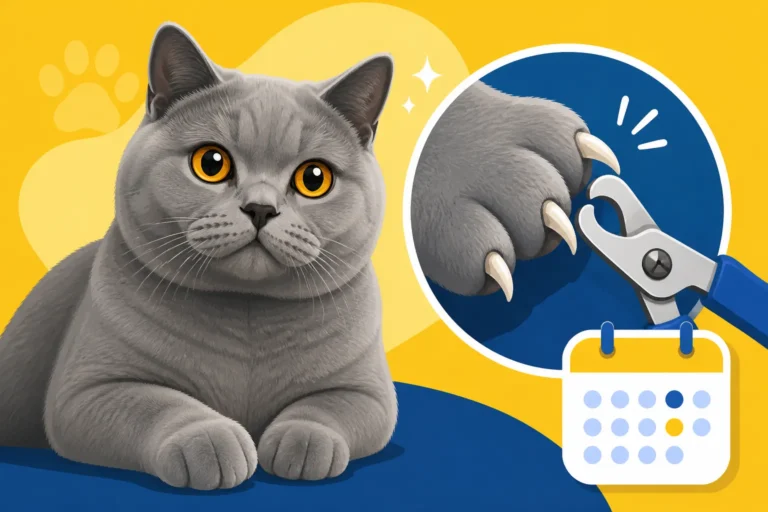
Regular nail trimming is, without a doubt, the single most effective way to manage overgrown claws in an aging British Shorthair. Their claws grow continuously, and as we've explored, natural wear and tear decreases with age. This means you need to step in and do the job for them. The frequency will vary depending on your individual cat, but a good starting point is every 2-4 weeks. For senior cats with particularly thick or fast-growing claws, weekly or bi-weekly checks might be necessary.
Making nail trims a positive experience is crucial. Start slowly, in a quiet environment, and offer treats liberally. You don't need to do all claws at once; even trimming one or two claws a day is better than none. Gently press on their paw pad to extend the claw, identify the quick (the pink part containing nerves and blood vessels), and snip just the tip, avoiding the quick. If the claws are very overgrown and curved, you might only be able to take off tiny bits at a time, more frequently, to gradually encourage the quick to recede. Using sharp, good quality clippers is key. You can find excellent options on sites like Chewy or Amazon. Look for clippers specifically designed for cats, as these will be the right size and sharpness for their claws. Many owners swear by guillotine-style or scissor-style clippers for Which Clippers Suit a British Shorthair's Thick Claws.
Choosing the Right Tools and Techniques
Having the correct tools makes a world of difference. Cheap, dull clippers can crush the nail, causing pain and splintering, which is the last thing you want for brittle senior claws. Invest in a sharp pair of cat-specific nail clippers. Beyond clippers, consider a nail file (even an emery board designed for humans can work for smoothing rough edges) if your cat tolerates it, particularly after trimming to prevent snags.
- Positive Reinforcement: Always associate nail trims with positive things. Give treats before, during (if they're calm enough), and after. Praise them in a soft, soothing voice.
- Short Sessions: Don't try to do all twenty claws in one go, especially if your British Shorthair is resistant. Two paws today, two paws tomorrow. Small, manageable sessions are more effective and less stressful for everyone involved.
- Warm Water Soak (Optional): For particularly thick or stubborn claws, a warm, moist towel wrapped around their paws for a few minutes before trimming can sometimes soften them slightly, making them easier to cut. Always ensure the towel is just warm, not hot.
Encouraging Appropriate Scratching Behavior
Even though their activity levels might be lower, encouraging your senior British Shorthair to use scratching posts is still beneficial. It provides physical activity, a natural outlet, and can help with shedding those outer claw layers.
- Variety is Key: Offer different types of scratching surfaces. Some cats prefer vertical sisal posts, others love horizontal cardboard scratchers, and some enjoy carpeted ramps. Ensure they are sturdy and tall enough for your British Shorthair to get a full stretch. If your cat suffers from Arthritis in an Older British Shorthair, a horizontal scratcher may be more comfortable than a tall vertical one.
- Placement Matters: Place scratching posts in prominent areas where your cat already likes to stretch or where they frequent. Near their favorite sleeping spot or by a window are good options.
- Catnip and Lures: Use catnip sprays or sprinkle dried catnip on the scratching post to entice them. You can also dangle their favorite wand toy near the post to encourage them to engage with it. For British Shorthairs, getting them to Getting a Low Energy British Shorthair to Move often requires some creativity!
When to Seek Veterinary Assistance
While home care is essential, there are times when professional help is needed. Don't hesitate to reach out to your veterinarian if:
- You're uncomfortable or unable to trim the claws: Your vet or a veterinary technician can demonstrate proper technique or provide regular trimming services. This is a common and completely acceptable solution.
- Claws are severely overgrown, curling into paw pads, or causing pain: These situations require immediate professional attention to prevent infection and severe discomfort. The vet can safely trim them and check for any related issues.
- You suspect an underlying health condition: As discussed, overgrown claws can be a symptom. A vet visit can help diagnose conditions like arthritis, obesity, or other pain that needs management. They might recommend joint supplements for your senior cat, or specific dietary changes. What a British Shorthair's Joint Supplement Costs can be a consideration, but the benefits for their comfort and mobility are often immeasurable.
- Claw infections or ingrown claws: If you notice redness, swelling, discharge, or limping associated with an overgrown claw, it's time for a vet visit. This could indicate an infection that needs medical treatment.
General Senior Cat Care for Claw Health
Maintaining your British Shorthair's overall health is an indirect but powerful way to support their claw health.
- Weight Management: Keeping your British Shorthair at a healthy weight is paramount. It improves their mobility, allows them to groom more effectively, and reduces strain on their joints. Discuss diet with your vet if your cat is overweight. Specialized senior cat foods can be beneficial, but always consult your vet for tailored advice.
- Comfortable Environment: Provide soft, easily accessible beds. For older cats, lower-sided litter boxes can make a huge difference in mobility and comfort. Caring for an Old British Shorthair involves adapting their environment to their changing needs.
- Regular Vet Check-ups: Senior cats should have at least yearly, and often bi-yearly, wellness exams. These appointments allow your vet to catch early signs of arthritis or other conditions before they become severe, and they can also keep an eye on your cat's claws. How Often an Aging British Shorthair Should Be Weighed is part of this routine to monitor for weight issues.
By being proactive and attentive to your aging British Shorthair's claw care, you can significantly improve their comfort and ensure they enjoy their golden years with as much ease as possible.
| Characteristic | Young British Shorthair Claws | Aging British Shorthair Claws | Recommended Care |
|---|---|---|---|
| Appearance | Sharper, thinner, clear sheath shed | Thicker, often duller, less frequent shedding | Regular, gentle trimming every 2-4 weeks |
| Retraction | Fully retracts into paw pad | May be partially extended, clicking on floors | Monitor and trim to prevent snagging and discomfort |
| Flexibility | Pliable, less prone to splitting | More brittle, prone to splintering and breakage | Use sharp clippers, consider filing rough edges |
| Activity Level | Regular scratching, natural wear | Reduced scratching, less natural wear | Encourage use of varied, comfortable scratching posts |
| Grooming Habits | Active self-grooming, includes claws | Decreased grooming, less claw attention | Assist with trimming, gentle brushing of coat |
| Underlying Health | Typically none related to claws | Potential arthritis, obesity, chronic pain | Vet check for underlying issues, pain management |
Disclaimer
This article is for general informational purposes only and does not constitute professional advice. Laws, prices and regulations vary by location and change over time. Consult a qualified professional for guidance on your specific situation.