Whether a Female British Shorthair Gets Cheeks
Many prospective British Shorthair owners, especially those new to the breed, often find themselves curious about the breed's signature round face, wondering if both males and females develop those distinctive, full cheeks. It's a common misconception that the prominent "jowls" seen in some British Shorthairs are universal, leading to confusion about what to expect from a female cat's appearance. This guide will clarify the nuances of facial development in female British Shorthairs, helping you understand their charming features and setting realistic expectations.
Understanding "Cheeks" and "Jowls" in British Shorthairs
When discussing the distinctive facial features of British Shorthairs, the terms "cheeks" and "jowls" often come up, sometimes interchangeably, which can lead to a bit of confusion. It's important to understand that while both sexes possess a wonderfully full and round face, the specific anatomical structures contributing to that roundness can differ significantly, especially regarding the prominent jowls typically associated with the breed.
Defining the Breed's Signature Roundness
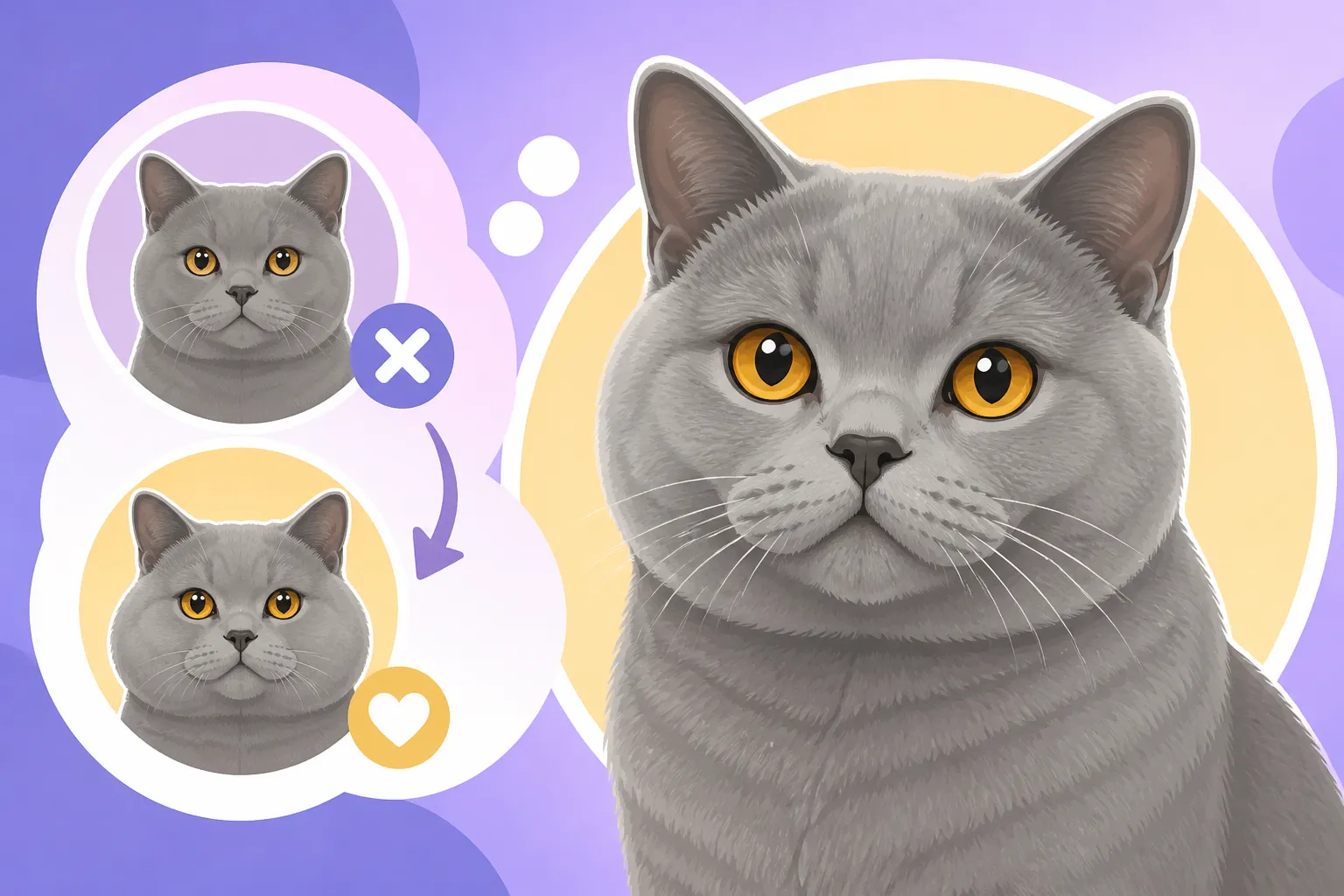
The British Shorthair is renowned for its strikingly round appearance, a hallmark of the breed standard that gives them that beloved "teddy bear" look. This roundness extends from their large, expressive eyes to their broad head and even their compact, cobby body. When people talk about "cheeks" in British Shorthairs, they're often referring to this general fullness and robust bone structure of the face, which is an inherent part of their genetic makeup. This desired facial structure is designed to create a powerful, broad-faced impression that is distinctively British. Even without the specific jowls we'll discuss, a female British Shorthair will still possess a lovely, full, and round face.
This characteristic roundness isn't just about a bit of superficial fat; it's deeply rooted in the very structure of their skull and the development of their facial muscles. The breed standard emphasizes a broad, round head with full cheeks and a firm chin, all of which contribute to the overall impression of a solid, powerful, yet gentle cat. When you observe a well-bred British Shorthair, that substantial head and harmonious roundness are immediately noticeable, forming a significant part of their unique charm and aesthetic appeal. Breeders meticulously select for these traits to maintain the breed's iconic appearance.
Moreover, the placement of their small, widely-set ears and their large, round eyes further enhances the spherical quality of their face. This combination, often paired with captivating copper or gold eyes (or blue in colorpoints), creates an expression of serene alertness and often, a touch of endearing "grumpiness." It's this precise balance of broadness, roundness, and proportion that makes the British Shorthair face so appealing and recognizable, irrespective of gender.
Jowls: Primarily a Male Hormonal Trait
While female British Shorthairs certainly have a round face and full cheeks as part of their breed type, the term "jowls" often specifically refers to the pronounced, broad swelling on either side of the jaw that is far more characteristic of entire (unneutered) male British Shorthairs. These are typically secondary sexual characteristics, developed due to the consistent presence of testosterone. They contribute significantly to the impressively masculine and commanding look of a mature tomcat, making his head appear exceptionally wide and powerful.
When you envision a show-quality male British Shorthair with an almost square-looking head, those distinct, pronounced jowls are a key contributing factor. They extend the width of the face, making the head appear even larger and more robust, giving a very formidable presence. This specific facial development usually becomes quite noticeable as males reach sexual maturity, typically around two to three years of age, and often continues to develop further with age. It serves as a clear visual cue of a mature, intact male British Shorthair, signifying his virility and strength within the breed context.
For a female British Shorthair, even breeding queens (intact females), while her face will be wonderfully round and full, she generally won't develop these same exaggerated, thick jowls. This is because her hormonal profile is different; female hormones do not stimulate the growth of these particular fat and connective tissue pads in the same way. So, if your mental image of a British Shorthair features massive, defined jowls, you're almost certainly picturing a male. Understanding this distinction is crucial for setting accurate expectations when considering bringing a female British Shorthair into your home. You can delve deeper into this specific male trait by reading What Jowls Are on a Male British Shorthair.
The Difference in Facial Development
The key distinction between the "cheeks" of a female British Shorthair and the "jowls" of a male lies in the degree of fullness and, more importantly, the reason for its development. For females, the roundness is intrinsic to their breed standard, a harmonious blend of robust bone structure and well-developed musculature, often softened by a healthy layer of subcutaneous fat, all contributing to a firm, spherical face. This is her natural, beautiful form.
In contrast, for males, this inherent breed-standard roundness is then magnified and altered by the powerful hormonal influence of testosterone, which actively promotes the growth of the thick, fleshy pads we call jowls. This creates a distinct difference in the overall silhouette and texture of the face. A female's face will be broad, substantial, and undeniably charming, fitting perfectly within the breed's aesthetic, but she simply won't have those large, bulbous enlargements on the sides of her face that an unneutered male typically develops.
Therefore, while both sexes share the core "roundness" that makes a British Shorthair instantly recognizable, the specific anatomical features contributing to that roundness and their underlying causes vary. If you were to compare a perfectly typed male and female side-by-side, even if both are excellent examples of the breed, the male's head would typically appear dramatically wider and more robust due to the significant addition of those pronounced jowls, presenting a different kind of magnificent presence.
The Distinctive Head Shape of the British Shorthair
The British Shorthair's head is one of its most defining characteristics, a true testament to the breed's charm and robust build. It’s not just about having a round face; it’s about a specific combination of features that, together, create that iconic teddy bear look.
The Breed Standard for Head and Face
The breed standard for the British Shorthair is quite explicit and demanding about the head and face, calling for a broad, round head with full cheeks, a firm chin, and a short, broad nose. The ears are typically small to medium in size, with rounded tips, and are set wide apart, further contributing to the overall round, harmonious silhouette of the head. This entire package of features creates a very distinctive and appealing facial expression that is instantly recognizable as a British Shorthair, conveying their gentle nature and solid build.
This specific conformation is what reputable breeders meticulously strive for, and it applies equally to both sexes. A female British Shorthair should absolutely possess this broad, round head with appropriate fullness in her cheeks. She should never have a delicate, dainty, or wedge-shaped face, as such features would be considered a deviation from the breed's ideal. Her skull should be substantial and well-developed, supporting those full cheeks and giving her a solid, well-built appearance that perfectly matches her famously cobby body. These desirable head traits are often discernible even in kittens, though they continue to develop and fully mature over the first few years of life.
The precise placement of the eyes, which are required to be large, round, and widely set, further enhances the spherical quality of the face. Paired with generally large, expressive eyes (often a deep copper or gold in the classic blue and other solid colors, or blue in colorpoints), the overall impression is one of gentle alertness and a sweet, often contemplative disposition. It’s this carefully balanced combination of broadness, roundness, proportion, and expression that makes the British Shorthair face so universally appealing and a cornerstone of the breed's identity. This inherent roundness of the head, a result of dedicated breeding, is a key feature you're investing in when you choose a well-bred British Shorthair.
How Female British Shorthairs Exhibit Facial Fullness
Female British Shorthairs certainly exhibit facial fullness in a manner entirely consistent with the breed standard, but it’s a different kind of fullness than the exaggerated jowls of a mature, intact male. Their cheeks are naturally full and wonderfully rounded, contributing harmoniously to the overall spherical appearance of their head without appearing overly bulky or saggy. This characteristic fullness primarily stems from a robust bone structure, well-developed facial musculature, and a healthy, even layer of subcutaneous fat beneath the skin, rather than the dense, hormone-driven enlargement seen specifically in males.
Imagine holding a perfectly round, firm apple in your hand – that’s a good analogy for the ideal female British Shorthair face: smooth, substantial, and beautifully rounded without any extra prominent bulges at the jawline. Her chin will be firm, well-developed, and aligned to complete the overall roundness of her face, providing a strong and balanced profile. The muzzle itself should be broad and sturdy, never pinched or narrow, which further adds to the impression of a full, generous, and charming face that is so beloved by enthusiasts of the breed.
This strong, rounded facial structure effectively frames her often large, expressive eyes, contributing to that characteristic "grumpy cat" or stoic look that many find incredibly endearing, despite their generally mellow and affectionate personalities. The robust and sturdy build that defines the British Shorthair breed extends fully to their heads, ensuring that even without the distinct male jowls, a female British Shorthair presents a powerful, beautiful, and utterly charming visage. This distinctive and highly desirable look is a significant part of their appeal and personality, influencing What a British Shorthair Does All Day – often looking quite serene and magnificent.
Why Male British Shorthairs Develop More Prominent Jowls
The dramatic jowls seen in many male British Shorthairs are a captivating and often signature feature, leading many people to associate them exclusively with the breed's facial identity. However, their development is rooted in specific biological processes that are largely absent, or at least far less influential, in females. Understanding these underlying mechanisms helps clarify why the facial features differ between the sexes.
The Role of Testosterone in Jowl Development
The primary driver behind the significant jowl development in male British Shorthairs is the hormone testosterone. This potent hormone, produced in substantial quantities by intact male cats, plays a crucial role in the development of many secondary sexual characteristics throughout their body. Just as testosterone influences increased muscle mass, bone density, and certain behavioral traits, it also actively encourages the growth and accumulation of connective tissues and fat pads around the jawline and lower cheeks. It is this specific hormonal stimulation that leads to the formation of those distinctive, broad, and weighty jowls.
This process of jowl development typically commences as male cats approach and reach sexual maturity, which usually occurs between one and three years of age. Owners often observe a gradual broadening and filling out of the face during this period, and the jowls can continue to become more pronounced as the cat ages, sometimes reaching their peak at three to five years old. These prominent jowls serve as a clear visual signal of an adult, intact male, acting as a physical marker of their virility and maturity within the feline world. It's an interesting, albeit subtle in domestic contexts, evolutionary trait that signifies health and readiness to breed.
A compelling illustration of testosterone's influence is seen when a male British Shorthair is neutered. If neutering occurs, especially at a younger age before full jowl development, the production of testosterone dramatically decreases. As a direct consequence, the development of these pronounced jowls is either significantly minimized or entirely prevented. If a male is neutered later in life, after jowls have already started to form, the existing jowl tissue typically becomes less prominent over time, gradually reducing in size. This clearly demonstrates just how directly linked the formation and maintenance of jowls are to the presence of male hormones. You can learn more about this specific male characteristic in Whether Only Entire Male British Shorthairs Get Jowls.
Maturation and Breed Type Interaction
Beyond the powerful influence of hormones, the British Shorthair breed type itself predisposes males to a more robust, substantial, and generally larger build, which inherently includes their head structure. Even in the absence of the full impact of testosterone, a male British Shorthair will naturally possess a larger, heavier bone structure in comparison to a female of the same breed. When this foundational, inherent breed type for a substantial head is combined with the powerful hormonal influences of testosterone, it creates the ideal conditions for the impressive jowls to form and truly develop to their full extent.
It's therefore a complex interaction between genetics and the endocrine system (hormones) that ultimately sculpts the complete picture of the male British Shorthair's head. A male with strong "type" – meaning he closely adheres to the breed standard for substantial bone structure and head shape – will naturally have the underlying skeletal and muscular framework to support significant jowl development. Without this genetically endowed foundational structure, even high testosterone levels might not produce the same dramatic and breed-typical effect.
This interaction also helps to explain why the jowls don't appear overnight, but rather are part of a gradual and extended process of maturation. The cat's body slowly responds to hormonal cues, and the facial tissues steadily develop their full adult form. Owners often begin to notice the subtle broadening and filling out of their male cat's face around a year of age, and this process then progressively continues over the next couple of years, truly reaching its peak when the cat is between three and five years old. This extended development period aligns perfectly with the breed's overall slow maturation, as British Shorthairs are known to take several years to fully "fill out" and achieve their majestic adult appearance.
How Genetics and Type Influence a Female's Face
While female British Shorthairs don't typically develop the prominent, hormone-driven jowls that are characteristic of their male counterparts, their facial fullness and overall head shape are still profoundly influenced by a complex interplay of genetics and adherence to the breed's established type. This is a testament to the rigorous and dedicated breeding standards that meticulously maintain the breed's iconic look consistently across both sexes.
Inherited Facial Structure and Bone Density
A female British Shorthair's distinctive facial fullness stems directly from her inherited bone structure and its inherent density. Reputable breeding programs place a high priority on selecting cats that adhere very closely to the breed standard, which explicitly calls for a broad, round head with a substantial skull and a strong, well-defined chin. This desired facial fullness in females is not primarily about the accumulation of soft tissue in the form of jowls, but rather about the underlying skeletal framework being robust and perfectly proportioned.
Consider it akin to human bone structure – some individuals naturally possess broader cheekbones or a more defined jawline, irrespective of their gender. In British Shorthairs, these highly desirable structural traits are diligently passed down through generations of careful breeding. A female cat from a lineage well-known for producing excellent "type" will naturally exhibit a robust, beautifully rounded head that truly embodies the breed's aesthetic, rather than displaying a more delicate, triangular, or fine-boned appearance. This inherent structural integrity is what ultimately gives female British Shorthairs their solid, plush, and ultimately adorable look, contributing significantly to their unique charm.
When evaluating a British Shorthair, whether a kitten or an adult female, breeders carefully look for these specific structural markers: a broad, well-domed skull; ears that are set wide apart and follow the natural contours of the head; and a firm, well-aligned chin that contributes to the overall roundness. These elements collectively combine to give the powerful impression of a full, round face, even though the "cheeks" themselves are not the same prominent, pendulous jowls seen in a mature male. It is this intrinsic solidity and perfect roundness of their head – a feature elaborated in What a British Shorthair's Head Is So Round – that truly defines their breed type and appeals to so many.
The Role of Breed Type and Lineage
The specific lineage and overall breed type of a female British Shorthair play a significant and undeniable role in determining how pronounced and well-developed her facial features will ultimately be. Within the broad spectrum of the breed, there can exist slight variations in the "type" that is favored or emphasized by different breeders or specific breeding lines. Some lines might consistently produce cats with slightly broader heads and more substantial bone, while others might lean towards a more moderate but still perfectly round conformation, all while adhering to the breed standard.
A female originating from a well-established and highly reputable breeding program, which is specifically focused on upholding the classic British Shorthair type, will almost invariably possess a wonderfully full, round face that is a true hallmark of the breed. These dedicated breeders meticulously select for a comprehensive range of desirable traits, including the ideal head shape, the precise placement and size of the eyes, and the characteristic density of the coat, all to ensure that their cats consistently meet and even exceed the breed standard. This means that a female British Shorthair, even without the development of male jowls, will still possess significant and appealing "full cheeks" that contribute immensely to her charming, robust, and characteristic appearance. This unwavering commitment to breed type is precisely why you observe such consistent quality and aesthetic appeal in reputable British Shorthair catteries.
It is therefore crucial to clearly differentiate between the natural, inherent fullness of a female's face, which is highly desirable and constitutes a fundamental part of her breed standard, and the distinct, hormone-driven jowls of an intact male. While both features contribute to the overall impression of a substantial, round-faced cat, the underlying biological causes and the specific anatomical manifestations are distinct and separate. When you admire the strong, beautifully rounded face of a female British Shorthair, you are appreciating the culmination of generations of thoughtful and selective breeding dedicated to perfecting "type," ensuring she epitomizes the charming essence of the breed.
Factors Influencing Facial Fullness in Female British Shorthairs
While it's clear that female British Shorthairs generally don't develop the dramatic, testosterone-fueled jowls of their male counterparts, their facial fullness can still be influenced by several key factors beyond just their genetic predisposition. These influences can subtly impact how "full" or mature their cheeks appear, contributing to their overall adult look and presence.
Age and Maturity
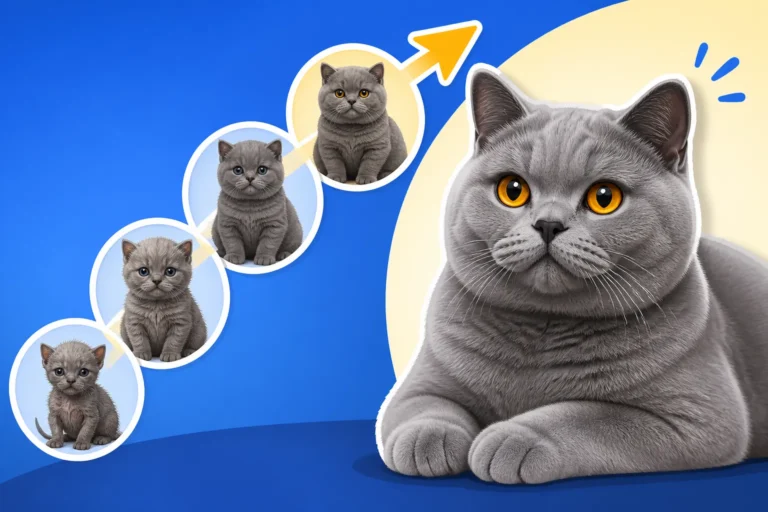
Just like their male counterparts and indeed many other cat breeds, female British Shorthairs require a significant amount of time to fully mature and "fill out." A kitten or a younger female might already have a lovely, appealingly round head, but the full breadth, depth, and complete development of her characteristic facial features often don't truly manifest until she reaches two to three years of age, and in some cases, even a bit later. This extended period of development is a known trait of the British Shorthair breed.
During their kittenhood and adolescent phases, their faces might naturally appear a bit more delicate, less broad, or not quite as profoundly rounded as what is seen in a mature adult. As they progress through these developmental stages and enter adulthood, their bone structure continues to grow and solidify, their facial muscles strengthen, and they progressively achieve their full adult size and robustness. This comprehensive maturation process inherently includes the gradual development of those lovely, full, and firm cheeks that are so characteristic and desirable within the breed. It is a slow, steady, and beautiful transformation that rewards patience.
It's quite common for experienced British Shorthair owners to observe and comment on how their female cat's face seems to truly "blossom" or "come into its own" as she approaches her second or third birthday. This gradual and unhurried development is a natural and expected part of the breed's growth pattern, which is widely recognized for its slower maturation rate compared to many other, faster-developing cat breeds. Therefore, patience is an absolute virtue when waiting to see a female British Shorthair reach her full, majestic potential, which undoubtedly includes the magnificent and characteristically round head that makes her so endearing. You can explore the broader aspects of this development in When a British Shorthair Reaches Its Adult Head.
Body Condition and Overall Weight
Perhaps surprisingly, a female British Shorthair's overall body condition and her ideal weight can subtly influence how full her face appears. A cat that is at a healthy, robust weight and carries a proportionate amount of subcutaneous fat might present with cheeks that look a bit plumper and firmer, thereby enhancing the natural roundness of her face. This is particularly noticeable in a breed known for its cobby build.
However, it is critically important to understand that this plumper facial appearance due to healthy body condition is distinctly not the same as the hormone-driven jowl development seen in males. It is simply a natural consequence of her general bodily health and the distribution of healthy tissues. Conversely, a very lean female, perhaps due to illness or insufficient nutrition, might have a face that appears slightly less full or even a bit gaunt, while one maintained at an ideal, robust weight will typically exhibit that desirable, well-rounded head. It's a delicate balance, though, as obesity brings its own serious set of health problems, and we must never encourage unhealthy weight gain purely for the sake of a fuller face. The breed's natural inclination to be "built to look heavy" as discussed in Why a British Shorthair Is Built to Look Heavy often makes them prone to weight gain, underscoring the importance of vigilant dietary management.
Owners must be extremely careful not to confuse a truly overweight or obese cat with a well-conditioned one that simply has a robust build. The ultimate goal is always to maintain a firm, muscular, and robust cat, not one carrying excess adipose tissue. A healthy, balanced diet, paired with rigorous and appropriate portion control, is absolutely essential to maintain their ideal body condition. This careful management ensures that any facial fullness observed in a female British Shorthair is a genuine sign of health and good breed type, rather than a consequence of unhealthy obesity. Regular check-ups with your veterinarian are invaluable for assessing your British Shorthair's ideal weight and body condition score.
General Health and Well-being
A female British Shorthair's general health status and overall well-being can also indirectly but significantly impact the appearance of her face. A healthy, thriving cat, one with a good appetite, robust immune system, and strong muscle tone, will naturally present a more robust and well-conditioned appearance throughout her entire body, and this includes the characteristic fullness and roundness of her head. Good health ensures that all systems are functioning optimally, supporting proper development and maintenance of her physique.
Conversely, a cat suffering from a chronic illness, persistent stress, or long-term poor nutrition might unfortunately appear gaunt, lethargic, or noticeably less full-faced. This is because muscle wasting and general weight loss due to health issues can affect all parts of the body, including the delicate tissues of the face. Such changes are a clear indicator that something is amiss, and they will detract from the breed's desired appearance. This makes providing a high-quality, balanced diet, ensuring access to fresh, clean water at all times, and scheduling regular veterinary care absolutely paramount for these cats.
Ensuring that your British Shorthair receives all necessary nutrients, appropriate vaccinations, and remains reasonably active (even if "active" for a British Shorthair often means a few enjoyable short play sessions daily) contributes enormously to her overall vitality and the sustained maintenance of her breed-appropriate physique. Any sudden or significant changes in facial appearance, especially if they are accompanied by other concerning symptoms such as lethargy, changes in appetite, or behavioral shifts, warrant an immediate consultation with your veterinarian. Caring for an Old British Shorthair also highlights how health management becomes even more critical in senior cats.
Comparing Male and Female British Shorthair Facial Features
To truly appreciate the nuances and distinctions in facial features within the British Shorthair breed, it is immensely helpful to make a direct comparison between typical male and female characteristics. While both sexes undoubtedly share the fundamental core breed characteristics that make them recognizable, the subtle yet significant variations in their facial structures lead to distinct overall impressions.
Key Distinctions in Head Profile
The most striking and immediate distinction in head profile between male and female British Shorthairs often comes down to overall mass, width, and the visual impact of their jawline. Males, particularly those that are intact and fully mature, tend to possess significantly broader, heavier, and more substantial heads due to the pronounced development of their jowls. This can give their heads an almost square or even rectangular appearance when viewed from certain angles, adding to their formidable presence. Females, on the other hand, while still undeniably boasting a wonderfully round, substantial, and full head, maintain a more consistently circular or spherical profile without those pronounced bulges or thick pads along the jawline.
Imagine a perfectly round, firm ball when picturing the ideal female British Shorthair head; then, for the male, envision a slightly broader, perhaps even subtly "squashed" sphere. Both are undeniably round and embody the breed's characteristic fullness, but the male possesses an additional, distinct "mass" on the sides of his jaw that visibly widens his entire head beyond the female's inherent roundness. This difference results in a more imposing, robust, and often more serious appearance in males, whereas females, while equally substantial, often project a softer, albeit still very confident and strong, expression.
Furthermore, the depth of the skull tends to be notably greater in males, which further contributes to their overall larger head size. This isn't merely an optical illusion; it represents a genuine difference in both bone structure and the development of facial tissues. This larger head size in males is also generally correlated with their overall body size; typically, male British Shorthairs are larger, heavier, and more powerfully built than their female counterparts, a point further discussed in What a British Shorthair Weighs and How Big It Gets.
Expressive Qualities and Overall Impression
These underlying structural differences in head profile and facial features naturally lead to subtly divergent expressive qualities and overall impressions between the sexes. Male British Shorthairs, especially those with well-developed jowls, often exude a more solemn, stoic, or even that famously "grumpy" look due to the sheer bulk and breadth of their faces. Their expressions can appear more serious, weighty, and commanding, embodying a sense of quiet authority.
Female British Shorthairs, conversely, while still possessing the calm, collected, and occasionally contemplative expression that the breed is widely known for, tend to convey a softer, perhaps more "sweet" or approachable look. Their round, full faces are less about imposing mass and more about harmonious curves, elegant proportions, and a gentle, inviting appeal. This is not to say they lack presence or character; quite the opposite, their classic round faces are undeniably captivating and exude their own unique brand of charm and dignity.
Ultimately, both male and female British Shorthairs, when well-bred and true to type, are beautiful examples of the breed's standard, but they achieve their unique beauty through slightly different anatomical and hormonal means. The male's power and impressive presence often lie in his robust size and distinct masculine features, including those prominent jowls, while the female's charm, elegance, and endearing quality come from her perfectly balanced roundness and firm, compact structure. It is truly a delight for British Shorthair enthusiasts to observe and appreciate these subtle yet significant variations between the sexes.
Here's a comparison table to summarize the typical facial characteristics of male and female British Shorthairs:
| Feature | Male British Shorthair (Intact) | Female British Shorthair |
|---|---|---|
| Overall Head Shape | Very broad, often appears squarer or rectangular due to jowls. | Broad and distinctly round, maintaining a consistent circular silhouette. |
| "Cheeks" / Jowls | Pronounced, fleshy pads (jowls) on the sides of the jaw, heavily influenced by testosterone. | Full and rounded cheeks, contributing to overall roundness; no significant, hormone-driven jowls. |
| Bone Structure | Heavier, more substantial skull and jawbone, leading to greater overall mass. | Robust and substantial skull and jawbone, but typically less heavy and massive than males. |
| Maturity | Jowls develop significantly from 1-3 years of age, often peaking later in life (3-5 years). | Facial fullness develops steadily and harmoniously, typically reaching full potential by 2-3 years. |
| Expression | Often more stoic, powerful, imposing, and can appear "grumpy." | Often softer, sweeter, harmoniously rounded, with a serene yet alert look. |
| Neutering Impact | Neutering significantly reduces or prevents jowl development due to hormonal changes. | Neutering has little direct or specific impact on the inherent facial roundness, which is structural. |
The Impact of Neutering on Facial Features
The decision to neuter or spay a British Shorthair, particularly a male, has a direct and often quite dramatic impact on their facial development and overall appearance. For females, however, the effects of spaying on facial features are far less pronounced, largely because their characteristic facial fullness isn't tied to the same hormonal drivers that influence males.
Neutering a Male British Shorthair and Jowl Regression
When a male British Shorthair is neutered (castrated), especially if the procedure is performed before he reaches full sexual maturity, the primary source of testosterone production is removed. This significant hormonal shift has a profound effect: it halts the development of the prominent jowls. As a direct consequence, if neutered young, male British Shorthairs may never develop the large, fleshy jowls commonly seen in intact males. Instead, they will typically retain a more moderately rounded face, which some might even describe as having a more "feminine" or softer look due to the absence of that extreme bulk around the jawline.
For males who are neutered later in life, after their jowls have already begun to form and establish themselves, the existing jowl tissue will typically and gradually diminish in size. While it might not entirely disappear, and some residual fullness may remain, the prominent bulk will usually recede significantly over time. The speed and extent of this regression are influenced by factors such as the age at which neutering occurred and how long the jowls had been developing under hormonal influence. Over a period of several months, the face will typically become less broad and regain a more balanced, albeit still characteristically British Shorthair, rounded shape that is more in line with a domestic cat's general head profile.
This noticeable change is a direct and undeniable result of the body no longer being stimulated by high levels of testosterone. It serves as a very clear and compelling illustration of the powerful hormonal influence on the facial features of male British Shorthairs. While some owners might initially miss the impressive, broad jowls, the numerous health benefits of neutering, such as significantly reducing the risk of certain cancers, preventing unwanted litters, and mitigating undesirable behaviors like spraying and roaming, generally far outweigh any aesthetic changes. You can explore more about male jowl development and neutering in Whether Neutering Removes a British Shorthair's Jowls.
Neutering a Female British Shorthair and Facial Appearance
For female British Shorthairs, spaying (which is the surgical removal of the ovaries and uterus, analogous to neutering in males) does not typically have a significant or direct impact on their facial fullness. Their beautifully rounded cheeks and broad, substantial head are primarily determined by their inherent genetics, their foundational bone structure, and the overall adherence to their breed type, rather than being driven by estrogen or other female hormones in a way that specifically shapes jowl-like features. The structure is built in, not hormonally created.
While spaying can sometimes lead to slight changes in a female cat's metabolism, which might, in some cases, contribute to weight gain if not carefully managed through diet and activity, this is a general bodily effect. It is not a specific impact on facial features in the precise and direct way that testosterone profoundly affects male jowls. Therefore, a spayed female British Shorthair will reliably retain her beautifully rounded, substantial, and characteristically full face, entirely consistent with the breed standard. Any changes in her overall appearance will be more related to her general health and condition rather than a specific facial transformation.
Any perceived changes in a female's facial fullness post-spaying are far more likely to be attributable to her continuing maturation (as discussed earlier, female British Shorthairs continue to fill out and develop over several years) or to more general changes in her overall body condition. This further reinforces the idea that the "cheeks" and facial roundness on a female British Shorthair are an inherent and deeply ingrained part of her breed identity, a structural characteristic rather than a transient, hormonally-driven trait. Maintaining an appropriate, balanced diet and encouraging a suitable level of activity, perhaps by sourcing quality foods and engaging toys from online retailers like Amazon, will ensure she maintains her lovely figure and characteristic facial definition throughout her life.
Responsible Breeding and Health Screening for British Shorthairs
Beyond the fascinating discussion of aesthetics and facial features, responsible breeding practices are absolutely paramount for ensuring the long-term health, vitality, and overall well-being of British Shorthairs. Ethical breeders prioritize comprehensive health screenings and meticulously manage genetic diversity to ensure that their kittens are as healthy and robust as possible. This commitment to health indirectly, but fundamentally, influences a cat's ability to develop to its full potential, including the ideal facial structure and overall appearance characteristic of the breed.
The Importance of Health Testing
Reputable British Shorthair breeders undertake extensive and thorough health testing on all their breeding cats to proactively screen for a range of hereditary conditions that have been identified as concerns within the breed. While there isn't a specific "cheek gene" test, the overall health and genetic soundness of a cat are crucial factors that contribute significantly to its ability to develop optimally and achieve its full physical potential, which naturally includes the development of the characteristic round head and ideal facial structure.
Conditions such as Hypertrophic Cardiomyopathy (HCM), a common form of heart disease in cats, and Polycystic Kidney Disease (PKD) are significant and well-documented concerns within the British Shorthair breed. It's important to note that while there's currently no DNA test for HCM in British Shorthairs, ethical breeders diligently rely on regular echocardiograms performed by board-certified veterinary cardiologists to screen their breeding cats for this condition. For PKD, however, a reliable DNA test is readily available and widely utilized by responsible breeders to identify affected cats and carriers, making it absolutely essential to ask Whether a British Shorthair Should Be PKD Tested before committing to a kitten. Knowing the comprehensive health status of a kitten's parents and grandparents provides prospective owners with invaluable insight into the meticulous care they've received and their genetic predisposition for healthy development.
Ultimately, a healthy cat, one free from debilitating genetic conditions or chronic ailments, is far more likely to thrive and develop the strong, robust physique and the characteristic round head that British Shorthairs are so celebrated for. Investing in a kitten from health-tested parents means you're not just purchasing a pet, but investing in a cat that has a significantly better chance of enjoying a long, healthy, and fulfilling life. Moreover, such a cat is also far more likely to fully express and present the ideal physical traits and charming appearance of the breed. It's also worth considering that What the British Shorthair Health Screening Costs can be quite substantial, reflecting the breeder's unwavering dedication to the well-being and genetic integrity of their lines.
Avoiding Exaggerated Features
In the competitive pursuit of producing extremely "typed" cats – meaning those that perfectly conform to or even exaggerate certain breed characteristics – some breeders might inadvertently (or, unfortunately, sometimes intentionally) select for features that become exaggerated to the point of being detrimental to the cat's health and well-being. While the British Shorthair standard unequivocally calls for a broad, round head, it is always a delicate balance. Overly short muzzles or extreme flattening of the face, for instance, can unfortunately lead to brachycephalic issues, which can cause significant breathing difficulties and other health complications for the cat.
Thankfully, the British Shorthair breed standard generally aims for moderation and typically avoids the severe degree of brachycephaly seen in some other flat-faced cat breeds. However, it remains a crucial aspect for prospective owners to be aware of and vigilant about when choosing a kitten. A well-bred British Shorthair should always possess a broad and substantial muzzle that is not excessively flattened or recessed, ensuring that the cat has clear, unobstructed airways and can breathe comfortably. The overarching goal is to achieve a beautifully round, full, and harmonious face, not one that appears squashed or compromised in any way.
Responsible and ethical breeders prioritize moderation and harmony in all physical features, ensuring that the cat's health, comfort, and overall quality of life are never compromised for the sake of an extreme aesthetic. When carefully observing kittens or adult cats, it's advisable to pay close attention to their breathing (which should be quiet and effortless), ensure their eyes are clear, bright, and not bulging, and check that their nose is broad and open but not excessively recessed into the face. These crucial observations, combined with a breeder's willingness to provide comprehensive health certificates and engage in open, transparent communication, are your most valuable tools for finding a healthy, well-typed British Shorthair that will bring joy for years to come.
Disclaimer
This article is for general informational purposes only and does not constitute professional advice. Laws, prices and regulations vary by location and change over time. Consult a qualified professional for guidance on your specific situation.