Whether Only Entire Male British Shorthairs Get Jowls
Many prospective British Shorthair owners are captivated by that quintessential teddy bear face, complete with those gloriously full cheeks and a magnificent, broad head. It's a look that just screams "hug me!" But then the question often comes up: are those truly impressive jowls something only the boys get? And if so, does neutering change everything? It's a common point of confusion, and frankly, a valid one, because the visual difference between an entire male and a spayed female can be quite striking. This guide is here to unravel the mystery of British Shorthair jowls, explaining the roles of gender, hormones, and neutering in shaping that beloved round face.
Understanding the British Shorthair Jowl: More Than Just Chonk
When we talk about a British Shorthair's jowls, we're not just talking about a bit of extra fluff or simply an overweight cat. There's a very specific anatomical and hormonal reason behind those impressive facial features, especially in males. It's a hallmark of the breed, a defining characteristic that contributes significantly to their iconic appearance.
Defining the British Shorthair Jowl Appearance
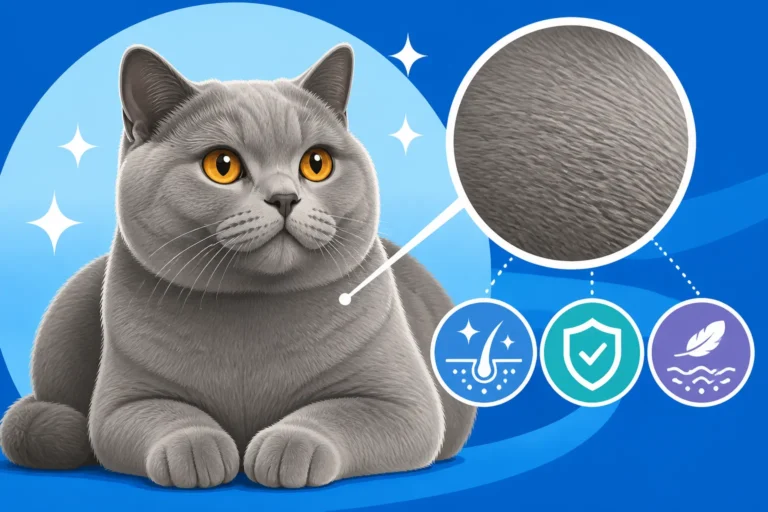
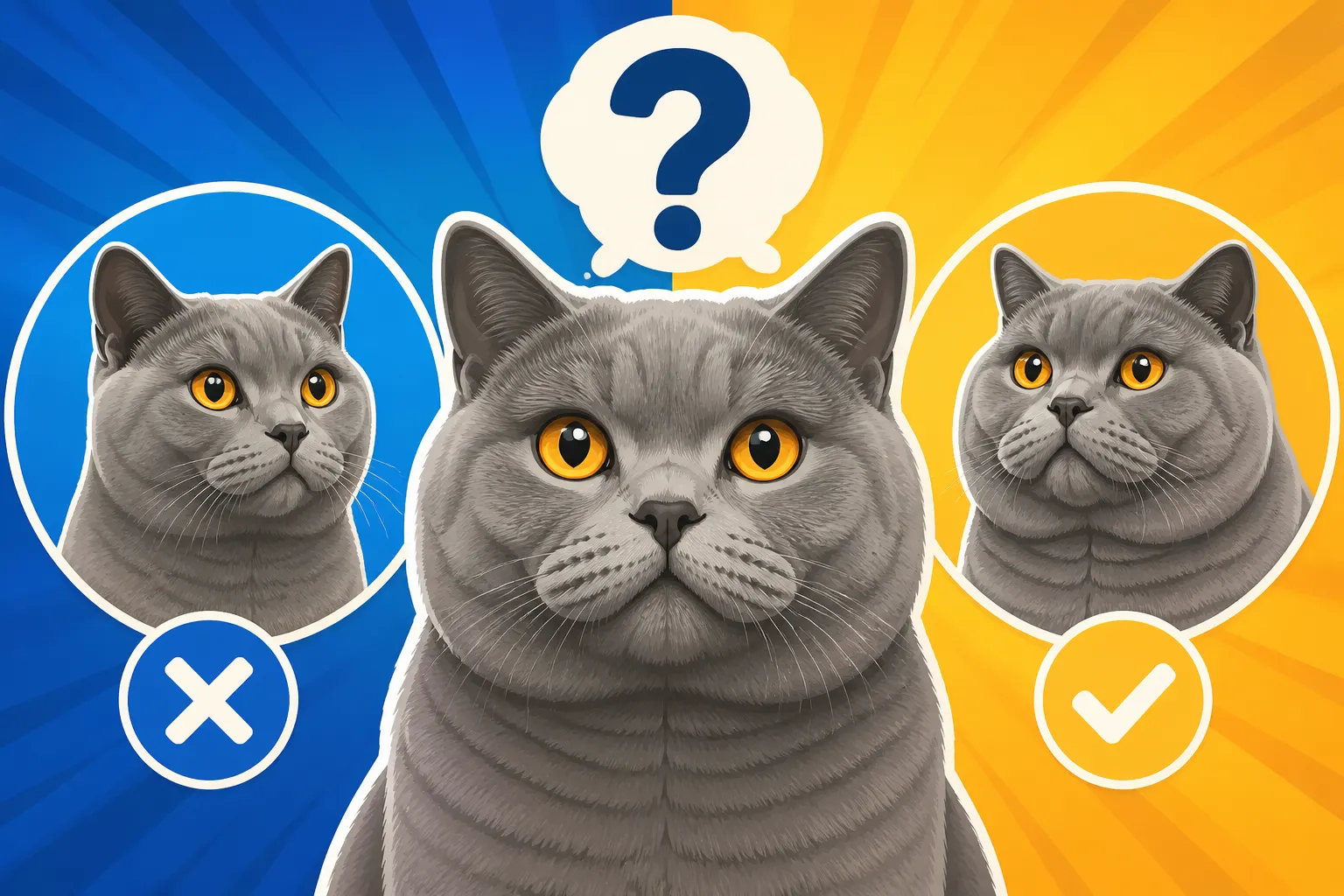
So, what exactly are these jowls we're all so fascinated by? Imagine the sides of a cat's face, extending from just below the eyes down to the jawline. In British Shorthairs, particularly the males, this area develops significant muscle and fat padding that creates a distinct, broad, and round appearance. It's what gives them that wonderfully "chunky" cheek profile and contributes to the overall impression of a large, powerful head. This isn't just a layer of subcutaneous fat like you'd find anywhere else on an overweight cat; it's a structural development. These jowls are a critical part of what makes a British Shorthair's face so appealing, turning a regular cat face into that adorable, almost perpetually grumpy, teddy bear visage that everyone loves. They develop over time, usually becoming more defined as a cat transitions from kittenhood into full maturity, typically peaking when they are a few years old. Many owners will notice their young male, around a year or so, starting to get a fuller face, and then over the next year or two, those jowls will truly "pop," completing the classic look. It's part of Why a British Shorthair Looks Like a Teddy Bear.
The British Shorthair Standard and Facial Features
The British Shorthair breed standard, across various cat registries, places immense importance on a broad, round head. This isn't just an aesthetic preference; it's fundamental to what makes a British Shorthair identifiable. The strong jowls directly contribute to this desired "cobweb" look, creating a continuous, rounded curve from the top of the head down to the chin, without any abrupt angles. When judges are evaluating a British Shorthair in the show ring, they are looking for specific features: a full, round face, a short, broad nose, and widely set, round eyes. The jowls are instrumental in achieving this ideal facial structure, giving the impression of immense power and substance. Think of it as the ultimate expression of feline facial symmetry and robust health. Without those jowls, the face would appear narrower, losing that distinctive "British" quality. This is tightly linked to The Round Head and Copper Eye a British Shorthair Is Judged On. The development of these strong facial features also involves what some might describe as What Full Cheeks Mean on a British Shorthair, but jowls are a more specific, structural development of the jaw area.
The Hormonal Connection: Why Entire Males Develop Pronounced Jowls
Now, let's get to the crux of the matter: why do entire males get such impressive jowls, while other British Shorthairs typically don't? The answer lies squarely in their hormones, specifically testosterone.
Testosterone and the Development of Jowls
This is where the magic (or rather, the biology) happens. Those big, beautiful jowls are primarily a secondary sexual characteristic of intact (entire) male British Shorthairs. Just like a male lion develops a magnificent mane to signify his virility and strength, a male British Shorthair develops these pronounced jowls due to the influence of testosterone. This hormone plays a crucial role in influencing muscle and bone structure, particularly in the head and jaw area. As an unneutered male cat matures, typically from about 18 months to three years of age, the constant presence of high levels of testosterone stimulates the growth of these dense pads of muscle and fat around the jawline. They are a clear indicator of a mature, intact male, a visual signal of his hormonal status. Imagine two young males: one, still intact, starts to show a subtle widening of his face around his first birthday, and by two or three, he has a truly magnificent, broad, and intimidating presence. The other, neutered early, remains softer in the face, never quite developing that "bulldog" jawline. This impressive facial mass is precisely What a Male British Shorthair's Jowls Are.
The Role of Genetics and Individual Variation
While testosterone is the primary driver, it's not the only factor at play. Genetics also have a significant role in determining just how prominent an individual British Shorthair's jowls will become. Some bloodlines are simply known for producing males with more massive heads and stronger jowl development than others. A responsible breeder will often select for these desired traits, aiming to produce cats that meet the breed standard for head type. So, even among entire males, there will be a spectrum: some will have truly outstanding jowls that define their entire face, while others might have a fuller face but not quite the same level of dramatic development. It's a combination of the genetic blueprint providing the potential, and the hormonal environment activating that potential to its fullest. This also means that even if a male has the genetic predisposition, without the testosterone, those jowls won't fully manifest.
The Impact of Neutering on British Shorthair Jowls
Understanding the hormonal link naturally leads to the next big question: what happens to those jowls if a male British Shorthair is neutered? The timing of the procedure is everything here.
Neutering Before Jowl Development
If a male British Shorthair is neutered at a young age – typically before he reaches sexual maturity and before those testosterone levels really start surging (e.g., around 6-12 months old) – his body won't experience the full hormonal cascade that leads to jowl development. In these cases, the jowls will simply not develop to the same extent, if at all. His face will remain rounded and full, true to the British Shorthair type, but it will lack the massive, pronounced jaw pads characteristic of an intact male. The bone structure will still be broad, and he'll have a lovely round head, but the specific muscular and fatty deposits that create the jowls won't reach their full potential. Think of it this way: if you remove the ingredient (testosterone) before the recipe (jowl development) gets going, the end result will be different. This is why many pet owners who adopt a British Shorthair neutered as a kitten might wonder why their cat's face isn't quite as "chunky" as some they see in pictures. This decision also has implications beyond just jowls, impacting overall growth, a topic sometimes discussed as Whether Neutering Early Stunts a British Shorthair.
Neutering After Jowl Development
What if you've brought home a mature, intact male British Shorthair who already boasts a magnificent set of jowls, and then decide to have him neutered? This is a different scenario entirely. In these cases, the jowls are already well-established. While neutering will remove the source of testosterone, causing some hormonal shifts in his body, the changes to his jowls are typically less dramatic than if he'd been neutered as a kitten. The jowls might soften slightly over time, perhaps becoming a little less firm or prominent as muscle mass can diminish and fat deposits might redistribute. However, the underlying bone structure of his broad head and the existing fibrous and fatty tissue that forms the jowls are largely permanent. He will almost certainly retain a significantly more jowly appearance than a male neutered early in life. The "head furniture" is already built, so to speak. So, yes, Whether a Neutered British Shorthair Keeps His Jowls depends heavily on when the procedure was done. An adult male who has carried his jowls for years will likely keep most of that impressive facial structure.
Female British Shorthairs and Facial Fullness: Are They Missing Out?
So, if males get jowls due to testosterone, what about the lovely ladies of the British Shorthair world? Do they ever develop those same pronounced jaw pads?
Females and the Lack of True Jowls
To directly answer the question: no, female British Shorthairs do not develop true jowls in the same way that entire male British Shorthairs do. Because they don't produce the high levels of testosterone that drive jowl development in males, their facial structure, while still beautifully rounded and full, remains softer and lacks the exaggerated jawline and mass. This is a key distinguishing feature between the genders in the breed. A female British Shorthair will still have a wonderful, full face and prominent cheeks that contribute to her endearing expression, but it will typically be more refined, elegant, and less "heavy" than an intact male's face. They certainly aren't "missing out," as their feminine charm is just as captivating, and their round faces are still very much in line with the breed standard. This contributes to the discussions around Whether a Female British Shorthair Gets Cheeks, which they certainly do, but not the specific jowls of a male.
Factors Contributing to a Female's Rounded Face
Even without true jowls, female British Shorthairs still embody the breed's characteristic roundness. Several factors contribute to their delightful facial fullness:
- Genetics and Breed Type: At their core, female British Shorthairs carry the same genetic blueprint for a broad, round head as their male counterparts. This inherent breed characteristic ensures that their faces are naturally full and well-shaped, creating that charming "teddy bear" look without needing the extra bulk of jowls. It's simply part of their natural beauty and conformation. They have robust bone structure that supports a wide skull, even if the soft tissue doesn't become as pronounced as in an intact male.
- Body Condition: This is a crucial point of distinction and often a source of confusion. An overweight female British Shorthair can indeed develop significant fat deposits in her face and neck area, which can give the appearance of jowls or a much fuller face. This is not the same as the hormonally driven jowl development in males; it's simply generalized plumpness. It's vital for owners to be able to tell How to Tell a Chunky British Shorthair From a Fat One. Keeping a British Shorthair at a healthy weight is paramount for their overall health, as they are a breed Why a British Shorthair Is Built to Look Heavy and prone to gaining weight. If you're concerned your British Shorthair is getting a bit too round, talking to your vet about a healthy diet plan is essential. Many excellent weight management foods are available, and fresh food can also help provide balanced nutrition. Monitoring portions and encouraging play is key.
- Age: As female British Shorthairs mature, their faces naturally fill out and develop a more "grown-up" look. While they won't grow jowls, their youthful softness gives way to a more defined and substantial facial structure. They achieve their mature look around two to three years of age, similar to males, though the final result is distinct.
Ultimately, while the term "jowls" is typically reserved for the impressive jawline development seen in entire male British Shorthairs due to testosterone, both male and female British Shorthairs possess a naturally broad, round, and utterly charming face that makes them so beloved.
| Feature | Entire Male British Shorthair | Neutered Male British Shorthair (Early) | Neutered Male British Shorthair (Adult) | Female British Shorthair |
|---|---|---|---|---|
| Jowls | Very prominent, massive, round jawline | Minimal to no true jowl development | Jowls often remain, but may soften over time | No true jowls |
| Head Shape | Extremely broad, round, powerful | Round, but less massive in the jawline | Broad and round, often retaining significant mass | Round and full, but typically more delicate |
| Cheeks | Full and well-developed | Full and rounded | Full and rounded | Full and rounded |
| Overall Look | Dominant, "king of the house" teddy bear | Gentle, classic teddy bear, less overtly masculine | Robust, mature teddy bear, still very substantial | Sweet, elegant teddy bear, distinctly feminine |
| Primary Influence | High testosterone levels, genetics | Lack of high testosterone, genetics | Initial testosterone, then genetics & residual fat | Genetics, body condition, age |
Disclaimer
This article is for general informational purposes only and does not constitute professional advice. Laws, prices and regulations vary by location and change over time. Consult a qualified professional for guidance on your specific situation.