Whether Neutering Early Stunts a British Shorthair
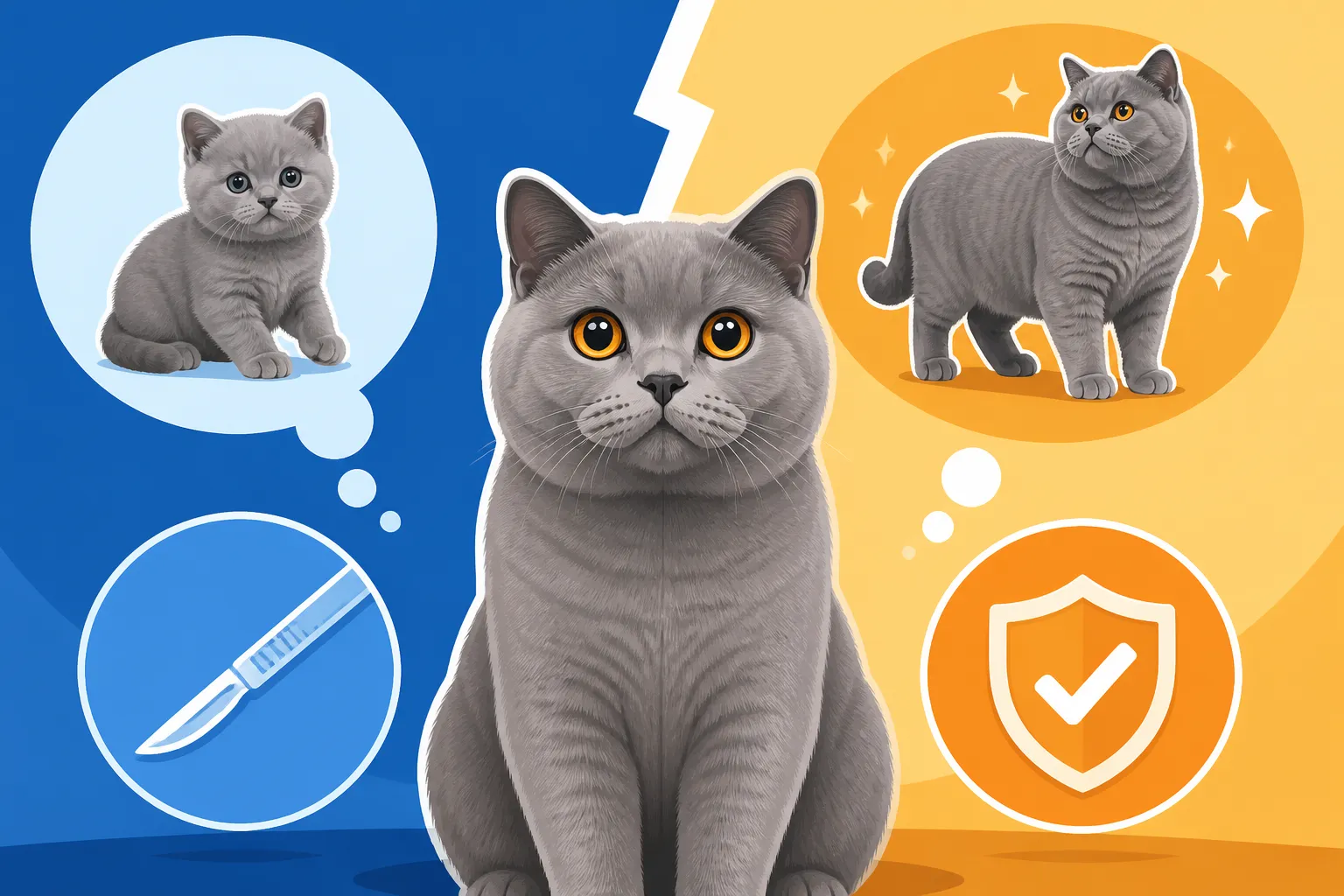
It's a common worry among British Shorthair owners, especially those with adorable, fluffy kittens: will getting my sweet, round-faced companion neutered too early stop them from growing into that magnificent, cobby adult cat we all adore? This concern is completely understandable, as we all want the best for our pets, and the idea of "stunting" their growth sounds truly alarming. This guide will delve into the realities of early neutering and its actual impact on British Shorthair development, dispelling myths and providing a clearer picture of what to expect for your beloved feline friend.
Understanding the British Shorthair's Unique Growth Journey
British Shorthairs are magnificent creatures, renowned for their solid, cobby build, round heads, and plush coats. They don't just spring into this impressive form overnight; their growth is a slow and steady marathon, not a sprint, and understanding this natural progression is key to appreciating how neutering fits into their development.
How British Shorthairs Mature Physically
Unlike some other cat breeds or even dogs that reach their adult size within a year, British Shorthairs take their sweet time. It's not uncommon for them to continue growing and filling out until they are three to five years old. Yes, you read that right – five years! This extended growth period means that while they might reach a certain height and length by their first birthday, the true density, breadth, and development of those iconic jowls (especially in males) come much later. They build muscle, broaden their chest, and develop that wonderful, dense bone structure over several years. This slow maturation is a breed characteristic, something encoded in their genetics, rather than something that can be easily sped up or, conversely, easily stunted by external factors like a surgical procedure. You might be interested in How Long a British Shorthair Takes to Fill Out to get a better sense of this timeline.
When you bring home a British Shorthair kitten, you’re often seeing a relatively slender, gangly little creature compared to the teddy bear-like adults. It takes time for that dense muscle to develop and for their bones to fully mature. Think of them like a fine wine, improving and developing their full character over an extended period. Any early growth spurts you see are just the beginning of a long journey, not the final destination. Their eventual size is largely determined by their genetic lineage – what their parents and grandparents looked like – and proper nutrition, not by the timing of their desexing surgery.
The Role of Hormones in Feline Development
Naturally, hormones play a crucial role in the growth and development of any animal, and cats are no exception. Sex hormones like testosterone in males and estrogen in females are responsible for a multitude of physical changes, including the development of secondary sexual characteristics like a male's broader head and jowls, and influencing bone growth. Specifically, these hormones signal the growth plates in long bones (like those in the legs) to close. Once these plates close, the bones stop growing in length.
When a cat is neutered, the production of these sex hormones dramatically decreases or stops entirely. If neutering occurs before the growth plates have naturally fused, there's a theoretical possibility that these plates might remain open slightly longer than they would in an intact cat. This could result in marginally longer bones in some individuals. However, it's absolutely crucial to understand that "marginally longer" does not equate to "stunted." In fact, it's the opposite – it suggests a slightly extended period of bone growth. The overall robust, cobby appearance of a British Shorthair is more about bone density and muscle mass, which are less impacted by this subtle hormonal shift. The concern often comes from observations in larger dog breeds, where early neutering can indeed have more noticeable effects on skeletal development, but cats, and British Shorthairs in particular, simply don't exhibit the same dramatic responses.
Disentangling Early Neutering from Stunted Growth
The fear of "stunting" a British Shorthair is widespread, largely due to anecdotal evidence and misinterpretations of feline physiology. Let's tackle this head-on and understand what actually happens.
Why the "Stunting" Myth Persists
The myth that early neutering stunts a cat's growth often stems from a few understandable sources. Firstly, as mentioned, people sometimes compare cats to dogs, where the impact on large breeds can be more pronounced. Secondly, pet owners might associate the physical changes that do occur after neutering – such as a tendency to gain weight more easily or a slightly less dense coat – with a failure to reach full size, when these are separate issues entirely. For instance, an intact male British Shorthair often develops very pronounced jowls and a heavier, more muscular build due to circulating hormones. When a male is neutered early, these characteristics might not develop to the same extreme, leading some to mistakenly believe the cat was "stunted." This isn't stunting; it's simply the absence of hormone-driven secondary sexual characteristics.
Ultimately, your British Shorthair's genetic blueprint determines their maximum potential size and shape. Nutrition, overall health, and a comfortable environment allow them to reach that potential. Early neutering does not alter this genetic code. It might subtly influence the timing of certain developmental milestones, but it won't prevent your British Shorthair from eventually becoming that beloved, solid "teddy bear" you envisioned. In fact, many breeders and veterinarians advocate for neutering at an age that is considered "early" by some, precisely because the health and behavioral benefits far outweigh any negligible cosmetic differences.
Subtle Effects of Neutering on Physical Attributes
While early neutering won't leave your British Shorthair a perpetually tiny kitten, there can be subtle physical effects, which are rarely negative. As discussed, the growth plates might close a little later, potentially leading to slightly longer limb bones. However, in the cobby, short-legged British Shorthair, this difference is usually imperceptible to the casual observer and certainly doesn't detract from their breed type. You're unlikely to end up with a long-legged British Shorthair!
More noticeable might be the effect on the development of jowls in males. Unneutered males typically develop very broad heads and pronounced cheek pads, often called "jowls," due to testosterone. If a male British Shorthair is neutered before these have fully developed, they may not become as prominent. This is a hormonal effect, not a stunting of growth, and many owners actually prefer a slightly less extreme jowl development as it makes grooming and general care a little easier. You can read more about this in What Jowls Are on a Male British Shorthair. Similarly, the famously dense, crisp coat of a British Shorthair is a breed hallmark, and while hormonal shifts can sometimes lead to a slightly softer coat texture in neutered animals, it usually retains its essential character. These subtle changes are part of their overall maturation process, which continues long after surgery.
Significant Benefits of Timely Neutering for Your British Shorthair
Beyond dispelling the myth of stunted growth, understanding the numerous health and behavioral advantages of timely neutering is crucial for responsible British Shorthair ownership. These benefits often far outweigh any minor, perceived cosmetic differences.
Protecting Their Health and Behavior
The health benefits of neutering your British Shorthair are substantial and well-documented. For males, neutering eliminates the risk of testicular cancer and significantly reduces the incidence of prostate problems. For females, spaying prevents ovarian and uterine cancers, and crucially, eliminates the life-threatening risk of pyometra, a severe uterine infection. Pyometra is an insidious disease that can strike quickly and requires emergency surgery, often costing a significant sum in veterinary care. Preventing it altogether is a huge relief for owners.
From a behavioral standpoint, the advantages are equally compelling. Unneutered male British Shorthairs are notorious for marking their territory with strong-smelling urine, often spraying on walls, furniture, and anything else in their path. This behavior is incredibly difficult to live with and can ruin a home environment. Neutering drastically reduces or eliminates this spraying behavior, making for a much cleaner and more pleasant household. Intact males also have a powerful drive to roam in search of mates, increasing their risk of fights with other animals, getting hit by cars, or becoming lost. Neutered males are generally calmer, more focused on their home environment, and less prone to aggressive encounters.
For females, spaying prevents the constant heat cycles, which can be stressful for both the cat and the owner. A female in heat will vocalize loudly, often incessantly, to attract mates, and can become restless and agitated. Eliminating these cycles means a calmer, happier cat and a more peaceful home. Overall, neutered British Shorthairs tend to be more affectionate, less stressed, and generally enjoy a longer, healthier life. If you're wondering about their potential lifespan, check out The Twelve to Seventeen Years a British Shorthair Gets.
Navigating Post-Neutering Metabolism and Weight
One very real and important consideration after neutering any cat, including a British Shorthair, is the change in metabolism. Neutering causes a hormonal shift that can lead to a slower metabolism, meaning cats burn fewer calories at rest. Coupled with their typically calm and somewhat sedentary nature, British Shorthairs are particularly prone to weight gain after sterilization. This isn't "stunting" in the sense of arrested development; it's a metabolic change that requires careful management to prevent obesity.
Obesity is a significant health concern for British Shorthairs, leading to a cascade of other problems like diabetes, arthritis, and heart issues. It's truly Obesity Is the British Shorthair's Real Disease. Therefore, while you don't need to worry about stunting their growth by neutering early, you absolutely need to be vigilant about their diet and exercise afterwards. This often means carefully portioning their food and potentially switching to a “weight control” or “indoor cat” formula specifically designed for lower calorie needs. Measured portions of a suitable diet, along with puzzle feeders, can help manage a British Shorthair's caloric intake and keep them active and engaged during meal times. It’s important to understand Why a British Shorthair Gains Weight So Easily and proactively manage their diet and activity.
Here's a quick comparison of the common concerns versus realities of early neutering in British Shorthairs:
| Concern | Perceived Impact | Actual Impact on British Shorthairs |
|---|---|---|
| Stunted Physical Growth | Cat remains smaller than breed standard | Myth: Size is genetically determined. May have slightly longer bones (imperceptible) due to delayed growth plate closure. |
| Lack of Jowl Development | Male won't achieve characteristic broad head | Partial Reality: Jowl development is hormone-dependent. Early neutering may result in less pronounced jowls, not a "stunted" head. |
| Coat Quality Changes | Coat becomes thin or loses density | Minor: Hormonal shifts can subtly alter coat texture, but core density and crispness remain largely intact for the breed. |
| Increased Weight Gain | Cat becomes fat and unhealthy | Reality: Metabolism slows, increasing risk of obesity. Requires strict portion control and attention to diet, not a reason to delay. |
| Behavioral Issues | Cat becomes less active or changes personality | Myth: Typically leads to calmer, less aggressive, and more affectionate behavior; reduces spraying and roaming. |
Partnering with Your Vet for Optimal Care
Ultimately, making the best decision for your British Shorthair's health and well-being involves a close partnership with your veterinarian. They can provide personalized advice based on your cat's individual circumstances.
Personalizing the Neutering Timeline
While the "early neutering stunts growth" myth is largely debunked for British Shorthairs, the exact timing of the procedure can still be a topic of discussion with your vet. Many veterinarians recommend neutering between 4 to 6 months of age, or sometimes even earlier in rescue situations. At this age, the cat is old enough to safely undergo anesthesia and surgery, but young enough that they haven't yet developed undesirable hormonal behaviors like spraying or intense heat cycles. Their bone development is still in progress, but the subtle influences of neutering on growth plates are generally considered negligible compared to the profound health benefits.
Your vet will consider your cat's overall health, weight, and any other specific factors before recommending a timeline. They'll perform a thorough pre-surgical examination and often recommend blood work to ensure your British Shorthair is a good candidate for anesthesia. Don't hesitate to voice your concerns about growth or any other aspect of the procedure; a good vet will be happy to explain everything in detail and put your mind at ease. This collaborative approach ensures that the decision is tailored to your specific pet, not a one-size-fits-all recommendation.
Weighing the Costs and Long-Term Benefits
When considering neutering, there's always the immediate cost of the procedure itself. However, it's vital to view this as an investment in your British Shorthair's long-term health and your peace of mind. The cost of neutering pales in comparison to the potential expenses of managing an unneutered cat with health complications or behavioral issues. Imagine the cost of treating pyometra, an emergency surgery that can be life-threatening and incredibly expensive, or the repeated vet visits for wounds sustained in cat fights, not to mention the extensive cleaning and potential damage to your home from spraying.
Furthermore, neutering contributes significantly to controlling pet overpopulation, an ethical consideration for all pet owners. While pet insurance companies like Healthy Paws typically do not cover routine procedures like neutering as part of standard plans, they do provide invaluable coverage for unexpected illnesses and accidents that could arise if your cat remains unneutered and encounters health problems. For instance, if your intact male gets into a nasty fight while roaming, the vet bills for injuries would be substantial, and that's where insurance can truly help. When you look at the total What the First Year With a British Shorthair Costs or even Fifteen Years of a British Shorthair, Priced Out, the neutering cost is a small, sensible part of that overall picture, offering a lifetime of benefits.
Taking a proactive approach to your British Shorthair's health through timely neutering helps ensure they live a full, healthy, and happy life, allowing them to reach their full, magnificent, cobby potential without any "stunting" worries.
Disclaimer
This article is for general informational purposes only and does not constitute professional advice. Laws, prices and regulations vary by location and change over time. Consult a qualified professional for guidance on your specific situation.