Harrison Weir Put a British Shorthair on the Bench in 1871
Harrison Weir transformed the humble British street cat into an esteemed pedigree show bench competitor in 1871.
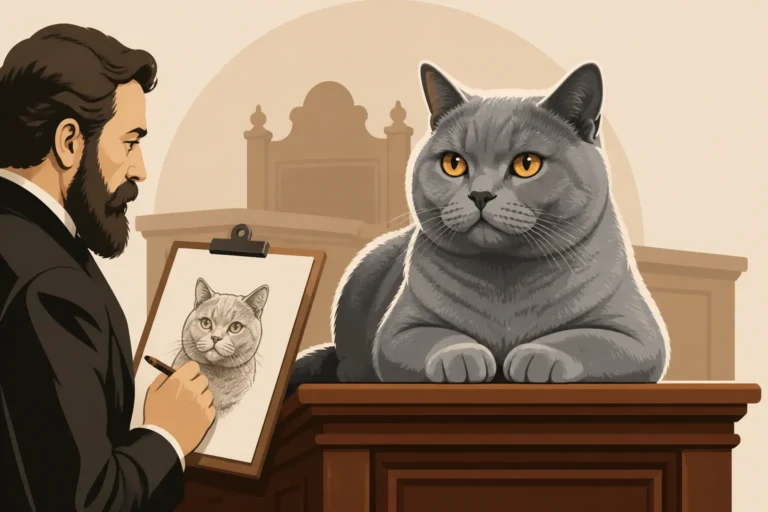
Harrison Weir transformed the humble British street cat into an esteemed pedigree show bench competitor in 1871.
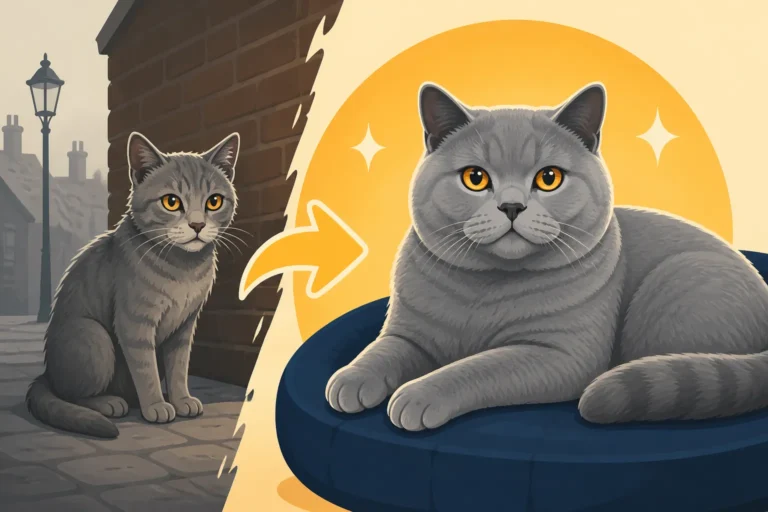
The history of the British Shorthair reveals how hardworking street cats brought by Roman legions transformed into pedigree companions.
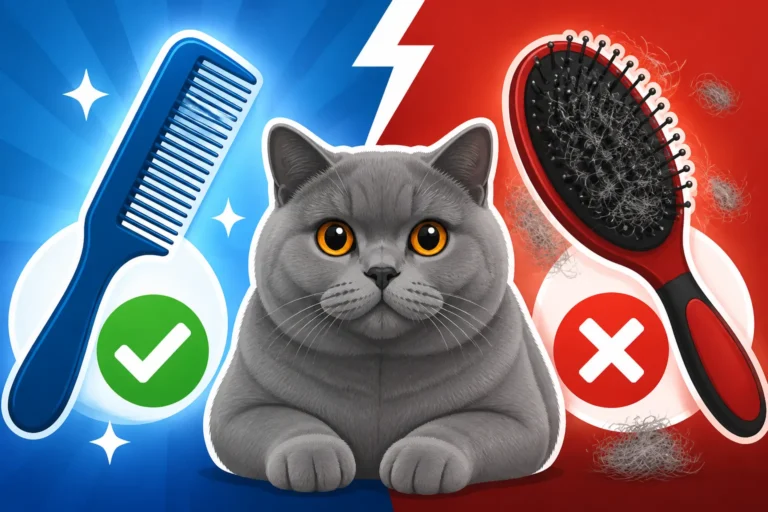
British Shorthair grooming requirements explain why a simple comb penetrates dense double coats better than standard cat brushes.
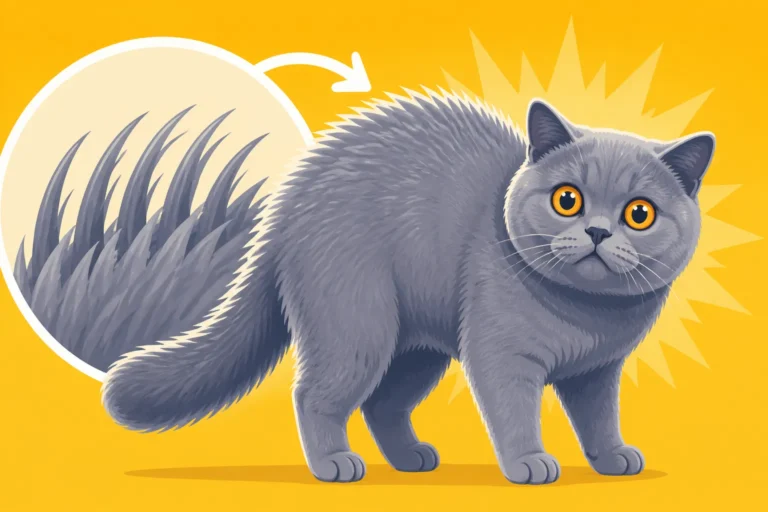
British Shorthair coat genetics explain how firm guard hairs and dense woolly undercoats create a plush, standing fur structure.
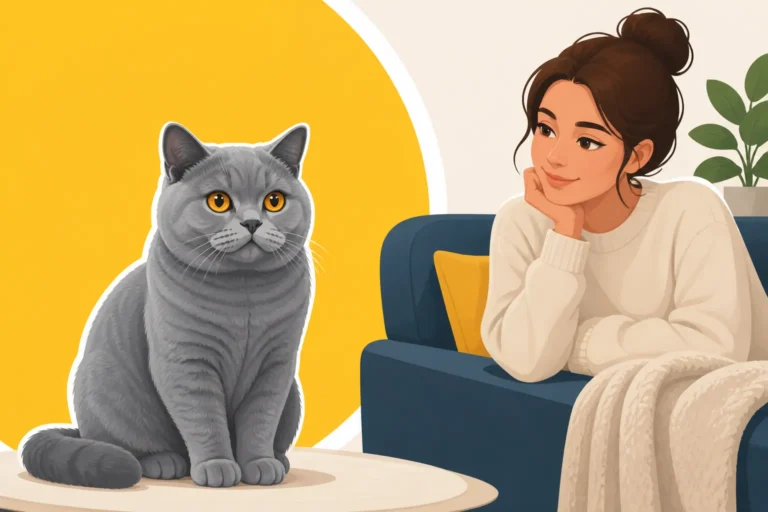
British Shorthair cats prefer sitting nearby rather than on laps due to dense coats, heavy build, and independent ancestry.
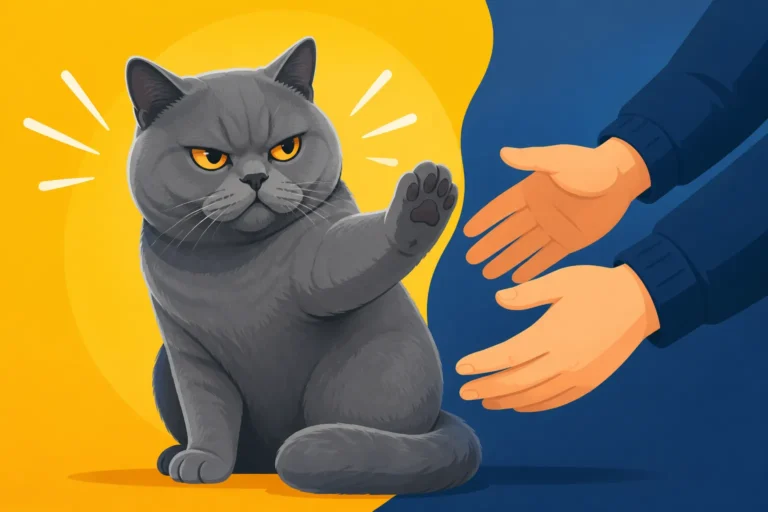
British Shorthair cats resist being lifted because their heavy cobby build and independent working heritage demand solid ground.
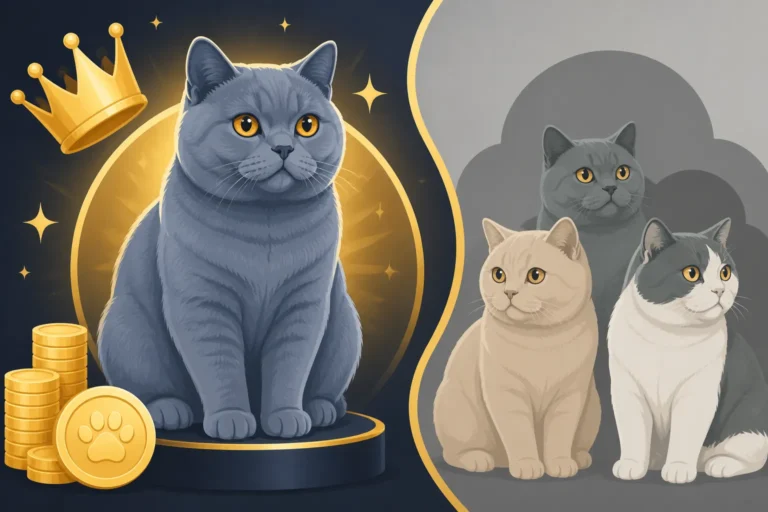
British Shorthair coat color economics explains why blue kittens cost more than other shades due to market demand and history.

British Shorthair purchase prices in 2026 depend on breeder reputation, lineage, geographic location, and early veterinary care costs.

Yearly echocardiograms replace missing DNA tests to detect Hypertrophic Cardiomyopathy, which thickens heart muscle walls in British Shorthair cats.
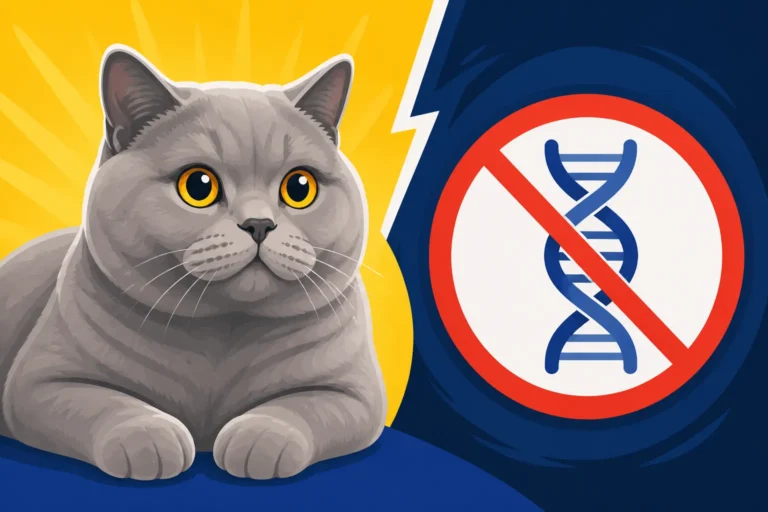
Hypertrophic cardiomyopathy in British Shorthair cats lacks a DNA test, so this explains heart muscle thickening and screening.

British Shorthair breed standards change over time across different registries, explaining how official descriptions of physical traits evolve.
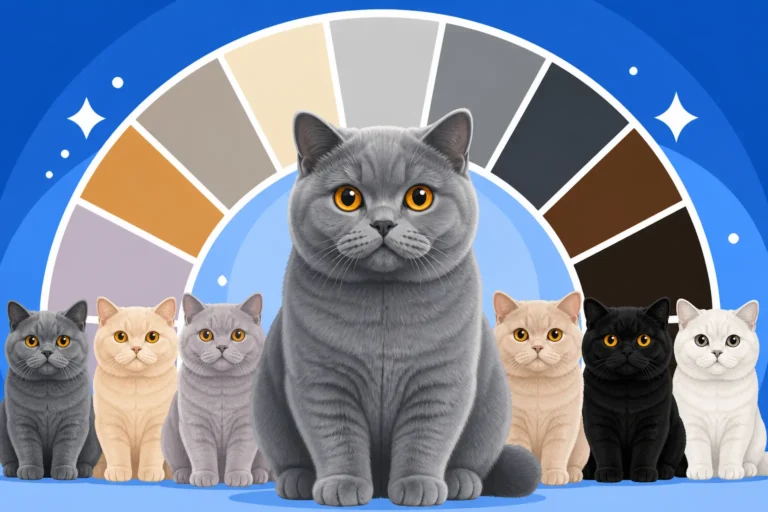
British Shorthair coat color counts vary because registries combine base pigments, patterns, modifiers, and regional standards differently.

British Shorthair registration for a kitten with folded ears depends on documented ancestry and specific registry rules.
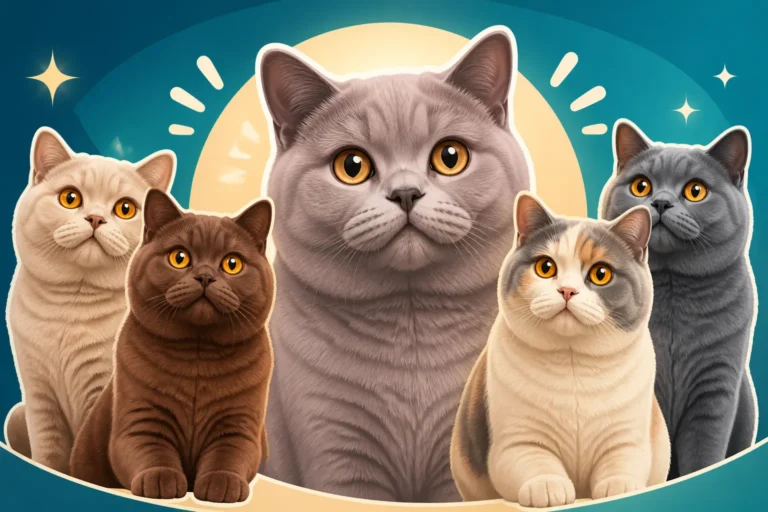
Cinnamon, fawn, golden, and silver shaded varieties are often considered newer British Shorthair coat colors because they are less established.
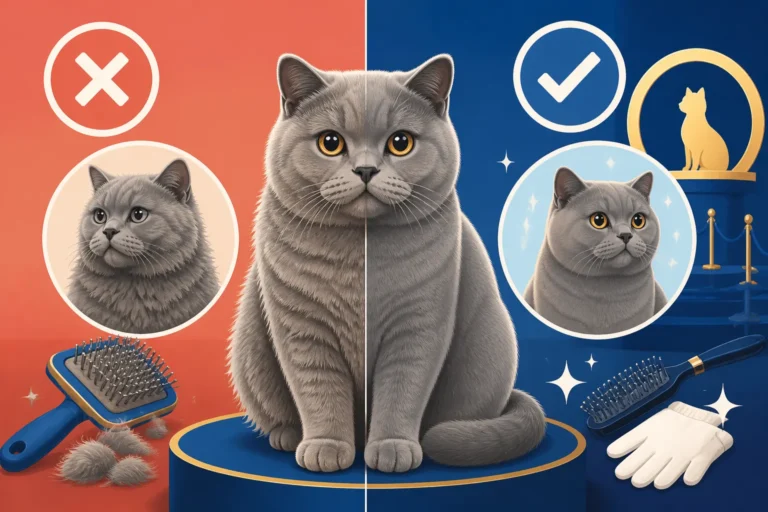
British Shorthair show preparation explains how to check coat condition, remove loose fur, and avoid styling products.
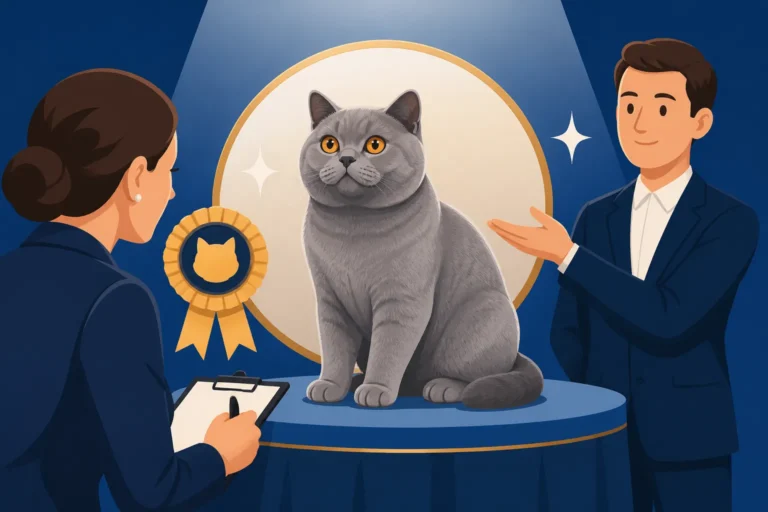
British Shorthair show presentation preparation covers coat care routines, proper grooming tools, and handling methods for exhibition events.
GCCF and CFA British Shorthair standards differ in feature evaluation while describing the exact same cat breed.
British Shorthair judging standards differ by registry, affecting how judges assess body shape, head, coat, and color.
Historical evidence regarding British Shorthair cats on ships separates modern pedigrees from early working mouse hunters.

British Shorthair owners evaluate whether to choose the independent breed again based on their calm temperament and affection.