Why a British Blue Costs More Than Any Other Color
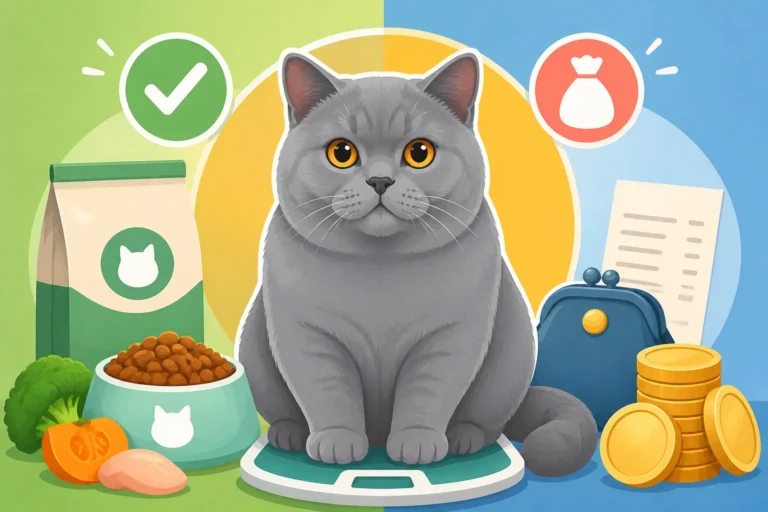
It's a common phenomenon for prospective British Shorthair owners to notice a significant price difference based purely on coat color, with the gorgeous "British Blue" often commanding a premium that leaves many wondering why. This comprehensive guide will delve deep into the multifaceted reasons behind the higher cost of British Blue kittens, exploring everything from their historical significance and genetic factors to the economics of supply and demand in the breeding world.
The Iconic Image: Why the Blue Reigns Supreme in Perception
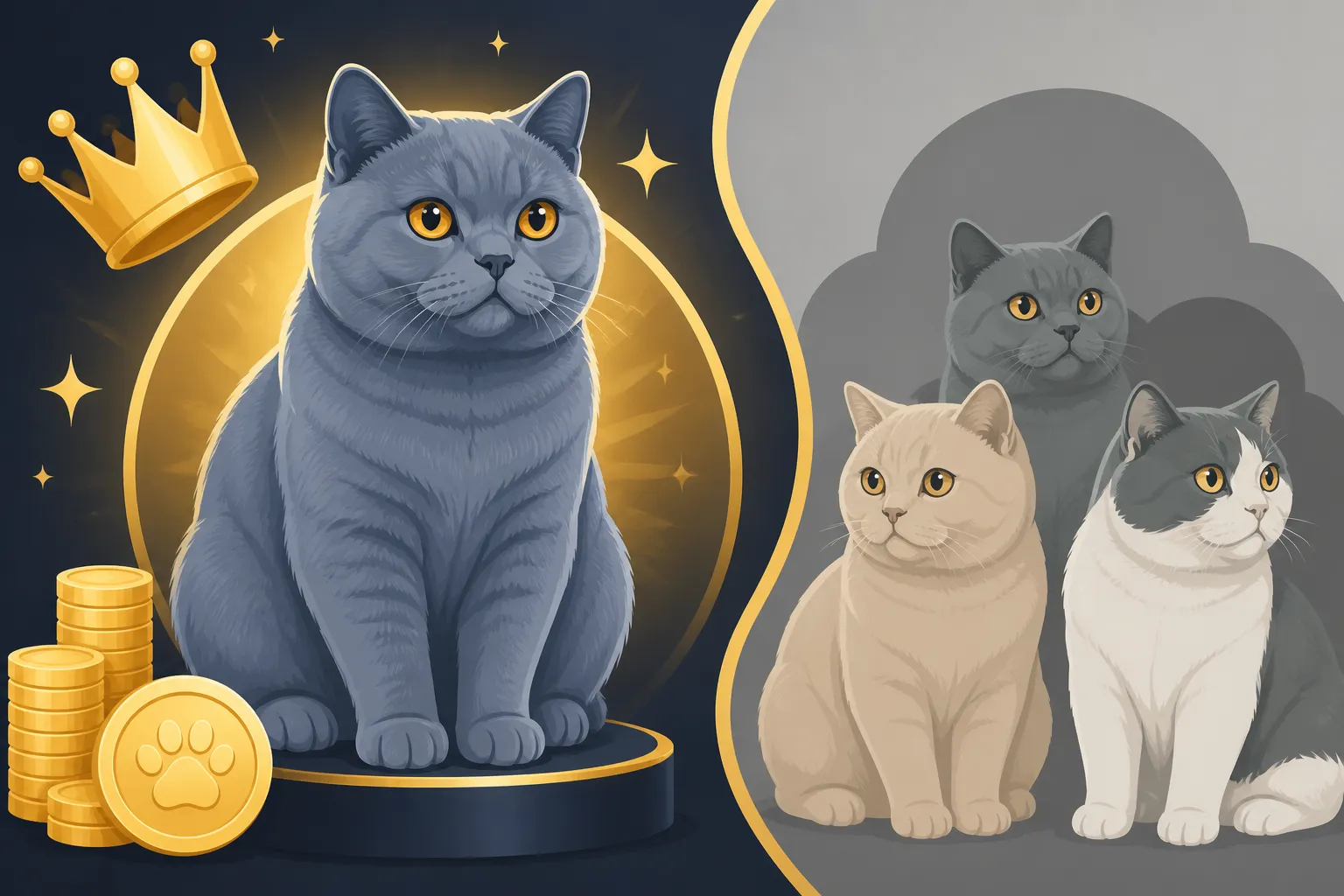
When you picture a British Shorthair, what color comes to mind? For most people, it's that stunning, solid blue-grey coat, coupled with those piercing copper eyes. This isn't a coincidence; the British Blue has, for decades, been the quintessential representation of the breed, shaping public perception and, consequently, market demand.
Historical Significance and Early Recognition
The British Shorthair breed itself has a fascinating history, tracing its lineage back to the street cats of Britain. However, it was the blue variety that truly captured the hearts of early cat fanciers. When Harrison Weir, often considered the "Father of the Cat Fancy," organized the first modern cat show at Crystal Palace in 1871, the British Shorthair was prominently featured, and the blue color quickly rose to prominence. This initial recognition and adoration cemented the blue's status as the breed's flagship color. Imagine the buzz back then, with these strikingly uniform blue cats standing out against a backdrop of various domestic tabbies and patched cats. The solid, unblemished blue was seen as a mark of refined breeding and elegance, a stark contrast to the more common patterns. This early popularity created a lasting impression, associating the blue coat with the very identity of the British Shorthair, a legacy that continues to influence its perceived value today. You can read more about Whether the British Shorthair Was the First Show Cat.
Media Representation and Public Fascination
Fast forward to the modern era, and the British Blue's iconic status has only been amplified by popular culture. From the famous Cheshire Cat in Alice in Wonderland, often depicted with a British Shorthair-like grin and a blue-grey coat, to numerous advertisements and even internet memes, the blue British Shorthair is everywhere. Think of those sophisticated cat food commercials or cuddly animations – more often than not, the cat embodying calm, dignified charm is a blue British Shorthair. This pervasive media presence means that for many, their first introduction to the breed is through the image of a blue cat. This constant exposure creates a powerful mental association: "British Shorthair equals blue." When people start looking for a kitten, this ingrained image often dictates their preference, leading them directly to the blue variety, sometimes without even realizing the breed comes in a stunning array of other colors, from cream to chocolate to various tabby patterns. This widespread visual familiarity translates directly into higher demand.
The "Classic" Look and Its Appeal
Beyond historical and media influences, there's an undeniable aesthetic appeal to the British Blue. The solid, even slate-grey coat is simply breathtaking. It provides a perfect canvas for the breed's signature features: the dense, plush texture that stands away from the body, the round, broad head with full jowls, and those large, luminous copper or gold eyes. This combination creates a striking, teddy-bear-like appearance that many find irresistible. The uniformity of the blue color often highlights the breed's chunky, cobby body type and famous "smile," making these features even more pronounced and endearing. Compared to a cat with complex patterns or multiple colors, the simplicity and elegance of a solid blue can feel inherently "classic" and refined. It's a look that evokes a sense of tradition and timeless beauty, which many buyers are willing to pay extra for. This visual preference isn't just a fleeting trend; it's deeply rooted in the breed's history and its carefully cultivated standard. For those wanting a cat that perfectly embodies the British Shorthair ideal, the blue is often seen as the ultimate choice.
Supply and Demand: The Economics Behind the Blue Price Tag
Like any commodity, the price of a British Shorthair kitten is heavily influenced by the fundamental principles of supply and demand. For British Blues, these economic forces often push prices higher than their equally charming, but less sought-after, counterparts.
Breeder Focus and Color Concentration
Because the blue British Shorthair is so popular and synonymous with the breed, many breeders, especially those focused on maintaining traditional lines or achieving show success, naturally concentrate their efforts on producing blue kittens. They might invest more heavily in blue breeding stock, seeking out cats with exceptional blue pedigrees and traits that align with the breed standard for the color. This often means that a significant portion of the breeding population is geared towards producing blues. If a breeder has a choice between a blue queen and a cinnamon queen, and the demand for blue is consistently higher and more lucrative, it makes economic sense to prioritize breeding that blue queen. This concentration of effort can sometimes lead to fewer breeding programs dedicated to other colors, even if those colors are equally stunning and healthy. As a result, while there might be many British Shorthairs available, a disproportionate number of them might be blue, but even with this, the demand often outstrips the supply of high-quality blues, keeping prices elevated.
Higher Demand from Buyers
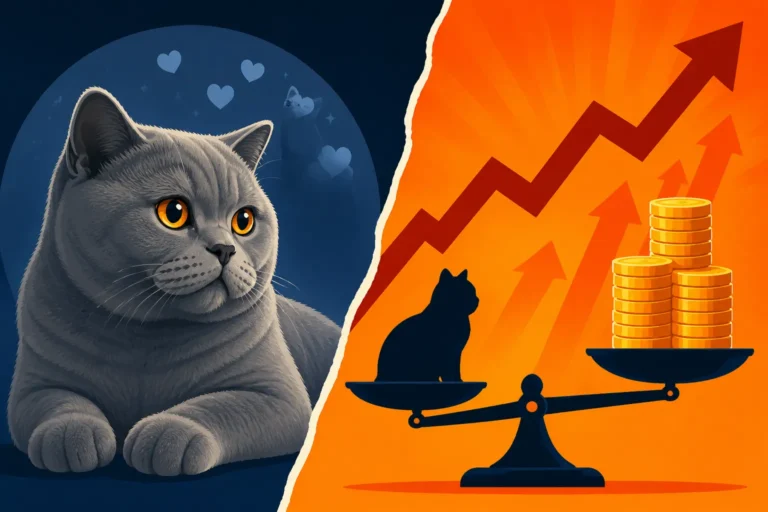
This is perhaps the most straightforward reason for the price difference: more people want a blue British Shorthair. When potential buyers start their search, their minds are often already set on that iconic blue coat. They might have seen them in commercials, on social media, or simply fallen in love with the classic imagery. This overwhelming preference creates a highly competitive market for blue kittens. Breeders often have extensive waiting lists specifically for blue kittens, sometimes stretching months or even over a year. When demand consistently outpaces even a robust supply, prices naturally increase. It's not uncommon for a breeder to receive dozens of inquiries for a single blue kitten, while a similarly high-quality kitten in a less common color, like chocolate or cream, might have a shorter waiting list or fewer interested parties. This high demand allows breeders to set a higher price point for their blue offspring, knowing that buyers are willing to pay it to secure their desired color. You might also be interested in Why the Blue British Shorthair Commands a Premium.
Limited Availability of Top-Quality Blue Lines
While many breeders produce blue British Shorthairs, the availability of truly top-quality blue lines – those that consistently produce kittens with perfect type, excellent health, and show-winning potential – is more limited. Developing and maintaining such lines requires significant investment in carefully selected breeding cats, often involving importing top specimens from other countries or making substantial financial commitments to exceptional pedigrees. These elite lines are the foundation for the most desirable blue kittens, and their scarcity means that kittens from these lines will naturally command the highest prices. Buyers looking for a pet that embodies the absolute best of the breed, or breeders seeking to introduce new genetics into their own programs, will specifically seek out kittens from these highly regarded blue lines, driving their value up. This exclusivity ensures that even within the "blue" category, there's a tier of pricing, with the very best examples fetching top dollar.
Genetics and Breeding Challenges for British Blues
While the blue color might seem simple, the genetics behind it, and the complexities of breeding for consistent quality, play a significant role in its cost. Responsible breeders put a lot of effort into understanding and managing these genetic factors.
The Dilution Gene and Blue Coat Color
The blue coat color in British Shorthairs isn't a separate gene for "blue." Instead, it's caused by a recessive dilution gene (d/d) acting on a black base coat. In simple terms, a cat that would genetically be black has its pigment diluted, resulting in the grey-blue shade. For a cat to be blue, it must inherit two copies of this recessive dilution gene – one from each parent. This means that both parents, even if they aren't blue themselves, must carry the dilution gene (they would be black or another color, but genetically 'Dd'). Breeding for consistent blue color requires careful selection to ensure that breeding pairs carry and pass on the correct genetic combination. If one parent doesn't carry the dilution gene, or only one copy is passed on, the kittens might be black or another solid color, rather than blue. This understanding of recessive genetics means breeders must plan pairings meticulously to increase the chances of producing a litter of blue kittens, which can be a time-consuming and sometimes challenging endeavor.
Ensuring True Blue Color and Type
It's not enough just to produce a blue kitten; a high-quality blue British Shorthair must also exhibit the correct shade of blue, without shading, rustiness, or white hairs. The ideal blue is a medium, even, cool grey tone. Achieving this consistent, unblemished blue, along with all the other critical breed characteristics like dense coat, round head, and copper eyes, is where the real breeding challenge lies. A breeder might get blue kittens, but some might have less dense coats, lighter eye color, or a slightly off shade of blue. To produce kittens that consistently meet the rigorous breed standard requires an in-depth knowledge of pedigrees, careful selection of breeding stock, and sometimes many generations of selective breeding. This dedication to perfection in both color and overall type means that only a small percentage of blue kittens born will be truly exceptional, further justifying their higher price. You can read more about What a Blue British Shorthair Looks Like.
The Impact on Other Colors in a Litter
When a breeder sets out to produce blue kittens, they often pair a blue cat with another blue cat (dd x dd) or a blue cat with a carrier (Dd x dd). In the first scenario, all kittens will be blue. In the second, roughly half will be blue, and half will be black carriers of blue. However, sometimes breeders might cross a blue with a different color, perhaps to bring in new bloodlines or improve other aspects of type. These pairings can result in litters with a mix of colors – some blue, some black, some lilac, or even other shades depending on the other genes involved. While the non-blue kittens in such a litter are just as healthy and well-bred, their price might be slightly lower simply because they are not the highly-demanded "blue." This doesn't mean they are inferior in quality; it simply reflects the market preference for blue. Breeders must manage these varied litters, often pricing the blue kittens higher and potentially adjusting prices for the other colors, which can sometimes lead to longer waits for those non-blue kittens to find homes if demand is lower. This dynamic within a single litter demonstrates how the blue preference can influence pricing across the board.
Show Quality vs. Pet Quality: The Blue Premium Extends to the Ring
The world of cat shows significantly impacts the value and perception of a breed, and for the British Shorthair, the blue color is deeply ingrained in this competitive arena. Show ring success for blue British Shorthairs directly influences their price, even for pets.
The Ideal Blue in the Show Ring
In the intense world of cat shows, judges have very specific criteria for what constitutes a perfect British Shorthair, and these standards are particularly rigid for the blue variety. The ideal blue British Shorthair boasts a coat that is perfectly uniform in color, with no streaks, shading, or stray white hairs, extending right down to the roots. The texture must be incredibly dense and plush, standing away from the body without being too long or woolly. Paired with this, the cat must have a large, round head with a firm chin, deep copper-colored eyes that are wide-set, and small, rounded ears. Every single feature is scrutinized. For example, even a slight variation in eye color from the desired copper, or a coat that's a touch too light or too dark, can mean the difference between winning and losing. Breeders spend years, even decades, striving to produce kittens that embody this perfection. This pursuit of the "ideal blue" in the show ring requires immense dedication and investment, contributing to why these top-tier blues fetch such high prices.
The Investment in Show Lines
To consistently produce kittens that excel in the show ring, breeders must invest heavily in their breeding stock. This isn't just about buying any British Shorthair; it's about acquiring cats from proven show lines, often from champion parents or those with illustrious pedigrees. Such cats come with a hefty price tag themselves, reflecting their genetic quality and potential. Moreover, the costs associated with showing cats – entry fees, travel, grooming, and time – are substantial. Think about it: a breeder might travel across states or even internationally to compete, all to gain recognition and prove the quality of their lines. This investment isn't just for prestige; it's a strategic move to enhance the reputation of their cattery and, by extension, the value of their kittens. When a breeder can proudly state that their kittens come from a long line of champions, particularly in the blue color which is so competitive, it adds an undeniable premium to their price, even for pet-quality kittens that aren't destined for the ring themselves. For insight into what a breeder should have tested, see What a British Shorthair Breeder Should Have Tested.
The Halo Effect on Pet-Quality Blues
The success of blue British Shorthairs in the show ring creates what's known as a "halo effect." When a particular cattery consistently produces show-winning blue cats, the demand for all their kittens, regardless of whether they are destined for the show ring or a pet home, increases. Buyers naturally gravitate towards breeders with a strong reputation for producing high-quality animals, and show wins are a tangible validation of that quality. So, even if a blue kitten is sold as "pet quality" (meaning it has a minor flaw that prevents it from being a champion, but is still a wonderful, healthy companion), its price will still be higher than a non-blue kitten of similar pet quality from the same cattery, or even from a cattery without show credentials. The perceived prestige and the assurance of excellent genetics that come from a champion lineage translate into a higher value proposition for pet buyers. It's like buying a car from a brand known for its racing heritage – even the standard models benefit from that reputation. This means the blue premium isn't just for show cats; it trickles down to impact the pricing of pet-only blue British Shorthairs as well.
Ethical Breeding Practices and Associated Costs for Any British Shorthair
Regardless of color, any responsibly bred British Shorthair kitten comes with a certain baseline cost. These costs reflect the significant investment a good breeder makes in the health, welfare, and genetic quality of their cats. It's crucial for buyers to understand that these foundational costs are non-negotiable for an ethical breeder, and they underpin the price of every kitten, blue or otherwise.
Health Screening and Genetic Testing
One of the most substantial expenses for any reputable British Shorthair breeder is comprehensive health screening and genetic testing of their breeding cats. This isn't a one-time thing; it's an ongoing commitment to the health of their entire breeding program and, ultimately, the kittens they produce. Key screenings include echocardiograms (echoes) for Hypertrophic Cardiomyopathy (HCM), a common heart condition in the breed. These echoes need to be performed annually by a board-certified veterinary cardiologist, a specialist service that doesn't come cheap. Understanding The Yearly Echo That Replaces a British Shorthair Gene Test is vital for buyers.
Beyond HCM, breeders also test for Polycystic Kidney Disease (PKD), often through DNA tests or ultrasounds, to ensure their breeding cats are clear of this inherited condition. Furthermore, responsible breeders will blood type their cats, especially the queens, to prevent devastating neonatal isoerythrolysis in kittens, which can occur when a Type B queen is bred to a Type A tom. These tests, along with general veterinary check-ups, vaccinations, parasite control, and high-quality nutrition for the breeding adults, add up significantly. A breeder might spend hundreds, if not thousands, of dollars annually on each breeding cat to ensure they are healthy and free from hereditary diseases before ever producing a litter. This meticulous approach to health is paramount and a major component of a kitten's price. If a kitten seems suspiciously cheap, it's often because these crucial health checks have been skipped, leading to potential heartbreak and massive vet bills down the line for the new owner.
Quality Care and Rearing of Kittens
Once a litter is born, the breeder's investment continues. Raising healthy, well-socialized kittens is a full-time job for several weeks. This includes providing top-tier nutrition for the queen during pregnancy and lactation, and then for the kittens once they start weaning. High-quality kitten food, often premium brands, is a significant ongoing expense. Kittens also require multiple veterinary visits for their initial health checks, deworming, and their full course of vaccinations. Every kitten is also microchipped and typically spayed or neutered before going to their new home, which are substantial surgical costs.
Beyond the medical and nutritional needs, there's the critical aspect of socialization. Ethical breeders spend countless hours interacting with their kittens, ensuring they are accustomed to human touch, household sounds, and a clean litter box environment. This hands-on care is vital for developing well-adjusted, confident adult cats. This also means providing a safe, clean, and enriching environment for the kittens to grow, which includes appropriate bedding, toys, and litter supplies. All these elements contribute to a healthy, happy start in life for each kitten and are factored into the purchase price.
Registration and Pedigree Documentation
A legitimate British Shorthair kitten from an ethical breeder will come with proper registration papers from a recognized cat registry, such as TICA (The International Cat Association) or CFA (The Cat Fanciers' Association). This registration confirms the kitten's pedigree, tracing its lineage back through several generations of documented British Shorthairs. The cost of registering the litter, individual kittens, and maintaining annual cattery registrations with these associations is another expense for the breeder.
These papers aren't just fancy certificates; they are proof of authenticity and an assurance that your kitten is indeed a purebred British Shorthair. They also provide valuable information about the kitten's ancestry, which can be important for understanding potential genetic predispositions or simply for curiosity about your cat's family tree. A breeder who cannot provide registration papers or a clear pedigree history for their British Shorthair kittens is a significant red flag, often indicating a backyard breeder who is cutting corners and possibly misrepresenting the breed. The inclusion of these official documents is a hallmark of responsible breeding and adds to the overall value and price of the kitten.
What to Expect When Buying a British Shorthair of Any Color
While the British Blue might command a higher price, it's essential for prospective owners to understand that all British Shorthairs, regardless of their coat color, come with certain expectations in terms of pricing and ongoing care. A reputable breeder will always prioritize health and temperament, even if the color isn't the most in-demand.
Understanding Price Variations Across Colors
While the British Blue often leads in price, it's not the only color available, and prices can vary for these other hues too. You might find British Shorthairs in lilac, cream, chocolate, black, white, cinnamon, fawn, or various tabby patterns (silver tabby, blue tabby, etc.), and even colorpoints. Generally, solid colors and traditional tabbies are more common and might be priced similarly to blue, though perhaps a touch lower due to demand. Rarer or newer colors, like cinnamon or fawn, or complex patterns like golden shaded, might also command a premium due to the difficulty in breeding them consistently or their novelty.
For instance, a striking What a Golden Shaded British Shorthair Costs could be quite high due to the specialized breeding required to achieve that delicate shimmer. Always ask a breeder about their pricing structure for different colors and be prepared for explanations that often relate to breeding difficulty, rarity, and current demand. Don't assume a non-blue kitten is "lesser"; it might simply reflect a slightly different market preference or a specific genetic outcome. The key is to understand that the base price for a well-bred British Shorthair, regardless of color, will reflect all the health testing, care, and quality that goes into their upbringing.
The Importance of a Reputable Breeder
This cannot be stressed enough: the breeder you choose is far more important than the specific color of the kitten, even if your heart is set on blue. A reputable breeder will always put the health and welfare of their cats first. They will be transparent about their breeding practices, openly share health test results for the parents (including HCM echo results and PKD DNA tests), and provide a written contract. They will welcome questions, be knowledgeable about the breed standard for all colors, and be eager to educate you. They will also be very selective about who they sell their kittens to, ensuring they go to loving, appropriate homes.
Avoid breeders who offer multiple breeds, have multiple litters at once, or cannot provide full pedigree and health documentation. Be wary of those who seem more interested in making a quick sale than ensuring a good match. A good breeder will also provide ongoing support and advice for the lifetime of your cat. This relationship is invaluable, especially for a first-time British Shorthair owner. Choosing a reputable breeder minimizes the risk of inherited health issues, temperament problems, and the heartbreak of discovering your "purebred" isn't what it seemed. You can also explore Which Questions to Ask a British Shorthair Breeder.
Beyond the Initial Price: Long-Term Ownership Costs
The purchase price of a British Shorthair, blue or otherwise, is just the first expense in a lifelong commitment. Prospective owners must be prepared for the ongoing costs of caring for these wonderful cats. This includes high-quality food, which for a British Shorthair prone to obesity, might involve a carefully portion-controlled diet. Regular veterinary check-ups, vaccinations, and parasite control are annual necessities. British Shorthairs can live The Twelve to Seventeen Years a British Shorthair Gets, and over that lifespan, medical needs can arise, especially as they age.
Pet insurance is a wise investment that can help mitigate unexpected veterinary bills; companies like Healthy Paws offer various plans that can be incredibly helpful for covering accidents and illnesses. Consider the cost of litter, toys (even though a British Shorthair can be a bit lazy, they still need enrichment!), and grooming tools for their dense coats. For food, reputable online retailers like Chewy offer convenient delivery options for a wide range of premium cat foods, including those specifically formulated for weight management or sensitive stomachs. These ongoing expenses easily add up to hundreds, if not thousands, of dollars per year. Factor these long-term costs into your budget before bringing a kitten home, as they are a far greater financial commitment than the initial purchase price. For more on the lifetime costs, refer to Fifteen Years of a British Shorthair, Priced Out.
Is a "Cheaper" British Blue Worth the Risk?
It's tempting to try and find a deal when you see the price tags on well-bred British Shorthairs, especially the blues. However, chasing a "bargain" often leads to far greater costs and heartache down the road. Understanding the risks associated with unusually low prices is crucial for any potential owner.
Beware of Unrealistic Prices
If you see a British Shorthair kitten, especially a blue one, advertised at a price significantly lower than the typical market rate (which often runs into the thousands for a well-bred kitten), consider it a major red flag. This is particularly true if the price seems to be "under a thousand." This often signals a breeder who is cutting corners, sometimes in severe and dangerous ways. These "bargain" kittens frequently come from backyard breeders or kitten mills where profits are prioritized over animal welfare. They might not be purebred British Shorthairs at all, possibly mixed with other breeds like Scottish Folds (which introduces serious health concerns related to cartilage defects) or simply domestic shorthairs.
A legitimate breeder invests too much time, money, and care into their breeding program to sell kittens at rock-bottom prices. Their costs for health testing, quality food, vet care, and proper socialization are substantial. When a price is too good to be true, it almost always is. It's not about being exclusive; it's about covering the ethical and necessary expenses of responsible breeding. You can learn more about What a British Shorthair Sold Under a Thousand Signals.
Potential Health and Temperament Issues
The most heartbreaking consequence of buying a cheaply priced kitten is the high likelihood of encountering serious health and temperament problems. Breeders who skip health testing for their breeding cats risk passing on debilitating genetic diseases like HCM or PKD. Imagine bringing home a seemingly healthy kitten, only to face a diagnosis of a severe heart condition a few years later, requiring expensive ongoing medication or even critical care. These are the kinds of issues that ethical breeding practices aim to prevent.
Furthermore, kittens from irresponsible breeders often lack proper socialization. They might be housed in unsanitary conditions, receive minimal human interaction, and be removed from their mothers too early. This can lead to shy, fearful, or even aggressive behaviors, litter box problems, and difficulties adjusting to a new home. While some behavioral issues can be worked on, they require immense patience, time, and sometimes professional intervention, adding another layer of cost and stress. A healthy, well-adjusted kitten from a responsible breeder is a much safer bet for a happy life together.
The Hidden Costs of Poor Breeding
Those initial savings on a cheap kitten can quickly be overshadowed by astronomical veterinary bills. A kitten from a questionable background might arrive with parasites, undiagnosed infections, or congenital defects that manifest shortly after purchase. The cost of diagnosing and treating these issues can far exceed the money you saved upfront. Beyond immediate health concerns, the long-term management of inherited diseases like diabetes in a British Shorthair or chronic issues resulting from poor nutrition in early life can drain your finances and emotional reserves.
Consider the potential for recurring expenses for specialized diets, medications, or even surgeries if the kitten develops severe problems. Moreover, the emotional toll of caring for a perpetually sick cat, or dealing with a cat with severe behavioral issues, can be immense. Ultimately, investing in a healthy, well-bred British Shorthair from a reputable source, even if the initial cost is higher, is often the most economically sound and emotionally rewarding decision in the long run. It means you're far more likely to have a healthy, happy companion for many years, rather than a constant source of worry and expense.
Comparing British Shorthair Kitten Price Influencers
Here's a table summarizing the key factors that influence the price of a British Shorthair kitten, with a specific focus on how these factors often elevate the cost of a British Blue compared to other colors.
| Factor | Impact on Price | Blue British Shorthair Specifics | Other Colors British Shorthair Specifics |
|---|---|---|---|
| Breed Reputation | Generally higher for well-known, established breeds. | The iconic "face" of the breed, often perceived as the most traditional and desirable, leading to a premium. | Price reflects overall breed reputation, but without the added premium of being the "classic" image, unless particularly rare. |
| Breeder Reputation | Higher for breeders with a long history of ethical practices, health testing, and show success. | Breeders excelling in blue lines (champions, consistent type) can command top prices for all their blue kittens, pet or show. | Still high for reputable breeders, but perhaps slightly less if their focus isn't exclusively on blue, or if the color itself has lower demand. |
| Health Screening | Essential and significant cost for all ethical breeders (HCM, PKD, blood typing, general vet care). | These costs are universally applied and are a non-negotiable part of responsible blue breeding, contributing to the base price. | Same high costs for health screening apply, forming the foundation of the kitten's price regardless of coat color. |
| Demand & Popularity | Directly impacts pricing; higher demand = higher price. | Extremely high demand due to historical significance, media presence, and aesthetic appeal, often resulting in long waiting lists and higher prices. | Demand varies. Some colors (e.g., lilac, silver tabby) are very popular but generally not to the extent of blue. Less common colors might have lower demand. |
| Show Quality Potential | Kittens with potential for the show ring are priced highest. | The ideal blue for the show ring is highly specific and challenging to achieve; top-tier blue show prospects are very expensive. Even pet-quality blues benefit from the "halo effect" of show success. | Show quality potential in other colors can also be very high, but the overall competition and breeder focus for blue often means its show-quality kittens are at the absolute peak of pricing. |
| Coat Color Genetics | Complexity of breeding for specific, desirable colors and patterns. | Breeding for perfect, unblemished blue requires specific genetic pairings and careful selection; achieving consistency in shade and density adds to the challenge and, thus, the cost. | Breeding for specific patterns (e.g., golden shaded, chocolate point) can also be complex and labor-intensive, sometimes leading to higher prices, especially for rarer varieties. |
| Age & Temperament | Older kittens (past standard rehoming age) or those with minor behavioral quirks sometimes have slightly reduced prices. | A well-socialized blue kitten with an excellent temperament will always fetch a premium. | Same as blue; good temperament and age-appropriate socialization are always highly valued and reflect in the price. |
| Spay/Neuter Included | Most reputable breeders include this in the price to ensure pet kittens are not bred. | Included as standard for pet-quality blue kittens, part of the overall ethical breeding package. | Included as standard for pet-quality kittens of any color, ensuring responsible pet ownership. |
Disclaimer
This article is for general informational purposes only and does not constitute professional advice. Laws, prices and regulations vary by location and change over time. Consult a qualified professional for guidance on your specific situation.