Why the Blue British Shorthair Commands a Premium
If you've been dreaming of a British Shorthair, you've probably noticed that the stunning blue variety often comes with a higher price tag than other colors. This can be quite a head-scratcher, leaving many future owners wondering about the reasons behind this premium. This comprehensive guide will explain exactly why blue British Shorthair cats tend to command a higher cost, exploring the historical, genetic, and market factors that contribute to their unique value.
The Deep Roots of the Blue British Shorthair's Appeal
The blue coat isn't just one color among many for the British Shorthair; it's practically the breed's signature. This isn't just a modern trend; it's deeply ingrained in the breed's history and development, giving the blue variety a special status that naturally influences its perceived value and, consequently, its price. Understanding this historical context is key to grasping why they command such a premium today.
Harrison Weir's Enduring Legacy
The British Shorthair breed, as we know it, owes an immense debt to Harrison Weir, the "father of the cat fancy." When Weir organized the first modern cat show at Crystal Palace in 1871, it was the blue British Shorthair that captured the public's imagination and became the archetype for the breed. His vision for the British Shorthair, based on the robust and handsome street cats of Britain, heavily favored the blue variety. This historical endorsement from the very beginning set a precedent.
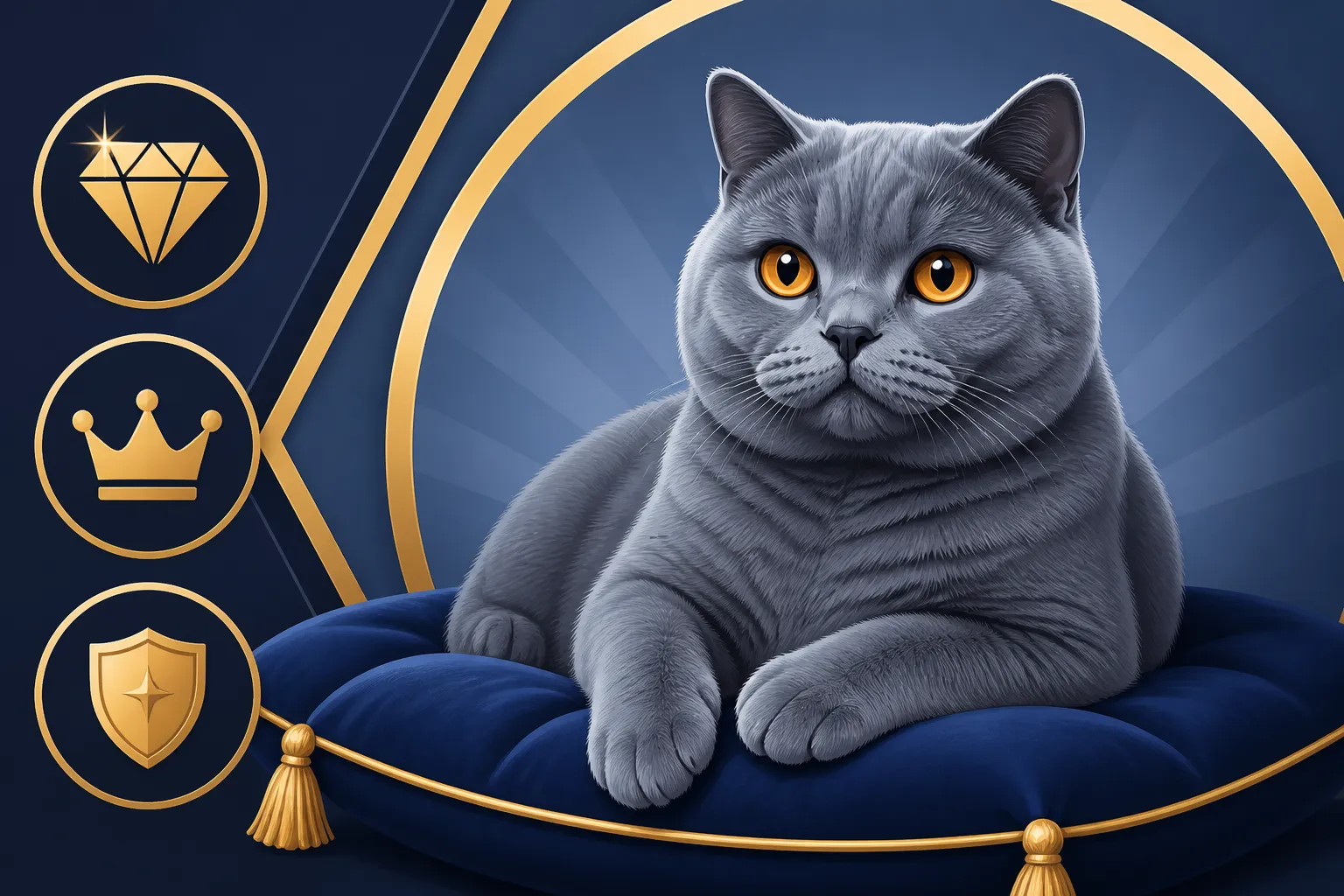
Weir's influence meant that the blue cat became synonymous with the breed's ideal. When you consider Harrison Weir Put a British Shorthair on the Bench in 1871, it wasn't just a British Shorthair, but specifically a blue one, that was crowned champion. This established a powerful image that has persisted for over a century. Early breeders dedicated themselves to perfecting the blue variant, striving for that specific dense, even slate-blue coat and round, copper eyes that defined the standard. This intensive, early focus cemented the blue British Shorthair's status as the quintessential representation of the breed.
Imagine trying to establish a new breed today; the first successful champion would set a strong precedent for generations. The blue British Shorthair had this advantage right from the start, imbuing it with a prestige that other colors, developed later, simply don't share in the same historical measure. It’s like being the original model of a classic car; while subsequent models might be great, the original holds a unique place in history and often commands a higher price among collectors.
The "British Blue" Identity
For a very long time, the British Shorthair was the British Blue in the popular imagination. Even today, many people still refer to the breed as "British Blue" regardless of the cat's actual color, demonstrating how deeply this association runs. This isn't just a casual nickname; it reflects a period in history where the blue cat was so dominant that it overshadowed all other variations.
This strong identity means that breeders who specialize in blues are often seen as preserving the true heritage of the breed. There's a certain cachet in owning "the original" or "the classic" version of anything, and the blue British Shorthair fits this perfectly. People seeking a British Shorthair often have that classic blue image in their mind's eye, whether they realize it's due to historical marketing or not. The blue color is what many expect when they hear "British Shorthair," and that expectation translates into higher demand.
This historical primacy means that lines carefully bred for generations to produce flawless blue coats and excellent type are highly valued. When you look at Why the Blue Became the British Shorthair Everyone Pictures, it's clear that this wasn't accidental; it was cultivated through dedicated breeding and promotion. Other colors, while beautiful and now recognized, arrived on the scene later and had to carve out their own niche against this already established icon.
Breeding Excellence and the Quest for the Perfect Blue
Beyond history, the actual process of breeding a truly outstanding blue British Shorthair involves specific challenges and dedicated effort that contribute to the premium price. It’s not just about getting a blue kitten; it’s about consistently producing blue kittens that embody the breed standard's ideals for coat, color, and overall "type."
The Art of the Ideal Blue Coat
Achieving the perfect blue coat is more nuanced than it might seem. The standard calls for a dense, even, solid blue color that extends right down to the roots of the hair. It should be a rich, medium blue, with no shading, streaks, or ghost tabby markings, especially in kittens. This uniform, unblemished blue is challenging to consistently achieve.
Breeders work tirelessly to eliminate any "ghost tabby" markings – faint stripes or spots that can sometimes appear in blue coats, particularly in kittens, which are undesirable in a solid-colored cat. This requires careful selection of breeding pairs, often relying on extensive pedigrees and knowledge of the lines to ensure clean, solid colors. Furthermore, the desired dense, plush texture of the British Shorthair coat, combined with the specific blue pigment, is a delicate balance. A British Shorthair's Coat Stands Away From Its Body describes this unique texture, and perfecting it in blue adds another layer of complexity.
Consider the time and resources invested by a dedicated breeder in researching pedigrees, genetic testing for dilute genes and potential hidden patterns, and carefully managing breeding cycles to produce offspring that meet these stringent aesthetic criteria. This isn't a quick or easy process; it's years of selective breeding and a deep understanding of feline genetics, all contributing to the inherent value of a top-quality blue kitten.
Combining Color with Conformation (Type)
It’s one thing to breed a cat that is blue; it’s another thing entirely to breed a blue cat that also exemplifies the robust, cobby body, round head, full cheeks, and striking copper eyes that are the hallmarks of the British Shorthair breed. The true premium comes when the beautiful blue coat is presented on a cat with impeccable conformation – what breeders refer to as "type." The ideal The Round Head and Copper Eye a British Shorthair Is Judged On must be perfectly matched with that gorgeous blue.
Breeders aren't just selecting for color; they're simultaneously selecting for all the physical attributes that define the breed. This means finding cats with excellent bone structure, proper ear set, dense coat texture, and a sweet, calm temperament, and ensuring they carry the correct blue dilute genes without undesirable traits. This multi-factor selection process drastically narrows down the pool of suitable breeding animals, making excellent blue breeding stock highly valuable.
A breeder might have a fantastic blue cat with a perfect coat, but if its head isn't round enough or its eyes aren't the right copper shade, it won't be considered top-tier for breeding. The challenge lies in bringing all these desired traits together in one animal, consistently, across generations. This intense focus on simultaneous perfection in both color and type elevates the cost because fewer truly outstanding blue specimens are produced, and those that are represent years of dedicated, skillful breeding. It’s far more difficult than simply breeding for a color, which can be done more easily without strict adherence to type.
Market Demand and Iconic Status
Ultimately, price is often driven by demand. The blue British Shorthair has an unparalleled level of recognition and desirability among prospective cat owners, leading to higher demand than many other colors. This widespread appeal is fueled by a combination of media representation and the inherent aesthetic charm of the blue coat and its association with the breed's iconic "teddy bear" look.
The "Teddy Bear" Appeal and Social Media Influence
The British Shorthair, particularly in blue, has become incredibly popular for its charming "teddy bear" appearance: that dense, plush coat, round face, and large, expressive copper eyes. This look is instantly recognizable and highly desirable. The blue color often enhances this perception of a soft, cuddly companion.
Social media platforms have amplified this appeal exponentially. Pictures and videos of adorable blue British Shorthair kittens and adults often go viral, cementing their image as the ultimate feline companion. This constant exposure creates a powerful psychological association for many prospective owners: if they want a British Shorthair, they envision a blue one. This isn't to say other colors aren't beautiful, but the blue has a marketing advantage that is constantly reinforced online. This widespread desire directly translates into high demand.
The demand for blue kittens often outstrips supply, leading to longer waitlists and, inevitably, higher prices. Breeders of quality blue British Shorthairs can spend significant time communicating with potential buyers, managing expectations, and ensuring their kittens go to the right homes. This administrative effort, combined with the breeding costs, is part of What a British Shorthair Kitten Costs From a Breeder. Even with careful breeding practices and a comprehensive health screening program, the sheer volume of inquiries for blue kittens allows breeders to set a premium price. If you’re considering owning one, remember to also budget for ongoing care, and resources like Chewy can help with high-quality food and litter needs for your furry family member.
Celebrity and Media Endorsement
The blue British Shorthair has a long history of starring roles, from classic literature to modern advertising, which further cements its status. Who can forget the enigmatic grin of the Cheshire Cat from Alice in Wonderland? While the original illustrations weren't always explicit about color, the British Shorthair's distinctive round face and slightly mischievous expression are often associated with the character, and in many modern interpretations, he's depicted as blue or grey. The Cheshire Cat Was a British Shorthair in many people's minds, linking the color to an iconic, beloved figure.
Beyond literature, blue British Shorthairs have frequently featured in advertisements, notably becoming the face of major pet food brands. This kind of widespread commercial exposure is priceless; it puts the blue British Shorthair into homes and minds globally, making it the default image of a purebred cat for many. When you see Which Advertising Cat Was a British Shorthair, it's often a blue one, creating a powerful, aspirational image.
This consistent presence in popular culture means that when someone decides they want a British Shorthair, the blue variant is often the first, and sometimes only, color that comes to mind. It's not just a cat; it's a living icon. This celebrity status, built over decades, directly contributes to its perceived value and the premium price it commands in the market. This isn't about rarity in a genetic sense; Whether a Blue British Shorthair Is Actually Rarer is less about genetics and more about the cultural significance and desirability.
The Holistic Cost of British Shorthair Ownership
While the initial purchase price of a blue British Shorthair may seem high, it’s crucial to understand that this cost is just the beginning of a lifelong commitment. The premium you pay for a blue kitten often reflects not just the color, but the dedication of a reputable breeder and the overall quality of care you can expect throughout your cat's life. Considering the entire ownership experience helps put the initial price into perspective.
Investment in Health and Longevity
Reputable British Shorthair breeders, especially those producing highly sought-after colors like blue, invest heavily in the health and well-being of their breeding cats and kittens. This includes extensive health screening for genetic conditions prevalent in the breed, such as hypertrophic cardiomyopathy (HCM) and polycystic kidney disease (PKD). What a British Shorthair Breeder Should Have Tested is a substantial list, and these tests are not inexpensive. A blue kitten from a screened lineage is an investment in a potentially healthier, longer-lived companion.
The cost you pay for a blue British Shorthair often reflects the breeder's commitment to these health protocols. This means regular veterinary check-ups, specialized cardiac ultrasounds (echoes), and DNA tests for hereditary diseases. When a breeder can confidently provide health clearances for the parents and a health guarantee for their kittens, that peace of mind is invaluable. These foundational health investments reduce the likelihood of costly veterinary bills down the line, although it’s always wise to have pet insurance from providers like Healthy Paws for any unexpected emergencies.
Therefore, while the blue kitten's price is higher, part of that premium is effectively a pre-investment in their health. It signals that the breeder has taken all reasonable steps to ensure you're bringing home a robust, well-cared-for animal, minimizing future heartbreak and financial strain related to preventable health issues. This long-term value often justifies the higher upfront expense for many discerning owners.
Ongoing Care and Quality of Life
Beyond the initial purchase, British Shorthairs, regardless of color, require consistent, high-quality care throughout their The Twelve to Seventeen Years a British Shorthair Gets. This includes premium nutrition, regular veterinary visits, and appropriate enrichment. A blue British Shorthair, acquired at a premium, comes with the expectation that its owner will continue to provide this level of care.
Consider the cost of a specialized diet, especially as British Shorthairs are prone to obesity if overfed. Portion Control Is the Whole Job With a British Shorthair means investing in quality food that keeps them healthy without excess calories. A British Shorthair is a relatively low-energy breed, so proper nutrition is critical for maintaining a healthy weight and preventing conditions like diabetes or arthritis in later life.
| Factor Affecting Blue BSH Price | Description | Impact on Cost |
|---|---|---|
| Historical Significance | The original and most recognized color, featured prominently by Harrison Weir and early breed standards. | Commands a premium due to its iconic status and perceived authenticity, appealing to those seeking the "classic" BSH. |
| Breeding Challenges | Achieving perfectly uniform, dense blue coat without ghost markings, combined with ideal breed type (round head, cobby body, copper eyes). | Requires extensive genetic knowledge, careful selection of breeding lines, and more time/resources from reputable breeders, increasing initial kitten price. |
| High Demand | Unparalleled popularity driven by "teddy bear" aesthetics, social media, and consistent portrayal in media and advertising. | Creates scarcity and longer waitlists for quality blue kittens, allowing breeders to set higher prices due to supply-demand dynamics. |
| Breeder Reputation & Health | Reputable breeders investing in extensive health screenings, quality care, and ethical breeding practices for superior blue lines. | A portion of the premium covers these vital investments, providing buyers with greater confidence in the kitten's health and genetic background. |
The decision to bring a British Shorthair into your home, especially a blue one, is a long-term financial and emotional commitment. The initial premium for a blue kitten is often justified by its historical significance, the rigorous breeding standards applied, and the sustained high demand. It’s an investment in a beloved family member, a living piece of feline history, and a testament to dedicated breeding. Understanding these layers of value helps explain why the blue British Shorthair remains a cherished and sought-after companion, commanding its well-deserved premium in the cat fancy world. What a British Shorthair Costs Over Its Lifetime is considerable, and the initial price is just one piece of the puzzle.
Disclaimer
This article is for general informational purposes only and does not constitute professional advice. Laws, prices and regulations vary by location and change over time. Consult a qualified professional for guidance on your specific situation.