What Separates a Pet From a Show British Shorthair
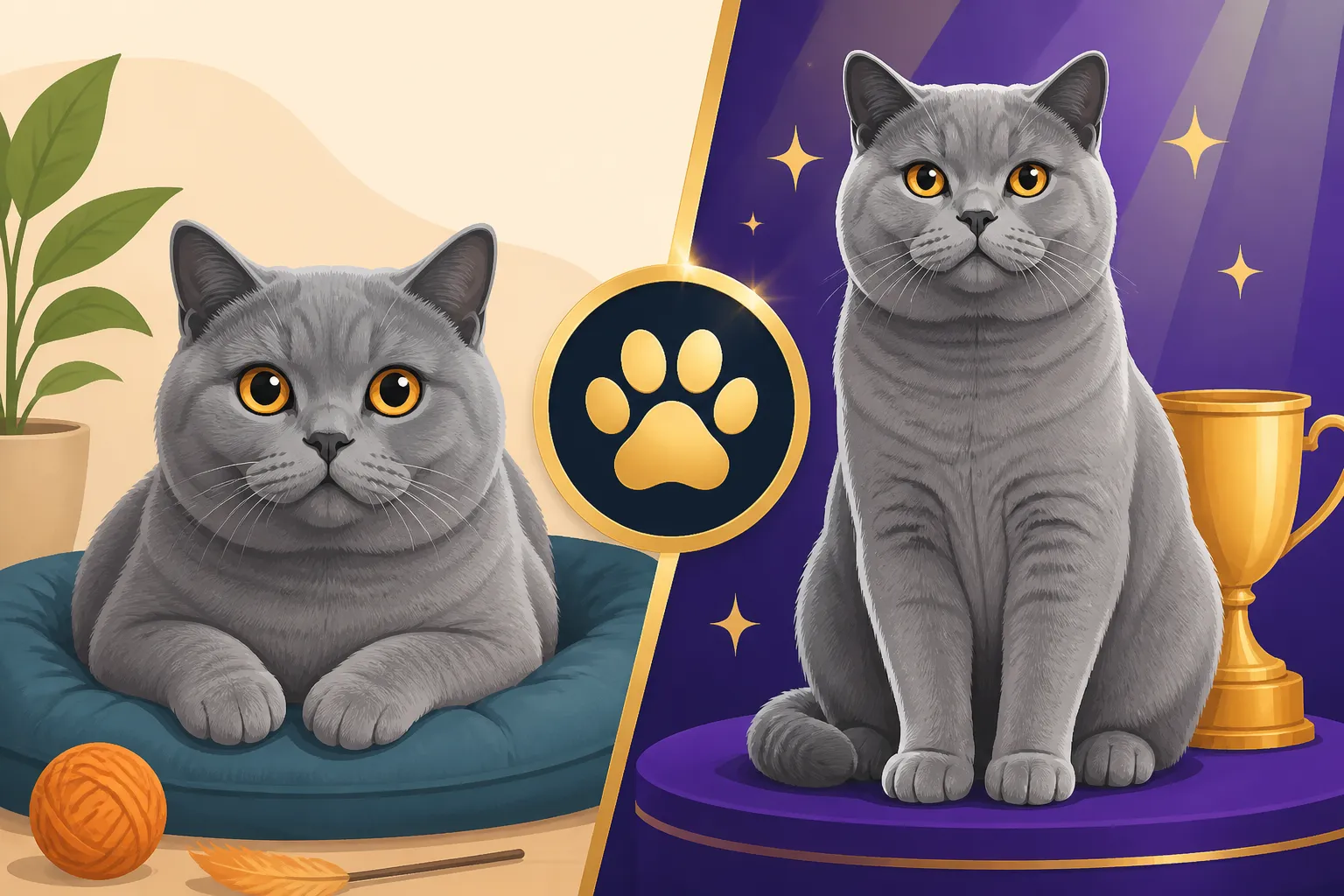
It's easy to get confused when you're looking for a British Shorthair, especially when breeders talk about "pet quality" versus "show quality." Many people worry that "pet quality" means something is wrong with the cat, or that they're getting a lesser version of the breed. This guide will help you understand the real differences and similarities between a British Shorthair destined for a loving family home and one groomed for the show ring, ensuring you know exactly what to expect from your future furry companion.
The Core Difference Isn't Just Looks: It's Potential
When breeders classify a British Shorthair kitten as "pet quality" or "show quality," they're not talking about how much they love the kitten or how healthy it is. They're referring to how closely that individual kitten adheres to the breed standard and its potential for success in the competitive world of cat shows, and sometimes its suitability for a future breeding program.
"Pet Quality" Doesn't Mean "Lesser"
Let's get this out of the way first: a "pet quality" British Shorthair is still a magnificent, purebred cat. It will have all the wonderful characteristics that make the British Shorthair such a beloved companion: the dense, plush coat, the round face, and that incredibly calm, affectionate temperament. When a breeder designates a kitten as pet quality, it simply means that while it's a fantastic example of the breed in terms of health and personality, it might have one or two minor traits that don't quite align with the very strict judging criteria for a show cat.
For instance, a pet quality kitten might have ears that are a tiny bit too large, or perhaps its eye color isn't as intensely copper as the standard demands. Maybe its coat texture, while still beautiful and dense, doesn't quite "stand away" from the body in the exact way a judge prefers. These are incredibly subtle distinctions that most pet owners would never even notice, and certainly don't impact the cat's health, happiness, or ability to be a cherished family member. In fact, many people prefer a cat that doesn't demand the meticulous grooming and specific diet sometimes associated with show animals. Your pet British Shorthair will bring you just as much joy and companionship as any other.
"Show Quality" Implies Adherence to the Breed Standard
On the other hand, a "show quality" British Shorthair is a kitten that the breeder believes has the conformation and temperament to excel in the competitive show ring. This means it closely matches, or is expected to grow into, the physical and sometimes even behavioral ideals set forth by various cat associations like the Cat Fanciers' Association (CFA) or The International Cat Association (TICA). These standards are incredibly detailed, outlining everything from the shape of the head and the width of the nose to the set of the ears and the texture of the coat.
For a British Shorthair, this often means a perfectly round head, broad cheeks, a firm, cobby body, short, strong legs, and a very dense, crisp coat that springs back when touched. The eye color must be deep and rich, typically copper or gold, depending on the coat color. The Round Head and Copper Eye a British Shorthair Is Judged On Temperament is also crucial; a show cat needs to be calm and confident, tolerating handling by strangers (the judges!) without fear or aggression. Breeders invest a huge amount of time, effort, and resources into producing kittens that meet these exacting standards, carefully selecting breeding pairs to enhance desirable traits and minimize those that fall outside the standard.
Breeding Quality: A Step Beyond Show Potential
It's important to understand that "show quality" and "breeding quality" are not always interchangeable, though there's significant overlap. A cat might be stunning enough to win ribbons in the show ring, but that doesn't automatically mean it should be part of a breeding program. A true breeding quality British Shorthair goes beyond just looks; it requires impeccable health, a robust genetic background, and a pedigree that contributes positively to the breed's overall health and diversity.
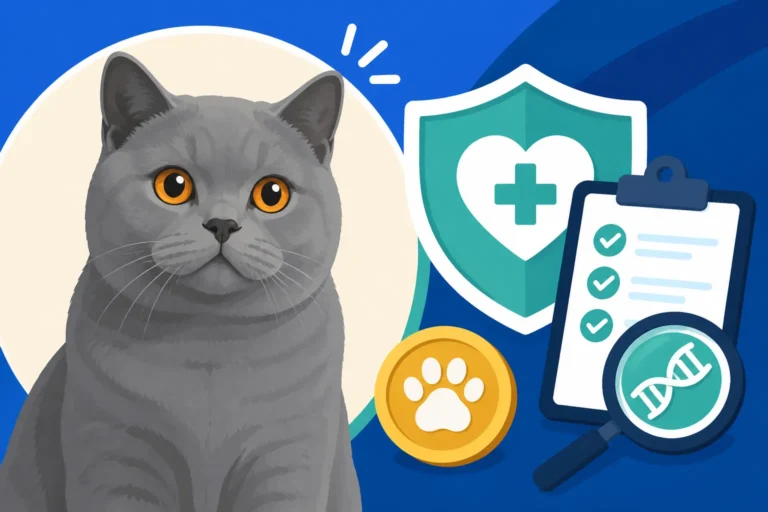
Reputable breeders will conduct extensive health screening on their breeding cats for genetic conditions that can affect British Shorthairs. This includes regular echocardiograms to check for Hypertrophic Cardiomyopathy (HCM) and DNA tests for conditions like Polycystic Kidney Disease (PKD) and Hemophilia B, as well as blood typing to prevent neonatal isoerythrolysis in kittens. What a British Shorthair Breeder Should Have Tested A breeding quality cat must not only exemplify the breed standard but also be free of these inheritable diseases, ensuring that healthy genes are passed down to future generations. They need to demonstrate excellent fertility and be good mothers or stud cats, bringing well-socialized and robust kittens into the world. The goal of breeding quality is to improve the breed, not just produce more cats.
Visual Distinctions: What a Judge Sees
While a British Shorthair is iconic for its teddy bear look, a judge in the show ring examines every detail with an expert eye. What might seem like minor variations to a pet owner can be significant deviations from the breed standard for a professional.
Head Shape and Facial Features
The British Shorthair's head is perhaps its most defining feature. For a show-quality cat, the head must be truly round, with full, rounded cheeks that give it that endearing "Chubby Cheeks" appearance. The nose should be short, broad, and perfectly straight, without any "stop" or indentation like you might see in some other breeds. The muzzle should be well-developed and round, blending smoothly into the cheek structure. Even the spacing of the eyes is important, with judges looking for broad spacing that contributes to the overall roundness of the face.
The eyes themselves are critical. They should be large, round, and set wide apart. For most solid colors, especially the classic blue, a deep, brilliant copper or gold eye color is highly desired. Any green tint or lighter shade could detract from a cat's show potential, though it would be perfectly acceptable for a pet. For a pet British Shorthair, these features will still be present and charming, but they might not meet the absolute pinnacle of perfection demanded by the show ring. For example, a pet quality cat might have slightly less full cheeks, or eyes that are a lovely amber rather than a deep, rich copper. These are subtle nuances that only a trained eye would pick up on in a competitive setting.
Body Type and Coat Characteristics
The body of a show-quality British Shorthair is described as "cobby" – compact, powerfully built, and well-muscled. They should have a broad chest and shoulders, and short, strong legs that contribute to their substantial appearance. Why a British Shorthair's Legs Are Short The tail should be thick at the base, tapering slightly to a rounded tip, and proportional to the body. Every aspect of their build speaks to their sturdy, robust heritage.
Then there's that magnificent coat. A show British Shorthair must have a short, very dense, plush coat that "stands away" from the body. It should feel firm and crisp to the touch, almost like a thick velvet pile, rather than soft and silky. A British Shorthair's Coat Stands Away From Its Body The density of the undercoat is what gives it this unique texture and lift. If the coat is too long, too soft, too sparse, or lies flat against the body, it would likely be considered a fault in the show ring. A pet British Shorthair will still have a wonderfully thick and soft coat, but it might not have the exact "crispness" or extreme density required by the standard. Again, for a companion animal, these minute differences are inconsequential to their charm and comfort.
Color and Pattern Precision
British Shorthairs come in a surprising array of colors and patterns, far beyond the well-known blue. A British Shorthair Comes in More Colors Than You Think For a show cat, the color must be even, clear, and true to type. For solids, like the popular blue, there should be no shading, streaking, or tabby markings ("ghost tabby") visible. For tabby patterns, the markings need to be distinct, well-defined, and symmetrical. Bi-colors and colorpoints also have very specific requirements for the placement and intensity of their colors.
A perfectly marked show cat is a beautiful thing, but minor color faults are very common in kittens and do not affect their health or suitability as pets. For example, a blue British Shorthair kitten might have faint tabby markings visible as it grows, which often fade but can sometimes remain. Or a solid cat might have a small patch of white fur where it shouldn't be. These are "faults" in the eyes of a judge but are completely normal variations in a pet cat, adding to its unique charm without any negative impact on its life as a beloved family member.
The Price Tag Reflects the Potential, Not the Love
One of the most immediate and tangible differences between a pet and a show British Shorthair is the price. It can be startling to see the range, but understanding what goes into those costs helps to clarify why such a disparity exists.
Why Show Quality Costs More
A show-quality British Shorthair often commands a higher price tag for several very good reasons. Breeders aiming for the show ring invest significantly more resources, time, and expertise into their program. This includes:
- Exceptional Pedigree and Bloodlines: Show cats typically come from carefully selected champion lines, where multiple generations have proven their adherence to the breed standard through competition. Acquiring and maintaining these lines, often involving importing cats from renowned catteries, is a costly endeavor.
- Intensive Health Screening: While all reputable breeders health test, those with show and breeding animals often go above and beyond, utilizing the most advanced and frequent screenings available to ensure not only the individual cat's health but also the genetic health of their entire line. What a British Shorthair's Yearly Echo Costs
- Conformation and Temperament Assessment: Evaluating a kitten's potential to be show quality takes a highly skilled eye and years of experience. Breeders hold onto these kittens longer, observing their development closely, often making a final decision about show potential only after several months.
- Showing Expenses: If the cat is shown by the breeder to earn titles, the costs associated with entry fees, travel, grooming, and handler fees can be substantial. These costs are often recouped, in part, through the higher price of their offspring.
- Ongoing Support and Mentorship: Breeders selling show or breeding quality cats often provide extensive mentorship and support to the buyer, especially if they are new to showing or breeding.
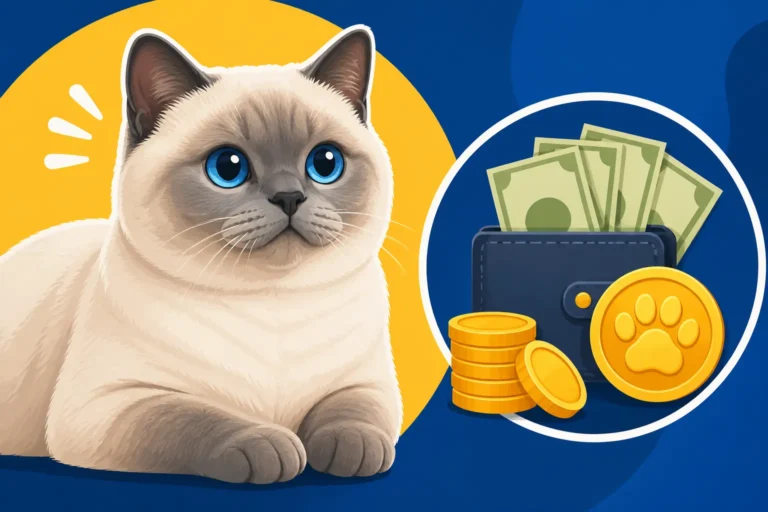
All these factors contribute to the higher price of a show-quality British Shorthair. What a Show Quality British Shorthair Costs You're not just paying for the cat; you're paying for the immense investment the breeder has made in perfecting the breed.
Pet Prices and Value
While a pet-quality British Shorthair might not command the same price as a show cat, it's still a significant investment, and rightly so. What a British Shorthair Kitten Costs From a Breeder A reputable breeder's pet price reflects the extensive care, health testing, and socialization that goes into every single kitten, regardless of its show potential. This includes the cost of quality food, veterinary check-ups, vaccinations, parasite control, and the breeder's time spent raising and socializing the litter.
The value you receive from a pet British Shorthair is immeasurable. You are bringing home a healthy, well-adjusted, purebred companion with the distinctive look and wonderful temperament of the breed. Most pet British Shorthairs are sold with a spay/neuter contract, or are already spayed/neutered before going to their new homes. Whether a British Shorthair Kitten Comes Neutered This practice is crucial for responsible breeding, ensuring that only cats carefully selected for breeding quality contribute to the gene pool. It helps maintain the health and integrity of the breed and prevents backyard breeding.
Ongoing Costs Remain Similar
Regardless of whether your British Shorthair is pet or show quality, the ongoing costs of ownership remain largely the same. You'll still need to budget for high-quality food, regular veterinary check-ups, vaccinations, and parasite prevention. Providing toys, litter, and grooming supplies is essential for any cat.
For instance, when it comes to food, whether your cat is a future champion or a beloved couch potato, you'll want to provide a nutritious diet. Brands available through retailers like Chewy offer a wide variety of high-quality cat foods suitable for British Shorthairs, helping to manage their weight and overall health. Remember, British Shorthairs can be prone to obesity due to their calm nature and love of food, so careful portion control is paramount. Feeding a British Shorthair That Will Eat Whatever You Put Down
Unexpected veterinary bills can arise with any pet, regardless of its pedigree or show status. This is where pet insurance providers, such as Healthy Paws, can be invaluable. Investing in a good pet insurance plan can help mitigate the financial stress of unforeseen accidents or illnesses, allowing you to focus on your cat's recovery rather than worrying about the cost. While the initial purchase price might differ, the commitment to their lifelong care is identical.
Temperament: The Heart of a British Shorthair, Pet or Show
While physical appearance determines a British Shorthair's show quality, its wonderful temperament is a universal trait that makes the breed so desirable, whether it's a pet or a champion.
The British Shorthair's Signature Calmness
One of the most cherished characteristics of the British Shorthair is its incredibly calm, easygoing, and dignified nature. They are often described as "the quietest cat in the house" The Quietest Cat in the House and for good reason! They possess a serene disposition, rarely getting into mischief or tearing around the house in a frenzy. This makes them ideal companions for many different types of households, from busy families to quiet individuals.
They are affectionate without being overly demanding. A British Shorthair loves to be near its people, often following you from room to room or lounging on the sofa beside you. They enjoy being petted and receiving attention but aren't typically "lap cats" in the traditional sense, preferring to sit next to you rather than directly on you. This gentle, laid-back personality is inherent to the breed and is what makes them such a joy to live with, whether they've got a ribbon or not. What a British Shorthair's Temperament Is Really Like
Show Ring Poise vs. Home Comfort
For a show British Shorthair, temperament takes on an added layer of importance. While all British Shorthairs are generally calm, a show cat needs to be particularly unflappable. It must tolerate being handled by various judges, often in a noisy and bustling environment, with grace and confidence. A cat that hisses, scratches, or tries to escape during judging will not fare well, regardless of its physical perfection. Judges are looking for an animal that is secure, friendly, and well-socialized enough to present itself calmly.
A pet British Shorthair, on the other hand, doesn't need to be quite so outgoing with strangers. While good socialization is always important for any kitten, a pet cat's primary role is to be a wonderful companion for its family. If a kitten is a bit shy around new people or prefers its own space, it might not be ideal for the show ring, but it would make an absolutely perfect, loving pet in a quiet home. Its comfort within its own family unit is what truly matters, not its performance under pressure.
The Myth of the "Naughty" Pet Quality Cat
There's sometimes a misconception that a "pet quality" designation implies some sort of behavioral flaw or health issue. This is absolutely not true. As we've discussed, it primarily refers to subtle deviations from the breed standard's physical appearance. A pet quality British Shorthair is just as likely to have the sweet, docile, and even-tempered personality as its show-winning sibling.
A reputable breeder will never sell a kitten with known behavioral problems or significant health issues as a pet. Their goal is to place healthy, well-adjusted kittens into loving homes. Any temperament concerns would be disclosed upfront, regardless of a cat's show potential. So, rest assured that a British Shorthair sold as a pet is not a "reject" or a "problem cat"; it's simply a wonderful cat whose unique traits might not perfectly align with the extremely narrow definition of a show champion, but whose heart is 100% pure British Shorthair.
Making the Right Choice for Your Home
Choosing between a pet and a show British Shorthair comes down to your personal goals, lifestyle, and budget. Both options offer the incredible joy of sharing your life with this magnificent breed.
What to Consider if You're Eyeing the Show Ring
If you're seriously considering acquiring a show-quality British Shorthair, be prepared for a significant commitment beyond the initial purchase price. This path is often chosen by experienced breeders looking to expand their lines or by passionate enthusiasts who want to delve into the world of cat fancying.
- Mentorship is Key: You'll want to work very closely with a reputable breeder who can serve as a mentor, guiding you through the intricacies of the breed standard, showing rules, and proper presentation.
- Time and Travel: Showing a cat requires considerable time for grooming, travel to shows, and the actual time spent at the event. Shows can be held over weekends and sometimes require travel to different cities or even states.
- Grooming and Conditioning: A show cat needs to be in peak physical condition, which involves meticulous grooming, a balanced diet, and sometimes specific conditioning routines to highlight its best features.
- Thick Skin: The world of competitive showing can be demanding. Not every cat wins, and judging is subjective. You need to be prepared for both wins and losses.
While rewarding, showing cats is a niche hobby that isn't for everyone. It's a deep dive into the specific details of the breed.
The Joy of a Pet British Shorthair
For the vast majority of people, a pet British Shorthair is the perfect choice. These cats bring immense joy and companionship to their families without the added pressure of competition. You get all the wonderful qualities of the breed – the stunning looks, the calm demeanor, the affectionate nature – without needing to worry about whether its ear set is precisely correct or if its tail is exactly the right length.
A well-bred pet British Shorthair will be healthy, happy, and a cherished member of your family for many years. Whether a British Shorthair Is a Healthy Breed You can focus purely on providing a loving home, a good diet, regular vet care, and plenty of cuddles and gentle play. Their purpose is simply to be your loyal and beloved companion, and they excel at it. Ultimately, the love and bond you share with your British Shorthair are what truly matter, far more than any ribbon or title.
Disclaimer
This article is for general informational purposes only and does not constitute professional advice. Laws, prices and regulations vary by location and change over time. Consult a qualified professional for guidance on your specific situation.