What Treats Add to a British Shorthair’s Yearly Bill
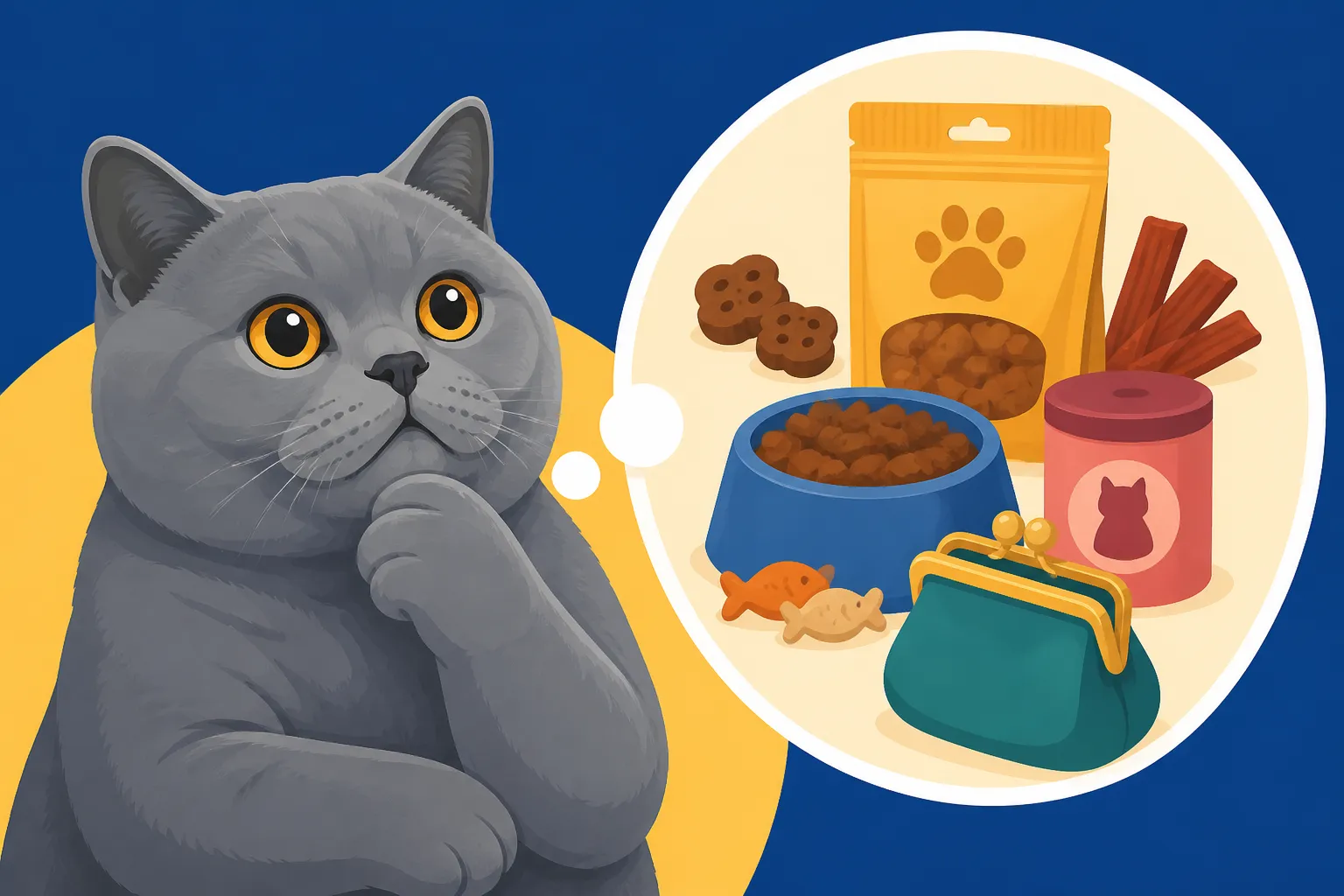
Oh, the joy of giving your adorable British Shorthair a little treat! It's one of those simple pleasures that makes pet ownership so rewarding, isn't it? You see their little eyes light up, their tail give a slow, contented thump, and you just want to shower them with all the deliciousness. But let's be real, those tiny treats can quickly become a significant line item on your monthly budget, often without you even realizing it until you crunch the numbers. This guide is here to help you understand the full scope of what treats add to a British Shorthair's yearly bill, offering insights into different types of treats, their costs, and smart strategies to manage these expenses while still showing your furry friend plenty of love.
The Allure and Reality of British Shorthair Treats
There's a special connection we share with our British Shorthairs, and for many of us, treats are a tangible way to express affection. They're not just about food; they're about bonding, training, and simply making our cats happy. But beneath the surface of those tempting little morsels lies a financial reality that can sneak up on even the most diligent pet parent.
Why We Love to Treat Our British Shorthairs
Let's face it, those big, round eyes and plush teddy-bear faces are incredibly hard to resist. When your British Shorthair saunters over, perhaps with a soft little trill, and looks up at you expectantly, who can say no? Treats are often our go-to for positive reinforcement during training, whether it's encouraging them to use a new scratching post or getting them comfortable with their carrier. They’re a way to celebrate milestones, to apologize for a vet visit, or simply to spoil them because, well, they're our beloved companions. That immediate gratification – the happy purr, the enthusiastic munching – is incredibly rewarding for us as owners, fostering that deep emotional bond we cherish. It's easy to fall into the habit of an extra treat here, a special morsel there, because it makes both you and your cat feel good.
The Hidden Costs Beyond the Price Tag
The individual packet of treats might seem inexpensive, maybe a few dollars here or there. However, the true cost isn't just that single purchase. It's the cumulative effect of those seemingly small, frequent buys. Think about it: a bag of treats that lasts a week, multiplied by 52 weeks in a year. Suddenly, that $3 bag is costing you over $150 annually. This doesn't even account for trying different flavors, seasonal treats, or impulse buys when you're already at the pet store. Moreover, the hidden costs extend beyond just the dollar amount on the receipt. Over-treating, especially with less healthy options, can lead to weight gain, which then brings its own set of potential expenses, like specialized diets or veterinary visits for obesity-related issues. It’s a classic case of death by a thousand cuts, where the small expenditures add up to a much larger sum than you ever anticipated.
Different Types of Treats and Their Price Points
Just like human snacks, cat treats come in a dizzying array of types, each with its own benefits, appeal, and, of course, price point. Understanding these categories can help you make more informed decisions about what you're actually paying for.
Everyday Training and Snacking Treats
These are your typical crunchy kibble-like treats or small, soft chews that are perfect for daily rewards or just a little something extra. They're widely available at most pet stores and supermarkets, and you'll find brands ranging from very affordable to mid-range. The cost per ounce can vary significantly. For instance, a large tub of basic crunchy treats might cost you less upfront and last for months, making it seem very economical. However, smaller, softer treats, often used for training due to their palatability, might be pricier per ounce. When you're looking for a good variety or want to stock up on these staples, online retailers like Chewy often offer competitive prices, subscription services, and the convenience of bulk purchasing, which can help bring down the overall cost. The key here is balance: finding treats your British Shorthair loves that don't break the bank when used regularly.
Dental Health Treats
Dental health is a critical, yet often overlooked, aspect of a cat's overall well-being. British Shorthairs, like many breeds, can be prone to Gingivitis in a British Shorthair, and dental treats are marketed as a way to help reduce plaque and tartar buildup. These treats are typically crunchier or have a specific texture designed to "scrub" the teeth as your cat chews. Because they serve a functional purpose beyond just being tasty, they often come with a slightly higher price tag than regular snack treats. Think of them as an investment in your cat's oral hygiene. While they might not replace professional dental cleanings entirely, they can be a valuable part of a comprehensive dental care routine. The cost difference might seem minimal on a single bag, but consistently purchasing these can certainly add to your yearly treat budget. It's worth considering the long-term benefits versus the upfront cost, as preventing dental issues can save you significant veterinary expenses down the line.
Freeze-Dried and High-Value Treats
At the premium end of the treat spectrum, you'll find freeze-dried, single-ingredient options. These are often made from real meat or fish (like chicken, salmon, or liver) that has been freeze-dried to preserve nutrients and intensify flavor. They are incredibly appealing to most cats, making them excellent high-value rewards for training or just an extra special indulgence. Because of their minimal processing and high-quality ingredients, these treats are usually the most expensive per ounce. For example, a small bag might cost the same as a large bag of conventional treats. Brands that focus on high-quality, whole-food nutrition for cats often have freeze-dried treat lines that reflect this commitment to premium ingredients. While they might not be an everyday staple for many budgets, they can be a fantastic, healthy option for occasional spoiling or for cats with sensitivities to common treat ingredients. The high cost is often justified by their purity and palatability, but it definitely needs to be factored into your budget if you choose them regularly.
Human Food Treats (The "Sneaky" Costs)
Sometimes, the treats we give our British Shorthairs aren't even from the pet aisle. A tiny piece of cooked chicken, a flake of tuna, or a minuscule bit of cheese might seem harmless and "free" since it's already in your fridge. However, these can carry their own sneaky costs and risks. Firstly, feeding human food might encourage begging behaviors, which can become annoying. Secondly, and more importantly, many human foods are not ideal for cats, even in small quantities. High-fat or high-salt items can contribute to weight gain or digestive upset. Regular indulgence in these "free" treats can easily lead your British Shorthair down the path to obesity, which we know is a significant concern for the breed. If your British Shorthair becomes overweight, the vet bills for related health issues can far outweigh any perceived savings from not buying commercial treats. You might find yourself needing to consult your vet about a weight management plan, which can include prescription diets and ongoing monitoring, adding substantially to your yearly expenses. This is why it’s so important to be mindful of what and how much human food you're sharing, no matter how much those pleading eyes convince you it's a good idea. What an Overweight British Shorthair Costs at the Vet is a real concern stemming from these seemingly innocent gestures.
Here's a quick comparison of different treat types:
| Treat Type | Typical Cost Per Ounce | Primary Benefit | Considerations |
|---|---|---|---|
| Everyday/Crunchy | Low | Widely available, good for training | Can contain fillers, varying nutritional value |
| Soft Chews | Low to Mid | Highly palatable, good for training | Shorter shelf life once opened, can be softer for older cats |
| Dental Treats | Mid to High | Oral health, plaque reduction | May not replace brushing, specific textures for efficacy |
| Freeze-Dried (Meat/Fish) | High | High protein, single ingredient, palatable | Most expensive, best for high-value rewards or special diets |
| Wet Food "Pate" Tubes | Mid | Easy to administer, hydrating | Can be messy, best as occasional treat |
| Human Food (Safe) | Variable | Already on hand, perceived savings | Risk of overfeeding, nutritional imbalance, vet costs |
Factors Influencing Your British Shorthair's Treat Budget
Understanding the different types of treats is just the beginning. Several other factors play a crucial role in shaping how much you actually spend on treats for your British Shorthair each year.
Frequency and Portion Size
This is arguably the biggest determinant of your treat budget. Are you giving a couple of treats once a day? A handful throughout the day? Or are treats reserved for special occasions? British Shorthairs, with their calm demeanor and tendency towards a more sedentary lifestyle, can put on weight quite easily. Why a British Shorthair Gains Weight So Easily is a common concern for owners. If you're giving too many treats, even healthy ones, you're not only increasing your expenditure but also potentially contributing to health problems. A small bag of treats meant to last a month could be gone in a week if portions aren't carefully controlled. Always read the feeding guidelines on the treat packaging, and remember that these are usually just recommendations. For a less active British Shorthair, you might need to adjust them downwards. Each treat contributes to their daily caloric intake, and if not balanced with their main meals, the cost isn't just financial, but also health-related.
Treat Quality and Ingredients
The market is flooded with cat treats, from bargain-bin options to gourmet, organic delights. The quality of ingredients directly impacts the price. Cheaper treats often contain more fillers, artificial colors, and preservatives, which might not be the healthiest choice for your British Shorthair in the long run. Premium treats, often boasting natural ingredients, no artificial additives, or specific health benefits, naturally come at a higher cost. For many owners, investing in higher quality treats is a conscious decision, weighing the perceived health benefits against the higher price. It's a balance between ensuring your British Shorthair gets good nutrition even in their snacks and keeping your budget in check. Sometimes, a smaller quantity of a high-quality treat is better than a larger amount of a questionable one.
Shopping Habits and Deals
How and where you buy your treats can significantly influence your annual expenditure. Do you grab a bag at your local grocery store every time you run out? Or do you plan ahead, buying in bulk from online retailers or during sales? Purchasing larger bags or multi-packs usually results in a lower cost per ounce. Online platforms like Chewy often have regular sales, loyalty programs, and subscription services that can offer discounts and convenience. Signing up for email newsletters from your favorite pet stores or brands can also alert you to special promotions. Being strategic with your purchases, rather than just buying on impulse, can shave a surprising amount off your yearly treat bill. Remember that an expired treat isn't a good deal, no matter how cheap it was, so only buy what you can reasonably use before it goes bad.
Age and Health Needs
A British Shorthair's treat requirements can change throughout its life. A playful kitten might need smaller, more frequent treats for training and positive reinforcement, while an older, Caring for a British Shorthair Past Ten might benefit more from softer, easily digestible treats, or even specific joint-support chews. If your British Shorthair has a pre-existing health condition, such as diabetes or kidney disease, your treat options might be limited to prescription-specific varieties, which are almost always more expensive. For example, if your British Shorthair is diabetic, you'll need very specific, low-carb options, and these often come with a premium price tag. Similarly, if your cat needs to lose weight, you might opt for specialized low-calorie treats or use a portion of their regular kibble as a treat, effectively cutting out a separate treat expense. Always consult your vet when making treat choices for a cat with health issues.
Strategies for Managing Treat Expenses Without Skimping on Love
It's entirely possible to shower your British Shorthair with affection and rewards without letting treat costs spiral out of control. It just requires a little mindfulness and strategic planning.
Setting a Realistic Treat Budget
The first step in managing any expense is knowing what you're spending. Take a look at your past purchases for a few months. How many bags of treats did you buy? What was the average cost? Once you have an idea, you can set a realistic monthly or yearly budget for treats. This isn't about deprivation; it's about conscious spending. If you find you're consistently over budget, it might be time to reassess your treat-giving habits or explore more cost-effective options. Remember, treats should be just that – treats – not a significant portion of their daily caloric intake. Knowing your budget helps you stay accountable and ensures you're not surprised by the cumulative cost.
Choosing Cost-Effective, Healthy Options
You don't have to break the bank to give your British Shorthair healthy treats. One excellent and often overlooked option is homemade treats. Small pieces of plain, cooked chicken or turkey (without seasonings) are usually devoured with enthusiasm and are very healthy. You know exactly what's in them, and they can be much cheaper than commercial options, especially if you're already cooking chicken for yourself. You can also strategically utilize your cat's regular wet or dry food as treats, especially if you're working on portion control. If you choose commercial treats, buying in bulk from online retailers or opting for larger bags can significantly reduce your cost per ounce. Keep an eye out for sales and consider subscription services from pet stores or online platforms like Chewy, which often offer discounts for recurring orders. This can ensure a steady supply of your cat's favorite treats without constantly paying full price.
Integrating Treats into Overall Nutrition and Training
Treats are most effective when used judiciously. For British Shorthairs, who can be a bit more reserved and less prone to hyperactive play, positive reinforcement with treats can be a fantastic tool for training or encouraging desired behaviors. However, it's crucial to remember that treats contribute to their overall calorie count. If you're using treats frequently, consider reducing the amount of their regular food to compensate. This is especially important for British Shorthairs, who are prone to weight gain. How Many Calories a British Shorthair Needs is something you should discuss with your vet, especially if you're trying to manage their weight. Instead of offering treats randomly, integrate them into short, engaging play sessions or as rewards for using a scratching post. This makes the treat more meaningful and helps maintain a healthy weight. If your British Shorthair is on a diet, Whether a British Shorthair Will Diet Willingly can be a challenge, and using a small portion of their approved diet food as a "treat" can be a smart way to keep them motivated without derailing their progress.
Considering the Long-Term Health Impact
The most significant, yet often intangible, cost of treats can be their impact on your British Shorthair's long-term health. Overfeeding treats, especially unhealthy ones, can lead to obesity, which in turn increases the risk of conditions like diabetes, arthritis, and heart disease. Whether an Overweight British Shorthair Gets Diabetes is a very real concern. The veterinary bills associated with managing these chronic conditions can be astronomical, far exceeding any money saved by buying cheap, unhealthy treats. Investing in high-quality, appropriate treats and practicing strict portion control is an investment in your cat's health and, by extension, your financial well-being. Additionally, having pet insurance like Healthy Paws can be a lifesaver for unexpected health issues, but preventing problems through good nutrition and treat management is always the best approach. It's about recognizing that a healthy cat, maintained with smart choices, is ultimately the most cost-effective and rewarding path.
Treats for your British Shorthair are a wonderful part of pet ownership, a small indulgence that strengthens your bond and brings joy. But just like any aspect of pet care, a little planning and awareness can go a long way in ensuring these delightful little extras don't become a financial burden or, worse, a health risk. By understanding the types of treats available, being mindful of how you buy and distribute them, and always prioritizing your British Shorthair's health, you can keep both your cat happy and your budget balanced.
Disclaimer
This article is for general informational purposes only and does not constitute professional advice. Laws, prices and regulations vary by location and change over time. Consult a qualified professional for guidance on your specific situation.