Whether Insurance Covers a British Shorthair’s Diabetes
The prospect of a beloved British Shorthair developing a chronic illness like diabetes is a terrifying thought for any cat parent. Beyond the emotional toll, the financial burden of ongoing treatment can be overwhelming, leading many to wonder if their pet insurance will actually step up to the plate. This comprehensive guide will walk you through the nuances of pet insurance coverage when it comes to diabetes in British Shorthairs, helping you understand what to look for and how to prepare.
Understanding British Shorthair Diabetes
British Shorthairs, with their wonderfully plush coats and naturally placid dispositions, are unfortunately prone to certain health challenges, and diabetes mellitus is one of them. It's a condition where the body either doesn't produce enough insulin or can't effectively use the insulin it produces, leading to high blood sugar levels. This isn't just a minor inconvenience; left untreated, diabetes can lead to severe health complications and significantly shorten your cat's lifespan.
The breed's propensity for a more sedentary lifestyle and their often robust, "cobby" build can sometimes mask weight gain, making Obesity Is the British Shorthair's Real Disease a significant risk factor. Many British Shorthairs love their food and aren't always keen on vigorous exercise, creating a perfect storm for weight issues that often pave the way for diabetes. It's a harsh reality that a cat bred for its delightful chunkiness can suffer so much from it.
Signs of Diabetes in British Shorthairs
Recognizing the signs early is absolutely crucial. As devoted pet parents, we spend so much time with our cats that subtle changes can be easy to miss, especially with a breed as stoic and undemanding as the British Shorthair. They aren't usually ones to complain loudly until things are quite advanced.
Common indicators of diabetes include increased thirst (polydipsia) and increased urination (polyuria). You might notice their water bowl emptying much faster than usual, or more frequent trips to the litter box, potentially with larger clumps of urine. Weight loss despite a normal or even increased appetite is another classic sign; your cat might be eating more but still dropping pounds because their body can't properly use the calories from their food. Sometimes, you'll also see lethargy, a dull coat, or even weakness in their hind legs. If you notice any of these symptoms, don't delay; a trip to the vet is in order. You can learn more about these specific indicators in our article, Signs a British Shorthair Is Diabetic.
Initial Diagnosis and Treatment Costs
When you first suspect diabetes, the diagnostic process involves several vet visits and tests. Your veterinarian will typically start with a physical exam, then move on to blood and urine tests to confirm the diagnosis and rule out other conditions. These initial tests can include blood glucose measurements, fructosamine levels (which give an average blood sugar level over a longer period), and urinalysis to check for glucose and ketones.
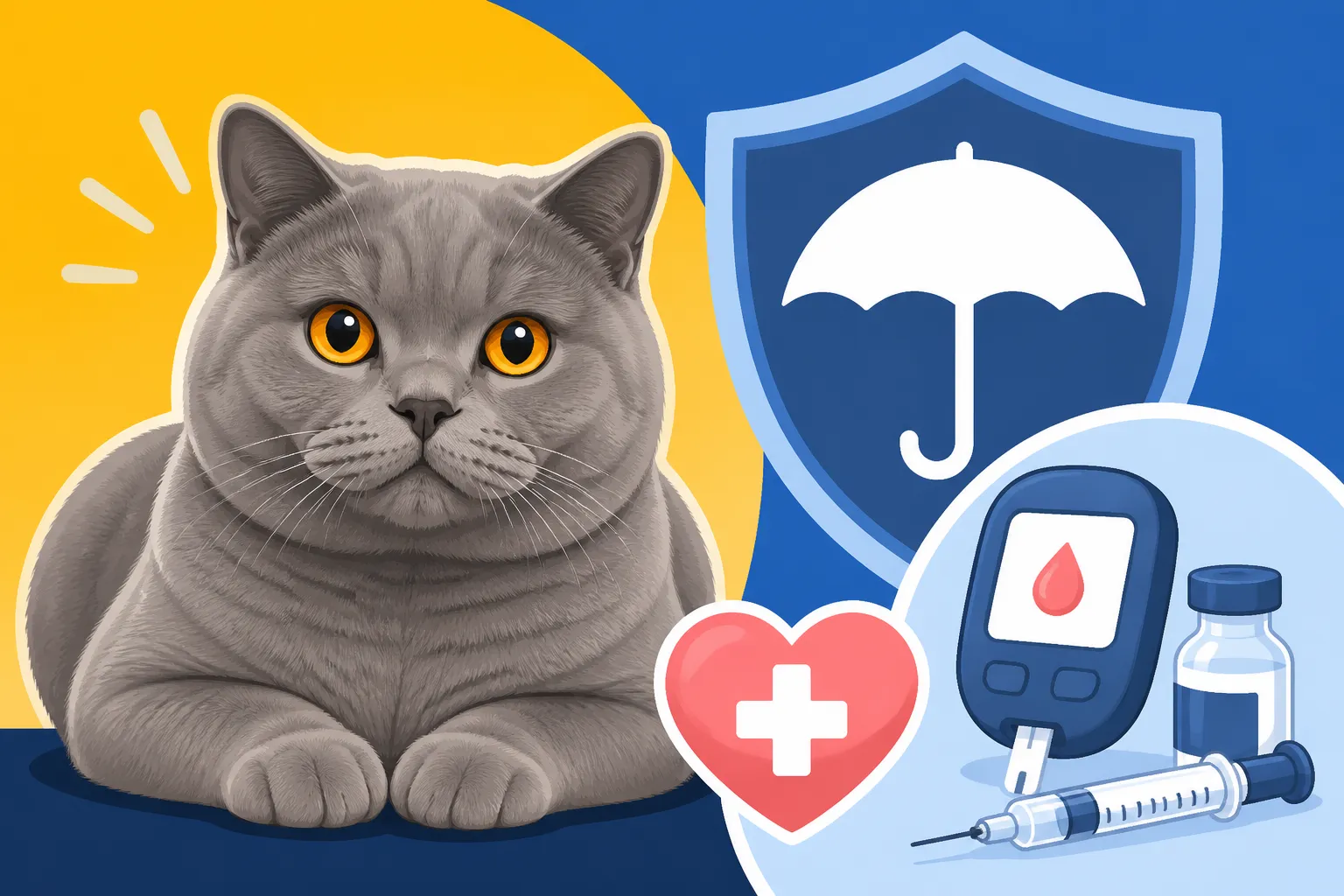
Once confirmed, the treatment journey begins, and it's often a lifelong commitment. The primary treatment for diabetic cats is insulin injections, usually given once or twice a day. This means regular purchases of insulin, syringes, and potentially glucose monitoring devices. You'll also have follow-up vet appointments to adjust insulin dosages and monitor your cat's progress. There's also the dietary component; many diabetic cats require a special, often low-carbohydrate, high-protein diet to help manage their blood sugar. The costs can add up quickly, from the initial diagnosis to ongoing medication and specialized food. Our article, What a British Shorthair's Diabetes Workup Costs, delves deeper into the initial financial outlay.
How Pet Insurance Works for Chronic Conditions
Pet insurance can be a real lifesaver when you're faced with a chronic condition like diabetes, but it's vital to understand how these policies are structured. Unlike human health insurance, pet insurance largely operates on a reimbursement model, meaning you pay the vet directly and then submit a claim for repayment. The devil, as they say, is in the details, especially when dealing with conditions that require ongoing care.
Most policies are designed to help with unexpected accidents and illnesses. Chronic conditions, by their very nature, become a long-term part of your pet's life, and insurance companies have specific rules about how they cover them. It's not a one-size-fits-all scenario, and what one policy covers, another might exclude entirely. This is why thorough research and understanding your specific policy are paramount before an emergency strikes. For a general overview, check out Insuring a British Shorthair.
Waiting Periods and Pre-existing Conditions
This is perhaps the most critical aspect to grasp when considering pet insurance for a British Shorthair and the potential for diabetes. Nearly all pet insurance policies have waiting periods – a set amount of time after you purchase the policy before certain conditions become eligible for coverage. These can range from a few days for accidents to weeks or even months for illnesses. If your cat is diagnosed with diabetes during this waiting period, it will almost certainly be classified as a pre-existing condition.
The term "pre-existing condition" is where most heartbreak happens. Generally, pet insurance will not cover conditions that show symptoms or are diagnosed before the policy starts or during the waiting period. This is a universal rule across almost all providers, including popular ones like Healthy Paws. So, if your British Shorthair already has a diabetes diagnosis or even showed symptoms of excessive thirst or urination before you enrolled them, those diabetes-related costs will likely be excluded from coverage for the life of that policy. This highlights the importance of getting insurance before any health issues arise, ideally when your British Shorthair is a kitten.
Types of Coverage and Chronic Illnesses
When looking at pet insurance, you'll generally encounter a few different types of plans, each with varying levels of coverage for chronic conditions:
- Accident-Only Plans: These are the most basic and typically cheapest plans. They cover injuries resulting from accidents (like a broken bone or ingestion of a foreign object) but do not cover illnesses, chronic or otherwise. These plans would offer no help whatsoever for diabetes treatment.
- Accident & Illness Plans: These are the most common and comprehensive plans. They cover a wide range of illnesses, including chronic conditions, provided they are not pre-existing. This is the type of plan you'd need for diabetes coverage. Within this category, you'll find variations in deductibles, reimbursement percentages, and annual limits.
- Wellness Plans: Often offered as an add-on or a separate, optional plan, wellness plans cover routine preventative care like vaccinations, annual exams, and sometimes even dental cleanings. They are not insurance in the traditional sense and would not cover diabetes treatment, but they can help manage the overall cost of pet care.
For a chronic condition like diabetes, an Accident & Illness plan is your only viable option for insurance support. However, always remember the pre-existing condition clause. Some insurers might offer a specific diabetes rider or have unique stipulations, but these are rare, and the core rule about pre-existing conditions remains a significant hurdle.
Specifics of Diabetes Coverage
Let's get down to the nitty-gritty of what "coverage" actually means for a condition like diabetes. It's not just about getting a policy; it's about understanding the fine print that dictates whether your cat's lifelong insulin shots and vet visits will be eligible for reimbursement. The details matter immensely when you're looking at a condition that might require daily medication for years.
The good news is that if your British Shorthair develops diabetes after your insurance policy's waiting periods have passed and they showed no prior symptoms, then a good Accident & Illness plan should cover the ongoing treatment costs. This includes things like insulin, syringes, vet visits related to diabetes management, blood tests to monitor glucose and fructosamine levels, and even consultations with veterinary specialists. However, this relies entirely on the timing of diagnosis and the specifics of your policy's terms.
What "Pre-existing Condition" Means for Diabetes
The definition of a "pre-existing condition" is central to diabetes coverage. It’s not just about a formal diagnosis. Many insurance policies consider any illness or injury that your pet exhibited signs or symptoms of before the coverage started, or during any waiting periods, to be pre-existing. This can be incredibly tricky with diabetes because the early signs, like increased thirst or urination, might be subtle and not immediately attributed to a serious illness.
Imagine this scenario: you notice your British Shorthair seems to be drinking a lot more water for a couple of weeks, but you just think they’re hot or playing more. Then, you decide to get pet insurance. A month later, your cat starts showing more pronounced symptoms, you take them to the vet, and they're diagnosed with diabetes. The insurance company might look back at your vet records or even question you about when you first noticed symptoms. If they find evidence that symptoms were present before your policy was active or during the waiting period, they could deny the claim, classifying it as pre-existing. This is why having continuous coverage from a young age is so important.
Navigating Policy Language and Exclusions
Every insurance policy comes with a hefty document detailing its terms and conditions, and it's essential to read it. Look for sections on "chronic conditions," "hereditary conditions," and "pre-existing conditions." Some policies might cap the total amount they'll pay out for chronic conditions over a pet's lifetime, while others might have per-incident limits. You also need to understand what constitutes a "new" illness versus a flare-up of an old one.
For example, a policy might cover the diagnosis and initial treatment of diabetes, but then have sub-limits on ongoing medication or specific diagnostic tests, like regular glucose curves. You'll also want to confirm if the special prescription diets often recommended for diabetic cats are covered. Many policies exclude prescription foods, even if they're medically necessary. Don't be afraid to call the insurance provider directly and ask very specific questions about how they handle diabetes, especially regarding ongoing medication, testing, and dietary needs. Ask for these assurances in writing if possible.
Choosing the Right Insurance Plan for Diabetes
Selecting the ideal pet insurance plan for your British Shorthair, especially with an eye on conditions like diabetes, requires careful consideration. It’s not just about the cheapest premium; it’s about finding a policy that offers robust coverage for what could be a lifetime of care, without surprising exclusions.
Think of it as an investment in peace of mind. While no one wants their cat to get sick, knowing you have financial backing for potential chronic conditions makes a world of difference. Always consider your cat's breed-specific predispositions, like the British Shorthair's tendency towards weight gain which can lead to Whether an Overweight British Shorthair Gets Diabetes.
Evaluating Providers and Coverage Options
When you're shopping for pet insurance, you'll encounter several reputable providers. Some popular choices include Healthy Paws, known for its comprehensive accident and illness plans with unlimited annual payouts, which can be a huge benefit for chronic conditions like diabetes. Other providers like Trupanion offer similar comprehensive coverage and often cover prescription foods, which is a major plus for diabetic cats. You might also find options through broader pet care companies like Chewy, which sometimes partners with insurance providers to offer various plans.
When comparing plans, look closely at:
- Deductibles: This is the amount you pay out-of-pocket before your insurance starts reimbursing you. Some plans have annual deductibles, while others have per-incident deductibles. For a chronic condition, an annual deductible can be more favorable as you only meet it once a year.
- Reimbursement Rate: This is the percentage of eligible vet bills the insurance company will pay after your deductible is met (e.g., 70%, 80%, 90%). Higher reimbursement rates mean less out-of-pocket expense for you.
- Annual Limit: Some policies have a cap on how much they will pay out in a given year. For a chronic condition like diabetes, which can be costly, an unlimited annual payout policy (like some from Healthy Paws) can offer significant peace of mind.
Also, inquire about any specific limitations on prescription medications, ongoing tests (like continuous glucose monitoring), and specialist consultations, as these are all vital components of managing Diabetes in a British Shorthair.
Comparing Deductibles, Reimbursement Rates, and Annual Limits
Let's illustrate the financial impact with a quick comparison. Imagine your British Shorthair needs about $2,000 worth of diabetes treatment in a year (insulin, syringes, vet checks, monitoring supplies).
| Feature | Plan A (Example) | Plan B (Example) |
|---|---|---|
| Deductible | $250 (Annual) | $500 (Annual) |
| Reimbursement | 80% | 90% |
| Annual Limit | $5,000 | Unlimited |
| Your Yearly Cost | $250 (Deductible) + $350 (20% of remaining $1750) = $600 | $500 (Deductible) + $150 (10% of remaining $1500) = $650 |
In this hypothetical scenario, even with a higher deductible, Plan B's higher reimbursement rate saves you money on the overall annual treatment. However, the unlimited annual limit on Plan B could be crucial if your British Shorthair has a really tough year with multiple complications or higher than average medication costs, like What Insulin Costs a British Shorthair Owner plus glucose monitoring. It really pays to do the math based on potential costs. Remember that these are just examples, and actual costs and coverage will vary by provider and policy.
Beyond Insurance: Managing Diabetes Costs
While pet insurance is a fantastic tool for managing the financial burden of a chronic condition, it's not the only strategy. Proactive care and smart financial planning can significantly reduce the likelihood of diabetes developing in your British Shorthair, and soften the blow if it does.
Even with insurance, you'll still have out-of-pocket expenses due to deductibles and reimbursement percentages. This means a multi-faceted approach to financial preparedness is truly the most robust way to protect both your cat's health and your wallet.
Preventative Care is Your Best Defense
The absolute best way to "manage" the cost of diabetes is to try and prevent it from happening in the first place. For British Shorthairs, this means a relentless focus on weight management. Their laid-back nature and love for food make them particularly susceptible to obesity, which is a primary driver of feline diabetes.
- Portion Control: Free-feeding is a no-go for most British Shorthairs. Measure out their food precisely. Consult your vet to determine How Many Calories a British Shorthair Needs daily based on their ideal weight, not their current weight.
- Quality Diet: Feed a high-quality, protein-rich diet, ideally with appropriate moisture content from wet food. Some owners find fresh food helpful for weight management and overall health, but always discuss dietary changes with your vet.
- Encourage Activity: While they aren't marathon runners, British Shorthairs do need regular, albeit gentle, exercise. Engage them with wand toys, laser pointers (just be sure to end with a physical toy they can "catch"), or puzzle feeders. Even a few short play sessions a day can make a big difference in maintaining a healthy weight. Our article, Getting a Low Energy British Shorthair to Move, offers great tips on this.
- Regular Vet Check-ups: Consistent veterinary care helps catch weight gain or early metabolic changes before they escalate into full-blown diabetes. Your vet can advise on diet and exercise strategies tailored to your individual cat.
Preventative measures can drastically reduce the chances of your British Shorthair ever needing diabetes treatment, saving you both financial strain and emotional distress.
Budgeting and Financial Planning
Even if you have pet insurance, setting aside an emergency fund specifically for your cat's health can be incredibly beneficial. This fund can cover your deductible, the percentage of costs not reimbursed by insurance, or any excluded treatments (like those prescription diets we talked about earlier). This is especially important for emergency situations, such as What a British Shorthair's Diabetic Emergency Costs, which can be substantial.
Consider opening a dedicated savings account for your pet. You can set up a small automatic transfer each month, so the fund grows steadily. This way, if disaster strikes, you're not scrambling to find funds. Additionally, investigate payment plans that many veterinary offices offer or third-party financing options like CareCredit. While not insurance, these can help break down large vet bills into more manageable monthly payments. Preparing financially provides a safety net that ensures you can always provide the best possible care for your beloved British Shorthair, regardless of their health challenges. It's about being proactive, not reactive, when it comes to the long-term well-being of your furry family member.
Disclaimer
This article is for general informational purposes only and does not constitute professional advice. Laws, prices and regulations vary by location and change over time. Consult a qualified professional for guidance on your specific situation.