What a British Shorthair Costs a Month on a Weight Diet
Many British Shorthair owners face the disheartening reality of their beloved, plush felines slowly, but surely, gaining extra weight. It's a common struggle, and when your round-faced companion tips the scales a bit too much, a weight management diet becomes necessary. This guide will walk you through the realistic monthly costs involved in getting your British Shorthair back to a healthy weight, from vet visits to specialized food and ongoing care.
Understanding Why a British Shorthair Needs a Weight Diet
Before we even get to the numbers, it's really important to understand why your British Shorthair might need a weight diet in the first place. It’s not just a matter of overfeeding; there are inherent breed characteristics and lifestyle factors that make them particularly susceptible to packing on the pounds. This isn't about judgment; it's about understanding the unique challenges we face as British Shorthair parents.
The British Shorthair's Predisposition to Weight Gain
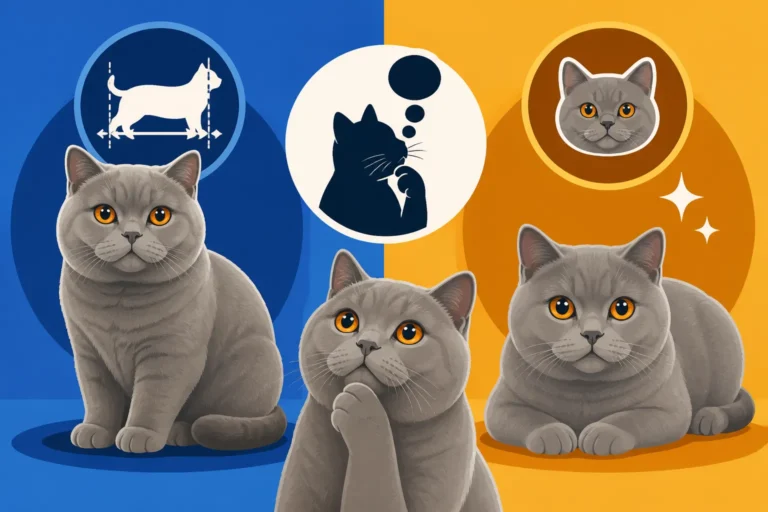
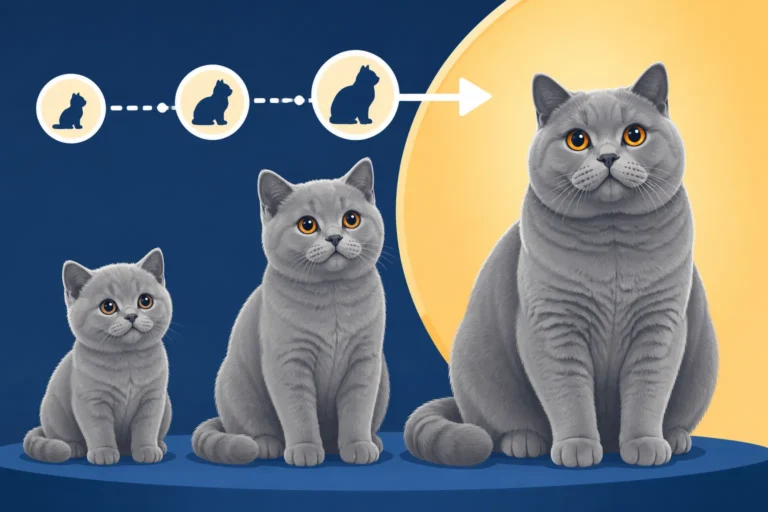
Let's be honest, those round faces and chunky bodies are part of what makes British Shorthairs so incredibly endearing. They're built like little teddy bears, with a naturally cobby body shape, broad chests, and a tendency to develop magnificent jowls, especially the males. This build, combined with their dense, plush coat, can often mask weight gain until it becomes significant. It's easy to look at that solid, heavy frame and think, "Oh, they're just big-boned!" when in reality, it might be extra padding.
Their temperament also plays a huge role. British Shorthairs are renowned for their calm, laid-back, and often sedentary nature. They aren't typically the type of cat to zoom around the house for hours or scale the tallest cat tree with athletic prowess. Instead, they prefer lounging in sunbeams, observing the world from a comfortable vantage point, and enjoying long naps. While this makes them wonderful, easygoing companions, it also means they burn fewer calories naturally. This lower activity level, coupled with their hearty appetites (they rarely turn down a meal or a treat), creates a perfect storm for weight gain. It's a delicate balance to strike between keeping them happy and keeping them healthy. We discuss this further in Why a British Shorthair Gains Weight So Easily.
Recognizing the Signs of an Overweight British Shorthair
It can be surprisingly hard to tell if your British Shorthair is overweight, precisely because of their dense coat and robust build. They don't always look obviously "fat" in the way some other breeds might. Instead, you might notice subtle changes. When you run your hands along their sides, can you easily feel their ribs without pressing hard? Can you feel their spine? If not, or if there's a significant layer of fat over these areas, it's a red flag. Their waistline should be discernible, even if it's not sharply tucked in like a svelte Siamese. Looking down from above, you should see a slight indentation after their rib cage.
Another sign is their grooming habits. An overweight British Shorthair may struggle to reach certain areas, particularly their back and hindquarters, leading to a duller coat or matted patches in those spots. Their movement might also become less fluid; they may be less inclined to jump onto furniture, or you might hear a grunt or heavy landing when they do. Labored breathing after minimal activity is also a serious concern. If you're seeing these signs, it's definitely time to have a frank conversation with your vet. We cover more details on identifying this issue in Signs a British Shorthair Is Overweight.
The Veterinary Consultation and Initial Assessment Costs
Embarking on a weight loss journey for your British Shorthair should always start with a visit to the veterinarian. This isn't a step you can skip; a professional assessment is crucial for ruling out underlying health issues and creating a safe, effective diet plan. Trust me, trying to guess at a diet plan for your cat can do more harm than good, especially if there's an undiagnosed medical condition at play.
Initial Vet Visit and Diagnostic Tests
When you first take your British Shorthair in for a weight concern, the vet won't just tell you to feed less food. They'll perform a thorough physical examination, checking everything from their teeth to their heart and lungs. They'll also likely want to weigh your cat accurately and assess their body condition score, which is a standardized way to evaluate fat reserves. This initial consultation will have a cost, just like any routine check-up.
Beyond the basic exam, your vet might recommend diagnostic tests, particularly if your British Shorthair is significantly overweight or showing other symptoms. Blood work, for instance, can help rule out conditions like hypothyroidism (though rare in cats) or diabetes, which can both contribute to weight gain or be exacerbated by obesity. They might also check kidney and liver function, as these organs can be strained by excess weight. These tests add to the upfront cost, but they are essential for ensuring your cat's safety and tailoring the right approach. Knowing what you're dealing with medically is priceless. For a deeper dive into these initial costs, see What an Overweight British Shorthair Costs at the Vet.
The Role of Your Veterinarian in Diet Planning
Once any underlying health issues are addressed or ruled out, your veterinarian becomes your most valuable partner in crafting a weight loss plan. They'll calculate an appropriate target weight for your British Shorthair, based on their breed standard, individual frame, and current health status. More importantly, they'll determine the precise daily caloric intake needed to achieve gradual, healthy weight loss. Crash dieting for cats is incredibly dangerous and can lead to a severe liver condition called hepatic lipidosis.
Your vet will consider your cat's current food, activity level, and any specific dietary needs. They might recommend a specific prescription weight loss food, or they could advise on precise portion control of your cat's current food, along with guidance on activity and enrichment. Regular follow-up weigh-ins (which may incur a small fee or sometimes be free for quick checks) are usually part of the plan to track progress and make adjustments. This ongoing guidance is vital for success and often saves money in the long run by preventing complications. We also have a resource on When a Vet Puts a British Shorthair on a Prescription Diet that might be helpful.
The Monthly Cost of Prescription Weight Management Food
Once your vet has given you the green light and a specific plan, the most significant recurring monthly expense for your British Shorthair's weight diet will undoubtedly be their food. This isn't just about buying a generic "light" cat food; often, specialized formulas are necessary.
Exploring Different Types of Weight Loss Diets
Weight loss foods for cats are designed to be lower in calories while still providing all the essential nutrients and making your cat feel full. They often achieve this by being higher in protein and fiber. Some diets are formulated to specifically boost metabolism, while others focus on satiety to prevent your cat from feeling constantly hungry. Your vet will recommend the best type based on your British Shorthair's specific needs and health profile.
You might encounter both dry kibble and wet food options. Wet food can be beneficial for weight loss as its higher moisture content contributes to fullness and helps with hydration, which is great for overall health, especially urinary tract health. However, wet food can sometimes be pricier per calorie. Dry food offers convenience and can be more budget-friendly. The key, regardless of the type, is precise portion control. You can learn more about caloric needs in How Many Calories a British Shorthair Needs.
Comparing Costs of Over-the-Counter vs. Prescription Foods
There's a significant difference in price between over-the-counter (OTC) "light" or "weight management" foods and prescription veterinary diets. OTC options, available at your local pet store or online retailers like Chewy, are generally less expensive. They can be a good starting point for cats with only a few extra pounds, under veterinary guidance. However, they may not have the same precise caloric density or specific nutrient profiles as prescription diets.
Prescription diets, often purchased directly from your vet's office or with a vet authorization from online pharmacies or specialized pet supply stores, are typically formulated with specific veterinary therapeutic goals in mind. They are often more concentrated and effective for significant weight loss but come at a higher price point. This higher cost reflects the research, specialized ingredients, and targeted efficacy. While the sticker price might be higher, remember that they are designed to be fed in smaller, carefully measured portions, so the bag or can might last longer than you initially expect. You might wonder Whether a Weight Control Food Costs a British Shorthair Owner More, and often, the answer is yes, but for good reason.
| Diet Type | Key Features | Typical Cost Structure | Where to Buy | Considerations |
|---|---|---|---|---|
| Over-the-Counter (OTC) | "Light" or "Weight Management" formulas, lower calorie, often available widely. | Generally lower upfront cost per bag/can. | Pet stores, supermarkets, large online retailers like Chewy. | May require larger portions, less targeted. |
| Prescription Veterinary | Formulated for therapeutic weight loss, specific nutrient profiles, high satiety. | Higher upfront cost per bag/can, but often more calorie-dense. | Vet's office, online vet pharmacies (with prescription). | More effective for significant loss, vet guidance essential. |
| Fresh/Human-Grade | Real meat and vegetables, often pre-portioned, customized plans. | Can be significantly higher, subscription-based. | Direct from specialized brands. | Excellent portion control, high quality, but premium price. |
Strategies to Make Diet Food More Affordable
Managing the cost of specialty food for your British Shorthair is definitely a concern for many pet parents. One of the best strategies is to buy in larger quantities if possible. Many brands offer discounts for bigger bags of kibble or cases of wet food. Keep an eye out for loyalty programs or subscription services offered by your vet or online retailers. Sometimes, online stores like Chewy offer auto-ship discounts that can add up over time.
Another approach is to discuss with your vet if a combination approach is suitable. Perhaps a more affordable, high-quality "light" kibble can be supplemented with a smaller amount of a prescription wet food, or vice-versa, to manage costs while still achieving results. However, always ensure any changes are approved by your vet to maintain nutritional balance and calorie targets. Don't forget that portion control is paramount, regardless of the food type. Why Free Feeding Ruins a British Shorthair is an important read here, as precise measurement can make even expensive food last longer.
Beyond Food: Other Monthly Expenses for an Overweight British Shorthair
While food is a major line item, the monthly cost of a British Shorthair on a weight diet often extends beyond just what's in their bowl. Other factors, from encouraging movement to potential medical complications, can add to your budget.
Increased Activity and Enrichment Costs
Getting your naturally sedate British Shorthair to move more can be a delightful challenge, and sometimes it comes with its own costs. You might invest in new toys designed to engage a less active cat, such as puzzle feeders that dispense treats slowly, encouraging mental and physical effort. Interactive wand toys, laser pointers (used carefully and always ending with a tangible reward), or even a new cat tree with accessible ramps rather than steep jumps, could be part of your strategy. Brands like Chewy offer a wide variety of enrichment toys.
These aren't necessarily monthly costs, but the initial investment in durable, engaging toys and environmental enrichment can be spread out over time. If your British Shorthair is particularly resistant to exercise, you might even consider hiring a pet sitter or a cat walker (yes, they exist!) a few times a week, which would be a definite recurring monthly expense. The goal is to make movement fun and rewarding, not a chore.
Potential Medical Management for Weight-Related Issues
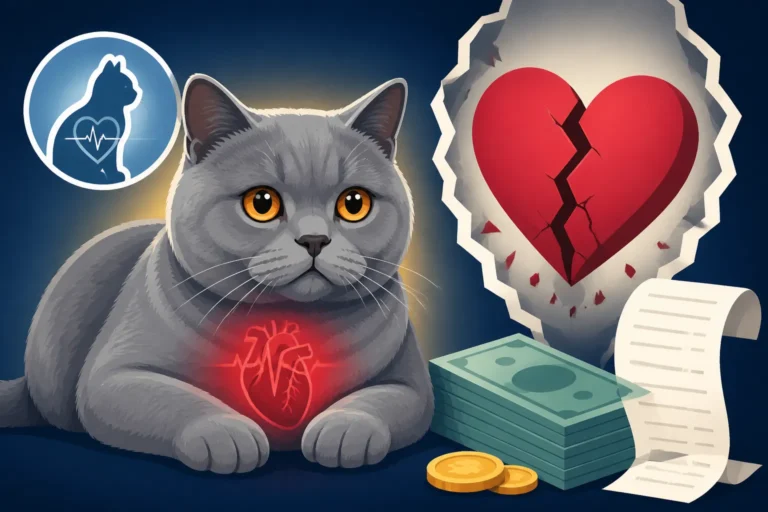
The sad truth is that obesity in cats can lead to, or worsen, a host of other health problems. If your British Shorthair is severely overweight, they might develop conditions like diabetes, arthritis, or urinary tract issues. Managing these conditions can significantly increase your monthly costs. For example, a diabetic British Shorthair would require regular insulin injections, specialized diabetic food, and potentially frequent vet check-ups and glucose monitoring supplies. Diabetes in a British Shorthair is a serious concern for overweight cats.
Arthritis, common in heavier cats due to the strain on their joints, might necessitate monthly joint supplements, pain medication, or even specialized injections. The cost of these medications and ongoing veterinary care can easily add a substantial amount to your monthly budget, turning a simple weight diet into a complex medical management plan. These are the kinds of costs that illustrate why prevention, or early intervention, is so important. When you consider What Obesity Does to a British Shorthair's Joints, the additional expenses become clear.
Monitoring and Follow-Up Visits
While the initial vet visit and diagnostic tests are a one-off cost, monitoring your British Shorthair's weight loss journey often involves recurring follow-up visits. These might be weekly, bi-weekly, or monthly, depending on your cat's progress and your vet's recommendations. Many clinics offer brief "weight check" appointments at a reduced fee or sometimes even complimentary, but longer consultations that involve reassessments or adjustments to medication will still incur a charge.
During these visits, your vet will ensure your British Shorthair is losing weight at a healthy rate, typically 0.5-2% of their body weight per week. Too fast, and you risk hepatic lipidosis; too slow, and adjustments are needed. This consistent monitoring is key to safely reaching their target weight and staying there. Think of it as having a personal trainer for your cat – their expertise and accountability are invaluable.
Long-Term Financial Planning and Support for Your British Shorthair's Health
Weight management isn't a short-term fix; it's a lifestyle change for your British Shorthair that requires ongoing commitment, both in terms of care and finances. Having a solid plan for the long haul can make all the difference.
The Value of Pet Insurance for Weight-Related Conditions
This is where pet insurance, like plans offered by Healthy Paws, can become a real lifesaver, especially if your British Shorthair develops weight-related health issues. While most pet insurance policies won't cover the cost of diet food itself or pre-existing conditions, they can be invaluable for unexpected medical expenses arising from complications of obesity. If your cat develops diabetes, arthritis, or heart problems due to their weight, insurance might help cover the ongoing costs of diagnostics, medications, and treatments, provided the condition wasn't diagnosed before you enrolled.
It's crucial to read the policy details carefully to understand what is and isn't covered, particularly concerning chronic conditions and preventative care. Investing in pet insurance when your British Shorthair is young and healthy can provide a financial safety net later on, softening the blow of potentially expensive monthly treatments. For more information, you can read our guide on Insuring a British Shorthair.
Budgeting for Ongoing Success
Successful weight management for a British Shorthair isn't just about reaching a target weight; it's about maintaining it for their entire lifespan. This means budgeting for their appropriate food portions, any necessary supplements, and regular wellness check-ups for the foreseeable future. Creating a dedicated monthly budget for your cat's health, separating it from general household expenses, can help you stay on track.
Consider setting aside a small amount each month into a dedicated "pet emergency fund" for those unexpected vet visits or medication refills. This proactive approach ensures you're never caught off guard and can always provide the best care for your British Shorthair without undue financial stress. Remember, their health is a marathon, not a sprint.
Leveraging Online Resources and Community Support
You're not alone in this journey! There are countless online resources, forums, and social media groups dedicated to British Shorthair owners and cat weight management. Many communities offer advice, share experiences, and provide emotional support. While these resources should never replace professional veterinary advice, they can offer valuable tips for finding deals on food or toys, creative ways to encourage exercise, and a sense of camaraderie.
Some online retailers also offer auto-ship programs or subscription services that can help manage costs and ensure you never run out of your British Shorthair's specialized diet food. They can sometimes offer discounts for regular orders, making the monthly expense a little more manageable. Sharing tips and tricks with other owners who understand the unique challenges of a British Shorthair's love for food and leisurely lifestyle can be incredibly empowering and help you stay motivated.
Disclaimer
This article is for general informational purposes only and does not constitute professional advice. Laws, prices and regulations vary by location and change over time. Consult a qualified professional for guidance on your specific situation.