What a Prescription Urinary Diet Costs a British Shorthair Owner
It’s a truly frightening moment for any British Shorthair owner when you realize your beloved, usually placid companion is struggling in the litter box, straining, or even vocalizing in discomfort. Urinary issues are unfortunately a common and incredibly distressing problem for our round-faced friends, and once diagnosed, your vet will almost certainly recommend a prescription urinary diet. This guide will walk you through what these specialized diets entail, why they're so crucial for your British Shorthair's health, and crucially, what you can expect to pay to keep your furry family member comfortable and healthy.
Why Your British Shorthair Might Need a Prescription Urinary Diet
Our British Shorthairs, with their wonderfully calm demeanor and tendency towards a more sedentary lifestyle, are unfortunately prone to certain health challenges, and urinary tract issues are high on that list. It's not uncommon to hear stories of a male British Shorthair especially developing problems, and it’s a situation that can escalate rapidly from uncomfortable to life-threatening.
Common Urinary Conditions in British Shorthairs
The most frequently encountered problem is Feline Lower Urinary Tract Disease, or FLUTD. This isn't a single disease but rather a collection of symptoms that can have various underlying causes. For British Shorthairs, factors like stress, insufficient water intake, obesity, and even genetics can contribute to these issues. You might notice your cat making frequent trips to the litter box, passing only small amounts of urine, or even urinating outside the box. This can be incredibly frustrating for owners, but it's vital to remember that these are signs of distress, not spite.
One of the most concerning aspects of FLUTD is the formation of urinary crystals and stones. These are mineral deposits that can develop in the bladder. The two most common types are struvite and calcium oxalate. Struvite crystals often form in urine that is too alkaline, while calcium oxalate crystals tend to form in urine that is more acidic. The trouble is, these crystals can irritate the delicate lining of the bladder, causing inflammation and pain. If they clump together, they can form stones, which are even more problematic.
In severe cases, particularly with male British Shorthairs due to their narrower urethras, these crystals or stones can cause a complete blockage of the urethra. This is an absolute emergency. A blocked cat cannot urinate, leading to toxins building up in their system and causing kidney failure. Without immediate veterinary intervention, often involving a trip to the emergency vet, a urinary blockage can be fatal within a day or two. This is why paying close attention to Signs a British Shorthair Cannot Urinate is so vital, and why understanding potential interventions like a prescription diet is crucial.
The Role of Diet in Urinary Health
Diet plays an absolutely pivotal role in both preventing and managing these urinary problems. Think of it this way: what your British Shorthair eats directly influences the chemistry of their urine. Regular cat food, while balanced for general health, might not specifically address the nuances of urine pH or mineral content needed to prevent crystal formation. This is where prescription urinary diets come in. They are formulated with very specific goals in mind, aiming to create an environment in the bladder where crystals are less likely to form and existing ones can sometimes even dissolve.
Without the right diet, you're constantly fighting an uphill battle. It's like trying to bail out a leaky boat without plugging the hole. Medication can help manage acute flare-ups and pain, but it doesn't get to the root of the problem the way a specialized diet can. For many British Shorthairs with a history of urinary issues, switching to a prescription diet isn't just a recommendation; it's often the cornerstone of their long-term health plan, dramatically reducing the likelihood of recurrence and keeping those painful, dangerous episodes at bay.
Understanding Prescription Urinary Diets
Once your British Shorthair has been diagnosed with a urinary issue, your veterinarian will discuss the option of a prescription urinary diet. These aren't just fancy versions of regular cat food; they are carefully formulated therapeutic diets designed to manage specific urinary conditions. It's a significant shift in feeding, but one that can bring immense relief and improved health to your cat.
How Prescription Diets Work
The primary goal of most prescription urinary diets is to manipulate the pH of your cat's urine. For struvite crystals, which form in alkaline urine, the diet will be designed to acidify the urine, making it less hospitable for these crystals to grow and potentially even helping to dissolve existing ones. For calcium oxalate crystals, the diet aims to prevent excessive urine acidification, which can contribute to their formation. It's a delicate balance, and these diets are precisely calibrated to achieve it.
Beyond pH, these diets also control the concentration of key minerals like magnesium, phosphorus, and calcium. These minerals are the building blocks of urinary crystals and stones. By reducing their levels in the diet, and thus in the urine, the likelihood of new crystal formation decreases significantly. Another critical aspect is increasing water intake. Many prescription urinary diets, especially the wet food varieties, have higher moisture content. More dilute urine means that any minerals present are less concentrated, making crystal formation harder and helping to flush the urinary tract more effectively. This increased hydration is a silent hero in managing urinary health and helps prevent Bladder Stones in a British Shorthair.
Types of Prescription Urinary Diets
There's a variety of prescription urinary diets available, each tailored to different needs. Your vet will recommend the specific formula based on your cat's diagnosis. For instance, if your cat has struvite crystals, they might recommend a diet designed to dissolve these crystals and prevent their recurrence. If oxalate crystals are the issue, a different formula will be prescribed, focusing on prevention. Sometimes, a general "urinary care" diet is recommended for cats prone to FLUTD without specific crystal types, focusing on overall urinary tract health and stress reduction.
These diets come in both dry kibble and wet food forms. Often, veterinarians will strongly recommend a wet food diet or a combination of wet and dry, purely because of the significantly higher moisture content in wet food. This extra hydration is incredibly beneficial for urinary health, as discussed earlier. Brands like Royal Canin Veterinary Diet, Hill's Prescription Diet, and Purina Pro Plan Veterinary Diets are common names you'll encounter in this category, offering a range of options to suit different tastes and needs. You'll often find these available directly from your vet's office, or through authorized online retailers like Chewy, typically requiring a prescription from your veterinarian before purchase.
The Cost Components of a Prescription Urinary Diet
Let's be real: when your cat needs a prescription diet, the first thing many of us worry about is the cost. It’s not just the bag of food itself; there are several related expenses that British Shorthair owners need to factor into their budget when managing urinary issues with a specialized diet.
Initial Veterinary Consultation and Diagnosis
Before your British Shorthair even gets a prescription diet, there's the critical step of diagnosis. This involves a vet visit, which will include a physical examination, and likely a urinalysis to check for crystals, pH imbalances, infection, and other markers. They might also recommend blood work to assess kidney function and rule out other underlying health issues. In some cases, X-rays or an ultrasound might be necessary to look for stones in the bladder or kidneys. These initial diagnostic tests are essential for tailoring the right treatment plan, but they do come with their own set of fees.
The cost of these diagnostic steps can vary significantly based on your location and the specific clinic. A comprehensive initial workup can quickly add up, easily ranging from a few hundred dollars to more, especially if imaging like an ultrasound is required. This upfront investment is non-negotiable, however, as it directly informs which prescription diet is appropriate and helps ensure no other serious conditions are overlooked. Your vet needs to know exactly what they're treating to give your British Shorthair the best chance at recovery.
Cost of the Prescription Food Itself
The actual prescription food is where the ongoing costs really settle in. These specialized diets are formulated with precise ingredients and nutrient profiles, which generally makes them more expensive than your average over-the-counter cat food. The price will depend on the brand, whether it's dry or wet food, and the size of the bag or case you purchase.
Wet food, while often recommended for its hydration benefits, typically costs more per serving than dry kibble. A case of wet prescription food can be a significant monthly expense, often running into figures that are considerably higher than non-prescription options. Dry food, while initially seeming more economical, still carries a premium price tag compared to standard kibble. You'll often find that larger bags or cases offer a slight discount, but it's still a notable line item in your monthly budget. Many owners choose to order these diets online through platforms like Chewy, where they can often find competitive pricing and convenient home delivery, but always remember to upload or have your vet send the prescription.
Ongoing Monitoring and Potential Supplementary Treatments
A prescription diet isn't usually a "set it and forget it" solution. Your veterinarian will likely recommend follow-up visits to monitor your British Shorthair's progress, especially in the initial stages. This might involve repeat urinalyses to confirm the urine pH is within the target range and that crystals are dissolving or no longer forming. They might also want to do blood work periodically, especially for cats on long-term diets, to ensure kidney health is maintained. What a British Shorthair's Yearly Bloodwork Should Cover is a good read to understand the full scope of monitoring.
In some cases, especially during flare-ups or if the diet alone isn't sufficient, your British Shorthair might need additional medications, such as pain relief, anti-inflammatories, or antibiotics if a secondary infection is present. These medications add to the overall cost. While the goal of a prescription diet is to minimize these occurrences, it's important to be prepared for the possibility of adjunct treatments. The costs of these follow-up appointments and any necessary medications will also need to be factored into the overall picture of managing your British Shorthair's urinary health.
Here's a simplified breakdown of potential cost factors:
| Cost Category | Description | Impact on Owner |
|---|---|---|
| Initial Vet Visit & Diagnosis | Exam, urinalysis, blood tests, potentially X-rays/ultrasound | Significant upfront expense |
| Prescription Dry Food | Daily food expense for specialized kibble | Ongoing, moderate |
| Prescription Wet Food | Daily food expense for specialized canned/pouched food | Ongoing, higher |
| Follow-up Vet Visits | Re-checks, repeat urinalysis, blood work for monitoring | Periodic, moderate |
| Medications | Pain relief, anti-inflammatories, antibiotics for flare-ups | Variable, episodic |
| Emergency Care | For blockages or severe crises (e.g., What a British Shorthair's Blocked Bladder Costs) | Potentially very high, rare |
Managing the Costs and Supporting Your British Shorthair
Understanding the costs associated with a prescription urinary diet can feel overwhelming, but there are strategies you can employ to manage these expenses while ensuring your British Shorthair receives the best possible care. It's all about proactive planning and making informed choices.
Exploring Pet Insurance Options
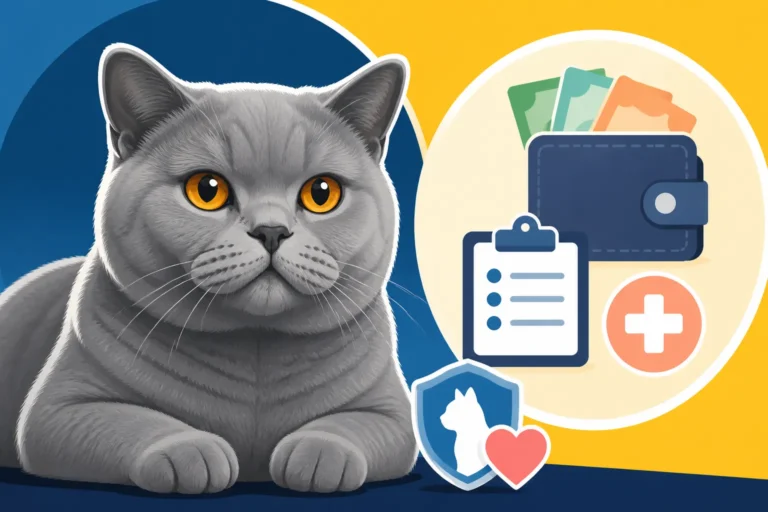
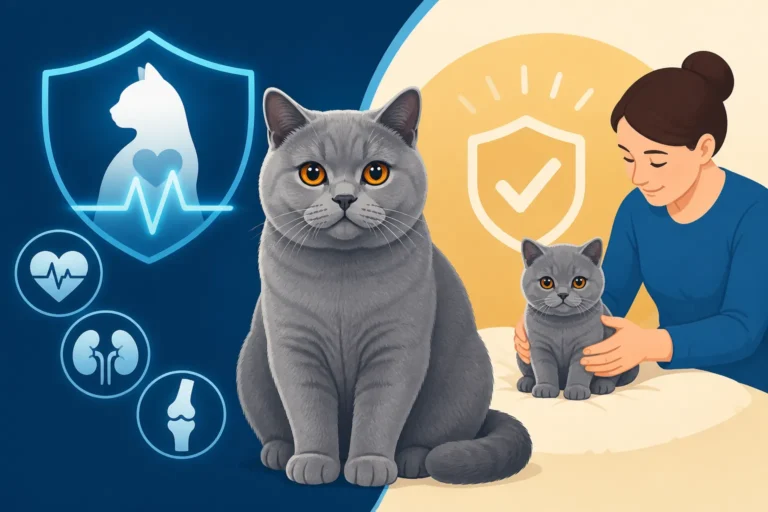
Pet insurance can be a real lifeline when unexpected health issues arise, and it's certainly something to consider for a breed like the British Shorthair, which can have various predispositions. While most pet insurance policies won't cover pre-existing conditions, if you enroll your British Shorthair before they develop urinary problems, a comprehensive plan might help offset a significant portion of the diagnostic tests, specialist consultations, and even the ongoing costs of the prescription diet itself. Each policy is different, so it's crucial to read the fine print and understand what's covered regarding chronic conditions and prescription foods. Providers like Healthy Paws offer various plans, and it's worth investigating if their coverage aligns with your cat's needs and your budget.
Remember, though, that pet insurance typically operates on a reimbursement model. You'll pay the vet upfront, and then submit a claim for reimbursement. There's usually a deductible and a reimbursement percentage. So, while it can significantly reduce your out-of-pocket expenses over time, it doesn't eliminate them entirely. The best time to get pet insurance is when your cat is young and healthy, as this ensures the broadest possible coverage for any future ailments, including those urinary issues that might pop up later in life.
Cost-Saving Strategies for Prescription Diets
Once your British Shorthair is on a prescription diet, you'll be looking for ways to keep those recurring food costs down. One of the most effective strategies is to purchase in larger quantities if possible. Buying bigger bags of dry food or cases of wet food often comes with a lower per-unit cost than buying smaller packages. Online retailers like Chewy often provide subscription services for recurring orders, which can offer a small discount and the convenience of not having to remember to reorder. Always compare prices between your vet's office, major pet supply chains, and online stores, as prices can fluctuate.
It's also crucial to stick strictly to the prescribed portion sizes. Overfeeding, even with a therapeutic diet, means you're going through food faster than necessary, increasing costs, and potentially contributing to other health issues like Obesity Is the British Shorthair's Real Disease. Your vet can provide precise feeding guidelines, often based on your cat's ideal weight. Avoid giving treats that aren't approved by your vet, as these can counteract the careful balance of the prescription diet and potentially exacerbate urinary problems. If your cat truly needs treats, ask your vet if there are specific urinary-friendly options. This disciplined approach not only helps your budget but also ensures the diet is as effective as possible.
Long-Term Management and Prevention
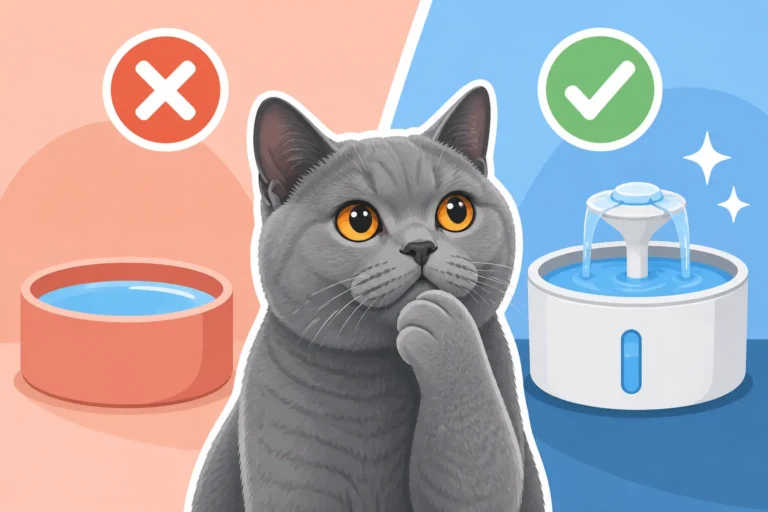
The best way to manage costs is often to prevent severe problems from occurring or recurring. Adhering to the prescription diet faithfully is paramount. Any deviation can undo the benefits and lead to another costly flare-up. Ensure your British Shorthair has constant access to fresh water. Consider using a ceramic or stainless steel water fountain, as many cats are enticed to drink more from flowing water. Increased water intake naturally dilutes urine, which is a key component of urinary health. How Much Water a British Shorthair Should Drink is more important than many owners realize.
Stress reduction is another often-overlooked aspect of urinary health in cats. Provide a calm home environment, consistent routines, and plenty of mental enrichment. Multiple clean litter boxes in quiet, easily accessible locations are also essential for encouraging proper elimination habits. For cats struggling with weight, working with your vet on a weight loss plan can also reduce the strain on their urinary system and overall health. Regular vet check-ups are also crucial to monitor progress and catch any new issues early, potentially saving you from more expensive interventions down the line. Remember, while a prescription diet is an investment, it's an investment in your British Shorthair's comfort, longevity, and quality of life.
Disclaimer
This article is for general informational purposes only and does not constitute professional advice. Laws, prices and regulations vary by location and change over time. Consult a qualified professional for guidance on your specific situation.