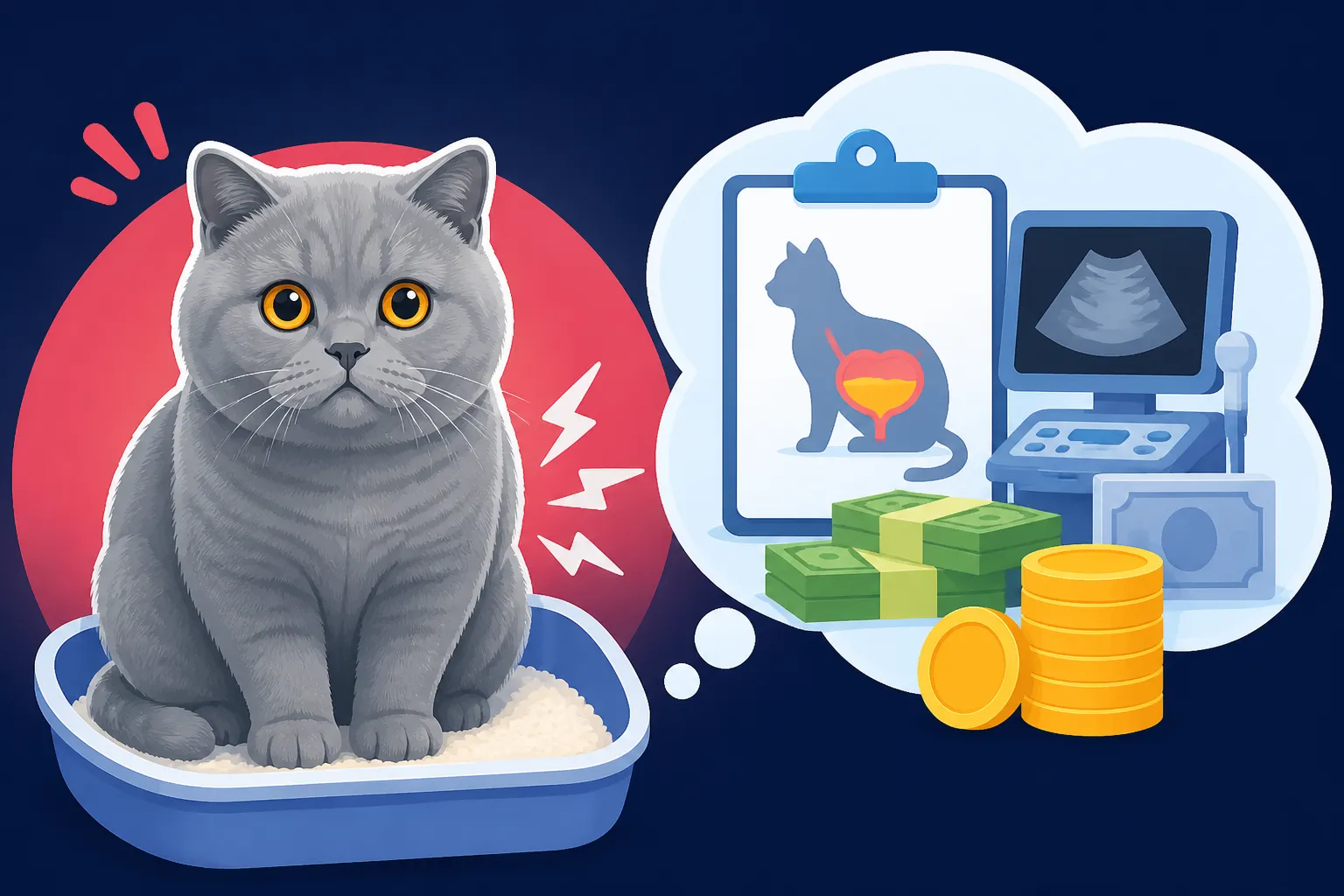
What a British Shorthair’s Blocked Bladder Costs
One of the most terrifying emergencies a British Shorthair owner can face is a blocked bladder. This isn't just uncomfortable for your beloved cat; it's a rapidly life-threatening situation that demands immediate veterinary attention. This guide will walk you through what happens when your British Shorthair experiences a urinary blockage, the immediate and long-term financial implications, and how you can prepare for such an unforeseen crisis, offering a realistic look at the costs involved.
Understanding the Emergency of a Blocked Bladder in British Shorthairs
A blocked bladder is a dire situation where your cat cannot urinate, usually due to an obstruction in their urethra. When this happens, toxins build up in their system, leading to kidney failure, electrolyte imbalances, and if not resolved quickly, can be fatal. It's a true veterinary emergency, and understanding its nature is the first step toward swift action.
Why Male British Shorthairs Are Especially Vulnerable
It's a frustrating reality for male cat owners, but male British Shorthairs are particularly susceptible to urinary blockages due to their anatomy. Their urethra, the tube that carries urine from the bladder out of the body, is much narrower and longer than a female's. This anatomical difference makes them far more prone to obstructions. These blockages often stem from what vets call Feline Lower Urinary Tract Disease (FLUTD), a blanket term for a group of conditions that affect the bladder and urethra. This can manifest as tiny crystals forming in the urine, which then clump together to create a gritty plug. Sometimes, bladder stones form, acting like pebbles blocking the flow, or inflammatory cells and mucus can form a blockage. Given the British Shorthair's sometimes sedentary nature and propensity for weight gain, these factors can exacerbate issues like reduced water intake, which contributes to more concentrated urine and a higher risk of crystal formation. Why a Male British Shorthair Blocks delves deeper into this particular vulnerability.
Imagine waking up to find your typically placid male British Shorthair, who normally might just give a quiet chirp for attention, suddenly distressed. He's making frequent trips to the litter box, straining intently, perhaps even crying out, but nothing comes out. This sudden shift from his usual calm demeanor to obvious pain and agitation is a red flag. The situation can deteriorate incredibly fast; what starts as mild discomfort can escalate into a critical state within hours. The rapid progression is what makes a blocked bladder such an emergency; it's not something you can "wait and see" with. The longer the bladder remains blocked, the more damage is done to the kidneys, and the higher the risk of rupture or toxic shock.
Recognizing the Urgent Signs of a Blockage
Identifying the signs early can be the difference between a successful, less complicated intervention and a much graver outcome. Your British Shorthair, like many cats, is an expert at hiding pain and illness, which can make things incredibly difficult for concerned owners. However, with a blocked bladder, the signs often become undeniable. Look for straining to urinate, frequent trips to the litter box where little to no urine is produced, and prolonged squatting. You might hear them crying or howling in the litter box, indicating significant discomfort. Other signs include licking at their genitals excessively, urinating outside the litter box in unusual places, or becoming restless and agitated. As the condition worsens, your cat might become lethargic, lose their appetite, hide away, or vomit. Their abdomen might feel tense or painful to the touch. Signs a British Shorthair Cannot Urinate offers more specific details on these warning signals.
It's a truly heartbreaking experience to see your usually composed and cuddly British Shorthair in such obvious distress, pacing or hunkering down in a corner, clearly in pain. That feeling of helplessness as you watch them strain with no relief is agonizing. If you observe any of these symptoms, even just one or two, don't delay. This isn't a situation for home remedies or waiting until morning. It requires immediate veterinary attention, ideally at an emergency clinic if it's after hours. Every minute counts, as the build-up of toxins and pressure can rapidly lead to irreversible kidney damage or even a ruptured bladder. Trust your gut; if something feels wrong, it probably is.
The Immediate Veterinary Costs for Unblocking a British Shorthair
When you arrive at the emergency vet with a suspected urinary blockage, be prepared for a series of rapid assessments and interventions. The primary goal is to stabilize your cat and relieve the obstruction as quickly and safely as possible. This immediate care comes with associated costs that can be substantial, especially for an emergency procedure.
Initial Examination and Diagnostics
The moment you bring your British Shorthair into the emergency veterinary clinic, the team will spring into action. The first step is a thorough physical examination, focusing on palpating the abdomen to check the bladder size and consistency. A distended, painful bladder is a strong indicator of a blockage. Beyond the initial exam, a suite of diagnostic tests will be necessary to understand the severity of the situation and guide treatment. This typically includes a urinalysis to check for crystals, blood, and infection, bloodwork to assess kidney function and electrolyte levels (which can become dangerously imbalanced with a blockage), and often X-rays or an ultrasound to visualize the bladder, urethra, and look for Bladder Stones in a British Shorthair or other obstructions. These initial diagnostic steps are crucial for the vet to formulate the best course of action and provide you with a clearer picture of your cat's prognosis.
These diagnostic costs can quickly add up, especially if you're at an emergency or after-hours clinic where fees are often higher. You might face charges for the emergency exam itself, separate fees for blood panels (a chemistry panel to check organ function, electrolytes, and a complete blood count), urinalysis, and then imaging like X-rays or an ultrasound. While these costs can feel overwhelming in the moment of crisis, remember they are absolutely essential. Without knowing the full picture of your cat's internal state, particularly kidney function and electrolyte balance, proceeding with a procedure like catheterization could be risky. It's an investment in understanding the problem fully to give your British Shorthair the best chance at recovery.
The Unblocking Procedure Itself
Once the diagnostics confirm a blockage, the veterinary team will proceed with the unblocking procedure. This typically involves sedating your British Shorthair and passing a urinary catheter into the urethra to flush out the obstruction and drain the bladder. This is a delicate procedure requiring skill and care, as the urethra can be easily damaged. After the blockage is cleared, the catheter is often left in place for a day or two, secured in the bladder, to allow the urethra to recover and prevent immediate re-blockage. Your cat will likely receive intravenous fluids to help flush the kidneys and maintain hydration, along with pain medication to keep them comfortable during recovery. They will be hospitalized, often for several days, for continuous monitoring, especially of their urine output and electrolyte levels.
The cost of the unblocking procedure encompasses several components: the anesthesia, the actual catheterization and flushing, the placement and maintenance of the indwelling catheter, IV fluids, and initial medications. The difficulty of the blockage, how long your cat needs to be hospitalized, and whether any complications arise will all influence the final bill. For instance, a cat with a straightforward blockage might have a shorter stay, while one with severe electrolyte imbalances or kidney issues might require more intensive, prolonged care. This is where having pet insurance can be a huge relief. Providers like Healthy Paws offer accident and illness plans that could cover a significant portion of these emergency veterinary expenses, helping you focus on your cat's recovery rather than the immediate financial strain. It's a critical safety net when faced with unexpected and costly emergencies like a blocked bladder.
Managing Post-Blockage Care and Preventing Recurrence
Relieving the initial blockage is a huge hurdle overcome, but the journey doesn't end there. Post-blockage care is just as critical for your British Shorthair's long-term health, focusing on recovery from the acute event and, crucially, preventing future recurrences. This involves continued veterinary oversight, dietary changes, and sometimes environmental adjustments, all of which have ongoing cost implications.
Hospitalization and Recovery Costs
After the catheter is placed and the bladder is unblocked, your British Shorthair will typically remain hospitalized for a period, often between 24 and 72 hours, depending on their stability and the severity of their condition. During this time, they will receive continuous intravenous fluids to keep them hydrated and help flush any remaining crystals or inflammatory debris from their urinary tract. Pain medication is vital to ensure they are comfortable, and anti-inflammatory drugs might be administered to reduce swelling in the urethra. The veterinary staff will closely monitor their urine output, ensuring the catheter remains patent and that your cat is urinating freely. Blood tests will be repeated to track kidney function and electrolyte levels, ensuring they normalize. This intensive monitoring is essential because re-blockage can occur, or complications like kidney damage might need further intervention.
Once your British Shorthair is stable and the catheter has been removed, they will be discharged with a comprehensive set of home care instructions. This will likely include oral medications – perhaps a short course of antibiotics if an infection was present, pain relief, or anti-spasmodic drugs to help relax the urethra. You'll also be advised on critical dietary changes and how to encourage water intake. The cost of this hospitalization period covers the nursing care, medications, repeat diagnostics, and the facility's overhead. While it might seem like a lot after the initial unblocking, it’s a necessary investment to ensure full recovery and minimize the chances of immediate relapse. Sending a cat home too soon after a blockage carries significant risks.
Long-Term Management and Preventative Measures
The true key to preventing another terrifying blocked bladder episode lies in long-term management, primarily focused on diet and lifestyle. Your vet will almost certainly recommend a prescription urinary diet, specifically formulated to promote a healthy urinary pH and dissolve or prevent the formation of crystals and stones. These diets are carefully balanced to reduce the minerals that contribute to crystal formation. Brands like Purina Pro Plan Veterinary Diets or Royal Canin Veterinary Diet often have excellent options. You can often purchase these specialized foods through your vet's office or reputable online pet retailers like Chewy, which often offers subscription services for recurring deliveries. What a Prescription Urinary Diet Costs a British Shorthair Owner will give you a better idea of these ongoing expenses.
Beyond diet, increasing water intake is paramount. Many British Shorthairs don't drink enough, leading to concentrated urine. Encourage drinking by offering multiple water bowls, ceramic or glass bowls, and perhaps a cat fountain, as many cats prefer running water. Incorporating wet food into their diet is also highly recommended, as it significantly boosts their hydration. Whether a British Shorthair Needs Wet Food explains more about the benefits. Additionally, stress management and ensuring pristine litter box hygiene can help. A clean, easily accessible litter box reduces the likelihood of your cat holding their urine, which can contribute to problems. Regular follow-up vet visits, including periodic urinalyses, will be crucial to monitor their urinary health and catch any potential issues before they escalate. These preventative measures are an ongoing cost, but they are infinitely less expensive and less stressful than another emergency visit for a full blockage. Specialized nutrition can also be discussed with your vet for its suitability in urinary health management.
Financial Planning for Potential Urinary Issues
Facing a sudden, expensive veterinary emergency like a blocked bladder without any financial preparation can be incredibly stressful. While we hope our British Shorthairs stay healthy, planning ahead for potential health issues, particularly those common to the breed, is a responsible and loving act.
Pet Insurance Considerations for British Shorthairs
Pet insurance is one of the most proactive ways to manage the unpredictable costs of veterinary care, especially for emergencies. When it comes to a condition like a blocked bladder, an accident and illness policy can be a lifesaver. These policies typically cover diagnostic tests, emergency treatment, hospitalization, surgery (if needed), and medication related to unexpected illnesses or injuries. While a policy won't cover pre-existing conditions, if your British Shorthair is enrolled before any urinary issues arise, future blockages or related treatments would likely be covered. What Insuring a British Shorthair Costs a Month can vary widely based on your location, your cat's age, and the level of coverage you choose (e.g., deductible, reimbursement percentage).
When looking at pet insurance, particularly for British Shorthairs, consider what's included in emergency care coverage. Providers like Healthy Paws are often lauded for their comprehensive accident and illness plans, which are exactly what you'd need for a blocked bladder emergency. They typically cover a high percentage of vet bills after your deductible is met, which means you're reimbursed for a significant portion of those expensive emergency and hospitalization costs. It’s important to read the policy details carefully to understand waiting periods, annual limits, and any exclusions. Having pet insurance can offer immense peace of mind, knowing that if the worst happens, you can make medical decisions based on what's best for your cat, not solely on what you can afford out of pocket.
Building an Emergency Fund
For those who prefer to self-insure or in addition to having pet insurance, building a dedicated emergency fund for your British Shorthair is an incredibly smart move. Think of it as your cat's personal savings account for unexpected vet bills. Instead of relying on credit cards or panicking in a crisis, having a sum of money set aside specifically for emergencies means you're prepared. You can start small, setting aside a little bit each month, just as you might for your own emergency savings. Over time, that fund can grow into a substantial safety net.
Let's say you aim to save enough to cover the initial emergency unblocking and a few days of hospitalization. Researching the general cost range for these procedures in your area can give you a target amount. The benefit of an emergency fund is that it's always there, instantly accessible, and you control it completely. If your cat never has a major emergency, that money remains yours. If they do, you're not caught off guard by a bill that could easily reach into the thousands. This approach provides financial stability and allows you to be a proactive, responsible pet parent, ensuring your British Shorthair gets immediate, life-saving care without the added burden of financial stress during a crisis.
The Hidden Costs of Neglect
Delaying treatment for a blocked bladder is not only cruel to your suffering British Shorthair but also dramatically increases the financial cost. The "hidden costs" of neglect are very real and can be far more devastating than the initial emergency bill. If a blockage isn't addressed promptly, severe complications can arise. The pressure of urine backed up in the bladder can cause significant damage to the kidneys, potentially leading to acute kidney failure, which requires even more intensive and prolonged medical care, including IV fluids for days or weeks. In the most severe cases, the bladder itself can rupture, a truly life-threatening event that requires emergency surgery and carries a very poor prognosis.
Furthermore, the longer the blockage persists, the more likely dangerous electrolyte imbalances, particularly high potassium levels, can occur. These imbalances can lead to severe cardiac problems and even heart failure. Treating these secondary complications, if your cat even survives them, will be exponentially more expensive than addressing the blockage in its early stages. What might have been a few thousand dollars for an unblocking procedure and a couple of days of hospitalization can quickly balloon into many thousands for kidney dialysis, extensive cardiac monitoring, or complex surgical repair. Ultimately, the cost of delaying care is not just financial; it could tragically cost your beloved British Shorthair their life. Prioritizing immediate veterinary attention for a suspected blocked bladder is not just about cost-saving, it's about life-saving.
| Aspect of Care | Immediate Costs (Emergency) | Long-Term Costs (Prevention/Management) |
|---|---|---|
| Diagnostics | Emergency exam, urinalysis, bloodwork, X-rays/ultrasound | Periodic urinalysis, bloodwork for monitoring |
| Treatment Procedure | Sedation, catheterization, flushing, catheter placement, IV fluids, pain relief | (Not applicable, this is reactive) |
| Hospitalization | Intensive monitoring, IV therapy, medications, repeat labs, nursing care | (Not applicable, this is reactive) |
| Medications | Initial antibiotics, anti-inflammatories, pain meds | Oral medications (if ongoing), supplements |
| Diet | (Not applicable, immediate crisis) | Prescription urinary diet, wet food to increase hydration |
| Follow-up Care | Catheter removal, initial re-checks | Regular vet check-ups, ongoing monitoring |
| Preventative Items | (Not applicable, immediate crisis) | Water fountains, extra litter boxes, stress relief items |
Disclaimer
This article is for general informational purposes only and does not constitute professional advice. Laws, prices and regulations vary by location and change over time. Consult a qualified professional for guidance on your specific situation.