What the First Year With a British Shorthair Costs
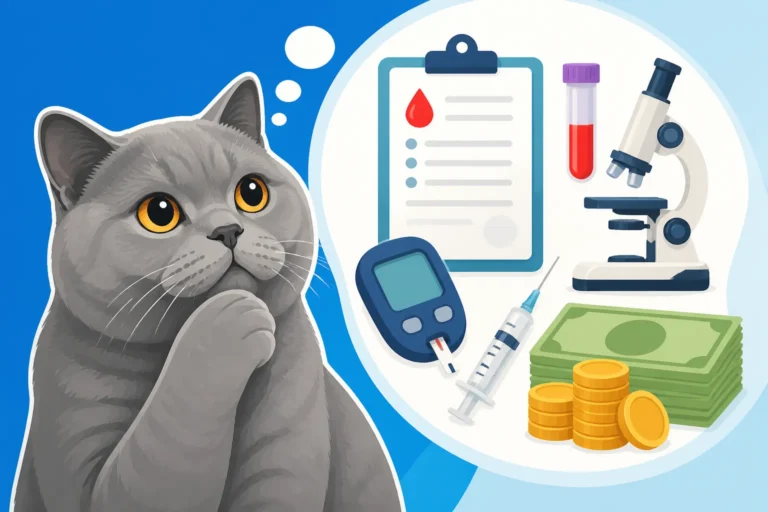
Bringing a British Shorthair into your home is an incredibly exciting time, filled with dreams of cuddles and charming purrs. But let's be realistic: that initial joy can quickly turn into anxiety when you start tallying up all the expenses. Many prospective owners underestimate just how much goes into that first year, from the initial adoption or purchase to all the ongoing care, often leading to sticker shock. This guide is here to demystify those costs, breaking down everything you can expect to spend in the first year with your beloved British Shorthair, so you can budget wisely and provide the best life for your new furry family member without undue financial stress.
The Initial Investment: Bringing Your British Shorthair Home
The moment you decide to welcome a British Shorthair into your life, the financial journey begins. This isn't just about the upfront cost of the cat itself; it encompasses a whole suite of initial expenses that are absolutely non-negotiable for their well-being and your peace of mind. Thinking about these early costs in detail can help prevent any nasty surprises down the line and ensure your new companion starts life in your home on the right paw.
Purchase Price or Adoption Fees
Whether you're looking for a pedigree British Shorthair kitten from a reputable breeder or considering opening your heart to an adult cat from a rescue, this initial figure is often the biggest single expense. For kittens from breeders, you're not just paying for a cute face; you're contributing to the breeder's extensive health testing, quality food for the queen and kittens, appropriate vaccinations, and early socialization efforts. Responsible breeders invest heavily in their lines to ensure healthy, well-adjusted kittens, and this is reflected in the price. It's truly an investment in the cat's future health and temperament.
On the other hand, adopting an adult British Shorthair from a rescue organization also comes with fees, but these are generally much lower and serve a different purpose. Rescue fees help cover the costs of spaying or neutering, vaccinations, microchipping, and any medical care the cat received while in their care. Sometimes, you might find a British Shorthair in a rescue that has been given up due to unforeseen circumstances, and giving them a second chance can be incredibly rewarding. Often, these cats arrive at the rescue already spayed or neutered and up-to-date on their shots, which can save you money on immediate veterinary expenses. You can learn more about Adopting a British Shorthair From Rescue if that path appeals to you.
Regardless of whether you choose a breeder or a rescue, it’s vital to understand what the fee includes. Always ask about health guarantees, initial vet checks, and what preparatory care the cat has received. A transparent breeder or rescue will be happy to provide this information, giving you confidence in your choice and the health of your new companion.
Initial Supplies and Setup Costs
Once you've secured your British Shorthair, a whole new shopping list emerges for setting up their new kingdom. This isn't just about comfort; it's about creating a safe, stimulating, and hygienic environment. Think about the basics: food and water bowls, a comfortable bed, a sturdy carrier for vet visits, and of course, a litter box. For a breed as robust as the British Shorthair, you'll want a litter box that's suitably large; trying to squeeze a big cat into a small box is a recipe for messes and unhappiness. Consider reading about Which Litter Box Size a British Shorthair Needs to make an informed choice.
Beyond the absolute essentials, consider items like scratching posts or cat trees. British Shorthairs, despite their calm demeanor, still need outlets for their natural scratching instincts, and providing appropriate options early can save your furniture. A good quality, stable cat tree designed for heavier cats can also offer vertical space and enrichment. Don't forget grooming tools; their dense, plush coat requires regular attention to prevent matting and manage shedding. A good quality metal comb is often recommended over a brush for this particular coat type.
The cumulative cost of these initial supplies can be substantial, easily running into several hundred dollars. It's often helpful to purchase these items before your British Shorthair arrives, allowing you to set everything up and get comfortable with their placement. Websites like Chewy offer a vast selection of pet supplies, often with helpful reviews from other cat owners, making it easier to find high-quality items that will last. Prioritizing durability and functionality over trendiness will serve you best in the long run.
First Vet Visits and Vaccinations
Even if your British Shorthair comes with a clean bill of health from a breeder or rescue, that first "well-kitten" or "well-adult" vet visit is crucial and typically occurs within the first few days or weeks of bringing them home. This visit allows your own veterinarian to establish a baseline for your cat's health, discuss a vaccination schedule, and set up a plan for parasite prevention. For kittens, this often involves a series of vaccinations over several weeks to build their immunity, which can be a significant cost during the first year. These core vaccines protect against common and serious feline diseases.
Beyond vaccinations, your vet will likely recommend deworming, flea and tick prevention, and potentially a microchip if your cat isn't already chipped. Blood typing might also be discussed, especially if you have a queen (female cat) and are concerned about breeding in the future, as certain blood types can cause issues with kittens. For more information on this, you might find Whether a Pet British Shorthair Needs Blood Typing insightful. Early health screenings for common breed-specific conditions, like an initial heart echo for HCM or a DNA test for PKD, might also be advised. While some breeders perform these, it's a conversation worth having with your vet to ensure all bases are covered, especially with a breed prone to certain genetic conditions.
The cost of these initial vet visits, combined with multiple vaccine doses and preventive treatments, can add up quickly. It's wise to call local veterinary clinics in advance to inquire about their new patient exam fees, vaccination packages, and typical costs for parasite control. This proactive approach helps you budget realistically for this vital aspect of your British Shorthair's first year.
Feeding Your British Shorthair for Health and Happiness
One of the most significant ongoing expenses in your British Shorthair's first year, and indeed throughout their life, will be their food. It's not just about filling their bowl; it's about providing the right nutrition to support their growth, maintain their beautiful coat, and prevent common breed-specific issues like obesity. A healthy diet is the cornerstone of a long and happy life for your cat.
Understanding Food Costs: Quality Over Quantity
British Shorthairs are notoriously good eaters, and their calm, somewhat sedentary nature means they can be prone to weight gain. This makes choosing the right food and portion control paramount. Investing in a high-quality cat food, whether wet, dry, or a combination, is essential. Premium foods often have better ingredients, more digestible proteins, and fewer fillers, which can lead to better overall health and even smaller, less frequent litter box deposits – a win-win! While the upfront cost per bag or can might seem higher, your cat may need to eat less of it to feel satisfied and get the nutrients they need, sometimes balancing out the expense.
When selecting food, look for options specifically formulated for “all life stages” or “adult cats” once your kitten transitions off kitten food. Your veterinarian can offer excellent recommendations tailored to your British Shorthair's age, activity level, and any specific health needs. Some owners opt for fresh food, which can offer highly palatable and nutritious options, though it typically comes at a higher price point. Remember, cheap food can lead to health problems down the line, potentially resulting in more expensive vet bills, so seeing food as an investment in health is a wise perspective.
It's also worth noting that British Shorthairs can be sensitive to sudden dietary changes. Plan for a gradual transition when switching foods to avoid digestive upset. Keeping an eye on their weight is crucial, as Obesity Is the British Shorthair's Real Disease. A good quality food supports a healthy weight when fed in appropriate portions.
Treats and Dietary Supplements
Who can resist giving a treat to those adorable round faces? Treats are a wonderful way to bond with your British Shorthair and can be useful for training or encouraging activity. However, moderation is key, especially with a breed prone to weight gain. The cost of treats can add up, and if overfed, they contribute significantly to calorie intake. Opt for healthy, low-calorie options, and always factor them into your cat's daily caloric allowance. Dental treats, for instance, can offer a dual benefit, helping with dental hygiene while providing a tasty reward.
Beyond treats, some British Shorthair owners consider dietary supplements. These might include probiotics for digestive health, joint supplements for older cats (though this is less common in the first year unless there's a specific issue), or omega fatty acid supplements for coat health. It's vital to discuss any supplements with your veterinarian before introducing them. While some can be beneficial, others might be unnecessary or even harmful if given improperly. Your vet can advise if a supplement is truly needed and recommend a reputable brand and dosage.
The cost of these extras, while not as substantial as the main food bill, can still impact your overall budget. A small bag of high-quality treats might last a month or two, but if you're buying multiple types or larger quantities, those dollars quickly add up. Be mindful of marketing claims and always prioritize your cat's health and caloric needs when choosing treats and supplements.
The Cost of Portion Control Tools
Given the British Shorthair's predisposition to putting on weight, portion control is not just a suggestion; it's a necessity. Free-feeding, where food is left out all day, is almost certainly going to lead to an overweight cat in this breed. This means you'll need to invest in tools and habits that support precise feeding. A simple measuring cup is a good start, but a digital kitchen scale offers even greater accuracy when measuring dry kibble. Consistency in portion size is critical for managing their weight effectively.
Timed feeders or automatic feeders can be incredibly useful, especially if you have a busy schedule. These devices dispense pre-set amounts of food at specific times, ensuring your British Shorthair gets their meals regularly without overeating. Some models even have microchip readers, which can be invaluable in multi-cat households to ensure each cat only eats their own food, preventing food theft and managing individual dietary needs. You can imagine how beneficial this is if one cat is on a weight management diet and another isn't.
While these tools represent an initial cost, they can save you money in the long run by preventing obesity-related health issues, which can be very expensive to treat. Diabetes, arthritis, and urinary problems are just some of the conditions linked to excess weight in cats. Therefore, these tools are not just about convenience; they are a proactive investment in your cat's health and can significantly reduce your What an Overweight British Shorthair Costs at the Vet bills down the line.
Essential Health Care and Wellness in the First Year
Beyond the initial vet visits, your British Shorthair will require ongoing health care and wellness treatments throughout their first year. This proactive approach is crucial for preventing illness, catching potential issues early, and ensuring they thrive. Don't think of these as optional extras, but as fundamental components of responsible pet ownership.
Routine Veterinary Care and Check-ups
Even after their initial kitten shots are complete, British Shorthairs still need at least one annual wellness exam. During this visit, your veterinarian will conduct a thorough physical examination, checking everything from their teeth and gums to their heart and lungs. They'll also monitor your cat's weight and discuss any behavioral or health concerns you might have. For some British Shorthairs, particularly if there are any developing concerns or a family history, your vet might recommend additional diagnostic tests like blood work, urinalysis, or even a basic heart screening.
These routine check-ups are vital because cats are masters at hiding illness. A vet's trained eye can spot subtle changes that you might miss at home. Early detection of issues, no matter how minor, often leads to more effective and less costly treatment. Think of it like your own yearly physical – it's about prevention and early intervention. Discussions during these appointments might also cover dental health, nutrition, and environmental enrichment, all tailored to your cat's specific needs as they grow and mature.
The cost of these annual exams, while typically not as high as emergency visits, is a consistent part of pet ownership. It's a foundational expense that sets the stage for a healthy life. Some clinics offer wellness plans that bundle these routine services, potentially saving you money compared to paying for each service individually.
Preventive Medications: Flea, Tick, and Worming
Regular parasite prevention is a non-negotiable aspect of caring for any cat, including your British Shorthair, even if they are exclusively indoor. Fleas and ticks can hitch rides into your home on clothing, other pets, or even through open windows. Left untreated, they can cause intense discomfort, skin infections, and even transmit diseases. Similarly, internal parasites like roundworms and hookworms are common and can be picked up through various means, sometimes even from their mother when they were kittens.
Your vet will recommend a schedule for flea, tick, and heartworm prevention, which often involves monthly topical treatments or oral medications. These medications typically cost a set amount per dose, adding up over the year. It's important to use veterinary-approved products, as many over-the-counter options are ineffective or, worse, potentially harmful. Discussing the best options with your vet ensures your British Shorthair receives safe and effective protection.
Consistent prevention is far less expensive and stressful than treating a full-blown infestation or a serious parasitic illness. Imagine the cost and hassle of dealing with fleas throughout your home or treating a cat severely weakened by worms. These preventive medications are a small, but incredibly important, recurring cost that safeguards your cat's health and your home's hygiene.
The Importance of Early Health Screening
British Shorthairs, like many purebred cats, can be predisposed to certain genetic health conditions. Two of the most notable are Hypertrophic Cardiomyopathy (HCM) and Polycystic Kidney Disease (PKD). While a responsible breeder will perform screening on their breeding cats, it's still prudent for pet owners to be aware and discuss further screening with their vet, especially in the first year.
HCM is a heart condition that causes the thickening of the heart muscle. Since there is currently no DNA test for HCM in British Shorthairs, regular echocardiograms (heart ultrasounds) are the gold standard for screening. An initial echo can be performed as early as one year of age, or even younger if there's a family history or a heart murmur is detected. These echoes need to be performed by a board-certified veterinary cardiologist for the most accurate results, and they do come with a significant cost. However, early detection allows for potential management with medication, which can improve quality of life and potentially extend lifespan.
PKD, on the other hand, does have a DNA test available. If your kitten's parents weren't tested, or you've adopted an adult British Shorthair with unknown history, testing your cat for PKD1 is a wise investment. This simple cheek swab test can tell you if your cat carries the gene for polycystic kidney disease, which causes cysts to form in the kidneys and can lead to kidney failure later in life. Knowing this information early can inform dietary choices and allow for proactive monitoring with your vet. These early screenings, while adding to the first-year costs, are a profound investment in your cat's long-term health and your peace of mind.
Grooming and Maintenance: Keeping That Plush Coat Pristine
The British Shorthair's iconic dense, plush coat is one of its most defining features, but it doesn't stay pristine on its own. Regular grooming is essential, not just for aesthetics, but for their overall health and comfort. Beyond the coat, dental care and a clean litter environment are also crucial for their well-being in that first year and beyond.
Basic Grooming Tools and Supplies
The British Shorthair's coat, while relatively low-maintenance compared to a Persian, still requires regular attention, especially during shedding seasons. You'll need a good quality metal comb, ideally a greyhound comb with both fine and wide teeth, to work through their dense undercoat. A rubber grooming mitt can also be useful for stimulating the skin and removing loose hairs, particularly those shed in their living spaces. Avoid slicker brushes, as these can be too harsh for their delicate undercoat and guard hairs. For more on this, you can check out Why a Comb Beats a Brush on a British Shorthair.
Beyond combing, you'll need cat-specific nail clippers to keep their claws at a healthy length. British Shorthairs often have sturdy nails that grow quickly. Starting nail trims early in kittenhood helps them get accustomed to the process, making it less stressful for both of you. Soft treats can be a good reward for cooperation. Additionally, a gentle ear cleaner and cotton balls are helpful for occasional ear hygiene, though excessive ear cleaning is usually not necessary unless advised by your vet.
The initial investment in these tools is relatively small, but they are crucial for preventing more significant problems like matting, ingrown nails, and ear infections. While a professional groomer is rarely needed for a British Shorthair, having the right tools at home empowers you to keep their coat and nails in top condition, reducing potential veterinary visits for neglected grooming issues.
Dental Care Essentials
Dental health is often overlooked in cats, but it's incredibly important. Just like in humans, plaque and tartar can build up on a British Shorthair's teeth, leading to gingivitis, painful tooth resorption, and other serious periodontal diseases. These issues can impact their overall health, as bacteria from dental infections can spread to other organs. The best way to combat this is with regular at-home dental care from a young age.
This means investing in a cat-specific toothbrush and enzymatic toothpaste. Never use human toothpaste, as it contains ingredients that are toxic to cats. Aim to brush your British Shorthair's teeth daily, or at least several times a week. Starting this routine when they are kittens helps them tolerate it much better as adults. Dental treats and water additives can also provide some benefit, but they are not a substitute for brushing.
While the cost of dental tools and toothpaste is minimal, neglecting dental care can lead to significant veterinary expenses down the line. Professional dental cleanings under anesthesia can be costly, and extractions even more so. By proactively caring for your British Shorthair's teeth in their first year, you're not just ensuring fresh breath; you're safeguarding their overall health and potentially saving thousands in future dental procedures.
Litter Box Setup and Ongoing Litter Costs
The litter box situation is paramount for any cat owner, and even more so when you have a large, dignified British Shorthair. As mentioned earlier, a generously sized litter box is a must to ensure they have enough room to comfortably enter, turn around, and do their business. This isn't just about their comfort; it's about preventing inappropriate urination outside the box, a common behavioral problem that can be costly and frustrating to resolve. For more details, you might consider Which Litter Box Size a British Shorthair Needs.
Beyond the box itself, you'll need a suitable litter. There are many types available: clay, silica gel, wood pellets, and various natural options. The best litter is one that your cat accepts and that effectively controls odor and clumps well for easy cleaning. The cost of litter can vary significantly between brands and types, and for a British Shorthair, who might produce a good amount of waste, this will be a consistent monthly expense. Some owners find that premium clumping litters, while pricier upfront, last longer and provide better odor control, making them more cost-effective in the long run.
Don't forget a sturdy litter scoop and a dedicated small trash can for waste disposal. Regular scooping, ideally twice a day, is essential for maintaining hygiene and keeping your British Shorthair happy with their facilities. The initial setup cost for boxes and a bag or two of litter is modest, but the ongoing monthly cost of replenishing litter is a significant part of the first-year budget. Finding a good balance between cost, effectiveness, and your cat's preference is key.
Enrichment and Entertainment: Keeping a Calm Cat Content
British Shorthairs are known for their calm and somewhat reserved nature, but this doesn't mean they don't need mental and physical stimulation. While they might not be scaling curtains, providing appropriate enrichment is vital for their happiness and preventing boredom, which can sometimes lead to behavioral issues. Investing in suitable toys and structures in their first year is an important part of their overall well-being.
Toys, Scratching Posts, and Cat Trees
While British Shorthairs might not be the most hyperactive breed, they still need opportunities for play and exercise to stay healthy and engaged. Investing in a variety of toys is a great way to discover what your particular cat enjoys. Wand toys, kicker toys, crinkle balls, and puzzle feeders can all provide entertainment and encourage activity. Puzzle feeders, in particular, are excellent for this breed as they combine mental stimulation with a slow release of food, helping to manage their tendency to overeat. You can read more about Which Toys a British Shorthair Will Actually Chase.
Scratching posts and cat trees are also essential. British Shorthairs are sturdy cats, so look for heavy, stable options that won't wobble when they use them. Vertical scratching posts covered in sisal rope are generally preferred over carpeted ones, as they provide a satisfying texture for clawing. A stable cat tree, even if it's not sky-high, gives them a vantage point and a place to observe their surroundings, fulfilling a natural feline need for vertical space.
The cost of these items can vary widely. You can find inexpensive toys, but some high-quality, durable cat trees can be a significant investment. However, these are often long-term items, and choosing well-made options in the first year can save you from having to replace them frequently. Moreover, providing appropriate scratching surfaces can save your furniture from damage, making the investment worthwhile.
Carriers and Travel Essentials
From that very first trip home to regular vet visits, a safe and comfortable carrier is an absolute necessity for your British Shorthair. Don't skimp on this item. A carrier should be sturdy, well-ventilated, and large enough for your cat to stand up, turn around, and lie down comfortably. Look for one that opens from the top as well as the front, as this can make vet visits much less stressful for both you and your cat. Given the British Shorthair's substantial size, ensure the carrier is rated for their adult weight, which can be quite considerable.
Beyond the carrier, you might consider other travel essentials. For longer journeys, a comfortable blanket or towel for the carrier, a portable water bowl, and a small amount of familiar food can make the experience smoother. Some owners also use calming sprays or pheromone diffusers in the carrier to reduce anxiety during travel. While these might not be daily expenses, they are crucial for safety and comfort whenever your British Shorthair needs to leave the house.
The cost of a good quality carrier can range from moderate to significant, especially for larger, more durable models. However, it's an investment that pays for itself in peace of mind and your cat's safety during transit. Having a reliable carrier ready from day one is part of being a responsible British Shorthair owner.
Pet Sitting or Boarding Considerations
Even in the first year, there will likely be times when you need to be away from home, whether for work travel, a vacation, or an emergency. When that happens, you'll need to decide who will care for your British Shorthair. The options typically include hiring a pet sitter or boarding your cat at a reputable facility. Both come with costs, and it's wise to factor these into your first-year budget.
A professional pet sitter will come to your home, feed your cat, clean the litter box, and provide some interaction. This option often allows your British Shorthair to remain in their familiar environment, which can be less stressful for them, as they are a breed that generally appreciates routine. The cost of a pet sitter typically depends on the frequency of visits and the services provided.
Boarding facilities, often associated with veterinary clinics or dedicated cat hotels, offer a safe and supervised environment. For a British Shorthair, ensure the facility has spacious, clean enclosures and staff experienced with the breed's temperament. Boarding can be a good option if your cat requires medication or has special needs that a pet sitter might not be equipped to handle. The cost of boarding usually varies by location and the level of amenities offered.
Regardless of your choice, it's essential to research and vet any caregiver thoroughly. Ask for references, visit facilities, and ensure they are insured and bonded. Having a trusted care plan in place from the first year is not just about convenience; it's about ensuring your British Shorthair is well-cared for and safe when you can't be there, preventing stress for both of you.
Unexpected Costs and Contingency Planning
While we can plan for many expenses, life with pets inevitably throws curveballs. Unexpected veterinary emergencies, illnesses, or even accidental damage can arise, especially in the first year as your British Shorthair settles in. Being prepared for these unforeseen costs is a crucial part of responsible pet ownership.
Emergency Vet Visits and Illnesses
Even with the best preventative care and a healthy start, cats can become unexpectedly ill or suffer injuries. A sudden onset of vomiting, lethargy, an unexplained limp, or signs of difficulty breathing warrants an immediate trip to the emergency vet. These visits can be significantly more expensive than routine check-ups, especially if they occur after hours or require advanced diagnostics like X-rays, ultrasounds, or specialized blood tests.
British Shorthairs, while generally robust, are not immune to these issues. A young kitten might ingest something they shouldn't, or an adult cat could develop a sudden urinary tract infection. These emergencies highlight why having an emergency fund or pet insurance is so important. Without one, you could be faced with difficult decisions based on financial constraints, which is a heartbreaking situation no pet owner wants to be in.
The first year is a time of adjustment, and sometimes stress can manifest in physical ways. Keep a close eye on your British Shorthair for any changes in behavior, appetite, or litter box habits, and don't hesitate to call your vet if you have concerns. While we hope for a year free of medical dramas, it's always best to be prepared for the possibility.
Pet Insurance: A First-Year Consideration
This is where pet insurance can truly shine as a financial safety net. Deciding whether to insure your British Shorthair is a big decision, but it's one many owners find invaluable, especially when faced with an unexpected illness or accident. When you acquire your cat, particularly a kitten, it's often the best time to enroll in pet insurance because pre-existing conditions are typically excluded from coverage. Getting coverage early means fewer exclusions down the line.
Pet insurance policies vary widely, covering everything from accidents and illnesses to wellness plans that help with routine care. Providers like Healthy Paws offer comprehensive plans that can reimburse a significant percentage of unexpected veterinary bills after your deductible is met. It's not a magical fix that covers everything, but it can make a huge difference if your British Shorthair develops a serious condition, such as Hypertrophic Cardiomyopathy (HCM) or needs surgery after an accident. Understanding Whether Insurance Covers a British Shorthair's HCM is an important consideration when choosing a policy.
The monthly premium for pet insurance is an ongoing cost, and it will add to your first-year expenses. However, many owners view it as a small price to pay for the peace of mind it offers, knowing that they won't have to choose between their cat's health and their financial stability during a crisis. It's definitely worth researching different providers and plans to find one that fits your budget and offers the coverage you need.
Damage and Replacement Costs
Let's be honest, cats can be agents of chaos, even the calm British Shorthair. In their first year, especially as kittens, they're exploring their world, and sometimes that exploration can lead to chewed cords, scratched furniture, or knocked-over lamps. While we try to cat-proof our homes, accidents happen. It's wise to set aside a small contingency fund for potential damage or replacement costs that might arise.
This isn't about blaming your cat; it's about acknowledging the reality of living with a curious animal. Investing in durable, cat-friendly household items, providing plenty of appropriate scratching surfaces, and keeping tempting items out of reach can minimize these occurrences. However, a broken vase, a chewed charging cable, or even a deep scratch on a wooden table could be an unexpected cost.
These incidents aren't common for every cat owner, but being financially prepared for them ensures they don't cause significant stress. It allows you to quickly replace or repair items without dipping into funds meant for other essentials. A little bit of foresight in this area can save you a lot of headache and expense down the road.
Budgeting and Saving for Your British Shorthair's Future
Bringing a British Shorthair into your life is a long-term commitment, often spanning 12 to 17 years. Therefore, thoughtful financial planning from the very first year is essential. Creating a realistic budget and actively looking for ways to save can make the entire ownership experience much more enjoyable and sustainable.
Creating a Realistic First-Year Budget
The best way to manage the costs of British Shorthair ownership is to create a detailed budget from day one. Start by listing all the known initial expenses: the purchase/adoption fee, initial supplies, and the first vet visits. Then, itemize the recurring monthly costs: food, litter, parasite prevention, and potentially pet insurance premiums. Don't forget to include a buffer for unexpected costs, even if you have insurance.
When budgeting, be realistic. Don't underestimate how much you'll spend on food or vet care. Many online calculators and apps can help you track pet expenses, giving you a clear picture of where your money is going. Review your budget regularly, especially in the first year, as your kitten grows into an adult and their needs might change. This proactive approach helps you stay on track and avoid financial strain.
A realistic budget isn't about deprivation; it's about mindful spending. It allows you to allocate funds effectively, ensuring your British Shorthair gets everything they need without putting a strain on your overall finances. Knowing your costs upfront empowers you to make informed decisions and enjoy your new companion without constant financial worry. You can find out more about What the First Year With a British Shorthair Costs in terms of overall breakdown.
Smart Shopping and Cost-Saving Tips
While cutting corners on quality is never recommended for your British Shorthair's health, there are many smart ways to save money without sacrificing care. One excellent strategy is to buy food and litter in bulk, especially if you have storage space. Websites like Chewy often offer discounts for auto-ship subscriptions, ensuring you never run out and often at a reduced price. Keep an eye out for sales and promotions on essential supplies.
Another tip is to consider generic brands for certain items, like toys, as long as they are safe and durable. You don't always need the most expensive brand name to get a quality product. DIY enrichment, like making simple puzzle feeders from household items, can also save money while providing mental stimulation. Many vets also offer wellness packages that bundle routine exams and vaccinations at a reduced rate, which can be a significant saving in the first year.
Don't be afraid to ask your vet about loyalty programs or payment plans for larger expenses. Building a good relationship with your veterinary clinic can sometimes open up these options. Remember, the goal is not to spend the least amount of money, but to spend wisely and effectively, ensuring your British Shorthair receives excellent care within your means.
Long-Term Financial Planning
The first year is just the beginning of your journey with a British Shorthair. They can live for many years, with some living well into their late teens. This means that financial planning needs to extend far beyond that initial year. As your cat ages, their needs will change. Senior cats often require more frequent vet visits, specialized diets, and potential medication for age-related conditions like arthritis or hyperthyroidism. You can learn more about Caring for a British Shorthair Past Ten to understand future costs.
Consider setting up a dedicated savings account for your British Shorthair. Even putting aside a small amount each month can build a substantial fund over time, ready for those inevitable larger expenses that come with an aging pet. This long-term perspective allows you to truly commit to their lifelong care without being overwhelmed by future costs.
Ultimately, owning a British Shorthair is a rewarding experience, but it comes with significant financial responsibility. By understanding and planning for the costs involved in that crucial first year, and by setting yourself up for long-term financial readiness, you can ensure your beloved feline companion lives a healthy, happy, and stress-free life by your side. It’s an investment in unconditional love, and with careful planning, it’s one that is truly worth every penny.
Disclaimer
This article is for general informational purposes only and does not constitute professional advice. Laws, prices and regulations vary by location and change over time. Consult a qualified professional for guidance on your specific situation.