Why a Comb Beats a Brush on a British Shorthair
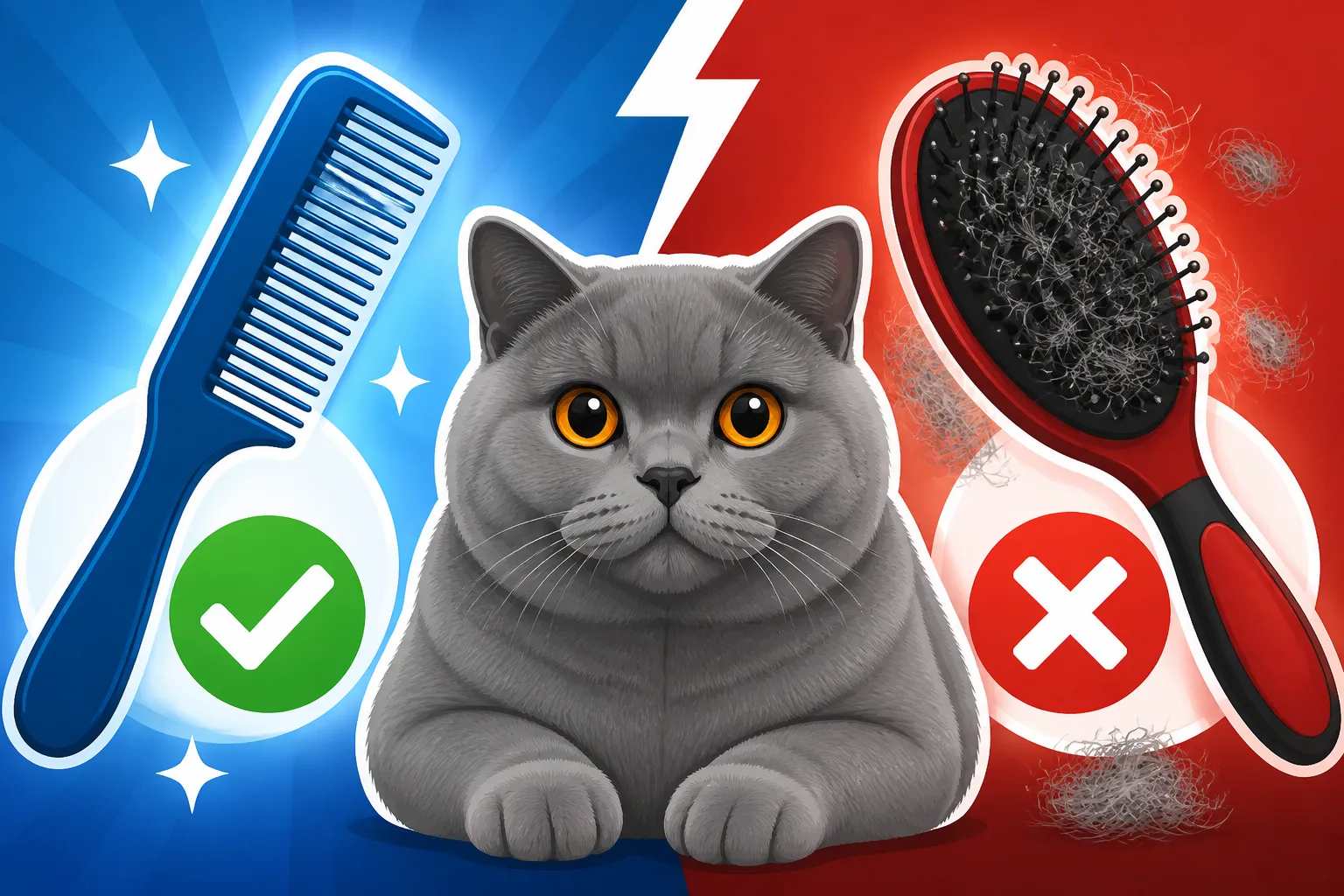
If you're a British Shorthair owner, you've probably stood in the pet aisle, completely overwhelmed by the sheer number of grooming tools. There are slicker brushes, pin brushes, bristle brushes, deshedding tools – it's enough to make your head spin, and sometimes, after trying a few, you might feel like nothing truly tackles that incredibly dense, plush coat. The truth is, many popular cat brushes simply aren't designed for the unique texture of a British Shorthair's fur, and often, the unsung hero of grooming is a simple comb. This guide will walk you through why combs are generally superior for your British Shorthair and how to make the most of them for a healthy, happy cat.
Understanding the Unique British Shorthair Coat
The British Shorthair's coat is truly a marvel, and it's unlike many other breeds, which is why standard grooming tools often fall short. It's not just thick; it has a very specific structure and texture that demands a particular approach. Many owners discover this the hard way, thinking any old cat brush will do, only to find their efforts barely scratch the surface, literally.
The Dense, Crisp Texture
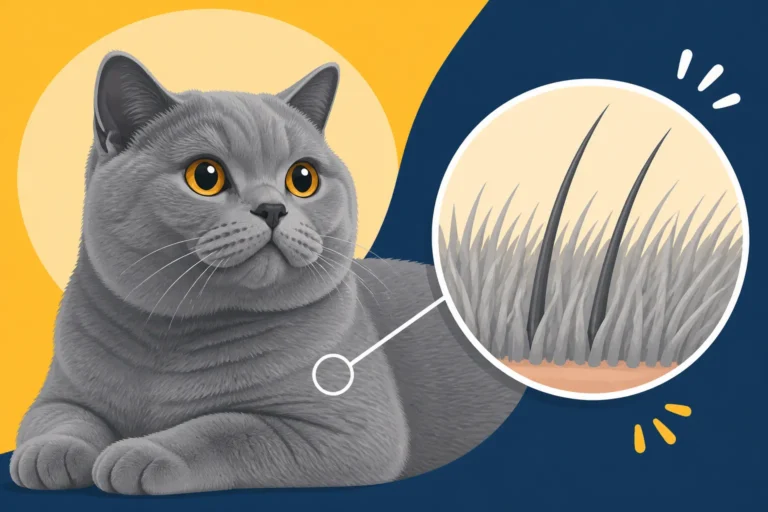
Imagine petting a British Shorthair, and you'll immediately notice the almost springy resistance of their fur. It's incredibly dense, short, and has a unique "crisp" texture, which is a hallmark of the breed. This isn't soft and silky like a Persian, nor is it sparse and fine. Instead, each hair is robust, and the sheer volume of fur packed into a small area is astounding. This density is a beautiful protective layer, but it also creates a formidable barrier for grooming tools. A brush with flexible bristles or widely spaced pins often glides right over the top, only catching the very tips of the guard hairs and doing little to penetrate down to the skin where issues like shedding undercoat and potential mats really begin.
This crisp texture is also why their fur tends to stand away from their body, giving them that wonderful teddy bear appearance. It's not flat-lying, which means there's a lot of air trapped within the coat, contributing to its plush feel. For a grooming tool to be effective, it needs to be able to navigate this dense, springy forest of fur without tugging painfully or simply compressing the top layer. Understanding this unique characteristic is the first step in realizing why a comb is your best friend.
The Double Coat and Undercoat Realities
Another critical aspect of the British Shorthair's magnificent coat is that it's a true double coat. This means they have a layer of protective outer guard hairs, which are slightly coarser and provide the color and overall structure, and a dense, woolly undercoat beneath. This undercoat is what gives them their incredible plushness and helps insulate them from both heat and cold. It's a wonderful natural feature, but it's also the primary source of shedding and potential matting.
During shedding seasons, which can be intense, especially in spring, this undercoat needs to be efficiently removed. If it isn't, it can become compacted, trapping dead hairs against the skin, leading to discomfort, skin irritation, and eventually, painful mats. Many brushes, particularly those designed for single-coated cats or those with very fine hair, simply cannot reach this deeply embedded undercoat. They might remove some loose surface hairs, but the bulk of the problem remains hidden beneath the outer layer. This is a common frustration for owners who brush their cats regularly but still find fur everywhere and even notice small tangles developing despite their best efforts. A British Shorthair's Coat Stands Away From Its Body discusses more about this unique coat.
Why Their Coat Stands Away From the Body
The distinctive "plush" or "crisp" texture of the British Shorthair's coat means that the hairs don't lie flat against the body. Instead, they stand away, almost perpendicular to the skin, creating that iconic, rounded, teddy-bear look the breed is famous for. This isn't just a visual trait; it's a structural characteristic that impacts grooming significantly. When you run your hand over a British Shorthair, you feel that firm, dense springiness, a result of thousands of short, robust hairs all standing at attention.
This "standing away" quality means that there's a good deal of air circulation within the coat, which is beneficial for temperature regulation. However, it also means that loose undercoat hairs can get caught and tangled within this upright structure, rather than falling out easily. A brush with short, soft bristles will merely comb over the top of this standing coat, doing little more than superficial styling. It won't penetrate to the skin to lift out the dead undercoat that's trapped beneath, leading to accumulation and potential problems down the line. Owners often lament that their cat still sheds copious amounts of fur despite daily brushing, and this is precisely why – the wrong tool isn't getting to the root of the issue, literally and figuratively. Why a British Shorthair's Coat Feels Crisp delves deeper into this unique characteristic.
The Limitations of Brushes for British Shorthairs
It’s easy to assume that a brush is a brush, and any tool labeled "cat brush" will work for your British Shorthair. Unfortunately, this isn't the case, and many popular brush types are simply ineffective or even detrimental to their specific coat type. I've heard countless stories from frustrated owners who have tried every brush under the sun, only to still battle shedding and matting. Let's break down why many brushes just don't cut it.
Why Slicker Brushes Can Cause Damage
Slicker brushes are a go-to for many pet owners, especially those with long-haired breeds or dogs, because their fine, wire bristles are excellent at detangling and removing loose hair. However, for a British Shorthair, a slicker brush can actually do more harm than good. The dense, crisp coat of a British Shorthair means that those fine wire pins struggle to penetrate the coat deeply. Instead, they tend to scrape along the surface or get caught in the top layer of guard hairs.
When forced through such a dense coat, these wire bristles can pull and break the delicate guard hairs, damaging the coat's integrity. It can be quite painful for your cat, leading to a negative association with grooming, and in extreme cases, can even irritate their skin. Imagine repeatedly dragging a wire brush through your own thick hair; it’s not pleasant. Owners often notice their British Shorthair flinching or trying to escape when a slicker brush is used, and it's usually because it's causing discomfort rather than providing effective grooming. Instead of lifting out the undercoat, it's often just scratching the top layer, leaving the real problem untouched. Why a Slicker Damages a British Shorthair's Coat provides more detail on this specific issue.
The Ineffectiveness of Bristle Brushes on Dense Coats
Bristle brushes, often made with natural or synthetic bristles, are wonderful for smoothing, adding shine, and distributing natural oils through fine or medium coats. For breeds with silky, single coats, they can be fantastic for a finishing touch or daily surface grooming. However, for the British Shorthair's dense, double coat, a bristle brush is almost entirely ineffective as a primary grooming tool.
The bristles simply aren't long or stiff enough to penetrate beyond the very top layer of the British Shorthair's standing coat. They glide over the surface, potentially removing a few loose hairs that are already on their way out, but they do absolutely nothing to reach the deep undercoat where shedding truly occurs and where mats can begin to form. You might see a few hairs on the brush, which might give the illusion of effectiveness, but the vast majority of dead undercoat remains trapped beneath. Owners might brush diligently with a bristle brush, yet still find their clothes and furniture covered in fur, feeling like their efforts are futile. It’s not your fault; it’s just the wrong tool for the job.
The Problem with Deshedding Tools on This Breed
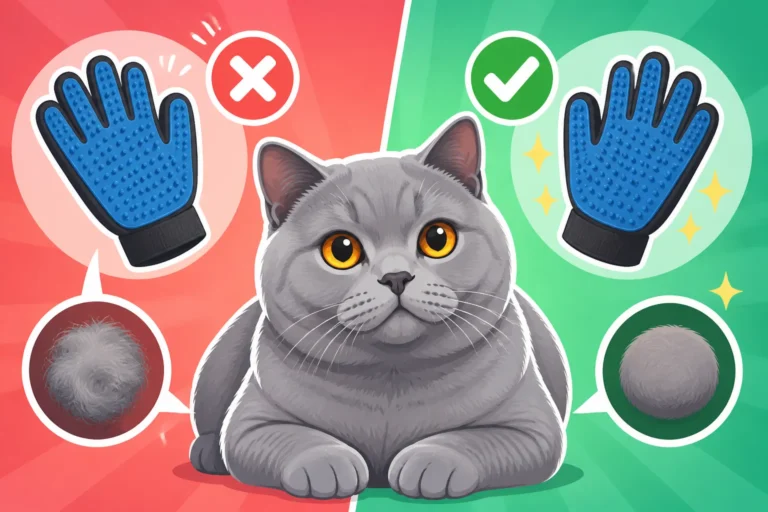
Deshedding tools, like those from brands such as FURminator, have gained immense popularity for their ability to remove large quantities of loose undercoat. And for many breeds, they are incredibly effective. However, for a British Shorthair, they come with a significant caveat and can often be problematic if not used correctly and sparingly. These tools often have a blade-like edge designed to rake through the undercoat and pull out dead hairs. While this sounds ideal for a double-coated cat, the British Shorthair's specific coat structure can make them risky.
Because their guard hairs are relatively short and stand away from the body, the blade of a deshedding tool can sometimes cut or damage the healthy guard hairs along with the dead undercoat. This can thin out the protective outer layer, potentially altering the texture and appearance of the coat. Overuse or improper technique can lead to bald spots or a "chopped" look to the coat. Furthermore, the British Shorthair’s skin is quite sensitive, and the sharp edge of some deshedding tools can easily irritate or scratch if not used with extreme care and a very light touch. While some owners find limited success with these tools, they should be approached with caution and never used as a primary, daily grooming tool. For truly effective and safe undercoat removal, a good quality comb is generally a much safer and more effective choice, preventing both discomfort for your cat and damage to their beautiful fur.
The Superiority of Combs for British Shorthairs
Now that we've established why many brushes miss the mark, let's talk about the true champion of British Shorthair grooming: the comb. Don't let its simplicity fool you; a well-chosen comb is the most effective tool for maintaining their dense, plush coat. It's about working with the coat's natural structure, not against it.
Reaching the Deep Undercoat Effectively
The primary advantage of a good quality metal comb, particularly one with varying tooth widths, is its ability to penetrate the dense outer guard hairs and reach deep into the undercoat. Unlike brushes that often skim the surface, the rigid teeth of a comb can separate the fur, allowing you to gently pull through the layers and effectively lift out loose, dead undercoat. This is crucial for preventing mats, reducing shedding around your home, and promoting overall coat health.
When you use a comb, you're not just removing surface fuzz; you're actively de-shedding the dense, woolly layer that accumulates close to the skin. This accumulated dead hair, if left unchecked, can quickly become matted and uncomfortable. Many owners are genuinely surprised by the sheer volume of fur a comb can extract, even after they thought they had brushed their cat thoroughly with another tool. It’s like discovering a hidden layer of shedding they never knew existed! This deep penetration also helps distribute natural skin oils, promoting a healthier, shinier coat from the roots out. Think of it as aerating the coat, allowing it to breathe and stay clean. Which Comb Reaches a British Shorthair's Undercoat provides further insights into selecting the right comb for this purpose.
Preventing Mats and Tangles
Mats are a British Shorthair owner's nightmare. Because of their dense undercoat and the way their fur stands away from the body, loose hairs can easily get tangled and felted together, especially in high-friction areas like behind the ears, under the chin, in the "armpits," or around the hind legs. Once a mat forms, it can quickly become tight and pull on the skin, causing pain, discomfort, and even skin infections underneath. Preventing these mats is far easier than trying to remove them.
A comb is an unparalleled tool for mat prevention. By regularly combing through your British Shorthair's coat, you are systematically removing the loose undercoat before it has a chance to bind together and form tangles. The teeth of the comb work to separate individual hairs, catching any budding knots before they can solidify into painful mats. This is particularly important during heavy shedding seasons, where even a couple of days without combing can lead to significant problems. While no cat owner wants to see their beloved feline uncomfortable, addressing mats early with a comb is key. If a small mat does start to form, a comb with both wide and narrow teeth can often gently tease it apart, saving your cat a trip to the groomer for shaving.
Promoting Healthy Skin and Circulation
Grooming isn't just about making your British Shorthair look good; it's vital for their overall skin and coat health. Regular combing provides a gentle massage that stimulates blood flow to the skin. Improved circulation means better delivery of nutrients to the hair follicles, which in turn leads to a healthier, stronger coat. This can also encourage new, healthy hair growth.
Furthermore, by removing dead hair and dander, combing allows the skin to breathe. Trapped dead hair and dander can create a breeding ground for bacteria or yeast, potentially leading to skin irritation, dryness, or even infections. For a cat that spends a lot of time lounging, the regular stimulation from a comb helps keep the skin in top condition. Many British Shorthairs, despite their calm demeanor, can be prone to skin sensitivities if their coat isn't properly maintained. A clean, well-combed coat also makes it easier for you to spot any skin abnormalities, fleas, ticks, or bumps that might indicate a health issue. It’s a holistic approach to their well-being, where grooming becomes a crucial part of preventative care.
Choosing the Right Comb for Your British Shorthair
Selecting the perfect comb for your British Shorthair isn't a "one size fits all" situation, but it's also not overly complicated. The key is to have a few different options on hand to tackle various grooming needs, ensuring you can be thorough without causing discomfort. Investing in good quality tools will make a world of difference in your grooming routine and your cat's comfort.
Wide-Tooth Combs for Initial Detangling
A good quality metal comb with wide-set teeth should be your primary tool for the initial pass through your British Shorthair's coat. These wider teeth are ideal for working through the densest parts of the fur, gently separating the hairs, and lifting out the majority of the loose undercoat without snagging or pulling. Think of it as the first sweep, clearing the major debris before you go in for the finer details.
Starting with a wide-tooth comb is particularly important if your cat has been a bit neglected in terms of grooming, or if they are going through a heavy shedding cycle. The wider spacing means less resistance and a lower chance of pulling on any hidden tangles or minor mats, which could otherwise cause discomfort and make your cat averse to future grooming sessions. You can find excellent wide-tooth combs from brands like Chewy or Amazon, often marketed as "greyhound combs" for dogs, but they work beautifully for the British Shorthair's robust fur. Make sure the teeth are smooth and rounded at the tips to avoid scratching the skin. This comb is your workhorse, doing the heavy lifting to keep that deep undercoat free from compaction.
Fine-Tooth Combs for Finishing and Face
Once you've done the initial pass with your wide-tooth comb and removed the bulk of the loose fur, a fine-tooth comb comes in handy for a more thorough finish. These combs have teeth that are much closer together, allowing them to catch any remaining fine hairs or smaller tangles that the wide-tooth comb might have missed. They are also invaluable for more delicate areas of your British Shorthair's face and head.
The fine-tooth side is perfect for carefully combing around their adorable cheeks, under the chin, and behind the ears – areas where mats can sneakily start because the fur is often finer and more prone to tangling. It’s also excellent for gently combing the tail, which, while usually not as prone to matting, benefits from a thorough tidy. When using a fine-tooth comb, always be extra gentle, especially around the eyes and nose. If you encounter any resistance, switch back to the wide-tooth comb or even your fingers to carefully tease apart the knot before going in with the finer teeth. This two-stage approach ensures you're being both effective and gentle, making the grooming experience much more pleasant for your British Shorthair.
Materials and Handle Ergonomics
While the spacing of the comb teeth is paramount, don't overlook the importance of the comb's material and handle design. For British Shorthairs, metal combs are overwhelmingly superior to plastic ones. Metal teeth are stronger, more durable, and glide through dense fur much more smoothly without generating static electricity, which can be a real issue with plastic combs, making the fur fly and attracting more dust. Stainless steel combs are particularly excellent as they are rust-resistant and easy to clean.
The handle ergonomics might seem minor, but it makes a huge difference, especially during longer grooming sessions. Look for a comb with a comfortable, non-slip handle that fits well in your hand. Some combs have a full metal design with a textured grip, while others feature a rubberized or ergonomic handle. A good grip prevents hand fatigue and allows you to maintain better control, ensuring you don't accidentally tug too hard on your cat's fur. After all, if grooming is uncomfortable for you, it's less likely to be a regular and thorough activity. Choosing a high-quality, well-designed comb makes the entire process more efficient and more enjoyable for both you and your British Shorthair.
Developing an Effective Combing Routine
Establishing a regular grooming routine is key to keeping your British Shorthair's coat in pristine condition and minimizing shedding around your home. It’s not just about whipping out a comb when you see a mat; it’s about consistent, gentle care that becomes a bonding experience rather than a chore. Consistency is far more effective than infrequent, intense sessions.
How Often and When to Comb
The frequency of combing largely depends on your individual British Shorthair and the time of year. Generally, aim for at least two to three times a week. However, during heavy shedding seasons, typically spring and fall when they "blow their coat," you might need to comb daily. You'll know it's shedding season when you notice a dramatic increase in loose fur on furniture, clothes, and practically everywhere your cat goes. How Often a British Shorthair Should Be Combed in Spring provides more context on seasonal shedding.
The "when" is also important. Choose a time when your British Shorthair is relaxed and calm, perhaps after a nap or a meal. Avoid trying to groom them when they're in a playful mood or feeling restless, as this can lead to frustration for both of you. A quiet environment free from distractions is ideal. Some owners find a routine, like combing every evening while watching TV, helps integrate it naturally into their lives. Consistency helps your cat understand what to expect and can even make them look forward to the attention. Remember, short, positive sessions are far more beneficial than long, stressful ones.
Step-by-Step Combing Technique
Once you have your comb ready and your cat is relaxed, you can begin the combing process. Start gently and systematically.
- Preparation: Have a wide-tooth metal comb, a fine-tooth metal comb, and perhaps some treats nearby. Ensure your cat is calm and comfortable, perhaps on your lap or a soft blanket.
- Start with the Wide-Tooth Comb: Begin by gently combing small sections of fur, working your way from the head towards the tail. Don't press hard; let the comb do the work. Focus on lifting the fur and pulling the comb through. Pay close attention to areas prone to matting: behind the ears, under the chin, the armpits, and the "britches" (fur on the back of the hind legs).
- Work in Layers: For particularly dense areas, you can try "line combing." Use one hand to hold the fur up, exposing the undercoat closer to the skin, and comb through that exposed section. Then, let a bit more fur down and comb again. This ensures you're reaching all the way to the skin.
- Switch to the Fine-Tooth Comb: Once you've gone over the entire body with the wide-tooth comb and have removed the majority of loose fur and tangles, switch to the fine-tooth comb. Use this for a final pass, especially on the face, around the ears, and for catching any stray fine hairs.
- Be Gentle with Tangles: If you encounter a tangle or small mat, do not yank the comb through it. Instead, hold the fur at the base of the mat close to the skin with your fingers to prevent pulling, and use the wide-tooth comb (or even your fingers) to gently tease it apart. Work from the outside edges of the mat inwards, using short, gentle strokes. Patience is key here.
- Praise and Reward: Throughout the session, offer soft praise and gentle petting. At the end, a small treat can reinforce the positive experience.
Remember that patience and a gentle touch are paramount. If your cat shows signs of discomfort or tries to escape, take a break and try again later. It’s better to have several short, positive sessions than one long, stressful one.
Making Combing a Positive Experience
Many cats don't inherently love grooming, especially if their previous experiences have been uncomfortable or painful. For a British Shorthair, whose dense coat can be tricky, making grooming a positive experience from the start is essential. The goal is for them to associate the comb with pleasant sensations and your loving attention, not with discomfort or force.
Start slowly, with very short sessions. Even just a minute or two of gentle combing, followed by a treat and praise, can lay a positive foundation. Gradually increase the duration as your cat becomes more comfortable. Use a soothing voice and gentle strokes. If your cat tolerates it, try to find a comfortable position for them, perhaps on your lap or next to you on the sofa, where they feel secure. Never force the issue or hold them down if they're struggling, as this can create a strong negative association that will be hard to break. If your cat has a favorite toy, you might even engage them with it briefly after a short combing session. The idea is to build trust and show them that grooming is a safe and pleasant interaction. Over time, many British Shorthairs will learn to tolerate, and some even enjoy, their regular combing sessions, purring contentedly as you work through their luxurious fur.
Addressing Common Grooming Challenges
Even with the right tools and a consistent routine, you might encounter specific challenges when grooming your British Shorthair. It's totally normal; every cat is an individual, and their needs can change. The key is to be prepared and adaptable.
Dealing with Shedding Seasons
British Shorthairs are magnificent cats, but their dense double coat means they will shed, and during seasonal "blows" (typically spring and autumn), they shed a lot. It can feel like your house is constantly covered in a fine layer of grey fluff, and you might wonder if your grooming efforts are even making a dent. This is a common frustration, and it's where your comb really shines.
During these peak shedding times, you'll need to increase your combing frequency significantly. If you normally comb a few times a week, you might need to do a thorough session daily. Don't be surprised by the sheer volume of fur that comes off – it can be astonishing! It's better for that fur to end up in your comb than on your sofa or in their digestive system as hairballs. Be patient, work in smaller sections, and use your wide-tooth comb to really get down into that dense undercoat. You might find that rotating between a wide-tooth comb and a finer-tooth one helps to pull out all the loose hairs. Remember to be gentle, as repeated combing might make their skin a little more sensitive. If you're finding large tufts coming out, it's normal during a blow. Just keep at it, and you'll eventually get through the worst of it. The Two Weeks a British Shorthair Drops Its Undercoat covers this topic in more detail.
Handling Mats and Tangles Carefully
Despite your best efforts, sometimes a mat or tangle can still form, especially in hard-to-reach areas or if a grooming session was missed. Encountering a mat can be daunting, and the worst thing you can do is try to aggressively pull or brush through it, which will only cause pain and tighten the mat.
The absolute golden rule for mats is patience and gentleness. First, try to identify the size and location of the mat. If it's small and loose, you can often work it out with your fingers first. Gently separate the hairs around the mat. Then, holding the fur at the skin line with one hand (to prevent pulling on the skin), use the wide-tooth comb or a de-matting tool (if you have one designed for dense coats) to gently tease the mat apart, working from the outer edges inwards. Don't try to pull the comb straight through the middle. Instead, use short, light strokes, almost like you're chipping away at the mat. If the mat is large, tight, or close to the skin, it's usually best to seek professional help from a groomer or your veterinarian. They have the right tools and expertise to safely remove mats without injuring your cat. Attempting to cut out a mat yourself with scissors is incredibly risky due to the loose skin of cats and should be avoided at all costs.
Getting a Reluctant British Shorthair to Cooperate
Some British Shorthairs, despite their typically placid nature, can be quite particular about grooming. Perhaps they had a negative experience in the past, or maybe they just don't enjoy being fussed with. Getting a reluctant cat to cooperate requires extra patience and a smart approach.
Start with very short sessions, even just 30 seconds to a minute. Don't aim for a full groom; aim for a positive interaction. Offer high-value treats (like Churu puree or small bits of cooked chicken) before, during, and immediately after the short session. Use a calming voice and gentle strokes. Focus on areas your cat tolerates first, like their back, before moving to more sensitive spots. If they get agitated, stop immediately. It's better to end on a positive note, even if you haven't done much combing, than to push them to the point of distress. Over several days or weeks, you can gradually increase the duration and coverage of your sessions. Consistency is crucial here. If your cat is particularly resistant, consider trying grooming wipes first to get them used to being handled, then slowly introduce the comb. You can also explore calming pheromone sprays or diffusers in the grooming area to help create a more relaxed atmosphere. Sometimes, a different location, like a high surface they enjoy being on, can make them more amenable.
Beyond the Comb: Other Grooming Considerations
While combing is undeniably the hero of British Shorthair coat care, holistic grooming involves more than just their fur. Taking care of their nails, ears, and understanding the role of diet all contribute to their overall health and well-being.
Nail Trimming and Ear Cleaning
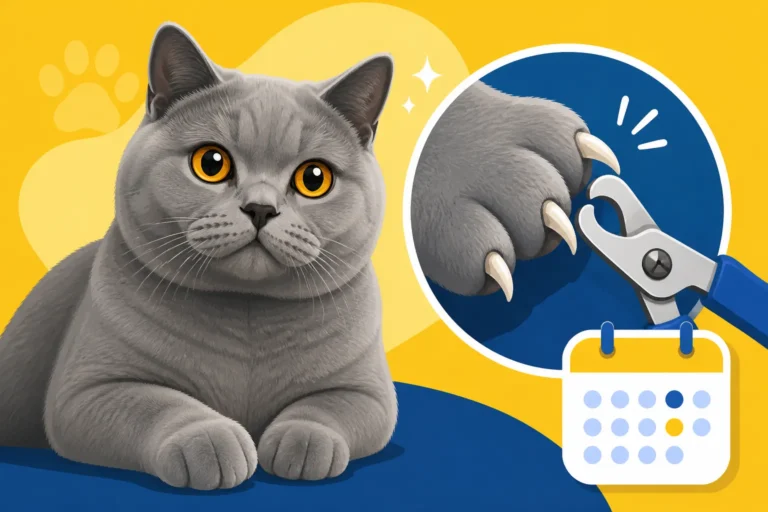
Beyond the magnificent coat, your British Shorthair needs regular attention to their nails and ears. Their claws, while often thick and robust, can become quite sharp and long if not trimmed, leading to snagging on carpets, accidental scratches during play, and even ingrown nails if they curl back into the paw pad. Aim to trim their nails every 2-4 weeks. Start by gently pressing on their paw pad to extend the claw, then use sharp, cat-specific clippers to snip just the tip, avoiding the quick (the pink part that contains blood vessels and nerves). If you're unsure, ask your vet or a professional groomer to show you how. How Often a British Shorthair's Claws Need Cutting offers more guidance.
Ear cleaning is also important, though British Shorthairs typically have relatively clean ears compared to some other breeds. Check their ears weekly for any signs of dirt, excessive wax buildup, redness, or a foul odor, which could indicate an infection. If you see some minor dirt, you can gently wipe the outer folds with a soft cotton ball or gauze dampened with a vet-approved ear cleaner. Never use cotton swabs inside the ear canal, as this can push debris deeper or even damage the eardrum. If you notice any signs of infection, such as discharge, head shaking, or pain, consult your veterinarian immediately.
The Role of Diet in Coat Health
You truly are what you eat, and the same goes for your British Shorthair. A high-quality, balanced diet plays a pivotal role in maintaining their luxurious coat and healthy skin. A diet rich in essential fatty acids, particularly Omega-3 and Omega-6, can significantly improve coat shine, reduce dryness, and minimize shedding. Many premium cat foods specifically formulate their recipes with these beneficial ingredients.
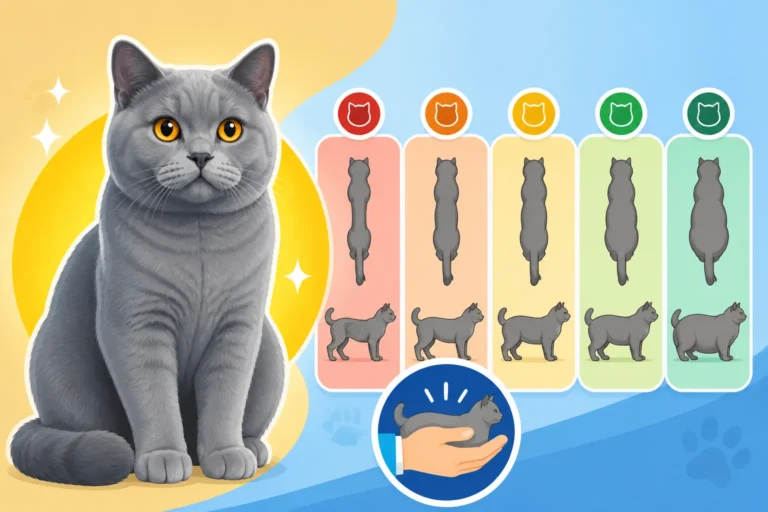
If your British Shorthair's coat seems dull, dry, or they're shedding excessively despite regular combing, a nutritional deficiency might be at play. Consult your vet about appropriate food choices or consider a veterinarian-approved supplement. Sometimes, adding a small amount of fish oil (specifically formulated for pets) to their diet can make a noticeable difference in coat quality. Remember, their coat is an external indicator of their internal health, so feeding them well is just as important as grooming them diligently. A healthy diet also contributes to managing their weight, which can indirectly impact their ability to self-groom, especially in those hard-to-reach spots. Which Food Suits a British Shorthair provides a deeper dive into dietary considerations.
When Professional Grooming Might Be Necessary
While regular home grooming with a comb will manage the vast majority of your British Shorthair's needs, there are times when professional grooming becomes a necessary or highly beneficial option. Don't feel like you've failed if you need to call in the pros; sometimes, it's simply the best course of action for your cat's comfort and health.
The most common reason for professional grooming is severe matting. If a mat is large, tight, close to the skin, or in a sensitive area that your cat won't let you touch, attempting to remove it yourself can be dangerous and painful. Professional groomers have specialized tools and techniques, including safe clipping, to remove mats without injuring your cat. They can also often handle cats that are particularly resistant to home grooming, as they have experience with different temperaments and restraint methods. Beyond mats, a professional groomer can offer a thorough bath, which can be beneficial for removing dander and excess oils, especially for cats that struggle with self-grooming. They can also provide sanitary trims, nail trims, and full-body deshedding treatments that complement your home routine. If your British Shorthair develops skin issues, or if you're struggling to keep up with their coat during intense shedding, a professional grooming session can give you a fresh start and relieve your cat's discomfort. It's an investment in their well-being, and a good groomer will always prioritize your cat's comfort and safety. Whether a British Shorthair Needs a Groomer expands on this topic.
Disclaimer
This article is for general informational purposes only and does not constitute professional advice. Laws, prices and regulations vary by location and change over time. Consult a qualified professional for guidance on your specific situation.