How Often a British Shorthair Should Be Combed in Spring
As the warmer months approach, many British Shorthair owners find themselves facing a delightful but sometimes overwhelming problem: the glorious winter coat needs to make way for a lighter spring ensemble, and that means a whole lot of shedding. It's not just a bit of extra fluff; for these wonderfully dense-coated cats, spring can be a significant "blowing coat" period that can leave your furniture, clothes, and even your morning coffee dusted with a fine layer of cat hair. This guide is here to walk you through exactly how often you should be combing your British Shorthair during this seasonal transition, what tools you'll need, and how to make the process as stress-free as possible for both you and your furry companion.
Understanding the British Shorthair's Spring Shed
The British Shorthair's iconic plush coat is one of its most defining features, but it also means that when shedding season hits, it really hits. Understanding what makes their coat special and why spring is such a pivotal time for shedding will help you approach grooming with the right mindset and tools.
The British Shorthair's Unique Coat Texture
Unlike some breeds with silky, flowing coats, the British Shorthair boasts a dense, short, and resilient double coat. This isn't just a surface layer; it's a thick, plush undercoat designed to keep them warm and dry in cooler climates, topped with slightly coarser guard hairs that give their fur that distinctive "crisp" feel. Think of it like a luxurious wool blanket – incredibly insulating and soft, but also capable of holding onto a lot of loose fibers when it's time for them to go. This density is a big part of why a regular brush often feels like it's just skimming the surface. You need to get into that undercoat to remove the dead hair effectively. This is also why A British Shorthair's Coat Stands Away From Its Body. It's not flat; it's designed for loft and insulation, which means more space for shed hair to get trapped.
Why Spring is a Major Shedding Season
Just like many mammals, cats respond to changes in daylight hours and temperature, signaling their bodies to adjust their coats. As winter fades and the days grow longer and warmer, your British Shorthair's system tells it that it's time to shed that heavy winter undercoat. This seasonal "blow" is a natural process, but it can be quite intense. It's not uncommon to feel like you're pulling off enough fur to create a whole new cat! This isn't a sign of ill health, but rather a normal physiological response to the changing seasons. The aim of spring combing is to help your cat remove this dead undercoat efficiently, preventing mats, reducing hairballs, and keeping them comfortable as temperatures rise. The Two Weeks a British Shorthair Drops Its Undercoat can feel like a marathon of grooming, but diligent work during this period pays off in a much tidier home and a happier cat.
Recognizing the Signs of a "Blowing Coat"
You'll know your British Shorthair is "blowing its coat" when you start noticing a significant increase in loose fur. This isn't just a few stray hairs; you'll find larger clumps of fur around the house, on their favorite sleeping spots, and sticking to your clothes with an almost magnetic pull. When you stroke your cat, you might find that your hand comes away covered in a surprising amount of soft, fluffy undercoat. Sometimes, their coat might even look a little less neat or even slightly shaggy compared to its usual pristine appearance, simply because the dead hair is still clinging to the live coat. If you run your fingers gently against the grain of their fur, you'll feel the abundance of loose hair that's ready to be liberated. It’s also during this time that you might notice them grooming themselves more frequently, trying to manage the shedding on their own, which unfortunately often leads to more hairballs.
Essential Combing Techniques for Spring Shedding
Spring combing isn't just about how often you comb, but how you comb and with what tools. Using the wrong approach can be ineffective or, worse, uncomfortable for your cat.
Choosing the Right Tools for the Job
Forget those flimsy plastic brushes or slicker brushes designed for long-haired breeds; they simply won't cut it for a British Shorthair's dense coat, especially during spring shedding. The golden standard for this breed is a high-quality metal comb with both wide and narrow teeth. These combs are designed to reach deep into the undercoat without pulling or irritating the skin. A good sturdy comb, often available from pet retailers like Chewy or Amazon, will be your best friend.
| Grooming Tool | Suitability for British Shorthair | Best Use |
|---|---|---|
| Metal Comb | Excellent, Essential | Reaching undercoat, detangling, removing loose fur |
| Rubber Curry Brush | Good | Massaging skin, removing surface loose hair, distributing oils |
| Fine-toothed Comb | Limited, use with care | Checking for fleas/dander, not for shedding |
| Slicker Brush | Poor, avoid | Can damage guard hairs, ineffective on dense undercoat |
| Deshedding Tool | Use with caution | Effective on undercoat, but can over-strip if overused |
Many owners find a fine-toothed flea comb useful for checking around the face or for any tiny debris, but it's not the primary tool for a deep spring comb-out. Some specialized deshedding tools can be effective, but they must be used sparingly and correctly to avoid irritating the skin or damaging the topcoat. For the bulk of the work, stick with a solid metal comb. This is why Why a Comb Beats a Brush on a British Shorthair is such an important distinction – you need those long, strong teeth to get through the layers.
The Step-by-Step Spring Combing Routine
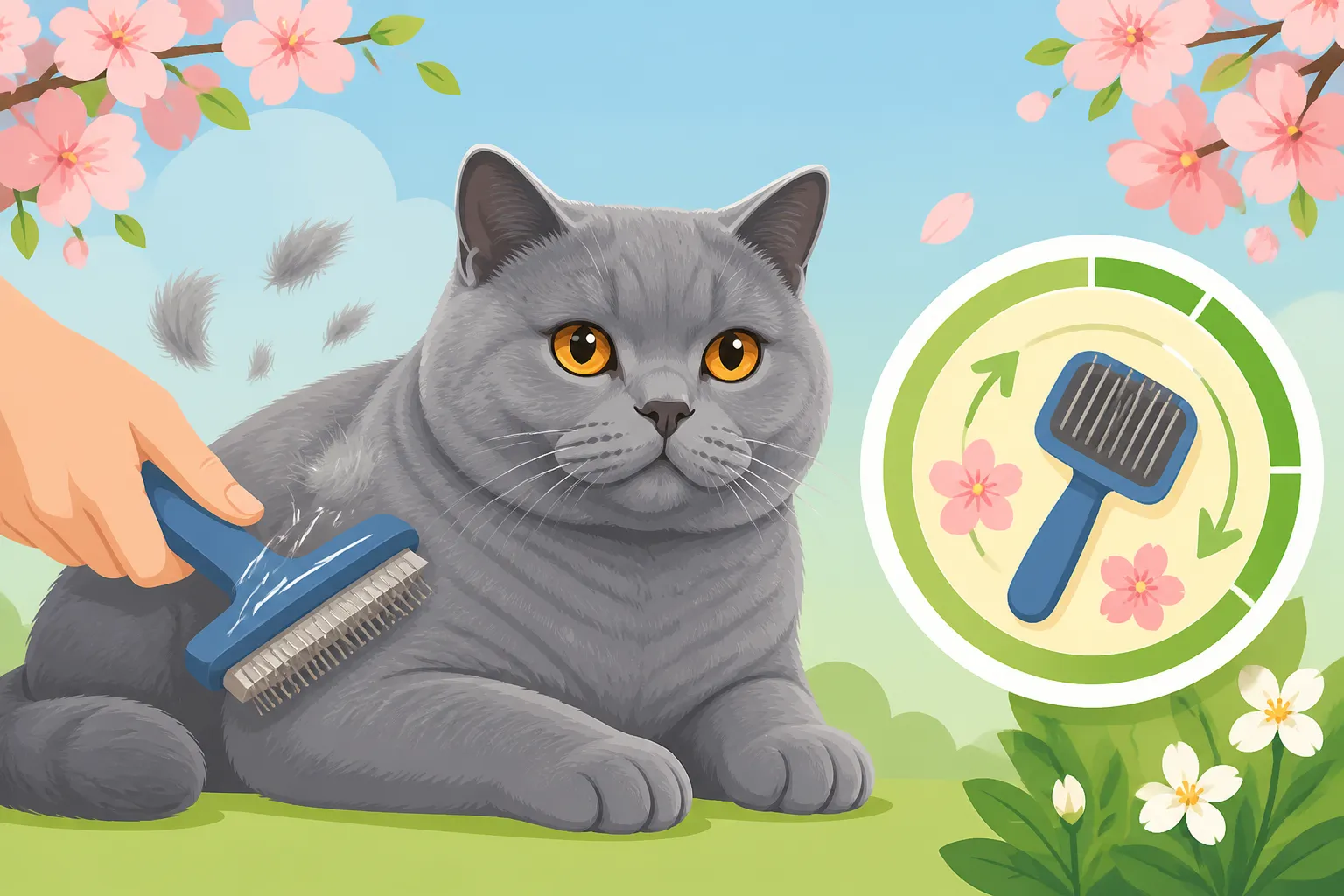
During the peak of their spring shed, your British Shorthair will benefit from combing every other day, or even daily if the shedding is particularly heavy. Outside of these intense periods, 2-3 times a week is usually sufficient.
- Find a Calm Environment: Choose a quiet time and a comfortable spot where your cat feels secure. A raised surface like a table can be helpful, but ensure it's non-slip.
- Start Gently: Begin by gently stroking your cat, talking to them in a calm voice. This helps them relax.
- Section by Section: Use your metal comb, starting from the head and working your way down the body. Work in small sections, always combing in the direction of hair growth.
- Deep Comb: For the British Shorthair's dense coat, you need to ensure the comb is reaching all the way down to the skin. Gently part the fur with one hand and comb with the other. You’ll feel the resistance of the loose undercoat.
- Focus on Problem Areas: Pay extra attention to areas where mats or denser shedding commonly occur, such as behind the ears, around the "armpits" (front legs), the ruff, and around the hindquarters. These are prime spots for tangles to form. Remember that Where a British Shorthair Mats is often in these high-friction areas.
- Remove Loose Hair: After a few strokes, pull the collected fur off the comb. You'll be amazed at how much comes off. This prevents the comb from getting bogged down and makes the process more effective.
- Short Sessions: Keep combing sessions relatively short, especially at first – around 5-10 minutes. It's better to have frequent, positive experiences than long, frustrating ones. If your cat gets restless, stop and try again later.
- Positive Reinforcement: Always end on a positive note. Offer a small treat or some gentle praise and petting. This helps your cat associate grooming with pleasant outcomes.
Consistency is key here. By regularly removing the dead hair, you're not only keeping your house cleaner but also significantly reducing the chances of painful matting and excessive hairball ingestion for your British Shorthair.
Making Combing a Positive Experience
Many cats aren't naturally fond of being groomed, but with patience and a positive approach, you can turn it into a bonding experience. Start when your British Shorthair is relaxed, perhaps after a meal or a nap. Use a gentle touch and speak in a soft, reassuring voice. If your cat shows any signs of discomfort or aggression—like tail flicking, flattening ears, or growling—stop immediately. Pushing them too far will only make future grooming sessions harder. How Long Combing a British Shorthair Takes will largely depend on your cat's tolerance and the amount of fur being shed, so be flexible.
Consider using treats as a reward, both during and after the session. You could even introduce a lick mat with a small amount of their favorite wet food or a cat-safe spread (like plain pureed pumpkin) to distract them during grooming. Make sure the comb you're using isn't pulling on their fur; if it snags, gently work through it with your fingers before trying the comb again. Remember, the goal is not just to get the job done, but to ensure your British Shorthair remains comfortable and trusting. A cat who tolerates grooming well is a cat who will be healthier and happier in the long run.
Beyond Combing: Supporting Your British Shorthair Through Shedding Season
While combing is paramount, it's not the only thing you can do to help your British Shorthair manage their spring shed. A holistic approach that includes diet and environmental management can make a significant difference.
Nutritional Support for a Healthy Coat
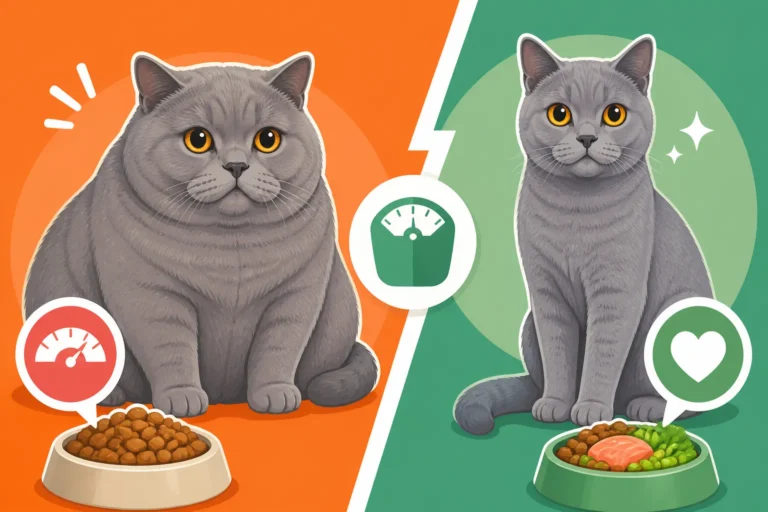
A healthy coat starts from within, and nutrition plays a crucial role. Ensuring your British Shorthair is on a high-quality diet rich in omega-3 and omega-6 fatty acids can contribute to skin health and coat quality, potentially leading to less excessive shedding and a shinier, stronger coat. Many premium cat foods are formulated with these beneficial ingredients. Look for foods that list fish oils, flaxseed, or specific fatty acid supplements in their ingredients.
Hydration is also incredibly important. Cats, especially those on dry kibble, can often be subtly dehydrated, which impacts skin and coat health. Encouraging water intake through a water fountain, adding wet food to their diet, or even just leaving multiple water bowls around the house can help. While no food will stop shedding completely (it's a natural process!), a well-nourished cat will generally have a healthier coat that sheds more predictably and less excessively, and they may be less prone to Why an Overweight British Shorthair Gets Skin Problems which can be exacerbated by poor grooming habits due to obesity.
Managing Hairballs and Loose Fur Around the Home
With all that extra fur coming off, hairballs can become a more frequent concern during spring shedding season. Regular combing is the best defense against hairballs, as it removes the loose fur before your cat can ingest it during self-grooming. However, even with diligent combing, some hairballs might still occur. Offering a hairball-specific cat food or supplement can be helpful. These products often contain ingredients that aid in the passage of swallowed hair through the digestive tract.
To manage the loose fur around your home, regular vacuuming is a must. Invest in a good pet hair vacuum cleaner, and consider using lint rollers on furniture and clothes daily. Wash pet bedding more frequently, as it tends to collect a large amount of shed fur. Using throws or blankets on your cat's favorite resting spots can also help contain the fur, making cleanup easier. Keeping your home clean and actively managing the fur will not only make your living space more pleasant but also reduce the amount of airborne dander, which can be a relief for allergy sufferers in the household.
When to Seek Professional Grooming or Vet Advice
While most British Shorthair shedding can be managed at home, there are times when professional help is warranted. If your cat develops mats or tangles that you cannot safely remove yourself, a professional groomer can carefully clip them out without injuring your cat's delicate skin. Attempting to cut out tight mats with scissors at home can be dangerous, as it's very easy to accidentally cut the skin underneath. Whether a British Shorthair Needs Professional Grooming often comes down to the owner's ability and the cat's tolerance.
Additionally, if you notice excessive shedding that seems unusual for the season, bald patches, skin irritation, redness, flakes, or your cat constantly scratching or licking, it's time for a vet visit. These symptoms could indicate underlying health issues such as allergies, parasites, fungal infections, or nutritional deficiencies. Your veterinarian can diagnose the problem and recommend appropriate treatment. Sometimes, a cat's behavior towards grooming can also be a red flag; if your usually calm cat suddenly becomes aggressive during grooming, it might be due to pain or discomfort, which also warrants a check-up.
Taking a proactive and consistent approach to grooming your British Shorthair in the spring will not only keep their magnificent coat in top condition but also contribute significantly to their overall health and well-being. It's a small investment of your time that reaps huge rewards for both you and your cherished companion.
Disclaimer
This article is for general informational purposes only and does not constitute professional advice. Laws, prices and regulations vary by location and change over time. Consult a qualified professional for guidance on your specific situation.