Whether a British Shorthair Knows When to Stop
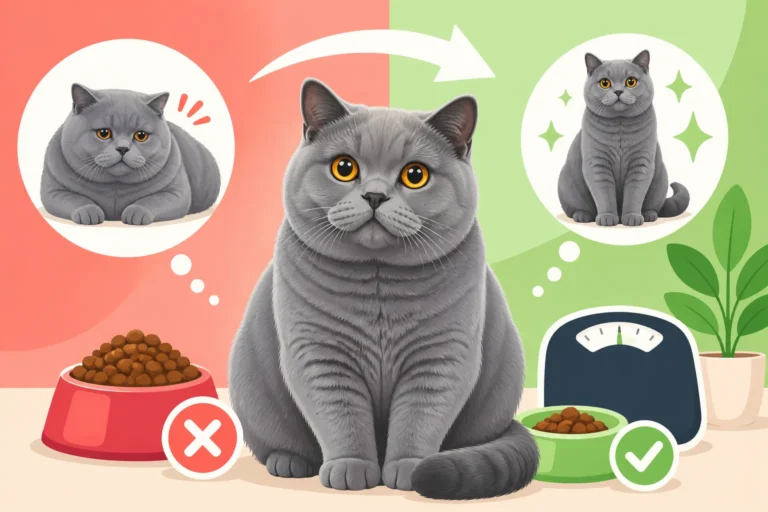
Many British Shorthair owners find themselves facing a delightful but sometimes frustrating paradox: a cat that loves its food perhaps a little too much. It's a common misconception that cats, being instinctively driven creatures, will naturally regulate their own food intake. However, for a British Shorthair, this often isn't the case, and assuming they'll stop when full can quickly lead to an expanding waistline and significant health concerns.
The British Shorthair's Love Affair With Food and Its Consequences
Let's be honest, our British Shorthairs are champions of comfort. They are not typically high-energy, acrobatic felines known for tearing through the house like a furry tornado. Their calm, placid demeanor is one of their most endearing traits, but it also means they don't burn a lot of calories just existing. Combine that naturally lower activity level with a deep, abiding appreciation for mealtime, and you have a recipe for potential weight gain if their food isn't carefully managed.
Imagine your British Shorthair, a picture of serene contentment, sprawled on a sunny rug. They are not engaging in strenuous exercise, they're simply enjoying life. When food is presented, especially something delicious, it's often seen as another pleasant activity to engage in. They often enjoy the act of eating, regardless of true hunger cues. It's not uncommon for them to clean their bowl simply because it's there and tastes good, not because their body truly needs more fuel. This intrinsic enjoyment of food, coupled with their genetic predisposition to a sturdy, "cobby" build, makes them particularly vulnerable. Why a British Shorthair Gains Weight So Easily delves into this further. Their dense, plush coat, while incredibly soft and appealing, can also cunningly mask early signs of obesity, making it harder for owners to spot the creeping pounds until they've accumulated significantly. This means you might not even realize your cuddly companion is getting too heavy until they're already quite a bit past their ideal weight.
Why Free-Feeding is a Recipe for Disaster for a British Shorthair
The concept of "free-feeding," where a bowl of kibble is left out all day for a cat to graze on at will, is unfortunately one of the quickest routes to obesity for a British Shorthair. While it might seem convenient, and some people believe it allows cats to eat when they're truly hungry, for this particular breed, it's an open invitation to overindulgence.
Think of it like this: if you had a bottomless bowl of your favorite snacks constantly available, would you always stop at a reasonable portion? Probably not. For a British Shorthair, dry kibble is often that irresistible snack. They might eat out of boredom, comfort, or simply because the food is there. Their low activity level means they don't have a high metabolic rate to burn off these extra calories. Every little snack throughout the day adds up quickly. This constant grazing also means their digestive system is always working, without the natural fasting periods that can be beneficial. It disrupts their natural eating rhythm and makes it nearly impossible to monitor their actual intake. You can learn more about this in Why Free Feeding Ruins a British Shorthair. Moreover, many dry foods are calorie-dense, and even a small amount over what they need can lead to weight gain over time. This continuous availability of food can also lead to a cat associating comfort and stress relief with eating, rather than just hunger. When you have multiple cats, free-feeding becomes even more complicated, as it's impossible to know how much each individual cat is consuming. This setup completely bypasses any natural self-regulation instincts they might have had, training them instead to simply consume what's available.
The Importance of Portion Control and Scheduled Meals
Since our British Shorthairs aren't exactly masters of self-control when it comes to food, the responsibility falls squarely on our shoulders to manage their diet. Portion control and scheduled meals are absolutely critical for their long-term health and wellbeing. This isn't about deprivation; it's about providing the right amount of fuel for their specific needs.
First, let's talk about quantity. The amount of food your British Shorthair needs isn't just a number printed on a bag of cat food. Those are guidelines, often on the higher side. Their actual caloric needs depend on their age, activity level, and current body condition. How Many Calories a British Shorthair Needs is a great resource for calculating this. A vet can help you determine the ideal daily calorie intake, and then you'll need to measure that out precisely. Using a digital kitchen scale for dry food is far more accurate than scoop measurements, which can vary wildly. You can find excellent digital kitchen scales on Amazon or through pet supply retailers like Chewy.
Next, timing your meals is just as important as the quantity. Instead of one large meal, or a continuously full bowl, aim for two to three smaller meals spread throughout the day. This can help prevent them from feeling overly hungry between meals and can also give their digestive system a break. For example, a morning meal, an afternoon snack, and an evening meal. If you work long hours, an automatic feeder can be a lifesaver, dispensing measured portions at set times. Just be sure to choose one that can't be easily broken into for extra snacks!
Consider the type of food as well. Many experts advocate for a diet rich in wet food, which has higher moisture content and can help your cat feel fuller with fewer calories compared to dry kibble. Wet food can also contribute to better hydration, which is vital for kidney health. Some owners even explore fresh or raw food options, including pre-portioned, customized meal plans. Whatever you choose, gradual transitions are key to avoid upsetting their stomach. When transitioning to a new food, mix a small amount with their old food and slowly increase the new food over a week or more.
| Aspect of Feeding | Free-Feeding (Not Recommended for BSH) | Portion Control (Recommended for BSH) |
|---|---|---|
| Availability | Constant, 24/7 access to food | Meals at specific, scheduled times |
| Quantity | Unlimited, cat decides | Measured, veterinarian-approved portions |
| Monitoring | Difficult to track intake per cat | Easy to see how much is eaten |
| Behavior | Grazing, boredom eating, potential gorging | Structured eating, anticipation for meals |
| Weight Control | High risk of obesity | Best method for maintaining ideal weight |
| Hydration | Often reliant on water bowl for dry food | Enhanced with wet food, better overall |
Remember, consistency is key. Your British Shorthair thrives on routine, and consistent meal times will help them adjust and understand when to expect their food. This controlled feeding approach is not just about weight, but about establishing healthy habits that contribute to a longer, happier life.
Recognizing the Signs of an Overweight British Shorthair
It can be surprisingly tricky to tell if your British Shorthair is overweight, especially with their famously dense and plush double coat. They're naturally built to be sturdy and "cobby," which means they look quite substantial even at a healthy weight. This isn't a lithe, slender breed by nature! However, there's a definite line between "chunky" and "fat," and knowing how to distinguish the two is crucial for their health. How to Tell a Chunky British Shorthair From a Fat One provides a deeper dive into this distinction.
One of the most reliable ways to assess your British Shorthair's condition is by feeling, not just looking. Run your hands along their sides. Can you easily feel their ribs without pressing too hard? If you have to really dig to feel them, or if you can't feel them at all, your cat is likely overweight. Similarly, try to feel their spine and hip bones. They should be palpable but not sharply protruding. If you can't easily distinguish them under a layer of flesh, that's another red flag. How to Feel a British Shorthair's Ribs Through the Plush gives detailed instructions on this.
Another visual cue, though often subtle, is the presence of a discernible waist. When looking down at your cat from above, there should be a slight indentation behind their ribs, before their hips. An overweight British Shorthair will often have a straight line from ribs to tail, or even bulge out in the middle. From the side, check for a prominent abdominal sag that isn't just their primordial pouch – that small, loose flap of skin and fat near their hind legs that is normal for many cats. What a British Shorthair's Belly Pouch Is Fat explains the difference between this normal pouch and excess fat.
Beyond physical assessment, pay attention to their behavior. An overweight British Shorthair might become less active, even for a breed already known for its calm nature. They might struggle to jump onto furniture they once scaled with ease, or become less interested in play. Grooming can also become difficult, especially reaching their lower back or tail base, leading to a duller, unkempt coat. These are all signs that the extra pounds are starting to impact their quality of life.
Maintaining a healthy weight is paramount for British Shorthairs. Obesity significantly increases their risk for a whole host of serious health problems, including Diabetes in a British Shorthair, What Obesity Does to a British Shorthair's Joints, and even certain types of heart disease. Regular weigh-ins at home, using a baby scale or simply weighing yourself holding your cat and then subtracting your own weight, can help you track their progress. Discussing your cat's body condition with your vet during annual check-ups is always a good idea. They can help you determine What a Healthy British Shorthair Weighs on the Scale and guide you on a safe and effective weight management plan, should your beloved British Shorthair need one. Remember, you're their best advocate for a healthy, happy life.
Disclaimer
This article is for general informational purposes only and does not constitute professional advice. Laws, prices and regulations vary by location and change over time. Consult a qualified professional for guidance on your specific situation.