Teeth, Ears and Nails on a British Shorthair
As a British Shorthair owner, you quickly learn that while these magnificent felines are generally calm and independent, their robust, cobby build and placid nature can sometimes mask specific care needs that are crucial for their long-term health. Many of us find ourselves scratching our heads, wondering how to tackle essential tasks like dental hygiene, ear cleaning, and nail trimming without turning it into a wrestling match. This comprehensive guide is here to walk you through the nuances of caring for your British Shorthair's teeth, ears, and nails, ensuring they remain healthy and happy without unnecessary stress for either of you.
Understanding Your British Shorthair's Unique Needs
It's easy to assume that because British Shorthairs are typically laid-back, their grooming and health needs are minimal. While they are indeed low-maintenance in some aspects, their physical characteristics and inherent personality traits actually demand a thoughtful approach to dental, ear, and nail care. You might find yourself caught off guard by how quickly issues can arise if these areas are neglected, precisely because your cat is so good at hiding discomfort.
The British Shorthair's Overall Build and How It Impacts Care
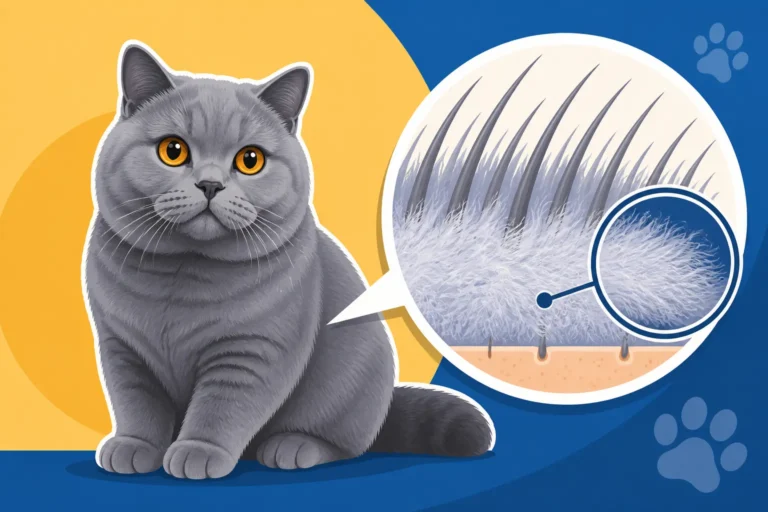
The British Shorthair is known for its distinctive "cobby" body type – a stocky, powerful build with a broad chest, short, strong legs, and a dense, plush coat. This wonderful teddy bear appearance, while endearing, can pose challenges when it comes to routine care. Their compact structure means they might not be as agile as some other breeds, which can affect their ability to self-groom thoroughly, especially as they get older or if they carry a little extra weight. Imagine trying to perform a complex yoga pose with a thick winter coat on; that's sometimes how it feels for them to reach certain spots!
Their broad heads and powerful jaws, while beautiful, also mean that the alignment of their teeth needs regular attention. Sometimes, their dental anatomy can create tighter spaces where food particles and plaque can accumulate more easily. Their thick, dense coat, while not directly related to teeth, ears, or nails, does influence their overall hygiene; a clean cat is often a healthy cat, and general grooming habits can spill over into specific areas. Why a British Shorthair's Coat Stands Up for example, is a testament to its density, which can hide a multitude of sins if you're not proactive about feeling for lumps or checking skin.
Dispelling Myths About "Easy" Cat Care
There's a persistent myth that cats are entirely self-sufficient when it comes to grooming. While it's true they spend a significant portion of their day meticulously cleaning themselves, this doesn't mean we, as their human companions, are off the hook entirely. For a British Shorthair, this myth can be particularly misleading. Their calm demeanor often means they won't loudly complain about discomfort until a problem is quite advanced. This stoicism can make owners believe everything is fine when, in reality, issues like dental disease or overgrown nails might be silently progressing.
Many of us have learned the hard way that a cat's purr doesn't always signify pure contentment; sometimes, it's a coping mechanism for stress or pain. This is why a proactive, hands-on approach to their dental, ear, and nail health is absolutely essential. Waiting for obvious signs of distress, like refusal to eat or limping, means the problem has likely escalated to a point where more intensive and costly veterinary intervention is required. Instead, regular, gentle checks and preventative care should become a standard part of your routine.
Dental Care for the British Shorthair: A Silent Battle
Dental disease in cats is incredibly common, and British Shorthairs are no exception. It's often called a silent battle because the early stages are rarely obvious to the untrained eye, yet the consequences of neglect can be far-reaching, impacting not just their mouth but their overall health. Many owners don't realize there's an issue until bad breath becomes unbearable or their cat shows reluctance to eat hard food.
Why British Shorthairs Are Prone to Dental Issues
While no cat breed is immune to dental problems, certain aspects of the British Shorthair's physiology might predispose them to issues. Their famously round, full face and broad muzzle can sometimes lead to slight crowding of teeth, creating nooks and crannies where plaque and tartar can build up undisturbed. This isn't a universal truth for every British Shorthair, of course, but it's a factor to be aware of. Genetics can also play a role, making some individuals more susceptible to plaque accumulation and gum inflammation, leading to conditions like Gingivitis in a British Shorthair.
Diet also plays a crucial role. While dry kibble is sometimes touted for its "scrubbing" action, many vets will tell you this effect is often minimal. The reality is, if a cat isn't eating food specifically designed for dental health, or if they're not getting regular at-home care, plaque will inevitably form. This plaque then hardens into tartar, leading to gum inflammation (gingivitis), and eventually, if untreated, to periodontal disease, which can cause painful tooth loss and even spread bacteria to vital organs like the heart and kidneys. It’s a serious business, even if your sweet British Shorthair isn't showing obvious signs of discomfort yet.
The Ins and Outs of Brushing Your British Shorthair's Teeth
Brushing your British Shorthair's teeth might sound like a monumental task, akin to herding cats (pun intended!), but with patience and the right approach, it's absolutely achievable. The key is to start early, if possible, and make it a positive experience. You'll need a cat-specific toothbrush – these are often smaller with softer bristles – and enzymatic cat toothpaste (never use human toothpaste, as it contains ingredients toxic to cats). You can find these at most pet supply stores or online retailers like Chewy or Amazon.
Begin by simply letting your cat lick a tiny bit of the toothpaste from your finger to get them accustomed to the taste. Over a few days, try gently rubbing your finger along their gums. Once they tolerate this, introduce the toothbrush, focusing on the outside surfaces of their teeth, where plaque tends to accumulate most. Don't worry about scrubbing vigorously; a gentle circular motion is sufficient. Aim for short sessions, even just 30 seconds, building up to a minute or two daily or every other day. If your British Shorthair has a calm temperament, you might be surprised at how well they adapt, especially if rewards are involved. Consistency is far more important than perfection in the beginning.
Beyond Brushing: Other Dental Health Strategies
While brushing is the gold standard for at-home dental care, it's not the only tool in your arsenal, especially if your British Shorthair vehemently objects. There are other strategies that can complement brushing or serve as alternatives:
- Dental Treats and Chews: Look for dental treats that carry a Veterinary Oral Health Council (VOHC) seal. This seal indicates that the product has been scientifically proven to help reduce plaque and/or tartar. Many brands offer these, and they can be a great way to incorporate dental care into a treat routine. Just remember to factor them into your cat's daily calorie intake to prevent unintended weight gain. You can often find a wide selection of VOHC-approved treats on Chewy.
- Water Additives: These liquid solutions are designed to be added to your cat's drinking water and help reduce bacteria and plaque. While not as effective as brushing, they can be a helpful adjunct, particularly for cats who won't tolerate brushing at all.
- Dental Diets: Some prescription veterinary diets are formulated with special kibble shapes and textures, or ingredients, that help scrub the teeth as your cat eats, or contain compounds that reduce plaque formation. Discuss these options with your vet if your British Shorthair has persistent dental issues.
- Professional Dental Cleanings: Even with the best at-home care, most cats will need professional dental cleanings under anesthesia at some point. This allows the vet to thoroughly clean under the gum line, where most dental disease occurs, and address any painful issues like resorptive lesions. How Often a British Shorthair Needs a Dental will depend on individual factors, but it's a vital part of comprehensive care. Your vet might suggest annual cleanings, especially as your cat ages.
Remember, the goal is to create a multi-pronged approach to keep your British Shorthair's mouth as healthy as possible.
Keeping Those Ears Pristine: Spotting and Preventing Problems
British Shorthairs have adorable, small to medium-sized ears that are set wide apart on their round heads. While they are not typically prone to excessive ear wax or infections compared to some other breeds with floppy ears, their ears still require occasional checks and cleaning to prevent discomfort and potential health issues. Ignored ear problems can be painful and lead to more serious conditions, so knowing what to look for and how to maintain them is key.
What a Healthy British Shorthair Ear Looks Like
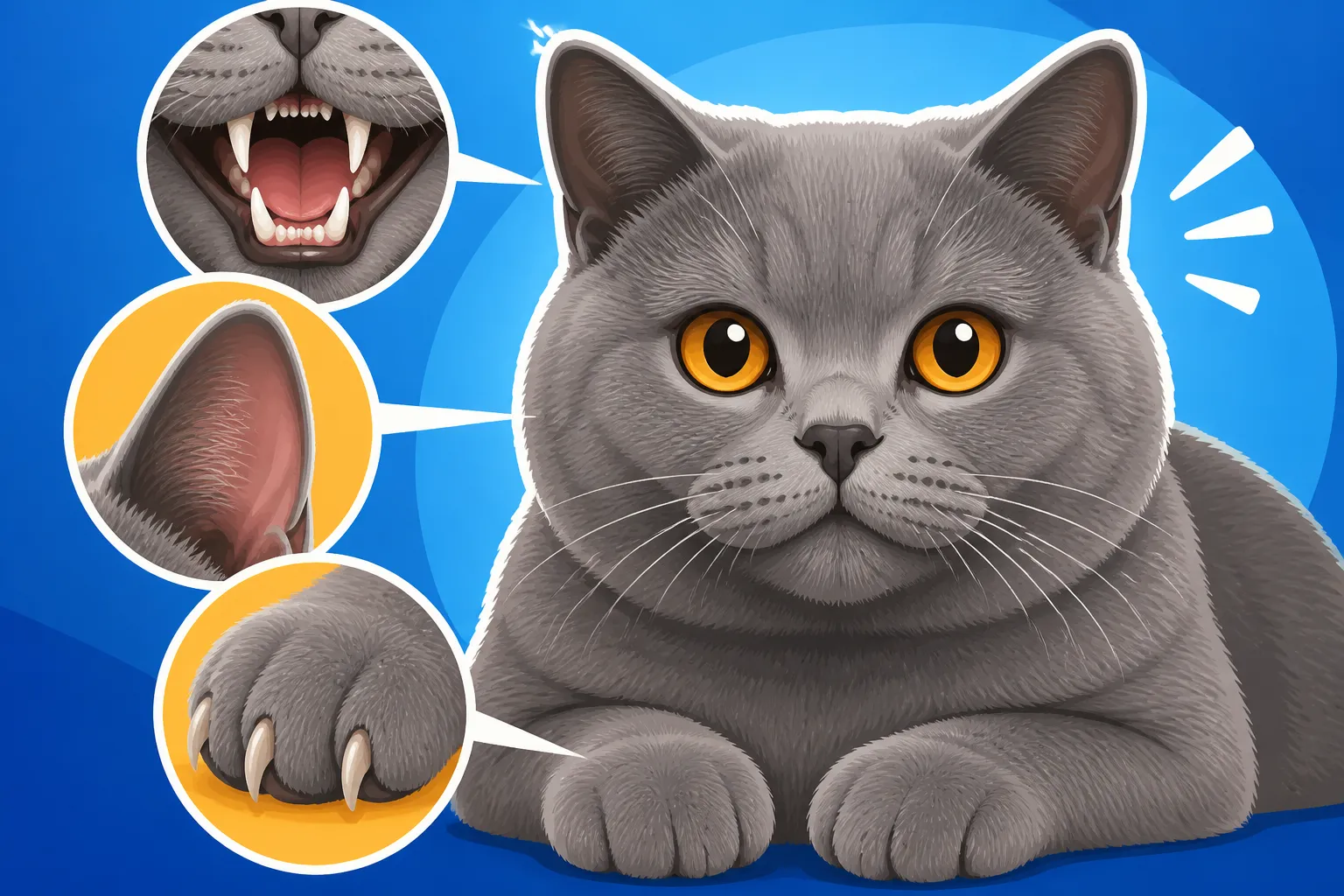
A healthy British Shorthair ear should look clean and free of excessive wax, dirt, or debris. The skin inside the ear flap (the pinna) should be a pale pink color, without any redness, swelling, or crusting. You might notice a small amount of light brown or yellowish wax, which is perfectly normal and a sign of a healthy ear canal. This wax helps protect the ear.
When you gently lift the ear flap, there should be no foul odor emanating from the ear. Your cat should also not be scratching at their ears frequently, shaking their head excessively, or showing any signs of pain when you touch the area. Their ear canals should appear open and clear, not narrowed or inflamed. It's a good idea to get into the habit of performing a quick visual check of your British Shorthair's ears every week or two, just to establish a baseline of what's normal for your cat. This way, any subtle changes will be much easier to spot early on.
How to Clean a British Shorthair's Ears Safely
Cleaning your British Shorthair's ears isn't usually a daily task; in fact, over-cleaning can sometimes do more harm than good by irritating the delicate skin. Typically, ear cleaning is only necessary if you notice a build-up of wax or dirt, or if your vet advises it for a specific condition.
When it's time to clean, here's how to do it safely:
- Gather your supplies: You'll need a cat-specific ear cleaning solution (your vet can recommend one) and some clean cotton balls or gauze pads. Avoid using cotton swabs, as these can push debris further into the ear canal or even damage the eardrum.
- Position your cat: Find a comfortable spot where your British Shorthair feels secure. Gently hold their head still, and you might need someone to assist you, especially if your cat is initially resistant.
- Apply the solution: Gently fold back the ear flap and hold it upright. Squirt a small amount of the ear cleaning solution directly into the ear canal until it's full.
- Massage the base of the ear: Gently massage the base of the ear for about 20-30 seconds. You should hear a squishy sound, which means the solution is breaking up the wax and debris.
- Let them shake: Allow your British Shorthair to shake their head. This helps to dislodge the loosened material. Be ready with a towel, as some of the solution and gunk might fly out!
- Wipe clean: Use a cotton ball or gauze pad to gently wipe away any visible dirt, wax, and excess solution from the outer ear flap and the entrance of the ear canal. Do not probe deep into the ear.
- Reward: Always follow up with praise and a treat to make it a positive experience.
Remember, if you ever notice signs of infection (redness, swelling, foul odor, excessive discharge, pain), or if you're unsure how to clean their ears, always consult your veterinarian. They can show you the correct technique and address any underlying issues. Generally, How Often a British Shorthair Needs Its Ears Cleaned is on an as-needed basis, not a strict schedule.
Common Ear Ailments in British Shorthairs
Despite their relatively low predisposition, British Shorthairs can still fall victim to common feline ear problems. Knowing the signs can help you get prompt veterinary attention:
- Ear Mites: These tiny parasites are a common cause of ear irritation, especially in kittens or cats who have been exposed to other animals. Signs include intense itching, head shaking, and a dark, crumbly discharge that resembles coffee grounds. This can lead to Ear Infections in a British Shorthair.
- Bacterial or Yeast Infections: These often occur secondary to another issue, like ear mites or allergies. They cause redness, swelling, discharge (which can be yellow, brown, or black), a foul odor, and pain. Your cat might be constantly scratching at their ears.
- Allergies: Just like humans, cats can suffer from environmental or food allergies, and one of the ways this manifests is through itchy, inflamed ears. If your cat has chronic ear issues without obvious mites or infection, allergies might be the culprit.
- Foreign Objects: Though less common in indoor cats, sometimes a tiny piece of grass or other debris can get lodged in the ear canal, causing irritation and pain.
- Polyp or Tumor: In rare cases, growths can occur within the ear canal, leading to chronic infections or blockages.
If you suspect any of these issues, a trip to the vet is crucial. Self-treating can worsen the problem or mask symptoms, making diagnosis harder. Your vet will use an otoscope to examine the ear canal thoroughly and may take a swab for microscopic analysis to determine the exact cause of the problem.
Nail Care: More Than Just Furniture Protection
Many British Shorthair owners might overlook nail trimming, especially if their cat uses scratching posts regularly. However, proper nail care is vital for their comfort, mobility, and overall health, extending far beyond simply saving your furniture from being shredded. British Shorthairs, with their solid build and sometimes less active nature, might not wear down their nails as effectively as more athletic breeds.
The Importance of Regular Nail Trimming for British Shorthairs
Regular nail trimming prevents a host of potential problems. When a British Shorthair's nails become too long, they can:
- Cause discomfort and pain: Long nails can curve and grow into the paw pads, causing excruciating pain and leading to infections. This is particularly common in older or overweight British Shorthairs who might have reduced mobility.
- Affect their gait: Overgrown nails can force your cat to walk on the sides of their paws, which can lead to lameness, joint issues, and even arthritis over time. Considering that British Shorthairs can be prone to weight gain, adding gait problems to the mix is something to actively avoid.
- Get snagged: Long claws are more likely to get caught on carpets, blankets, or furniture, which can lead to painful torn nails or even injury to the paw. Imagine the shock and pain of a nail ripping out!
- Hinder self-grooming: While not directly related, overly long claws can interfere with their ability to properly groom themselves, especially their dense coat, potentially leading to mats.
It’s often recommended that How Often a British Shorthair's Claws Need Cutting is every 2-4 weeks. This frequency ensures that the quick (the blood vessel and nerve within the nail) recedes, making future trims easier and less stressful.
The Art of Trimming Your British Shorthair's Claws
Trimming a British Shorthair's claws requires a gentle touch, patience, and the right tools. The goal is to make it a calm, routine experience, not a wrestling match.
- Choose the right clippers: There are several types of cat nail clippers available, including scissor-style and guillotine-style. Choose the one you find most comfortable and effective. You can find excellent options on Amazon or Chewy. Make sure they are sharp to ensure a clean cut without crushing the nail. Having styptic powder on hand is also a good idea, just in case you accidentally cut too far back (it helps stop bleeding quickly).
- Find a quiet time and place: Choose a moment when your British Shorthair is relaxed, perhaps even sleepy. Avoid high-energy times.
- Get comfortable: Hold your cat securely but gently. You might place them on your lap or have a helper.
- Isolate a paw: Gently take one paw and press lightly on the paw pad to extend the claw.
- Identify the quick: The quick is the pink part inside the nail that contains blood vessels and nerves. On lighter colored nails, it's easy to see. On darker nails, it's harder, so you'll only want to snip the very tip, where the nail starts to curve.
- Snip the tip: Using your clippers, make a quick, decisive cut just below the quick, at the very tip of the nail. Avoid cutting the quick, as this is painful and will cause bleeding.
- Don't forget the dewclaws: Many cats have dewclaws (thumb-like claws) on the inside of their front legs. These don't get worn down and can easily grow into the paw pad if neglected.
- Praise and reward: After each nail, or after each paw, offer praise, gentle strokes, and a small treat. The more positive the experience, the easier future trims will be.
If your British Shorthair is particularly resistant, try trimming just one or two nails at a time over several sessions. Gradually, they might become more accustomed to the routine. Consistency and positive reinforcement are your best friends here.
Addressing Overgrown Nails and Related Issues
If your British Shorthair's nails have become severely overgrown, it's time to take action. Ignoring them can lead to serious consequences:
- Ingrown Nails: As mentioned, nails can curl around and grow into the paw pad, causing open wounds, infections, and extreme pain. This often requires veterinary intervention to remove the embedded nail and treat any infection.
- Painful Walking: When nails are too long, they hit the ground with every step, pushing the nail back into the nail bed. This puts pressure on the toe joints and causes discomfort, making your cat reluctant to walk, jump, or play.
- Altered Posture: Chronic pain from overgrown nails can lead to changes in posture, potentially impacting their spine and other joints over time. This is especially relevant for a cobby breed like the British Shorthair.
If you find yourself with a British Shorthair whose nails are severely overgrown, or if they are resisting trimming to the point of causing stress, don't hesitate to seek professional help. Your veterinarian or a professional groomer can safely trim the nails, even if they are very long and require special care. They can also demonstrate proper technique, which can empower you to continue at-home care more confidently. Why an Aging British Shorthair's Claws Overgrow often comes down to reduced activity and possibly arthritis, making professional intervention even more critical for older cats.
Holistic Approach to Grooming and Health
Thinking about teeth, ears, and nails in isolation misses a crucial point: they are all interconnected aspects of your British Shorthair's overall health and well-being. A holistic approach recognizes that issues in one area can signal or contribute to problems in another. It's about seeing the whole picture of your beloved feline friend.
The Link Between Diet and Oral Health
What your British Shorthair eats has a direct and significant impact on their oral health. While dry kibble isn't a magic solution for cleaning teeth, certain diets can certainly contribute to better dental hygiene.
- Kibble Size and Texture: Some dental-specific kibbles are designed to be larger and have a fibrous texture that encourages mechanical abrasion, essentially "wiping" the tooth surface as your cat crunches down. This can help reduce plaque buildup.
- Ingredients that Reduce Plaque: Some foods contain ingredients like polyphosphates, which bind to calcium in saliva, preventing it from forming tartar.
- Wet Food Considerations: While wet food is excellent for hydration and can be helpful for weight management, it offers little to no mechanical abrasion for teeth. If your British Shorthair is primarily on a wet food diet, at-home dental care becomes even more critical.
- Balanced Nutrition: A nutritionally complete and balanced diet supports a strong immune system, which in turn helps your cat fight off infections, including those that can affect their gums and teeth. What a British Shorthair's Yearly Bloodwork Should Cover often includes markers that can indicate underlying inflammation or infection, which sometimes starts with dental disease.
Always discuss your British Shorthair's diet with your veterinarian, especially if you're concerned about their dental health or considering a switch to a dental-specific food.
Creating a Positive Grooming Routine
The success of managing your British Shorthair's teeth, ears, and nails largely hinges on creating a positive and consistent grooming routine. Cats are creatures of habit, and introducing these activities gradually and with positive reinforcement can transform them from dreaded chores into tolerable, or even enjoyable, bonding moments.
- Start Young: If you have a kitten, begin handling their paws, ears, and mouth from an early age. This desensitization is invaluable.
- Short, Sweet Sessions: Keep grooming sessions brief, especially initially. A few minutes of gentle handling, followed by praise and a high-value treat, is far more effective than a long, stressful struggle.
- Consistency is Key: Try to perform these tasks around the same time each day or week. Predictability helps reduce anxiety.
- Positive Reinforcement: Always reward good behavior. Whether it's a favorite treat, a special toy, or verbal praise, positive reinforcement teaches your British Shorthair that grooming time can be rewarding.
- Observe Body Language: Learn to read your cat's cues. If they are becoming agitated, it's okay to stop and try again later. Forcing the issue can lead to a negative association and make future sessions harder.
- Gentle Restraint: Sometimes, gentle restraint is necessary, especially for nail trims. Wrapping your cat loosely in a towel (a "purrito") can help keep them calm and prevent scratching while still allowing you access to their paws.
- Make it a Ritual: Incorporate it into your bonding time. For example, after a cuddle session, gently check their ears, brush a couple of teeth, or trim a nail. This integrates it naturally into their day rather than making it a sudden, alarming event.
A calm, affectionate British Shorthair is often a willing participant, and understanding What a British Shorthair's Temperament Is Really Like will help you tailor your approach to their individual personality.
When to Seek Professional Veterinary Help
Knowing when to consult your veterinarian is crucial. While at-home care is vital for prevention and maintenance, some issues require professional diagnosis and treatment. Don't hesitate to contact your vet if you notice any of the following:
- Severe Bad Breath: While some cat breath isn't exactly fresh, truly foul or rotting breath is a strong indicator of significant dental disease.
- Red, Swollen, or Bleeding Gums: These are clear signs of gingivitis or more advanced periodontal disease.
- Difficulty Eating or Dropping Food: Painful teeth can make chewing uncomfortable.
- Pawing at the Mouth or Face: Your cat might be trying to alleviate oral discomfort.
- Loose or Missing Teeth: Advanced dental disease can lead to tooth instability and loss.
- Excessive Ear Scratching, Head Shaking, or Tilting: These are classic signs of ear irritation or infection.
- Foul Odor or Discharge from Ears: Any unusual smell or visible discharge (yellow, black, thick, watery) warrants a vet visit.
- Redness or Swelling Around the Ears: Inflammation indicates a problem.
- Sensitivity or Pain When Touching Ears: Your cat might cry out or pull away when their ears are handled.
- Limping, Difficulty Walking, or Reluctance to Jump: Severely overgrown or ingrown nails can cause significant mobility issues.
- Swelling or Redness in Paw Pads: This could indicate an ingrown nail or infection.
- Bleeding Nails: If a nail is torn or bleeding, it needs immediate attention to prevent infection.
Early intervention is always best. Delaying veterinary care for these issues can lead to increased pain for your British Shorthair, more complex treatments, and higher costs. Regular check-ups are also crucial, especially as they age. Caring for an Old British Shorthair involves more frequent monitoring for these types of health changes.
Essential Tools and Products for British Shorthair Hygiene
Having the right tools on hand makes a world of difference in maintaining your British Shorthair's dental, ear, and nail hygiene. Investing in quality, cat-specific products ensures safety and effectiveness, transforming potentially challenging tasks into manageable routines. Many of these items are readily available from online retailers or your local pet supply store.
Must-Have Dental Care Products
For a breed like the British Shorthair, which benefits so much from proactive dental care, having these items is a game-changer:
- Cat Toothbrush: Look for brushes with soft bristles and a small head that fits comfortably in your cat's mouth. Finger brushes are also an option, offering direct contact with the teeth and gums. You might want a double-ended brush with different sizes.
- Enzymatic Cat Toothpaste: This is non-foaming and safe for cats to swallow. It often comes in appealing flavors like poultry or seafood, which can encourage acceptance. Never use human toothpaste, as it contains fluoride and other ingredients that are toxic to cats.
- Dental Water Additive (Optional but Recommended): A liquid solution that you add to your cat's drinking water daily. While not a substitute for brushing, it can help reduce plaque and freshen breath.
- VOHC-Approved Dental Treats: As mentioned earlier, these treats have undergone scientific review to prove their efficacy in reducing plaque and/or tartar. They can be a great daily supplement to brushing.
- Dental Wipes: For cats who absolutely refuse a brush, dental wipes can be a compromise. You wrap them around your finger and gently rub the teeth and gums. While less effective than brushing, they are better than nothing.
You can typically find all these dental care products on platforms like Chewy or Amazon, making it convenient to stock up.
Ear Cleaning Supplies
For ear care, simplicity and gentleness are key:
- Cat-Specific Ear Cleaning Solution: Your vet can recommend a gentle, non-irritating solution designed to break down wax and debris without causing discomfort. Avoid alcohol-based solutions, which can dry out and irritate sensitive ear canals.
- Cotton Balls or Gauze Pads: Essential for wiping away loosened debris and excess solution from the outer ear. Do not use cotton swabs, as they can push debris deeper and potentially damage the eardrum.
- Soft Cloth or Towel: Useful for wiping up any splatter when your British Shorthair shakes their head after applying the solution.
Remember, if your British Shorthair's ears appear consistently dirty or irritated, or if there's any odor or discharge, skip the at-home cleaning and head straight to the vet. They'll need a professional diagnosis to rule out infections or mites.
Nail Trimming Essentials
Equipping yourself with the right tools for nail care will make the process much smoother for both you and your British Shorthair:
- Cat Nail Clippers: Choose clippers that are sharp and comfortable for you to hold. Scissor-style clippers are often preferred for smaller cat nails, providing good control. Guillotine-style clippers can also work. Replace them when they become dull, as dull clippers can crush the nail rather than cut it cleanly, causing pain.
- Styptic Powder: This is a non-negotiable item to have on hand. Even the most experienced trimmer can occasionally nip the quick, and styptic powder will quickly stop any bleeding. It's better to have it and not need it than to need it and not have it.
- Scratching Posts/Surfaces: While not a direct trimming tool, providing ample scratching opportunities (vertical posts, horizontal scratchers, cardboard scratch pads) can help your British Shorthair naturally wear down the outer layers of their nails. This might not eliminate the need for trimming, but it can extend the time between sessions.
- Treats: High-value treats are an essential "tool" for positive reinforcement, making nail trims a much more positive experience.
All of these nail care essentials are widely available through retailers such as Amazon and Chewy, often at competitive prices. Investing in these basics now can save you a lot of hassle and vet bills down the line. It's a small upfront cost for a healthier, happier British Shorthair. While Whether a British Shorthair Is Expensive to Own is a valid concern for many, these preventive measures are often far less costly than treating advanced conditions.
| Care Area | Recommended Frequency | Essential Tools | Key Signs of Trouble |
|---|---|---|---|
| Dental Care | Daily brushing (ideally), professional cleaning as needed | Cat toothbrush, enzymatic toothpaste, dental treats, water additive | Bad breath, red/swollen gums, difficulty eating, pawing at mouth |
| Ear Care | As needed (weekly check, clean only if visibly dirty) | Cat ear cleaner, cotton balls/gauze | Excessive scratching/shaking, foul odor, discharge, redness, pain |
| Nail Care | Every 2-4 weeks | Cat nail clippers, styptic powder, scratching posts | Overgrown nails, limping, ingrown nails, snagging, swelling around paw pads |
Disclaimer
This article is for general informational purposes only and does not constitute professional advice. Laws, prices and regulations vary by location and change over time. Consult a qualified professional for guidance on your specific situation.