How Many Meals a Day a British Shorthair Needs
One of the biggest struggles British Shorthair owners face is managing their beloved cat's weight. These magnificent felines are renowned for their calm, easygoing nature and their seemingly endless appetite, which, when combined, can quickly lead to them becoming a little too round. It's a common frustration: you just want to feed your cat well, but it feels like they're always hungry, and the pounds just creep on! This guide will dive deep into how many meals a day a British Shorthair truly needs, helping you strike that perfect balance between a happy, satisfied cat and a healthy, active companion.
Understanding the British Shorthair's Unique Metabolism and Activity Level
Let's be honest, our British Shorthairs aren't exactly known for their Olympic-level athleticism. They're built for comfort, not speed, and their lifestyle reflects that. Understanding this fundamental aspect of their breed is the first step in mastering their mealtime needs.
The Sedentary Lifestyle of a British Shorthair
If you've ever owned a British Shorthair, you know they are the epitome of chill. They're not the type to zoom through the house for hours on end, climb to the highest rafters, or engage in intense parkour across your furniture. Instead, you'll often find them curled up on a soft blanket, observing the world with their characteristic serene gaze, or maybe enjoying a quiet sunbeam nap. This wonderfully calm temperament is one of the reasons we love them so much, but it also means their energy expenditure is significantly lower than that of more high-octane breeds.
Think about it: a Siamese might burn through calories with frantic dashes and vocal theatrics, but your British Shorthair is more likely to burn calories dreaming about their next meal. This lower activity level directly translates to lower caloric needs. Many owners mistakenly feed them as much as they would a more energetic cat, leading to a caloric surplus that inevitably turns into extra pounds. It's not that your British Shorthair is lazy; they're just perfectly content with their peaceful existence, and their bodies are designed to conserve energy. This means every bite counts, and overfeeding, even by a small margin, can quickly add up.
Why British Shorthairs are Prone to Weight Gain
Their charmingly cobby, rounded physique is part of the breed standard, giving them that adorable teddy bear look we all adore. However, this very build can be a clever camouflage for creeping weight gain. It's tough to tell if a British Shorthair is carrying a few extra pounds just by looking at them head-on; their dense, plush coat and naturally stocky frame can hide a multitude of sins! You might think they're just "chunky" or "big-boned," when in reality, they're steadily moving towards an unhealthy weight.
Their almost legendary willingness to eat anything you put down for them doesn't help. Feeding a British Shorthair That Will Eat Whatever You Put Down They often lack that natural self-regulation some other breeds possess. This means they'll gobble up whatever is offered, whether they truly need it or not. The combination of a low-energy lifestyle and an enthusiastic appetite is a recipe for weight gain if not carefully managed. Furthermore, once a British Shorthair is spayed or neutered, their metabolism tends to slow down even further. Why a Neutered British Shorthair Gains Faster This is a critical period where many owners inadvertently allow their cat to become overweight, simply by continuing the same feeding routine as before the procedure. It's a common trap, and one that requires a conscious effort to avoid to protect their long-term health.
The Gold Standard: Portion Control and Meal Frequency
Given their predisposition to gaining weight, the cornerstone of a healthy British Shorthair diet is strict portion control combined with a consistent meal frequency. This approach helps manage their intake, satisfies their hunger without overfeeding, and prevents the dreaded "chunky but adorable" from becoming "unhealthy."
The Pitfalls of Free Feeding a British Shorthair
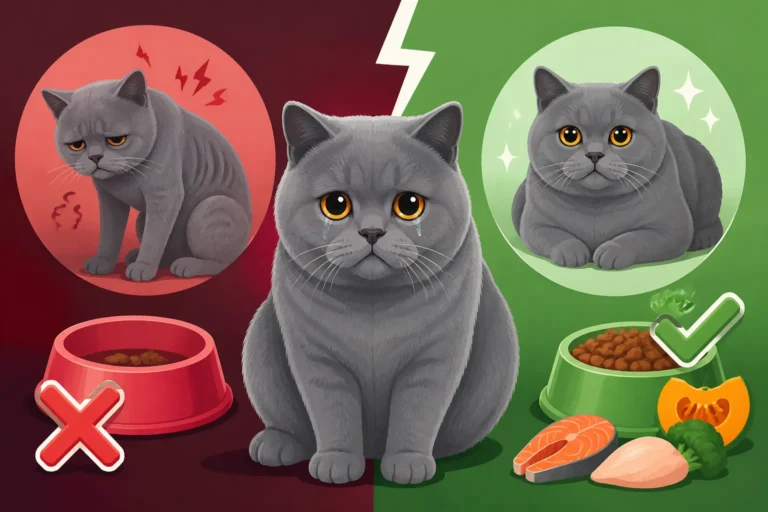
Free feeding, where you leave a bowl of dry kibble out all day for your cat to graze on as they please, is incredibly convenient for us humans. You fill the bowl, and you don't have to think about it again until it's empty. However, for a British Shorthair, it's a direct route to obesity and its associated health problems. Because they lack that internal "stop" button, a free-fed British Shorthair will likely eat much more than their body actually needs. They might snack out of boredom, comfort, or simply because the food is there, rather than out of genuine hunger.
This constant availability of food leads to a steady, often unnoticed, accumulation of excess calories. The consequences aren't just cosmetic; obesity in British Shorthairs significantly increases their risk of developing serious health conditions. Obesity Is the British Shorthair's Real Disease We're talking about issues like diabetes, arthritis due to strain on their joints, liver problems, and even certain types of cancer. It also makes them less active, creating a vicious cycle where less movement leads to more weight gain, which then further discourages activity. Breaking the free-feeding habit can be tough, especially if your British Shorthair has learned to associate your presence with an always-full bowl, but it's one of the most impactful changes you can make for their health.
The Ideal Meal Schedule: Two to Three Meals a Day
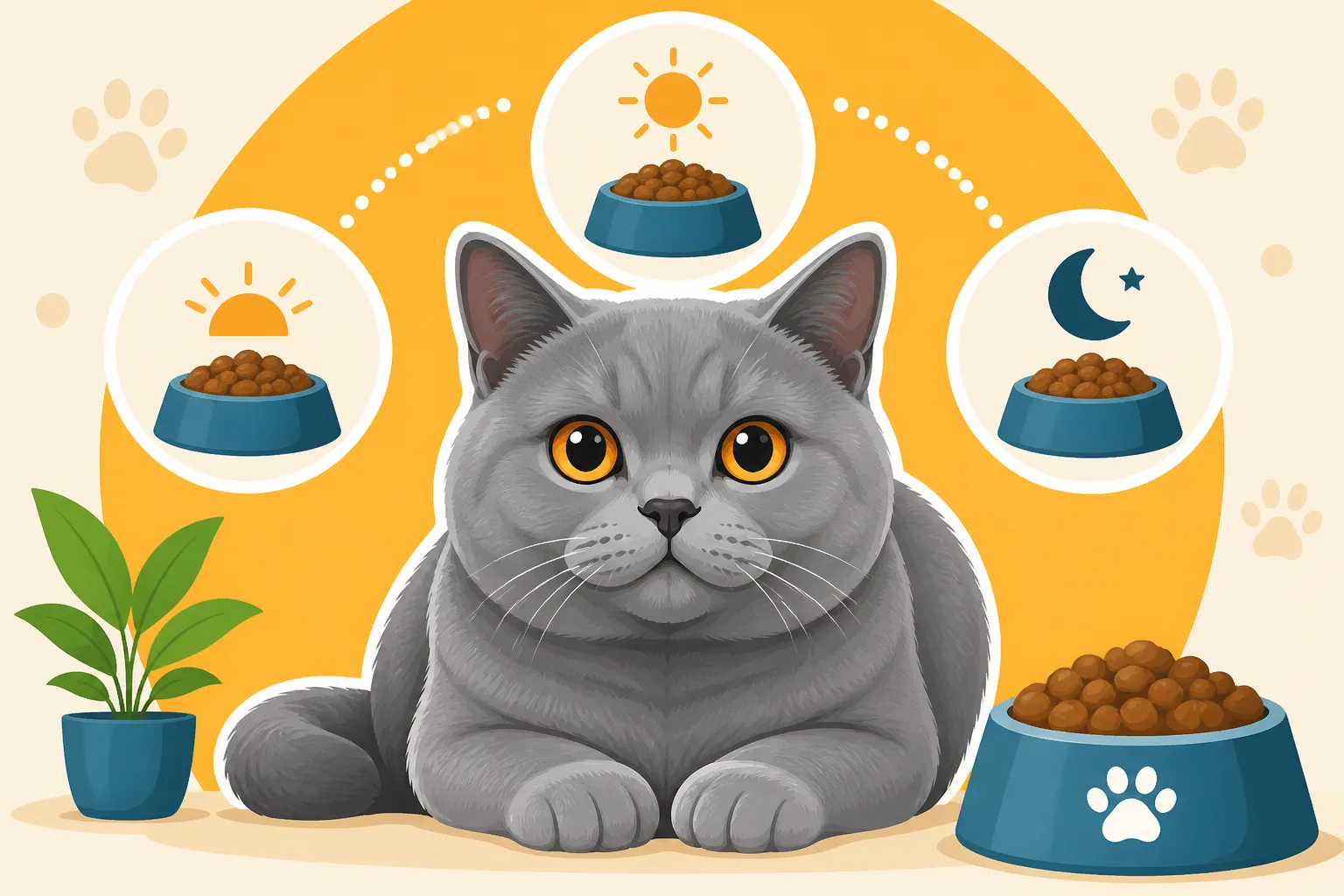
For most adult British Shorthairs, feeding two meals a day is the optimal approach. This schedule mirrors a more natural eating pattern, provides regular intervals for digestion, and helps keep hunger at bay without leading to overconsumption. If your cat tends to get very vocal and demanding between meals, or if they're particularly prone to scarfing down their food too quickly, you might consider splitting their daily allowance into three smaller meals. This can help them feel more satisfied throughout the day and slow down their eating.
Consistency is key here. Try to feed them around the same times each day. Cats are creatures of habit, and establishing a routine helps manage their expectations and reduce anxiety around mealtimes. For example, a meal in the morning, another in the late afternoon or early evening, works well for many households. This structured approach allows you to precisely measure and control their caloric intake, which is absolutely essential for a breed like the British Shorthair. Portion Control Is the Whole Job With a British Shorthair If you're transitioning from free-feeding, be prepared for some initial complaints! Your cat might be confused or upset by the change, but staying firm and consistent will ultimately benefit their health enormously.
Calculating the Right Amount: Calories and Food Type
Once you've committed to a meal schedule, the next crucial step is determining how much food your British Shorthair actually needs. This isn't a one-size-fits-all answer; it depends on several factors, including their ideal weight, age, activity level, and overall health.
Estimating Caloric Needs Based on Weight and Activity
Getting the right caloric intake for your British Shorthair can feel like a puzzle. The general rule of thumb for adult cats is typically around 20-35 calories per pound of ideal body weight per day, but this is a very broad range. For a British Shorthair, especially one with a calm demeanor, you'll likely be aiming for the lower end of that spectrum. An average adult British Shorthair might weigh anywhere from 9 to 18 pounds, but remember, "ideal" weight is about body condition, not just the number on the scale. A larger-framed male might comfortably carry more weight than a petite female, but both need to have a healthy body condition score.
The most accurate way to determine your specific cat's caloric needs is to consult your veterinarian. They can assess your cat's body condition, discuss their activity level, and help you calculate a precise daily caloric target. Beware of relying solely on the feeding guides printed on pet food bags or cans; these are often generalized for highly active cats and can lead to overfeeding, especially for a British Shorthair. Always use a kitchen scale to measure food accurately, as scoop sizes can be inconsistent and significantly impact calorie delivery. How Many Calories a British Shorthair Needs Remember, even a small excess of 20-30 calories a day can lead to several pounds of weight gain over a year for a cat.
The Role of Wet vs. Dry Food in British Shorthair Nutrition
When it comes to food type, there's a big debate between wet and dry food. For British Shorthairs, both can have their place, but many owners find wet food to be particularly beneficial.
- Wet Food Advantages: Wet food has a high moisture content, which is fantastic for a cat's hydration, especially since many cats don't drink enough water on their own. This can be crucial for kidney and urinary tract health. Urinary Problems in a British Shorthair The higher water content also means you can feed a larger volume of food for fewer calories, which can help your British Shorthair feel fuller and more satisfied without consuming excess energy. It can be a great tool for weight management or for enticing picky eaters. High-quality wet foods often have good protein levels and fewer carbohydrates than many dry kibbles, which is generally beneficial for obligate carnivores like cats.
- Dry Food Considerations: Dry kibble is convenient, often more economical, and some argue it helps with dental hygiene (though this benefit is often overstated unless specific dental kibble is used). However, it's very calorie-dense and low in moisture, making it easier to overfeed and potentially contributing to dehydration if your cat isn't a prodigious drinker.
Many owners opt for a combination approach, perhaps feeding wet food for one meal and a small portion of dry kibble for another, or simply offering wet food as the primary diet. When choosing any food, look for high-quality animal protein as the first ingredient. For a huge variety of quality wet and dry foods, and to compare ingredients and prices, online retailers like Chewy offer a vast selection, allowing you to find what best suits your British Shorthair's palate and nutritional requirements. Whether a British Shorthair Needs Wet Food
Practical Strategies for Successful Feeding
Knowing what and when to feed is only half the battle. Implementing these strategies consistently and effectively is where the real work happens. It means being mindful at mealtimes and resisting those adorable, begging eyes!
Measuring Food Accurately and Consistently
This might sound like a minor detail, but it's truly foundational to successful weight management for your British Shorthair. Scooping food with a measuring cup can be notoriously inaccurate. Depending on how you scoop (level vs. heaped), the density of the food, and even the type of measuring cup, you could be off by a significant amount of calories each day. Over time, these small discrepancies add up.
The solution is simple: invest in a digital kitchen scale. These are readily available and affordable on platforms like Amazon. Weighing your cat's food ensures precision every single time. If your vet advises 200 calories a day, you can look up the caloric density of your chosen food (usually listed on the packaging or the manufacturer's website) and weigh out the exact amount needed. For example, if your kibble has 350 calories per cup and you need 200 calories, a measuring cup might lead to inconsistencies. Weighing ensures your BSH gets exactly what they need, not a bit more, not a bit less. This level of consistency is key to How to Put a British Shorthair on a Diet or simply maintaining a healthy weight.
Managing Treats and Scraps
Those big, round eyes and soft purrs can make it incredibly difficult to resist giving in to demands for treats or table scraps. However, managing these extras is just as important as managing their main meals. Treats, even small ones, contribute to your cat's daily caloric intake and can easily derail a carefully planned diet. Many owners underestimate just how many calories are in a handful of treats.
It's best to consider treats as part of their daily caloric budget, not as an addition. If your cat gets 200 calories a day, and treats account for 20 of those, then their main meals should be reduced accordingly. Opt for low-calorie, healthy treat options like freeze-dried chicken or single-ingredient options. Steer clear of human food scraps, which are often too fatty, salty, or even toxic for cats. If your British Shorthair is particularly persistent, use treats strategically as rewards for positive behavior or during playtime, rather than as a response to begging. Finding healthy, cat-appropriate treats is easy on Amazon or at your local pet store. Remember, a healthy British Shorthair doesn't need constant snacks; they need consistent, appropriate nutrition.
Adapting Feeding Habits to Life Stages and Health Needs
A British Shorthair's dietary requirements aren't static; they change throughout their life, and even more so if they develop specific health conditions. Being attuned to these changes is vital for providing optimal care.
Feeding Kittens, Adults, and Seniors
Just like humans, cats have different nutritional demands at various stages of life.
- Kittens (up to 12 months): British Shorthair kittens are bundles of energy (well, by BSH standards!) and are growing rapidly. They need more calories, protein, and fat to support their development. They also benefit from more frequent meals, often three to four times a day, to provide a steady supply of nutrients. You'll typically feed kitten-specific food, which is formulated to meet these higher demands. Don't rush to switch them to adult food too early. How Long a British Shorthair Stays on Kitten Food
- Adults (1-10 years): Once your British Shorthair reaches full maturity, usually around 12-18 months, their growth slows, and their caloric needs decrease. This is when the two-meals-a-day schedule really comes into its own, allowing for strict portion control. Maintaining an ideal weight during these years is paramount to preventing chronic health issues later on.
- Seniors (10+ years): As British Shorthairs enter their senior years, their metabolism might slow down further, potentially requiring fewer calories. However, some older cats might experience weight loss due to underlying health conditions or dental issues that make eating difficult. Senior-specific diets are often formulated with ingredients that support aging joints, kidney health, and cognitive function. If your senior British Shorthair has dental problems, Whether an Aging British Shorthair Needs Softer Food might be necessary to ensure they can eat comfortably and get adequate nutrition. Regular vet check-ups are especially important during this stage to monitor weight and adjust their diet as needed.
Dietary Adjustments for Specific Health Conditions
Sometimes, diet isn't just about general health; it becomes a critical component of managing a specific medical condition.
- Weight Loss Diets: If your British Shorthair has already become overweight or obese, a weight loss diet will be necessary. This often involves reducing caloric intake significantly, switching to a prescription weight-management food, and increasing controlled activity. These specialized foods are typically higher in fiber to help cats feel full and lower in calories and fat. When a British Shorthair Needs a Prescription Diet These diets should always be overseen by a veterinarian to ensure safe and effective weight loss. Crash dieting can be very dangerous for cats, leading to serious liver issues.
- Urinary Health Diets: British Shorthairs, especially males, can be prone to urinary tract issues. Urinary Problems in a British Shorthair Diets designed for urinary health often aim to create a urine pH that prevents crystal formation and are typically higher in moisture to encourage more frequent urination, helping to flush out the urinary tract. Wet food is often recommended for cats prone to these issues.
- Diabetes Management: For British Shorthairs diagnosed with diabetes, diet plays a huge role in managing blood sugar levels. Diabetes in a British Shorthair This usually involves a diet that is high in protein and low in carbohydrates, often in combination with insulin therapy. Consistent meal times are also critical for diabetic cats, as their insulin doses are often timed around their food intake.
- Kidney Disease: As cats age, kidney issues can become a concern. Diets for kidney disease are typically lower in protein, phosphorus, and sodium to reduce the workload on the kidneys. These are prescription diets and must be fed under veterinary guidance.
Troubleshooting Common Feeding Challenges
Even with the best intentions, feeding a British Shorthair doesn't always go smoothly. They can be creatures of habit, but also very clever manipulators! Here are a couple of common challenges and how to tackle them.
Dealing with a Demanding British Shorthair
You've heard it, right? That insistent little "mrrrow" that escalates into a full-blown opera if their bowl isn't overflowing. British Shorthairs can be very good at training their humans, especially when it comes to food. They learn quickly that vocalizations, head-butts, or even pawing at your leg can result in a tasty treat or an early meal. It's tough to resist, especially when they look so earnest!
The key here is consistency and not giving in. If you've established two scheduled meals a day and your British Shorthair starts demanding food an hour before, it's crucial to ignore the behavior. Giving in, even once, reinforces their demanding behavior. You can try to distract them with playtime, a favorite toy, or a grooming session instead. Another excellent strategy is using puzzle feeders for a portion of their meal or for approved low-calorie treats. Whether a Puzzle Feeder Motivates a British Shorthair This makes them "work" for their food, engaging their minds and slowing down their consumption, which can help satisfy their hunting instinct and reduce begging. It also provides a bit of mental enrichment that their calm nature might otherwise miss out on.
Multi-Cat Households and Feeding Dynamics
Feeding multiple cats, especially when one is a British Shorthair prone to overeating and the others might have different dietary needs or activity levels, can be a genuine logistical headache. The last thing you want is your British Shorthair stealing food from a more delicate companion, or vice-versa. Whether a British Shorthair Steals From Other Cats
Here are some strategies:
- Separate Feeding Stations: The simplest approach is to feed cats in different rooms or at different levels (e.g., one on the floor, one on a counter or cat tree). This ensures each cat can eat their full portion without competition or theft. Once they are done, remove any uneaten food.
- Microchip Feeders: These brilliant devices are a game-changer for multi-cat homes. Brands like SureFeed offer feeders that only open for a specific cat, identified by their microchip or a collar tag. This guarantees that each cat eats only their food, preventing food theft and allowing for precise portion control for each individual. This is particularly useful if one cat is on a prescription diet or needs to lose weight, and the others don't.
- Timed Feeders: While not as foolproof as microchip feeders for preventing theft between cats, timed feeders can help maintain a consistent schedule, which can be useful if you're not always home at exact meal times. Some models allow for multiple compartments to open at different times.
Whatever method you choose, supervision during mealtimes in a multi-cat household is often necessary, at least initially, to ensure everyone is eating their own food peacefully and adequately.
| Life Stage / Condition | Meals Per Day | Food Type Recommendations | Key Considerations |
|---|---|---|---|
| Kitten (0-12 mo) | 3-4 meals | High-quality kitten food (wet or dry) | High calories, protein for growth; don't free-feed |
| Adult (1-10 yrs) | 2-3 meals | High-quality adult cat food (wet highly recommended) | Strict portion control; monitor weight closely |
| Senior (10+ yrs) | 2-3 meals | Senior formula or regular adult (vet dependent) | Monitor weight for gain/loss; softer food for dental issues |
| Weight Loss | 2-3 meals | Prescription weight loss diet (vet recommended) | Strict caloric restriction; no free-feeding; slow & steady |
| Urinary Health | 2-3 meals | Urinary care diet (prescription or over-the-counter) | High moisture content (wet food), specific mineral balance |
| Diabetic | 2-3 meals | High protein, low carb diet (vet recommended) | Consistent timing crucial; no free-feeding |
Disclaimer
This article is for general informational purposes only and does not constitute professional advice. Laws, prices and regulations vary by location and change over time. Consult a qualified professional for guidance on your specific situation.