How to Brush a British Shorthair’s Teeth
Let's be honest, trying to brush a cat's teeth often feels like attempting to wrestle a greased lightning bolt into a sweater. For us British Shorthair parents, with their calm yet often stubbornly independent nature, the thought of prying open that adorable round face to get a toothbrush in there can be daunting, to say the least. But overlooking dental hygiene for our beloved companions isn't an option. This guide is here to walk you through how to approach brushing your British Shorthair's teeth, transforming it from a dreaded chore into a manageable part of their care routine, ensuring their comfort and long-term health.
The Harsh Reality of Feline Dental Health
It’s easy to assume that because cats are such fastidious groomers, their teeth are probably fine. Unfortunately, that's a myth many cat owners fall prey to. Our British Shorthairs, with all their chunky charm, are just as susceptible to dental problems as any other feline, and sometimes even more so due to their genetics and sedentary lifestyle. Dental disease isn't just about bad breath; it's a gateway to serious health complications that can severely impact their quality of life.
Why Dental Care is Crucial for British Shorthairs
You see, a British Shorthair might be the picture of stoic contentment, but beneath that plush, dense coat and those endearing jowls, dental issues can be brewing silently. Imagine the discomfort you feel with a persistent toothache – your cat experiences something similar, but they're masters at concealing pain. Without regular cleaning, plaque, a sticky film of bacteria, forms on their teeth. This plaque then hardens into tartar, which is a rough, porous substance that provides an ideal surface for more bacteria to cling to.
This buildup at the gum line leads to Gingivitis in a British Shorthair, an inflammation of the gums that is often the first stage of periodontal disease. You might notice red, swollen gums or perhaps a bit of bleeding when they chew on a toy. If left unchecked, this can progress to periodontal disease, a much more severe condition where the supporting structures of the teeth – the gums, bone, and ligaments – become infected and damaged. This is not only incredibly painful but can lead to tooth loss and even spread bacteria through the bloodstream to vital organs like the heart, kidneys, and liver. So, while your British Shorthair might protest the toothbrush, you're actually saving them from a world of hidden pain and potential serious illness. Their well-being truly depends on it, even if they don't quite understand it in the moment.
The Silent Suffering: How Cats Hide Dental Pain
One of the most frustrating and heartbreaking aspects of feline health is their incredible ability to mask pain. Our British Shorthairs, being naturally calm and often reserved, are particularly adept at this. They're programmed by instinct to hide weakness, as showing vulnerability in the wild could make them targets. This means that by the time you notice overt signs of dental pain, like drooling, difficulty eating, or pawing at their mouth, the problem is often quite advanced and excruciating.
A cat suffering from a severe toothache might simply adjust how they chew, favoring one side of their mouth, or they might become a bit more withdrawn. They might eat a little less, or hesitate before crunching into their favorite kibble. You might attribute these subtle changes to pickiness, age, or just their usual British Shorthair temperament. But a slight hesitation, a refusal of a previously loved chewy treat, or even a change in their grooming habits – perhaps avoiding grooming their back where they usually would – can all be tiny clues that something is wrong. That's why being proactive with dental care, rather than waiting for obvious symptoms, is so incredibly important. It's about preventing pain before your stoic companion has to endure it in silence.
Common Dental Issues Your British Shorthair Might Face
Beyond the general plaque and tartar buildup we just discussed, British Shorthairs can experience a range of specific dental problems. Understanding these can help you recognize symptoms and appreciate the importance of preventive care.
The journey usually begins with plaque formation, a transparent film that constantly develops on teeth. If this isn't removed daily, it mineralizes into tartar, a yellow or brown deposit, typically visible near the gum line. This rough surface is a breeding ground for bacteria. From here, gingivitis sets in, where the gums become inflamed, red, and swollen, sometimes bleeding when touched. This stage is reversible with professional cleaning and diligent home care.
However, if gingivitis is ignored, it escalates to periodontal disease. This is irreversible and involves the destruction of the tissues supporting the teeth, including the bone. Pockets form between the gums and teeth, collecting food particles and bacteria, leading to infection, severe pain, and eventually, tooth loss. Imagine trying to eat with loose, infected teeth – it's a truly miserable experience.
Another prevalent and particularly painful condition in cats, including British Shorthairs, is Feline Odontoclastic Resorptive Lesions (FORLs), also known as tooth resorption. This is where the tooth structure itself gradually erodes, starting at the gum line. These lesions are incredibly painful, similar to a severe cavity in humans, and often necessitate extraction. Unfortunately, you often can't see FORLs without a veterinary dental exam and X-rays, as they often occur below the gum line or on the back of the tooth. This emphasizes why routine veterinary check-ups and professional dental cleanings are not just good ideas, but absolute necessities. It's not enough just to brush; you need a professional eye and equipment to catch these hidden threats.
Gearing Up for the Battle: Essential Tools for Brushing Success
Okay, so we’ve established that brushing is vital. Now, let’s talk about the practical side: what exactly do you need to get this job done, and how do you choose the right tools for your British Shorthair? This isn't a one-size-fits-all situation, and finding the right gear can make all the difference in your success and your cat's tolerance.
Choosing the Right Toothbrush for a British Shorthair
Selecting the proper toothbrush is crucial. You can't just grab your own toothbrush; human toothpaste is toxic to cats and human toothbrushes are too large and abrasive for delicate feline gums. For a British Shorthair, you’ll want something small, soft, and designed specifically for cats.
Your options generally include:
- Finger Brushes: These are soft silicone thimbles that fit over your index finger, with tiny nubs or bristles. They're excellent for beginners because they allow you to feel your cat's teeth and gums directly. The closeness of your finger can also feel less intimidating to your cat than a rigid handle. They're gentle and great for getting your cat used to the sensation of brushing. Many owners find these a good starting point, especially for a generally placid British Shorthair who might still be wary of new objects in their mouth. You can often find multi-packs on Amazon or Chewy.
- Pet Toothbrushes: These usually resemble miniature human toothbrushes, often with a dual-ended design featuring a larger head for back teeth and a smaller head for front teeth and tight spaces. The bristles are much softer than human toothbrushes, designed to be gentle on feline enamel and gums. Look for ones with an angled head, which can make reaching the molars a bit easier. Some even have a very small, conical head specifically for kittens or very small mouths, which could be useful if your British Shorthair is particularly sensitive.
- Gauze or Dental Wipes: While not a toothbrush, these can be a good stepping stone. Wrapping a piece of gauze around your finger or using a pre-moistened dental wipe (often available through Chewy or your vet) allows you to gently rub your cat’s teeth. This helps remove some plaque and introduces the sensation of having their teeth touched, without the commitment of a full brush. It’s certainly better than nothing if a brush is completely out of the question for your British Shorthair.
The key is soft bristles and a size that fits comfortably in your British Shorthair's mouth without feeling intrusive. Experiment to see which your cat tolerates best.
Picking a Cat-Safe Toothpaste
This is perhaps the most critical choice. NEVER use human toothpaste on your cat. Ingredients like fluoride and xylitol (a common artificial sweetener) are highly toxic to felines and can cause serious illness, even death, if ingested.
You absolutely need a toothpaste specifically formulated for cats. These are typically:
- Enzymatic: Many cat toothpastes contain enzymes that help break down plaque even after you've finished brushing. This is a huge bonus, as it continues to work after you've done the manual cleaning.
- Palatable Flavors: To make the experience more agreeable, cat toothpastes come in flavors cats actually like, such as poultry, fish, or malt. Finding a flavor your British Shorthair enjoys can turn the whole process from a struggle into a tolerable, or even slightly anticipated, ritual. If they love the taste, they might even let you get a few extra seconds of brushing in.
You can find a wide variety of cat-specific toothpastes at most pet supply stores, veterinary clinics, or online retailers like Chewy and Amazon. Don't be afraid to try a few different flavors until you hit on one your British Shorthair truly tolerates, or even enjoys! The taste factor is often the biggest hurdle to overcome.
Other Helpful Dental Aids
While brushing is the gold standard, there are other products that can supplement your efforts, especially if your British Shorthair is particularly resistant to the toothbrush. Think of these as supportive measures, not replacements for brushing or professional cleanings.
- Dental Wipes: As mentioned before, these are pre-moistened pads designed to wipe plaque off your cat's teeth. They’re excellent for daily maintenance if brushing isn't feasible, or as an introductory step. They don't offer the same mechanical abrasion as a toothbrush, but they do help remove superficial plaque and freshen breath.
- Water Additives: These are solutions you add to your cat’s drinking water that contain ingredients designed to reduce plaque and tartar buildup or kill bacteria that cause bad breath. They're incredibly easy to use, as your cat consumes them simply by drinking their usual water. Brands like HealthyMouth or Vetone's Dental FX are popular. Always ensure the product is safe for cats and follow the dilution instructions carefully. This can be a sneaky way to support their dental health without them even knowing!
- Dental Treats: Some cat treats are specially formulated with a texture and ingredients to help clean teeth as your cat chews them. They might be larger, chewier, or have a specific shape designed to scrape plaque. Look for products that have a Veterinary Oral Health Council (VOHC) seal, which indicates that they meet specific standards for plaque and tartar reduction. Greenies are a widely recognized brand you'll find readily on Amazon or Chewy. While they're not a substitute for brushing, they can be a tasty supplement to their dental routine. Be mindful of the extra calories, especially for a breed like the British Shorthair that can gain weight easily.
- Dental Gels/Sprays: These often contain antiseptic ingredients or enzymes that you apply directly to your cat's gums or teeth. Some don't require brushing, though gentle application with a finger or cotton swab is usually needed. They can be good for targeting specific areas or for cats who absolutely refuse a brush. Products from brands like Pet King Brands' Zymox or Oratene can be effective.
- Specialized Dental Diets: Some prescription cat foods are designed with larger, fibrous kibble that mechanically cleans the teeth as the cat chews. These diets often also contain ingredients that help prevent tartar formation. Your vet might recommend one of these if your British Shorthair has ongoing dental challenges. Some brands offer dental-specific formulas available through your vet. This can be a powerful tool, as it works every time your cat eats.
Here's a quick comparison of some common dental aids:
| Aid Type | Primary Benefit | British Shorthair Suitability | Key Consideration |
|---|---|---|---|
| Toothbrush | Most effective plaque removal | Best, with patience | Requires training and consistency |
| Finger Brush | Gentle, good for beginners/sensitive cats | Excellent starting point | Less effective for deep cleaning |
| Dental Wipes | Easy, quick plaque removal | Good supplement, not replacement | Superficial cleaning only |
| Water Additives | Convenient, continuous benefit | Easy for any cat | Effectiveness can vary, some cats dislike taste |
| Dental Treats | Palatable, encourages chewing, VOHC seal | Good supplement | Not a substitute for brushing, calorie content |
| Dental Gels/Sprays | Targeted action, no brushing needed for some | Good for resistant cats | May not provide mechanical plaque removal |
| Dental Diets | Cleans while eating, overall health benefit | Excellent, especially for prone cats | Requires vet recommendation, might not be suitable for all |
Remember, the goal is to find a combination of tools and techniques that your specific British Shorthair will tolerate, ideally culminating in regular brushing.
The Art of Introduction: Making Brushing a Positive Experience
Okay, deep breaths! We know British Shorthairs thrive on routine and can be a bit set in their ways. Introducing something as invasive as teeth brushing requires immense patience, a gentle touch, and a strategic approach. This isn’t a task you can rush, or you’ll quickly find yourself fighting a losing battle. The goal here is to build positive associations, not create a traumatic experience.
Starting Early: Why Kittenhood is Key
If you're lucky enough to have a British Shorthair kitten, you're starting with a significant advantage. Kittens are generally more adaptable and open to new experiences than adult cats. Introducing them to handling, including touching their mouth, gums, and teeth, from a young age can set them up for a lifetime of easier dental care.
When your British Shorthair is a kitten, spend a few moments each day gently touching their face and around their mouth. Use soft praise and offer a tiny, delicious treat immediately afterward. Don't even think about a toothbrush yet. Just get them used to your fingers near their mouth. As they tolerate this, you can graduate to gently rubbing their gums with your finger. This might seem like a small step, but it's foundational. The earlier you begin this desensitization process, the more likely your British Shorthair will accept teeth brushing as a normal part of their routine as they grow older. This early positive conditioning is invaluable; it means you're not trying to overcome years of ingrained aversion later on. A kitten accustomed to mouth handling is far less likely to resist when the actual brushing begins.
The Gentle Approach: Acclimating Your British Shorthair
For adult British Shorthairs who haven't had prior dental training, the process will be slower, but it's certainly not impossible. The key is to break it down into tiny, manageable steps and never force the issue. Forcing will only create fear and resistance, making future attempts even harder.
- Start with Touch: Begin by simply touching your British Shorthair’s face around their mouth. Do this during a relaxed time, perhaps when they’re sitting next to you on the sofa or purring contentedly. Keep sessions very short, just a few seconds, and always follow with praise and a favorite treat. Repeat this several times a day for a few days until they show no signs of discomfort.
- Lift the Lip: Once they’re comfortable with facial touches, gently try to lift their lip for a second or two. Don’t worry about the teeth yet; just exposing the gums is the goal. Again, lavish praise and a treat immediately. Gradually increase the duration you can hold their lip up.
- Introduce the Paste: Once they tolerate lip lifting, put a tiny dab of cat-safe toothpaste on your finger (or the finger brush, if you're using one). Let them sniff it, and then let them taste it. The goal here is to associate the paste with a positive, tasty experience. Many cats absolutely love the taste of poultry-flavored toothpaste! If they enjoy it, you can try rubbing a tiny bit on their front teeth for a second or two.
- Introduce the Brush: When they're happily accepting the taste of the toothpaste from your finger and tolerate having their gums touched, you can introduce the actual toothbrush. Let them lick the paste off the brush. Then, very gently, try to make one or two circular motions on a single tooth, focusing on the outer surface. That’s it! One or two strokes, then stop, praise, and treat.
This entire acclimation process might take days, weeks, or even months. Do not rush it. Each step should only be advanced when your British Shorthair is completely comfortable with the previous one. Consistency and patience are your best friends here. Your British Shorthair isn't going to suddenly love it, but with this approach, you can at least get them to tolerate it.
Positive Reinforcement and Patience
This isn't just a suggestion; it's the bedrock of successful dental care for a British Shorthair. Their calm demeanor can easily be mistaken for indifference, but they are incredibly sensitive to handling, and positive reinforcement is the only way to get them on board.
- Treats, Treats, Treats: Identify your British Shorthair's absolute favorite, high-value treat. This could be freeze-dried chicken, a tiny bit of tuna, or a dental treat they adore. This treat should only be given during or immediately after a dental care session. This creates a powerful association: "Mouth handling equals delicious reward!" Even if you only manage one tooth, they still get the treat. Consistency is key here.
- Verbal Praise and Affection: While treats are primary, don't underestimate the power of your voice and gentle strokes. Use a soothing, happy tone throughout the process. "Good kitty! So brave! Just a little bit more!" and follow up with a favorite scratch under the chin or gentle rub if they appreciate it.
- Keep it Short: Especially in the beginning, keep brushing sessions incredibly brief – think 10-20 seconds total. It's far better to have a successful, short session that your cat tolerates than a long, stressful one that makes them hate the brush forever. As they become more accustomed, you can gradually increase the duration.
- Read Your Cat's Body Language: This is vital. Watch for signs of stress: flattened ears, a swishing tail, dilated pupils, tensing up, or trying to pull away forcefully. If you see these, stop immediately. Push too hard, and you'll undo all your hard work. Retreat a step or end the session on a positive note, even if it means just one successful rub on a tooth.
- Consistency is Key: Irregular brushing makes it harder for your British Shorthair to accept it as a routine. Aim for daily brushing if possible, or at least every other day. This regular exposure prevents them from forgetting the routine and makes it less of a surprise each time. How Often a British Shorthair Needs a Dental also underscores the importance of a routine.
Remember, you're building trust and routine. Your British Shorthair needs to learn that this weird thing you do with their mouth isn't scary and always ends with something good. Be patient, be persistent, and be prepared for it to take time.
The Step-by-Step Brushing Routine
Once you’ve successfully acclimated your British Shorthair to the toothpaste and the feel of the brush (or your finger), you’re ready to start incorporating a more structured routine. Even if you can only manage a few seconds at first, those few seconds are making a difference! The goal is gentle, consistent action, not a wrestling match.
Finding the Right Time and Place
Just like us, cats thrive on routine. Choosing a consistent time and a calm environment can significantly reduce stress for both of you.
- Choose a Calm Time: Avoid brushing when your British Shorthair is agitated, playful, or just waking up from a deep nap. The best time is often when they are naturally relaxed and mellow, perhaps after a meal or a quiet cuddle session. For example, if your cat has a habit of lounging next to you on the sofa in the evenings, that might be a perfect window. Don't try to brush right before feeding if they're already ravenous, as their focus will be solely on the food bowl, not on cooperating.
- Select a Quiet, Safe Spot: Pick a consistent location in your home where your British Shorthair feels safe and comfortable, and where you have good lighting. This could be on your lap, a sturdy table, or even a bathroom counter if they're used to being there. Ensure there are no distractions, loud noises, or other pets that could make your cat jumpy. Having a dedicated "dental station" signals to your cat what's about to happen, reducing surprise and potentially stress. Make sure your cat feels secure and isn't likely to fall or feel trapped, which could lead to struggles.
- Incorporate into an Existing Routine: If you already have a daily grooming or cuddle time, try to tack dental care onto that. For instance, if you comb their A British Shorthair's Coat Stands Away From Its Body in the evenings, you could transition straight into a quick dental session afterwards. This helps it feel less like an imposition and more like a natural extension of their established care.
Establishing this consistent ritual will help your British Shorthair mentally prepare and associate the time and place with the positive reinforcement that follows.
Mastering the Technique
Now for the actual brushing! Remember, perfection isn't the goal, consistency is. Even brushing just a few teeth thoroughly is better than nothing.
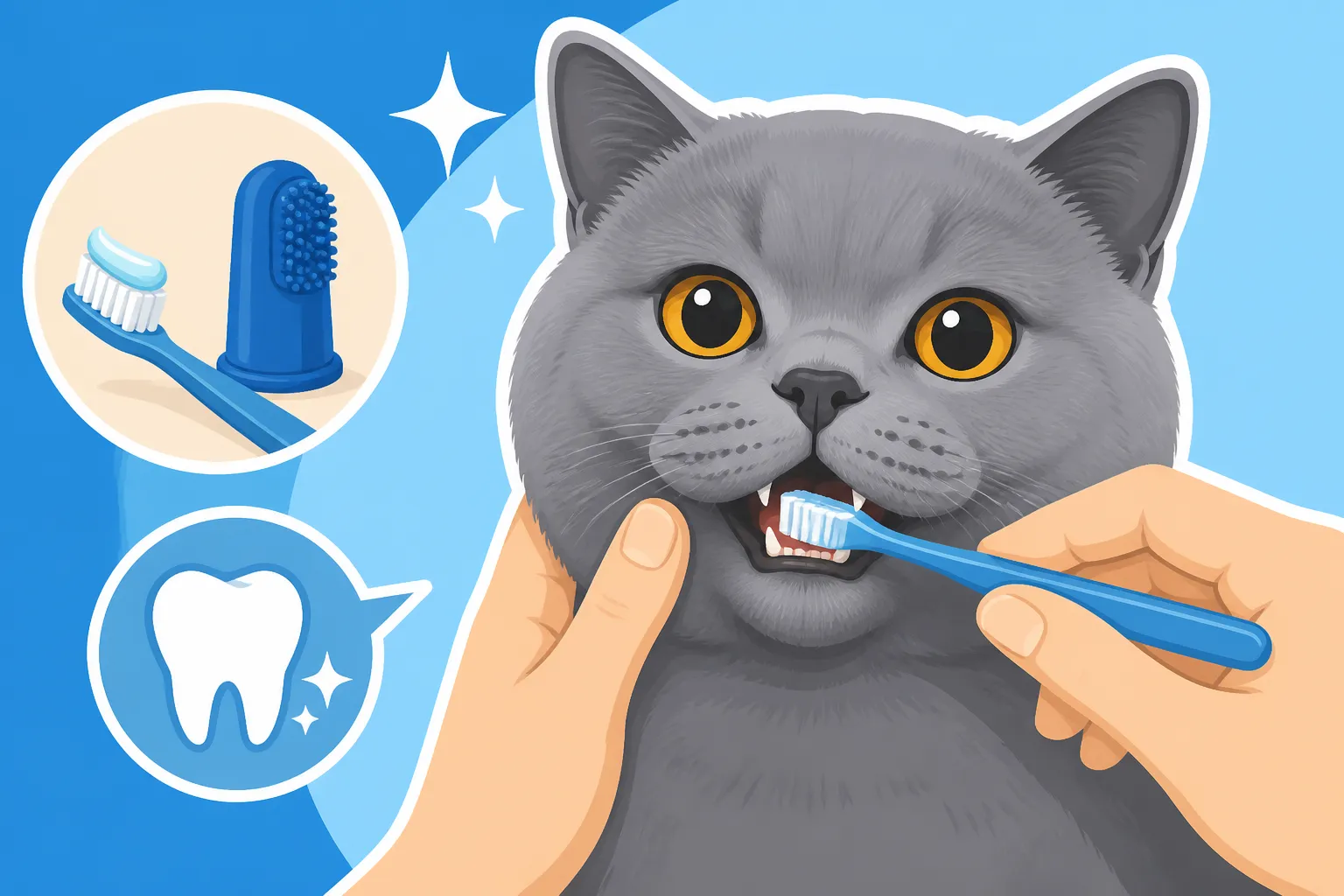
- Positioning: Gently hold your British Shorthair close to you. You might sit them on your lap facing away from you, or cradle them in one arm if they prefer. The idea is to keep them secure but not restrained, allowing them to feel safe. Some cats do better with their back to you, nestled into your arm, as they feel less confronted.
- Lift the Lip: With one hand, gently lift your cat’s upper lip. This exposes the outer surfaces of their teeth and gums. You don't need to open their mouth wide; in fact, it's usually easier and less stressful for the cat if their mouth remains mostly closed. Focus on the area where the tooth meets the gum line – this is where plaque accumulates most.
- Angle the Brush: Hold the toothbrush at a 45-degree angle to the tooth surface, with the bristles pointing towards the gum line.
- Gentle Circular Motions: Use small, gentle circular motions to brush the outer surfaces of the teeth. Start with the canine teeth (the long, pointy ones) and work your way back towards the molars. Don’t scrub aggressively; the goal is to gently dislodge plaque, not abrade the gums. Focus on getting a few strokes on each tooth you can reach.
- Focus on the Outer Surfaces: For most cats, it’s practically impossible to brush the inner surfaces of their teeth. This is okay! The outer surfaces are where most of the plaque and tartar build-up occurs, and where the salivary glands, which naturally help clean teeth, have less access. Concentrate your efforts here.
- Praise and Reward: Throughout the session, use a calm, encouraging voice. As soon as you've finished, even if it was just for a few seconds, immediately give your British Shorthair their high-value treat and plenty of praise. This reinforces the positive association.
Keep sessions short, especially when starting out. Gradually increase the duration as your British Shorthair becomes more accustomed to the routine. The aim is to make it a calm, predictable interaction that always ends with a reward.
What to Expect and How to Troubleshoot
Even with the best intentions and the most patient approach, you're likely to encounter some bumps in the road. It's perfectly normal, and recognizing common issues can help you troubleshoot effectively.
- Resistance and Wriggling: Your British Shorthair might initially try to pull away, wriggle, or even bat at the brush. This is where your patience is tested. If they resist strongly, stop, let them calm down, and try again later, or even the next day. Don't get into a wrestling match; you'll lose the battle for future cooperation. Take a step back in your acclimation process if needed. Maybe they need more time just licking the paste, or just having their lips lifted.
- Short Sessions are Normal: Don't feel like a failure if you can only manage 10-15 seconds. This is a huge win! As mentioned, consistent short sessions are far more effective in the long run than infrequent, stressful long ones. Over time, you’ll naturally be able to increase the duration.
- Bleeding Gums: If you notice a tiny bit of pink on the brush, don't panic. This can be a sign of early Gingivitis in a British Shorthair, and gentle brushing can actually help improve gum health. However, if the bleeding is persistent or heavy, or if your cat seems to be in pain, stop immediately and consult your veterinarian. It could indicate a more serious underlying issue.
- They Just Won't Cooperate: Some British Shorthairs, despite your best efforts, simply will not tolerate a toothbrush. This is frustrating, but it happens. If this is the case, don't give up on dental care entirely. This is where those other dental aids come into play. Focus on VOHC-approved dental treats, water additives, and dental diets. Regular professional cleanings will become even more crucial. Discuss alternative strategies with your vet; they can offer guidance on products that might help reduce plaque and tartar, and advise on How Often a British Shorthair Needs a Dental.
- Bad Breath Persists: If you've been diligently brushing and your British Shorthair still has noticeable bad breath, it's a strong indicator that there might be an underlying issue that brushing alone can't fix. This could be periodontal disease, Tooth Resorption in a British Shorthair, or even an internal health problem. It's definitely time for a vet visit.
Remember, every little bit helps. Even if you only manage to brush a few front teeth, you're still contributing to their overall oral hygiene and potentially extending their healthy lifespan.
Beyond the Brush: Holistic Dental Care for Your British Shorthair
While brushing is undeniably the most effective home care method, it’s just one piece of the puzzle when it comes to comprehensive dental health for your British Shorthair. A truly holistic approach involves understanding the role of diet, the necessity of professional intervention, and knowing when to seek veterinary help.
The Role of Diet in Dental Health
You might assume that feeding your British Shorthair hard kibble will automatically keep their teeth clean, but that's often a misconception. While some kibble might offer minimal scraping action, most standard dry foods shatter too quickly to provide a significant dental benefit.
- Standard Kibble vs. Dental Diets: Most regular dry cat food simply doesn't clean teeth effectively. Think about eating a potato chip – it crumbles quickly without scraping your teeth. The same often applies to kibble. However, specially formulated dental diets (often prescription) are designed with larger, uniquely shaped kibbles that encourage more chewing before breaking apart. This mechanical action helps to scrape away plaque. They also often contain ingredients that inhibit tartar formation. If your British Shorthair is prone to dental issues, discussing a dental-specific diet with your vet is a great idea. Brands like Royal Canin Dental or Hill's Prescription Diet t/d are examples of highly effective options.
- Wet Food Considerations: While wet food is fantastic for hydration and can be very palatable, it offers virtually no mechanical cleaning action for the teeth. If your British Shorthair primarily eats wet food, home brushing becomes even more critical. However, some studies suggest that a diet high in moisture might still be beneficial for overall oral health by maintaining a healthier oral microbiome. Ultimately, a balanced diet that supports overall health and is supplemented with active dental care (brushing, dental treats, professional cleanings) is the best approach for Which Food Suits a British Shorthair.
- Treats and Chews: As mentioned previously, VOHC-approved dental treats can be a beneficial supplement. Look for products specifically formulated to reduce plaque and tartar. Raw bones or other hard chews often recommended for dogs are generally NOT suitable for cats, as they can lead to fractured teeth or intestinal blockages. Always consult your vet before introducing any new type of dental chew.
Remember, diet is a supportive player, not the sole solution. It can complement brushing and professional cleanings, but it rarely replaces them.
Professional Dental Cleanings
This is the cornerstone of any effective dental health plan for your British Shorthair, regardless of how diligent you are with home brushing. Just like humans need their teeth professionally cleaned, cats do too.
- Why Anesthesia is Necessary: Unlike us, cats won't lie still with their mouths open while a dental hygienist scrapes their teeth. To perform a thorough cleaning, examination, and necessary treatments (like extractions), veterinarians need to perform the procedure under general anesthesia. This allows for a complete cleaning above and below the gum line, probing for pockets, and taking dental X-rays to assess the health of the tooth roots and bone, which are hidden from view.
- Frequency of Cleanings: The frequency depends entirely on your British Shorthair’s individual needs, genetics, diet, and your home care routine. Some cats might need a professional cleaning every year, while others might go a few years between procedures. Your vet will assess their dental health during annual check-ups and advise you on the appropriate schedule. Knowing How Often a British Shorthair Needs a Dental is crucial, as postponing can lead to more severe and costly issues.
- What Happens During a Dental: A professional dental cleaning typically involves:
- Pre-anesthetic blood work to ensure your cat is healthy enough for anesthesia.
- Anesthesia monitoring by a trained veterinary team.
- A thorough oral exam, charting any issues.
- Full-mouth dental X-rays to identify problems below the gum line (like Tooth Resorption in a British Shorthair or abscesses).
- Ultrasonic scaling to remove plaque and tartar from above and below the gum line.
- Polishing of the teeth to smooth the surface, making it harder for plaque to adhere.
- Fluoride treatment (sometimes).
- Any necessary extractions or other surgical procedures.
Yes, professional dentals can seem daunting due to the anesthesia and cost, but neglecting dental disease almost always leads to more expensive and invasive treatments down the line, not to mention prolonged pain for your British Shorthair. It's an investment in their comfort and overall health. Knowing What a British Shorthair's First Dental Costs can help you budget for this essential care.
Recognizing When to Call the Vet
Even with a diligent home care routine and regular professional cleanings, it’s vital to be vigilant for signs that something might be amiss with your British Shorthair's teeth. Cats are masters of disguise when it comes to pain, so subtle cues are often the only indication.
Keep an eye out for any of these signs, and if you notice them, it's time to schedule a visit to your veterinarian:
- Persistent Bad Breath (Halitosis): While a cat's breath isn't usually minty fresh, a truly foul, strong odor is never normal and almost always indicates bacterial overgrowth due to dental disease.
- Difficulty Eating or Chewing: This could manifest as chewing only on one side of the mouth, dropping food, refusing hard kibble, hesitating before eating, or exhibiting pain when chewing.
- Pawing at the Mouth or Face Rubbing: If your British Shorthair is repeatedly pawing at their mouth, rubbing their face on furniture or the floor, it can be a sign of oral discomfort.
- Drooling: Excessive drooling, especially if it's thick or tinged with blood, is a definite red flag for oral pain or infection.
- Swollen Face or Jaw: Any swelling around the face, jaw, or under the eye could indicate a dental abscess.
- Bleeding Gums: While mild bleeding during initial brushing might occur with gingivitis, spontaneous or significant bleeding from the gums is a cause for concern.
- Changes in Behavior: A cat in pain might become withdrawn, irritable, or less social. They might stop grooming themselves, leading to a dull or unkempt coat, especially if they have trouble reaching their back due to a sore mouth.
- Visible Tartar and Red Gums: While you might be brushing, if you see significant yellow-brown tartar buildup or bright red, swollen gums, it means the home care isn't sufficient, or the disease is already advanced.
Don't wait until these signs are severe. Early intervention can prevent minor issues from becoming major, painful, and costly problems. It’s important to remember that these can also be signs that Signs a British Shorthair Is Unwell from other conditions, so a vet check-up is always prudent.
Common Misconceptions and Troubleshooting Dental Challenges
When it comes to brushing a British Shorthair’s teeth, it’s easy to get discouraged. Many owners face similar frustrations and hold onto common beliefs that can actually hinder their efforts. Let’s tackle some of these head-on and offer realistic solutions.
"My Cat Won't Let Me Brush Their Teeth"
This is perhaps the most common lament among cat owners, and it’s completely understandable. British Shorthairs, with their independent spirit, can be particularly resistant to anything they perceive as an invasion of their personal space, especially around their mouth. If your British Shorthair absolutely refuses the brush, even after patient acclimation, it doesn't mean you're a bad pet parent or that you should give up on dental care. It simply means you need to adjust your strategy.
- Re-evaluate the Acclimation Process: First, go back to basics. Are they comfortable with just facial touches? With licking toothpaste off your finger? If not, spend more time on these foundational steps. Are you keeping sessions short and ending on a positive note, every single time? Are the treats high-value enough?
- Try Different Tools: Maybe a finger brush feels less threatening than a long-handled toothbrush. Or perhaps they'll tolerate a dental wipe better initially. Experimentation is key.
- Consider Alternatives (but don't rely solely on them): If direct brushing truly remains impossible, lean heavily on the supplementary methods discussed earlier. VOHC-approved dental treats, water additives, and dental gels or sprays can all help manage plaque. Discuss with your vet if a prescription dental diet would be beneficial for your British Shorthair. These aren't a substitute for brushing but are certainly better than doing nothing at all. You can easily find many of these alternative products on Chewy or Amazon, often with good reviews from other cat owners facing similar challenges.
- Prioritize Professional Cleanings: If home brushing isn't happening, then regular professional dental cleanings become absolutely non-negotiable. Plan for them diligently and budget for them accordingly. Your vet might even be able to suggest calming aids or techniques that could make handling for a quick brush slightly more feasible.
The important thing is to find what works for your British Shorthair. Every cat is an individual, and success often lies in adapting to their specific personality and tolerance levels.
Dealing with Bad Breath
Many cat owners mistakenly believe that "cat breath" is just a normal part of having a feline companion. This couldn't be further from the truth. While a cat's breath might not smell like roses, truly bad breath (halitosis) is a significant indicator of an underlying health problem, most often dental disease. It's a warning sign, not a quirk.
- Bad Breath is a Symptom: If your British Shorthair has consistently offensive breath, it’s almost certainly due to an accumulation of bacteria in their mouth, usually from plaque and tartar buildup, gingivitis, or periodontal disease. In some cases, it can also be a symptom of more serious internal issues, such as kidney disease, diabetes, or gastrointestinal problems, though dental disease is by far the most common culprit.
- Don't Ignore It: Ignoring bad breath is akin to ignoring a smoke detector. It's telling you something is wrong. Even if your cat isn't showing other obvious signs of pain, the bacteria causing the bad breath are constantly at work, damaging gums and teeth, and potentially spreading throughout their body.
- Veterinary Check-up is Essential: The first step in dealing with bad breath is a veterinary examination. Your vet will perform an oral check and determine the source of the odor. If it's dental disease, they'll likely recommend a professional dental cleaning under anesthesia to thoroughly address the plaque, tartar, and any associated infections or tooth issues. Without this professional intervention, home brushing alone usually won't eliminate severe bad breath, though it can help prevent its recurrence after a cleaning.
Think of bad breath as your British Shorthair's subtle plea for help. Address it promptly to ensure their comfort and prevent the progression of disease.
The Cost of Neglect vs. Prevention
Let's talk about the elephant in the room: the cost. Dental care for cats, particularly professional cleanings under anesthesia, can seem expensive upfront. This often leads owners to postpone or avoid them, but this is a false economy that ultimately costs more in both financial terms and your British Shorthair's well-being.
- Escalating Vet Bills: Neglecting dental health means that minor issues like gingivitis are allowed to progress to severe periodontal disease, abscesses, or Tooth Resorption in a British Shorthair. When these advanced problems arise, the treatment becomes far more complex and expensive. A simple cleaning might turn into multiple tooth extractions, bone grafting, or prolonged antibiotic treatments. These procedures are significantly more costly than routine preventive care or early intervention. For example, What a British Shorthair's First Dental Costs might seem high, but compare it to What a British Shorthair's Gingivitis Costs to Treat if left untreated and it escalates.
- Impact on Quality of Life: Beyond the financial aspect, think about the pain your British Shorthair endures. Chronic dental pain makes eating uncomfortable, impacts their mood, and generally reduces their quality of life. Anesthesia, while carrying some risk, is performed to alleviate this pain and discomfort, not just for cosmetic reasons. A British Shorthair who is free from dental pain is a happier, healthier, and more engaged companion.
- Systemic Health Issues: As mentioned, the bacteria from severe dental disease can enter the bloodstream and affect vital organs. Treating kidney or heart disease that has been exacerbated by poor oral hygiene adds another layer of medical complexity and expense.
- Prevention Pays Off: Investing in regular home brushing, VOHC-approved dental products, and annual (or as recommended) professional dental cleanings is a proactive approach that saves money in the long run. It prevents the progression of disease, minimizes the need for drastic interventions, and most importantly, keeps your British Shorthair comfortable and healthy.
So, while brushing your British Shorthair's teeth might feel like a never-ending battle, and professional cleanings a heavy expense, remember that you're making a wise investment in their long-term health and happiness. Their quiet dignity deserves nothing less.
Disclaimer
This article is for general informational purposes only and does not constitute professional advice. Laws, prices and regulations vary by location and change over time. Consult a qualified professional for guidance on your specific situation.