What a British Shorthair’s Gingivitis Costs to Treat
It’s a common scenario for British Shorthair owners: you lean in for a cuddle, and instead of that sweet, clean kitty breath, you’re hit with something distinctly… unpleasant. You might notice some redness around their gums, or perhaps they’re a little pickier with their food. These subtle signs can quickly escalate into full-blown gingivitis, a painful and often costly dental disease. This comprehensive guide will walk you through what to expect when tackling gingivitis in your beloved British Shorthair, from initial vet visits to long-term care, helping you understand the financial commitment involved in getting your furry friend back to tip-top oral health.
Understanding Gingivitis in British Shorthairs: More Than Just Bad Breath
Gingivitis, an inflammation of the gums, isn't just a minor inconvenience for our British Shorthairs. It’s a painful condition that, if left unchecked, can lead to more severe periodontal disease, tooth loss, and even systemic health issues. Many owners feel blindsided by a diagnosis, especially when their cat seems otherwise healthy, but there are some fundamental reasons why our charming, round-faced companions are often susceptible.
Why British Shorthairs Are Prone to Dental Issues
Our British Shorthairs are undeniably adorable, with their distinctive broad, round heads and short, dense coats. However, these very features, combined with certain breed characteristics, can unfortunately make them more prone to dental problems like gingivitis. Their slightly flattened facial structure, while contributing to their endearing "teddy bear" look, can sometimes lead to dental crowding. This crowding means teeth aren't perfectly aligned, creating more nooks and crannies where food particles and bacteria can accumulate, making it incredibly difficult for even the most diligent cat to keep their mouth clean. This anatomical predisposition isn't something you've done wrong; it's simply part of their genetic makeup.
Beyond their unique facial structure, the very nature of many British Shorthairs – their calm demeanor and often lower activity levels – can also play a subtle role. They might not be as enthusiastic about chewing on toys that could help scrape away plaque, or perhaps their diet hasn't been optimally geared towards dental health. It’s easy to miss these nuances until a problem arises, and suddenly, you're faced with a diagnosis that feels overwhelming. But rest assured, understanding these predispositions is the first step in effective management. If you're wondering Why a British Shorthair Gets Gingivitis, it really often boils down to a combination of genetics and lifestyle.
Recognizing the Early Signs of Gingivitis
Spotting gingivitis early can make a world of difference in treatment costs and your cat's comfort, but let's be honest, cats are masters of disguise when it comes to pain. They are incredibly stoic animals, hardwired to hide weakness from predators, and that extends to dental discomfort. Often, the first sign an owner truly notices is the dreaded "fish breath" or an unusually strong, foul odor coming from their cat's mouth. This isn't just typical cat breath; it's a distinct, unpleasant smell indicative of bacterial overgrowth.
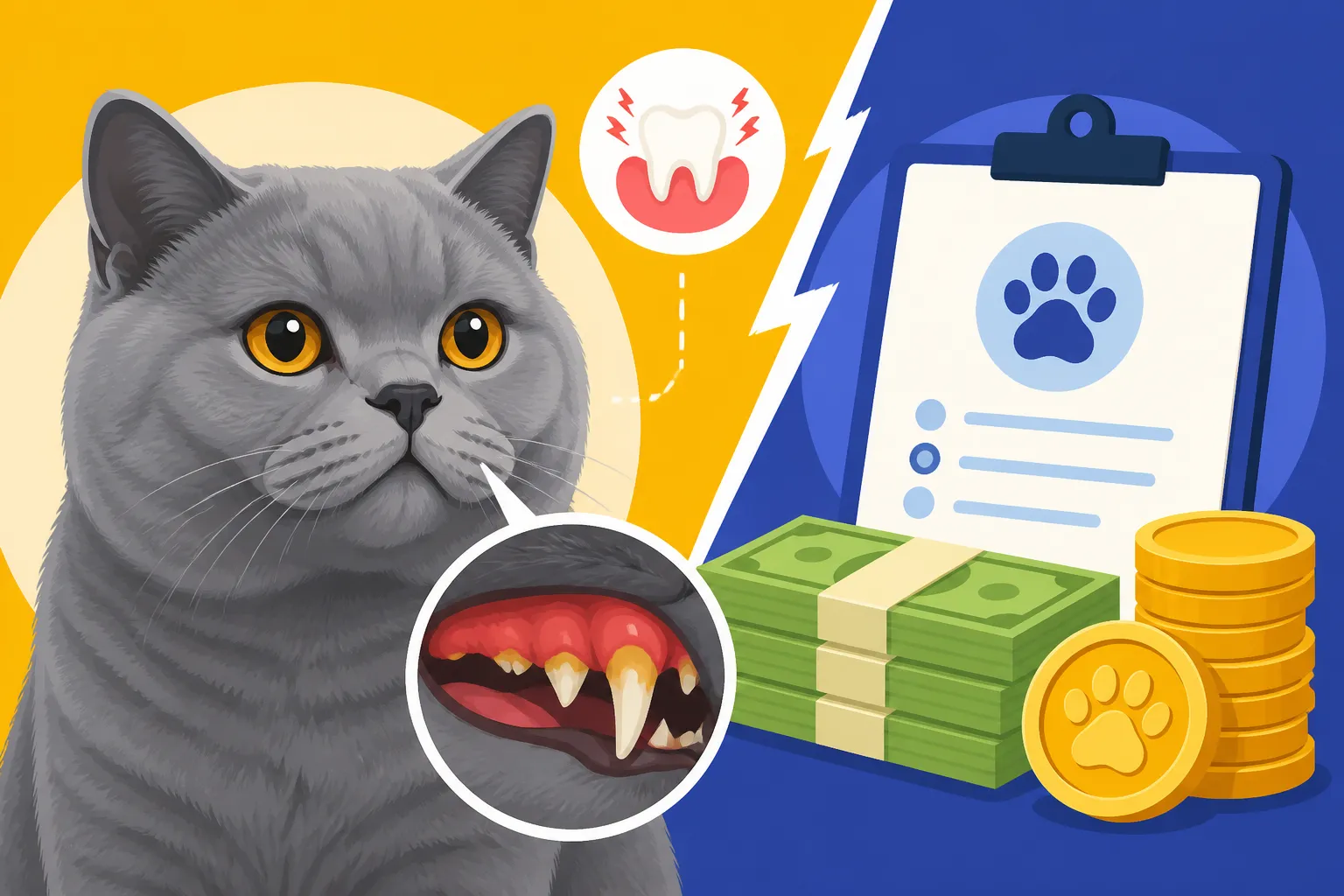
Beyond the smell, you might start to observe subtle changes in their eating habits. Perhaps they approach their food bowl with enthusiasm but then hesitate, or they might chew primarily on one side of their mouth. You might even notice them dropping food more often. When you do manage to get a peek inside their mouth, you could see gums that are redder than usual, swollen, or even bleeding slightly when they eat or when you attempt to brush their teeth. Sometimes, you might see visible plaque and tartar buildup, which looks like yellowish-brown crusts on the tooth surface, particularly near the gum line. Catching these early cues is crucial, as the longer gingivitis progresses, the more difficult and costly treatment becomes. Early intervention can truly save your cat from unnecessary suffering and your wallet from a much larger hit.
Initial Veterinary Consultation and Diagnosis Costs
When you first suspect gingivitis, your initial step will be a trip to the vet. This isn't just a casual visit; it's a critical diagnostic journey to accurately assess the extent of the problem and plan the most effective treatment. The costs associated with this phase are foundational and vary based on the thoroughness required and your vet's specific pricing structure.
The Cost of a Regular Check-up and Oral Exam
Your journey to treating your British Shorthair's gingivitis typically begins with a comprehensive veterinary check-up. During this initial consultation, your veterinarian will perform a full physical exam, including a thorough visual inspection of your cat's mouth. They'll lift lips, gently feel the jaw, and look for signs of inflammation, plaque, tartar, and any visible tooth damage or abnormalities. It's during this time that they'll often confirm the presence of gingivitis and assess its severity, perhaps even grading it from mild to severe.
The cost of this visit primarily covers the vet's time, expertise, and the use of their facilities. While a general exam might seem straightforward, a skilled veterinarian can glean a lot of information about your cat's overall health, which is crucial before any dental procedure. This initial assessment is incredibly valuable because early detection allows for less invasive, and therefore less costly, treatments. Think of it as preventative maintenance for their mouth; catching gingivitis when it's just mild redness and inflammation means you might avoid the expense and complexity of extractions later on. Regular check-ups are key, and understanding How Often a British Shorthair Needs a Wellness Exam can help keep these issues from escalating.
Diagnostics: Bloodwork and X-rays
Once gingivitis is suspected, especially if a professional dental cleaning under anesthesia is recommended, your vet will almost certainly suggest pre-anesthetic bloodwork and possibly dental X-rays. Many owners might wonder if these are truly necessary, but they are absolutely non-negotiable for your cat's safety and the effectiveness of the treatment. The blood panel provides a crucial snapshot of your British Shorthair's internal organ function, particularly their kidneys and liver, which are responsible for processing anesthetic drugs. This helps the vet tailor the safest possible anesthetic protocol for your individual cat, mitigating risks, which is especially important for a breed that needs to be carefully monitored during procedures.
Dental X-rays, on the other hand, are indispensable because roughly two-thirds of a cat's tooth structure lies hidden beneath the gum line. What looks like a minor issue on the surface could be a much more significant problem, like bone loss, root resorption (a very painful condition common in cats), or abscesses, which are only visible on radiographs. Without X-rays, your vet would essentially be working blind, missing painful conditions that would continue to cause discomfort long after a surface cleaning. The costs for these diagnostics cover the lab fees, the use of specialized X-ray equipment, and the veterinary technician's time to perform them. While these add to the upfront cost, they are vital investments in your British Shorthair's health and safety, ensuring that all issues, not just the visible ones, are addressed during the dental procedure.
The Price Tag of Professional Dental Cleaning and Treatment
So, you've got the diagnosis, and your vet has recommended a professional dental cleaning. This is where the bulk of the cost often comes in, and it's important to understand why. It's not just a quick brush-and-go like it might be for humans; a cat's dental procedure is a surgical event requiring careful planning, execution, and monitoring.
Anesthesia: The Biggest Cost Factor
When your British Shorthair undergoes a professional dental cleaning, anesthesia is absolutely paramount. Unlike a quick glance during a check-up, a thorough dental cleaning involves sharp instruments, high-speed scaling tools, and precise work, all of which would be impossible (and incredibly stressful, not to mention dangerous) on a conscious cat. The cost of anesthesia isn't just about the drug itself; it encompasses a whole suite of safety measures designed to protect your pet. This includes the time of a dedicated veterinary technician to monitor your cat's vital signs meticulously throughout the procedure – heart rate, respiration, blood pressure, oxygen saturation, and temperature are all watched like a hawk.
Furthermore, many clinics will use an IV catheter and fluids during anesthesia. This provides a direct route for emergency medications if needed, and the fluids help maintain blood pressure and support kidney function, aiding in a smoother recovery. The type of anesthetic agents used, the length of the procedure, and the level of monitoring equipment (from basic pulse oximeters to more advanced blood pressure cuffs and ECG machines) all contribute to the overall cost. For breeds like the British Shorthair, known for their calm demeanor, there might be a perception that anesthesia is less risky, but every cat is an individual, and careful monitoring is always key. It’s also wise to research Whether a British Shorthair Tolerates Anesthesia to understand any breed-specific considerations, though good clinics will always prioritize individualized care.
Scaling, Polishing, and Extractions
Once your British Shorthair is safely under anesthesia, the real work begins. The core of a professional dental cleaning involves ultrasonic scaling, which uses high-frequency vibrations to break down plaque and tartar both above and below the gum line. This is followed by hand scaling to ensure every surface is meticulously cleaned. After all the gunk is removed, the teeth are polished to create a smooth surface that is less hospitable for future plaque adhesion. These steps are standard for any dental cleaning and contribute a base cost to the procedure, covering the specialized equipment, materials, and the veterinary team's time.
However, the costs can escalate significantly if your cat's gingivitis has progressed to a point where extractions are necessary. If dental X-rays revealed painful root resorption, severe periodontal disease with bone loss, or abscessed teeth, those teeth must be removed to alleviate pain and prevent further infection. Extractions are essentially oral surgery. The cost per tooth can vary widely depending on its location and the complexity of the extraction (e.g., multi-rooted teeth like molars are harder to remove than single-rooted incisors). This often involves surgical instruments, sutures, and additional time under anesthesia. Your vet will also provide pain management for after the procedure, including injectable pain relief before they wake up and oral medications to go home with. It’s a sad reality that sometimes our British Shorthairs need quite a few teeth out, and this can dramatically increase the bill. This is why addressing Gingivitis in a British Shorthair early is so important; fewer extractions mean less pain for your cat and less strain on your budget.
Medications and Follow-up Care
After your British Shorthair's professional dental cleaning, particularly if extractions were performed or if there was significant infection, they will almost certainly be sent home with a course of medications. This typically includes antibiotics to combat any lingering bacterial infections, anti-inflammatory drugs to reduce swelling and discomfort, and specific pain relievers to keep them comfortable during their recovery. The cost of these medications will vary based on the type, dosage, and duration prescribed, but they are a non-negotiable part of ensuring a smooth and successful recovery.
Beyond the initial medications, your vet will likely schedule a follow-up appointment. This check-up, usually a week or two after the procedure, allows the vet to assess how well your cat is recovering, check the extraction sites, and ensure there are no complications. While some clinics might include this re-check in the overall dental package, others may charge a separate consultation fee. This follow-up care is crucial; it’s not just about addressing the immediate issue but ensuring your British Shorthair is on the path to long-term oral health. It can feel like an endless stream of bills, but each step is vital for their well-being.
Long-Term Management and Preventative Costs
Treating gingivitis isn't a one-and-done deal. It's an ongoing commitment, especially for a breed prone to dental issues. Once your British Shorthair has had a professional cleaning, the focus shifts to preventing recurrence and maintaining that hard-won oral health. This involves consistent at-home care and regular professional oversight, both of which come with their own set of costs.
At-Home Dental Care Products
Maintaining your British Shorthair’s oral health at home is the most impactful way to reduce the frequency and cost of future professional dental cleanings. This isn't just a suggestion; it's a vital part of their long-term care plan. The cornerstone of at-home care is brushing their teeth, and for this, you'll need pet-specific toothpaste (never human toothpaste!) and a small, soft toothbrush designed for cats, or even a finger brush. These items are relatively inexpensive, costing a few dollars each, but they are consumed over time and need regular replacement.
Beyond brushing, there's a wide array of other dental products available. These include dental wipes, oral rinses or gels that you apply directly to the gums, and water additives designed to reduce plaque buildup. While these don't replace brushing, they can be excellent supplements, especially for cats who are resistant to brushing. You might find a good selection of these on sites like Chewy, making it convenient to keep your supplies stocked. The initial outlay for these products is usually manageable, but remember, this is an ongoing expense. Consistency is key here; a few minutes a day or even every other day can make a significant difference in preventing plaque from hardening into tartar and keeping gingivitis at bay. Starting early, even when they're kittens, can make a huge difference in their acceptance, so it's a good idea to know How Young to Start Brushing a British Shorthair's Teeth.
Dental Diets and Treats
Another avenue for at-home dental care, particularly beneficial for those British Shorthairs who are less enthusiastic about toothbrushes, involves specialized dental diets and treats. These products are formulated with unique textures or ingredients designed to help clean teeth as your cat chews. Dental kibble often comes in larger, more fibrous pieces that encourage chewing and mechanically scrub the tooth surface, reducing plaque and tartar accumulation. There are also dental treats that have a similar effect, or some that contain enzymatic ingredients to help break down plaque.
While these specialized foods and treats can be more expensive than conventional options, they can be a worthwhile investment in your cat’s dental health, potentially reducing the need for frequent professional cleanings. Brands often offer various formulations, and it’s always best to consult with your veterinarian to choose the most appropriate dental diet or treat for your British Shorthair, especially if they have other dietary needs or sensitivities. It's not a magic bullet, but it's another tool in your arsenal against dental disease, and incorporating these into your British Shorthair's routine can be an effective way to maintain oral hygiene between vet visits.
Regular Professional Dental Cleanings
Even with diligent at-home care and dental diets, most British Shorthairs will still require regular professional dental cleanings throughout their lives. This is simply because plaque and tartar will inevitably accumulate, and only a professional cleaning under anesthesia can thoroughly remove buildup below the gum line and address any emerging issues. The frequency of these cleanings will depend on your individual cat's genetics, diet, and the effectiveness of your at-home routine. Some cats might need a cleaning every year or two, while others might be able to stretch it to every three or four years.
Each of these subsequent cleanings will incur similar costs to the initial procedure, including the vet examination, bloodwork, anesthesia, scaling, polishing, and any necessary extractions. These recurring costs can certainly add up over the lifespan of your British Shorthair, so it's essential to factor them into your overall pet care budget. Think of it as an ongoing commitment to their health and comfort. Understanding How Often a British Shorthair Needs a Dental is crucial for planning both their health and your finances. Skipping these can lead to a build-up of severe issues, ultimately resulting in even more expensive and painful procedures down the line.
Exploring Financial Assistance and Insurance Options
The costs associated with treating gingivitis, particularly severe cases requiring extractions, can be a real shock to the system for many pet owners. It’s completely understandable to feel overwhelmed when faced with a large, unexpected veterinary bill. Thankfully, there are options available to help mitigate this financial burden and ensure your British Shorthair gets the care they need.
Pet Insurance for Dental Coverage
Pet insurance can be an absolute lifesaver when it comes to unexpected veterinary expenses, including those related to dental health. Many pet insurance plans offer coverage for professional dental cleanings and treatments for dental diseases like gingivitis and periodontal disease. However, it's crucial to read the fine print. Most policies, even comprehensive ones, typically require that your pet has received a professional dental cleaning within a certain timeframe prior to enrollment, or they might have waiting periods for dental conditions. They also often exclude pre-existing conditions, so if your British Shorthair already has documented gingivitis before you get insurance, that specific issue might not be covered.
Some providers, like Healthy Paws, focus on accident and illness coverage, which often includes dental procedures for unexpected issues or injuries, but routine cleanings might be an add-on or not covered. You'll need to research what each policy specifically covers for dental care, including annual cleanings, extractions, and gum disease treatments. While monthly premiums are an added expense, the peace of mind and the potential for significant savings on a major dental procedure can make pet insurance an invaluable investment for your British Shorthair’s long-term health. It's definitely worth looking into Insuring a British Shorthair early in their life, before problems arise.
Payment Plans and Veterinary Aid Programs
For those without pet insurance, or when facing expenses that exceed coverage limits, navigating large vet bills can feel daunting. Many veterinary clinics understand this financial strain and offer various solutions. One common option is a payment plan directly through the clinic, allowing you to pay off the balance in installments over a set period. Another popular choice is third-party financing services, like CareCredit, which function like a credit card specifically for healthcare expenses, often offering interest-free periods if the balance is paid within a certain timeframe.
Beyond these, there are various veterinary aid programs and charitable organizations that may offer assistance to pet owners in need. These are often localized, so it’s worth asking your vet if they know of any local charities or funds that assist with emergency or essential veterinary care. While these options require some research and application, they can provide a crucial lifeline when faced with significant dental treatment costs. No one should have to choose between their pet's health and their financial stability, and these resources are designed to bridge that gap.
Comparative Costs: Mild vs. Severe Gingivitis
The financial impact of gingivitis can vary dramatically based on how severe the condition is when it's treated. This isn't just about a little more scaling; it's about the difference between a routine cleaning and complex oral surgery. Understanding this distinction can highlight the immense value of early detection and preventative care.
Cost Breakdown for Mild Cases
When your British Shorthair's gingivitis is caught in its early stages, the treatment costs are generally much more manageable. A mild case typically involves inflammation of the gums without significant attachment loss or bone damage. The treatment would usually consist of the initial vet consultation, pre-anesthetic bloodwork (which is always recommended for safety), and a comprehensive professional dental cleaning. This cleaning would primarily focus on ultrasonic scaling to remove plaque and tartar above and below the gum line, followed by polishing.
In these mild scenarios, extractions are usually not necessary, which significantly keeps the cost down. You might also have a simpler post-operative care plan, perhaps just a few days of anti-inflammatory medication and a less intensive follow-up. The overall cost will cover the vet's time, the technician's monitoring, anesthesia, cleaning supplies, and basic medications. This is the ideal outcome – early intervention means a healthier mouth for your cat, a quicker recovery, and a much lighter impact on your wallet. It's a testament to why regular check-ups and paying attention to subtle signs are so important. This is precisely why a lot of owners wish they had known about What a British Shorthair's First Dental Costs and how much it saves them in the long run.
Cost Breakdown for Advanced Cases
Now, let's talk about the more painful and financially demanding scenario: advanced gingivitis that has progressed into severe periodontal disease. This is where neglect of earlier signs can truly manifest into a complex and costly problem. In these cases, the inflammation has likely spread deep into the supporting structures of the teeth, leading to significant bone loss, deep pockets of infection, and potentially painful conditions like tooth resorption or abscesses.
The treatment for advanced cases will, of course, include the initial consultation, thorough bloodwork, and dental X-rays. However, the dental procedure itself becomes much more involved. It will almost certainly include multiple extractions, which, as discussed, are essentially surgical procedures requiring more time under anesthesia, more specialized tools, and more post-operative pain management. You might also be looking at additional costs for advanced imaging, nerve blocks to ensure deeper pain relief during and after extractions, and more extensive courses of antibiotics and anti-inflammatories. The recovery period might be longer, and the follow-up care more intensive. The emotional toll on both you and your cat can also be significant. This stark difference in complexity and cost truly underscores the importance of proactive dental care; waiting until the problem is severe means facing a much higher bill and a much more challenging journey for your beloved British Shorthair.
Here’s a comparison to help you visualize the potential costs involved in treating gingivitis in your British Shorthair:
| Service/Procedure | Mild Gingivitis (Estimated Cost Shape) | Severe Gingivitis (Estimated Cost Shape) |
|---|---|---|
| Initial Exam | Standard consultation fee, relatively low. | Standard consultation fee, relatively low. |
| Pre-anesthetic Bloodwork | Moderate, covers basic organ function screening. | Moderate to high, may include more extensive panels due to potential systemic impact. |
| Dental X-rays | Moderate, usually a full mouth series. | Moderate to high, crucial for identifying extensive bone loss and abscesses. |
| Anesthesia & Monitoring | Moderate, standard duration for cleaning. | High, longer duration due to complex extractions and advanced procedures. |
| Scaling & Polishing | Standard cost for comprehensive cleaning. | Standard cost, but often overshadowed by extraction fees. |
| Tooth Extractions | Generally none, or minimal (1-2 simple teeth). | High, multiple extractions common, can involve complex surgical extractions. |
| Medications | Low, short course of anti-inflammatories. | Moderate to high, longer courses of antibiotics, stronger pain relief. |
| Follow-up Care | Low, basic re-check. | Moderate, includes checking healing, potential additional treatments. |
| Total Impact | Manageable, primarily preventative. | Substantial, significant impact, akin to major surgery. |
This table illustrates that while any dental work will have a cost, addressing mild issues is significantly less burdensome than tackling severe, long-standing problems. It serves as a strong reminder that investing in preventative care and regular veterinary check-ups for your British Shorthair can save you a lot of heartache and money in the long run. Even a cat that’s Caring for an Old British Shorthair needs diligent dental attention as they age, as dental problems can worsen with time.
Disclaimer
This article is for general informational purposes only and does not constitute professional advice. Laws, prices and regulations vary by location and change over time. Consult a qualified professional for guidance on your specific situation.