What Treating a Diabetic British Shorthair Costs
Discovering your beloved British Shorthair has diabetes can be an incredibly overwhelming experience, leaving you worried not just about their health and well-being, but also the potential financial strain. It’s a chronic condition that requires dedicated management, and naturally, you want to know what this commitment truly entails. This comprehensive guide is here to walk you through the various costs associated with treating a diabetic British Shorthair, from the initial diagnosis to long-term care, helping you understand what to expect and how to prepare.
The Initial Shock: Diagnosis and Testing Costs
When your British Shorthair starts exhibiting symptoms like increased thirst, frequent urination, or unexplained weight loss despite a good appetite, your heart probably sinks. Getting to the bottom of these signs involves a series of diagnostic tests, and these initial investigations can quickly add up. Understanding these costs helps you brace for the journey ahead.
Veterinary Consultations and Basic Bloodwork
The first step is always a visit to your veterinarian. They’ll perform a thorough physical examination, discuss your cat's symptoms and history, and likely recommend a basic diagnostic panel. This typically includes a complete blood count (CBC) and a chemistry panel, which checks organ function and blood glucose levels. If elevated glucose is found, it's a strong indicator, but not always a definitive diagnosis of diabetes, as stress can temporarily raise a cat's blood sugar.
Beyond the initial blood tests, a urinalysis is almost always included. This test looks for glucose in the urine, which is a key sign of diabetes, as well as checking for urinary tract infections that can sometimes accompany the condition. The combination of these initial tests provides a crucial picture, setting the stage for more specific diabetic diagnostics. Each of these steps, from the consultation to the lab work, contributes to the initial cost of unraveling your cat's health mystery.
Confirming Diabetes: Glucose Curves and Fructosamine Testing
Once diabetes is suspected, your vet will need to confirm the diagnosis and determine the severity. This usually involves a fructosamine test, which measures the average blood glucose concentration over the past one to three weeks, giving a more accurate long-term picture than a single blood glucose reading. This helps differentiate between stress-induced hyperglycemia and true diabetes.
Another critical diagnostic tool is the glucose curve. This involves measuring your cat's blood glucose levels multiple times over a 12- to 24-hour period, often while they are hospitalized or through home monitoring. This curve helps the vet understand how your cat's body processes glucose throughout the day and, once insulin therapy begins, how well they respond to treatment. It's a detailed process that requires significant veterinary staff time or specific equipment for home use, adding to the initial financial outlay. For more information on what these tests reveal, you might find our article on Signs a British Shorthair Is Diabetic helpful.
The Daily Routine: Ongoing Insulin and Glucose Monitoring Expenses
Once your British Shorthair is diagnosed, managing their diabetes becomes a daily commitment, both in terms of time and finances. Insulin injections and consistent glucose monitoring are the cornerstones of successful treatment.
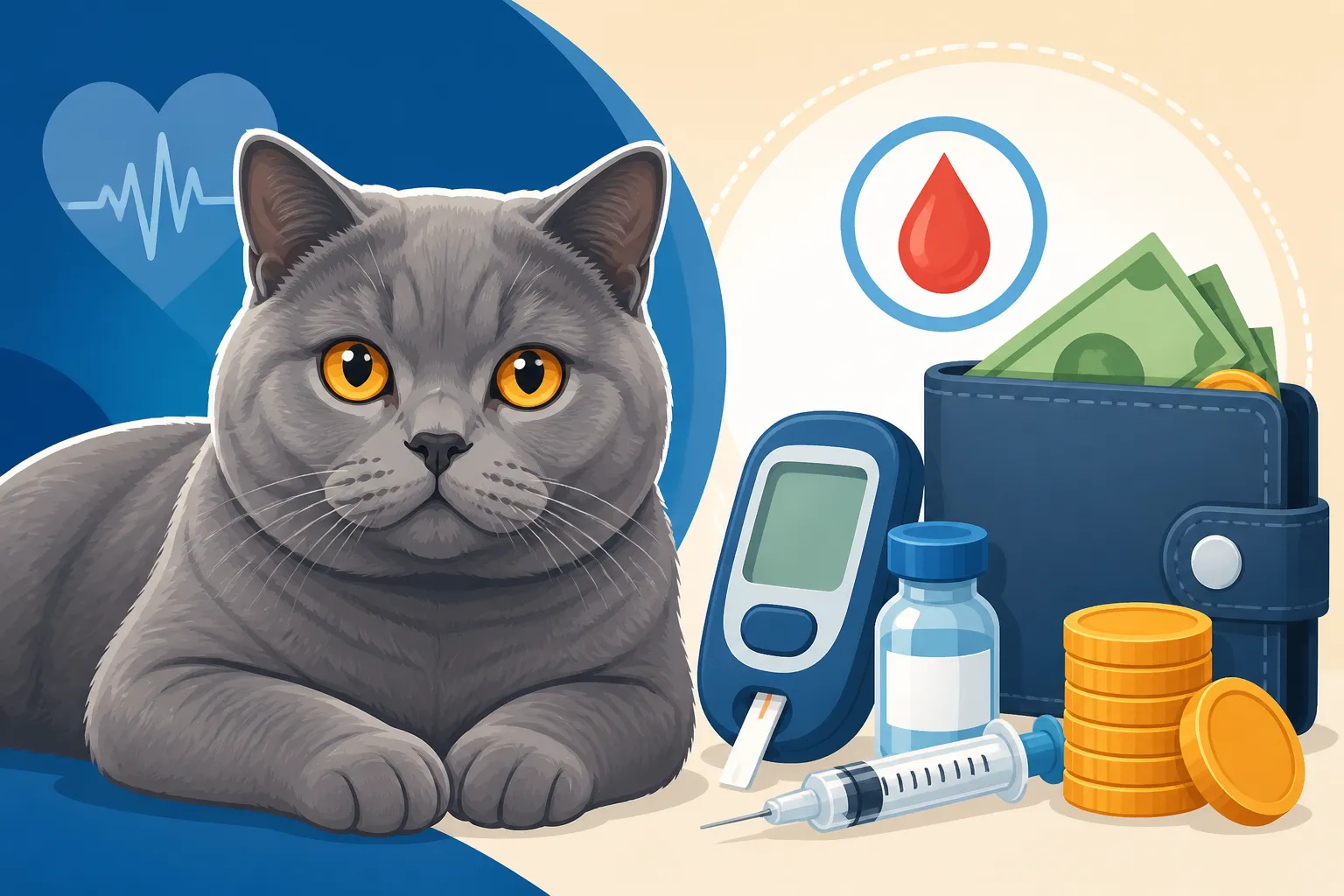
The Cost of Insulin and Syringes
Insulin itself is a regular, recurring expense. There are several types of insulin available for cats, and your veterinarian will prescribe the one best suited for your British Shorthair based on their individual needs. Some insulins come in multi-dose vials, while others come in pens designed for easier dosing. The cost can vary significantly depending on the type, brand, and where you purchase it. It's important to remember that insulin has a shelf life, especially once opened, so you'll be replacing it regularly, even if the vial isn't completely empty.
Along with the insulin, you'll need a steady supply of insulin syringes or pen needles. These are typically single-use items to ensure sterility and sharpness, making injections as comfortable as possible for your cat. These items, though individually inexpensive, add up over time as they are used daily, sometimes multiple times a day. You can often purchase these supplies, including various types of syringes, through online pet pharmacies or retailers like Chewy, which can sometimes offer competitive pricing and convenience with auto-ship options. For a deeper dive into these costs, consider reading What Insulin Costs a British Shorthair Owner a Month.
Glucose Monitoring Supplies and Vet Checks
Regular monitoring of your British Shorthair's blood glucose levels is absolutely essential to ensure the insulin dose is correct and to prevent dangerous fluctuations. This can be done at home with a pet-specific glucose meter, or by your vet. If you opt for home monitoring, you'll need the meter itself, test strips, and lancets for obtaining blood samples. The test strips, in particular, are a significant ongoing cost, as each test requires a new strip. While home monitoring can save on vet visits, the supplies themselves are a continuous expense.
Even with diligent home monitoring, regular veterinary check-ups and glucose curves performed at the clinic are still necessary. Your vet will want to assess your cat's overall health, review your home monitoring logs, and perform their own glucose curves or fructosamine tests periodically to fine-tune the treatment plan. These follow-up appointments, often every few weeks initially and then every few months, incur consultation fees and additional lab charges. Understanding these components of What Glucose Monitoring Costs a British Shorthair Owner can help you budget accurately.
Eating Right: Dietary Management and Prescription Food Costs
Diet plays an enormous, often underestimated, role in managing feline diabetes. A proper diet can help stabilize blood sugar levels, aid in weight management (which is crucial for diabetic cats), and sometimes even help achieve diabetic remission. However, these specialized diets come with their own price tag.
Prescription Diets: Dry vs. Wet
Most veterinarians will recommend a prescription diet specifically formulated for diabetic cats. These diets are typically high in protein and low in carbohydrates, mimicking the natural diet of a cat and helping to regulate blood glucose. They come in both dry kibble and wet food varieties. Wet food is often preferred for diabetic cats because it provides higher moisture content, which supports kidney health, and is usually even lower in carbohydrates than dry prescription diets.
The cost of prescription diets is generally higher than over-the-counter commercial cat foods. Whether you choose dry, wet, or a combination, this will be a consistent monthly expense. For a large, sturdy cat like a British Shorthair, they may consume a fair amount, so factor in the volume needed. Many pet owners find it convenient to order these specialized foods from online retailers like Chewy, which often stock a wide range of prescription diets and can deliver them directly to your door, sometimes with subscription discounts.
Exploring Alternative and Fresh Food Options
While prescription diets are the gold standard, some owners are interested in exploring other options, such as fresh food diets or carefully controlled homemade meals. The idea is often to provide a highly palatable diet that can be precisely portion-controlled. For instance, some pet parents explore fresh food delivery services to provide highly palatable, portion-controlled meals. While these options can be appealing, it's absolutely crucial to discuss any fresh food diet with your veterinarian to ensure it meets the precise nutritional requirements for a diabetic cat, as specialized prescription diets are formulated specifically for metabolic management.
Switching to or supplementing with fresh food, even if veterinarian-approved, can often be more expensive than commercial prescription diets, due to the cost of ingredients and preparation. It's a commitment to both time and money, and always requires strict adherence to veterinary nutritional guidelines to prevent worsening the condition or creating other deficiencies. Making an informed decision about your cat's diet is key, and our article Whether Prescription Food Is Worth It for a British Shorthair might provide additional insights.
When Things Go Wrong: Complications and Emergency Care Costs
Even with the best daily management, diabetic British Shorthairs can experience complications. These unexpected health crises can lead to significant and sudden veterinary expenses, adding another layer of financial consideration to owning a diabetic cat.
Treating Diabetic Ketoacidosis (DKA)
One of the most severe complications of untreated or poorly controlled diabetes is diabetic ketoacidosis (DKA). This life-threatening condition occurs when the body, lacking enough insulin to use glucose for energy, starts breaking down fat at a rapid rate, producing toxic byproducts called ketones. Symptoms can include severe lethargy, vomiting, dehydration, and a distinctive "fruity" breath odor. DKA requires immediate, intensive veterinary care, often involving hospitalization for several days.
Treatment for DKA is complex and expensive, including intravenous fluids, insulin drips, electrolyte monitoring and correction, and managing any underlying infections. The costs can quickly escalate into thousands, making it one of the most feared financial burdens for owners of diabetic cats. This is a situation where having pet insurance, or a dedicated emergency fund, can truly make a difference, as discussed in What a British Shorthair's Diabetic Emergency Costs.
Managing Neuropathy and Other Long-Term Issues
Beyond acute crises like DKA, poorly controlled diabetes can lead to chronic complications, one of the most common being diabetic neuropathy. This condition affects the nerves, often manifesting as weakness in the hind legs, causing your British Shorthair to walk with a "plantigrade" stance, where they walk flat on their hocks rather than on their toes. While often reversible with good glucose control, it can require ongoing supportive care, physical therapy, and potentially specific medications.
Other long-term issues can include increased susceptibility to urinary tract infections, dental disease, and even certain eye conditions, although cataracts are less common in diabetic cats than in dogs. Each of these complications requires veterinary diagnosis and treatment, adding further costs over the lifespan of your diabetic cat. Proactive care and strict blood sugar management are your best defenses against these extra expenses. These potential issues highlight the importance of understanding Diabetes in a British Shorthair in its full scope.
Shielding Your Wallet: The Impact of Pet Insurance and Prevention
Faced with the ongoing and potentially high costs of managing a diabetic British Shorthair, many owners turn to pet insurance or focus heavily on preventative measures. Both strategies can significantly ease the financial burden over time.
Pet Insurance: A Safety Net for Chronic Conditions
Pet insurance can be a lifesaver for managing chronic conditions like diabetes. However, it's crucial to understand how it works. Most pet insurance policies consider diabetes a pre-existing condition if your cat was diagnosed before you enrolled or during the waiting period. This means that if your cat already has diabetes, a new policy likely won't cover treatment for it. Therefore, the ideal time to get pet insurance is before any major health issues arise.
If your British Shorthair was insured before diagnosis, a policy from providers like Healthy Paws might cover a significant portion of the costs for insulin, syringes, monitoring supplies, prescription diets, and emergency treatments related to diabetes. Carefully reviewing policy details, deductibles, reimbursement percentages, and annual limits is vital to ensure you choose a plan that offers meaningful coverage for chronic conditions. Consider our article on Whether Insurance Covers a British Shorthair's Diabetes for more detailed information.
The Power of Prevention: Weight Management
While diabetes can have a genetic component, obesity is a massive risk factor, especially for British Shorthairs who are naturally prone to gaining weight. Maintaining a healthy weight for your British Shorthair through appropriate portion control and encouraging exercise is one of the most powerful preventative measures against developing diabetes. A British Shorthair that is already overweight and then diagnosed with diabetes faces a more challenging and often more expensive treatment path.
Investing in high-quality, portion-controlled food from the start, engaging in regular play, and monitoring their weight can save you significantly in potential future diabetes treatment costs. It's a proactive approach that prioritizes their overall health and longevity. Our article Obesity Is the British Shorthair's Real Disease delves deeper into the challenges of weight management in this wonderful breed. Remember, keeping your British Shorthair at a healthy weight not only reduces the risk of diabetes but also minimizes the chances of other costly health issues like arthritis and fatty liver disease.
The Long Road Ahead: Financial Planning for a Diabetic British Shorthair
Living with a diabetic British Shorthair means a long-term financial commitment. While the costs can seem daunting, with careful planning and consistent management, it's entirely possible to provide a good quality of life for your feline companion.
Estimating Monthly and Yearly Costs
The average monthly cost for treating a diabetic British Shorthair can fluctuate significantly based on the type of insulin, brand of supplies, chosen diet, and frequency of vet visits. However, it's safe to say you'll be looking at ongoing expenses for insulin, syringes, glucose test strips, and prescription food. Even with careful home monitoring, periodic vet checks and blood tests will be necessary.
| Cost Category | Initial Diagnosis (Estimate) | Monthly Ongoing (Estimate) | Yearly Ongoing (Estimate) |
|---|---|---|---|
| Vet Consults/Exams | Significant | Moderate | Moderate to High |
| Blood Tests (Fructosamine, CBC, Chemistry) | Significant | Moderate | Moderate |
| Urinalysis | Moderate | Occasional | Moderate |
| Insulin | N/A | Moderate to High | High |
| Syringes/Needles | N/A | Low to Moderate | Moderate |
| Glucose Meter/Strips | Moderate | Moderate | High |
| Prescription Food | N/A | Moderate to High | High |
| Emergency Care (DKA) | Potentially Very High | N/A | Potentially Very High |
| Other Medications | Occasional | Occasional | Moderate |
Note: These are general estimates and actual costs will vary widely based on location, veterinarian, specific brand of insulin/supplies, and the individual cat's needs.
It's wise to create a dedicated budget for your cat's diabetes care. This budget should encompass not only the regular expenditures but also an emergency fund for unexpected complications. Discussing the full scope of potential costs with your vet, including What a British Shorthair's Diabetes Workup Costs and subsequent expenses, is a good starting point for detailed financial planning.
Prioritizing Quality of Life
Beyond the numbers, the ultimate goal of all this care and financial investment is to ensure your British Shorthair maintains a good quality of life. Consistent blood glucose control is paramount to prevent suffering and complications. This means adhering strictly to medication schedules, feeding the prescribed diet, and performing necessary monitoring.
While the financial commitment is real, the joy and companionship your British Shorthair brings are priceless. With proper management, many diabetic cats can live long, happy lives. Regular communication with your veterinarian, prompt attention to any changes in your cat's health, and a consistent routine will be your best allies in navigating this journey. Understanding How Long a British Shorthair Lives After an HCM Diagnosis, though a different condition, similarly emphasizes the importance of dedicated care for chronic health issues.
Disclaimer
This article is for general informational purposes only and does not constitute professional advice. Laws, prices and regulations vary by location and change over time. Consult a qualified professional for guidance on your specific situation.