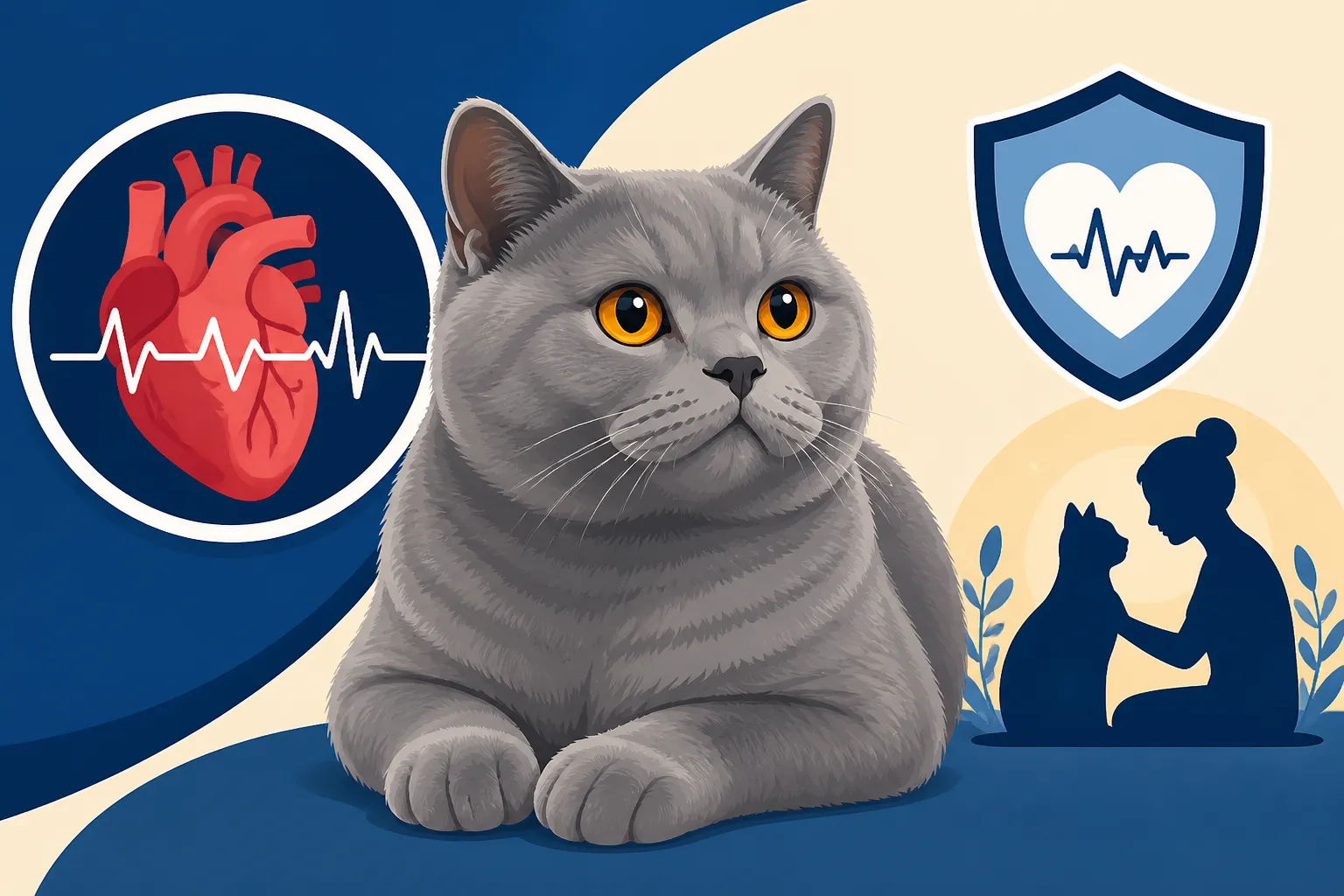
How Long a British Shorthair Lives After an HCM Diagnosis
Learning that your beloved British Shorthair has been diagnosed with Hypertrophic Cardiomyopathy (HCM) is truly heartbreaking. It's a moment when your mind races with questions, the most urgent often being, "How much time do I have left with my sweet companion?" It's a natural and valid fear, and it leaves many of us feeling lost and desperately searching for answers. This guide aims to shed light on what life looks like for a British Shorthair after an HCM diagnosis, offering realistic expectations and hope.
Understanding the Variability of an HCM Diagnosis
When a veterinarian delivers an HCM diagnosis, it's rarely a one-size-fits-all prognosis. The condition itself, characterized by a thickening of the heart muscle, manifests differently in every cat. This means that predicting exactly how long a British Shorthair will live after diagnosis is incredibly challenging, and depends on a myriad of factors unique to each individual. The range can be startlingly wide, from mere weeks or months in aggressive, rapidly progressing cases to several years for those with slower progression and excellent management. It's truly a spectrum, and understanding where your British Shorthair falls on that spectrum is the first step.
The Silent Killer: Early Stages vs. Advanced Disease
One of the most frustrating things about HCM is how stealthy it can be. Many British Shorthairs live for years without showing any outward signs, which is why routine screenings are so important. When a diagnosis is made, the stage of the disease at that point dramatically impacts the outlook.
- Early Stage/Asymptomatic HCM: If your British Shorthair is diagnosed in an early, asymptomatic stage – perhaps through a routine cardiac ultrasound (echo) before any symptoms appear – the prognosis can be significantly better. These cats often have less severe thickening and may not yet be experiencing secondary complications. With careful monitoring and appropriate intervention, some can live for many years with a good quality of life. The aim in these cases is to slow the progression and prevent the development of more serious issues. This is why many breeders insist on regular screenings to catch the disease early, even though unfortunately, there is no British Shorthair HCM gene test available that works reliably for the breed.
- Advanced Stage/Symptomatic HCM: Conversely, if the diagnosis comes when your British Shorthair is already showing signs of heart failure, such as lethargy, loss of appetite, or difficulty breathing, the outlook is generally more guarded. These symptoms indicate that the heart's ability to pump blood effectively is severely compromised. Managing these cats often involves more aggressive medication protocols to control symptoms and improve comfort, but the underlying damage is more extensive, potentially shortening their remaining lifespan considerably. Learning to recognize the Signs a British Shorthair Has Heart Disease is crucial for any owner.
Individual Factors That Influence Survival
Beyond the stage of the disease, your British Shorthair's unique biology and circumstances play a huge role. No two cats are exactly alike, and neither are their responses to HCM.
- Age at Diagnosis: Generally, British Shorthairs diagnosed at a younger age (especially under two years old) tend to have a more aggressive form of the disease, and their prognosis can be tougher. HCM often appears in a British Shorthair between two and five years of age, but it can occur at any point. Older cats diagnosed with HCM might have a slower-progressing form or other age-related conditions that complicate treatment.
- Severity of Heart Thickening and Function: The degree of heart muscle thickening, and how much it impedes the heart's function, is a primary indicator. A veterinary cardiologist will assess several measurements during an echo, such as left ventricular wall thickness and atrial size. More severe thickening and enlargement of the left atrium often correlate with a higher risk of complications and a poorer prognosis.
- Presence of Other Health Conditions: A British Shorthair with HCM that also has other health issues, such as kidney disease, diabetes, or even severe dental problems, might face additional challenges. These conditions can interact with HCM, making treatment more complex and potentially reducing overall lifespan. For instance, the medications used to manage HCM might need adjustment if kidney function is compromised.
Factors That Positively Impact Lifespan After Diagnosis
While an HCM diagnosis is incredibly scary, it's not an immediate death sentence. Many British Shorthairs can live fulfilling lives for months or even years post-diagnosis with the right care and dedication from their owners. The key lies in proactive management and an unwavering commitment to their well-being. Focusing on what you can control can make a significant difference.
Aggressive Management and Regular Veterinary Care
Once diagnosed, a structured and consistent veterinary care plan becomes your most powerful tool. This isn't just about medications; it's about a holistic approach to your cat's cardiac health.
- Medication Protocols: For most British Shorthairs with HCM, medication becomes a lifelong necessity. Common medications include beta-blockers (like atenolol), calcium channel blockers (like diltiazem), and ACE inhibitors (like benazepril), which help relax the heart muscle, improve blood flow, and reduce strain. Diuretics (like furosemide) might be prescribed if congestive heart failure is present to remove excess fluid. Anticoagulants (like clopidogrel) are often given to reduce the risk of clot formation, which is a terrifying complication we'll discuss later. Adhering strictly to the prescribed dosage and schedule, even if your cat seems to feel fine, is absolutely critical. Missing doses can have serious repercussions. You can learn more about Which Medication a British Shorthair With HCM Takes in another article.
- Regular Cardiac Ultrasounds (Echos): These are vital for monitoring the disease's progression and assessing the effectiveness of medication. Your vet or a board-certified veterinary cardiologist will recommend a schedule, often every 6-12 months, or more frequently if the disease is rapidly progressing or medications are being adjusted. These periodic check-ups allow for timely changes to treatment plans before your cat shows outward signs of decline. Understanding How Often a British Shorthair Needs an Echo is an important part of their ongoing care.
- Specialist Consultations: Whenever possible, having a board-certified veterinary cardiologist oversee your British Shorthair's care can be invaluable. These specialists have advanced training and equipment to provide the most precise diagnosis and tailored treatment plans. They can interpret complex echo results and suggest the most effective drug combinations. While the cost of a British Shorthair's echo or specialist visit can add up, pet insurance providers like Healthy Paws often cover a significant portion of these diagnostic and treatment expenses, which can be a huge relief for owners.
The Role of Lifestyle and Home Environment
Your British Shorthair's daily life at home profoundly impacts their stress levels and overall health, both of which are critical when managing a chronic condition like HCM.
- Stress Reduction: Cats are creatures of habit and sensitive to change. Stress can elevate heart rate and blood pressure, putting extra strain on an already compromised heart. Maintaining a consistent routine, providing safe and quiet spaces, and minimizing sudden changes in the home environment can help keep your British Shorthair calm. Feliway diffusers, calming pheromone collars, and ensuring they have their favorite resting spots can contribute to a peaceful atmosphere.
- Dietary Management: While there isn't a specific "HCM diet," a high-quality, balanced diet is essential. If your British Shorthair also has kidney disease (which can sometimes co-exist or develop as a complication), a prescription renal diet might be necessary. Some vets may recommend a low-sodium diet to help manage fluid retention, especially if your cat is prone to congestive heart failure. Always discuss any dietary changes with your vet or cardiologist. It's also vital to ensure they maintain a healthy weight, as obesity puts additional strain on the heart.
- Careful Monitoring by Owners: You are your cat's best advocate. Learn to recognize subtle changes in their behavior, appetite, and breathing. Regularly monitor their resting respiratory rate (breaths per minute while sleeping peacefully). An increase can be an early sign of fluid accumulation in the lungs, indicating congestive heart failure. Keep a log of medications and any observations to share with your vet during appointments. This proactive monitoring can alert you to problems early, allowing for quicker intervention.
Here's a quick overview of factors impacting lifespan post-diagnosis:
| Factor | Positive Impact | Negative Impact |
|---|---|---|
| Stage of Diagnosis | Early, asymptomatic detection | Advanced, symptomatic heart failure |
| Disease Progression | Slow, stable thickening | Rapid, aggressive thickening |
| Medication Adherence | Consistent, correct dosage | Missed doses, inconsistent treatment |
| Vet Care | Regular check-ups, specialist consults | Infrequent visits, delayed intervention |
| Stress Levels | Calm, predictable home environment | High stress, frequent changes |
| Overall Health | No other major concurrent illnesses | Co-existing kidney disease, diabetes, etc. |
| Complications | Absence of blood clots or heart failure | History of saddle thrombus, recurrent CHF |
Common Complications and How They Affect Prognosis
The sad reality of HCM is that it often leads to severe complications that can drastically shorten a British Shorthair's lifespan and diminish their quality of life. Being aware of these potential issues allows you to be vigilant and seek immediate veterinary attention when necessary. Facing these complications is incredibly difficult, and knowing what to expect can help you make informed decisions for your pet.
Congestive Heart Failure (CHF)
Congestive Heart Failure is a major concern for British Shorthairs with advanced HCM. It occurs when the heart's pumping ability becomes so inefficient that fluid backs up into the lungs (pulmonary edema) or around the lungs (pleural effusion), making it incredibly difficult for your cat to breathe.
- Symptoms: Signs of CHF include rapid or labored breathing (panting, open-mouth breathing), coughing (though less common in cats than dogs), lethargy, loss of appetite, and hiding. If you notice your British Shorthair breathing hard, especially with an increased resting respiratory rate (normal is typically 20-30 breaths per minute while sleeping), it's a medical emergency.
- Treatment: CHF requires immediate veterinary attention. Treatment typically involves diuretics to remove excess fluid, oxygen therapy, and sometimes other heart medications. While CHF can be managed, recurrent episodes indicate a more severe disease state and generally lead to a significantly reduced lifespan. It's a critical turning point for many cats with HCM.
- Impact on Lifespan: Once a British Shorthair experiences a bout of CHF, especially if it recurs, the prognosis often becomes much more guarded. Survival times can range from a few months to a year or two, depending on how well the condition responds to medication and how frequently episodes occur. The goal becomes managing comfort and preventing future crises.
Arterial Thromboembolism (Saddle Thrombus)
This is one of the most devastating complications of HCM, often referred to as "saddle thrombus." It occurs when blood clots form in the enlarged left atrium of the heart, break off, and travel through the bloodstream, eventually lodging in an artery. Most commonly, these clots block the arteries supplying blood to the hind legs, leading to sudden paralysis, intense pain, and cold hind limbs.
- Symptoms: The onset is sudden and dramatic. Your British Shorthair might suddenly cry out in pain, drag their hind legs, or be unable to use them. The affected limbs will feel cold to the touch and the paw pads might appear bluish or pale. This is an extreme emergency.
- Treatment: Immediate veterinary care is crucial, but treatment options are limited and often unsuccessful. It involves pain management, clot-dissolving drugs (which carry significant risks), and supportive care. Even if the cat survives the initial crisis, there's a high risk of recurrence. This is why many vets prescribe anticoagulants as a preventative measure for cats at high risk. You might find it helpful to read about How a British Shorthair Throws a Clot for more detailed information.
- Impact on Lifespan: A saddle thrombus is often a terminal event or leads to euthanasia due to the severe pain and poor prognosis. If a cat does survive, the quality of life can be significantly impacted, and recurrence is common. For those who recover from a single event, survival can range from a few weeks to several months, but it's a grim complication. The emotional and financial toll of such an event can also be immense, highlighting the value of pet insurance from providers like Healthy Paws to cover the cost of emergency care and ongoing medication.
Realistic Expectations and Quality of Life
It's tough to hear, but there's no single number that defines how long a British Shorthair lives after an HCM diagnosis. The journey is highly individual, filled with ups and downs. However, setting realistic expectations and prioritizing your cat's comfort and happiness can make all the difference in navigating this challenging time. The ultimate goal is always to maximize their quality of life for as long as possible.
Average Lifespan Ranges
While individual outcomes vary wildly, we can look at some broad averages to give you a clearer picture. It’s important to remember these are just averages, and your cat could fall outside these ranges.
- Asymptomatic British Shorthairs: For British Shorthairs diagnosed incidentally (meaning they showed no symptoms) during a routine echo, and whose disease is stable or slowly progressive, the outlook can be surprisingly good. Many can live for an additional 2 to 5 years, and some even longer, especially if managed aggressively. This means regular vet visits, consistent medication, and vigilant monitoring at home. Early diagnosis truly is key here.
- Symptomatic British Shorthairs (Mild Symptoms): If your British Shorthair is showing mild signs, such as slight lethargy or reduced activity, but hasn't yet gone into full congestive heart failure, the prognosis might be 1 to 3 years with good medical management. The focus will be on controlling symptoms and preventing progression to more severe stages.
- Symptomatic British Shorthairs (Congestive Heart Failure/Thromboembolism): For those British Shorthairs who have experienced congestive heart failure or, even more severely, a saddle thrombus, the prognosis is much poorer. Survival times after the first episode of CHF are often in the range of 6 to 18 months, though some cats can surprise us. After a saddle thrombus, if a cat survives the initial crisis, the median survival time is typically only weeks to a few months due to high recurrence rates and severe pain. This is the most challenging scenario for owners and vets alike.
It's also worth noting that generally, British Shorthairs can live anywhere from The Twelve to Seventeen Years a British Shorthair Gets in a normal healthy life, so any diagnosis that shortens this naturally leads to immense concern.
Prioritizing Comfort and Well-being
Regardless of the prognosis, your absolute priority should shift to your British Shorthair's comfort, happiness, and overall well-being. This often means making difficult decisions and constantly assessing their quality of life.
- Pain Management: If your British Shorthair is experiencing discomfort, whether from the disease itself or from complications like a saddle thrombus, effective pain management is paramount. Discuss options with your vet to ensure your cat is as comfortable as possible.
- Monitoring Quality of Life: This is a continuous process. Keep an honest eye on your cat's daily activities. Are they still eating? Drinking? Using the litter box? Do they still enjoy interactions, even if they're less active? Are they experiencing more "bad days" than "good days"? Tools like the HHHHHMM scale (Hurt, Hunger, Hydration, Hygiene, Happiness, Mobility, More good days than bad) can help you objectively assess their quality of life. Be honest with yourself and your vet.
- Making Difficult Decisions: There may come a time when, despite all efforts, your British Shorthair's quality of life diminishes to an unacceptable level. This is perhaps the hardest decision any pet owner faces. Knowing when to say goodbye, with the guidance of your veterinary team, is an act of profound love and compassion. It’s about preventing prolonged suffering, and it’s okay to acknowledge the immense pain this brings. Resources like pet loss support groups or hotlines can provide comfort during this incredibly difficult time. Even after the hardest goodbyes, services like Healthy Paws can sometimes offer support for final expenses, providing a small comfort during an overwhelming period.
Living with a British Shorthair diagnosed with HCM is a journey of vigilance, love, and difficult decisions. While the prognosis can be uncertain, focusing on early detection, consistent medical care, and above all, your cat's comfort and happiness, can help you both navigate this path with as much grace and love as possible.
Disclaimer
The information provided in this article is for general informational purposes only and is not intended as a substitute for professional veterinary advice. Always consult with a qualified veterinarian or veterinary cardiologist for any health concerns or before making any decisions about your British Shorthair's medical care.