How a British Shorthair Is Blood Typed
It can be incredibly nerve-wracking to think about your beloved British Shorthair facing an emergency, especially when a critical detail like blood type could be the difference between life and death. Many owners don't realize that not all feline blood is the same, and misunderstanding your cat's specific type can have serious consequences, particularly for this unique breed. This guide will walk you through why knowing your British Shorthair's blood type is so vital and exactly how this crucial test is performed.
Why Blood Typing Is Essential for Your British Shorthair
You might think blood type is only something humans need to worry about, but it’s just as important, if not more so, for our feline friends, especially for breeds like the British Shorthair. These wonderful cats have a particular genetic predisposition that makes understanding their blood type absolutely non-negotiable for their health and safety. It's not just about what happens in an emergency; it's also a critical piece of information for responsible breeding.
Transfusions and Emergencies
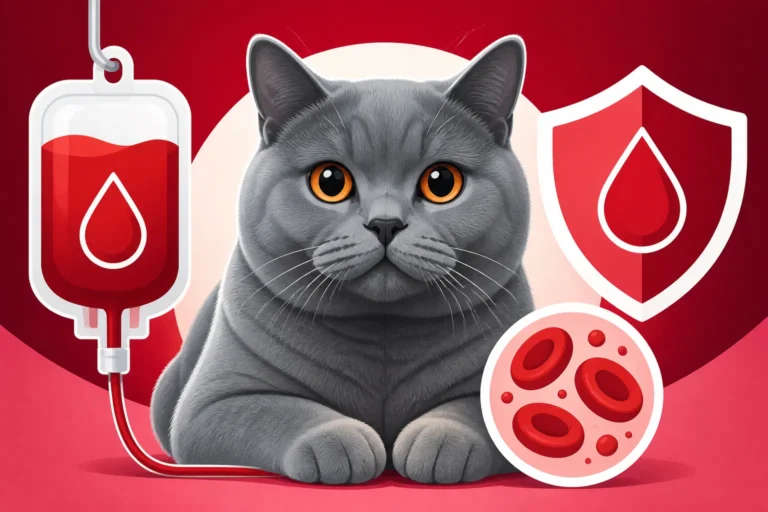
Imagine your British Shorthair, perhaps a normally calm and stoic companion, suddenly needs emergency surgery or has suffered an accident. Your vet might recommend a blood transfusion. This is where knowing their blood type becomes paramount. Unlike humans, cats have very strong naturally occurring antibodies against other blood types. If your British Shorthair, who might be Which Blood Types a British Shorthair Can Have, receives the wrong blood type during a transfusion, their immune system will launch a devastating attack on the foreign red blood cells. This severe reaction, known as a hemolytic transfusion reaction, can be fatal.
It's a scenario no pet parent ever wants to face, but being prepared can make all the difference. Having your cat's blood type on file with your vet means they can act quickly and confidently in an emergency, ensuring your cat receives compatible blood right away. This can save precious time and, ultimately, your cat's life. Even if you have pet insurance like Healthy Paws, which helps cover emergency costs, the time saved by having this information readily available is priceless. Knowing Why Blood Type Matters for a British Shorthair Transfusion ahead of time alleviates a huge burden in a crisis situation.
Breeding Concerns and Neonatal Isoerythrolysis
For British Shorthair breeders, blood typing isn't just a good idea; it's a fundamental aspect of responsible breeding practices. The primary concern here is a devastating condition called Neonatal Isoerythrolysis (NI), which affects newborn kittens. This happens when a queen (female cat) with Type B blood is bred to a tom (male cat) with Type A or Type AB blood, and the resulting kittens inherit Type A or AB blood from the father.
When these Type A or AB kittens nurse from their Type B mother, they ingest her colostrum (the first milk). The Type B mother's colostrum contains strong anti-A antibodies that attack and destroy the Type A or AB red blood cells in her kittens. The outcome can be tragic, with kittens developing severe anemia, jaundice, and fading within the first few days of life. This is What Neonatal Isoerythrolysis Does to a British Shorthair Kitten. Understanding Which British Shorthair Pairing Causes Neonatal Isoerythrolysis is crucial to prevent such heart-wrenching losses. By blood typing both prospective parents, breeders can make informed decisions to avoid incompatible pairings, ensuring healthy litters and preventing unnecessary suffering.
General Health Information and Proactive Care
Beyond emergencies and breeding, knowing your British Shorthair's blood type contributes to a more complete understanding of their individual health profile. While it might seem like a small detail, it's one more piece of the puzzle that helps your veterinarian provide the most comprehensive care throughout your cat's life. For example, if your cat's blood type is known, it can be added to their permanent medical record, making future veterinary visits and potential treatments smoother and safer.
It’s also important to consider if Whether a Pet British Shorthair Needs Blood Typing. For a spayed or neutered British Shorthair who will never be used for breeding, the urgency might seem less immediate than for a breeding animal. However, the potential for emergency transfusions remains. Having this information empowers you as an owner to advocate for your cat's health, ensuring that any medical team attending to them has all the necessary details. It's a proactive step in lifelong care.
The Unique Feline Blood Type System
The world of feline blood types is a bit simpler than the human ABO system, but it holds unique complexities, especially for certain breeds. Understanding these types and their prevalence in your British Shorthair is key to grasping why testing is so important. It's not just a random assignment; it's a genetic trait with real-world implications.
The A, B, and AB System
For domestic cats, including our beloved British Shorthairs, there are three primary blood types within the AB system: Type A, Type B, and Type AB.
- Type A: This is by far the most common blood type in the general cat population. Cats with Type A blood have A antigens on their red blood cells and naturally occurring low levels of anti-B antibodies in their plasma. This means they can generally receive Type A blood without issue, but receiving Type B blood would be dangerous.
- Type B: This type is less common overall but significantly prevalent in specific breeds, including the British Shorthair. Cats with Type B blood have B antigens on their red blood cells and possess very strong, naturally occurring anti-A antibodies. This is the critical part: these strong anti-A antibodies mean that a Type B cat receiving even a tiny amount of Type A blood will experience a severe and often fatal transfusion reaction.
- Type AB: This is the rarest blood type in cats. Cats with Type AB blood have both A and B antigens on their red blood cells but do not have anti-A or anti-B antibodies. They are considered "universal recipients" because they can safely receive either Type A or Type B blood. However, finding a Type AB donor can be challenging due to its rarity.
The presence of these naturally occurring antibodies, especially the potent anti-A antibodies in Type B cats, is what makes careful blood typing so essential. It's not something that develops after exposure, but rather something cats are born with.
Prevalence in British Shorthairs
Here’s where it gets particularly interesting, and why British Shorthair owners need to pay close attention. While Type A blood is the most common across most cat breeds, the British Shorthair is one of the breeds with a significant percentage of individuals carrying Type B blood. In fact, studies show that a substantial portion of British Shorthairs, sometimes reported to be between 25-50% in certain regions, are Type B. This is a much higher prevalence than in many other breeds, where Type B might be found in less than 5% of the population.
This high prevalence of Type B blood in British Shorthairs is a direct result of their genetic lineage and has major implications for both emergency care and breeding. Understanding Why Type B Is So Common in British Shorthairs is vital for breeders to make sound decisions and for owners to be prepared. This breed’s genetic makeup truly puts them in a special category when it comes to blood typing.
Why Type B Is So Critical
The critical nature of Type B blood in British Shorthairs stems from those very strong anti-A antibodies mentioned earlier. If a Type B British Shorthair requires a blood transfusion and accidentally receives Type A blood, the reaction is rapid and severe. Symptoms can include fever, vomiting, diarrhea, collapse, and ultimately, death. This isn't a mild incompatibility; it's a profound immune system rejection.
For breeding, as discussed, a Type B queen bred to a Type A or AB tom can lead to What Neonatal Isoerythrolysis Does to a British Shorthair Kitten where Type A or AB kittens absorb their mother's lethal anti-A antibodies through her colostrum. Even a seemingly healthy kitten can fade quickly if this occurs. This is why breeders must prioritize blood typing all their breeding cats to prevent this heartbreaking condition. A significant number of British Shorthairs are Type B, so the risk of an incompatible breeding is much higher than in other breeds. This also impacts How Many British Shorthairs Are Blood Type B within the population and highlights the importance of universal screening.
How Your British Shorthair Is Blood Typed
Knowing that blood typing is important is one thing, but understanding the practical steps involved can help you feel more prepared. There are a couple of main methods veterinarians and breeders use to determine a British Shorthair's blood type, each with its own advantages and suitable situations. Whether you're at your local vet clinic or sending a sample to a specialized lab, the process is straightforward.
Card Agglutination Test The Quick Test
One of the most common and fastest methods for blood typing a cat is the card agglutination test, often referred to as a "quick test" or "gel column assay." These tests are usually performed in-clinic by your veterinarian or veterinary technician and provide results within minutes.
The process is relatively simple: a small blood sample is collected from your cat, typically from a leg vein. This blood is then mixed with reagents on a special card or in a gel column designed to detect A and B antigens. If agglutination (clumping) occurs in the A-detecting reagent, the cat is Type A. If clumping occurs in the B-detecting reagent, the cat is Type B. If both clump, it's Type AB. The beauty of this test is its speed, making it invaluable in emergency situations where time is of the essence. However, while generally reliable, these tests can sometimes be subject to user interpretation or the quality of the sample, so a confirmatory test might be recommended in some critical scenarios or for breeding purposes.
DNA Test Genetic Lab Test
For definitive and highly accurate blood typing, especially for breeding British Shorthairs, a DNA test is often the preferred method. This involves sending a sample to a specialized genetic testing laboratory. The DNA test identifies the actual genes responsible for expressing the A and B blood types.
To perform a DNA test, your vet will typically collect a buccal swab (a swab from inside your cat's cheek) or a blood sample. This sample is then sent to a laboratory like UC Davis Veterinary Genetics Lab, which is renowned for its comprehensive genetic testing services for various animal breeds. The lab analyzes the genetic markers associated with feline blood types, providing a precise result. This method can also identify if a Type A cat carries the Type B gene, meaning they are genetically A/b. This 'carrier' status is important for breeders to know to avoid inadvertently producing Type B offspring when paired with another carrier or a Type B cat. While results take a bit longer (usually a few days to a couple of weeks), the accuracy is exceptionally high, making it the gold standard for breeders. What the British Shorthair Blood Type Test Costs can vary between these methods and clinics.
Sample Collection Process
Regardless of the specific test chosen, the initial step always involves collecting a biological sample from your British Shorthair. For an in-clinic quick test or a lab-based blood DNA test, a small amount of blood will be drawn. This is usually a quick procedure, similar to how your vet would take blood for routine lab work. Your cat’s leg might be shaved slightly and disinfected before the needle is inserted into a vein. Most British Shorthairs tolerate this well, often with just a little gentle restraint.
For a DNA test using a buccal swab, the process is even less invasive. Your vet (or you, if the lab provides a kit for owner collection) will gently rub a specialized swab along the inside of your cat's cheek for a short period. This collects epithelial cells that contain DNA. It's painless and quick, making it a good option for cats who are particularly anxious about needle pokes. Once collected, the samples are carefully packaged and sent to the appropriate lab, or processed immediately if it's an in-clinic quick test.
| Feature | Card Agglutination (Quick Test) | DNA Test (Genetic Lab) |
|---|---|---|
| Method | Detects antigens on red blood cells | Identifies genetic markers for blood type |
| Sample Type | Blood | Blood or Buccal Swab |
| Result Time | Minutes | Days to 2 weeks |
| Accuracy | High, but can be subjective | Very High (Gold Standard) |
| Cost | Generally lower per test | Generally higher, but one-time for breeding animals |
| Identifies Carriers? | No | Yes (e.g., A/b gene) |
| Best For | Emergency transfusions, quick screening | Breeding programs, definitive genetic record |
Understanding the Results and What They Mean
Once your British Shorthair has been blood typed, you'll receive a result that categorizes them into Type A, Type B, or Type AB. But what do these results truly mean for you and your furry companion? Knowing how to interpret these findings is just as important as getting the test done in the first place.
Interpreting Your Cat's Blood Type
If your British Shorthair is Type A, this is the most common blood type and generally means they can receive blood from another Type A donor. While less prone to transfusion reactions from incompatible blood than Type B cats, it's still crucial that any donor blood is carefully cross-matched.
If your British Shorthair is Type B, this is a vital piece of information. It means they possess strong anti-A antibodies, making them highly susceptible to severe reactions if they receive Type A blood. This knowledge should be clearly marked in their veterinary records and communicated to any veterinary professional treating them. If your British Shorthair is a breeding queen, this result has profound implications for breeding choices.
If your British Shorthair is Type AB, this rare type means they can safely receive blood from either Type A or Type B donors. While this offers more flexibility in emergencies, the rarity of Type AB donors means finding a perfect match might still be difficult.
For breeders, a DNA test might also reveal if a Type A cat is a carrier of the Type B gene (genetically A/b). This means the cat is Type A, but could pass on the Type B gene to offspring. This is incredibly important for making informed breeding decisions to prevent Which British Shorthair Pairing Causes Neonatal Isoerythrolysis.
Actions for Type B Queens in Breeding
For British Shorthair breeders with a Type B queen, understanding her blood type is critical for preventing Neonatal Isoerythrolysis. The primary action is to ensure she is only ever bred to a Type B tom. This way, all resulting kittens will either be Type B or Type A carriers who will express Type A, and therefore will not inherit Type A blood from the tom that would cause a reaction with the queen's antibodies. By taking this proactive step, you completely avoid the risk of NI and protect your kittens.
If a Type B queen is accidentally bred to a Type A or AB tom, and Type A or AB kittens are born, immediate intervention is necessary to save their lives. This usually involves preventing the kittens from suckling their mother for at least the first 24-48 hours, as this is when the colostrum containing the harmful antibodies is present. During this critical period, kittens must be hand-reared, perhaps with a milk replacer or by a foster queen known to be Type A or AB. After 24-48 hours, their gut lining changes and they can no longer absorb the large antibody molecules from the mother’s milk, at which point they can safely return to her. For more details on this, you can look into How Long British Shorthair Kittens Stay Off a Type B Queen or How to Save a British Shorthair Kitten From Isoerythrolysis. This proactive knowledge saves lives and prevents immense heartbreak for breeders.
Planning for Emergencies
For all British Shorthair owners, whether your cat is Type A, B, or AB, having their blood type on record is a vital part of emergency preparedness. Discuss your cat's blood type with your veterinarian and ensure it's prominently noted in their file. You might even consider getting a small tag for their carrier or keeping a card in your wallet that lists their blood type. This is particularly important if you travel with your cat or if there's a chance they might need care from an unfamiliar vet.
In the event of an emergency where a transfusion might be needed, immediately informing the veterinary staff of your cat’s known blood type can speed up the process of finding compatible blood, whether from an in-house donor program or a regional blood bank. While no one wants to imagine their British Shorthair in such a vulnerable state, knowing you've taken every possible step to ensure their safety offers immense peace of mind. Investing in a good pet insurance policy, like one from Healthy Paws, can also provide an invaluable financial safety net for these unexpected critical care situations, allowing you to focus on your cat's recovery without added monetary stress.
Disclaimer
As a veteran blogger, I share information based on extensive research and personal experience. However, this content is intended for informational purposes only and is not a substitute for professional veterinary advice. Always consult with a qualified veterinarian regarding any health concerns or before making any decisions about your pet’s care.