How Many British Shorthairs Are Blood Type B
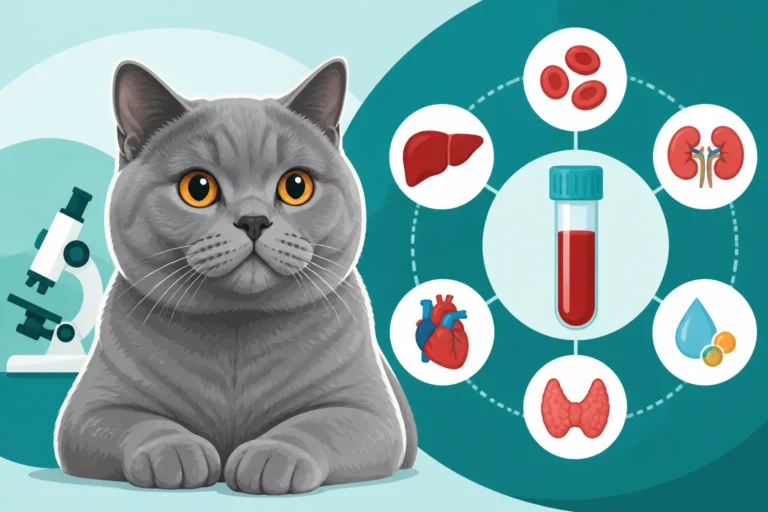
It's a scary thought when you realize that something as fundamental as your cat's blood type could hold hidden risks, especially for our beloved British Shorthairs. Many owners, and even some breeders, are caught off guard by the unique challenges associated with blood type B in this otherwise robust and charming breed. This guide will walk you through just how common blood type B is among British Shorthairs, what that really means for their health, and how you can be proactive in ensuring your furry friend's safety and well-being.
Understanding Feline Blood Types
Before we dive specifically into the British Shorthair, it’s really important to get a grasp on feline blood types in general. It might sound like something only veterinarians or breeders need to worry about, but understanding these basics is crucial for any cat owner, especially when you consider potential emergencies or future breeding plans.
The ABC System and Its Importance
Just like humans, cats have different blood types. The most commonly recognized system for felines is the AB blood group system, which classifies cats into three main types: A, B, and AB. Type A is by far the most common in the general cat population, accounting for the vast majority of domestic shorthairs and many pedigreed breeds. Type B is less common overall but can be surprisingly prevalent in certain breeds. Type AB is extremely rare, a sort of universal recipient, similar to human AB+ blood, but it doesn't carry the same universal donor properties as human O- blood.
The significance of these blood types lies in the presence (or absence) of natural antibodies in a cat's plasma. Cats with Type A blood have weak anti-B antibodies. Cats with Type B blood, however, possess strong naturally occurring anti-A antibodies. This is where things get really interesting and, frankly, a bit concerning. Cats with Type AB blood have neither anti-A nor anti-B antibodies. These antibodies are like tiny soldiers that recognize and attack foreign invaders. If a Type B cat receives Type A blood, those strong anti-A antibodies will mount a fierce attack on the incoming Type A red blood cells, leading to a severe, often fatal, transfusion reaction. It’s a literal clash of titans inside their tiny bodies, and it’s why knowing your cat’s blood type is far from a trivial matter.
Why Blood Type B is Unique and Challenging
What makes Type B blood particularly unique, and indeed challenging, for specific breeds like the British Shorthair, is the strength of those anti-A antibodies. Most Type A cats have weak anti-B antibodies, which means if they accidentally receive Type B blood, the reaction might be mild. But for a Type B cat, getting even a small amount of Type A blood is a massive immunological crisis. This isn't just a hypothetical scenario; it's a very real concern during emergencies requiring blood transfusions. If your British Shorthair needs an urgent transfusion, and their blood type isn't known, administering Type A blood (which is the most common and often readily available) could be disastrous.
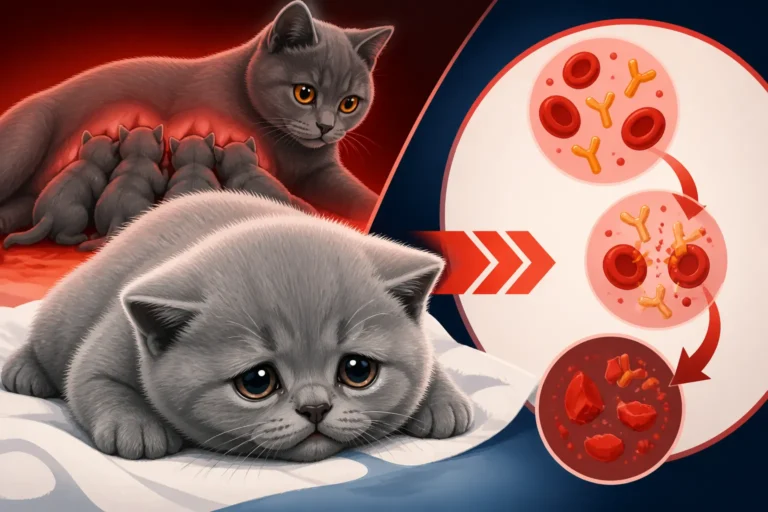
Beyond transfusions, Type B blood presents another, even more heartbreaking, challenge specifically for breeding: Neonatal Isoerythrolysis (NI). This occurs when a Type B mother cat is bred to a Type A or AB father, and the kittens inherit Type A or AB blood. The Type B mother's strong anti-A antibodies are passed through her colostrum (first milk) to her nursing kittens. These antibodies then attack the kittens' Type A or AB red blood cells, causing severe anemia, jaundice, and often death within the first few days of life. It’s a silent killer that can decimate entire litters, and it’s a primary reason why responsible British Shorthair breeders take blood typing so seriously. You can imagine the heartbreak of losing an entire litter of precious kittens simply because of an unknown blood type incompatibility.
The Prevalence of Blood Type B in British Shorthairs
Now that we understand the gravity of feline blood types, let’s get specific about our fluffy British Shorthair friends. You might be surprised to learn just how common blood type B is in this particular breed. It's a characteristic that truly sets them apart from many other popular cat breeds and demands specific attention from owners and breeders alike.
The Surprising Reality for British Shorthairs
When you look at the global cat population, Blood Type B is generally considered rare. However, the British Shorthair is a striking exception to this rule. Numerous studies and veterinary observations consistently show that the prevalence of Type B blood in British Shorthairs is remarkably high. While exact percentages can vary slightly depending on the study, geographical location, and specific breeding lines, it's generally accepted that somewhere between 30% and 50% of British Shorthairs carry Type B blood. Some studies even report figures exceeding 50% in certain populations.
This means that if you have a British Shorthair, there's a significant chance they could be Type B. This isn't just a statistical curiosity; it has real, tangible implications for their health and any potential offspring. The breed's distinctive genetic makeup means that blood typing isn't just an optional extra; it's a fundamental aspect of responsible care and breeding. This high prevalence is one of the key reasons why the breed is often highlighted in discussions about feline blood group incompatibilities.
Comparing British Shorthair Blood Types to Other Breeds
To truly appreciate just how unique the British Shorthair's blood type distribution is, let's put it into context with other popular cat breeds. Most cat breeds, including our beloved domestic shorthairs, are overwhelmingly Type A.
Here's a general comparison to illustrate the difference:
| Breed | Predominant Blood Type | Approximate % Type B |
|---|---|---|
| Domestic Shorthair | A | < 5% |
| Maine Coon | A | < 5% |
| Siamese | A | < 1% |
| Ragdoll | A | 10-20% |
| Birman | A | 15-25% |
| British Shorthair | A or B | 30-50%+ |
| Cornish Rex | A or B | 25-40% |
| Devon Rex | A or B | 25-40% |
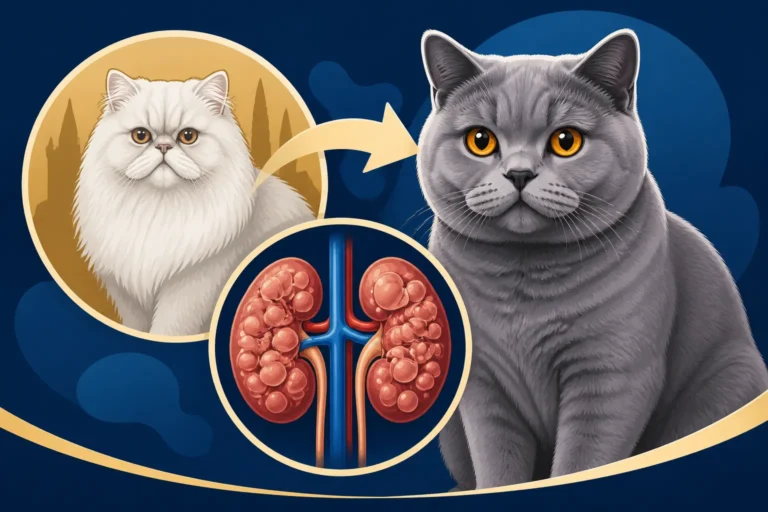
As you can see from the table, the British Shorthair stands out significantly. While breeds like the Ragdoll and Birman do have a higher incidence of Type B compared to a standard domestic cat, the British Shorthair, along with the Cornish and Devon Rex, really leads the pack in terms of Type B prevalence. This stark difference underscores why British Shorthair owners and breeders must be particularly vigilant about blood typing. It's not just a general recommendation; it's a breed-specific necessity, deeply rooted in their genetic history. Why Type B Is So Common in British Shorthairs delves deeper into the historical reasons behind this phenomenon.
The Genetic Basis of Blood Type B in British Shorthairs
Understanding the statistics is one thing, but grasping why British Shorthairs have such a high incidence of Type B blood requires a peek into their genetic blueprint. It's not just random chance; it's a story of inheritance and breed development that has led to this specific trait being so common.
Inheritance Patterns and Alleles
Feline blood types are determined by a single gene with three alleles: A, b, and ab. The A allele is dominant over both b and ab, and b is dominant over ab.
- Type A blood: A cat will have Type A blood if they inherit at least one A allele. So, their genotype could be AA or Ab.
- Type B blood: A cat will have Type B blood only if they inherit two b alleles, meaning their genotype is bb. This makes Type B a recessive trait in simple terms.
- Type AB blood: A cat will have Type AB blood if they inherit the ab allele alongside either A or b, but more specifically, it's often described as being due to the ab allele paired with A (genotype Aab). More recent understanding points to it being a distinct allele, often thought to arise from an A allele modified in a specific way. Regardless of the precise genetic mechanism, it's exceptionally rare.
For a British Shorthair to be Type B, they must inherit the 'b' allele from both parents. This means that if you have a Type B British Shorthair, both of its parents carried at least one 'b' allele. They could have both been Type B (bb), or both Type A carriers (Ab), or one Type B and one Type A carrier. This recessive inheritance pattern is crucial for breeders to understand when planning pairings to avoid the devastating consequences of Neonatal Isoerythrolysis.
Why the British Shorthair Has a Higher Incidence
So, why did the b allele become so prevalent in British Shorthairs? The answer lies in the breed's history and development. Like many pedigreed cats, British Shorthairs have a relatively small founder population. They originated from the common domestic cats of Great Britain, but the selective breeding process to establish and refine the breed standard inevitably led to a narrower gene pool.
During the late 19th and early 20th centuries, as the breed was being formally established and then rebuilt after significant declines during the World Wars, breeders carefully selected cats for desirable traits – that signature round face, dense coat, and calm temperament. If a significant number of these foundation cats happened to carry the b allele, and they were used extensively in breeding programs, it would naturally lead to a higher frequency of that allele in the subsequent generations. It's a classic example of a "founder effect" or "bottleneck" where a small initial group dictates the genetic makeup of the entire breed.
Furthermore, there might have been no selective pressure against the b allele itself because having Type B blood doesn't cause any health problems for the individual cat, except in specific situations like incompatible transfusions or breeding with a Type A male. Breeders, focusing on conformation and temperament, might not have been aware of the blood type implications until later scientific advancements brought these issues to light. This historical context of selective breeding from a limited pool, without initial knowledge of blood type genetics, is widely believed to be the primary reason why Type B is so common in British Shorthairs today.
Implications of Blood Type B for British Shorthair Owners
Understanding the "what" and "why" of Type B blood in British Shorthairs is one thing, but the "so what?" is where it truly hits home for owners. This isn't just academic knowledge; it carries significant health and management implications that every British Shorthair parent needs to be aware of.
Neonatal Isoerythrolysis NI: The Primary Risk
For any British Shorthair owner considering breeding, or for those who acquire kittens from breeders, Neonatal Isoerythrolysis (NI) is the single most critical concern related to blood type B. It's a devastating condition that leads to the death of kittens within their first few days of life, and it's entirely preventable with proper planning.
Here’s how it unfolds: If a Type B queen (female cat) is bred to a Type A or Type AB stud (male cat), and the kittens inherit Type A or AB blood, they are at risk. The Type B queen naturally has strong anti-A antibodies in her system. When these kittens nurse and ingest the queen's colostrum (the first milk, rich in antibodies), those maternal anti-A antibodies are absorbed into the kittens' bloodstream. Once inside, these antibodies immediately recognize the kittens' Type A or AB red blood cells as foreign invaders and begin to destroy them. The consequences are dire:
- Anemia: The destruction of red blood cells leads to severe anemia, depriving the kittens' tissues of oxygen.
- Jaundice: As red blood cells break down, bilirubin accumulates, causing the kittens' gums and skin to appear yellow.
- Fading Kitten Syndrome: Affected kittens become lethargic, weak, stop nursing, and rapidly decline. Their urine may be dark (hemoglobinuria) due to the breakdown products of red blood cells.
- Sudden Death: Often, kittens appear healthy at birth but quickly fade and die within 24-72 hours. Some may die without showing obvious signs.
It's a tragic situation that highlights why British Shorthair breeders absolutely must know the blood types of their breeding cats. Even if you're not a breeder, knowing your cat's blood type (especially if it's a female) from a reputable breeder ensures that such precautions were taken. What Neonatal Isoerythrolysis Does to a British Shorthair Kitten provides a deeper dive into the symptoms and progression of this devastating condition.
Transfusion Reactions and Emergency Care
Another critical implication of blood type B is the risk of severe transfusion reactions in emergency situations. Imagine your British Shorthair is involved in an accident, suffers severe trauma, or develops a condition like acute hemolytic anemia, all requiring an emergency blood transfusion. If your cat is Type B, and the veterinary team unknowingly administers Type A blood (the most common type available in blood banks), the outcome could be catastrophic.
As we discussed, Type B cats possess potent anti-A antibodies. These antibodies will immediately attack and destroy the transfused Type A red blood cells, leading to a life-threatening acute hemolytic transfusion reaction. Symptoms can include fever, vomiting, muscle tremors, shock, and even death. It’s not an exaggeration to say that an incompatible transfusion can be more dangerous than the original illness or injury.
This is precisely why knowing your British Shorthair's blood type before an emergency strikes is so vital. If your vet has this information on file, they can ensure that only compatible Type B blood is used, or they can perform a quick cross-match, which is a bedside test to check for compatibility. This preparation can literally be the difference between life and death. While the immediate costs of emergency care can be daunting, having pet insurance like that offered by Healthy Paws can certainly ease the financial burden of such unforeseen medical needs, allowing you to focus on your cat's recovery. Why Blood Type Matters for a British Shorthair Transfusion further elaborates on this crucial point.
Breeding Considerations for British Shorthairs
For British Shorthair breeders, managing blood types is not just a recommendation; it's a fundamental ethical responsibility. To prevent the tragedy of Neonatal Isoerythrolysis and ensure the health of their lines, breeders must blood type all of their breeding cats.
Responsible breeding strategies include:
- Pairing Type B Queens with Type B Studs: This is the safest approach, as all kittens will be Type B and immune to NI.
- Pairing Type B Queens with Type A Studs (with management): If a Type B queen is bred to a Type A stud, approximately 50% of the kittens will be Type A, and 50% Type B (assuming the Type A stud is heterozygous, Ab). The Type A kittens will be at risk of NI. In these cases, breeders must prevent the Type A kittens from ingesting their mother's colostrum by immediately separating them at birth and hand-rearing them on colostrum from a Type A queen or artificial formula for the first 24-48 hours. This is a labor-intensive and challenging process, but it can save lives.
- Avoiding Certain Pairings: A Type A queen can be safely bred to any blood type stud without risk of NI, as she only has weak anti-B antibodies. However, the resulting Type B kittens might still be at risk for future breeding or transfusions if their blood type isn't known.
Ethical British Shorthair breeders will always provide documentation of their cats' blood types and discuss these considerations with prospective kitten buyers. It’s an indicator of a breeder’s commitment to health and welfare. Which British Shorthair Pairing Causes Neonatal Isoerythrolysis and Whether an Affected British Shorthair Should Be Bred are essential reads for anyone involved in or considering British Shorthair breeding.
Testing and Managing Blood Type B in British Shorthairs
Given the high prevalence and critical implications of Blood Type B in British Shorthairs, understanding how to test for it and manage it effectively is absolutely paramount. This knowledge empowers owners and breeders to make informed decisions for their cats' health.
How British Shorthairs Are Blood Typed
Thankfully, determining a cat's blood type is a relatively straightforward process these days. There are a few reliable methods available, each with its own advantages.
- Card Agglutination Tests (Quick Tests): These are rapid, in-clinic tests that vets can perform. A small blood sample is mixed with reagents on a card or plate, and the presence or absence of agglutination (clumping) indicates the blood type. These tests are quick, providing results in minutes, which can be crucial in an emergency. They are also relatively affordable. However, while generally reliable, they require careful technique and interpretation. How a British Shorthair Is Blood Typed goes into detail on the procedure. You can expect What a British Shorthair Blood Type Card Test Costs to be a modest fee, making it accessible for most owners.
- Laboratory-Based DNA Tests: For breeding animals, DNA testing for blood type is often preferred, as it provides a definitive genetic result. A buccal (cheek) swab or a small blood sample is sent to a specialized laboratory. The DNA test identifies the specific alleles (A, b, ab) a cat carries, meaning it can not only tell you the cat's phenotypic blood type (A, B, or AB) but also if a Type A cat is a carrier of the b allele (Ab genotype). This is invaluable for breeders who need to predict the blood types of future litters. For instance, a breeder might want to know Whether a British Shorthair Blood Type Test Uses DNA or a Card and the answer is that both are viable, with DNA offering more predictive power for breeding.
- Laboratory Serology Tests: These are traditional lab tests where a blood sample is sent off for analysis. They are highly accurate but take longer to yield results than in-clinic card tests.
For any British Shorthair owner, especially if you have a female cat, discussing blood typing with your veterinarian is a wise step. They can recommend the best method for your specific situation.
Strategies for Responsible Breeding
For British Shorthair breeders, proactive management of blood types is not just a preference; it's a non-negotiable aspect of responsible breeding. The goal is to entirely prevent Neonatal Isoerythrolysis.
Key strategies include:
- Mandatory Blood Typing of All Breeding Cats: Every queen and stud in a British Shorthair breeding program should have their blood type definitively known. This allows for informed pairing decisions.
- Selective Breeding: The safest approach, as mentioned, is to breed Type B queens only to Type B studs. This ensures all kittens will be Type B, eliminating the risk of NI. When a Type B queen is bred to a Type A stud (especially one known to carry the b allele), the risk of NI in the kittens is high, and intensive management is required.
- Managed Litters (for high-risk pairings): If a Type B queen is inadvertently bred to a Type A stud, or if a breeder consciously decides to do so for genetic diversity reasons despite the risks, rigorous management of the newborn kittens is essential. This involves:
- Immediate Separation: Kittens at risk (those born to a Type B queen with a Type A father) must be removed from the mother immediately after birth to prevent them from ingesting colostrum.
- Alternative Colostrum: Ideally, these kittens would receive colostrum from a known Type A queen to get passive immunity without the harmful antibodies.
- Formula Feeding: If Type A colostrum isn't available, the kittens must be hand-reared on a suitable kitten milk replacer for at least the first 24-48 hours. After this period, the kitten's gut becomes less permeable to large antibody molecules, and they can often safely return to the mother for nursing, although careful monitoring is still needed. How to Save a British Shorthair Kitten From Isoerythrolysis offers detailed advice on this demanding process.
Reputable British Shorthair breeders will openly share blood type certificates for their breeding cats and explain their breeding strategies to prevent NI, demonstrating their commitment to producing healthy kittens.
Importance for Pet Owners
"But I'm not a breeder! Why do I need to know my British Shorthair's blood type?" This is a common and perfectly understandable question. The truth is, knowing your pet British Shorthair's blood type, particularly if they are female, is a really good idea for several reasons:
- Emergency Preparedness: As discussed, in a dire emergency requiring a blood transfusion, knowing your cat's blood type can be life-saving. It removes a critical unknown for the veterinary team and ensures compatible blood can be sourced quickly, without the need for time-consuming cross-matching, which might not be possible in a rapidly deteriorating situation. This foreknowledge can significantly improve the chances of a successful outcome. Pet insurance, like that from Healthy Paws, can also provide peace of mind for covering unexpected emergency treatments, including potential blood transfusions.
- Avoiding Accidental Breeding: While most pet cats are spayed or neutered, accidents can happen. If you have an intact female British Shorthair and she is accidentally bred, knowing her blood type beforehand allows you to immediately understand the potential risk of NI for her kittens, should she be Type B. This information can then guide urgent veterinary intervention or preparation for hand-rearing.
- Peace of Mind: Simply knowing this vital piece of information about your beloved companion can offer immense peace of mind. It's one less unknown in their health profile.
Many owners wonder, Whether a Pet British Shorthair Needs Blood Typing, and while not universally mandatory for all pet cats, for a British Shorthair, it's a highly recommended proactive measure that contributes significantly to their overall health plan. Discuss this with your vet during a routine check-up.
Living with a Blood Type B British Shorthair
So, you've discovered your British Shorthair is Blood Type B. What now? It’s important to reiterate that simply having Type B blood is not a disease or a problem in itself. It's a genetic trait that requires awareness and careful management in specific situations. Your British Shorthair isn't inherently "unhealthy" because of their blood type.
General Care and Health
For the vast majority of their life, a British Shorthair with Type B blood will live a completely normal, healthy life. Their blood type doesn't impact their daily well-being, their playful (or often, decidedly un-playful!) demeanor, their appetite, or their lovely round features. You won't see any physical symptoms or behavioral changes because of it.
Your routine care for a Type B British Shorthair should focus on all the usual elements of good feline husbandry:
- High-Quality Nutrition: Ensure they are on a balanced diet appropriate for their age and activity level. British Shorthairs are prone to weight gain, so portion control is key.
- Regular Veterinary Check-ups: Annual wellness exams are crucial for all cats, allowing your vet to catch any potential health issues early.
- Appropriate Enrichment: Even though British Shorthairs are typically calm, they still need mental and physical stimulation through playtime and toys.
- Grooming: Their dense coat benefits from regular combing to prevent mats and reduce shedding.
The only difference in their general care is the knowledge of their blood type, which becomes a vital piece of information to be kept on their veterinary records, much like their vaccination history or microchip number. This knowledge empowers you and your vet to act swiftly and appropriately in the rare instances where blood type becomes a factor.
Preparing for Emergencies
Knowing your British Shorthair's blood type becomes critical when unexpected emergencies strike. Being prepared can significantly improve the outcome in situations requiring a blood transfusion.
Here’s how you can prepare:
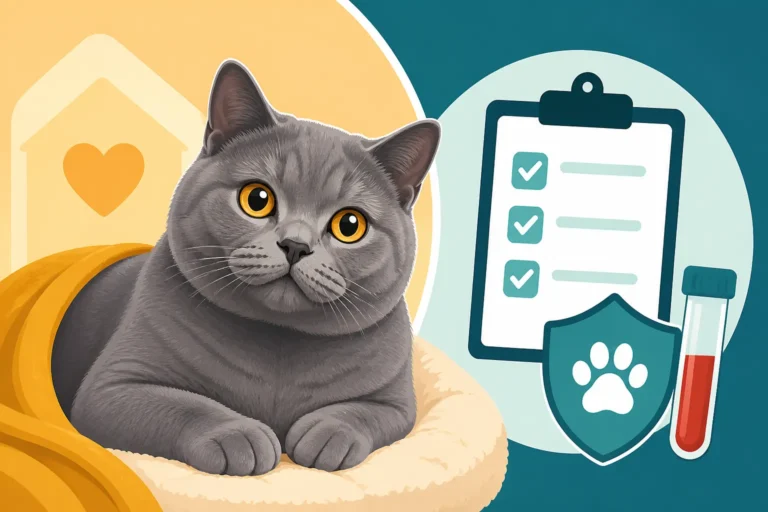
- Keep Records Handy: Ensure your vet has your British Shorthair's blood type clearly noted in their permanent file. It's also a good idea to keep a copy of the blood type certificate (if you have one from a DNA test) or a note from your vet in your pet's emergency kit or medical folder at home.
- Inform Emergency Vets: If you ever have to take your British Shorthair to an emergency veterinary clinic, especially one that isn't your regular practice, immediately inform them of your cat's blood type, emphasizing that they are Type B. This seemingly small piece of information can save precious time and prevent a fatal error.
- Discuss Options with Your Vet: Talk to your regular veterinarian about their protocol for obtaining Type B blood in an emergency. Some larger veterinary hospitals have their own blood banks or established protocols with local blood donor programs. Knowing these logistics ahead of time can be incredibly reassuring.
- Consider Pet Insurance: Major emergencies, especially those involving extensive diagnostics, treatments, and potentially blood transfusions, can incur significant costs. Pet insurance providers, such as Healthy Paws, offer plans that can cover a large portion of these unexpected veterinary bills, giving you the financial flexibility to make the best decisions for your cat without added stress.
In essence, living with a Blood Type B British Shorthair is about informed ownership. It means understanding that while their blood type is usually a non-issue, in specific, high-stakes scenarios, it becomes incredibly important. Being prepared and proactive is the best way to ensure your cherished British Shorthair receives the safest and most effective care, no matter what life throws their way.
Disclaimer
This article is intended for informational purposes only and does not constitute professional veterinary advice. Always consult with a qualified veterinarian for any health concerns or before making any decisions related to your pet's medical care or breeding program.