What Neonatal Isoerythrolysis Does to a British Shorthair Kitten
There’s little that’s more heartbreaking for a British Shorthair owner or breeder than watching newborn kittens, seemingly healthy one moment, begin to fade and struggle the next. This distressing scenario, often without an obvious cause, can leave you feeling helpless and devastated. One of the most insidious and rapid causes of this "fading kitten syndrome," especially prevalent in our beloved British Shorthairs, is Neonatal Isoerythrolysis (NI). This guide will meticulously unpack exactly what NI does to a British Shorthair kitten, offering insights into its causes, symptoms, and critical prevention strategies.
Understanding Neonatal Isoerythrolysis NI in British Shorthairs
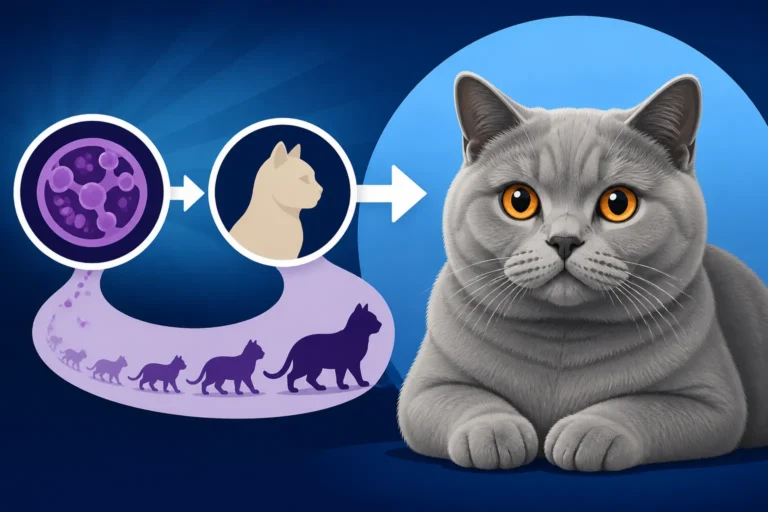
Neonatal Isoerythrolysis, or NI, is a complex yet fascinating immunological reaction that can have devastating consequences for newborn kittens. It's not a common household term, but for anyone involved with British Shorthair breeding, it's a topic that demands absolute attention and understanding. At its core, NI is a mismatch, a tragic immunological misunderstanding between a mother cat and her kittens, leading her own protective colostrum to become a deadly poison.
The Crucial Role of Blood Types in Cats
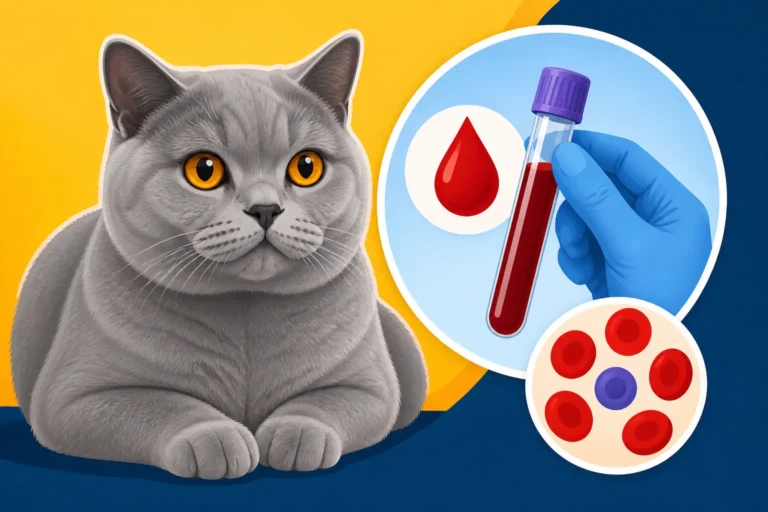
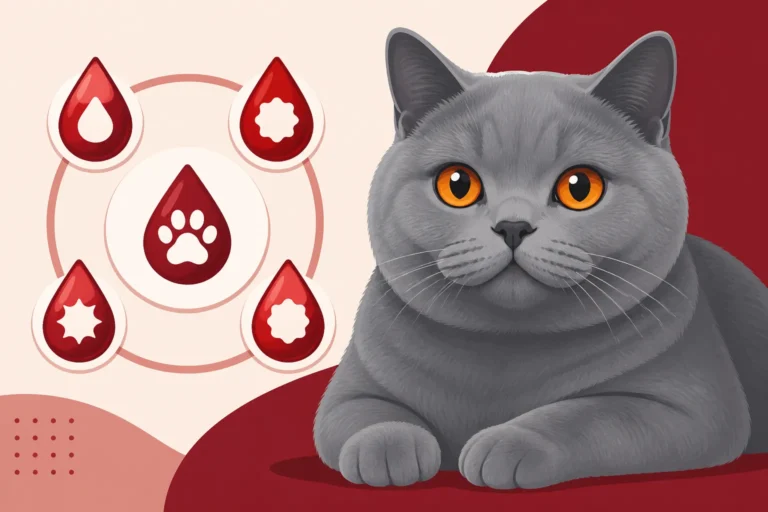
Just like humans, cats have different blood types, though their system is a bit simpler: A, B, and AB. The vast majority of cats worldwide have Type A blood. However, certain breeds, including our beautiful British Shorthairs, have a significantly higher prevalence of Type B blood. This seemingly small detail is absolutely critical when it comes to NI. A Type B cat naturally carries strong antibodies against Type A blood cells, even if they've never been exposed to Type A blood before. Think of it like a pre-programmed defense system.
These antibodies are normally not a problem for an adult cat, but when a Type B queen (female cat) gives birth to kittens that have inherited Type A blood from their father, her natural defense system turns against her offspring. The mother’s first milk, the colostrum, is packed with these powerful antibodies. Kittens, upon nursing, absorb these antibodies directly into their bloodstream through their intestinal lining during the first 24-48 hours of life. This is normally a crucial step for passive immunity, protecting them from infections. But in the case of NI, this life-giving colostrum becomes a conduit for destruction.
How NI Happens: A Mother's Immune System Against Her Offspring
The precise mechanism of NI is a stark reminder of how intricate genetics and immunity truly are. It occurs when a Type B queen is bred to a Type A tom (male cat). Because Type A is dominant over Type B, any kitten born from this pairing will inherit at least one Type A gene and therefore have Type A blood, regardless of whether the tom is homozygous (A/A) or heterozygous (A/b). If a Type B queen (who is b/b) mates with a Type A tom (A/A or A/b), there's a very high chance her kittens will be Type A or, rarely, Type AB.
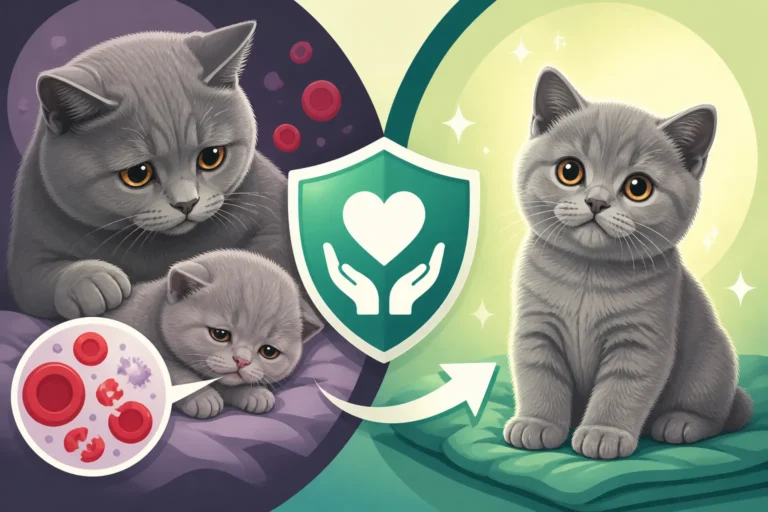
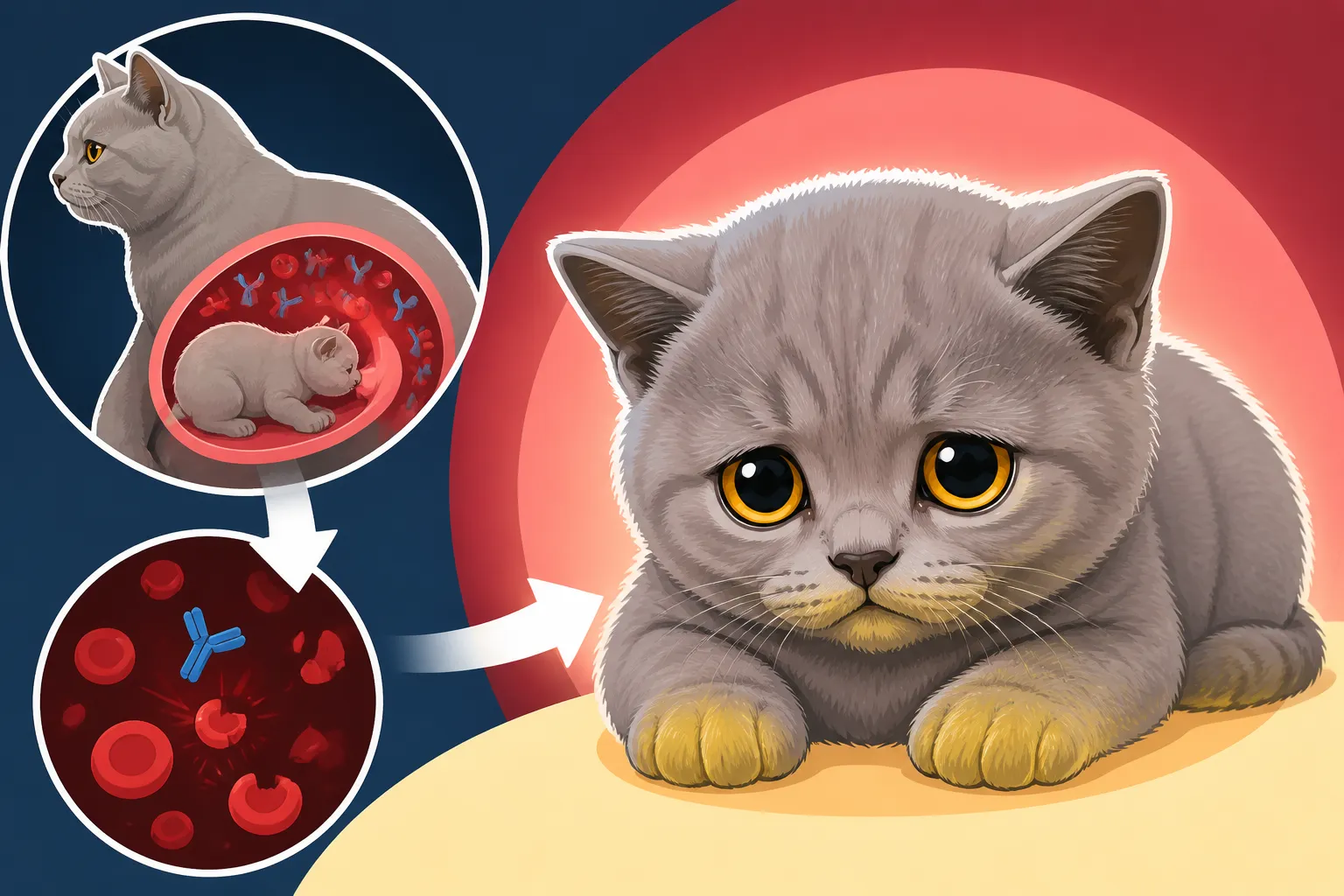
The moment these Type A kittens nurse from their Type B mother, they ingest her colostrum, which is loaded with anti-A antibodies. These antibodies are designed to destroy Type A red blood cells. Once absorbed into the kitten's system, they immediately target and attack the kitten's own Type A red blood cells. This leads to massive red blood cell destruction, a condition known as hemolytic anemia. The oxygen-carrying capacity of the kitten’s blood plummets, and their entire system goes into shock. This is a rapid and brutal assault, turning what should be the most nurturing act into a fatal one. The tragedy is that the mother isn't intentionally harming her babies; her body is simply doing what it's programmed to do, but in this specific genetic context, it's catastrophic for the kittens.
Recognizing the Devastating Signs of Neonatal Isoerythrolysis
When NI strikes, time is of the essence. The signs can be subtle at first, making them easy to miss if you're not specifically looking for them or if you're not aware of the risks. The rapid progression of this condition is what makes it so terrifying. Understanding the symptoms is paramount for any chance of intervention.
Early and Subtle Symptoms in Newborn Kittens
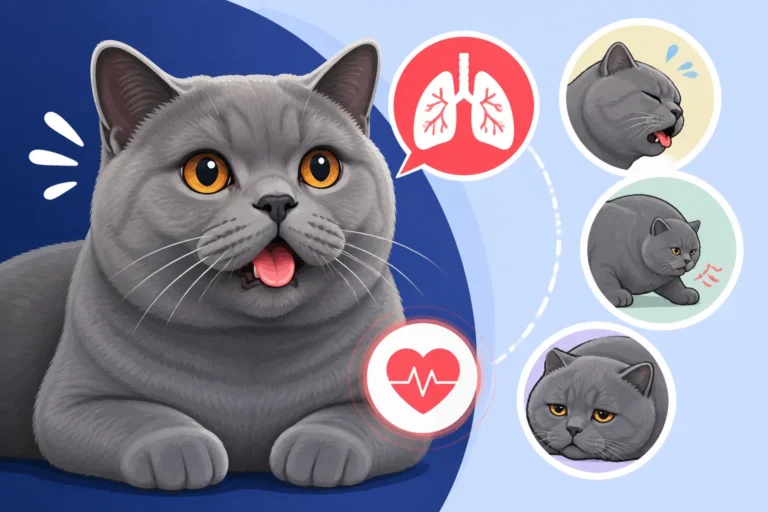
The earliest signs of NI often manifest within hours of a kitten's first nursing. You might notice kittens who were active and suckling initially suddenly become weak and lethargic. This rapid decline is often referred to as "fading kitten syndrome," a general term for newborns that fail to thrive. With NI, though, the fading is particularly quick and severe.
Kittens may stop suckling altogether, becoming indifferent to nursing. They might seem less vigorous than their littermates, crying weakly or not at all. Their gums, normally a healthy pink, might appear paler, indicating early anemia. You might also observe they are falling behind their siblings in terms of activity and responsiveness. It's a heartbreaking sight, as these tiny lives, full of promise, seem to be flickering out before your eyes. This rapid onset distinguishes NI from other causes of fading, which might progress more slowly. For more on this, check out our article on Signs a Newborn British Shorthair Kitten Is Fading.
The Progression to Severe Health Issues
If not intercepted, the initial subtle signs quickly escalate into severe, life-threatening conditions. As the anti-A antibodies continue to destroy red blood cells, the kittens develop profound hemolytic anemia. This leads to:
- Jaundice: The breakdown of red blood cells releases bilirubin, a yellow pigment. The kitten's body struggles to process this, leading to yellowing of the skin, gums, and whites of the eyes. This can be a very visible and alarming sign.
- Anemia: Severe pallor of the mucous membranes (gums, inner eyelids) is evident, reflecting the lack of oxygen-carrying red blood cells. The kitten will be weak, cold, and unresponsive.
- Reddish-brown Urine (Hemoglobinuria): As hemoglobin is released from the destroyed red blood cells, it's filtered by the kidneys, often turning the urine a dark, reddish-brown color. This is a very specific and critical indicator of NI.
- Tail Tip Necrosis: This is a particularly grim and somewhat unique symptom of NI. The tip of the kitten's tail may appear darkened, shriveled, and eventually slough off. This is due to a combination of severe anemia and microclots forming, cutting off blood supply to the extremity. While it might seem minor compared to systemic failure, it's a tell-tale sign of NI.
- Organ Damage: The constant destruction of red blood cells and the resulting anemia put immense strain on vital organs, especially the kidneys and liver. This can lead to multi-organ failure.
The speed at which these symptoms develop and lead to fatality is shocking. Kittens can die within hours or a few days of consuming the colostrum. The severity of the condition depends on the amount of colostrum ingested and the individual kitten's genetic makeup, but generally, the prognosis for affected kittens who continue to nurse is very poor. To truly grasp the urgency, consider How Fast Isoerythrolysis Kills a British Shorthair Kitten.
Why British Shorthairs Are Particularly Susceptible to NI
It’s truly unfair that our beloved British Shorthairs, with their sweet temperaments and plush coats, carry a genetic predisposition that can lead to such a heartbreaking condition. But understanding this susceptibility isn't about blame; it's about empowerment through knowledge, ensuring we can protect them.
The High Prevalence of Type B Blood
The reason British Shorthairs are so often at the center of NI discussions is their unique blood type distribution. While Type A is the most common blood type in the general feline population, British Shorthairs have a significantly higher percentage of individuals carrying Type B blood. In fact, studies show that a substantial portion of the British Shorthair breed carries or expresses Type B blood. This phenomenon isn't exclusive to them; breeds like Devon Rex and Cornish Rex also show high Type B prevalence, but the British Shorthair stands out prominently.
This higher prevalence means that the chances of a Type B queen being bred to a Type A tom are inherently greater within the British Shorthair gene pool. It's not that Type B blood itself is a problem; it's the combination of a Type B queen and a Type A kitten that creates the crisis. If you're wondering just how common it is, our article on How Many British Shorthairs Are Blood Type B delves into the statistics, which really underscore the need for vigilance in the breed.
The Importance of Responsible Breeding Practices
Given this heightened risk, responsible breeding practices are not just recommended for British Shorthairs; they are absolutely non-negotiable. Any reputable British Shorthair breeder must proactively test their breeding cats for blood type before any mating takes place. This isn't an optional extra; it's a fundamental health screening that protects both the kittens and the emotional well-being of the breeder.
The consequences of neglecting blood typing can be devastating, leading to the loss of entire litters, immense grief, and significant financial strain from emergency veterinary care. Beyond the immediate tragedy, it also damages the reputation of a cattery. This crucial pre-breeding screening goes hand-in-hand with other vital health tests, such as those for HCM and PKD. For a complete picture, refer to What a British Shorthair Breeder Should Have Tested. Transparency about these results, much like sharing Whether a British Shorthair Breeder Shows Echo Results, builds trust and ensures the health and longevity of the breed. Failing to blood type is like playing Russian roulette with newborn lives, and it's simply unacceptable in modern, ethical breeding.
Diagnosis and Immediate Intervention for Affected Kittens
Once NI is suspected, there's no time for hesitation. The clock is ticking, and every minute counts for the affected kittens. Rapid diagnosis and immediate, decisive action are their only hope for survival. It's a race against the devastating effects of red blood cell destruction.
Prompt Veterinary Assessment and Diagnostic Tools
If you suspect NI, the very first step is to contact your veterinarian immediately. Be prepared to provide a full history, especially regarding the parents' blood types if known. The vet will perform a thorough physical examination of the kittens, looking for the tell-tale signs: extreme lethargy, pale mucous membranes, jaundice, and the characteristic reddish-brown urine or tail tip necrosis.
Beyond the physical exam, diagnostic tests might include:
- Blood Smear: A quick look at a blood sample under a microscope can confirm severe anemia and the presence of "ghost cells" (red blood cell remnants).
- PCV (Packed Cell Volume): This test measures the percentage of red blood cells in the blood, quickly confirming anemia.
- Bilirubin Levels: Elevated bilirubin indicates extensive red blood cell breakdown, leading to jaundice.
- Urinalysis: To confirm hemoglobinuria.
Crucially, the diagnosis of NI often relies heavily on the clinical signs combined with knowledge of the parental blood types. If you have a Type B queen and a Type A tom, and the kittens are showing these symptoms, NI is almost certainly the culprit. While a vet might perform a rapid blood type test on the kittens, the priority is typically on stabilizing them rather than confirming the blood type with absolute certainty in the acute phase.
Emergency Management and Supportive Care
The cornerstone of emergency management for NI-affected kittens is immediately separating them from their Type B mother. This is the single most critical step. Even if they've nursed for only a few hours, every additional drop of colostrum or milk containing those destructive antibodies is detrimental.
Once separated, the kittens require intensive supportive care:
- Alternative Feeding: They must be fed a high-quality kitten milk replacer. This is where you literally become their lifesaver. Ideally, if you have access to a foster queen with Type A blood, her colostrum (if given within the first 16 hours of life) could offer some protective antibodies, but this is a rare luxury. Otherwise, carefully selected kitten formula, fed via syringe or special kitten bottle, is essential. For detailed guidance on this, our article on How British Shorthair Kittens Are Hand Reared to Survive offers practical advice.
- Warmth and Hydration: Severely anemic kittens struggle to maintain body temperature. They need a warm, comfortable incubator or heated nest. Subcutaneous fluids may be administered by the vet to combat dehydration, which often accompanies fading kitten syndrome.
- Blood Transfusion: In severe cases of anemia, a blood transfusion from a compatible, Type A donor cat can be life-saving. This is a complex procedure for tiny kittens but can reverse the life-threatening anemia. This is a situation where having pet insurance like Healthy Paws can be an absolute lifesaver, as emergency transfusions are incredibly costly, and you want to be able to make that choice without financial constraint. Understanding Why Blood Type Matters for a British Shorthair Transfusion is key for such a critical intervention.
- Oxygen Therapy: If kittens are struggling to breathe due to severe anemia, supplemental oxygen can help support their vital functions.
The goal is to support the kittens until the maternal antibodies they ingested are cleared from their system, and their own bodies can begin to recover and produce healthy red blood cells. This is an incredibly demanding and often exhausting period for anyone caring for affected kittens, but with swift action, some can indeed be saved.
Preventing Neonatal Isoerythrolysis: The Best Defense
When it comes to Neonatal Isoerythrolysis, an ounce of prevention is truly worth a pound of cure—or, in this case, potentially an entire litter of lives. The good news is that NI is entirely preventable through responsible breeding practices, and it boils down to one simple, yet crucial, step: blood type testing.
Pre-Breeding Blood Type Testing for All British Shorthairs
This cannot be stressed enough: every British Shorthair intended for breeding, both queens and toms, must be blood typed. This is not optional; it's a fundamental responsibility. Knowing the blood type of both prospective parents allows breeders to make informed decisions and prevent incompatible pairings altogether.
The process of blood typing is straightforward and can be done through your veterinarian or a specialized veterinary laboratory. It usually involves a simple blood draw. Labs like UC Davis or Animal Genetics offer reliable blood typing services. For a deep dive into the specifics, read How a British Shorthair Is Blood Typed. It’s a small investment that offers immense peace of mind and safeguards the health of future generations.
Here’s a quick guide to understanding compatibility:
| Queen's Blood Type | Tom's Blood Type | Kitten's Potential Blood Type | NI Risk | Breeding Recommendation |
|---|---|---|---|---|
| Type A | Type A | Type A | None | Safe |
| Type A | Type B | Type A, Type AB | None | Safe |
| Type B | Type A | Type A, Type AB | High | Avoid (or manage carefully) |
| Type B | Type B | Type B | None | Safe |
| Type AB | Any | Varies (low risk) | None | Safe |
Note: Type AB cats are rare and generally considered universal recipients, posing very low NI risk as queens.
As you can see from the table, the problematic pairing is exclusively a Type B queen with a Type A tom. This combination inevitably leads to Type A kittens being born to a Type B mother, setting the stage for NI. To prevent this devastating outcome, breeders must ensure that a Type B queen is only bred to a Type B tom. This ensures all kittens will be Type B and therefore compatible with their mother’s colostrum. If you're keen to understand the genetic nuances of these pairings, our article Which British Shorthair Pairing Causes Neonatal Isoerythrolysis explains it in detail.
Managing Incompatible Pairings Safely
Ideally, once blood types are known, incompatible pairings (Type B queen x Type A tom) should simply be avoided. There are plenty of compatible breeding options within the British Shorthair breed. However, in extremely rare circumstances, such as preserving a very rare genetic line that carries no other health concerns, an incompatible pairing might be considered. This requires an incredibly skilled, experienced, and dedicated breeder and strict protocols to ensure kitten safety.
If such a high-risk pairing must occur (which, again, is generally discouraged by ethical breeding standards), here's how it would need to be managed to save the kittens:
- Immediate Separation at Birth: Kittens must not be allowed to nurse from their Type B mother even once. They should be removed from the queen immediately after birth, before they've had any chance to ingest colostrum.
- Donor Colostrum or Formula: For the first 16-24 hours, kittens need passive immunity. If possible, they can be given colostrum from a known Type A donor queen (if available and screened for diseases). Otherwise, they will need to be hand-reared from birth on a high-quality kitten milk replacer.
- Temporary Removal: Kittens would need to be kept away from the Type B queen for at least 24-48 hours until their intestinal lining "closes" and can no longer absorb the antibodies from the colostrum. After this period, they may be safely returned to their mother to nurse her regular milk (which contains far fewer antibodies), but this decision should be made with extreme caution and veterinary guidance. Some breeders opt to continue hand-rearing entirely, or use a surrogate Type A queen if available.
- Careful Monitoring: Even with these measures, vigilant monitoring for any signs of NI is crucial.
This level of intervention is incredibly demanding and stressful, highlighting why prevention through compatible breeding is always the best and most humane course of action. It underscores the profound responsibility that breeders hold, and the depth of knowledge required to avoid such heart-wrenching scenarios. For more on the interventions available, see How to Save a British Shorthair Kitten From Isoerythrolysis.
Long-Term Outlook and Ethical Breeding Considerations
For those British Shorthair kittens lucky enough to receive prompt intervention and survive Neonatal Isoerythrolysis, what does their future hold? And what lessons does this devastating condition teach us about the ongoing responsibilities of breeding?
Recovery and Potential Lingering Effects
The good news is that British Shorthair kittens who successfully navigate the acute phase of NI and receive excellent supportive care generally make a full recovery. Their bodies are remarkably resilient, and once the maternal antibodies are no longer actively destroying their red blood cells, they can begin to produce new, healthy ones. Within a few weeks, their blood counts typically return to normal, and they can thrive just like any other kitten.
However, in cases of extremely severe anemia or prolonged organ damage before intervention, there can be rare, lingering effects. These might include some mild kidney or liver damage that requires long-term monitoring, or developmental delays if the kitten suffered from severe oxygen deprivation. These instances are thankfully uncommon with prompt treatment. The dedicated care involved in hand-rearing and medical support ensures that survivors can grow into healthy, happy British Shorthairs, allowing their wonderful temperaments and majestic appearance to shine through.
The Breeder's Responsibility and Future Planning
The experience of NI, whether directly encountered or understood through learning, places a significant ethical burden on British Shorthair breeders. The ultimate goal should be to eliminate the risk of NI entirely within breeding programs. This means:
- Prioritizing Compatible Pairings: For any Type B queen, the only responsible choice is to breed her exclusively to a Type B tom. This completely removes the risk of NI for her offspring.
- Education and Transparency: Breeders should be knowledgeable about NI, openly discuss blood typing with prospective kitten buyers, and always provide proof of parental blood types. This contributes to a healthier breed overall and helps new owners understand the background of their kitten.
- Genetic Counseling: If a breeder finds themselves with a Type B queen and a Type A tom, they should seek advice from experienced breeders or a veterinary geneticist on how to proceed responsibly. In most cases, finding a compatible mate is the optimal solution.
Consideration should also be given to the breeding future of any kitten that survived NI. While they can live perfectly healthy lives, their blood type (Type A or AB) is now known. If they were to be considered for breeding themselves, their blood type would need to be known and accounted for to prevent future NI events. For instance, a Type A male who survived NI could be bred to a Type B queen, but only if the breeder plans for the necessary interventions (as discussed in the prevention section). However, often, it is simply more ethical to place such kittens in pet homes, avoiding the complexities of future breeding. Our article Whether an Affected British Shorthair Should Be Bred covers this important ethical dilemma in more detail.
In the end, preventing NI is a testament to diligent, ethical breeding. It highlights how proactive health screening, along with transparent communication and a deep understanding of feline genetics, are paramount to protecting the health and welfare of our cherished British Shorthairs. While pet insurance, such as Healthy Paws, can certainly provide a crucial financial safety net for unexpected vet costs like emergency care for NI, the most responsible approach is always to prevent the condition from occurring in the first place through careful planning and testing.
Disclaimer
This article is intended for informational purposes only and does not constitute veterinary advice. If your British Shorthair kitten is showing any signs of illness, especially those described in this article, please contact a qualified veterinarian immediately. Early diagnosis and intervention are critical for positive outcomes.