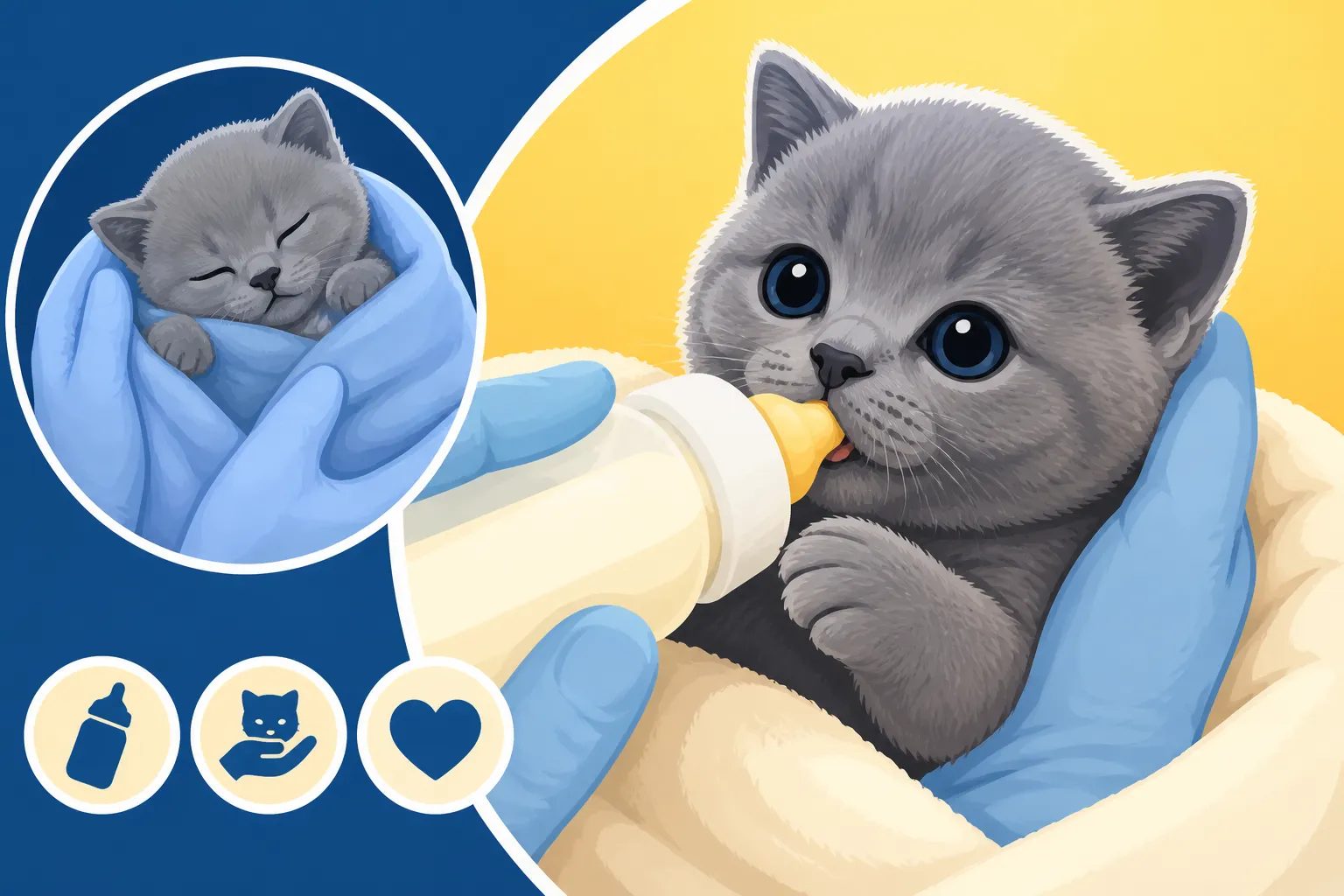
How British Shorthair Kittens Are Hand Reared to Survive
There's nothing quite as heartbreaking as seeing a tiny British Shorthair kitten struggling, either separated from its mother or failing to thrive despite her presence. These precious, round-faced babies are utterly dependent, and when a queen can't or won't care for her litter, human intervention becomes not just an option, but a critical lifeline. This comprehensive guide will walk you through the intricate, demanding, yet incredibly rewarding process of hand-rearing British Shorthair kittens, focusing on the practical steps and dedicated care needed to ensure these fragile lives not only survive but truly flourish.
The Urgent Need for Hand-Rearing British Shorthair Kittens
The decision to hand-rear kittens is rarely one taken lightly. It's often a situation born of necessity, fraught with anxiety, and requires immediate, decisive action. For British Shorthair kittens, with their typically calm demeanor even from a young age, recognizing distress can sometimes be subtle, making vigilance absolutely key.
Recognizing the Signs of a Kitten in Distress
A healthy newborn British Shorthair kitten should be warm, quiet, and nursing contentedly. They spend most of their time sleeping and growing, only stirring to feed. If you observe any deviation from this, it's a red flag. A kitten that is constantly crying, feeling cold to the touch, or separated from the litter and mother, could be in serious trouble. Fading kittens are a devastating reality in breeding, and these little ones often exhibit a lack of energy, poor suckling reflex, and a general listlessness. Their cries might become weak or absent, and their breathing shallow. Their gums might appear pale, and they may not gain weight, or even lose it, after initial feeds. You might notice they aren't pushing into their littermates to get to the nipple, or they get pushed aside easily. It’s a race against time when you see Signs a Newborn British Shorthair Kitten Is Fading, and prompt action can make all the difference.
Common Reasons for Maternal Rejection or Absence
Several heartbreaking scenarios can lead to the need for hand-rearing. Sometimes, a first-time mother, especially a young British Shorthair queen, simply doesn't understand her maternal instincts or becomes overwhelmed by a large litter. She might ignore certain kittens, accidentally injure them, or even actively push them away. Health issues in the queen, such as mastitis, eclampsia, or even general illness, can make her unable or unwilling to nurse. Tragically, the queen might pass away during or after birth, leaving the kittens orphaned.
One particularly critical and often devastating reason for maternal rejection, especially in British Shorthairs, is neonatal isoerythrolysis (NI). This occurs when a queen with blood type B is bred to a tom with blood type A, resulting in type A or AB kittens. The queen’s colostrum, the vital first milk, contains antibodies against type A red blood cells. When type A or AB kittens ingest this colostrum, their red blood cells are attacked, leading to severe anemia, organ damage, and often, death. This is why understanding Blood Type B and the British Shorthair Kittens It Kills is so important for breeders. If kittens from a type B queen are showing signs of fading within the first 24-48 hours, especially after nursing, NI should be a prime suspicion, and separating them from the mother immediately and providing alternative feeding is crucial. This is particularly important because Why the First Day of Colostrum Matters to a British Shorthair for immunity, but in this specific case, it becomes deadly.
The Immediate Steps to Take When Hand-Rearing Becomes Necessary
Once you've identified a kitten needing hand-rearing, time is of the essence. The very first priority is warmth. Newborn British Shorthairs cannot regulate their own body temperature and rely entirely on their mother and littermates. A chilled kitten cannot digest food, no matter how hungry it might be. Gently warm the kitten using indirect heat – a heating pad on a low setting, wrapped in a towel, or a hot water bottle. Never place a kitten directly on a heating element. Their core temperature should be between 97-100°F (36-37.8°C). A small British Shorthair kitten, particularly if it's already weak, can succumb to hypothermia incredibly quickly, so this step cannot be overlooked.
Once the kitten is warm and stable, you can prepare for feeding. Do not attempt to feed a cold kitten, as this could lead to aspiration pneumonia, a deadly condition. Gather your supplies: kitten milk replacer (KMR), appropriate feeding bottles or syringes, and sterile water. Your local vet can offer immediate guidance and possibly supplies if you're caught off guard. Remember, these first few hours are critical, and acting quickly and calmly can significantly improve a struggling kitten's chances of survival. Knowing How Fast Isoerythrolysis Kills a British Shorthair Kitten underscores just how vital rapid intervention can be in certain scenarios.
Essential Equipment and Environment for Hand-Rearing
Successfully hand-rearing a British Shorthair kitten demands a dedicated setup that mimics, as closely as possible, the warmth, safety, and hygiene provided by a natural mother. Skimping on these essentials can lead to severe health issues and heartbreak.
Creating a Safe and Warm Nursery
Your hand-reared British Shorthair kittens need a designated "nursery" area. This isn't just a box in a corner; it's a carefully controlled environment. A large, clean kennel, a sturdy plastic tote, or even a cardboard box can serve as the primary housing, but it needs to be easily cleaned and large enough for the kittens to move around slightly without getting lost or stuck in corners. The most crucial element is a consistent heat source. A pet-specific heating pad, like those from K&H Pet Products, placed under half of the bedding, allows kittens to move on and off the heat as needed. Alternatively, an incubator, though a more significant investment, offers precise temperature and humidity control, which can be invaluable, especially for very weak or premature kittens.
Maintain the ambient temperature in the nursery between 85-90°F (29-32°C) for the first week, gradually decreasing it by about 5 degrees each week until they are about a month old and can maintain their own body temperature. Use a thermometer to monitor this constantly. Line the nursery with soft, clean blankets or old towels that can be changed frequently. Avoid loose threads or materials that kittens could get tangled in. A draft-free location, away from high traffic and loud noises, is also paramount to their comfort and sense of security. Remember, these kittens are highly vulnerable, and even a slight chill can be detrimental to their fragile health.
Choosing the Right Kitten Formula and Feeding Tools
The choice of kitten milk replacer (KMR) is paramount. Never, ever use cow's milk or human baby formula; these lack the necessary nutrients and can cause severe digestive upset in kittens. Look for a high-quality commercial kitten milk replacer, such as those made by PetAg (KMR) or Royal Canin. These are scientifically formulated to mimic queen's milk. They come in powder or liquid form; powdered formula is generally more economical but must be mixed precisely according to instructions with warm, sterile water. Ensure the formula is warmed to body temperature (around 100°F or 38°C) before feeding – a drop on your wrist should feel comfortably warm, not hot.
For feeding, specialized kitten bottles with appropriately sized nipples are essential. Brands like PetAg offer various nipple shapes and sizes. You might need to make the hole in the nipple slightly larger with a hot needle, but be careful not to make it too big, as this can lead to aspiration. For very weak or premature British Shorthair kittens who struggle to suckle, an oral syringe (without a needle) might be necessary. However, feeding with a syringe requires extreme caution to prevent accidental aspiration, where milk enters the lungs. Always position the kitten on its stomach, head slightly elevated, mimicking a natural nursing position.
Maintaining Hygiene and Sterilization
Hygiene is non-negotiable when hand-rearing. Newborn kittens have underdeveloped immune systems, making them highly susceptible to infections. Every feeding bottle, nipple, and syringe must be thoroughly washed with hot, soapy water and then sterilized before each use. Boiling them for five minutes or using a pet-safe sterilizing solution are effective methods. This isn't a step you can skip; bacteria can multiply rapidly in milk residue, leading to severe gastrointestinal issues in fragile kittens.
Beyond feeding tools, the nursery environment itself requires constant attention. Change soiled bedding immediately. The entire enclosure should be cleaned and disinfected daily with pet-safe cleaners. Always wash your hands thoroughly with soap and water before and after handling the kittens, especially between handling different litters if you have more than one. Remember, you are their primary defense against pathogens, and meticulous hygiene is one of your most powerful tools in ensuring their survival and health. Even with the best care, emergencies can arise, and having pet insurance like Healthy Paws in place early on can provide immense peace of mind should unexpected veterinary care be needed.
The Step-by-Step Process of Hand-Feeding and Care
Hand-rearing is an incredibly demanding task that transforms you into a surrogate mother. It requires unwavering dedication, patience, and a keen eye for detail. Each feeding is not just about nutrition but also about providing comfort and essential bodily functions.
Mastering the Art of Feeding
Feeding frequency is critical for tiny British Shorthair kittens. For newborns up to two weeks old, they typically need to be fed every 2-3 hours, even through the night. As they grow, this can gradually extend to every 3-4 hours. Refer to the specific instructions on your chosen KMR for exact amounts per feeding based on the kitten's weight, but generally, they should consume about 2 tablespoons (30ml) of formula per 4 ounces (113g) of body weight per day, divided into multiple feedings.
Position the kitten on its stomach, ideally with its head slightly raised, mimicking how it would naturally nurse from its mother. Never feed a kitten on its back, as this dramatically increases the risk of aspiration. Gently insert the nipple into the kitten's mouth. If they don't immediately latch, you can try gently squeezing a tiny drop of milk onto the nipple to entice them. Allow the kitten to suckle at its own pace. Resist the urge to squeeze the bottle, as this can force too much milk into their mouth and lead to choking or aspiration. You'll hear soft suckling sounds, and you might see tiny bubbles as they drink. After feeding, it's vital to burp the kitten by gently rubbing its back, just like you would a human baby, to release swallowed air. A well-fed kitten will have a rounded tummy (but not distended or hard), will appear content, and will likely fall asleep.
Stimulating Elimination and Weight Monitoring
This is one of the most unique and critical aspects of hand-rearing. Newborn kittens cannot urinate or defecate on their own; their mother stimulates them by licking their perineal area. You must take over this role after every single feeding. Take a warm, damp cotton ball, soft cloth, or even a soft tissue, and gently rub the kitten's genital and anal area in soft, circular motions. Within moments, they should urinate and, eventually, defecate. The urine should be light yellow, and stool should be soft, pasty, and yellowish-brown. If the urine is dark or the stool is hard, or if they haven't eliminated, it's a sign of dehydration or constipation and needs immediate attention. Continue this stimulation until they are about 3-4 weeks old and can eliminate independently.
Monitoring weight is your primary indicator of a kitten's health and progress. Invest in a small digital kitchen scale that measures in grams or ounces. Weigh each kitten daily at the same time, ideally before their first feeding, and record the results. A healthy British Shorthair kitten should gain steadily, typically about 10-15 grams per day. Any weight loss or a plateau in weight gain is a serious concern and warrants veterinary consultation. This consistent tracking helps you identify problems early, ensuring that your little charges are getting adequate nutrition.
| Age / Weight | Feeding Frequency | Amount per Feeding (approx.) | Elimination Stimulation | Key Development |
|---|---|---|---|---|
| Newborn – 1 Week / < 170g | Every 2-3 hours | 2-4 ml | After every feeding | Eyes closed, deaf |
| 1-2 Weeks / 170-280g | Every 2-3 hours | 4-7 ml | After every feeding | Eyes opening |
| 2-3 Weeks / 280-400g | Every 3-4 hours | 7-10 ml | After every feeding | Exploring, unsteady |
| 3-4 Weeks / 400-500g | Every 4-5 hours | 10-13 ml | After every feeding | Walking, start weaning |
| 4-5 Weeks / > 500g | Every 5-6 hours | 13-15 ml (with solids) | Self-sufficient | Playing, eating solids |
Note: These are approximate guidelines. Always consult your veterinarian for specific advice based on the kitten's individual needs and health.
Grooming, Socialization, and Early Health Checks
Beyond feeding and elimination, hand-reared British Shorthair kittens need grooming. Their mother would typically lick them clean, stimulating circulation and keeping their coats neat. You can simulate this by gently wiping them with a warm, damp cloth, especially after feedings to remove any milk residue. This helps keep their skin healthy and promotes bonding. While they're still too young for formal socialization, gentle handling and talking to them regularly helps them become accustomed to human touch and voices. This is particularly important for British Shorthairs, who are known for their calm and affectionate nature, but still benefit from early positive interactions.
Early health checks by a veterinarian are non-negotiable. Even if the kittens appear healthy, a vet can identify subtle issues, provide guidance on feeding and hygiene, and discuss a vaccination schedule. These tiny kittens are susceptible to various ailments, and a vet can offer expert advice. Many British Shorthair owners consider pet insurance for ongoing care. Companies like Healthy Paws offer plans that can cover accidents and illnesses, which can be invaluable given the unpredictable nature of raising such young, vulnerable animals. A vet can also provide insights into common issues like fleas or internal parasites, which can be particularly dangerous for kittens this small. You'll want to ensure you're aware of costs like What a British Shorthair Kitten's Vaccination Course Costs as they grow.
Overcoming Challenges and Ensuring Long-Term Health
Hand-rearing British Shorthair kittens is a marathon, not a sprint. Even with the most diligent care, challenges can arise, and guiding them through weaning and into healthy adulthood requires continued vigilance.
Addressing Common Hand-Rearing Complications
Hand-reared kittens, despite your best efforts, are often more fragile than maternally-raised ones. One of the most common issues is digestive upset. Diarrhea can be caused by overfeeding, incorrect formula mixing, a sudden change in formula, or bacterial infection. It leads to rapid dehydration, which can be fatal. If you notice diarrhea, immediately contact your vet. They might recommend adjusting the formula, feeding smaller amounts more frequently, or providing specific medication. Conversely, constipation (hard, dry stools, or lack of elimination) can also be a problem. This might indicate dehydration and often responds to increased stimulation or a slight adjustment to formula consistency, under vet guidance.
Dehydration is a silent killer. Signs include lethargy, sunken eyes, and skin that, when gently pinched, remains tented instead of springing back. If you suspect dehydration, a vet visit is urgent; they may administer subcutaneous fluids. Hypothermia, or being too cold, as mentioned earlier, prevents digestion and can lead to death. Always prioritize warming a kitten before feeding. Respiratory issues, such as sneezing, nasal discharge, or labored breathing, could indicate an upper respiratory infection or even aspiration pneumonia. Any signs of illness, no matter how minor they seem, should prompt an immediate call to your veterinarian. Early intervention is the key to preventing these complications from becoming life-threatening.
The Weaning Process and Introducing Solid Food
Around 3-4 weeks of age, your British Shorthair kittens will start showing interest in solid food – a truly exciting milestone! This is the time to begin the gradual weaning process. Start by mixing a small amount of high-quality, growth-formulated kitten wet food with their formula to create a gruel-like consistency. Place a tiny bit on your finger and let them lick it off, or put a small dollop on a shallow saucer. Some kittens will take to it immediately, while others need more encouragement. They might step in it or play with it at first, but keep offering it several times a day. Gradually decrease the amount of formula in the mixture and increase the wet food.
As they become more proficient at eating the gruel, you can start offering plain kitten wet food. Slowly introduce a small amount of high-quality kitten kibble, softened with water, a few weeks later. Ensure they always have access to fresh water in a shallow dish once they start eating solids. By 6-8 weeks old, they should be fully weaned onto kitten food and no longer require formula. Remember, a British Shorthair kitten needs specific nutrients for healthy development, so choosing What a British Shorthair Kitten Should Eat is paramount for their growth and well-being.
Preparing for a British Shorthair Kitten's Future
Successfully hand-rearing British Shorthair kittens is a monumental achievement, but the journey doesn't end at weaning. The early weeks of life are crucial for their physical and behavioral development. Continued socialization is vital, especially since they haven't had the full benefit of maternal interaction. Regular, gentle handling, exposure to various household sounds, and supervised playtime will help them become well-adjusted, confident adult cats. This early interaction is particularly important for British Shorthairs, who thrive on calm, consistent affection and can become wonderfully docile companions.
Regular veterinary check-ups, including deworming and vaccinations, are essential to ensure their continued health. Discuss with your vet when they will be ready for their first vaccinations and spay/neuter procedures. Understanding What a British Shorthair's First Year of Screening Totals can help you budget for their ongoing care. Consider investing in pet insurance, like a plan from Healthy Paws, early on. This can significantly help manage unexpected veterinary costs throughout their lives, from kittenhood to their senior years. While it's a huge undertaking, the reward of seeing a hand-reared British Shorthair kitten grow into a healthy, loving companion is truly immeasurable. Your dedication provides them with the chance to live a full and happy life, potentially reaching How Long a British Shorthair Lives on Average of 12 to 17 years, all thanks to your efforts.
Disclaimer
The information provided in this article is for general informational purposes only and is not a substitute for professional veterinary advice, diagnosis, or treatment. Always seek the advice of your veterinarian or other qualified animal health provider with any questions you may have regarding a medical condition or the care of your British Shorthair.