What a British Shorthair Kitten Should Eat
Bringing home a British Shorthair kitten is an exciting time, but it often comes with a heap of questions, especially around feeding. Many new owners feel overwhelmed by the sheer number of cat food options on the market, wondering if their cuddly furball has special dietary requirements beyond just "kitten food." This comprehensive guide is here to cut through the confusion, offering clear, empathetic advice on exactly what your British Shorthair kitten should eat to grow into a healthy, magnificent adult.
Understanding Your British Shorthair Kitten's Unique Nutritional Needs
When you welcome a tiny, fluffy British Shorthair kitten into your home, you're not just getting a cute companion; you're taking on the responsibility for its foundational growth and health. These early months are absolutely critical, and their diet plays the starring role in setting them up for a long, vibrant life.
The Importance of Early Nutrition for Growth and Development
Think of your kitten's first year as its personal construction project. They're building bones, developing muscles, honing their immune system, and forming critical neurological connections at an astonishing rate. This isn't just about getting bigger; it's about forming the dense bone structure and powerful musculature that are hallmarks of the British Shorthair breed. A British Shorthair kitten, with its naturally stocky build, needs a diet that supports this specific kind of robust development. If they don't get the right nutrients during this rapid growth phase, it can lead to lifelong health issues, impacting everything from their bone density to their energy levels as an adult. Good nutrition now means fewer worries later down the line.
The energy demands of a growing kitten are significantly higher than those of an adult cat. They're constantly exploring, learning, and, yes, growing! This translates to a need for more calories and a higher concentration of certain nutrients to fuel that incredible transformation from a tiny fluffball to a sturdy young cat. It’s not just about quantity, though; it’s about quality and the precise balance of ingredients that fuel this intensive developmental period.
Key Nutrients for a Growing British Shorthair
So, what exactly are these crucial building blocks? A kitten's diet isn't a "one-size-fits-all" scenario, but there are fundamental nutrients that every British Shorthair kitten absolutely needs to thrive.
Protein: The Muscle Builder
High-quality animal protein is paramount. Kittens require a significantly higher percentage of protein in their diet compared to adult cats because it's essential for building and repairing every cell in their rapidly growing bodies – from muscles and organs to skin and fur. Look for named meat sources like chicken, turkey, or fish as the first ingredients, not vague "meat by-products" or plant-based proteins. These animal-based proteins provide the complete amino acid profile that felines, as obligate carnivores, need to flourish.
Fats: Energy and Essential Fatty Acids
Don't let the word "fat" scare you! Healthy fats are vital for a kitten's energy needs, providing a concentrated source of calories for their active metabolism. More than just energy, fats deliver essential fatty acids like Omega-3 and Omega-6, which are critical for healthy skin and a luxurious coat – a defining feature of the British Shorthair. These fats also play a crucial role in brain and vision development, ensuring your kitten grows up sharp and observant.
Vitamins and Minerals: The Unsung Heroes
A balanced blend of vitamins and minerals supports bone growth, a strong immune system, and proper organ function. Calcium and phosphorus, for example, are essential for developing strong bones and teeth, but they must be in the correct ratio to prevent skeletal issues. Taurine, an amino acid, is particularly vital for cats; a deficiency can lead to serious heart problems, like What HCM Does to a British Shorthair's Heart, and vision impairment. These are typically found in high-quality commercial kitten foods, designed to meet these specific needs.
Water: The Often Overlooked Essential
While not a "nutrient" in the traditional sense, water is arguably the most critical component of any diet. It aids digestion, regulates body temperature, lubricates joints, and transports nutrients. Dehydration can quickly become serious for kittens, so ensuring they have constant access to fresh, clean water is non-negotiable.
Why Kitten-Specific Formulas Are Non-Negotiable
It might be tempting to just buy a big bag of "all life stages" food or, worse, adult cat food, especially if you have other adult cats in the house. Please, resist this urge! Kitten-specific formulas are precisely formulated to meet the intense nutritional demands of growing felines.
Adult cat food simply doesn't pack the same caloric density or the higher levels of protein, fats, and specific vitamins and minerals that a kitten needs. Feeding an adult formula to a kitten can lead to stunted growth, nutritional deficiencies, and a host of health problems. Imagine trying to build a skyscraper with the resources meant for a garden shed; it just won't work. Kitten foods are crafted with a delicate balance that supports rapid, healthy development. They ensure that calcium-to-phosphorus ratios are correct for bone growth and that critical elements like taurine are present in adequate amounts. Don't compromise on this vital first step in your British Shorthair's life journey.
Choosing the Right Food Type for Your British Shorthair Kitten
Navigating the pet food aisle can feel like cracking an ancient code, especially when you're trying to figure out the best format for your British Shorthair kitten. Dry kibble, wet food, a mix of both? Let's break down the options and help you make an informed decision.
Wet Food Versus Dry Food: The Great Debate
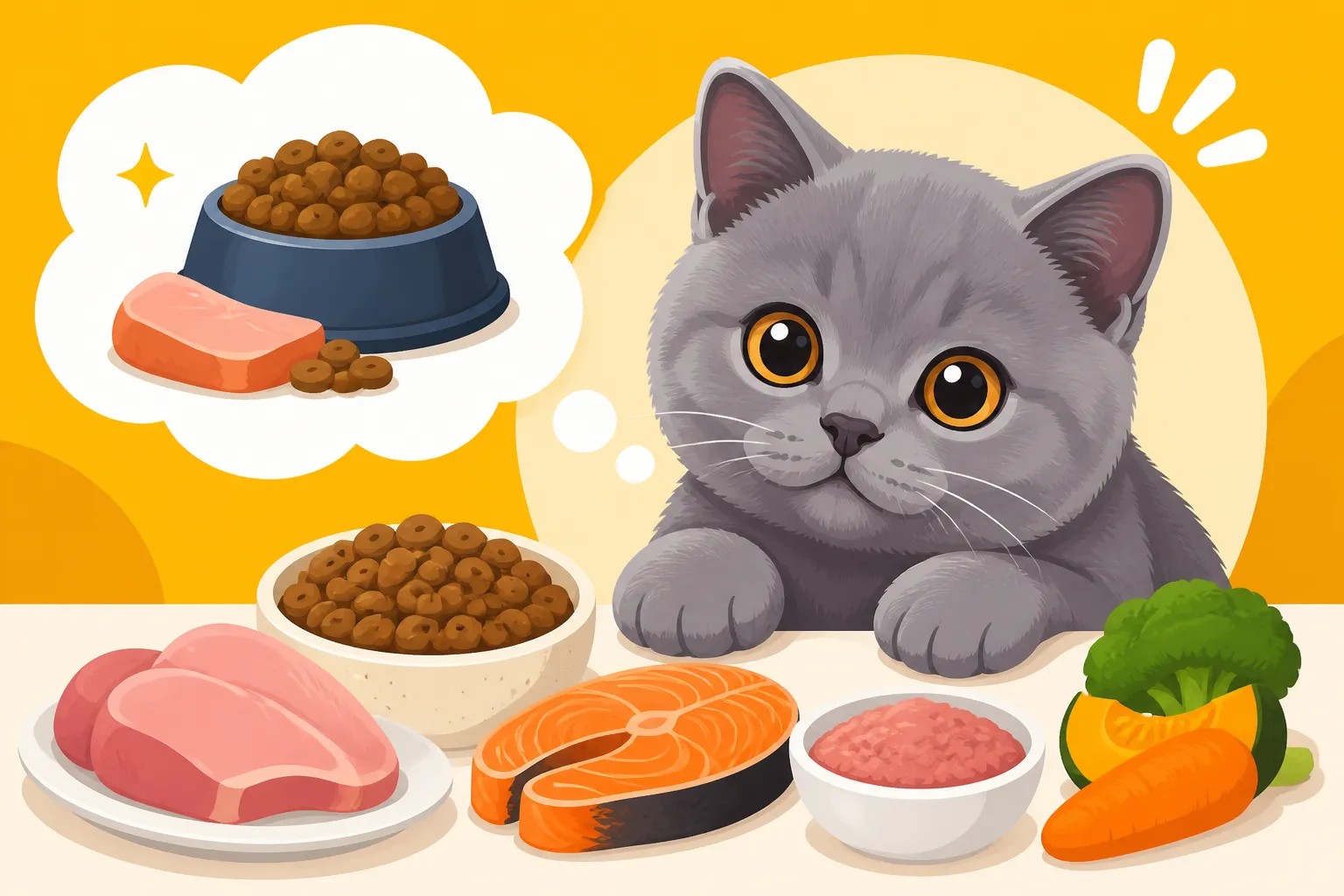
There's no single "perfect" answer here, as both wet and dry foods have their merits and can play a role in a balanced kitten diet. Many owners find a combination of both works best for their British Shorthair.
Dry Kibble
Pros:
- Convenience: Easy to store, less messy, and can be left out for free-feeding (though we'll talk about portion control soon!).
- Dental Health (Minor): The crunchy texture can offer a very slight abrasive action on teeth, which might help reduce tartar buildup, but it's not a substitute for proper dental care or brushing.
- Cost-Effective: Often more economical than wet food.
Cons:
- Lower Moisture Content: This is the biggest drawback. Cats, including British Shorthairs, are not naturally big drinkers. A diet primarily of dry kibble means they need to drink significantly more water to stay adequately hydrated. This can be a concern for urinary health down the line, as Urinary Problems in a British Shorthair can be exacerbated by insufficient hydration.
- Higher Calorie Density: Easier for a kitten to consume too many calories, potentially leading to weight gain if not strictly portioned. British Shorthairs are notoriously prone to Why a British Shorthair Gains Weight So Easily, so this is a real consideration.
Wet Food
Pros:
- Excellent Hydration: The high moisture content is a huge plus for cats. It helps keep their urinary tract healthy and ensures they are well-hydrated without needing to drink excessive amounts from a bowl. This can make a big difference over their lifespan.
- Palatability: Most cats find wet food more appealing due to its aroma and texture, which is great for picky eaters or kittens transitioning from their mother's milk.
- Lower Calorie Density (by volume): Because it contains so much water, a serving of wet food often has fewer calories than an equivalent volume of dry kibble, which can be helpful for managing weight even in growing kittens if they are predisposed to overeating.
Cons:
- Less Convenient: Needs to be refrigerated after opening, can be messier, and spoils if left out for too long.
- Dental Health (None): Offers no dental benefits.
- Higher Cost: Generally more expensive than dry food.
Combination Feeding: Many British Shorthair owners opt for a mixed diet, offering wet food once or twice a day and a measured portion of dry kibble. This approach gives the best of both worlds: the hydration benefits of wet food and the convenience (and potential minor dental benefits) of dry.
Decoding Food Labels and Ingredients
The ingredient list on a bag or can of kitten food is your most powerful tool. Learning to read and interpret it will help you choose wisely.
Prioritize Named Animal Protein
The first few ingredients tell you what the food is primarily made of. Look for a named meat source like "chicken," "turkey meal," "salmon," or "beef" at the top of the list. Avoid products where the first ingredient is a grain, vegetable, or a vague term like "meat by-products" or "animal digest." While some by-products can be nutritious, specific named meats offer more clarity and typically higher quality.
Be Wary of Fillers and Artificial Additives
Kittens don't need corn, wheat, soy, or excessive amounts of rice. These are often used as cheap fillers and offer little nutritional value for an obligate carnivore. Similarly, steer clear of artificial colors, flavors, and preservatives. Your British Shorthair kitten isn't judging their food by its vibrant hue! Natural preservatives like mixed tocopherols (Vitamin E) are preferable.
AAFCO Statement
Always check for a statement from the Association of American Feed Control Officials (AAFCO) on the label. It should say something like, "Formulated to meet the nutritional levels established by the AAFCO Cat Food Nutrient Profiles for Growth and Reproduction." This indicates that the food is nutritionally complete and balanced for growing kittens, either through formulation or feeding trials. Without this statement, you can't be sure your kitten is getting all the nutrients they need.
Raw or Home-Cooked Diets: Proceed with Caution
The idea of feeding a raw or home-cooked diet can sound appealing, offering control over every ingredient. However, this is an area where extreme caution is advised, especially for a growing kitten.
The Appeal and the Risks
Proponents argue that raw diets mimic what a cat would eat in the wild. However, preparing a nutritionally complete and balanced raw or home-cooked diet for a kitten is incredibly complex. It requires precise ratios of meat, organs, bone, and supplements to ensure all essential nutrients are present in the correct amounts. An imbalanced diet can lead to severe and irreversible developmental issues in a kitten, as their bodies are still forming. Think of how delicate a human baby's nutrition is; a kitten is no different.
The Need for Expert Guidance
If you are determined to explore a raw or home-cooked diet, it is absolutely non-negotiable to consult with a board-certified veterinary nutritionist. They can help formulate a recipe that is tailored to your kitten's specific needs and ensures all nutritional requirements are met without deficiency or excess. Relying on recipes found online without professional oversight is a risky gamble with your kitten's long-term health. The risks of bacterial contamination from raw meat (like Salmonella or E. coli) are also a serious concern for both your kitten and your household. For most owners, especially those new to kitten care, high-quality commercial kitten food from reputable brands available on sites like Chewy or Amazon is the safest and most reliable option.
Establishing a Healthy Feeding Schedule and Portion Control
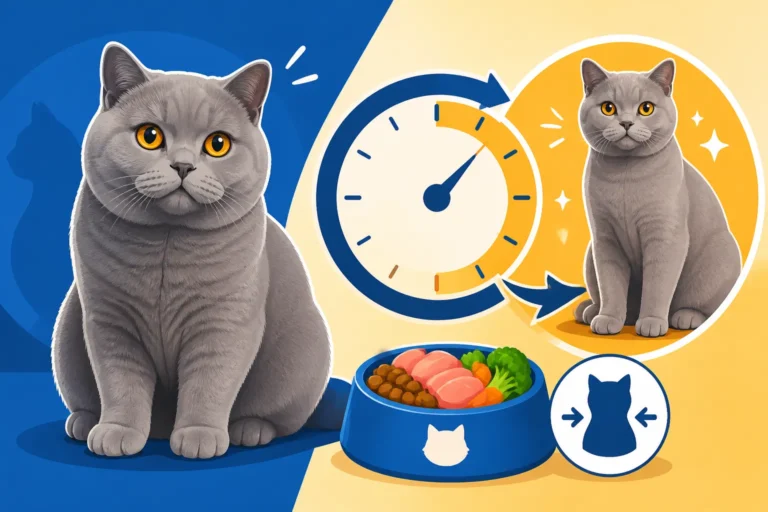
One of the biggest challenges for new British Shorthair owners is mastering the art of feeding. These adorable fluffballs have a tendency to enjoy their food a little too much, which can quickly lead to weight issues. Setting a strict schedule and understanding portion control from day one is paramount.
How Much and How Often to Feed a British Shorthair Kitten
A kitten's feeding needs change as rapidly as they grow! What they eat at 8 weeks will be different from what they need at 6 months.
Weaning and Young Kittens (8-12 Weeks)
When you first bring your British Shorthair kitten home, they'll likely be around 8-12 weeks old. At this stage, they've just completed or are completing the weaning process. They need frequent, small meals. Think 3-4 meals per day. If they're particularly small or still adjusting, you might even offer 5 small meals.
The amount per meal will depend heavily on the food's caloric density and the kitten's weight. Always start with the manufacturer's guidelines on the food packaging – these are typically given as a total daily amount based on age and weight, which you then divide by the number of meals. For example, if the package recommends 1 cup per day, and you're feeding 4 meals, that's 1/4 cup per meal.
Older Kittens (3-12 Months)
As your British Shorthair kitten grows, their digestive system matures, and while they still need plenty of food, the frequency can gradually decrease.
- 3-6 Months: You can typically reduce to 3 meals per day. They're still growing rapidly, so don't cut back on the total daily amount, just consolidate the feedings.
- 6-12 Months: Two meals a day is usually sufficient for most kittens in this age range. Their growth rate starts to slow down a little, but they are still developing muscle and bone.
The Golden Rule: Follow the Bag, Then Adjust!
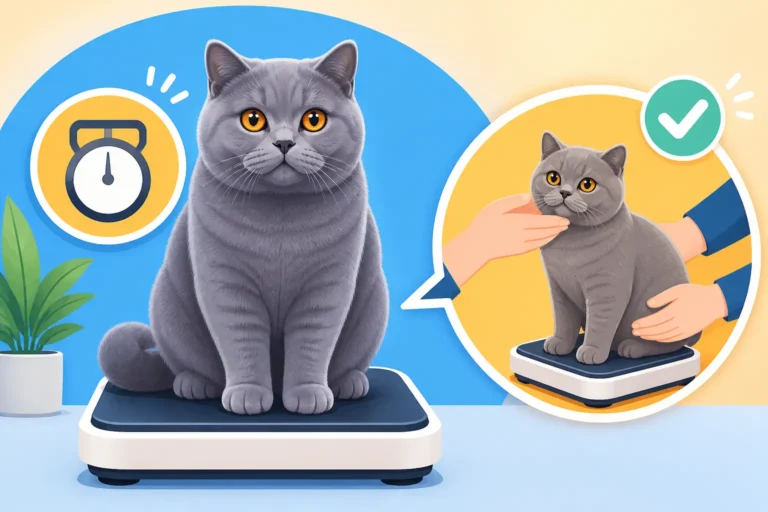
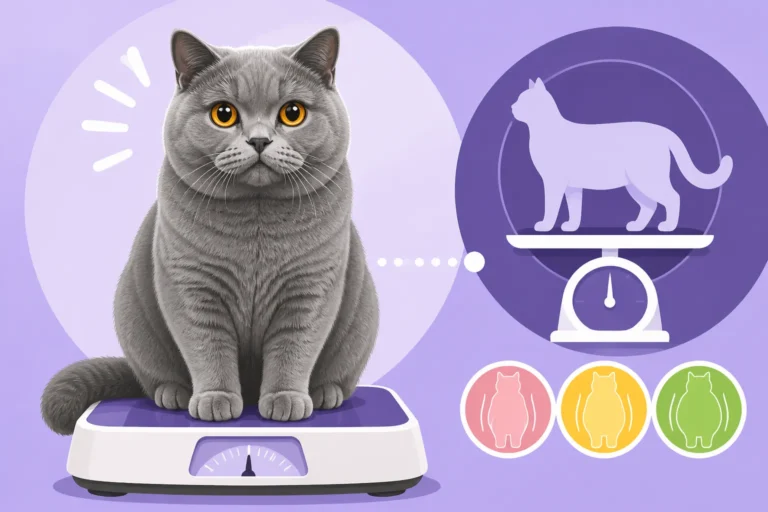
The feeding guide on your kitten food package is your best starting point. However, every kitten is an individual. An active, playful British Shorthair kitten might need slightly more than a very sedentary one. Monitor their body condition weekly. You should be able to easily feel their ribs when gently stroking their side, without seeing them prominently. They should have a discernible waist when viewed from above, and no saggy belly. If you're struggling to feel ribs, or they look a bit too round, you might need to slightly reduce portions. If they feel bony or too lean, increase a little. Your vet is also an excellent resource for personalized feeding advice, especially regarding How Much Food a British Shorthair Should Get Per Meal.
The Dangers of Overfeeding and Underfeeding
It’s easy to err on either side when it comes to feeding, but both overfeeding and underfeeding carry significant risks for your British Shorthair kitten.
Overfeeding: A British Shorthair's Arch-Nemesis
British Shorthairs are particularly susceptible to weight gain. Their calm, often sedentary nature combined with their love for food can be a recipe for disaster. Overfeeding a kitten, even with the best intentions, can lead to:
- Obesity: This is the most common issue. An overweight kitten is at a higher risk of becoming an overweight adult, which opens the door to a host of health problems like Diabetes in a British Shorthair, What Obesity Does to a British Shorthair's Joints, and even a shortened lifespan.
- Rapid, Unhealthy Growth: While kittens need to grow quickly, growing too fast can strain developing bones and joints, especially in a heavily-built breed like the British Shorthair. This isn't about healthy development; it's about pushing their system too hard.
- Picky Eating Habits: Free-feeding or overfeeding can make kittens less appreciative of their meals, leading to them being more selective later on.
This is why "free feeding," leaving a bowl of kibble out all day, is almost never recommended for a British Shorthair, even as a kitten. Why Free Feeding Ruins a British Shorthair is a lesson many owners learn the hard way.
Underfeeding: Stunting Potential
On the other hand, underfeeding a kitten can be just as detrimental. This can occur if portions are too small, or if the food quality is poor and lacks essential nutrients.
- Stunted Growth: A lack of adequate calories and nutrients will prevent a kitten from reaching its full genetic potential in terms of size and development. They may remain smaller and less robust than they should be.
- Nutritional Deficiencies: Without enough vital vitamins and minerals, kittens can suffer from a weakened immune system, poor coat quality, brittle bones, and other serious health issues.
- Lack of Energy: An underfed kitten will likely be lethargic and less playful, missing out on crucial developmental play.
Regular vet check-ups will help ensure your kitten is on a healthy growth curve. Your vet can assess their Body Condition Score (BCS), which is a much more accurate measure of health than just weight alone.
Transitioning to Adult Food
The transition from kitten food to adult food is an important milestone, usually happening when your British Shorthair reaches around 12 months of age. Some larger, slower-maturing breeds might stay on kitten food a little longer, but 12 months is a good general guideline for British Shorthairs.
When to Make the Switch
By one year old, most British Shorthairs have completed their rapid growth phase. While they may continue to fill out in terms of muscle and head shape for another year or two, their skeletal growth is largely done. Continuing to feed a high-calorie, nutrient-dense kitten food beyond this point contributes directly to unwanted weight gain, especially given the breed's propensity for chunkiness.
The Gradual Process
Never switch foods abruptly! This can cause digestive upset, including vomiting and diarrhea, which is unpleasant for both you and your kitten. A gradual transition over 7-10 days is key:
- Days 1-2: Mix 75% old food with 25% new food.
- Days 3-4: Mix 50% old food with 50% new food.
- Days 5-6: Mix 25% old food with 75% new food.
- Days 7-10: Feed 100% new food.
Observe your kitten during this time for any signs of digestive upset. If you notice any, slow down the transition and give them an extra day or two at the current ratio before increasing the new food. This slow and steady approach ensures a smooth transition to their new adult diet.
Hydration and Supplements for Your British Shorthair Kitten
Beyond the food bowl, ensuring your British Shorthair kitten stays well-hydrated is critical, and understanding the role (or lack thereof) of supplements is just as important.
Ensuring Adequate Water Intake
As mentioned earlier, cats aren't renowned for their enthusiastic drinking habits. However, water is fundamental for every bodily function, from nutrient absorption to waste elimination. For a British Shorthair, with their predisposition to certain health issues, excellent hydration can make a real difference in preventing future problems.
The Importance of Fresh, Accessible Water
Always provide multiple water stations around your home. Your kitten should never have to search for water. Use wide, shallow bowls that don't irritate their whiskers (a phenomenon known as whisker fatigue), and keep them away from their food bowl and litter box. Cats instinctively don't like to drink near where they eat or eliminate. Changing the water daily, or even twice a day, is crucial. Stale water is unappealing. Some cats even prefer ceramic or glass bowls over plastic, which can sometimes impart a strange taste or harbor bacteria.
Water Fountains Can Be a Game Changer
Many British Shorthairs are fascinated by running water, and a pet water fountain can significantly increase their water intake. The movement and aeration make the water more appealing and often cooler. You can find a wide variety of excellent pet fountains on sites like Amazon or Chewy, ranging from simple plastic designs to more durable stainless steel or ceramic options. They often come with filters that keep the water fresh and clean, mimicking a natural stream or drip. Observing your kitten's drinking habits is key. If they primarily eat dry food, a water fountain becomes even more beneficial.
When (and If) Supplements Are Necessary
The world of pet supplements can be overwhelming, with promises of enhanced health and vitality. However, for a British Shorthair kitten on a high-quality, complete, and balanced commercial diet, supplements are rarely necessary and can sometimes be harmful.
Generally Not Needed with Complete Kitten Food
Reputable kitten foods are meticulously formulated to provide all the vitamins, minerals, proteins, and fats your growing British Shorthair needs. Adding extra supplements on top of an already balanced diet can throw off delicate nutrient ratios, potentially leading to imbalances or even toxicity. For example, too much calcium can be just as detrimental to bone development as too little. Over-supplementing vitamins can also lead to issues. Think of it like a perfectly mixed smoothie; adding extra ingredients without knowing the original recipe can ruin it.
Always Consult Your Veterinarian First
The only time a supplement should be considered for your British Shorthair kitten is under the direct guidance and recommendation of your veterinarian. If your kitten has a specific health condition, a confirmed nutritional deficiency, or is on a therapeutic diet for a particular medical reason, your vet might suggest a targeted supplement. For example, a kitten recovering from an illness might benefit from a probiotic, or one with a diagnosed joint issue might need a specific joint support supplement. However, these are exceptions, not the rule.
Avoid Human Supplements and Unregulated Products
Never give your kitten human supplements. The dosages and ingredients are formulated for human metabolism and can be dangerous for felines. Furthermore, be wary of unregulated pet supplements that make grand claims without scientific backing. Stick to products recommended by your vet, who can ensure they are safe, effective, and specifically designed for felines. Your British Shorthair kitten’s best "supplement" is a high-quality, species-appropriate diet and plenty of fresh water.
By focusing on premium kitten food, ensuring constant hydration, and only introducing supplements under veterinary advice, you'll be giving your British Shorthair kitten the very best start in life, helping them to develop into a healthy, contented companion for years to come. Remember, consistency and careful observation are your most valuable tools in ensuring their well-being.
Disclaimer
This article is for general informational purposes only and does not constitute professional advice. Laws, prices and regulations vary by location and change over time. Consult a qualified professional for guidance on your specific situation.