Urinary Problems in a British Shorthair
Many British Shorthair owners face the heartbreaking reality of their beloved, placid cats suddenly showing signs of distress around the litter box, or worse, completely avoiding it. It's a truly worrying situation, and if you've noticed your round-faced companion struggling, you're not alone. This guide aims to shed light on the common urinary problems that can affect British Shorthairs, helping you understand the underlying causes, spot the crucial signs early, and know what to do to keep your furry friend comfortable and healthy.
The Unique Vulnerabilities of British Shorthairs to Urinary Issues
It’s easy to assume all cats are created equal when it comes to health, but every breed comes with its own set of nuances, and our cherished British Shorthairs are no exception. Their distinct characteristics, from their sturdy build to their laid-back demeanor, can inadvertently contribute to a higher risk of urinary issues. Understanding these breed-specific factors is the first step in protecting your furry family member.
Genetic Predispositions and Breed Conformation
British Shorthairs are known for their robust, cobby bodies and plush, dense coats. While these traits are part of their charm, they can sometimes mask underlying issues. Their naturally stoic nature means they are often masters at hiding discomfort or pain, making it incredibly difficult for owners to detect the early signs of a problem. This means that by the time you notice something is amiss, the condition might be more advanced than it would be in a more demonstrative breed. It's a frustrating reality for many BSH owners who feel like they're constantly trying to interpret subtle signals.
Furthermore, while British Shorthairs are generally a healthy breed, their lineage can play a role. Certain genetic influences, particularly from outcrosses used to rebuild the breed after the World Wars (such as the Persian), may have introduced predispositions to certain health issues. For example, Polycystic Kidney Disease Came Into the British Shorthair With the Persians, and while PKD directly affects the kidneys rather than the lower urinary tract, any compromise to kidney function can indirectly impact overall urinary health and the body's ability to maintain proper fluid balance. Understanding these broader health considerations helps paint a complete picture of your cat's well-being.
Lifestyle Factors and Behavioral Tendencies
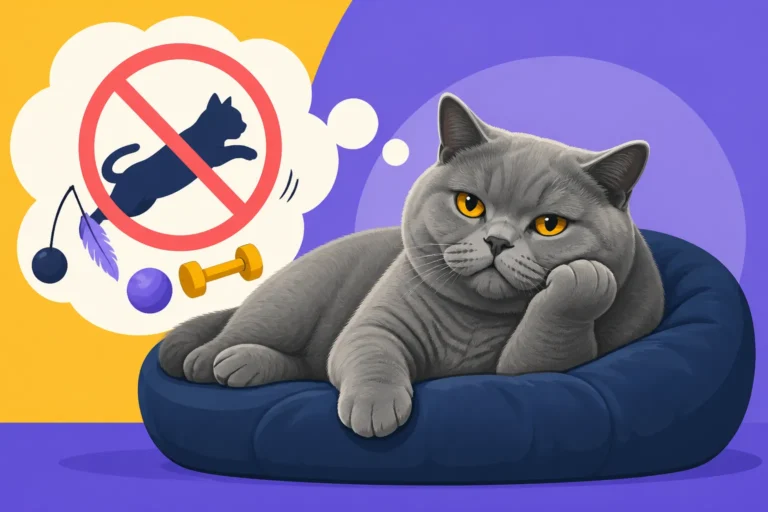
Beyond genetics, the typical British Shorthair lifestyle can significantly impact urinary health. These cats are generally calm and less active compared to some other breeds. They love a good nap in a sunny spot and might not engage in vigorous play as frequently. This sedentary lifestyle can mean less frequent trips to the litter box, allowing urine to sit in the bladder for longer periods. Stagnant urine can become more concentrated, increasing the risk of crystal formation and irritation to the bladder lining.
Their particular nature also extends to their environment. British Shorthairs can be quite fastidious, and if their litter box isn't kept immaculately clean, is too small, or is in an undesirable location, they might actively try to hold their urine. This prolonged retention further exacerbates the issue. On top of that, British Shorthairs are prone to weight gain, and Obesity Is the British Shorthair's Real Disease. An overweight cat might find it harder to get into a comfortable squatting position in the litter box, or might simply be less motivated to move, contributing to less frequent urination and therefore higher risk of urinary problems.
Understanding Common Urinary Tract Problems
When we talk about "urinary problems" in cats, it's not a single condition but rather a spectrum of issues that can affect the bladder and urethra. For British Shorthairs, understanding these specific ailments is crucial for recognizing symptoms and seeking appropriate care. It’s not just about a simple infection; often, it’s much more complex.
Feline Lower Urinary Tract Disease (FLUTD)
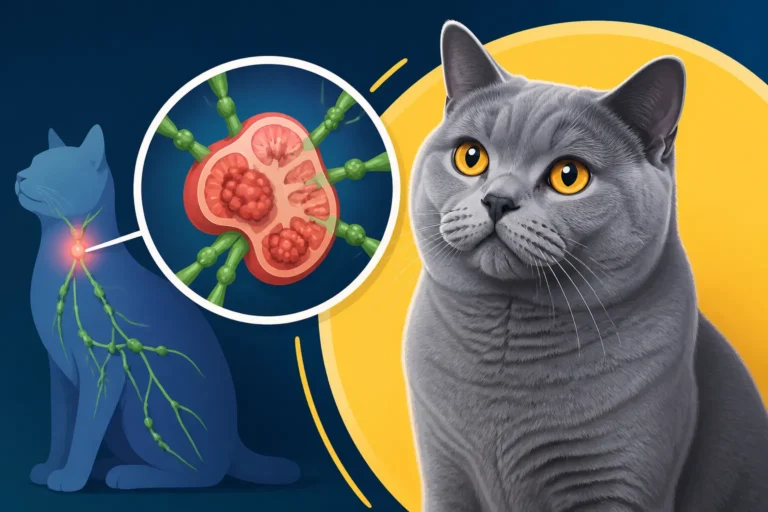
Feline Lower Urinary Tract Disease, or FLUTD, isn't a diagnosis itself, but an umbrella term covering various conditions affecting the bladder and urethra in cats. It’s incredibly common, especially in British Shorthairs, and often manifests in deeply distressing ways for both cat and owner. The most frequent culprit under the FLUTD umbrella is Feline Idiopathic Cystitis (FIC). This means there’s inflammation of the bladder lining, but no identifiable cause like bacteria or stones. It's often linked to stress, and let's be honest, our seemingly calm British Shorthairs can be surprisingly sensitive to changes in their environment, routine, or even household dynamics. A new piece of furniture, a change in your work schedule, or even a different brand of litter can trigger a flare-up.
Beyond FIC, FLUTD can also encompass the presence of urinary crystals or stones (urolithiasis), bacterial infections (though less common in cats than dogs), or even, rarely, tumors in the urinary tract. The frustrating thing about FLUTD is that many of the symptoms are similar regardless of the underlying cause, making a veterinary visit essential for proper diagnosis. Your cat might strain, urinate frequently, or pee outside the litter box, and you won't know if it's FIC or something more serious without professional help.
Bladder Stones and Crystalluria
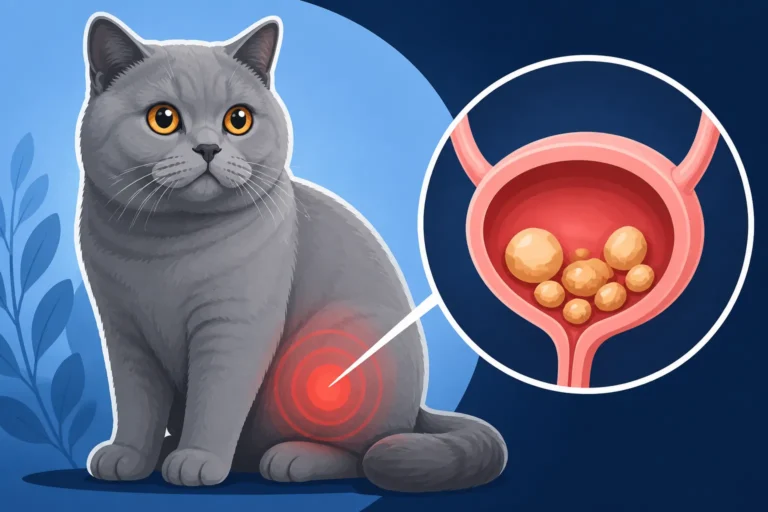
Bladder stones, or uroliths, are solid mineral formations that develop in the bladder. They're a significant component of FLUTD and can cause immense pain and irritation. In British Shorthairs, we most commonly see two types: struvite and calcium oxalate stones. Struvite stones often form in alkaline urine and can sometimes be managed with prescription diets that acidify the urine and dissolve the stones. Calcium oxalate stones, on the other hand, typically form in acidic urine and usually require surgical removal, as diet alone can't dissolve them.
These stones act like tiny irritants, constantly rubbing against the delicate bladder lining, causing inflammation, pain, and sometimes bleeding. The formation of these stones is influenced by several factors, including diet, urine pH, water intake, and even genetics. Some cats are simply more prone to crystal formation (crystalluria) which, if left unchecked, can aggregate into stones. This is why paying attention to Bladder Stones in a British Shorthair is so crucial, as they can quickly escalate from a nuisance to a serious health threat, especially given the breed's anatomical predispositions.
Urethral Obstruction: A Critical Emergency
Without a doubt, urethral obstruction is the most terrifying and life-threatening urinary problem a British Shorthair owner can face. This occurs when the urethra, the tube carrying urine from the bladder out of the body, becomes completely blocked. While both male and female cats can suffer from FLUTD, male cats are overwhelmingly more susceptible to blockages due to their longer, narrower urethra. A small stone, a plug of crystalline material mixed with mucus, or even severe inflammation can completely cut off the flow of urine.
When a cat is blocked, they become unable to urinate at all. Toxins that would normally be filtered by the kidneys and expelled in urine rapidly build up in the bloodstream. This can lead to kidney failure, electrolyte imbalances, and within 24-48 hours, become fatal. If you see your male British Shorthair straining repeatedly in the litter box with little or no urine production, becoming increasingly lethargic, or even vomiting, do not hesitate. This is an absolute emergency. The critical information about Why a Male British Shorthair Blocks highlights the urgency and severity of this condition; it’s not something that can wait until morning.
Recognizing the Subtle Signs of Urinary Distress
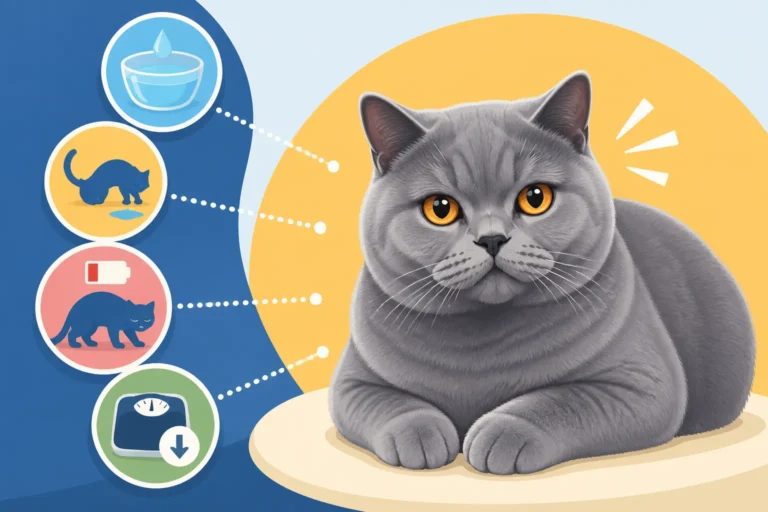
One of the most challenging aspects of owning a British Shorthair is their incredible ability to mask illness. They are masters of stoicism, often hiding pain or discomfort until a condition is quite advanced. This makes it even more important for owners to be vigilant and aware of the subtle signs that their beloved feline might be experiencing urinary distress. Missing these cues can lead to serious health complications, especially when dealing with the potential for blockages.
Changes in Litter Box Habits
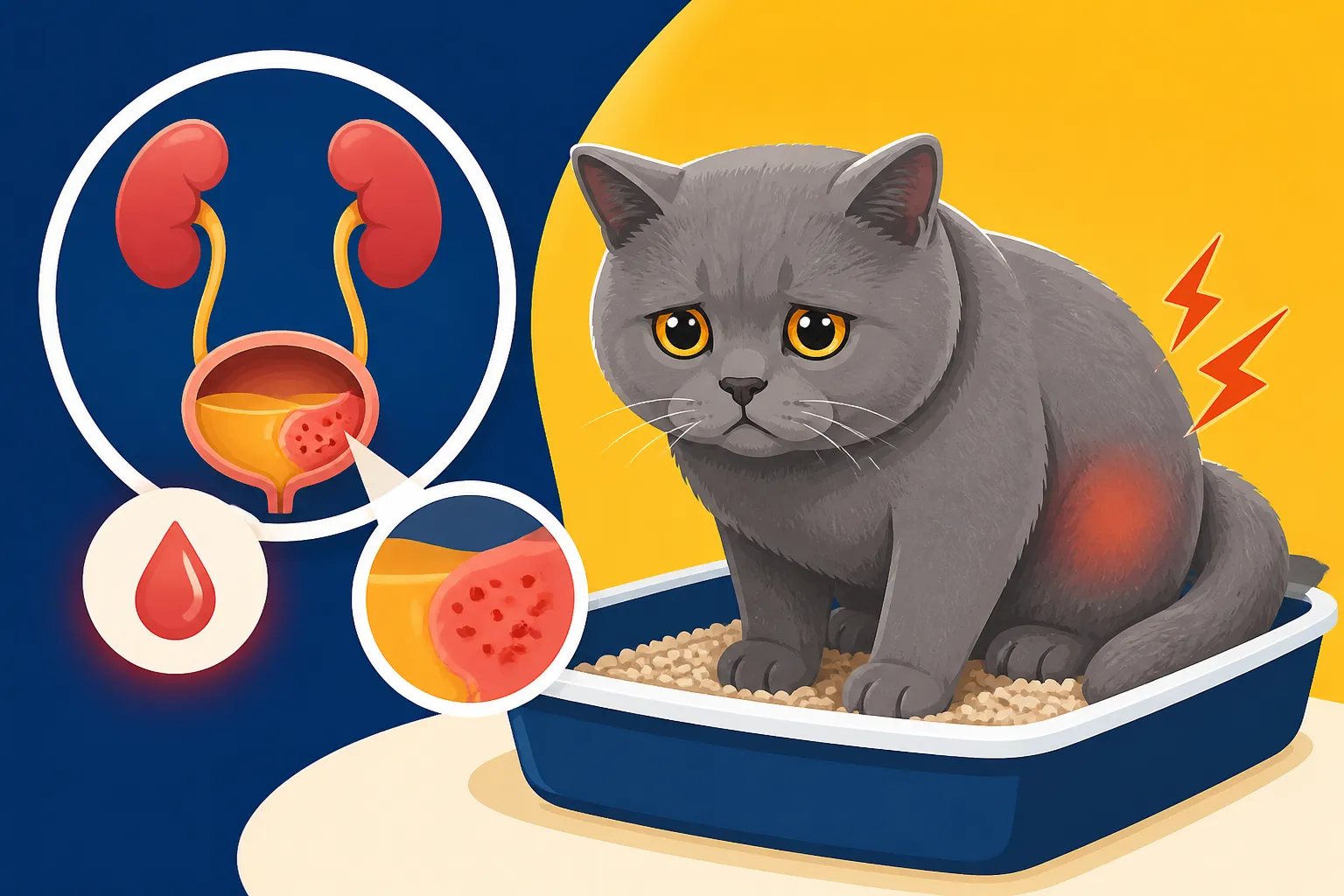
This is often the first, and most obvious, indicator that something isn't right. You might notice your British Shorthair making more frequent trips to the litter box (known as pollakiuria), sometimes attempting to urinate but only producing a few drops, or even nothing at all. This straining to urinate, called stranguria, is often mistaken for constipation by owners, a common and understandable misconception. If you see your cat squatting repeatedly, pushing and vocalizing, but no poop appears, it's far more likely to be a urinary issue than a digestive one.
Perhaps even more distressing is when your fastidious British Shorthair starts urinating outside the litter box (periuria). They might suddenly choose unusual spots: a cool tile floor, the bathtub, a sink, or even a pile of clean laundry. This isn't out of spite or a lack of training; it's usually because they associate the litter box with pain or discomfort and are desperately trying to find a more comfortable place to relieve themselves. They might also be communicating that the pain is so intense they simply can't make it to their usual spot. Small puddles or frequent drips around the house are huge red flags.
Behavioral and Physical Indicators
Beyond the litter box, there are other behavioral shifts and physical signs that can signal urinary problems. An increase in self-grooming, specifically excessive licking of the genital area, is a common indicator of irritation or pain. Your cat might be trying to soothe the burning sensation. You might also observe vocalization – crying, meowing, or even growling – when they attempt to urinate. This is a clear sign of significant pain and should never be ignored.
Lethargy, a decrease in appetite, or a sudden change in their usual playful (or typically calm) demeanor can also point to internal discomfort. Some cats might start hiding more, becoming less interactive, or generally seeming withdrawn. In more severe cases, you might even notice blood in their urine (hematuria). This can appear as a pinkish tint, rust-colored spots, or even streaks of red, depending on the severity. It's often hard to spot in a clean litter box unless you use white or very light-colored litter. Being aware of Signs a British Shorthair Cannot Urinate is incredibly important, as immediate action can make all the difference.
The Stoic Nature and Hidden Pain
It bears repeating: British Shorthairs are incredibly stoic. They are not typically a dramatic breed when it comes to expressing discomfort, and this can be a serious disadvantage when trying to detect health issues. Unlike some more vocal or visibly anxious breeds, a British Shorthair might quietly suffer for quite some time before their symptoms become undeniably obvious. They might simply move a little slower, eat a little less, or just seem "off" to their observant owner.
This makes it incredibly frustrating for owners who feel like they're playing detective, trying to figure out what's wrong with their seemingly fine cat. It's easy to dismiss a slight change in behavior as just "being a cat," but with British Shorthairs and urinary issues, these subtle shifts can be the only early warning signs you get. Don't second-guess yourself if your gut tells you something is wrong. Trust your instincts and seek veterinary advice, because by the time a British Shorthair shows undeniable pain or distress, the situation may already be quite advanced and require urgent intervention.
Diagnosis and Treatment Approaches
Once you suspect your British Shorthair might be suffering from a urinary problem, the next crucial step is getting an accurate diagnosis from your veterinarian. Guessing or waiting it out can have dire consequences, especially if a blockage is developing. The diagnostic process is systematic, designed to pinpoint the exact cause of the distress, which then dictates the most effective treatment plan.
Veterinary Examination and Diagnostic Tests
When you bring your British Shorthair to the vet with suspected urinary issues, the first thing they'll do is a thorough physical examination. This often includes carefully palpating your cat's abdomen to feel for a distended or painful bladder. If the bladder is very full and hard, it's a strong indicator of an obstruction. The vet will also check for any signs of pain or tenderness in the lumbar region.
Next, a urinalysis is almost always performed. This involves collecting a urine sample (ideally through cystocentesis, where a needle is used to draw urine directly from the bladder, to avoid contamination) and analyzing it for specific gravity (concentration), pH, presence of red or white blood cells, protein, glucose, and, crucially, crystals and bacteria. If bacteria are found, a urine culture and sensitivity test will be done to identify the specific type of bacteria and determine which antibiotics will be most effective. Imaging, such as X-rays or an ultrasound, is often necessary to check for bladder stones, assess the thickness of the bladder wall (which can indicate chronic inflammation), or look for any abnormal growths like tumors. For older British Shorthairs, or those with suspected chronic conditions, bloodwork might also be recommended to assess kidney function, which can be part of What a British Shorthair's Yearly Bloodwork Should Cover.
Medical Management and Dietary Interventions
The treatment for urinary problems varies significantly depending on the diagnosis. If a bacterial infection is confirmed, a course of antibiotics will be prescribed. For conditions like Feline Idiopathic Cystitis (FIC), where inflammation and pain are key, your vet might prescribe pain relief medications (like NSAIDs, if appropriate for your cat's kidney function) and anti-inflammatories. Anti-spasmodic drugs can also help relax the bladder and urethra, making urination less painful.
However, one of the most powerful tools in managing and preventing recurrent urinary issues, especially stones and FIC, is diet. Prescription urinary diets, such as Royal Canin Urinary SO, Purina Pro Plan Veterinary Diets UR, or Hill's c/d, are specifically formulated to either dissolve struvite stones or prevent the formation of both struvite and calcium oxalate crystals. These diets often achieve this by controlling urine pH, reducing mineral content, and increasing water intake through higher moisture levels. While these specialized foods can be highly effective, it's important to be aware that What a Prescription Urinary Diet Costs a British Shorthair Owner can be a significant ongoing expense, which is something to factor into your budget.
Surgical and Emergency Procedures
In some severe cases, medical management and diet alone aren't enough, and surgical intervention becomes necessary. Large bladder stones that cannot be dissolved by diet, or stones that are causing immediate obstruction, will need to be surgically removed via a cystotomy. This procedure involves opening the bladder to physically remove the stones.
For male British Shorthairs who experience recurrent urethral obstructions, despite all efforts, a perineal urethrostomy (PU surgery) might be recommended. This complex surgical procedure involves removing the narrowest part of the urethra and widening the urethral opening, effectively creating a "female-like" opening that is much less likely to block. It's a last resort, but it can dramatically improve the quality of life for cats who would otherwise face repeated, life-threatening blockages. It's important to understand that emergency situations, particularly a urethral obstruction, require immediate and often costly hospitalization, catheterization, and stabilizing care. When you're facing such a critical situation, the last thing you want to worry about is the cost, which is where a reliable pet insurance plan like those offered by Healthy Paws can truly ease your mind, covering a significant portion of these unexpected and often high bills.
Proactive Prevention and Long-Term Wellness
Dealing with a urinary problem in your British Shorthair is stressful for everyone involved, but the good news is that many issues can be prevented or managed effectively with proactive care. By focusing on a few key areas, you can significantly reduce the risk of your beloved cat experiencing the pain and discomfort of urinary tract disease.
Hydration is Key: Encouraging Water Intake
Perhaps the single most critical preventative measure against urinary problems is ensuring your British Shorthair drinks enough water. Diluted urine is less concentrated, making it harder for crystals and stones to form, and helps flush out any irritants. Unfortunately, many cats, being descendants of desert animals, don't have a strong thirst drive and often don't drink enough.
There are several ways to encourage your British Shorthair to increase their fluid intake. Investing in a feline water fountain can be incredibly effective, as many cats are attracted to the fresh, circulating water. Multiple water bowls placed in different locations around the house can also encourage more frequent sips. Consider switching to a wet food diet, or at least incorporating wet food into their meals, as it has a much higher moisture content than dry kibble. You can even add a little water or low-sodium chicken broth to their wet food to boost hydration further. Making sure your cat knows How Much Water a British Shorthair Should Drink and providing ample opportunity is paramount.
Optimal Litter Box Environment
A clean, appealing litter box environment is essential for all cats, but especially for a fastidious breed like the British Shorthair. Cats can be incredibly particular, and if their "bathroom" isn't up to par, they might start holding their urine or eliminating elsewhere, increasing their risk of urinary issues.
The general rule of thumb is to have one more litter box than you have cats in your household. So, if you have one British Shorthair, you should ideally have two litter boxes. Ensure the boxes are appropriately sized; British Shorthairs are large, sturdy cats, so a small, cramped litter box can be uncomfortable and deter them from using it. Look for large, uncovered boxes. For older or overweight British Shorthairs, a low-sided litter box is crucial to ensure easy access, preventing painful joints or excess weight from making entry and exit difficult. This speaks to the need for understanding Which Litter Box Size a British Shorthair Needs and why Why a Heavy British Shorthair Needs a Low Sided Box is a real consideration. Scoop the litter boxes at least once, preferably twice, daily, and completely change the litter and wash the box regularly with unscented soap.
Stress Reduction and Environmental Enrichment
Feline Idiopathic Cystitis (FIC) is strongly linked to stress, so creating a calm, predictable environment for your British Shorthair is vital. Identify potential stressors in your home – these could be anything from a new pet, changes in household routine, moving furniture, loud noises, or even subtle conflicts with other pets.
Provide plenty of "cat-friendly" resources, including multiple feeding stations, water bowls, resting spots, and hiding places. Vertical spaces, like cat trees, allow your British Shorthair to observe their surroundings from a safe vantage point. Use Feliway diffusers, which release synthetic feline facial pheromones, to help create a more serene atmosphere. Regular, gentle playtime, even for a few minutes several times a day, can help reduce stress and encourage physical activity, which is also beneficial for weight management. Ensuring your British Shorthair has consistent interaction and mental stimulation can greatly contribute to their overall well-being and reduce stress-induced urinary flare-ups.
Weight Management and Regular Vet Check-ups
As we've touched upon, British Shorthairs are prone to weight gain, and obesity is a significant risk factor for a myriad of health problems, including urinary issues. An overweight cat has more difficulty grooming, moving, and may develop other metabolic issues that affect urinary health. Portion control is paramount; talk to your vet about the ideal weight for your British Shorthair and how many calories they truly need. For example, knowing What a British Shorthair Should Weigh at One Year can give you a baseline. Regular, monitored exercise, even if it's just gentle play with a wand toy, is also important.
Beyond day-to-day care, routine veterinary check-ups are non-negotiable for preventative health. Your vet can catch subtle changes in weight, body condition, or behavior that you might miss. Regular visits allow for early detection of potential problems, especially as your British Shorthair enters their senior years. These check-ups are also crucial for monitoring kidney health, which can become more of a concern for Caring for a British Shorthair Past Ten. Catching issues early often means less invasive and less costly treatment down the line. It's a proactive investment in their health, and while preventative care has its own costs, having comprehensive pet insurance from providers like Healthy Paws can help manage the financial burden of these essential wellness checks and any subsequent treatments.
What to Expect: Prognosis and Ongoing Care
Understanding the long-term outlook for a British Shorthair with urinary problems can help you prepare for ongoing care and make informed decisions. While some conditions are a one-time fix, many urinary issues require continuous management and vigilance to ensure your cat's comfort and health.
Living with Chronic Urinary Conditions
Many British Shorthairs diagnosed with urinary issues, particularly Feline Idiopathic Cystitis (FIC) or recurrent bladder stones, will live long, happy lives with proper management. However, it's important to accept that some conditions are chronic, meaning they might require lifelong dietary changes, stress management, and occasional medication during flare-ups. This can feel like a constant balancing act for owners, but with a consistent routine and close communication with your veterinarian, you can significantly reduce the frequency and severity of episodes.
Your vet will be your best partner in navigating chronic conditions. They might recommend regular follow-up urinalyses or even imaging to monitor your cat's progress and ensure the treatment plan remains effective. For owners, this often means strict adherence to prescription diets, diligently encouraging water intake, and maintaining a calm, predictable environment. It's a commitment, but seeing your cat comfortable and thriving makes it all worthwhile. Remember, managing chronic conditions can lead to ongoing costs, and understanding What an Aging British Shorthair's Bills Look Like can help you plan financially for the long haul.
When to Seek Immediate Veterinary Attention
While routine management is key for chronic conditions, there are specific signs that absolutely warrant immediate veterinary attention. Do not wait to see if things improve; time is of the essence, especially if you suspect a blockage.
Seek emergency veterinary care immediately if you observe any of the following:
- Complete inability to urinate: Your cat is straining forcefully in the litter box but producing no urine whatsoever.
- Prolonged, painful straining: Persistent squatting, crying, or showing obvious signs of discomfort without any output.
- Lethargy and weakness: Your cat becomes unusually tired, unresponsive, or collapses.
- Vomiting and loss of appetite: These signs, especially combined with straining, indicate a severe and rapidly progressing issue.
- Distended abdomen: Your cat's belly appears swollen and painful when touched.
An untreated urethral obstruction can lead to irreversible kidney damage, rupture of the bladder, and death within 24 to 48 hours. If you notice these symptoms, consider it a life-threatening emergency and get your British Shorthair to the nearest open veterinary clinic or emergency hospital without delay. When you're facing such a critical situation, the last thing you want to worry about is the cost, which is where a reliable pet insurance plan like those offered by Healthy Paws can truly ease your mind, helping cover the significant expenses associated with emergency treatment.
Common Urinary Problems in British Shorthairs
| Urinary Problem | Common Symptoms | Key Causes | Treatment Overview |
|---|---|---|---|
| Feline Idiopathic Cystitis (FIC) | Frequent urination, straining, urinating outside the box, blood in urine, excessive licking of genitals | Stress, inflammation of the bladder lining (no bacterial cause found) | Pain relief, anti-inflammatories, prescription diet (wet food), stress reduction, Feliway diffusers |
| Bladder Stones (Uroliths) | Straining to urinate, frequent urination, bloody urine, pain, potential obstruction | Diet, urine pH imbalance, genetics, decreased water intake | Prescription diet (to dissolve struvites or prevent recurrence), surgical removal (for oxalates or large stones) |
| Urethral Obstruction | Complete inability to urinate, intense straining, pain, vomiting, lethargy, distended abdomen | Bladder stones, mucus plugs, severe inflammation (more common in males) | EMERGENCY: Immediate catheterization, hospitalization, intravenous fluids, pain management, potential PU surgery |
| Bacterial Urinary Tract Infection (UTI) | Frequent urination, straining, bloody urine, strong urine odor, lethargy | Bacteria entering the urethra (less common in cats than dogs, often secondary to other issues) | Antibiotics (based on culture and sensitivity), increased hydration |
Disclaimer
This guide offers general information and is not a substitute for professional veterinary advice. Always consult with your veterinarian regarding any health concerns or before making any decisions about your British Shorthair's care.