Lymphoma in a British Shorthair
Discovering that your beloved British Shorthair might have a serious illness like lymphoma is a gut-wrenching experience, often leaving you feeling helpless and overwhelmed. Many of us worry about our furry family members, especially as they get older, and a cancer diagnosis can be truly frightening. This comprehensive guide is here to walk you through what lymphoma is in British Shorthairs, how to recognize its often-subtle signs, what diagnostic steps to expect, and the various treatment options available, empowering you with the knowledge to navigate this challenging journey.
Understanding Lymphoma in British Shorthairs
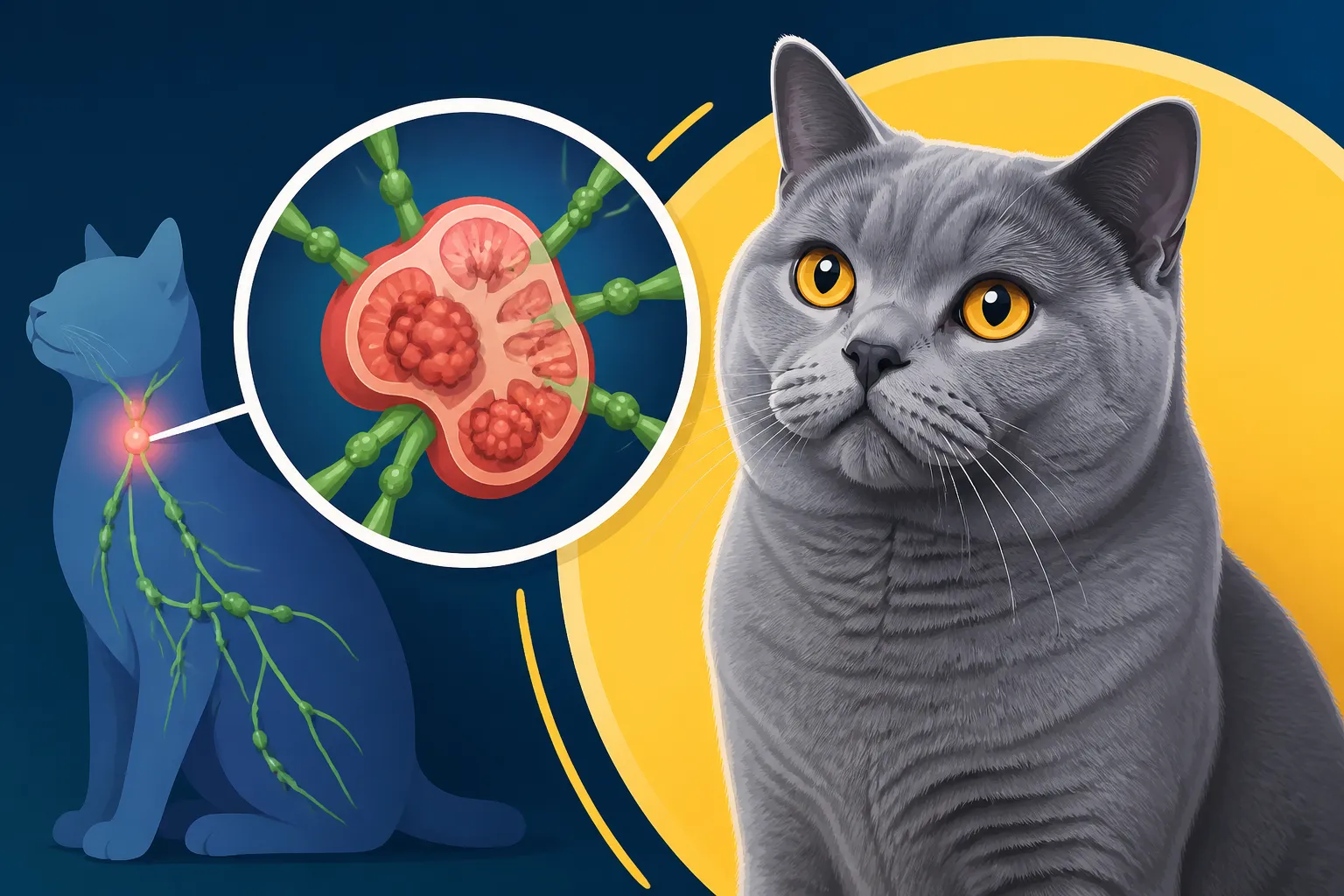
Lymphoma is one of the most common cancers seen in cats, and unfortunately, our lovely British Shorthairs are no exception. It's a type of cancer that originates from lymphocytes, which are a type of white blood cell crucial for the immune system. When these cells become cancerous, they can multiply uncontrollably and form tumors in various parts of the body, essentially hijacking the cat's natural defenses. The impact can vary dramatically depending on where the cancer decides to set up shop.
What Exactly Is Feline Lymphoma?
Think of your cat's immune system as a sprawling network, with lymphocytes as its vigilant patrol officers. These cells are produced in the bone marrow and mature in places like the lymph nodes, spleen, and thymus, ready to fight off infections and foreign invaders. Lymphoma occurs when these patrol officers go rogue, turning cancerous and accumulating in organs that are rich in lymphoid tissue. It’s not just one disease; it’s a spectrum, categorized by where it appears in the body and how aggressive it is. Unlike some cancers that stay localized, lymphoma is tricky because it can be widespread or target a specific organ with surprising speed. It's a diagnosis that definitely requires a deep breath and a plan.
Common Types and Locations of Lymphoma in British Shorthairs
Because lymphoma can arise wherever lymphoid tissue is found, it presents in several forms in British Shorthairs. The most frequently encountered type is alimentary lymphoma, affecting the gastrointestinal tract. This can range from small cell lymphoma, which is often slower-growing and has a better prognosis, to large cell lymphoma, which is more aggressive. We’re talking about everything from the stomach to the intestines, and the symptoms can often be mistaken for other digestive issues, making early detection a real challenge.
Another common form is mediastinal lymphoma, which involves the chest cavity, specifically the thymus gland or associated lymph nodes. Cats with this type might struggle with breathing or experience fluid buildup in their chest. Then there's multicentric lymphoma, which is less common in cats than in dogs, but can manifest as enlarged peripheral lymph nodes all over the body. Other, rarer forms include renal lymphoma (kidneys), nasal lymphoma (nose), and spinal lymphoma (spine), each presenting with its unique set of symptoms depending on the affected organ. The variation is why a thorough diagnostic process is so crucial.
Recognizing the Subtle Signs of Lymphoma in Your British Shorthair
One of the hardest things about being a British Shorthair owner is their incredibly stoic nature. They are masters at hiding discomfort and illness, often making it incredibly difficult to tell when something is truly wrong. This means that by the time you notice overt symptoms, the disease might have progressed further than you would hope. It’s a frustrating reality, but understanding what to look for can make all the difference. Spotting Signs a British Shorthair Is Unwell is an art form with this breed.
Early Warning Signs That Are Easy to Miss
Because British Shorthairs are typically calm and less outwardly demonstrative than some other breeds, early signs of lymphoma can be incredibly subtle and easily attributed to other minor issues or just "getting older." For example, a slight decrease in appetite might just seem like a picky phase, or a bit more napping could be seen as typical for a low-energy breed. You might notice a very gradual Why Weight Loss in an Old British Shorthair Is a Warning even if they seem to be eating normally, or perhaps a subtle change in their coat quality because they're not feeling up to their usual meticulous grooming. These are the kinds of changes that creep up on you, often over weeks or even months, until one day you realize your cat just isn't quite themselves. Don't underestimate your intuition as an owner; if something feels off, it often is.
Specific Symptoms Based on Lymphoma Location
The symptoms your British Shorthair displays will largely depend on where the lymphoma has chosen to grow.
Alimentary Lymphoma (GI Tract): This is probably the most common presentation. You might see chronic vomiting, which could be intermittent and mild at first, or persistent diarrhea. Sometimes, cats will experience constipation. A significant symptom is unexplained weight loss, even if they're still eating a decent amount. They might also have a decreased appetite, or you might notice a change in the frequency or consistency of their bowel movements. You might even feel a mass in their abdomen during a cuddle, though this is less likely with diffuse forms. It’s easy to dismiss these as simple upset stomachs, which is why persistent or worsening symptoms always warrant a vet visit.
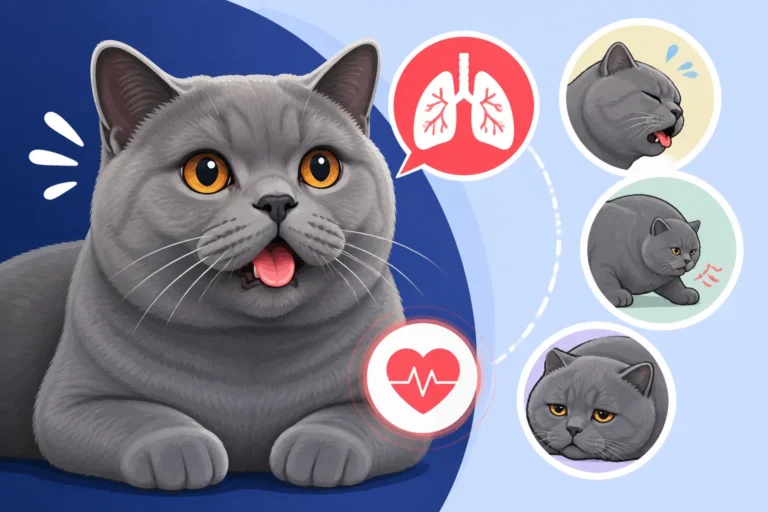
Mediastinal Lymphoma (Chest): When lymphoma affects the chest, breathing difficulties are a primary concern. Your British Shorthair might start breathing more rapidly, panting, or have an open-mouthed breathing pattern, especially after even mild exertion. They might cough, or you could notice a muffled sound when they purr, indicating fluid around their lungs. They may also become lethargic and less willing to move around, simply because breathing takes so much effort. This can be particularly alarming, as labored breathing is always an emergency.
Other Locations:
- Peripheral Lymph Nodes: If the lymphoma affects external lymph nodes (e.g., under the jaw, behind the knees), you might feel small, firm, non-painful lumps. These are usually easier to spot if you regularly interact with your cat.
- Renal (Kidney) Lymphoma: Symptoms can include increased thirst and urination, and lethargy, similar to chronic kidney disease. Your vet might feel enlarged or irregular kidneys during an examination.
- Nasal Lymphoma: This can cause chronic nasal discharge (often bloody), sneezing, noisy breathing, or even facial swelling.
- Spinal Lymphoma: Affecting the spinal cord, this can lead to weakness in the hind legs, paralysis, or difficulty walking or jumping. This is where How a British Shorthair Hides Pain makes diagnosis especially critical, as nerve damage can be debilitating.
Diagnosing Lymphoma and Understanding Treatment Options
Once you've noticed something is amiss with your British Shorthair, the next step is a trip to the vet. This is where the detective work begins, and it can sometimes feel like a whirlwind of tests and decisions. Understanding the process can help you feel more in control during a very stressful time.
The Diagnostic Process: From Exam to Biopsy
Your veterinarian will start with a thorough physical examination, feeling for any enlarged lymph nodes, abdominal masses, or signs of discomfort. They'll also listen to your cat's heart and lungs. After that, a series of tests are usually recommended. Blood work, including a complete blood count (CBC) and a biochemistry panel, can reveal general health status, kidney and liver function, and sometimes even abnormal lymphocyte counts. However, normal blood work doesn't rule out lymphoma. Your vet will likely recommend a urinalysis as well. For a more complete picture, What a British Shorthair's Yearly Bloodwork Should Cover often includes these basics, but a suspected lymphoma case requires more targeted diagnostics.
Imaging is often the next step. X-rays of the chest and abdomen can help identify masses, fluid accumulation, or enlarged organs. An abdominal ultrasound is particularly useful for visualizing the gastrointestinal tract, kidneys, and internal lymph nodes. If any abnormalities are found, your vet will likely recommend taking samples. This could be a fine needle aspirate (FNA) of an enlarged lymph node or mass, where a small needle is used to collect cells for microscopic examination. While FNAs are quick and minimally invasive, they don't always provide a definitive diagnosis, especially with certain types of lymphoma.
The gold standard for diagnosing lymphoma is a biopsy, where a piece of tissue is surgically removed and sent to a pathology lab for definitive diagnosis. This is often necessary for distinguishing lymphoma from inflammatory bowel disease (IBD) in the GI tract, for example. In some cases, endoscopy might be used to collect biopsies from the GI tract without major surgery. Your vet might also discuss specialized tests like flow cytometry or PCR for antigen receptor rearrangements (PARR) to further characterize the lymphoma cells. This comprehensive approach ensures an accurate diagnosis, which is crucial for determining the best course of treatment.
| Lymphoma Type | Common Location | Typical Symptoms | Diagnostic Preference |
|---|---|---|---|
| Alimentary (GI) | Stomach, Intestines | Vomiting, diarrhea, weight loss, decreased appetite | Abdominal ultrasound, GI biopsy (endoscopic or surgical) |
| Mediastinal (Thoracic) | Chest cavity (thymus) | Labored breathing, coughing, lethargy | Chest X-rays, thoracic ultrasound, tissue biopsy |
| Multicentric | Peripheral lymph nodes | Enlarged lymph nodes, systemic illness | Fine Needle Aspirate (FNA), lymph node biopsy |
| Renal (Kidney) | Kidneys | Increased thirst/urination, lethargy | Abdominal ultrasound, kidney biopsy |
| Nasal | Nasal cavity | Nasal discharge, sneezing, noisy breathing, facial swelling | Nasal CT scan, biopsy |
Treatment Options and Prognosis
The good news is that lymphoma, especially certain types, is often treatable in cats. The primary treatment for most forms of feline lymphoma is chemotherapy. This often sounds daunting, but feline chemotherapy protocols are generally designed to be less aggressive than human chemotherapy, aiming for a good quality of life rather than a complete cure at all costs. Many cats tolerate chemotherapy very well, with minimal side effects. The specific drugs, dosage, and frequency will depend on the type and stage of lymphoma, as well as your cat's overall health. Oral chemotherapy options are also available for some cases, particularly for small cell alimentary lymphoma.
Beyond chemotherapy, other treatment modalities may be considered. Radiation therapy can be very effective for localized forms of lymphoma, such as nasal lymphoma. Surgery might be used to remove a solitary tumor, though it's less common for lymphoma, which is often systemic. Palliative care, focusing on managing symptoms and maintaining comfort, is always a vital component, especially for advanced or aggressive cases. This includes pain management, appetite stimulants, and nutritional support.
The prognosis for a British Shorthair with lymphoma varies significantly. Small cell alimentary lymphoma generally has a good prognosis with treatment, with many cats achieving remission and living for several years. More aggressive forms, like large cell alimentary or mediastinal lymphoma, have a guarded prognosis, but even these can respond well to treatment, offering a good quality of life for a significant period. Discussions about prognosis and expected outcomes will be ongoing with your veterinary oncologist, as every cat's response to treatment is unique. It’s important to remember that the goal is often to extend life with good quality, not just quantity. Understanding How Long a British Shorthair Lives After an HCM Diagnosis might give you a different perspective, as heart disease has different outcomes than many cancers, but the focus on quality of life remains universal.
Living with a British Shorthair with Lymphoma: Care and Support
A diagnosis of lymphoma, while heartbreaking, doesn't mean the end of your British Shorthair's comfortable life. With the right care and support, many cats can continue to enjoy a good quality of life, even while undergoing treatment. This journey is about adapting and providing the best possible environment for your beloved companion.
Managing Treatment Side Effects and Maintaining Comfort
One of the biggest concerns for owners facing chemotherapy is the potential for side effects. Thankfully, as mentioned, feline chemotherapy is generally much better tolerated than in humans. The most common side effects are mild gastrointestinal upset (nausea, decreased appetite, mild diarrhea) and temporary bone marrow suppression, which can make your cat more susceptible to infection. Your veterinary team will equip you with anti-nausea medications and strategies to manage these issues. It’s crucial to administer all medications exactly as prescribed and to monitor your British Shorthair closely for any changes.
Maintaining comfort is paramount. This means ensuring they have a quiet, warm, and comfortable place to rest. Soft beds, easily accessible litter boxes (especially if they're a bit weaker), and fresh water are essential. Pay close attention to their appetite and encourage them to eat by offering palatable foods, warming their meals, or trying different textures. If they're struggling, your vet might prescribe appetite stimulants. Grooming can also become difficult for a cat that isn't feeling well, so gentle brushing can help keep their plush coat in good condition and make them feel more comfortable. Remember, a happy cat is a cat that feels well cared for.
The Financial and Emotional Realities of Cancer Care
Let's be realistic: treating cancer in pets, including lymphoma, can be expensive. The diagnostic tests alone – blood work, ultrasounds, biopsies – can add up quickly. And then there's the cost of chemotherapy, which can involve weekly or bi-weekly visits for injections, plus oral medications. These costs can be a significant burden for many families, and it's okay to acknowledge that. This is where having pet insurance can be a huge relief. Many pet insurance providers, such as Healthy Paws, offer plans that can cover a significant portion of cancer treatment costs, from diagnostics to chemotherapy and supportive care. It’s definitely something worth looking into if you haven't already, as it can ease the financial stress during an already emotionally taxing time. Understanding What an Aging British Shorthair's Bills Look Like can help you prepare for the financial aspects of senior pet care, which often includes managing chronic illnesses.
Beyond the financial aspect, the emotional toll of caring for a cat with cancer is immense. It’s a roller coaster of hope and worry. Allow yourself to feel these emotions. Lean on your support system, whether that's family, friends, or online communities of pet owners. Don't hesitate to talk openly with your veterinary team about your concerns; they are there to support both you and your British Shorthair. Knowing The Twelve to Seventeen Years a British Shorthair Gets helps us appreciate every moment, and fighting a serious illness like lymphoma can certainly make those moments even more precious. It’s a journey that requires resilience, patience, and an abundance of love.
Disclaimer
This article is intended for informational purposes only and does not constitute medical advice. Always consult with a qualified veterinarian for any health concerns or before making any decisions about your British Shorthair's care or treatment plan.