Signs a British Shorthair Is Unwell
It's a heartbreaking truth that our beloved British Shorthairs, with their calm and stoic natures, are absolute masters at hiding when they're not feeling their best. Their instinct is to mask pain and weakness, making it incredibly difficult for even the most observant owner to spot trouble early. This guide is here to empower you, breaking down the often-subtle signs your British Shorthair might be unwell, so you can act quickly and get them the care they need.
Subtle Shifts in Behavior and Demeanor
Our British Shorthairs are creatures of habit, and while they might seem unflappable, any deviation from their normal routine can be a red flag. It’s not about dramatic changes; often, it’s the barely perceptible shifts that tell the real story. Paying close attention to how they usually act will be your best tool for early detection.
Changes in Routine and Interaction
Has your typically reserved British Shorthair suddenly become even more withdrawn? Or perhaps, conversely, your usually independent cat is now clinging to you more than usual? These shifts, however slight, are often the first indicators that something isn't quite right. For instance, if your cat usually greets you at the door with a quiet trill but has stopped doing so, it's worth noting. They might not seem overtly ill, but their emotional state often mirrors their physical well-being.
Consider their preferred resting spots. If your British Shorthair always sleeps on the sofa but has now opted for a secluded spot under the bed for several days, it’s a sign they might be seeking comfort or trying to hide their vulnerability. Similarly, a decrease in playful interactions, even if they're not the most active cats to begin with – perhaps they ignore their favorite wand toy, or don't even bother to bat at a dangling string – can indicate a lack of energy due to illness. It’s not just about what they do, but what they stop doing.
Even subtle changes in their vocalizations can be important. While British Shorthairs are known for being quiet, if your cat, who usually offers a soft "mrow" when they want attention, is now completely silent, or conversely, if they start vocalizing more frequently and plaintively, this could signal discomfort. Understanding How a British Shorthair Hides Pain is crucial, as they rarely cry out, even when in significant distress.
Hiding and Increased Solitude
One of the most classic signs of a cat feeling unwell is an increased tendency to hide. While British Shorthairs appreciate their alone time, a sudden and persistent retreat into dark, quiet spaces like under furniture, inside cupboards, or behind curtains, often signals that they are feeling vulnerable and unwell. They are instinctually trying to escape potential predators, even if those predators don't exist in your home.
This isn't just about finding a cozy spot for a nap; it's about active concealment. They might resist being coaxed out, or become agitated if you try to disturb them. This instinct to isolate themselves is deeply ingrained and serves as a powerful signal that their physical condition has deteriorated. It’s their way of saying, "Leave me be, I'm not strong right now."
If your British Shorthair normally enjoys quiet company, sitting near you rather than on you, but suddenly vanishes for hours on end, only emerging for food or to use the litter box, it's a serious indicator. This sustained withdrawal, especially if it lasts more than a day, warrants close observation and likely a call to your vet. Don't dismiss it as just "being a cat"; for a British Shorthair, it's often a distress signal.
Altered Grooming Habits
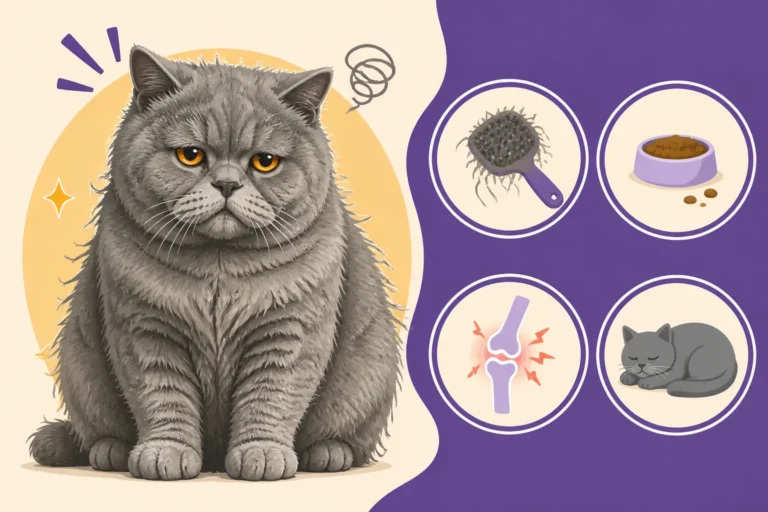
British Shorthairs are typically fastidious groomers, keeping their plush coats in pristine condition. A noticeable change in their grooming routine can therefore be a significant indicator of illness or discomfort. If your cat suddenly stops grooming altogether, leading to a dull, greasy, or matted coat, it often means they're not feeling well enough to bother, or they're in pain when trying to twist or reach certain areas.
Conversely, some cats may over-groom specific areas, licking excessively to the point of creating bald patches or skin irritation. This can be a sign of pain, itching (perhaps due to allergies), stress, or even neurological issues. It’s important to inspect their coat regularly, especially on their backs, where an Why an Overweight British Shorthair Stops Grooming Its Back might occur due to difficulty reaching.
Beyond the visible coat condition, also pay attention to their mouth and paws. If they are refusing to let you handle their paws or mouth, it might indicate pain, such as Gingivitis in a British Shorthair or an injury. A healthy British Shorthair might grumble about nail trims, but usually tolerates routine care. Any sudden, strong resistance or signs of pain during grooming attempts should be investigated.
Physical Indicators That Demand Attention
While behavioral changes are often the first subtle clues, physical symptoms become more apparent as an illness progresses. These can range from changes in how they eat and drink to unusual sounds or smells. Keeping a watchful eye on these physical markers is essential for catching problems before they become critical.
Appetite and Thirst Fluctuations
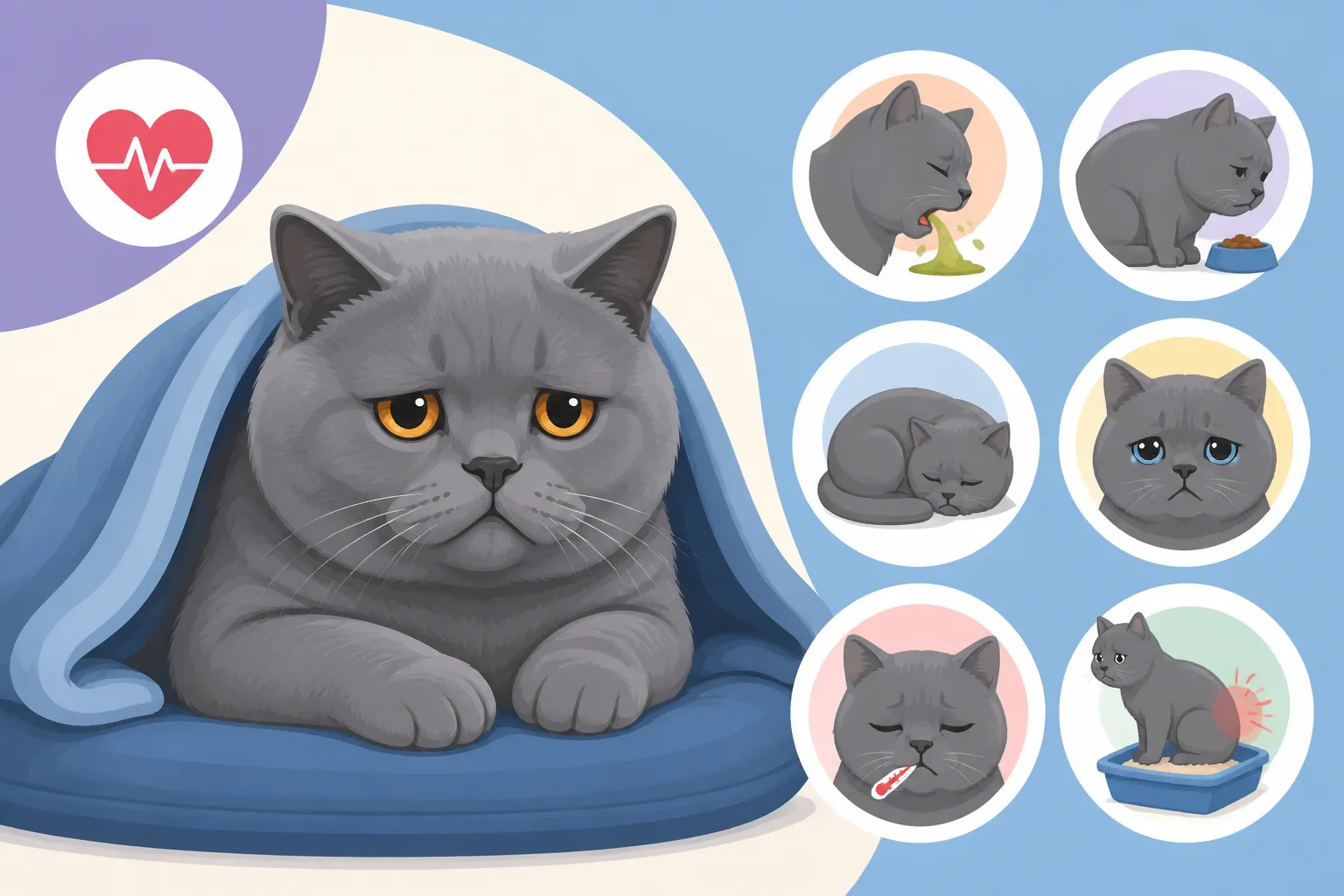
Changes in eating and drinking habits are some of the most common and easily observed signs of a British Shorthair feeling unwell. A sudden decrease or complete loss of appetite, known as anorexia, is a red flag. Even skipping one meal can be significant for a cat, as prolonged lack of food can lead to serious liver problems, especially in our robust British Shorthairs who are prone to obesity. Don't wait to see if they'll eat tomorrow; consult your vet if your cat refuses food for more than 24 hours.
On the other hand, a sudden increase in appetite, especially if accompanied by weight loss, can also be a sign of an underlying health issue. Conditions like hyperthyroidism or Diabetes in a British Shorthair can manifest with a ravenous hunger that seems counterintuitive to illness. Similarly, increased thirst (polydipsia) and increased urination (polyuria) are classic symptoms of kidney disease, diabetes, or other metabolic disorders. Keep an eye on the water bowl and the litter box to track these changes.
When it comes to appetite, also consider how they are eating. Are they approaching the bowl with enthusiasm but then turning away? Are they eating only a few bites and then leaving the rest? Difficulty chewing, drooling, or pawing at the mouth could indicate dental pain or other oral issues. Any persistent change in their eating or drinking patterns, even if subtle, warrants veterinary attention.
Litter Box Anomalies
The litter box is a goldmine of information about your cat's health. Any changes in the frequency, quantity, consistency, or color of their urine and feces can indicate a problem. For example, if your British Shorthair is suddenly straining to urinate, making frequent trips to the box with little to no output, or crying out while attempting to urinate, it's an emergency. Urinary Problems in a British Shorthair, especially blockages in male cats, can become life-threatening very quickly.
Similarly, changes in bowel movements are crucial. Diarrhea, especially if persistent, watery, or containing blood or mucus, can lead to dehydration and nutrient loss. Constipation, indicated by small, hard stools or straining without success, can also be uncomfortable and point to dietary issues or other underlying problems. The consistency and smell of their stool can also provide clues; unusually foul-smelling or discolored feces (e.g., black, tarry, or very pale) should prompt a vet visit.
It's also important to note if your British Shorthair starts having accidents outside the litter box. While sometimes a behavioral issue, it can often be a sign of medical problems. Pain when using the box, inability to hold urine, or associating the box with discomfort can all lead to inappropriate elimination. Never punish a cat for this; instead, interpret it as a cry for help and get them checked by your veterinarian.
Respiratory and Vocalization Changes
While British Shorthairs are generally quiet, any noticeable change in their breathing or vocalizations is a sign that something is amiss. Labored breathing, open-mouth breathing (which is always an emergency in cats), rapid breathing, or unusual sounds like wheezing or coughing, are critical signs of respiratory distress. Signs a British Shorthair Is Breathing Hard should never be ignored, as they can indicate serious issues like heart disease, asthma, or pneumonia.
A British Shorthair with a normal respiratory rate should have almost imperceptible chest movements, breathing quietly and effortlessly. If you see their sides heaving, their nostrils flaring, or if they adopt a crouched position with their neck extended to breathe, seek immediate veterinary care. These are not symptoms to "wait and see" about.
| Symptom Category | Specific Signs | Potential Issues | Urgency |
|---|---|---|---|
| Behavioral | Hiding, reduced interaction, lethargy | Pain, stress, organ disease, infection | Consult vet if persistent |
| Increased vocalization (meowing, crying) | Pain, discomfort, confusion, hyperthyroidism | Consult vet | |
| Over-grooming / Under-grooming | Pain, allergies, stress, skin conditions, arthritis | Consult vet | |
| Appetite/Thirst | Decreased appetite (24+ hrs without eating) | Liver issues, dental pain, kidney disease, infection, organ failure | Emergency (if no food for 24+ hrs) |
| Increased appetite with weight loss | Hyperthyroidism, diabetes, malabsorption | Consult vet | |
| Increased thirst/urination | Kidney disease, diabetes, hyperthyroidism, urinary tract infection | Consult vet | |
| Litter Box | Straining to urinate, frequent small urinations, blood | Urinary blockage, UTI, bladder stones, Feline Lower Urinary Tract Disease (FLUTD) | Emergency (especially for males) |
| Diarrhea (persistent, bloody, watery) | Parasites, infection, inflammatory bowel disease, diet intolerance | Consult vet (emergency if severe dehydration/blood) | |
| Constipation (straining, hard stools) | Dehydration, hairballs, megacolon, pain | Consult vet | |
| Respiratory | Open-mouth breathing, labored breathing, wheezing, coughing | Heart failure, asthma, pneumonia, lung disease, foreign object | Emergency |
| General Appearance | Dull coat, sunken eyes, visible weight loss/gain | Chronic illness, dehydration, poor nutrition | Consult vet |
| Vomiting (frequent, projectile) | Hairballs, diet intolerance, pancreatitis, kidney disease, foreign object | Consult vet (emergency if persistent or with blood) |
Recognizing Pain and Discomfort in a Quiet Breed
Pinpointing pain in a British Shorthair can be incredibly challenging because they are so adept at masking it. It's not often a dramatic cry or limp, but rather a series of subtle behavioral and physical changes that, when pieced together, paint a picture of discomfort. Learning to read these quiet signals is vital for their well-being.
Mobility and Posture Concerns
A change in how your British Shorthair moves or holds their body can be a strong indicator of pain, particularly if it's related to their joints, spine, or muscles. You might notice a reluctance to jump onto their favorite cat tree or window perch, or perhaps they hesitate before climbing stairs. They might start using furniture as "stepping stones" rather than making a single leap. This often signals conditions like Arthritis in an Older British Shorthair or other musculoskeletal pain.
Observe their gait: Is it stiff, uneven, or do they seem to favor one leg? When they lie down or get up, do they do so slowly and deliberately, perhaps with a grunt or a sigh? Even a slight tremor or weakness in their legs can indicate pain or a neurological issue. Pay attention to their posture while resting or walking. A hunched back, a tucked tail, or a stiff, unnatural stance can all be subtle signs they are trying to guard a painful area.
Sometimes, the sign isn't just about movement, but about stillness. If your normally active cat (even a British Shorthair has some activity!) becomes unusually still, lying in one spot for prolonged periods and resisting attempts to move them, it suggests they are trying to avoid putting pressure on a painful part of their body. These small, often overlooked details are critical when assessing their comfort levels.
Uncharacteristic Aggression or Irritability
While British Shorthairs are known for their placid and tolerant personalities, pain can dramatically alter a cat's temperament. If your usually docile cat suddenly hisses, growls, scratches, or bites when you try to pet them, especially in a particular area, it's a strong indicator they are in pain and trying to protect themselves. They aren't being "mean"; they're communicating their discomfort in the only way they know how.
This change in temperament might also manifest as irritability towards other pets in the household, or even a sudden aversion to being handled by children, even if they've always been patient. They might lash out unexpectedly or become withdrawn and avoid all physical contact. This shift from their baseline personality should never be dismissed as simply "moodiness" – it's a distress signal.
It's important to approach a cat exhibiting these signs with caution. Never force interaction, and observe from a distance before attempting to get closer. Try to identify if there's a specific area that triggers their defensive reaction, as this can provide valuable information for your veterinarian. Remember, a sudden change in a British Shorthair's gentle nature is almost always a sign of underlying pain or significant stress.
Specific Area Sensitivity
Beyond general irritability, specific area sensitivity is a crucial clue. If your British Shorthair flinches, pulls away, or vocalizes when you touch a certain part of their body – be it their back, belly, tail, or a limb – it clearly indicates localized pain. For example, some cats with abdominal discomfort might resist being picked up, or curl tightly when resting to protect their belly.
Pay attention during routine activities like grooming, petting, or even just sitting next to them. If they suddenly don't want their ears touched (perhaps an ear infection like Ear Infections in a British Shorthair is brewing), or their mouth (dental pain), these pinpointed reactions are incredibly valuable. Even a subtle shiver or muscle spasm when touched can indicate pain or sensitivity.
This focused sensitivity often points directly to the source of the problem, allowing your vet to narrow down diagnostic efforts. It’s a good practice to gently palpate your cat regularly when they are healthy, so you become familiar with their normal body contours and reactions. This way, any swelling, lumps, or areas of tenderness will be much easier to spot when they aren't feeling well.
When to Seek Veterinary Care
Knowing when to call the vet can be daunting, especially with a stoic breed like the British Shorthair. It's not always about obvious emergencies; sometimes, persistent subtle changes are just as critical. Being proactive and prepared is key to ensuring your beloved companion gets timely and effective care.
Understanding Emergency vs. Non-Emergency
Certain symptoms demand immediate veterinary attention. These are what we call emergencies, where delaying care could have severe or even fatal consequences. These include:
- Open-mouth breathing, labored breathing, or severe difficulty breathing: Any respiratory distress is a critical emergency.
- Straining in the litter box with no urine output, especially in male cats: This can indicate a life-threatening urinary blockage.
- Collapse, severe weakness, or inability to stand: Suggests a serious underlying condition, potentially a cardiac event or severe pain.
- Repeated vomiting or diarrhea for more than 24 hours, especially if blood is present: Can lead to rapid dehydration and severe illness.
- Known toxin ingestion: If you suspect they've eaten something harmful.
- Major trauma: Falls, fights, or accidents.
For non-emergencies, such as persistent lethargy, reduced appetite for a day, subtle changes in litter box habits, or mild lameness, it's usually appropriate to call your regular veterinarian during business hours. While not immediately life-threatening, these signs still warrant attention and should not be ignored. It's better to be safe than sorry, and a quick call can help you determine the appropriate course of action. Reputable pet insurance providers like Healthy Paws can also help alleviate the stress of unexpected vet bills in these situations, allowing you to focus on your cat's health.
Preparing for the Vet Visit
Once you've decided to take your British Shorthair to the vet, preparation can make the visit smoother and more productive. Start by compiling a detailed history of your cat's symptoms: when did they start? How have they progressed? Have there been any changes in diet, routine, or environment? Note down specific observations, such as "my cat hasn't eaten for 30 hours" or "they are straining to urinate every two hours." The more information you can provide, the better.
Gather any relevant medical records, especially if it's a new vet or an emergency clinic. Consider bringing a fresh stool or urine sample if appropriate and requested by your vet. Make sure your cat is safely secured in a sturdy carrier for transport. Even the calmest British Shorthair can be stressed by a vet visit, and a secure carrier prevents escape or injury. Bringing a favorite blanket or toy can offer some comfort.
Don't be afraid to ask questions at the vet's office. Understand the diagnosis, the treatment plan, and any medications your cat might need. Ask about potential side effects and what to expect during recovery. Being prepared helps you advocate for your cat effectively and ensures you're ready to provide the necessary follow-up care.
Proactive Health Management
Beyond reacting to illness, proactive health management is the cornerstone of a long and healthy life for your British Shorthair. This includes regular veterinary check-ups, even if your cat appears perfectly healthy. Many conditions, such as The Age HCM Usually Appears in a British Shorthair or the subtle onset of kidney disease, can be detected early through routine physical exams and diagnostic tests.
Make sure your British Shorthair receives their recommended vaccinations and parasite prevention. Discuss appropriate nutrition and weight management with your vet, especially since Obesity Is the British Shorthair's Real Disease. Regular dental care is also crucial, as dental disease can lead to other health problems throughout the body. Ask your vet about How Often a British Shorthair Needs a Dental.
Consider the benefits of pet insurance from providers like Healthy Paws. While it doesn't cover pre-existing conditions, enrolling when your British Shorthair is young and healthy can provide invaluable financial peace of mind for future unexpected illnesses or injuries. This allows you to make care decisions based on your cat's needs, rather than solely on cost, ensuring they receive the best possible treatment throughout their life. Regular wellness exams, including What a British Shorthair's Yearly Bloodwork Should Cover, are an investment in their long-term health and happiness.
Disclaimer
This article is for general informational purposes only and does not constitute professional advice. Laws, prices and regulations vary by location and change over time. Consult a qualified professional for guidance on your specific situation.