The Age HCM Usually Appears in a British Shorthair
It’s a heartbreaking worry for any British Shorthair owner: the thought of a hidden health issue, especially one as serious as Hypertrophic Cardiomyopathy (HCM). We bring these beautiful, calm cats into our homes, falling in love with their chunky cheeks and placid natures, and the last thing we want is to learn they might be quietly battling a progressive heart disease. This guide aims to demystify when HCM typically makes its unwelcome appearance in British Shorthairs, helping you understand the timeline, recognize subtle signs, and empower you with knowledge for proactive care.
Understanding the Typical Onset of HCM in British Shorthairs
HCM is one of those conditions that can feel like a ticking time bomb, especially when you know it's prevalent in certain breeds. For British Shorthairs, the reality is that while the genetic predisposition might be there from birth, the physical manifestation of the disease – the thickening of the heart muscle – usually doesn't show up right away. This delay in visible signs is what makes it so insidious and so concerning for devoted owners.
Early Onset vs. Adult Diagnosis
The age at which HCM is diagnosed in British Shorthairs can vary quite a bit, which only adds to the anxiety. Some rare, unfortunate kittens might develop severe thickening very early on, even before their first birthday. This is often a more aggressive form of the disease, and sadly, these cases can be very difficult to manage. However, for the vast majority of British Shorthairs affected by HCM, the condition tends to be diagnosed in adulthood, typically between the ages of two and six years old.
It's crucial to understand that "diagnosis" here usually means when the thickening becomes significant enough to be detected via an echocardiogram. This doesn't mean the disease wasn't present before then, just that it hadn't progressed to a detectable stage. You might bring home a perfectly healthy-looking kitten, and for the first few years, everything seems fine. Then, during a routine check-up or if a murmur is detected, an echo might reveal the early stages of HCM. This later onset is why regular screening, rather than just a one-time test, is so vital for this breed. The frustration of feeling like you're waiting for a problem to appear is real, but proactive monitoring is the best defense.
The "Silent Killer" Aspect
One of the most terrifying aspects of HCM in British Shorthairs, and cats in general, is its reputation as a "silent killer." What this means is that your beloved feline companion can be living with significant heart changes without showing any outward symptoms. Cats are masters of hiding illness, a survival instinct that serves them well in the wild but causes immense challenges for us as pet parents.
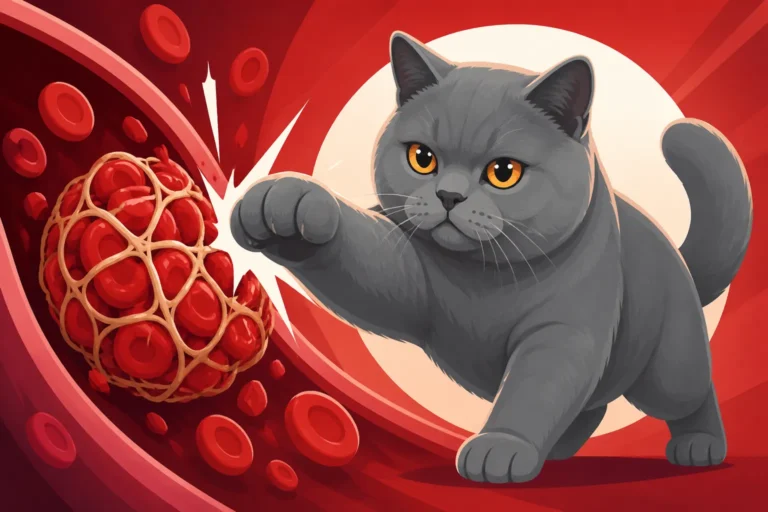
By the time overt symptoms appear – things like difficulty breathing, lethargy, or loss of appetite – the disease is often quite advanced. In some tragic cases, the first sign of HCM might even be sudden collapse or what's known as an arterial thromboembolism (saddle thrombus), a blood clot that can cause sudden paralysis and extreme pain. This is why responsible breeders and veterinarians constantly advocate for proactive screening, especially through echocardiograms. The idea is to catch the disease in its earliest stages, when management options are more effective and before your cat experiences severe distress. Knowing that your British Shorthair could be struggling internally without you knowing is a heavy burden, but awareness and action are key to mitigating that risk.
Why HCM Manifests Later in British Shorthairs
The delayed manifestation of HCM isn't just a random occurrence; it's intricately linked to how the disease progresses and the unique biology of these wonderful cats. While we might wish for a simple blood test at eight weeks old to tell us everything, the reality is far more complex. The absence of a specific DNA test for HCM in British Shorthairs, as discussed in HCM in a British Shorthair Has No DNA Test, further complicates early detection and relies heavily on physical examination.
The Progressive Nature of the Disease
HCM isn't a static condition; it's a progressive disease. This means that the thickening of the heart muscle doesn't happen overnight. It's a gradual process, often starting microscopically and slowly advancing over months or even years. Initially, the thickening might be so subtle that it doesn't impair heart function significantly. The heart is incredibly resilient and has remarkable compensatory mechanisms. It can work harder, pump faster, and adapt to the increasing muscle wall thickness for a considerable period without showing any outward signs of strain.
However, as the muscle continues to thicken, the heart's chambers become smaller, reducing the volume of blood it can pump efficiently. The heart muscle also becomes stiffer, making it harder for the heart to relax and fill with blood between beats. Eventually, these changes lead to increased pressure within the heart, fluid buildup in the lungs (pulmonary edema), or other complications like blood clots. It's this slow, creeping progression that often leads to a later diagnosis. Owners might not notice anything until their cat's compensatory mechanisms start to fail, at which point the disease is typically beyond its early, more manageable stages.
Genetic Predisposition and Modifiers
While the exact genetic mechanism for HCM in British Shorthairs is still being researched, it's widely accepted that a genetic predisposition plays a significant role. Unlike some breeds, such as the Maine Coon, for whom a specific genetic marker (MYBPC3 mutation) has been identified, British Shorthairs do not have a known DNA test for HCM. This means that even if a cat carries the genetic potential for HCM, we don't have a simple blood test to confirm it. This is a common point of frustration for breeders and owners alike, as explained in Why There Is No British Shorthair HCM Gene Test and why Whether the Maine Coon Test Works on a British Shorthair is not applicable.
The genetic factors likely influence not just whether a cat develops HCM, but also the rate at which it progresses and the severity of the disease. Some genetic modifiers might cause a very rapid, aggressive form of HCM, leading to earlier onset, while others might result in a much slower progression, delaying diagnosis until the cat is much older. Environmental factors, diet, and overall health might also play a role in how these genetic predispositions express themselves, though the primary driver remains genetic. This complex interplay of genetics and progression is why even cats from seemingly healthy lines can still develop the condition, reinforcing the need for continuous vigilance through screening.
Recognizing the Subtle Signs as HCM Progresses
Because British Shorthairs are typically calm, quiet cats, recognizing the early, subtle signs of HCM can be incredibly challenging. Their laid-back nature often means they're less prone to bursts of activity that might reveal shortness of breath in a more active breed. This makes it even more important for owners to be hyper-aware of any changes, no matter how minor they seem.
Changes in Behavior and Activity Levels
One of the first, most common signs of heart disease in British Shorthairs is a subtle change in their normal behavior and activity levels. These aren't always dramatic, sudden shifts; sometimes they're so gradual you might not even notice them at first. A British Shorthair already enjoys a good nap, but if you notice them sleeping even more than usual, or becoming less interested in the gentle play sessions they once enjoyed, it could be a warning sign. They might seem more tired after even minimal exertion, like walking across the room or going to their litter box.
You might also observe a decreased interest in toys or interactions. Perhaps they used to greet you at the door every day, and now they just lift their head or stay in their comfy spot. They might also start isolating themselves more, preferring quiet, out-of-the-way places. As discussed in Signs a British Shorthair Has Heart Disease, these subtle shifts are often the cat's way of conserving energy as their heart works harder. It's easy to dismiss these as "just getting older" or "being a lazy cat," but for a British Shorthair, any noticeable change in their routine energy levels warrants a closer look by your vet.
Respiratory and Other Physical Indicators
As HCM progresses and the heart's ability to pump blood effectively diminishes, fluid can start to back up into the lungs, leading to respiratory issues. This is where more overt physical signs become apparent, though even these can be subtle initially. The most critical symptom to watch for is changes in breathing. Unlike dogs who often pant when warm or excited, cats rarely pant, so it's a red flag. Look for rapid, shallow breathing, or breathing with an open mouth. You might notice their flanks moving more rapidly than usual when they are at rest. This sign, covered in more detail in Signs a British Shorthair Is Breathing Hard, should prompt immediate veterinary attention.
Other physical indicators can include a decreased appetite, which can lead to weight loss over time, despite their typically robust appetite. You might notice a distended abdomen if fluid is accumulating there (ascites), or even weakness in their hind legs. Pale gums can be another sign of poor circulation. Sometimes, a cough can develop, though this is less common with heart disease in cats than in dogs. If you ever gently press on your cat's abdomen and they seem uncomfortable, or if their hind legs seem weak or they are reluctant to jump, these could all be related to advanced HCM complications like congestive heart failure or a saddle thrombus. Any of these symptoms should trigger an urgent visit to your veterinarian.
The Crucial Role of Regular Cardiac Screening
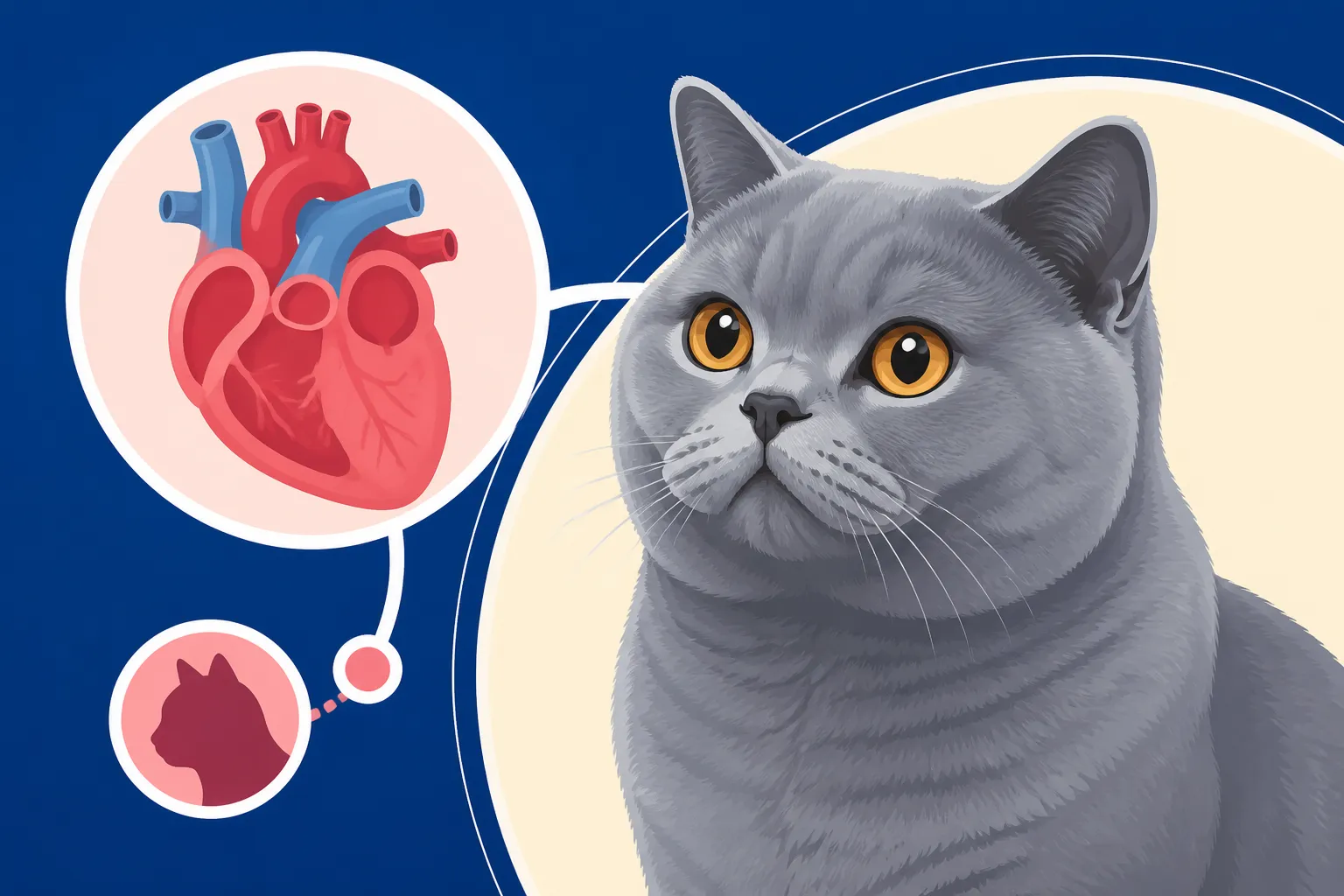
Given the silent nature of HCM and its typical adult onset in British Shorthairs, regular cardiac screening isn't just recommended – it's absolutely crucial. This proactive approach is the best tool we have to catch the disease early, allowing for management strategies to be implemented before severe symptoms or crises occur. Understanding What HCM Does to a British Shorthair's Heart underscores the importance of early detection.
Why Early and Consistent Echocardiograms are Essential
Echocardiograms, often simply called "echos," are essentially ultrasounds of the heart. They allow a veterinary cardiologist to visualize the heart's structure, measure the thickness of its walls, assess valve function, and detect any abnormalities in blood flow. For British Shorthairs, because there's no reliable DNA test for HCM, these regular heart scans are the gold standard for diagnosis and monitoring.
The general recommendation for British Shorthairs is to begin screening for HCM around 1 to 2 years of age, and then continue with annual or biennial (every two years) screenings, depending on the cardiologist's advice and your cat's individual risk factors or previous results. This schedule, detailed further in The Age a British Shorthair Should Start Screening and How Often a British Shorthair Needs an Echo, is designed to detect the subtle changes that signify early HCM before it progresses. Think of it like a regular preventative check-up for their most vital organ. While the cost of these regular screenings, as highlighted in What a British Shorthair Echo Costs, can add up, it's an invaluable investment in your cat's long-term health. Many responsible owners find that pet insurance providers, like Healthy Paws, can be incredibly helpful in offsetting the cost of these ongoing diagnostic tests and any subsequent treatments, making consistent care more accessible.
What a Breeder's Screening History Tells You
When considering a British Shorthair kitten, a responsible breeder's commitment to health screening is paramount. A good breeder won't just tell you their cats are healthy; they'll provide documentation of parental and lineage health screenings, particularly for HCM. They should be able to show you clear echocardiogram results for both the dam and sire, preferably from a board-certified veterinary cardiologist, and ideally, these screenings should be current and have been performed over multiple years to demonstrate a clear history.
It's not enough for parents to have a single clear echo; given the progressive nature and later onset of HCM, a history of clear annual or biennial echos into adulthood is a strong indicator of sound breeding practices. Ask to see the actual certificates or reports. Don't be shy about asking questions about the health history of their cattery, including any instances of HCM in related lines. This practice, explored in Whether a British Shorthair Breeder Shows Echo Results, is a sign of transparency and dedication. Even with impeccable breeding, however, no guarantee is absolute. This is where the long-term benefit of pet insurance, such as Healthy Paws, comes into play, offering a financial safety net for unexpected health issues that might arise, even in a kitten from a thoroughly screened lineage. It's about combining responsible breeding with practical preparedness for a lifetime of care.
| Aspect of HCM Onset | Typical Age of Appearance | Key Characteristics | Early Warning Signs (Subtle) | Critical Symptoms (Advanced) | Screening Method |
|---|---|---|---|---|---|
| Typical Onset | 2-6 years old | Gradual progression | Increased sleeping, reduced play, less interaction | Difficulty breathing, open-mouth breathing, lethargy, loss of appetite, hind leg weakness | Echocardiogram |
| Rare Early Onset | Under 1 year | Aggressive form | Similar to typical, but faster progression | Similar to typical, but faster progression | Echocardiogram |
| "Silent Killer" | Any age | No outward signs | None (until advanced) | Sudden collapse, acute paralysis (saddle thrombus) | Echocardiogram |
| Genetic Role | Lifelong predisposition | Influences onset/severity | N/A (requires genetic screening, not available for BSH) | N/A | Genetic testing (not currently available for BSH HCM) |
Disclaimer
Please remember that the information provided in this article is for general informational purposes only and does not constitute veterinary advice. Always consult with a qualified veterinarian for any health concerns or before making any decisions about your pet's health and treatment.