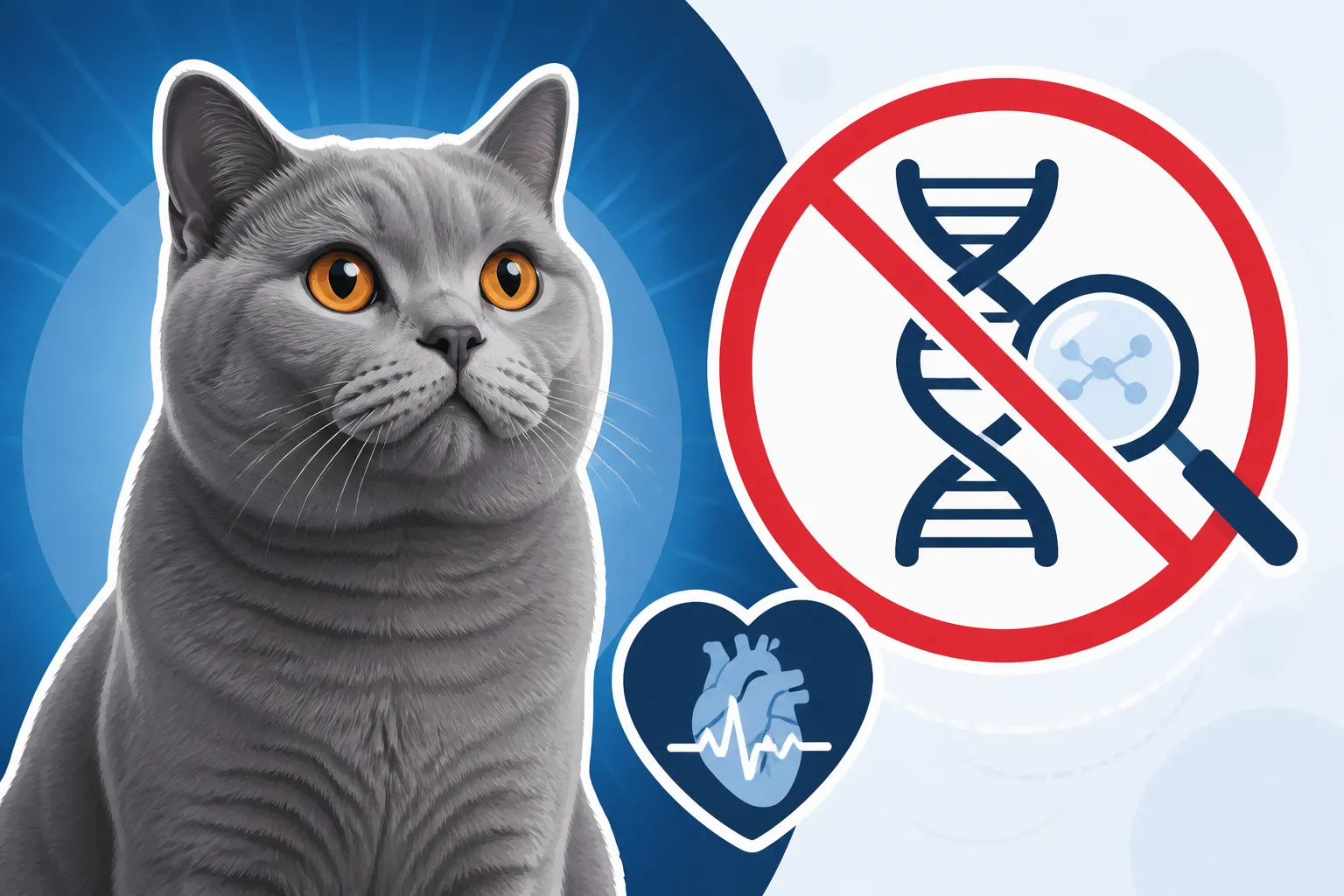
Why There Is No British Shorthair HCM Gene Test
It's incredibly frustrating, isn't it? You get this beautiful, chunky British Shorthair, fall completely in love, and then you start reading about health issues, especially Hypertrophic Cardiomyopathy (HCM), and the first thing you want to know is how to test for it. You look for a simple DNA test, like those available for some other breeds, only to discover there isn't one for British Shorthairs. This guide is going to dive deep into why that's the case, what it means for British Shorthair owners and breeders, and what steps you can take to protect your beloved feline companion.
Understanding Hypertrophic Cardiomyopathy (HCM) in British Shorthairs
Hypertrophic Cardiomyopathy (HCM) is one of those terms that can make any cat owner's heart sink. It's a progressive disease, meaning it gets worse over time, and it's particularly prevalent in certain breeds, including our lovely British Shorthairs. The absence of a straightforward genetic test makes it even more worrying for those of us who just want to do right by our cats.
What HCM Actually Is and How It Affects Your Cat
At its core, HCM is a disease of the heart muscle. Specifically, it causes the walls of the heart's main pumping chamber, the left ventricle, to thicken. Imagine your heart as a powerful pump; when the walls get thicker, the chamber inside becomes smaller. This means the heart has less room to fill with blood and has to work much harder to pump the same amount of blood out to the body. This increased workload and decreased efficiency can lead to several serious problems over time. The heart can't relax properly to fill with blood, and the increased pressure can cause fluid to back up into the lungs, leading to congestive heart failure.
Beyond the physical thickening, the abnormal muscle tissue can also interfere with the heart's electrical signals, sometimes leading to arrhythmias. In some severe cases, the thickening can obstruct the outflow of blood from the heart, and this turbulent blood flow can lead to clot formation. If a clot breaks free and travels through the bloodstream, it can cause a devastating condition called an arterial thromboembolism, often referred to as a "saddle thrombus," which is incredibly painful and often fatal. It's a truly heartbreaking condition to witness. To learn more about the specifics, you can read about What HCM Does to a British Shorthair's Heart.
The Silent Threat: Why Early Detection Is So Hard
One of the most terrifying aspects of HCM is its insidious nature. For many cats, especially in the early stages, there are absolutely no outward signs that anything is wrong. Your British Shorthair might seem perfectly healthy, eating well, playing (in their typically sedate manner), and lounging around as usual. This is why it's often called a "silent killer." By the time noticeable symptoms appear, the disease has usually progressed significantly. These symptoms can be subtle at first, like a slight decrease in activity, which you might just attribute to your cat getting older or being naturally calm.
As the disease advances, you might start noticing more obvious signs such as increased respiratory rate, difficulty breathing, open-mouth breathing (which is always an emergency in cats!), lethargy, or even sudden paralysis of the hind limbs if a saddle thrombus occurs. It’s a gut-wrenching experience to realize your cat has been struggling internally while appearing outwardly fine. This lack of early clinical signs is precisely why screening is so critically important, even without a genetic test. It also explains why so many owners are desperate for a simple, non-invasive genetic test that could provide answers much earlier.
How Common HCM Is in British Shorthairs
It's a question every potential or current British Shorthair owner asks: "How common is this, really?" Unfortunately, British Shorthairs are considered one of the breeds predisposed to HCM, right alongside Maine Coons and Ragdolls. While exact statistics can vary, studies have consistently shown a higher prevalence in the breed compared to the general cat population. This genetic predisposition is why breeders and veterinarians emphasize careful screening.
The exact percentage of affected British Shorthairs is difficult to pin down precisely because of the lack of a universal screening program and the silent nature of the disease. However, it's certainly significant enough to warrant serious attention and proactive measures from all owners. It's not a rare occurrence that you can simply dismiss; it's a very real concern for the breed. For a deeper dive into the numbers, you can check out How Common HCM Is in British Shorthairs.
The Complex Genetics Behind British Shorthair HCM
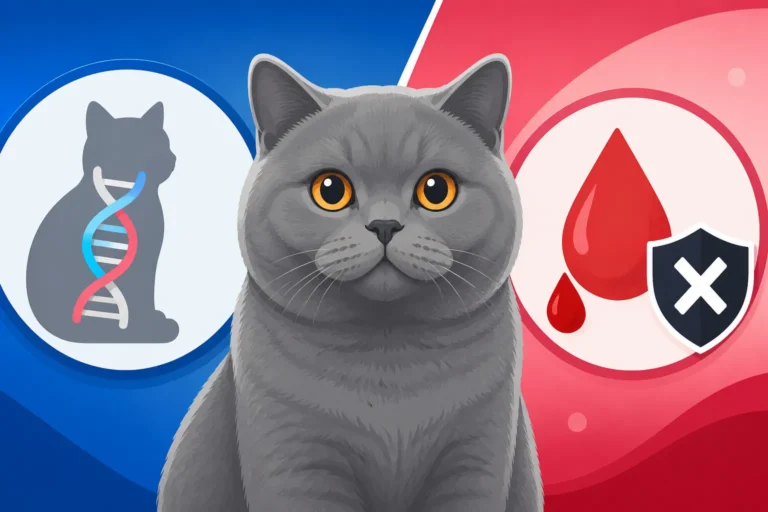
The dream scenario for any responsible breeder or worried owner is a simple DNA test. Just swab the cheek, send it to a lab, and get a clear "positive" or "negative" result. This kind of test exists for some conditions in some breeds, but not for British Shorthair HCM. Understanding why is crucial, and it boils down to the intricate world of feline genetics.
Why the Maine Coon HCM Test Doesn't Work for British Shorthairs
Many people, understandably, hear about the DNA test for HCM in Maine Coons and wonder why it can't just be used for British Shorthairs. It seems logical, right? If one breed has a test, why can't another? The truth is, the genetic mutation identified in Maine Coons (a mutation in the MYBPC3 gene) is specific to that breed. It's like finding a specific typo in a very long book that causes problems for readers of that particular edition. That typo won't be found in a completely different book, even if that second book also has typos that cause problems.
This specific MYBPC3 mutation causes HCM in a significant number of Maine Coons, allowing for a reliable DNA test for that particular genetic cause. However, researchers have thoroughly investigated this same gene in British Shorthairs, and they haven't found the same mutation to be a primary cause of HCM in our beloved round-faced cats. This means that even if you were to test your British Shorthair with the Maine Coon HCM panel, a "clear" result wouldn't tell you anything about their risk for HCM specific to their own breed. It's a common misconception, and a source of much confusion and disappointment for owners. For more on this, consider reading Whether the Maine Coon Test Works on a British Shorthair.
The Elusive Gene: The Scientific Challenges
The primary reason there's no British Shorthair HCM gene test isn't for lack of trying or scientific interest. Research teams around the world have been actively studying the genetics of HCM in various breeds for years, including British Shorthairs. The challenge lies in the sheer complexity of the feline genome and the nature of the disease itself. HCM is a "phenotype," meaning the observable characteristics, but the underlying "genotype" (the specific genetic makeup) can be incredibly varied.
Imagine trying to find a needle in a haystack, but the haystack is actually thousands of similar needles, and only a few of them are the right needle that causes the problem. Scientists have to compare the genetic code of many affected cats with that of healthy cats, looking for consistent differences. This process, called genetic mapping, is expensive, time-consuming, and requires large sample sizes. Even with advanced sequencing technologies, identifying the specific genes or combinations of genes responsible for HCM in British Shorthairs has proven to be an exceptionally difficult puzzle to solve. This often means that even when a potential genetic marker is found, it might only account for a small percentage of cases, making a single, definitive test impossible.
The Polygenic Puzzle: More Than One Gene at Play
What makes the search for a British Shorthair HCM gene even more complicated is the strong likelihood that the disease in this breed is polygenic. This means it's not caused by a single, easily identifiable gene mutation, but rather by the interaction of multiple genes, possibly combined with environmental factors. Think of it like a recipe: instead of one "bad" ingredient spoiling the dish, it might be a combination of several "so-so" ingredients that, when put together, create a less-than-ideal outcome.
When a disease is polygenic, it becomes exponentially harder to develop a simple DNA test. Even if researchers identify several contributing genes, the presence of one or two might not guarantee the development of HCM, and the absence of one might not guarantee freedom from the disease. The interaction between these genes, their dosage, and other modifying factors can all play a role. This is why developing a comprehensive gene test for polygenic diseases is a monumental task, and often, even if successful, the test might only provide a risk assessment rather than a definitive "yes" or "no" answer. This ongoing genetic mystery is the fundamental reason Why There Is No British Shorthair HCM Gene Test.
The Current Gold Standard: Echocardiogram Screening
Given the frustrating absence of a definitive gene test for British Shorthair HCM, breeders and owners are left with the next best thing: regular echocardiogram (echo) screenings. While it requires more effort and cost than a simple cheek swab, it remains the most reliable method for detecting HCM in living cats.
What an Echo Actually Shows
An echocardiogram is essentially an ultrasound of the heart. It’s a non-invasive procedure that uses sound waves to create a real-time image of your cat's heart. This isn't just a static picture; it's a dynamic view that allows a trained veterinary cardiologist to observe the heart's structure and function in motion. They can measure the thickness of the heart walls, assess the size of the chambers, check the function of the valves, and observe blood flow patterns.
Specifically, during an echo, the cardiologist looks for the characteristic thickening of the left ventricular walls, which is the hallmark of HCM. They can also detect other associated changes, such as enlargement of the left atrium (a sign of increased pressure in the heart) or turbulent blood flow. It provides a detailed, visual assessment that no genetic test could offer, as it shows the actual physical changes in the heart muscle. It’s the definitive diagnostic tool. To understand more about what this process involves, you can learn How a British Shorthair's Echo Is Performed.
When and How Often Your British Shorthair Needs an Echo
This is where consistency and commitment come into play. For British Shorthairs, the recommendation is to begin screening for HCM fairly early, typically around 1 to 2 years of age. Some breeders even start screening their breeding cats younger, around 10-12 months, if they are particularly cautious or have lines with earlier onset. The disease often manifests in young to middle-aged cats, but it can appear later, which is why ongoing screening is so vital.
After the initial screening, if your cat receives a "clear" result, the recommended frequency for repeat echoes is usually annually or every other year, especially for breeding cats. For pet cats, once they are past the age where HCM typically manifests (say, after 5-7 years of age with consistently clear scans), the frequency might be reduced to every few years, but this should always be discussed with your vet or a cardiologist. Remember, a clear echo today doesn't mean a cat will never develop HCM; it just means there are no detectable signs at that moment. This is why The Yearly Echo That Replaces a British Shorthair Gene Test is so critical. For more specific guidance on timing, see When a British Shorthair Should Have Its First Echo and How Often a British Shorthair Needs an Echo.
Finding a Qualified Veterinary Cardiologist
Getting an echocardiogram isn't like a routine vaccination; it requires specialized expertise. You absolutely need to seek out a board-certified veterinary cardiologist to perform and interpret the echo. A general practitioner vet, while skilled in many areas, may not have the extensive training and experience necessary to accurately diagnose subtle changes associated with early HCM or to differentiate it from other heart conditions. The nuances of reading an echo require a keen eye and deep understanding of feline cardiology.
A specialist will not only perform the scan correctly but also provide a thorough, written report and discuss the findings with you. They can give you guidance on follow-up care, prognosis, and potential treatment options if HCM is detected. Don't hesitate to ask your regular vet for a referral to a cardiologist or search for one through professional organizations like the American College of Veterinary Internal Medicine (ACVIM) if you're in North America, or equivalent bodies elsewhere. Their expertise is invaluable for the health of your British Shorthair's heart. You can also explore Why a Cardiologist Should Scan a British Shorthair for further details.
The Breeder's Role and Responsibilities
When it comes to British Shorthairs and HCM, responsible breeders are on the front lines, navigating the challenges of a disease without a simple genetic fix. Their practices, transparency, and dedication to health screening are paramount in minimizing the spread of HCM.
Ethical Breeding Practices Without a Gene Test
In the absence of a DNA test, ethical British Shorthair breeders rely heavily on consistent, annual echocardiogram screenings of their breeding cats. This isn't just a one-off test; it's an ongoing commitment throughout the cat's breeding life. A truly responsible breeder will have all their breeding queens and studs scanned by a board-certified veterinary cardiologist every year, and they should be willing to share those results with potential buyers. If a cat is diagnosed with HCM, even a mild form, it should immediately be removed from the breeding program, along with its first-degree relatives (parents, siblings, and offspring), if possible, to prevent further transmission of potentially affected genes.
This proactive approach, while costly and time-consuming, is the cornerstone of responsible British Shorthair breeding. It's about making informed decisions based on phenotypic expression (what the echo shows) rather than just a genetic marker. Breeders who cut corners on echo screening are putting future generations of British Shorthairs at risk. This rigorous screening helps to identify affected animals and reduces the incidence of the disease over time, even if the exact genetic mechanism remains unknown.
Understanding Breeder Health Guarantees
When you purchase a British Shorthair kitten from a reputable breeder, you should receive a contract that includes a health guarantee. This guarantee often covers congenital or hereditary conditions, and HCM is usually at the top of that list. However, it's crucial to read these guarantees carefully and understand their limitations. A common guarantee might state that the breeder will replace a kitten diagnosed with HCM within a certain timeframe, often two or three years of age. This provides some peace of mind, but it doesn't cover the emotional toll or the vet bills you might incur if your cat develops the condition later in life.
Some breeders might offer a lifetime guarantee, but these are less common, especially for a condition like HCM which can manifest at any age. It's important to discuss the specifics of their health guarantee before committing to a kitten. A good guarantee shows a breeder's confidence in their lines and their commitment to long-term health, but it's not a substitute for your own due diligence in ongoing screening. For more information on breeder responsibilities, refer to What a British Shorthair Breeder Should Have Tested.
Questions to Ask Your British Shorthair Breeder
Beyond the health guarantee, there are several critical questions you should ask any British Shorthair breeder you're considering. Don't be shy; a good breeder will welcome your questions and be transparent.
- "Can I see the echocardiogram results for both parents (and ideally grandparents) of the kitten I'm interested in?" You're looking for clear reports from a board-certified cardiologist, dated annually. Any breeder who is evasive or only offers general statements about "healthy lines" is a red flag.
- "At what age do you start screening your breeding cats for HCM, and how often are they screened?" The answer should be around one year old, and annually thereafter.
- "What is your policy if one of your breeding cats develops HCM?" They should have a clear plan for removing the cat and its immediate relatives from the breeding program.
- "What is the average lifespan of your cats, and have you had any cases of HCM in your lines?" An honest breeder will acknowledge that no line is 100% free of risk, but they should demonstrate efforts to minimize it.
- "Which specific veterinary cardiologist performs your screenings?" A confident breeder will happily share their specialist's details.
By asking these questions, you're not just buying a kitten; you're gaining insight into the ethical foundation of the cattery. A reputable breeder's commitment to heart screening is the best indicator of their dedication to the long-term health of the breed, especially for conditions like HCM where a simple gene test isn't available. You should also consider reading Whether a British Shorthair Breeder Shows Echo Results to understand what to expect.
Living with an HCM-Affected British Shorthair
Discovering your beloved British Shorthair has HCM can be devastating, but it's important to remember that a diagnosis is not an immediate death sentence. Many cats with HCM can live comfortably for years with proper management and veterinary care. It’s about understanding the journey and being prepared.
Signs to Watch For
As mentioned earlier, HCM can be a silent disease, making early detection challenging. However, once diagnosed, or if you suspect your cat might be at risk, it's crucial to be vigilant for any changes in their behavior or physical condition. Even subtle signs can be important. Keep a close eye on their breathing: Is it faster than usual, even at rest? Are they open-mouth breathing or showing signs of difficulty, like a heaving chest? These are medical emergencies.
Other signs can include lethargy, a decrease in appetite, hiding more often, or reluctance to play. You might also notice coughing, though this is less common in cats with heart disease than in dogs. Pay attention to how they move. A sudden lameness, especially in the hind legs, can be a terrifying sign of a saddle thrombus. Any of these symptoms warrant an immediate vet visit. Your observations at home are critical for your vet, as cats are masters at hiding illness. For more on what to look for, read Signs a British Shorthair Has Heart Disease.
Treatment Options and Prognosis
While there is no cure for HCM, there are effective treatments that can help manage the condition, improve quality of life, and in some cases, slow its progression. The specific treatment plan will depend on the severity of the disease and whether your cat is showing symptoms. Medications commonly used include beta-blockers (like atenolol) to slow the heart rate and improve relaxation, ACE inhibitors (like benazepril) to reduce blood pressure and fluid retention, and diuretics (like furosemide) to manage fluid buildup in the lungs if congestive heart failure develops.
For cats at risk of blood clot formation, often due to significant left atrial enlargement, anti-clotting medications such as clopidogrel are frequently prescribed. Regular veterinary check-ups, often every few months, are essential to monitor the heart's condition and adjust medication dosages as needed. The prognosis for HCM is highly variable. Some cats live for many years with a good quality of life after diagnosis, while others may progress rapidly. Early diagnosis and consistent treatment offer the best chance for a longer, more comfortable life. To understand the different approaches, you can explore How a British Shorthair With HCM Is Treated and How Long a British Shorthair Lives After an HCM Diagnosis.
The Importance of Regular Vet Care and Insurance
Living with a British Shorthair, especially one with a genetic predisposition to HCM, highlights the undeniable value of regular veterinary care. Beyond annual check-ups, if your cat is diagnosed with HCM, frequent visits to the cardiologist become part of the routine. These ongoing appointments, specialized tests, and daily medications can certainly add up financially. This is where pet insurance becomes an incredibly valuable tool.
Companies like Healthy Paws offer comprehensive pet insurance plans that can help offset the significant costs associated with managing chronic conditions like HCM. Imagine facing hundreds or even thousands of dollars in vet bills for diagnostic tests, specialist consultations, and ongoing medication, all while dealing with the emotional stress of your cat's illness. Having pet insurance can alleviate a huge portion of that financial burden, allowing you to focus on getting your cat the best possible care without having to make heartbreaking decisions based on your wallet. It's an investment in peace of mind and your cat's well-being. Thinking about costs, you might find What Insuring a British Shorthair Costs a Month to be a helpful read. Planning for the long term means considering all aspects of care, including the financial ones, so you can always prioritize your cat's health above all else.
Disclaimer
The information provided in this article is for general informational purposes only and is not intended as a substitute for professional veterinary advice, diagnosis, or treatment. Always seek the advice of your veterinarian or other qualified animal health provider with any questions you may have regarding a medical condition.